

Missouri has always had a knack for surprises. Driving through the Ozarks on an ordinary afternoon, you might spot something that would have been unthinkable just a few decades ago: the flash of a black bear disappearing into the timber, or a pair of bald eagles perched above a riverbank like they own the place. The truth is, they kind of do again.
The story of wildlife recovery in this state is one of the more quietly remarkable environmental narratives in the American Midwest. Species that were hunted out, poisoned into near-extinction, or simply crowded off the landscape by development have been finding their way back, sometimes through deliberate conservation programs, sometimes on their own. Periodic surveys show that roughly three-quarters of Missourians support the Missouri Department of Conservation’s efforts to restore animals that once lived or are currently very rare in the state. That kind of public backing has made a real difference.
Here are nine animals that tell the story of Missouri’s ongoing wildlife resurgence.
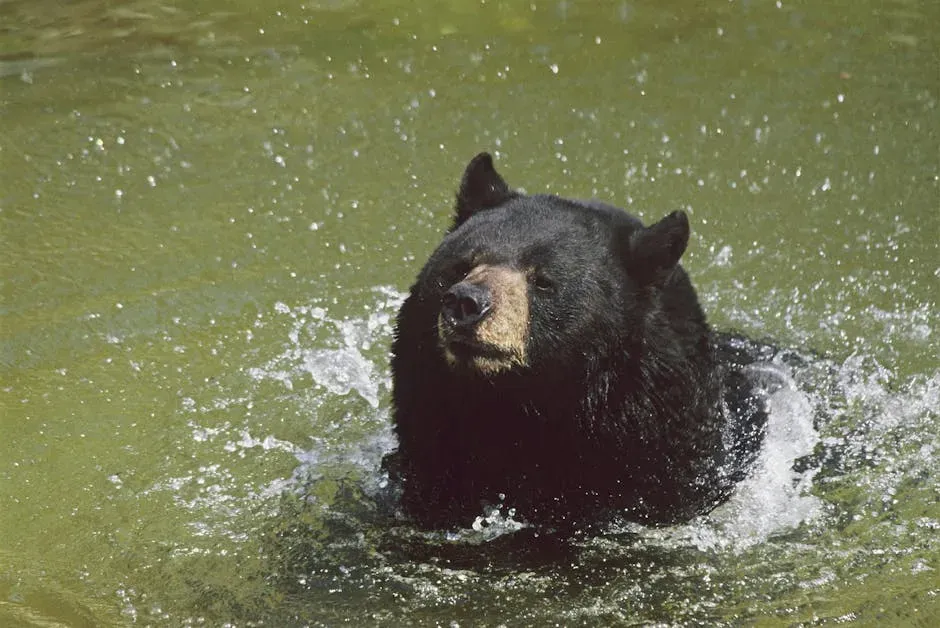
1. American Black Bear
🔥 Would you like to save this?
We'll email this post to you, so you can come back to it later!
Few Missouri wildlife stories have unfolded quite like this one. Black bears used to be abundant in Missouri but had become rare by 1850, and by 1931 they were thought to have been entirely extirpated. The cause was familiar: unchecked logging and hunting stripped both the forests and the animals from the landscape.
Missouri now has a population of around 900 to 1,000 black bears, up from about 300 in 2010. That kind of growth, more than tripling in roughly fifteen years, is not something wildlife managers take for granted. Research shows Missouri’s bear population is growing at a rate of about nine percent per year, which means it could double in a decade.
In the 1960s, the Arkansas Game and Fish Commission captured and released 254 black bears from Minnesota and Manitoba, Canada, in the Ozark and Ouachita mountain ranges, one of the more ambitious wildlife restoration projects of that era. Following successful restoration efforts in nearby Arkansas and Oklahoma, black bears began to naturally immigrate back into the Ozarks of southern Missouri.
In 2024 alone, the Missouri Department of Conservation received 372 bear reports in 70 counties. That’s not a handful of remote Ozark sightings. It reflects a population spreading into parts of the state where residents haven’t seen a bear in their lifetimes, if ever.
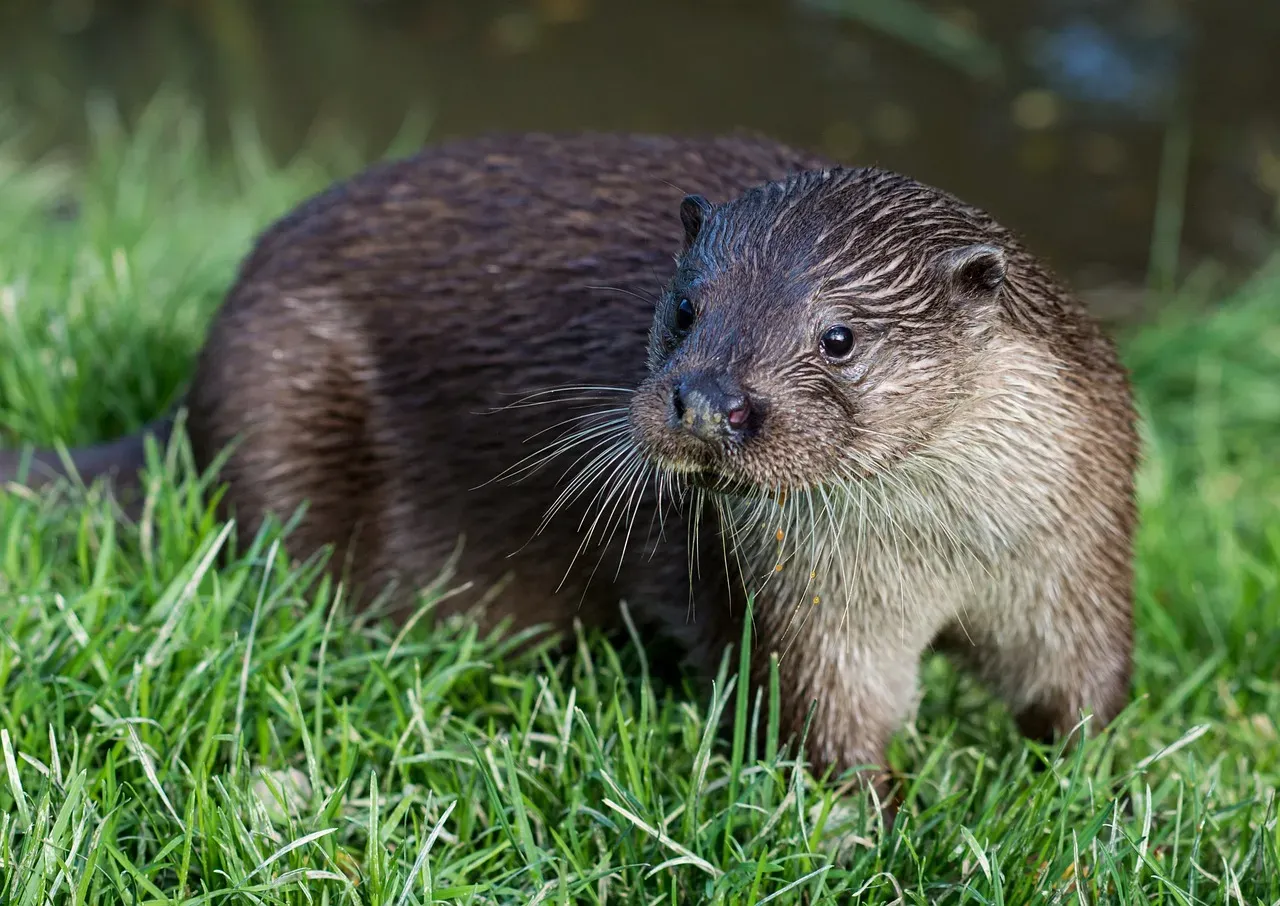
2. North American River Otter
🔥 Would you like to save this?
We'll email this post to you, so you can come back to it later!
The North American river otter was once nearly eliminated in Missouri, but thanks to restoration efforts, these powerful swimmers are once again found throughout most of the state. Their absence from Missouri’s waterways lasted for decades, a silence along the rivers that most people had simply accepted as normal.
Beginning in 1982, a total of 835 river otters were reintroduced to Missouri, more than 50 years after their extirpation. Most otters were translocated from Louisiana and released at 43 sites across the state. The logistics involved some creative deal-making: Missouri traded wild turkeys to state game managers in Kentucky who, in return, purchased healthy Louisiana river otters and brought them to Missouri for release.
Missouri’s otter reintroduction has become a template for wildlife restoration projects across North America, with the Missouri framework eventually serving as a model for many states, including Ohio, Kentucky, and Illinois. The population recovered so strongly that by 1996, the Missouri Department of Conservation was pressured to issue a regulated otter trapping season, the first in decades, which itself was considered a sign of success.
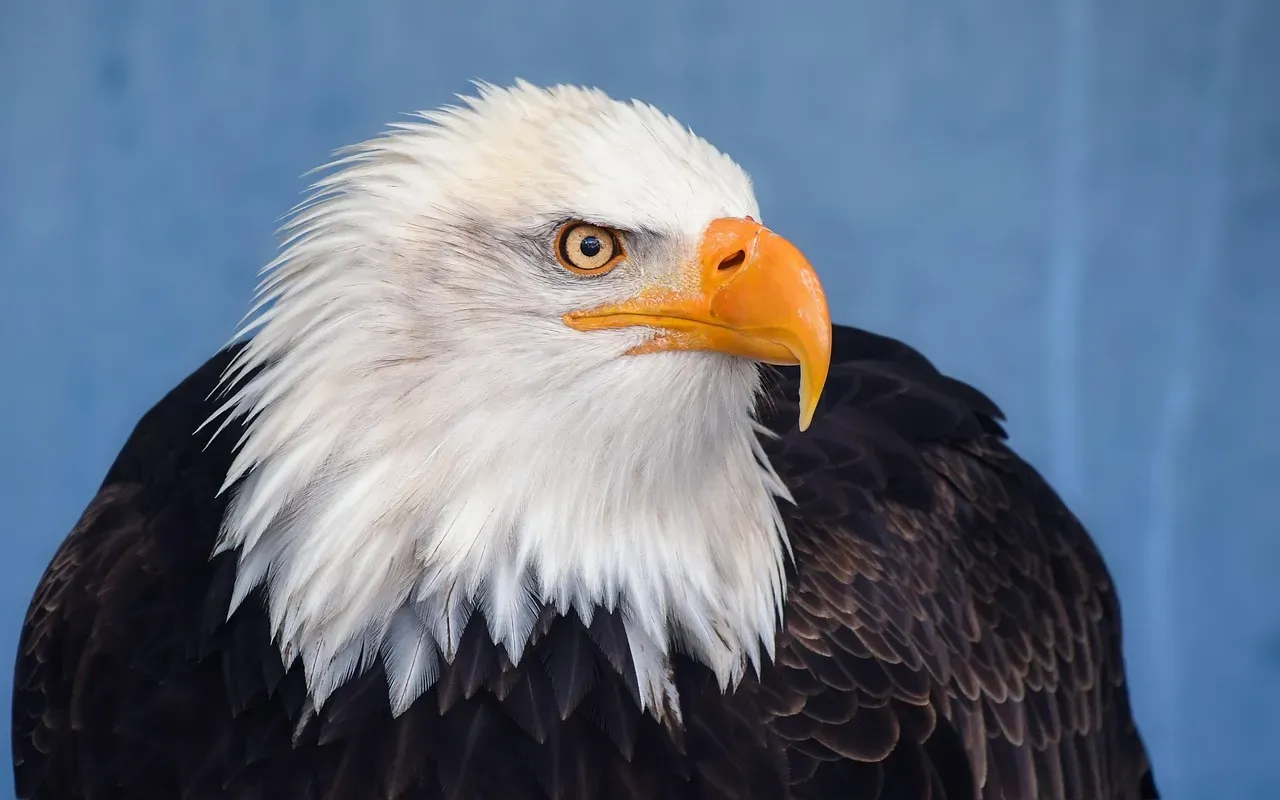
3. Bald Eagle
🔥 Would you like to save this?
We'll email this post to you, so you can come back to it later!
The bald eagle wasn’t strong enough to survive habitat loss and pesticides. Chemicals like DDT poisoned the bird’s food and weakened its eggs, making it nearly impossible for healthy chicks to hatch. In 1963, with only 487 nesting pairs left across the country, the United States listed it as endangered.
From 1981 to 1990, a total of 74 young bald eagles from captive breeding programs or healthy wild populations were released in two Missouri locations with good nesting habitat. The young eagles imprinted on these areas and many returned to nest as adults.
With the help of reintroduction programs, the bald eagle has made a comeback across the country, and nowhere has its recovery been more remarkable than in Missouri. Not only do thousands of eagles spend the winter here, but an increasing number nest along Missouri’s lakes and rivers.
By one MDC account, there were 123 active nests in 2006, and that number has grown to approximately 500 active nests in more recent years. That’s a quiet, striking turnaround for a bird that was functionally gone from Missouri within living memory.
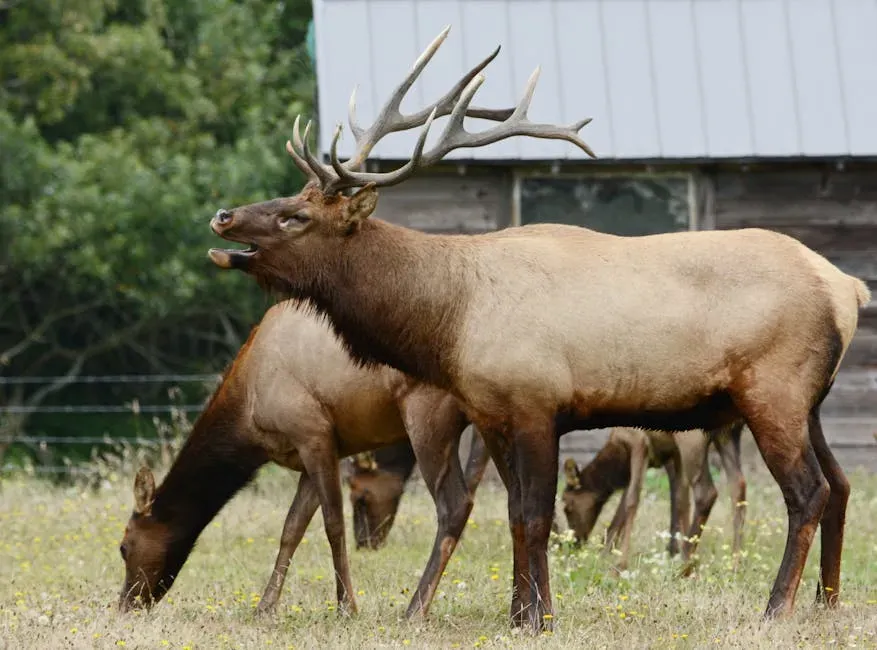
4. Elk
🔥 Would you like to save this?
We'll email this post to you, so you can come back to it later!
For more than a century, elk were missing from Missouri’s landscape. Before the 21st century, elk had last been seen in the state in the 1880s. Their population eventually dwindled and disappeared as they lost their habitat to human development and overhunting.
A push to reintroduce elk began in 2011, with proponents arguing that the native species belonged back in Missouri. The herd was established in the southeastern Ozarks, and the animals took to the terrain quickly. There are currently an estimated 200 to 250 elk in the state, and the MDC has a goal of reaching as many as 400 to 500.
The intent of management at this time is to increase the number of elk while also providing a limited hunting opportunity for select Missourians, done by allocating a conservative number of hunting permits and only allowing the harvest of males. Seeing elk in the Ozarks again has also brought real economic value: a 2016 study showed that elk-related tourism alone generated over one million dollars in economic activity.
5. Peregrine Falcon
🔥 Would you like to save this?
We'll email this post to you, so you can come back to it later!
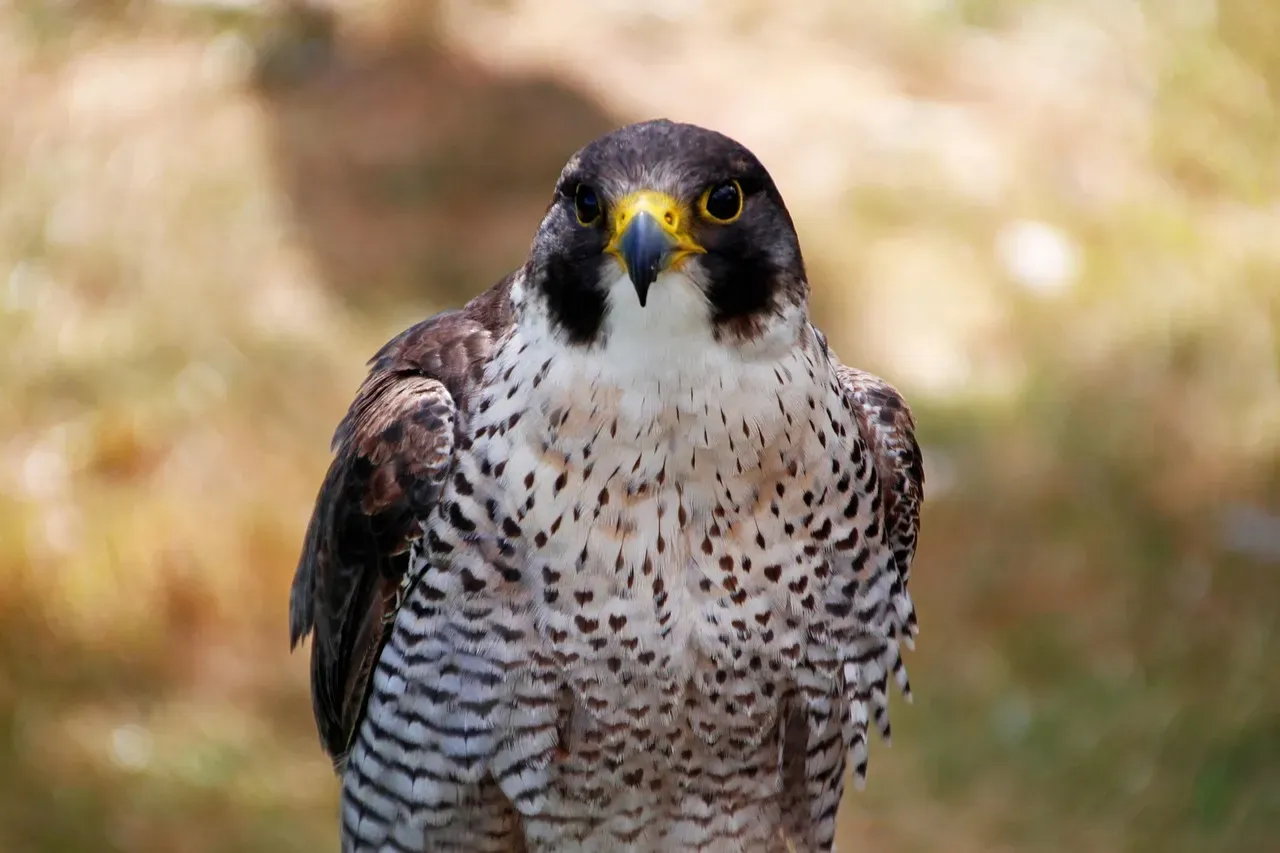
Like the bald eagle, the peregrine falcon disappeared from Missouri in the mid-1900s, another victim of pesticides. Unlike the eagle, the peregrine’s restoration story has depended more on human-made structures than on natural habitat, and in 1999 the U.S. Fish and Wildlife Service removed it from the federal endangered species list.
The peregrine was placed on the federal endangered species list in 1970, and peregrines were removed from that list in 1999 due to intensive restoration efforts. Missouri’s own recovery target was eventually exceeded: the state’s peregrine falcon recovery goal of 12 breeding pairs was exceeded in 2013, with 14 known active breeding pairs distributed across seven counties.
Peregrine falcons are attracted to skyscrapers and smokestacks, which give them easy access to abundant pigeons, waterfowl, and other birds they hunt. Today, several nest boxes appear atop tall buildings or on smokestacks in Kansas City and St. Louis. It’s an unusual conservation story: a wild bird finding its foothold on the sides of office buildings.
6. Wild Turkey
🔥 Would you like to save this?
We'll email this post to you, so you can come back to it later!
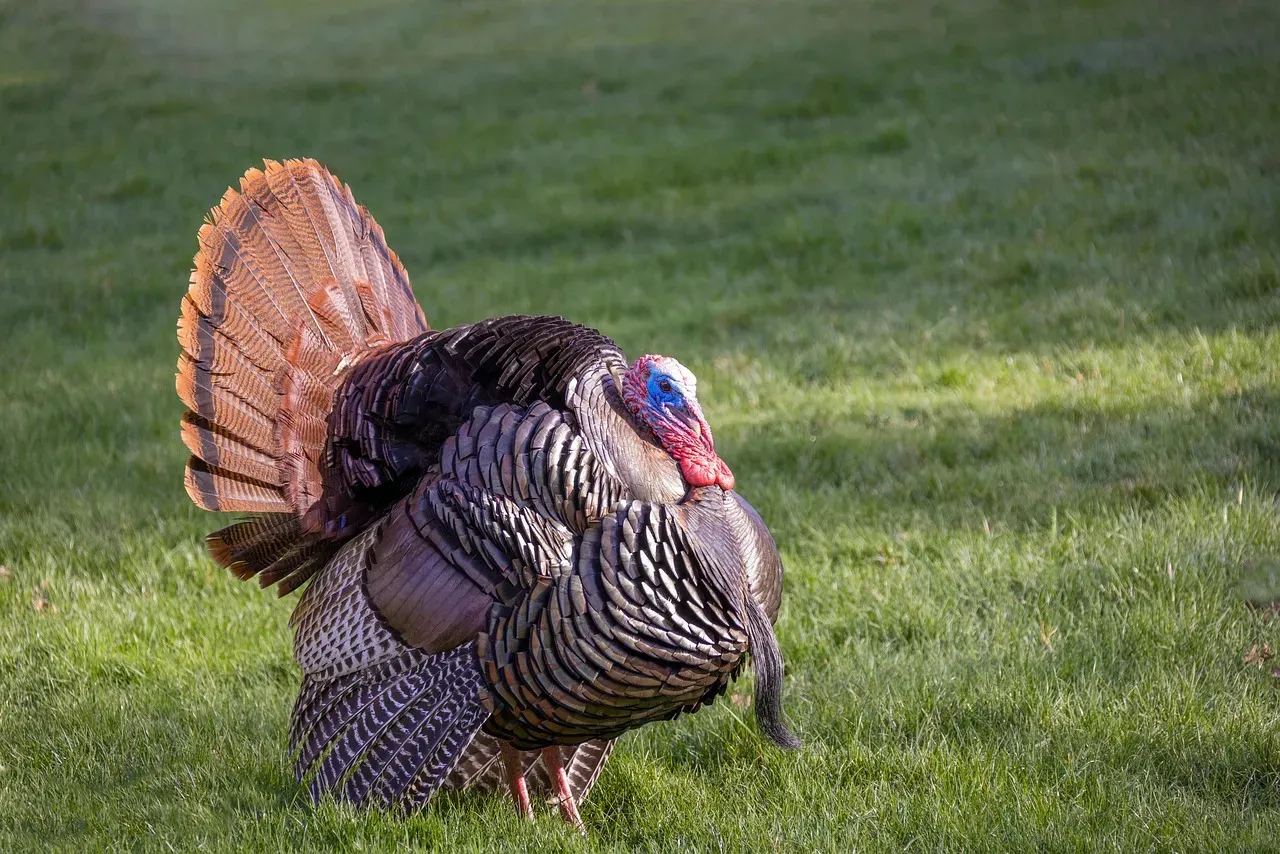
The wild turkey’s return is one of the older success stories in Missouri conservation, but it’s no less impressive for being well-known. River otters were once common along all of Missouri’s waterways, and the same pressures of unregulated harvest and unrelenting habitat destruction during settlement that were knocking down white-tailed deer, wild turkey, beaver and other wildlife populations took their toll on multiple species simultaneously.
Turkeys were functionally gone from most of Missouri by the mid-20th century. Systematic trapping and relocation programs carried out by the Missouri Department of Conservation gradually rebuilt populations across the state. Decades of conservation work by MDC and private landowners brought once-scarce wildlife and hunting opportunities back, including to Ozark farms where multiple species were absent for generations.
In 2020, the Wild Turkey Management Plan was completed as part of a broader suite of species-level planning. Today, wild turkeys are widespread , a common sight in forests, farmland edges, and even suburban fringes. Their gobble in April has become a reliable sign of spring again.
7. White-Tailed Deer
🔥 Would you like to save this?
We'll email this post to you, so you can come back to it later!
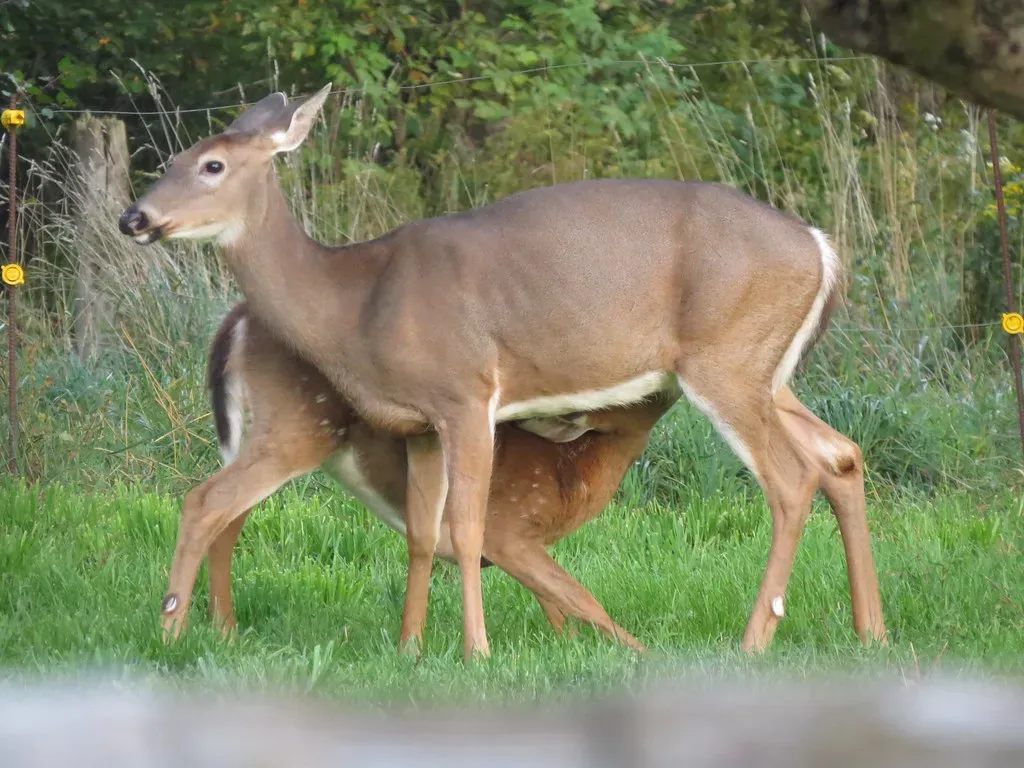
It’s easy to forget that white-tailed deer were once genuinely scarce in Missouri. Overhunting and habitat clearance through the 19th and early 20th centuries reduced populations to a fraction of their historical levels. By the mid-20th century, deer sightings in many rural parts of the state were genuinely unusual.
When white-tailed deer made a comeback in Missouri thanks to conservation, hunting traditions that had been entirely absent were revived, with families taking deer starting in the 1970s. The recovery was dramatic and lasting. Deer hunting today generates more than one billion dollars in economic activity annually in Missouri.
During the winter of 2023, MDC’s deer biologists gathered to begin updating the department’s White-tailed Deer Management Plan, underscoring that keeping these management plans current is key to the long-term health of Missouri’s fish and wildlife species. Managing a thriving population carries its own challenges, including chronic wasting disease, but the deer’s comeback itself is a foundational chapter in Missouri’s conservation history.
8. Eastern Hellbender
🔥 Would you like to save this?
We'll email this post to you, so you can come back to it later!
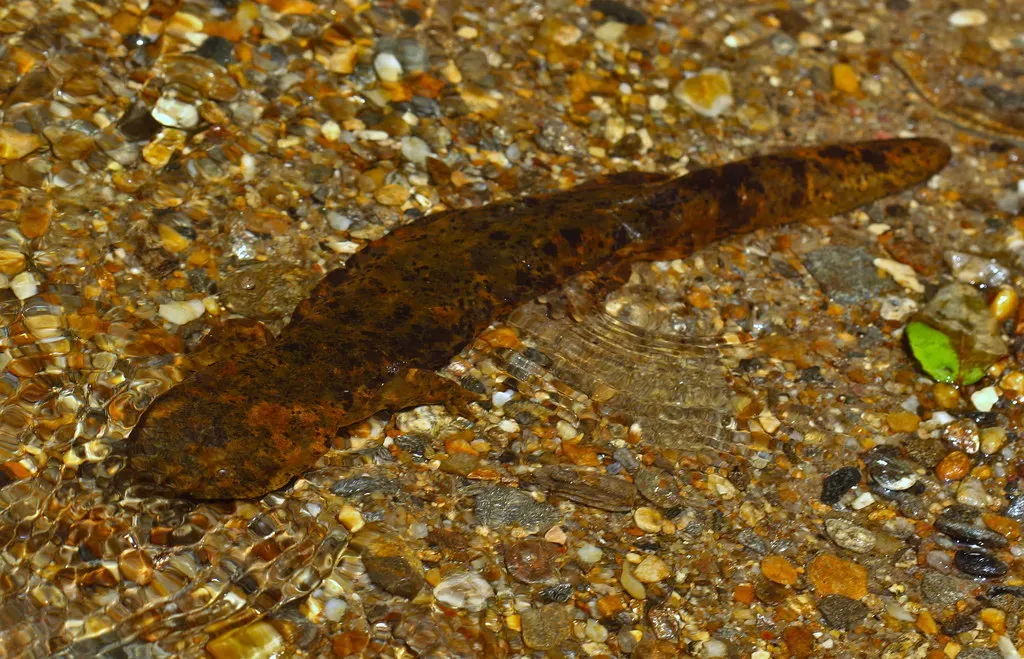
Working with its partners, the U.S. Fish and Wildlife Service developed a plan to save the Missouri Distinct Population Segment of the eastern hellbender, the largest salamander in North America. These giant, flat, rock-sheltering salamanders are ancient creatures that thrive only in clean, cold, well-oxygenated streams. Their decline has closely tracked the degradation of Missouri’s waterways.
The first objective of the recovery plan for the eastern hellbender is to ensure habitat is available to support viable populations. Adult hellbenders spend most of their life in bedrock crevices or under large, flat rocks in riverbeds, while larval and juvenile hellbenders generally shelter under smaller rocks and within cobble and gravel.
The second objective is to establish and maintain viable populations within the Niangua River, Gasconade River, and Meramec River watersheds, including occupied tributaries. Recovery efforts for the hellbender are expected to reduce sedimentation and improve water quality in these watersheds, which will also benefit drinking water and multiple other federally listed species.
9. Gray Bat
🔥 Would you like to save this?
We'll email this post to you, so you can come back to it later!
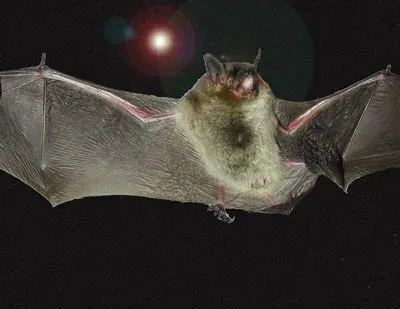
At one time, there may have been as many as two million gray bats in Missouri, but by the 1970s their population had shrunk to about half a million. Gray bats were listed as federally endangered in 1976. Their dependence on specific caves for both hibernation and maternity roosts made them especially vulnerable.
Most gray bats in Missouri hibernate in the same three caves every winter, but this dependence on specific sites has made them vulnerable to disturbance by humans. When hibernating, bats depend on stored energy to get through the winter. If they are disturbed during hibernation, they may use up valuable energy and starve before spring.
Protection of those key caves has been central to the gray bat’s gradual recovery. The Ecological Services Program works to restore and protect healthy populations of fish, wildlife, and plants and the environments upon which they depend, partnering with federal, state, tribal, local, and non-profit stakeholders, as well as private landowners, to advance those goals. Cave gating, access restrictions, and public education have all contributed to steadying a population that was once in genuine freefall.
A State That Keeps Proving the Skeptics Wrong
🔥 Would you like to save this?
We'll email this post to you, so you can come back to it later!
There’s a pattern running through all nine of these stories. None of these recoveries happened by accident, and very few happened quickly. They came from long-term planning, public investment, cross-agency cooperation, and, in several cases, the patience to wait years before results were visible. The Missouri Department of Conservation has been working with public and private partners to restore the state’s missing or declining wildlife for more than 80 years.
These success stories highlight the resilience of species when provided with the right conditions and active conservation measures. However, the path to recovery is not without its challenges. Continued efforts are crucial to ensuring the sustained growth of these populations and addressing ongoing threats such as habitat degradation, climate change, and human-wildlife conflict.
Missouri’s wildlife recovery record is, by any honest measure, something worth acknowledging. Not every species is fully out of the woods, and some face new pressures that didn’t exist when their recoveries began. Still, the bears are back in the Ozarks, the otters are back in the streams, and the eagles are nesting by the rivers. That’s not nothing. In fact, it’s quite a lot.

- Why Veterinarians Say If Your Cat Sleeps With Their Back to You, It's the Highest Form of Trust in Feline Behavior - November 5, 2026
- 10 Common Garden Pests That Are Actually Beneficial To Your Backyard Ecosystem - November 5, 2026
- 10 Unusual Reasons Older Adults Bond More Deeply With Certain Dog Breeds - November 5, 2026