
#1 Ringtails
🔥 Would you like to save this?
We'll email this post to you, so you can come back to it later!
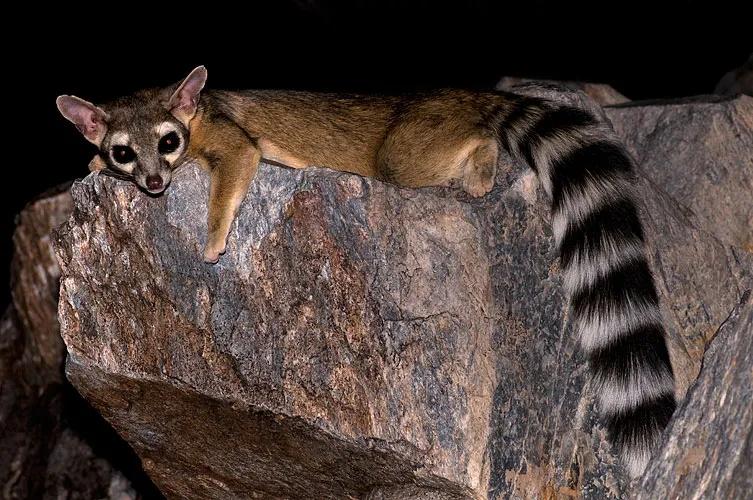
Ringtails are the closest thing the Hill Country has to a phantom. They are strictly nocturnal, active mainly during the middle of the night, and they are nimble climbers that move extremely quickly. People who catch a glimpse often assume they’ve seen a lemur or a strange little fox, but ringtails are actually part of the raccoon family, not felines at all despite the nickname “ringtail cat.”
Their bodies are built for this vertical, rocky terrain. Their semi-retractable claws and long tail provide the animal with tools ideal for climbing, and this agility is attributed to their balancing beam like tails and unique ankle joints, which are flexible and can rotate 180 degrees. With lots of basins, rocky surfaces, and shady tree cover, the terrain of the Texas Hill Country is especially well suited to the ringtail’s nature. Listen closely near a canyon wall after dark and you might even catch the clicking, chattering sounds they use to communicate.
#2 Mexican free-tailed bats
🔥 Would you like to save this?
We'll email this post to you, so you can come back to it later!
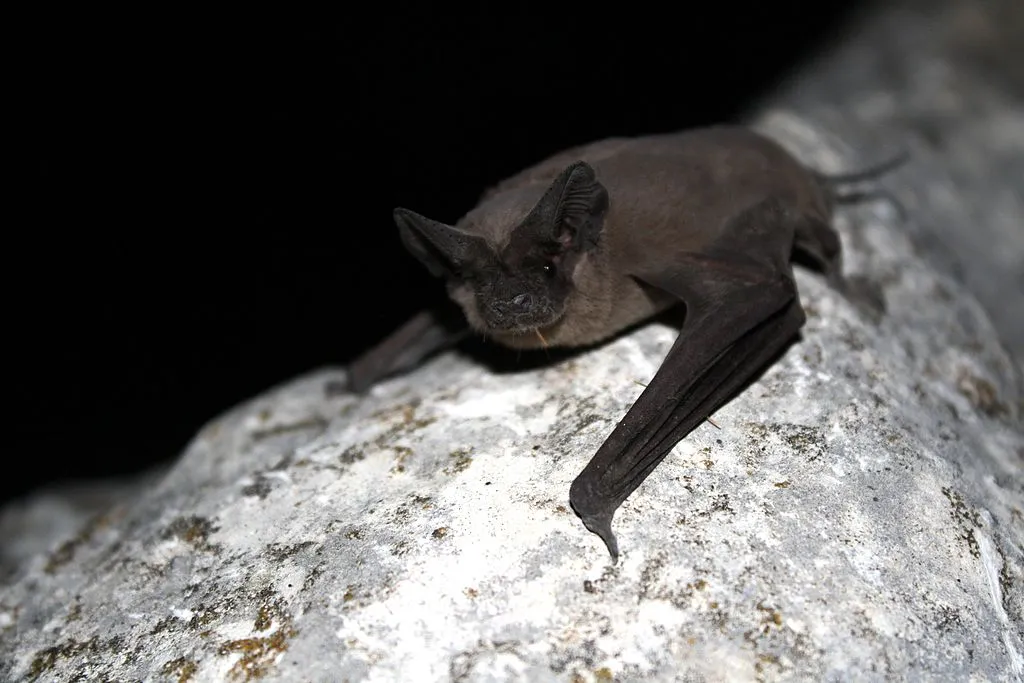
Few nighttime spectacles in Texas rival the sight of bats pouring out of a cave or bridge in a living, swirling column. The Hill Country skies are home to millions of Mexican free-tailed bats, whose nightly emergence once filled the sunset in waves. They spend their nights doing serious pest control, vacuuming up moths and beetles by the ton over farmland and river valleys.
That ancient rhythm is under some pressure these days, though. Artificial light illuminating cave openings and foraging spots is shifting the pattern, with some bats delaying their exit to avoid the light and losing precious feeding time, while others are drawn to insects around bright lights, making them more vulnerable to predators or forcing them into less suitable habitats. It’s a reminder that even the region’s most iconic night creature isn’t immune to a changing landscape.
#3 Armadillos
🔥 Would you like to save this?
We'll email this post to you, so you can come back to it later!
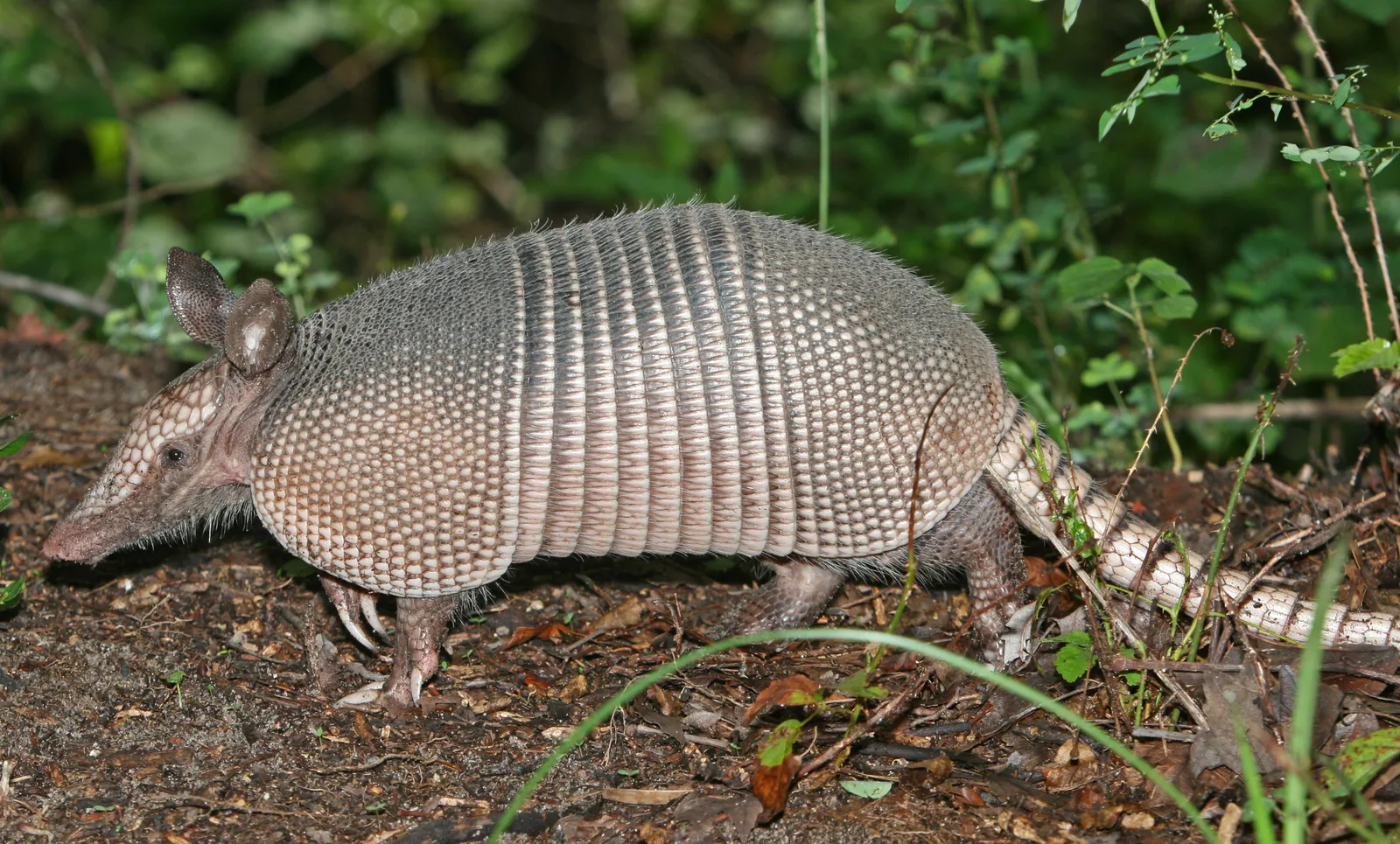
If you’ve ever heard something crashing through dry leaves on a Hill Country trail after dark and assumed it was something big and dangerous, it was probably just an armadillo. Hear rustling during a night hike, chances are you’ve stumbled across an armadillo, these snuffling beasts like it cool, so they most often leave their burrows in evenings to forage. They’re not graceful, but they’re persistent diggers, plowing through leaf litter in search of grubs and insects.
Spring and early summer add a family angle to the spectacle. During early summer, mothers bring out their quadruplet babies to rootle in the leaves with them. They’re one of the easiest nocturnal animals for beginners to spot, since their noisy foraging habits practically announce their location before you ever see them.
#4 Porcupines
🔥 Would you like to save this?
We'll email this post to you, so you can come back to it later!
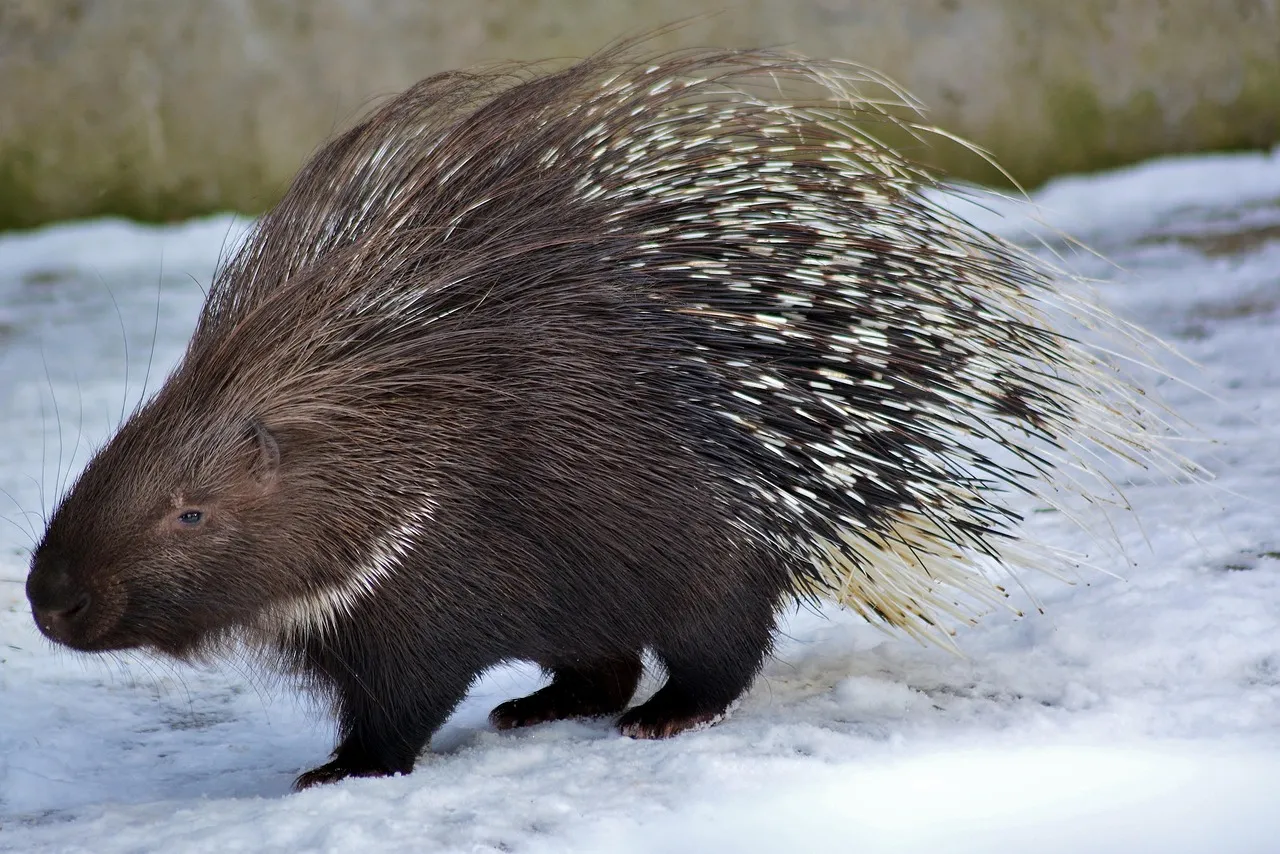
This one throws people off every time, because most Americans picture porcupines in northern forests, not Texas scrub. Porcupines, in the Texas Hill Country, primarily live in trees, which makes them oddly easy to overlook since they blend right into clumps of ball moss hanging from oak branches. A guide leading a night hike along the Cibolo once mistook a distant patch of moss for the real thing before realizing his mistake.
They’re slow, quiet, and largely uninterested in confrontation, which is part of why sightings tend to happen almost by accident. An animal rehab organization once relocated a porcupine from an apartment complex parking lot back to natural habitat, where he immediately climbed a tree, which says a lot about how instinctively these animals gravitate upward once given the chance. If you’re on a night hike and someone points at a shadowy lump in the canopy, take a second look. It might not be moss at all.
#5 Coyotes
🔥 Would you like to save this?
We'll email this post to you, so you can come back to it later!
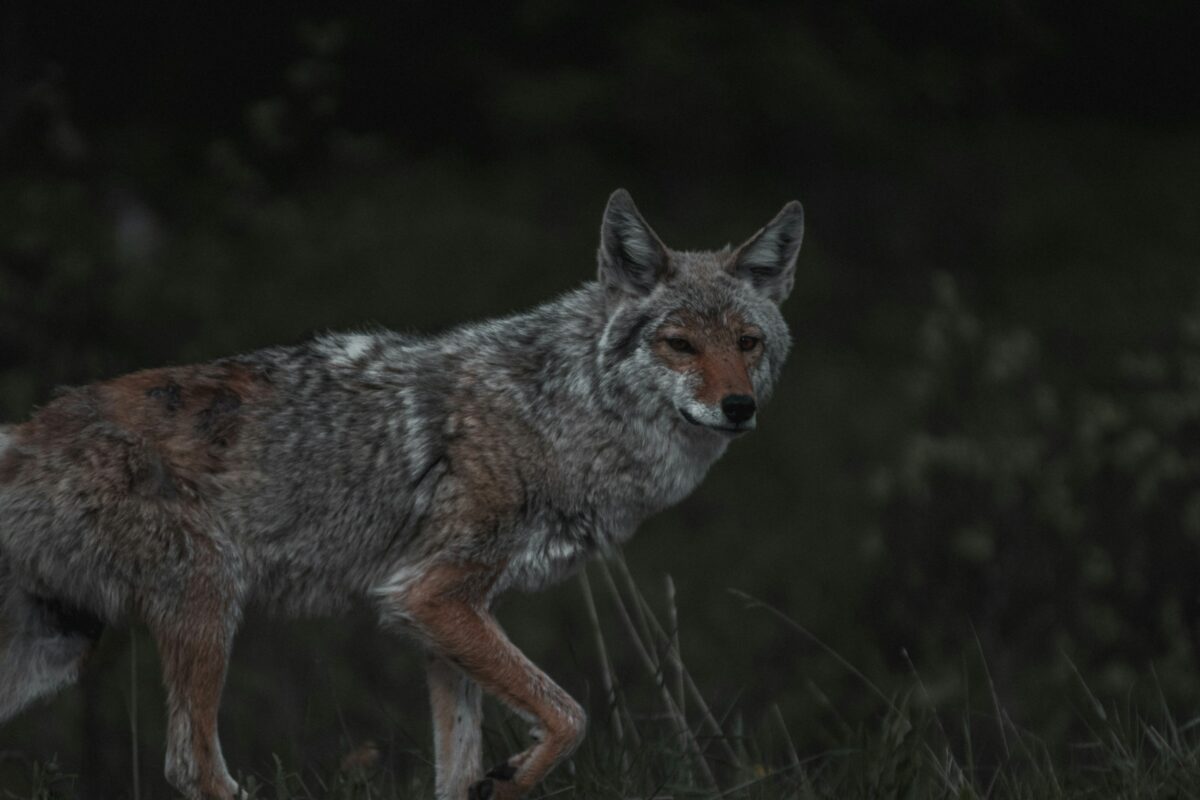
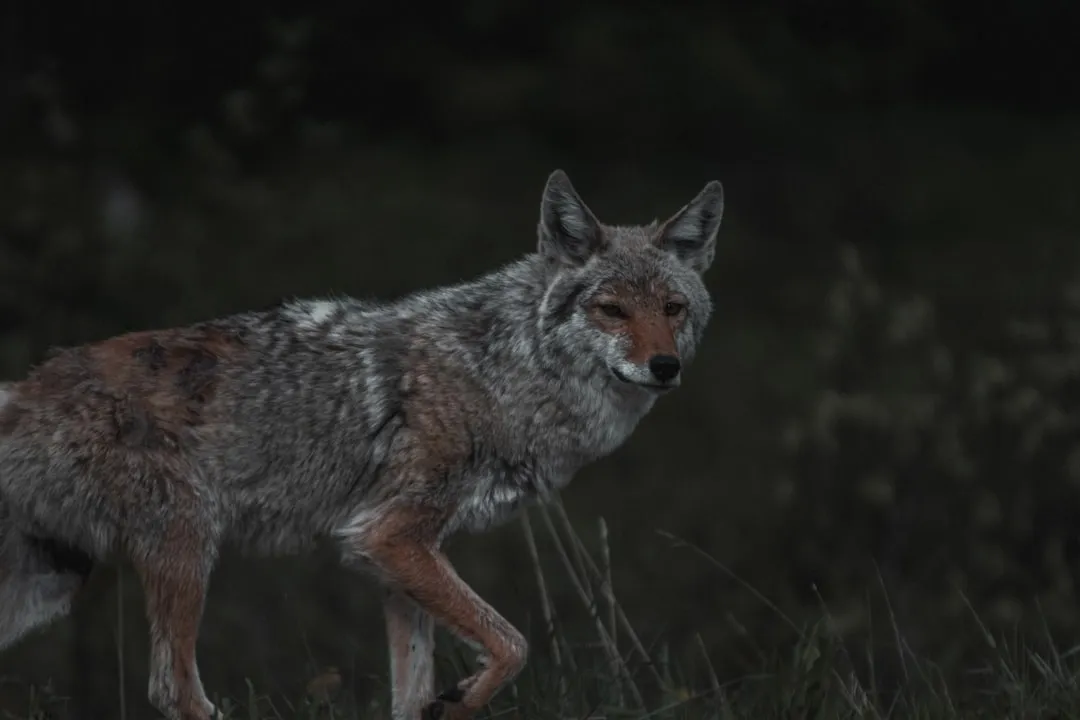
No sound defines a Hill Country night quite like a coyote chorus rolling across a dark pasture. On clear nights, the sound of coyotes echoing in the distance is part of the region’s nocturnal charm. That eerie call and response between packs is one of the most recognizable, and honestly one of the most atmospheric, features of camping anywhere in Central Texas.
Coyotes are opportunistic and adaptable, which is exactly why they’ve thrived even as the region has developed around them. They hunt rodents, rabbits, and insects, but they’ll also scavenge when the opportunity arises, making them one of the more visible predators on night hikes at parks that host guided programs. Their howls tend to carry impressively far across open grassland, so hearing one doesn’t always mean it’s close, but it does mean the night shift has officially started.
#6 Great horned owls and eastern screech owls
🔥 Would you like to save this?
We'll email this post to you, so you can come back to it later!
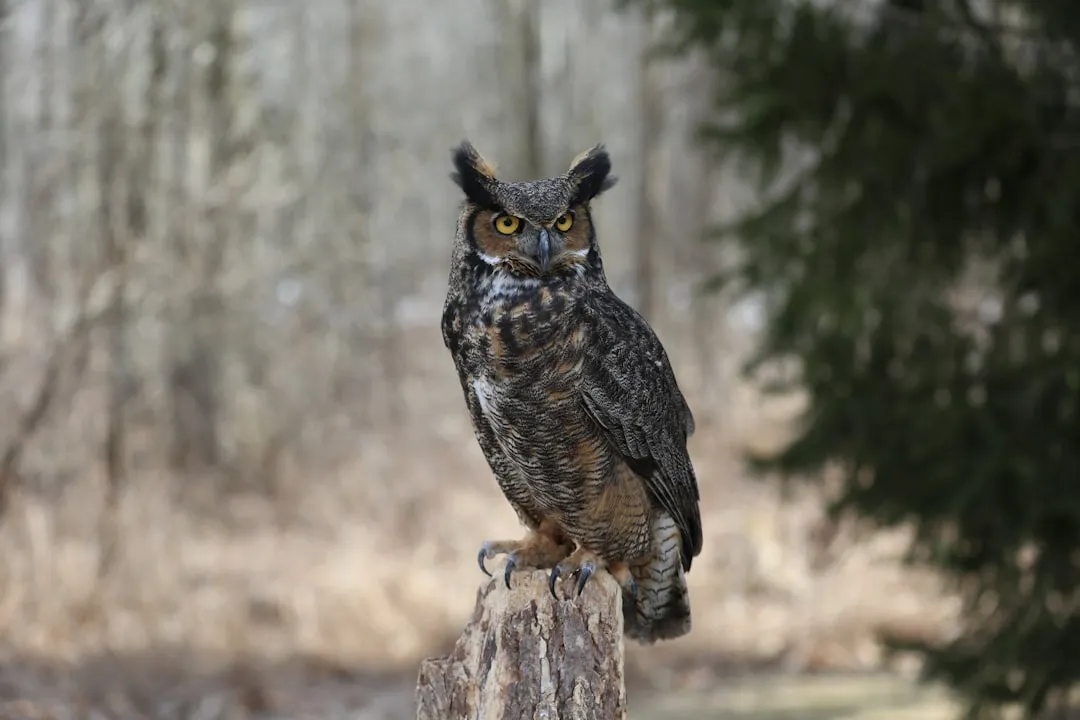
Owls do most of their work in near total silence, which is precisely what makes them such effective hunters. Eastern screech owls and common nighthawks are expert nocturnal hunters in the Texas Hill Country, relying on silence and shadow to ambush prey, including small mammals, frogs, and insects venturing into the open. Park interpreters at places like Guadalupe River State Park regularly lead visitors on owl prowls specifically because the calls are so distinctive once you learn them.
The barred owl’s call is famously described as sounding like a question about dinner plans, while visitors at night might also hear the calls of the eastern screech owl and the great horned owl, and though the western screech owl prefers the western part of the Hill Country, it has been known to visit the eastern edge too. Increasing artificial light in the region is starting to complicate the hunt, since without the illusion of darkness hiding them, prey will often cling to cover or alter their movements entirely, forcing owls to adapt their strategies along with everything else.
#7 Common nighthawks
🔥 Would you like to save this?
We'll email this post to you, so you can come back to it later!
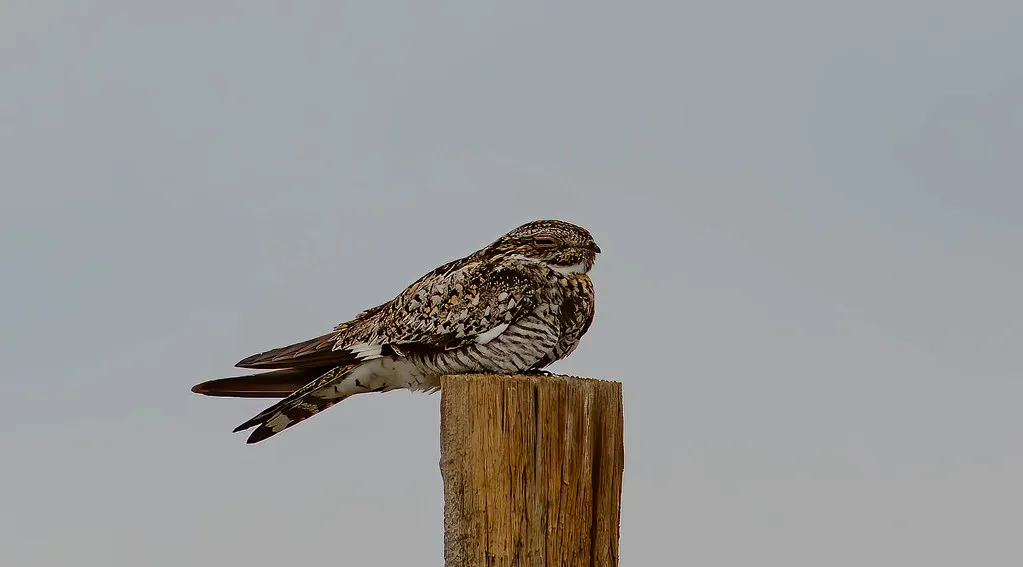
Not every night flyer in the Hill Country is a bat. Common nighthawks are birds built for aerial insect hunting, and their erratic, swooping flight over open fields at dusk is one of the more underrated wildlife shows in the region. Their camouflage is so effective during the day that most people never notice them resting on the ground until they burst into flight at twilight.
Once night falls, they become far easier to notice by sound than sight. Their odd, booming calls and sudden aerial dives while chasing flying insects give them away long before you spot the silhouette against a darkening sky. Anyone who’s sat out on a porch at dusk in the Hill Country and heard a strange whooshing dive overhead has likely had a nighthawk encounter without fully realizing it.
#8 Rattlesnakes
🔥 Would you like to save this?
We'll email this post to you, so you can come back to it later!
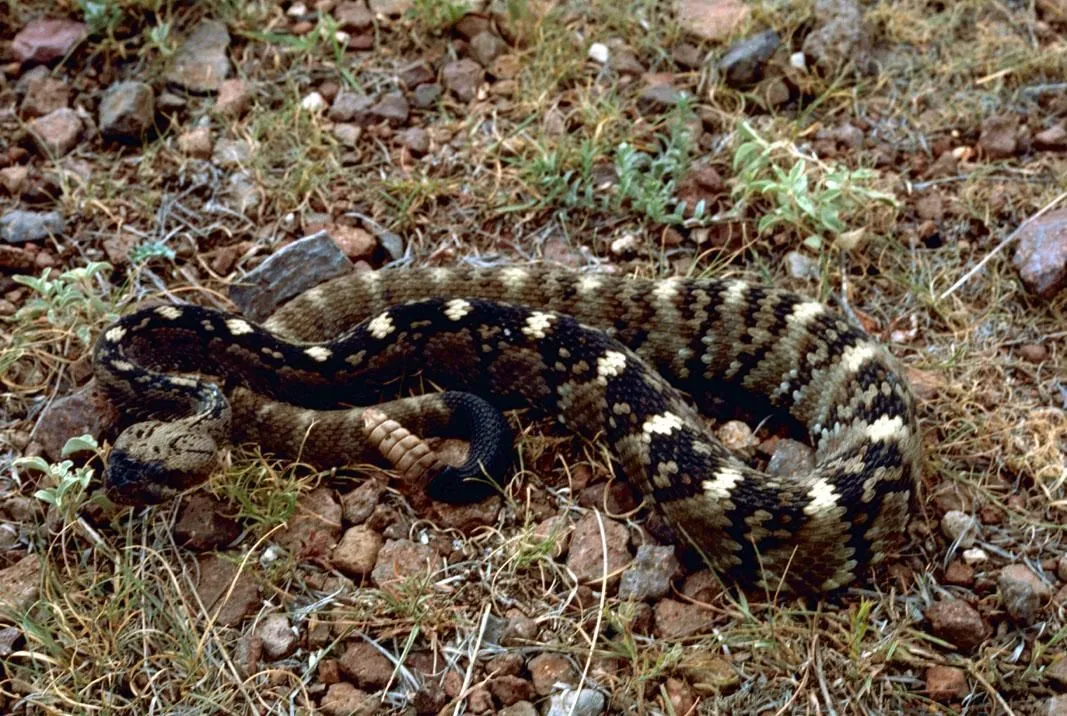
Warm summer nights bring out the region’s most cautious residents, and that includes several species of rattlesnake. Rattlesnakes do their best hunting at night, with several species found throughout Texas preferring to coil up in the brush alongside rodent trails, relying on their heat sensing pits to help them target scurrying rabbits and rats. Their patience is remarkable. They’ll wait motionless for long stretches, letting prey come to them rather than actively chasing anything down.
This is genuinely useful information for anyone hiking Hill Country trails after dark, not just trivia. Keeping an eye out for them is worth doing if driving or hiking backcountry roads after dark, since headlamps and sturdy footwear make a real difference on unpaved trails where visibility drops fast. It’s not meant to scare anyone away from a night hike, just a reasonable reminder that the ground deserves the same attention as the treetops.
#9 Gray foxes and raccoons
🔥 Would you like to save this?
We'll email this post to you, so you can come back to it later!
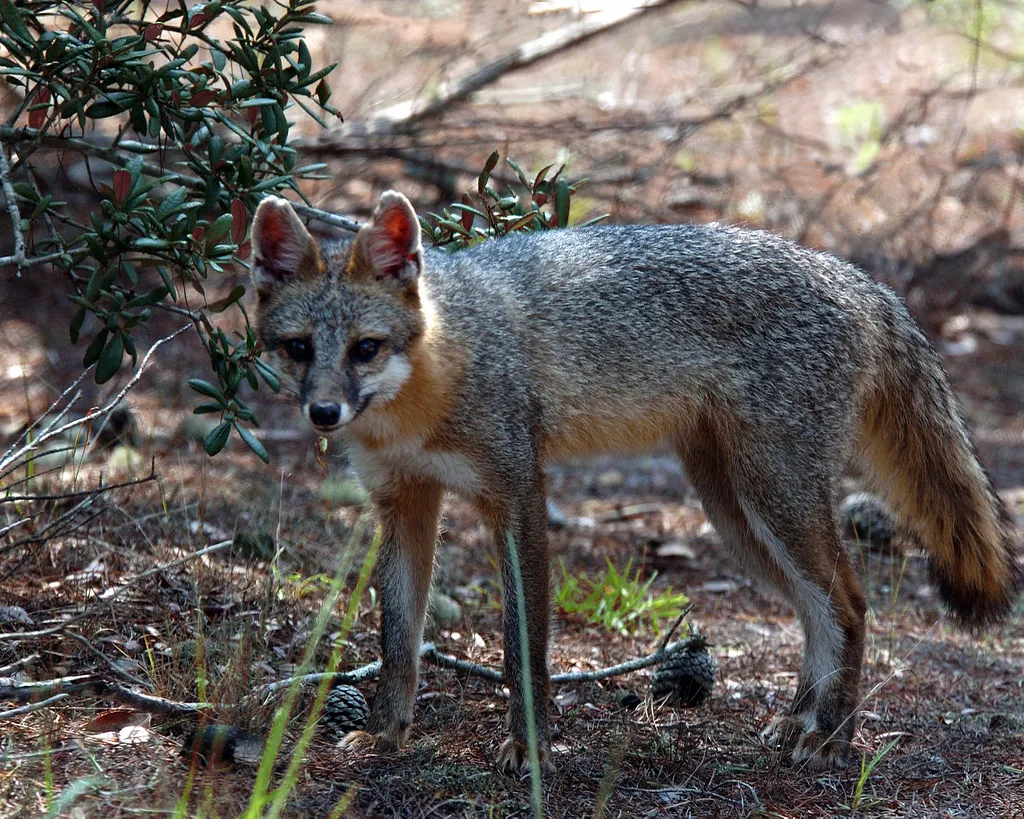
Rounding out the list are two classic backyard visitors that take on a different character once the Hill Country goes fully dark. Armadillos shuffle through the underbrush, raccoons explore campsites, and you might even glimpse a gray fox slipping across a backroad during a typical evening drive through rural stretches of the region. Gray foxes, unusually among canids, are also decent tree climbers, which sometimes leads to confused reports of a “cat” perched in unlikely places.
Raccoons, meanwhile, need no introduction to anyone who has ever left a cooler unlatched at a campsite. They’re intelligent, dexterous, and endlessly curious about anything that might contain food, which makes them one of the more interactive nocturnal animals people encounter, whether they want the interaction or not. Between the two, a night drive along a quiet Hill Country farm road rarely goes by without at least one flash of eyes in the headlights.
Final Thoughts
🔥 Would you like to save this?
We'll email this post to you, so you can come back to it later!

- 7 Everyday Habits That Can Make Your Senior Dog Happier - November 5, 2026
- 10 Enigmatic Structures That Continue to Puzzle Scientists Today - November 5, 2026
- 10 Strange Ruins in the Americas That Challenge What We Know About Early History - November 5, 2026