
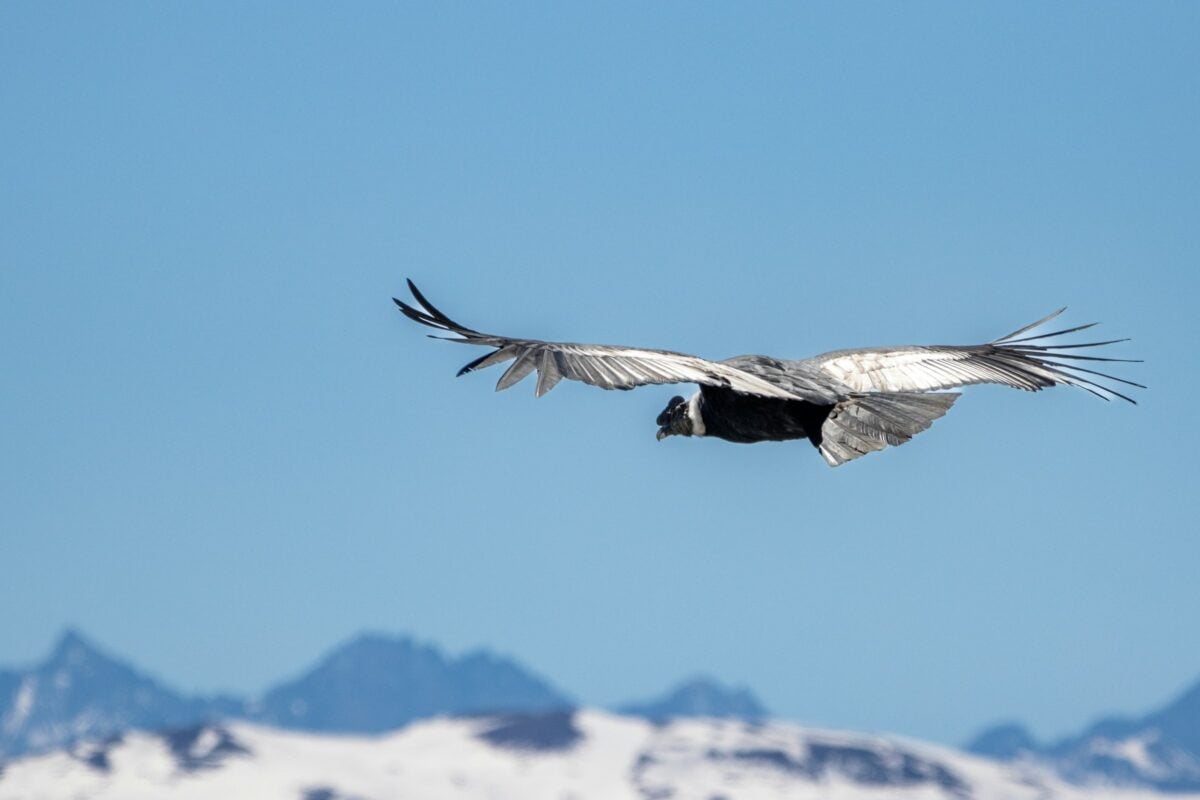
If you’ve ever seen an Andean condor glide across a mountain skyline, it almost feels unreal, like a piece of the landscape suddenly came to life. These birds are not just big; they are among the largest flying land birds on Earth, and somehow they manage to find scattered carcasses in some of the harshest, emptiest terrain imaginable. It is not luck. It is a finely tuned set of behaviors that has been shaped by cold air, thin oxygen, and unforgiving cliffs.
What fascinates me most is how much of their life depends on reading invisible cues that we largely ignore: the shape of the wind, tiny changes in temperature, hints in the movement of other birds. The condor’s world is like a secret map layered above ours, and their feeding strategies are how they read it. Let’s walk through that hidden map and see how nine specific behaviors help Andean condors track down food where most animals would starve.
Riding Thermals Like Invisible Elevators
🔥 Would you like to save this?
We'll email this post to you, so you can come back to it later!
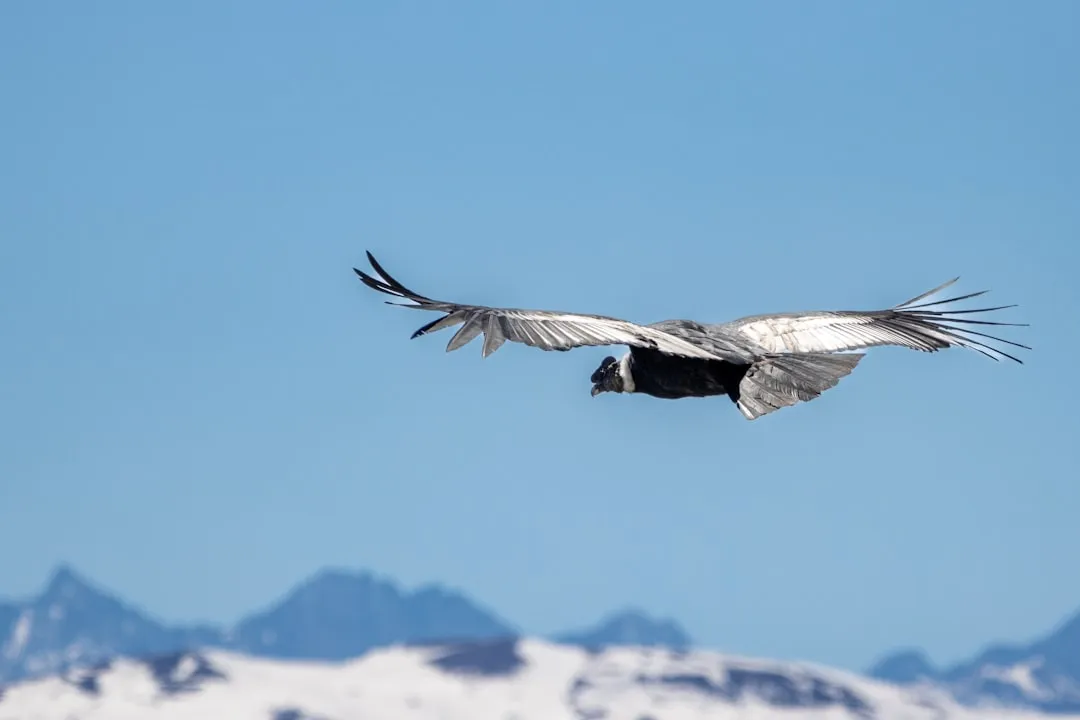
Here’s a wild thought: Andean condors can travel huge distances in a day while flapping their wings only a tiny fraction of the time. In some studies, they’ve barely flapped at all over long flights, instead riding rising air currents like invisible elevators. Over sun‑heated slopes, pockets of warm air rise, and condors spiral upward inside these thermals, gaining height without spending much energy.
This soaring behavior is not just about looking majestic; it is central to how they find food. The higher they get with minimal effort, the more of the landscape they can scan below for carrion or the behavior of other scavengers. It is like climbing to the top floor of a skyscraper without paying for the elevator, then scanning the entire city for smoke to see where something might be happening. In the harsh energy budget of high mountains, that free lift is often the difference between eating and going hungry.
Surfing Wind Along Cliff Faces and Ridges
🔥 Would you like to save this?
We'll email this post to you, so you can come back to it later!
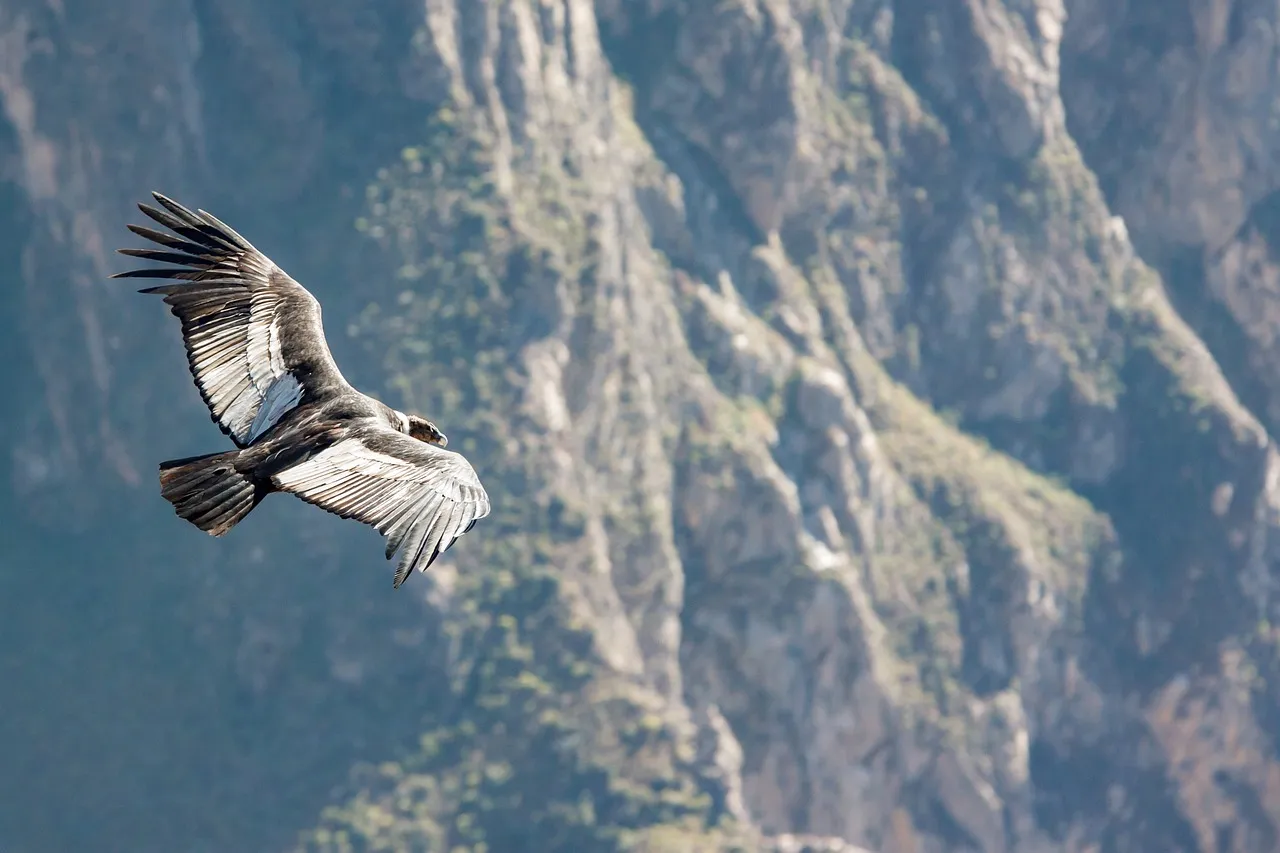
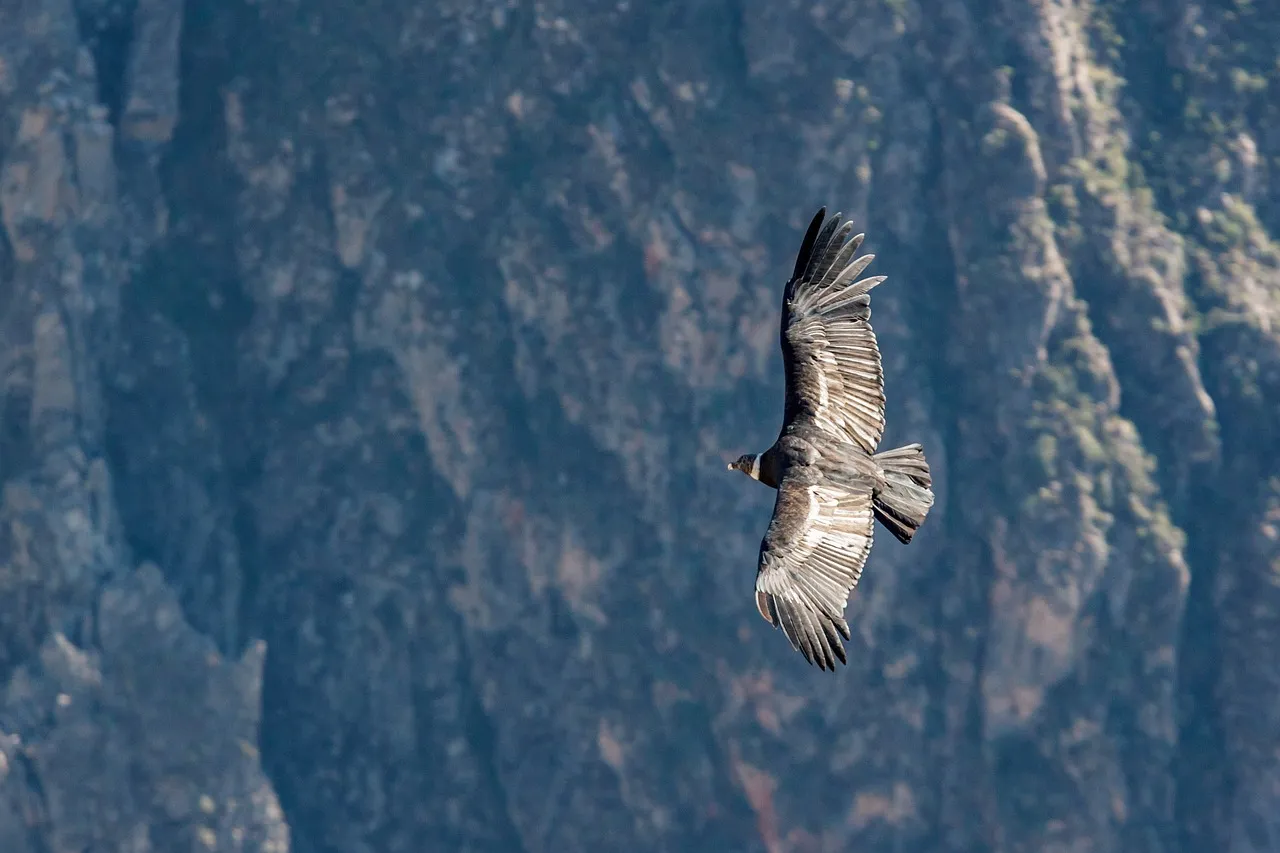
Thermals are not the only trick. Condors also use what is called orographic lift, which sounds technical but feels intuitive if you have ever felt strong wind pushing up against a cliff. When winds crash into the Andes, they are forced upward along rock faces and ridgelines, creating smooth bands of rising air that condors can surf along for kilometers at a time.
This ridge‑soaring lets them patrol specific routes again and again, almost like a delivery driver with a regular circuit. Over time, particular ridges become natural flyways that lead past valleys, grazing areas, or passes where animals are more likely to die. They are not just drifting randomly through mountain chaos; they are following invisible highways of wind that consistently take them past potential meals.
Scanning Vast Distances With Aerial Patrols
🔥 Would you like to save this?
We'll email this post to you, so you can come back to it later!
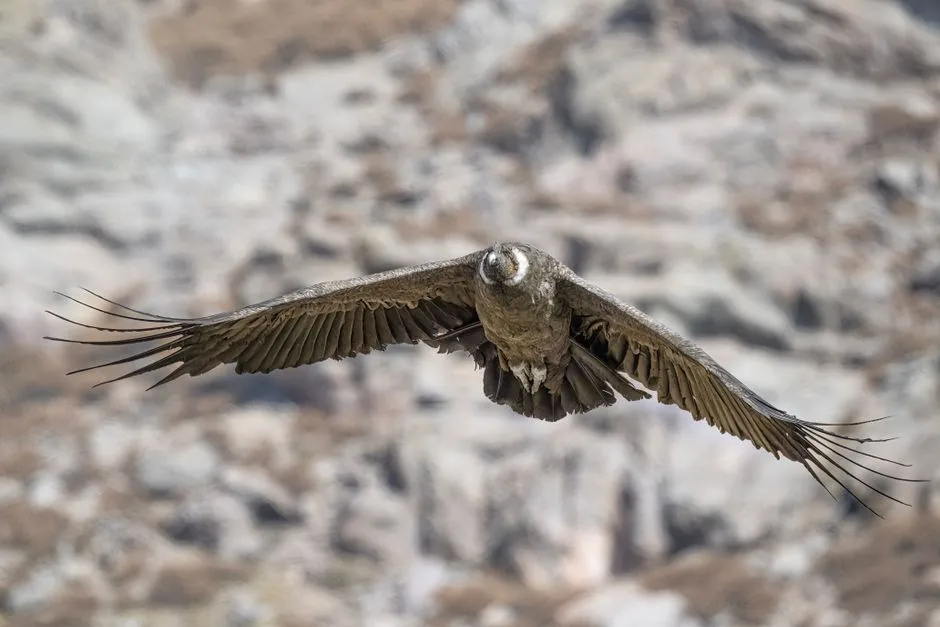
From a human viewpoint, a dead animal in the Andes might as well be a needle in a haystack. For condors, the solution is relentless, systematic patrolling from high above. Once they have ridden thermals or ridge lift to a suitable height, they cruise long distances, scanning for telltale shapes, colors, or movements that signal a carcass on the ground.
Think of it like a slow, careful aerial survey, repeated day after day. Over time, adult condors build a mental map of where livestock are kept, where wild camelids roam, and where steep areas might cause more falls and deaths. That knowledge lets them prioritize certain valleys or plateaus, returning to them regularly. In a way, their search strategy is part habit, part long‑term memory, and part sheer persistence.
Following Other Scavengers as Living Clues
🔥 Would you like to save this?
We'll email this post to you, so you can come back to it later!
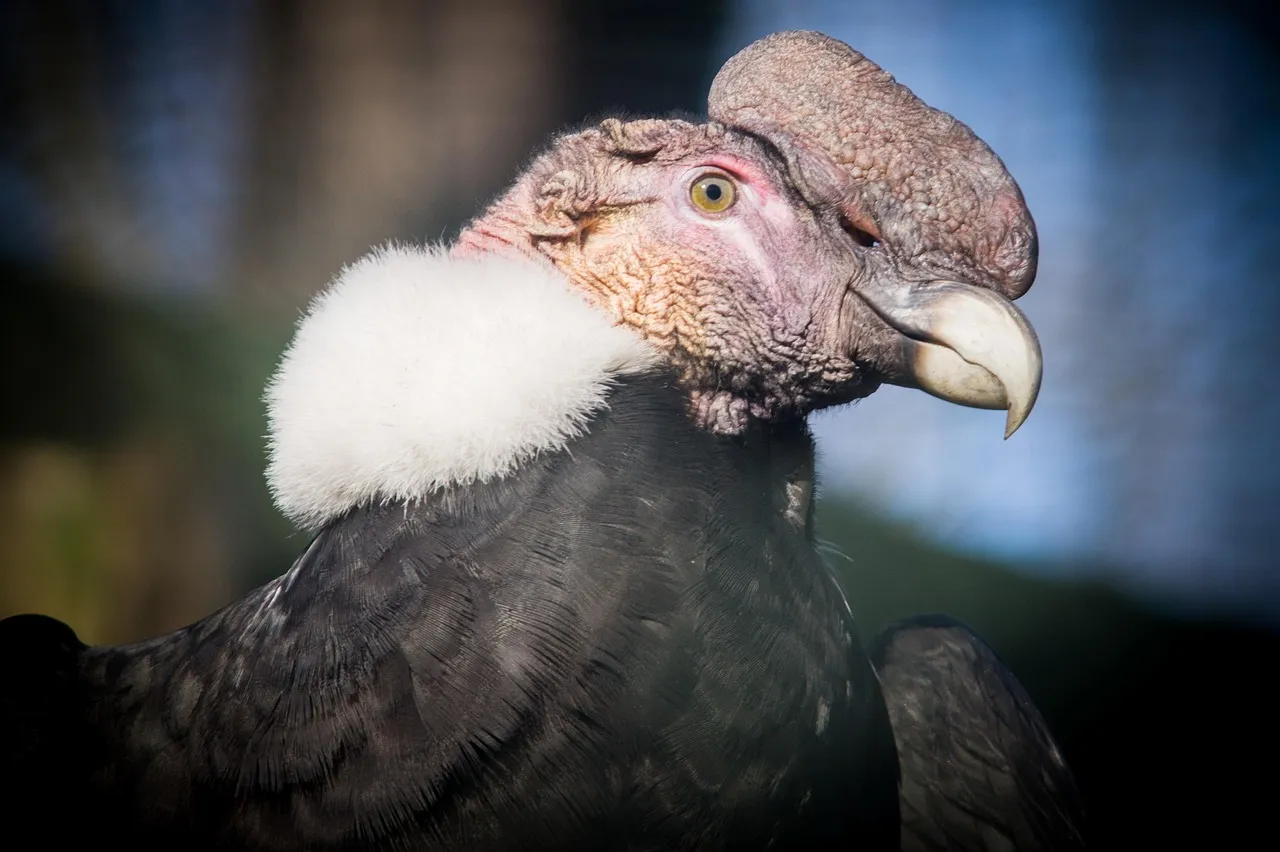
Andean condors do not just rely on their own eyes; they also pay close attention to the behavior of other birds. Smaller scavengers like caracaras, vultures, or even flocks of corvids can be the first to notice a carcass, especially if it is hidden by uneven terrain. When condors see these birds circling, perching, or clumping suspiciously in one area, it is like an alarm bell ringing across the sky.
This “follow the followers” behavior saves condors an enormous amount of time. Rather than painstakingly inspecting every valley, they can home in on the places where other species are already gathering. It is a bit like watching where the crowd is heading at a festival to find the best food truck, except in this case the food is a dead guanaco and the stakes are survival in thin air and harsh cold.
Using Hierarchy at Carcasses to Their Advantage
🔥 Would you like to save this?
We'll email this post to you, so you can come back to it later!
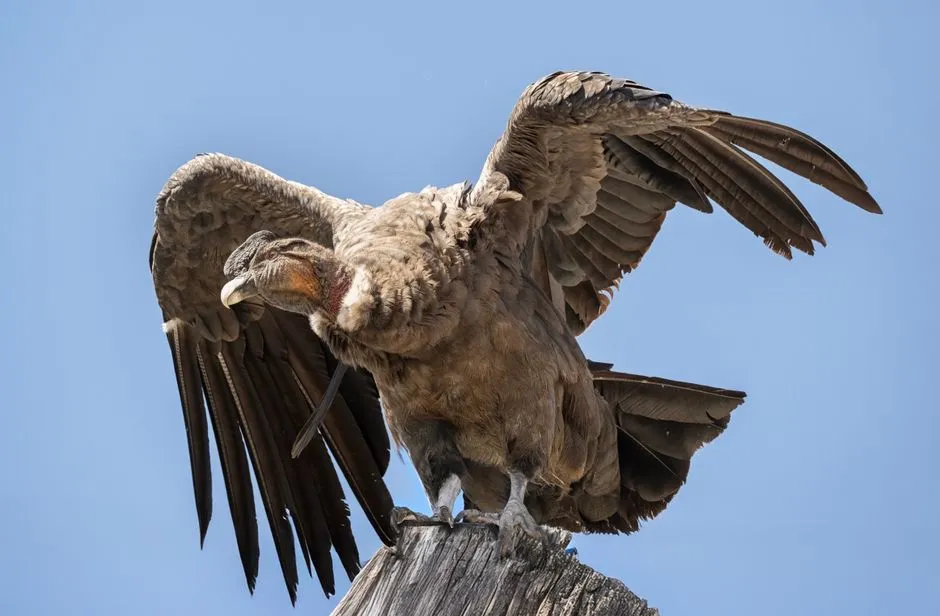
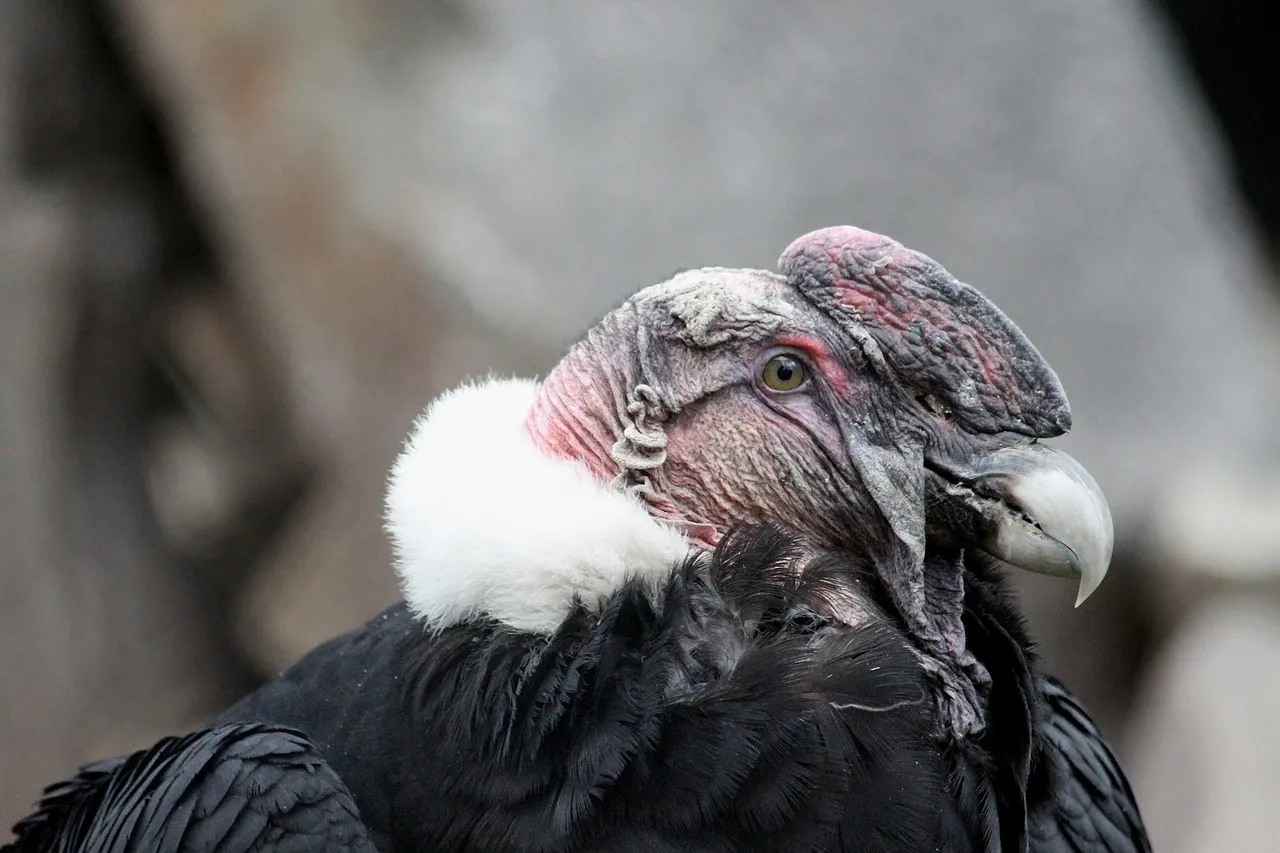
Once a carcass is found, condors still have to navigate something that looks a bit like a chaotic dinner party with sharp beaks. Andean condors are large, powerful birds, and adults – especially males – tend to dominate smaller scavengers at carcasses. They can displace them physically and take the best feeding positions, which means they often get access to the richest parts of the carcass first.
At first glance, this just looks like bullying, but there is a deeper efficiency behind it. Because they are confident in their dominance, condors can afford to let smaller birds locate the carcass first while they keep soaring and saving energy. Then, once they arrive, their size and status ensure they will still get a good share. It is a harsh system, but in the unforgiving Andes, it reduces the energy they need to invest in both searching and fighting.
Timing Flights With Daily Wind and Weather Rhythms
🔥 Would you like to save this?
We'll email this post to you, so you can come back to it later!
In high mountain environments, the timing of wind and thermals follows a fairly regular daily pattern. Mornings often start calm and cold, with stronger thermals and more predictable wind later as the sun heats slopes and valleys. Andean condors seem tuned into these rhythms, often becoming more active once the air currents are strong enough to give them efficient lift.
This timing is not random laziness; it is a direct response to energy math. Flapping is extremely costly for such a huge bird, especially at high altitudes with thin air. By waiting for the right part of the day, condors ensure their long search flights are supported by reliable lift, which lets them cover more ground for the same “cost.” It is a bit like leaving on a road trip once you know traffic has cleared instead of wasting fuel creeping through a jam.
Sharing Information Through Group Roosts
🔥 Would you like to save this?
We'll email this post to you, so you can come back to it later!
At night or during bad weather, Andean condors gather on communal roosts, often on cliffs, caves, or ledges with good updraft potential for takeoff. On the surface, this looks like simple resting behavior, but being grouped together also creates a low‑key information network. Birds that have discovered rich feeding areas may arrive at roosts in better condition, at different times, or from distinct directions that others can observe.
We do not fully understand every nuance of what gets “shared” here, but you can imagine the roost as a kind of social bulletin board. Young or inexperienced birds can watch which direction successful adults depart in the morning, or which valleys tend to be visited more often. Over years, that social learning may help condors refine where and how they search for food across such complex terrain, without each bird having to relearn everything from scratch.
Specializing in Carrion Rather Than Hunting Live Prey
🔥 Would you like to save this?
We'll email this post to you, so you can come back to it later!
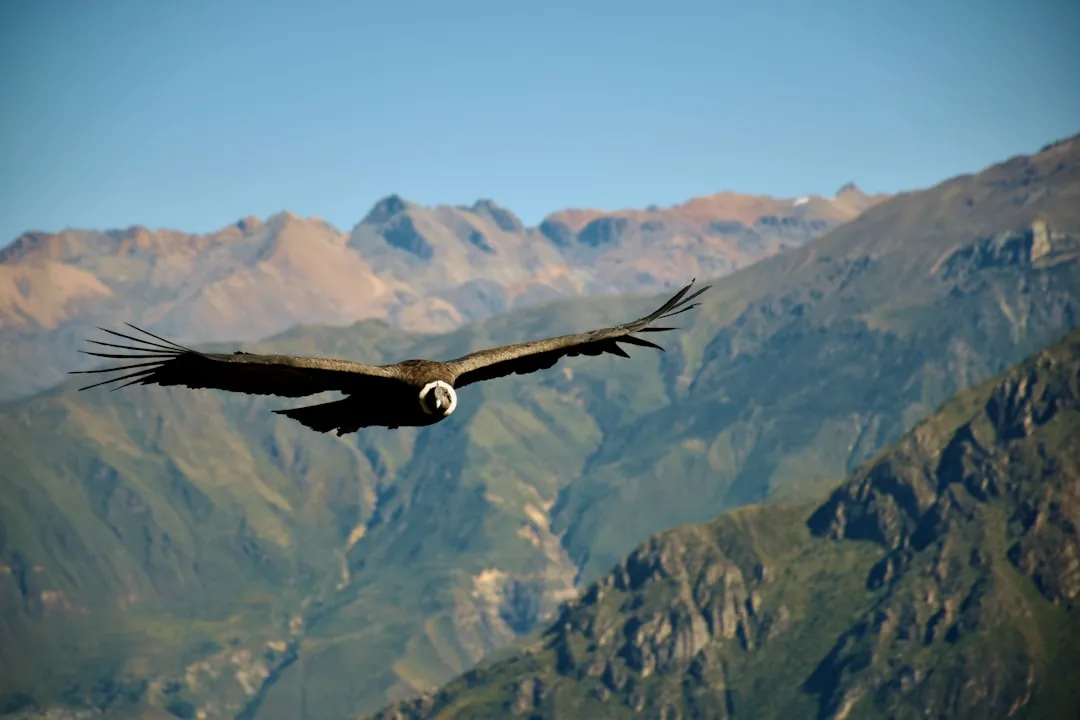
Unlike some big raptors that hunt actively, Andean condors are specialized scavengers that focus on carrion. That might sound unglamorous, but it is a smart strategy in rugged highlands where chasing agile live prey could waste huge amounts of energy. Instead, condors evolve behaviors and search tactics geared toward detecting death: scanning areas where livestock graze, watching for herds of wild animals, and paying attention to migration routes and steep, dangerous terrain.
This specialization shapes almost everything else they do. Their massive wings are built for long, energy‑saving flights rather than quick, twisting chases. Their powerful beaks are adapted for tearing into thick hides that many smaller scavengers cannot open. By doubling down on carrion rather than trying to be a jack‑of‑all‑trades predator, they carve out a niche where their search behaviors pay off reliably over time.
Teaching and Imitation Between Young and Adult Birds
🔥 Would you like to save this?
We'll email this post to you, so you can come back to it later!
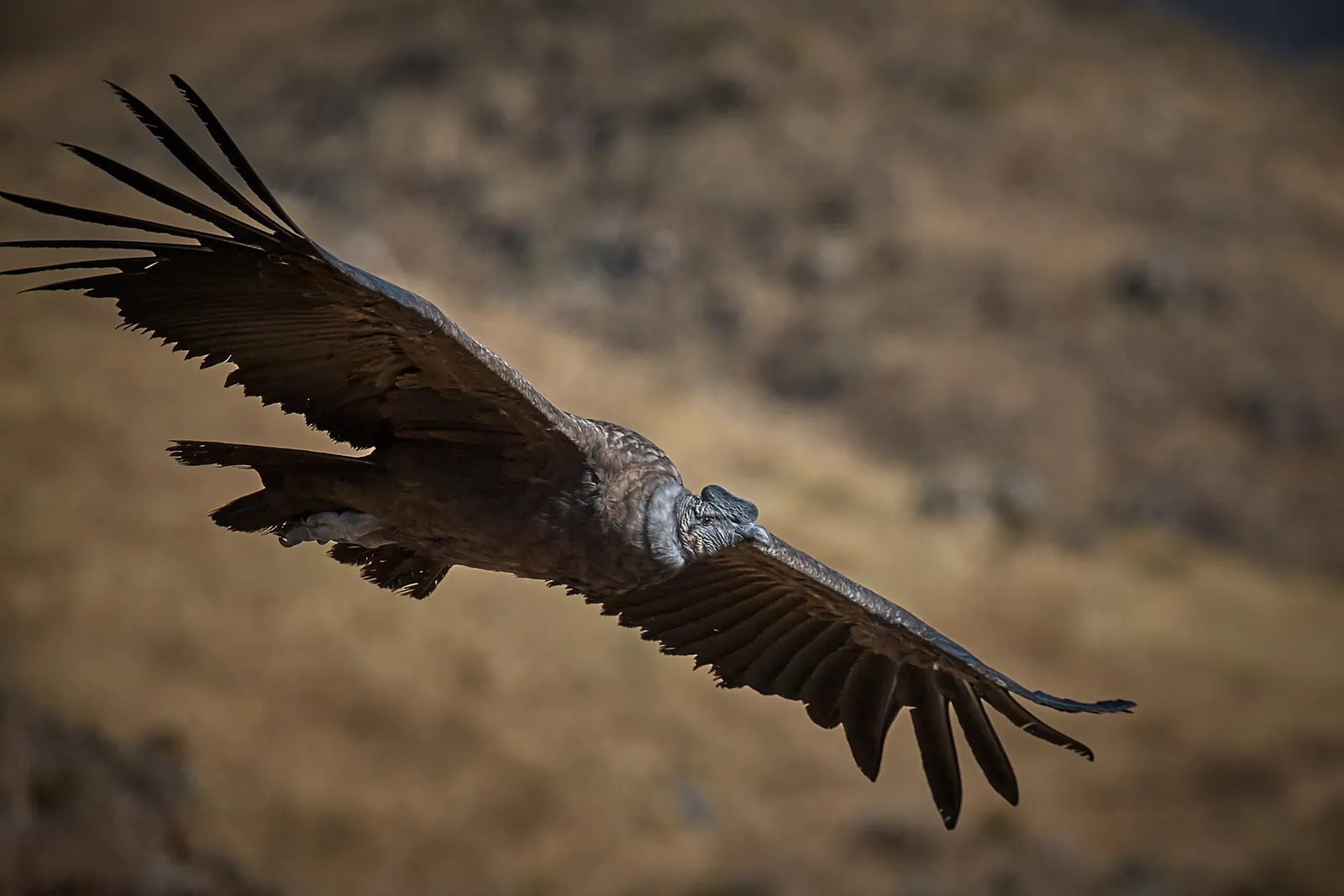
One of the most underrated feeding behaviors in Andean condors is not about wind or wings at all; it is about learning. Juveniles often spend long periods associating with more experienced adults, watching how they use thermals, where they fly, and how they behave around carcasses and roosts. They may follow adults on their routes, imitating their movements almost like apprentices shadowing a master.
In huge landscapes where trial and error could be deadly, this kind of social learning is invaluable. Instead of wandering blindly through the mountains, young condors tap into generations of accumulated “map knowledge” encoded in adult behavior. To me, this is one of the most inspiring aspects of their ecology: survival is not just about having the biggest wings, but about watching, copying, and slowly earning a place in a culture of flight and scavenging.
Conclusion: Precision, Not Luck, Keeps Condors in the Sky
🔥 Would you like to save this?
We'll email this post to you, so you can come back to it later!
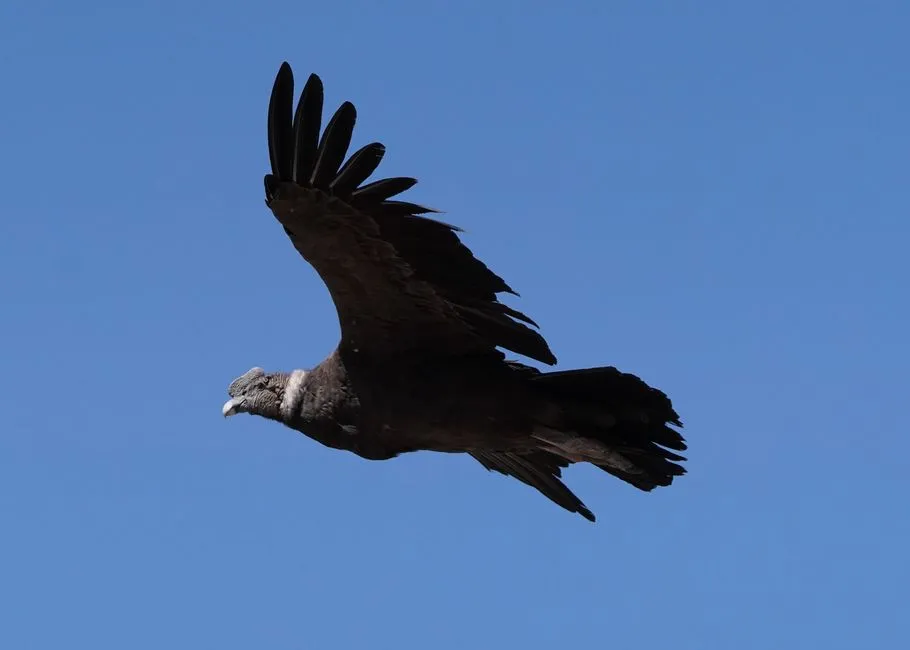
When you put all these behaviors together, the Andean condor’s life starts to look a lot less like a romantic image of a lone bird drifting over peaks, and a lot more like a tightly tuned survival strategy. Riding thermals and ridge winds, following smaller scavengers, leaning on social learning and hierarchy – none of it is accidental. It is a web of habits and instincts that turns a seemingly empty mountain range into a landscape full of subtle clues.
In my view, calling these birds “majestic” almost undersells them; they are ruthless energy accountants and expert readers of invisible forces. In a time when people are reshaping mountain landscapes and livestock patterns, understanding how precisely condors find food matters if we want them to keep ruling those skies. Next time you see a picture of one gliding effortlessly along a cliff, maybe ask yourself: behind that single smooth glide, how many hidden decisions and behaviors are quietly keeping that bird alive?

- 7 Everyday Habits That Can Make Your Senior Dog Happier - November 5, 2026
- 10 Enigmatic Structures That Continue to Puzzle Scientists Today - November 5, 2026
- 10 Strange Ruins in the Americas That Challenge What We Know About Early History - November 5, 2026