
Every fall and spring, the night sky fills with silent travelers. Billions of birds cross continents while most of us are asleep, guided by the stars, the moon, and subtle cues in the darkness. Then they hit what, to them, must feel like a blinding wall of glitter: our cities, glowing all night long. For many species, that glow is not beautiful. It is deadly.
When buildings dim or switch off unnecessary lights during peak migration, something remarkable happens: fewer birds die, fewer get disoriented, and more reach the places they’re desperately trying to find. Let’s walk through nine kinds of birds that gain real, tangible benefits when artificial lights are reduced at night – and why it should make all of us rethink what “night” ought to look like.
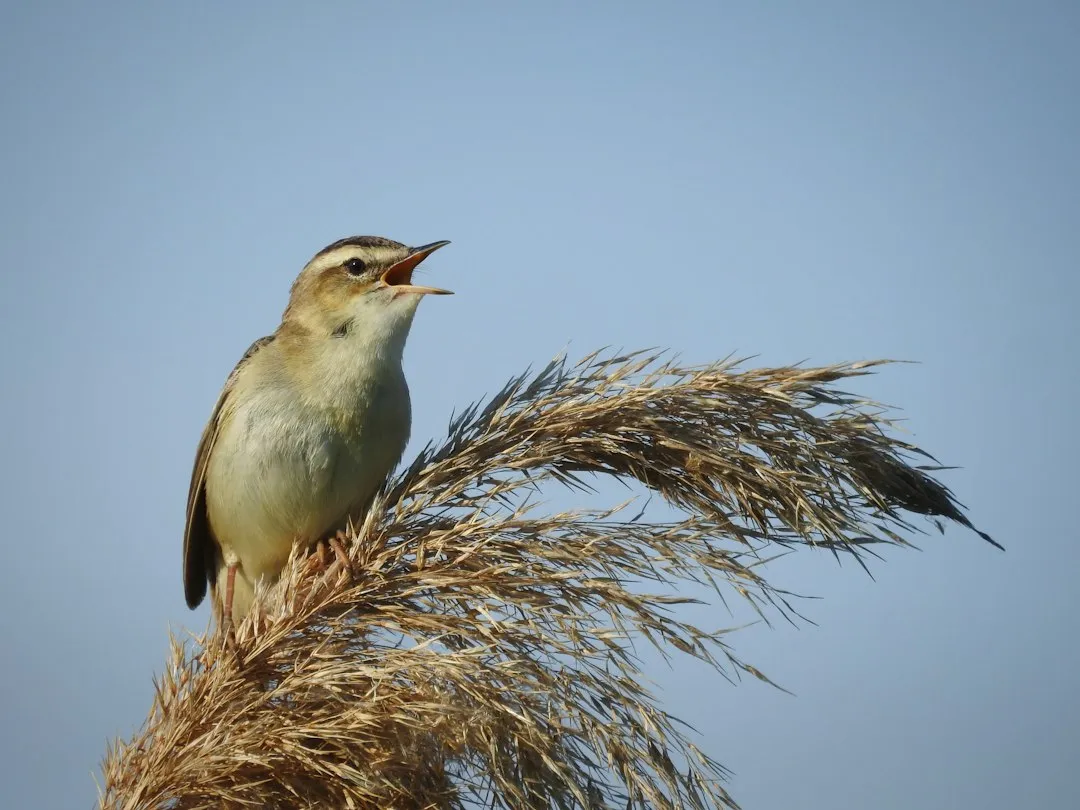
1. Warblers: Tiny, Colorful Travelers With Outsized Risk
🔥 Would you like to save this?
We'll email this post to you, so you can come back to it later!
Have you ever seen a warbler up close? These songbirds are often smaller than a lime and lighter than a couple of coins, yet they travel thousands of miles between their breeding and wintering grounds. Many warbler species migrate at night, using the stars and Earth’s magnetic field as a navigation system. Bright city lights punch giant holes in that natural map, pulling them off course, causing them to circle buildings or collide with glass.
When city skylines dim, warblers benefit almost immediately. Researchers have documented dramatic reductions in collision deaths at large buildings when lights are turned off during migration windows, and warblers are consistently among the top species saved. Less light means fewer birds spiraling in confusion and fewer exhausted individuals dropping into streets and sidewalks. In a way, turning down the lights is like erasing a dangerous detour sign from their route and giving them back the quiet, star-lit sky their bodies evolved to follow.
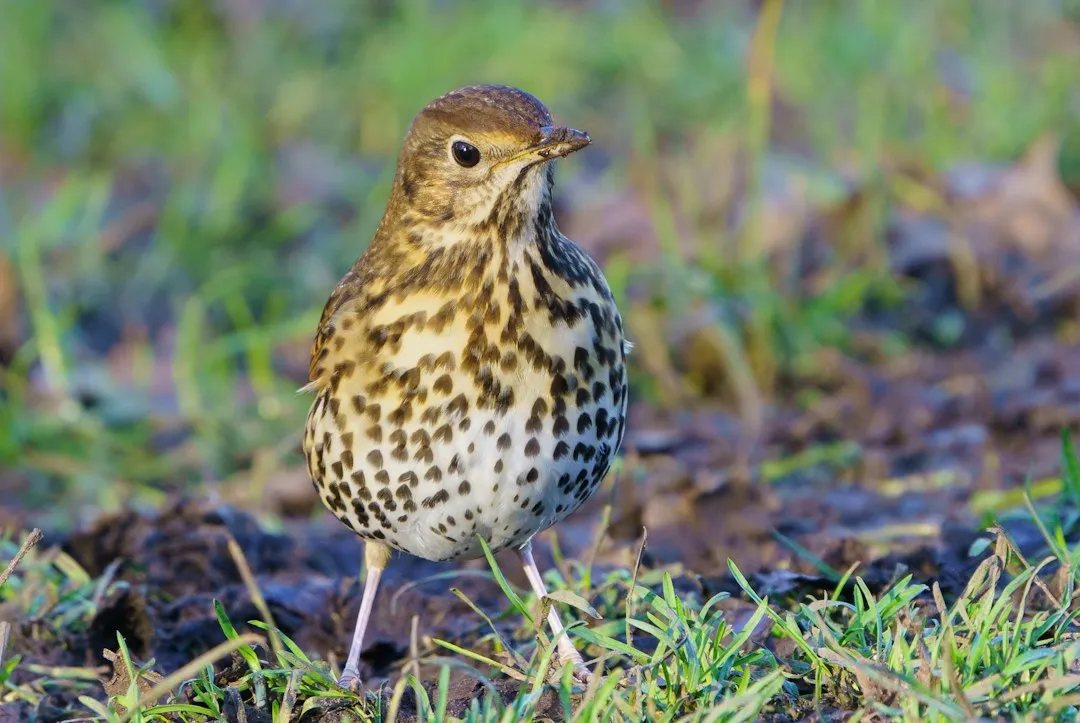
2. Thrushes: Night-Calling Navigators That Get Pulled Into the Glow
🔥 Would you like to save this?
We'll email this post to you, so you can come back to it later!
Many people know robins, but fewer realize that their close relatives – like Swainson’s thrushes, veeries, and gray-cheeked thrushes – are some of the champions of long-distance night migration. As they fly high overhead, they give soft flight calls, little notes that help them stay in loose contact with other birds. Bright, artificial lights attract and concentrate these calling birds, drawing them lower and closer to danger. The more intense the light, the more likely they are to cluster around buildings and towers where collisions spike.
Dimming lights breaks that magnetic pull. Studies of urban skylines have found that when buildings reduce floodlighting and decorative illumination, the number of thrushes detected overhead can drop sharply around those structures, not because there are fewer birds in the sky, but because they are no longer being dragged off course. The result is fewer window strikes and less energy wasted flying in circles. For a bird trying to cross an entire continent on fat reserves packed into a body the size of your fist, that energy savings can mean the difference between reaching a vital stopover wetland or falling out of the sky before dawn.
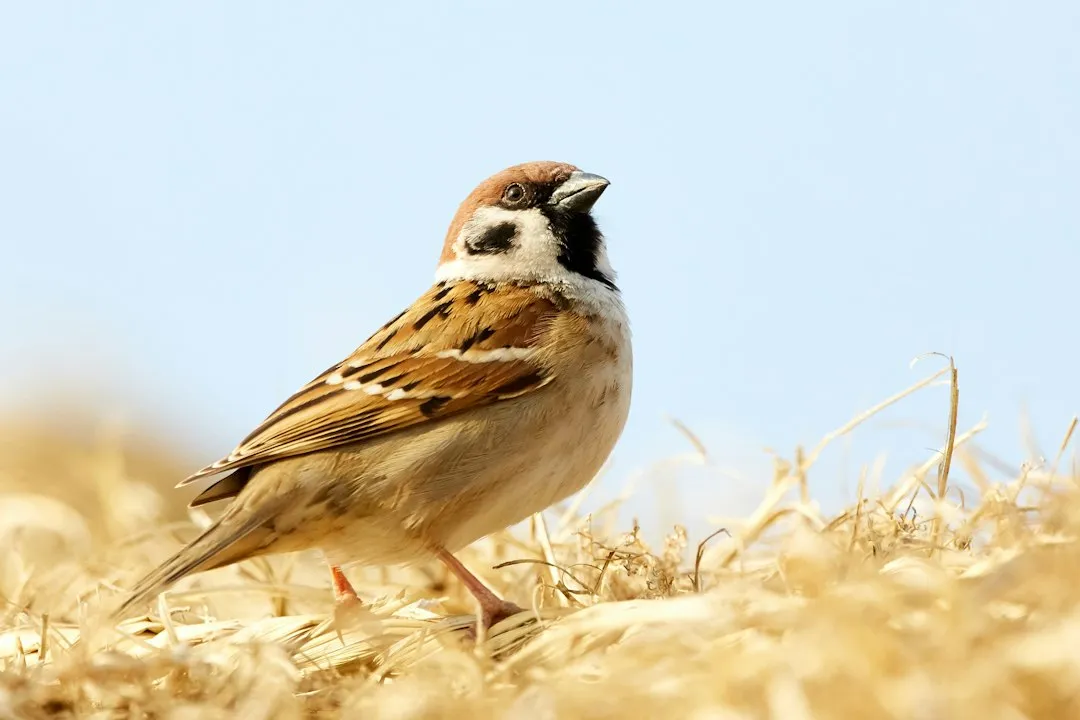
3. Sparrows and Buntings: Common Backyard Birds Facing Unseen Night Dangers
🔥 Would you like to save this?
We'll email this post to you, so you can come back to it later!
White-throated sparrows, Lincoln’s sparrows, indigo buntings – many of the “little brown birds” or bright blue charmers that people recognize at feeders are also nocturnal migrants paying a steep price for our brightly lit nights. They may look resilient hopping under your hedge, but during migration they are among the most frequently found victims beneath lit buildings. Their instinct to orient toward light, combined with reflective windows, creates a perfect storm of confusion and impact.
When office towers and stadiums dial back lights, the casualties drop, sometimes shockingly quickly. These are some of the most widespread songbirds in North America, so every avoided collision has a ripple effect on entire populations, not just a single unlucky bird. To me, there is something especially powerful about the idea that the same sparrow you hear singing in spring might have survived its journey simply because someone pressed a light switch in a distant city. It turns an abstract conservation issue into something almost intimate and personal.
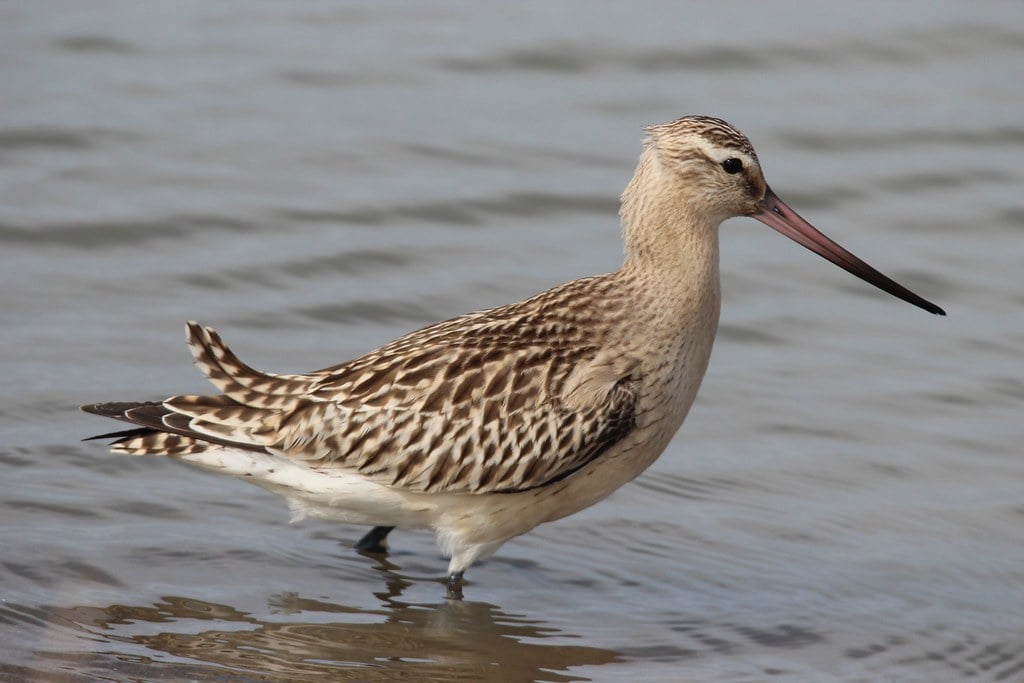
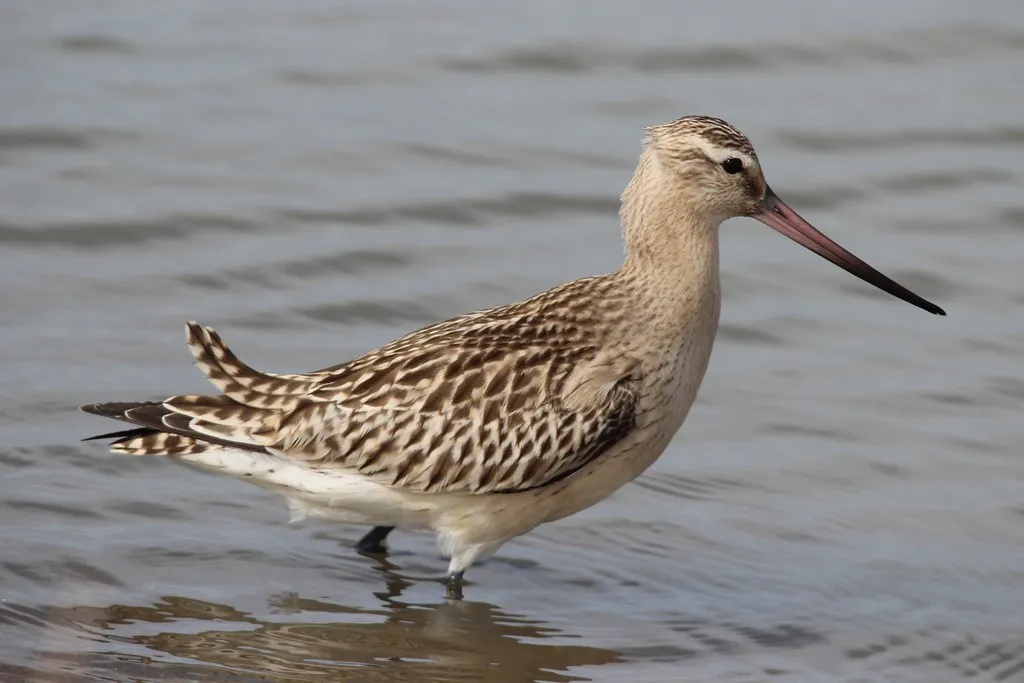
4. Shorebirds: High-Flying Specialists With No Time To Lose
🔥 Would you like to save this?
We'll email this post to you, so you can come back to it later!
Many shorebirds, like sandpipers and plovers, undertake extreme migrations that would put human marathons to shame. Some species fly for days over open ocean without stopping, then urgently need to rest and refuel at key coastal sites. They mostly migrate at night, too, and when they encounter bright artificial lighting along coasts, harbors, and offshore structures, they can become disoriented and delayed. For a bird that is already running on a razor-thin energy budget, circling around a lit ship or port is not just a nuisance; it can be dangerous.
Dimming or shielding lights along critical shorebird routes can reduce that risk noticeably. When coastal facilities reduce skyward light spill, fewer birds are drawn into harm’s way and more drop safely into mudflats, estuaries, and beaches where they can feed. In my view, this is one of those cases where human convenience has overstepped so far that the basic fix – pointing lights downward, lowering brightness, or turning some off during peak migration nights – feels almost embarrassingly simple. We are not being asked to surrender ports or safety, just to waste fewer lumens into the sky.
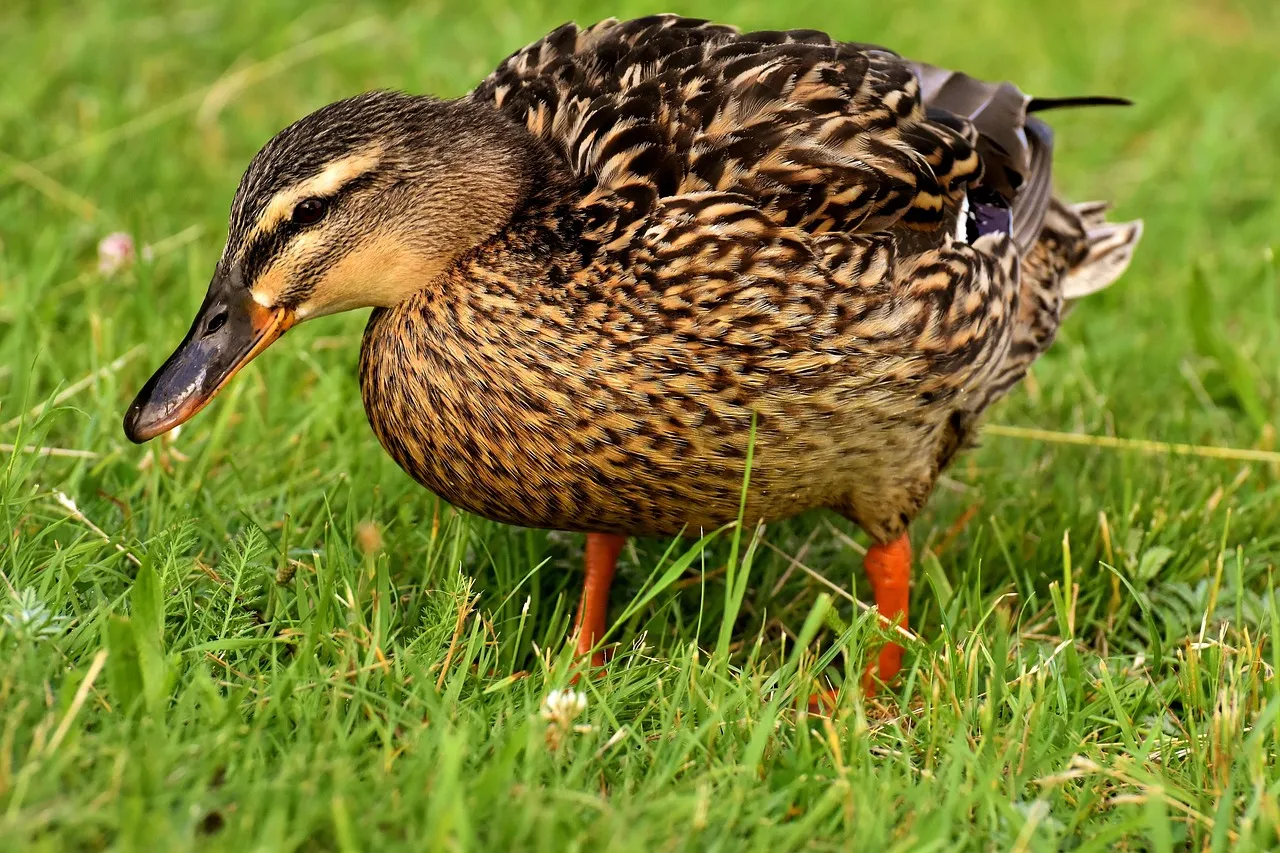
5. Waterfowl: Ducks and Geese Avoiding Fatal Night Confusion
🔥 Would you like to save this?
We'll email this post to you, so you can come back to it later!
Although many people picture ducks and geese flying in daytime V-formations, a surprising portion of waterfowl migration actually happens at night. These birds navigate between lakes, rivers, and wetlands, often in low visibility conditions. Intense artificial lighting around airports, industrial sites, and well-lit cities can lure flocks toward built areas instead of safer open water, increasing the risk of collisions with buildings, power lines, or other infrastructure they might not see in time.
Reducing unnecessary lighting near major migration corridors and wetland complexes gives waterfowl a clearer, darker pathway to follow. When the navigational clutter is reduced, flocks are more likely to pass cleanly over cities and settle on distant lakes instead of circling confusing light domes. On a personal level, I find it sobering that a flock of geese honking high above a glowing city may be just one unfortunate reflection or glare away from disaster. Turning the brightness down even a notch can literally steer them toward survival.
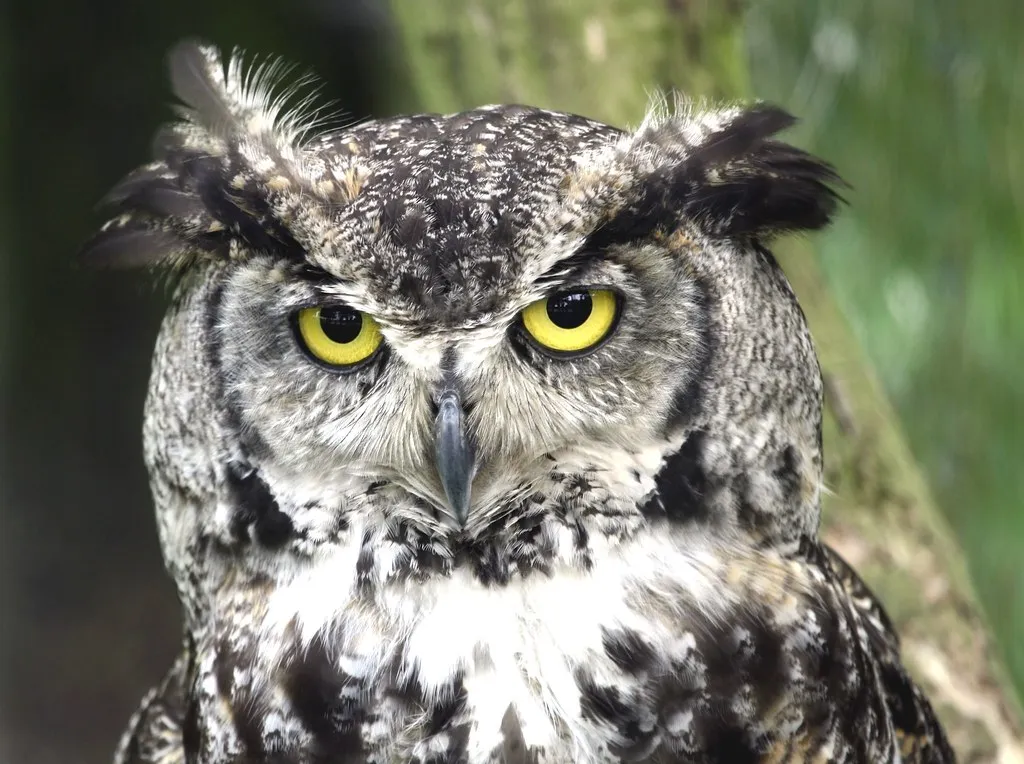
6. Raptors: Young Hawks and Owls Learning To Navigate a Lit World
🔥 Would you like to save this?
We'll email this post to you, so you can come back to it later!
Most raptors migrate by day, riding thermals and updrafts, but some species – especially certain owls – also move at night, and young raptors in general are still learning the ropes of migration. For these inexperienced birds, light pollution can add one more layer of confusion to a journey that is already risky. Glare from industrial yards, brightly lit highways, and suburban sprawl can alter the way they see the landscape, possibly masking natural cues like the faint glow of the horizon or the pattern of stars.
When communities embrace darker nights, these novice raptors experience a sky that is a little closer to what their ancestors knew. Fewer glaring hotspots mean they can rely more confidently on natural light gradients and celestial cues. Even if raptors are not as heavily studied in this context as songbirds, the principle is the same: every reduction in artificial light clutter gives young, dispersing birds a more legible map. In my opinion, it is arrogant to assume they will simply adapt to our artificial glow without real costs.
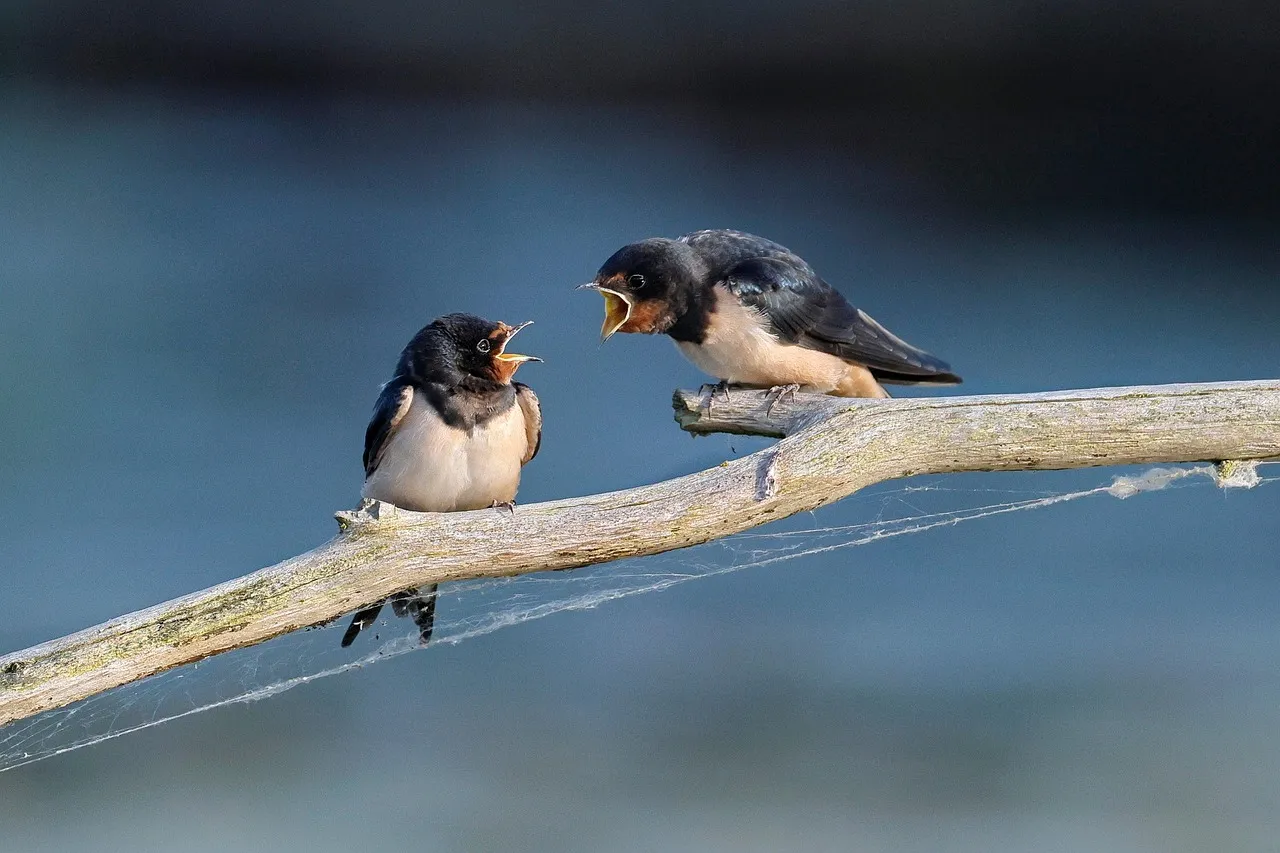
7. Swifts and Swallows: Aerial Athletes Dependent on Healthy Night Skies
🔥 Would you like to save this?
We'll email this post to you, so you can come back to it later!
Swifts and swallows are famous for their acrobatic flights, snatching insects on the wing at dizzying speed. Many species migrate at night or use twilight hours to move between roosts and feeding areas. Artificial light does not just affect the birds directly; it also scrambles insect behavior, concentrating bugs around lights and changing where and when these aerial hunters can find food. That might sound convenient at first – more insects around lights – but it can trap birds in hazardous, highly lit zones where collision risk is much higher.
By dimming lights and using smarter, more targeted lighting designs, we restore a more natural distribution of insects and reduce the temptation for swifts and swallows to feed in dangerous, over-lit spaces. In the longer term, darker nights help support healthier insect populations overall, which these birds need for their epic migrations. To me, this is one of the most underappreciated points: reducing light pollution is not just about saving individual birds from impact, it is about protecting the entire web of nocturnal life they depend on.
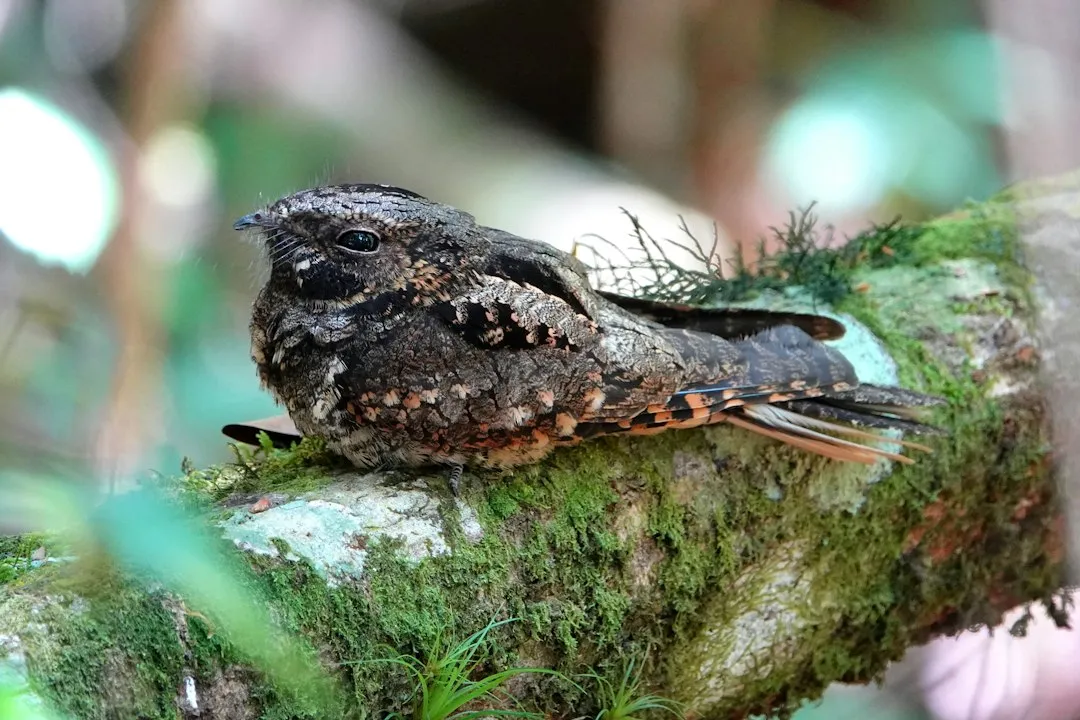
8. Nightjars and Nighthawks: Specialists of the Dark Losing the Dark Itself
🔥 Would you like to save this?
We'll email this post to you, so you can come back to it later!
Nightjars and nighthawks are almost synonymous with dusk and night. They rely on low light and camouflage, hunting moths and other nocturnal insects in open skies. For them, bright artificial lighting is not just a navigational issue; it fundamentally alters their habitat. Skyglow from cities can wash out the natural contrast of the night, disrupt the behavior of their insect prey, and force these birds into smaller and smaller pockets of suitably dark areas where they can still hunt effectively.
When towns and suburbs adopt dimmer streetlights, shield fixtures, and motion sensors instead of leaving everything blazing until dawn, nightjars and nighthawks regain chunks of usable space. Darker nights mean more natural insect behavior and safer foraging routes, especially during migration when they may need to find food in unfamiliar places. As someone who has listened to the weird, otherworldly calls of these birds on summer nights, I see darker skies not as a nostalgic luxury but as a basic requirement for letting them continue to exist in more than just field guides.
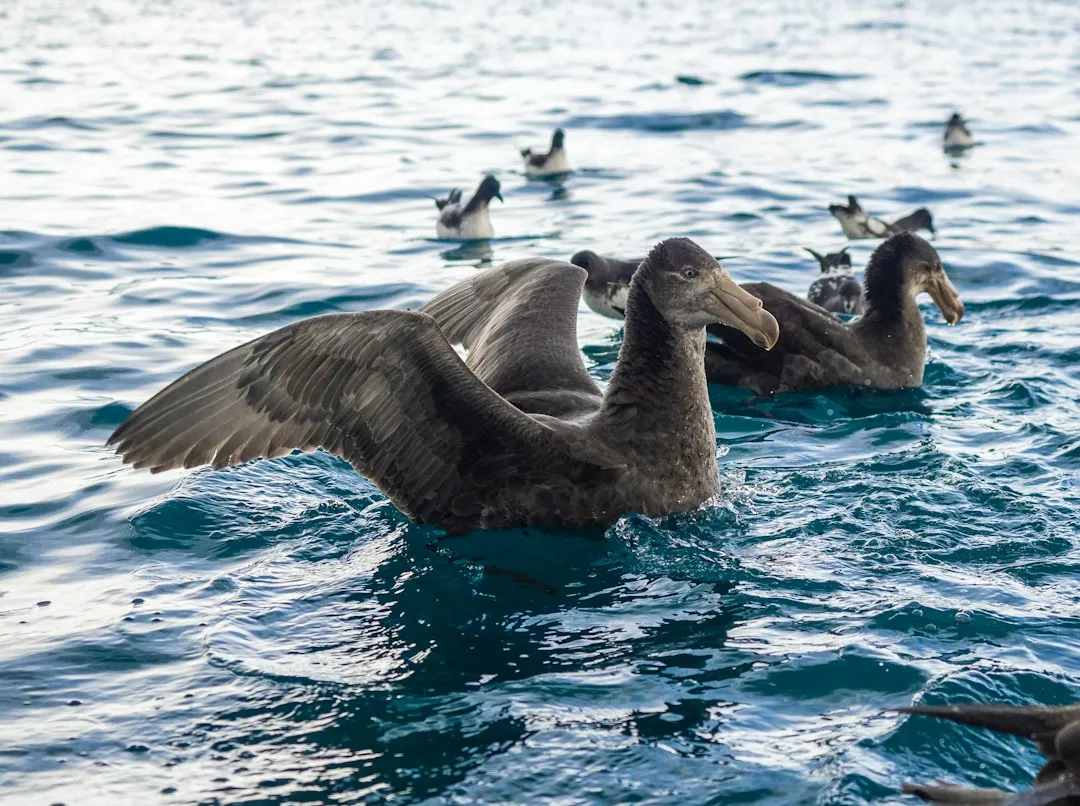
9. Seabirds: Ocean Wanderers Drawn Fatally to Coastal Lights
🔥 Would you like to save this?
We'll email this post to you, so you can come back to it later!
For many seabirds, including petrels, shearwaters, and some terns, artificial light is a serious and well-documented hazard. Young birds leaving their nesting colonies for the first time can be fatally attracted to coastal lighting from resorts, roads, ports, and cities. Instead of heading out to sea, they spiral around lights, become exhausted, and often crash to the ground where they are vulnerable to cats, cars, and dehydration. In some regions, entire conservation programs now revolve around rescuing grounded seabirds after bright nights.
Dimming or shielding coastal lights, especially during fledging and migration seasons, dramatically cuts these strandings. In places that have committed to lower light levels and smarter lighting design, the number of disoriented seabirds found on the ground can drop sharply. To me, this is some of the clearest evidence that our lighting choices have immediate, measurable consequences for wild birds. It is hard to argue that decorative brightness on a beachfront is more important than the lives of thousands of ocean-going birds that evolved under starlight, not billboards.
Conclusion: Dimming the Lights Is a Small Ask With Huge Wingspan
🔥 Would you like to save this?
We'll email this post to you, so you can come back to it later!
When you look at warblers, thrushes, sparrows, shorebirds, waterfowl, raptors, swifts, nightjars, and seabirds together, a blunt truth emerges: our obsession with lighting the night is costing them dearly. These are not obscure, delicate oddities; they are the backbone of migrations that have pulsed across the planet for millennia. Yet far too often, they end up dead at our feet because we chose to flood the sky with light we did not actually need. In my view, leaving buildings and landmarks blazing all night is not a sign of progress – it is a sign that we have stopped noticing who else shares the night with us.
The hopeful part is that the solution is embarrassingly straightforward. Turning off unnecessary lights, using motion sensors, aiming fixtures downward, and timing dimming for peak migration nights are simple choices that save countless birds while also saving energy and restoring a bit of real darkness to our lives. I think future generations will look back and wonder why it took us so long to connect that flick of a switch with the safe passage of billions of birds overhead. The only real question is whether we are willing to let the stars – and the birds that follow them – back into our nights; what side of that choice do you want to be on?

- 12 Surprising Facts About North American Mountain Lions You Never Knew - November 5, 2026
- Wild Salmon Populations Are Rebounding in the Pacific Northwest, A Sign of Healthier Rivers - November 5, 2026
- 8 Fascinating Facts About Owls You Never Knew - November 5, 2026