
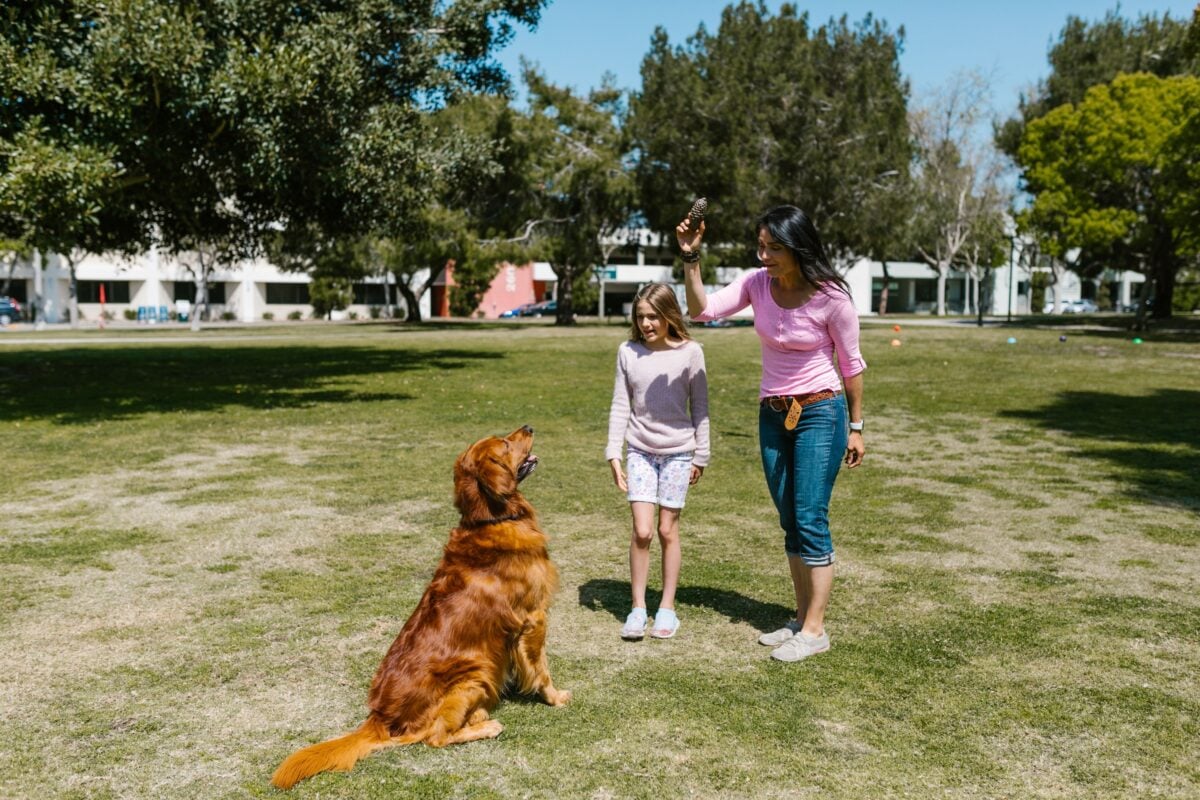
If you’ve ever stood in your hallway begging your dog to move, sit, or come inside while they stare at you like a furry statue, you’re not alone. From the outside, it can look like pure stubbornness, almost as if your dog woke up and chose chaos. But once you dig a little deeper, a lot of those “attitude problems” actually have surprisingly logical roots.
When I first learned this with my own dog, it honestly felt a bit humbling. What I’d labeled as defiance was often confusion, fear, or simple discomfort that I’d completely missed. This article walks through nine common behaviors that frustrate people and breaks down what might really be going on. By the end, you might see your dog less as a tiny rebel and more as a creature trying their best in a world that doesn’t always speak their language.
1. Refusing to Come When Called
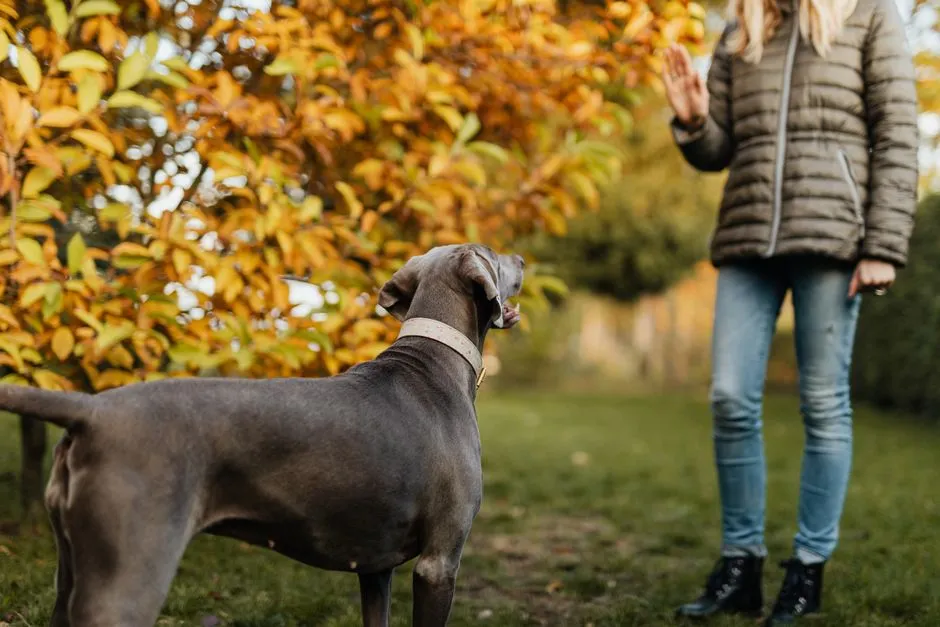
Few things feel as personal as calling your dog and watching them sniff the grass, look at a bird, and casually pretend they’ve never heard your voice in their life. It feels rude, like they’re deliberately ignoring you. In reality, many dogs have simply learned that coming when called is unpredictable: sometimes it means treats and praise, other times it means the fun ends, the leash goes on, or they get scolded for being slow.
On top of that, recall is hard because you’re competing with the entire world. Smells, squirrels, other dogs, and moving objects are compelling distractions, especially for young or high-energy dogs. Instead of assuming stubbornness, it helps to ask: have you consistently made coming to you rewarding, and have you practiced in easy environments before tackling busy parks? Often, a “stubborn” recall is really an undertrained one, not a moral failure on your dog’s part.
2. Pulling on the Leash Like a Sled Dog

When a dog forges ahead on walks, many people assume the dog is being willful or trying to be the boss. It feels that way when your shoulder is about to dislocate. But dogs naturally walk faster than most humans, and the world outside is like a theme park of scents, sounds, and sights. Pulling is often just excitement plus the physics of collars and harnesses, not a personality flaw.
There’s also a simple learning piece: if your dog drags you toward a tree or another dog and you keep moving, they’ve effectively been rewarded for pulling thousands of times. That pattern builds itself long before you realize what’s happening. Switching to training that rewards loose-leash walking and sometimes using no-pull equipment can transform things, but it starts with dropping the idea that they’re dragging you around just to make you mad.
3. Not Sitting or Following Cues They “Already Know”
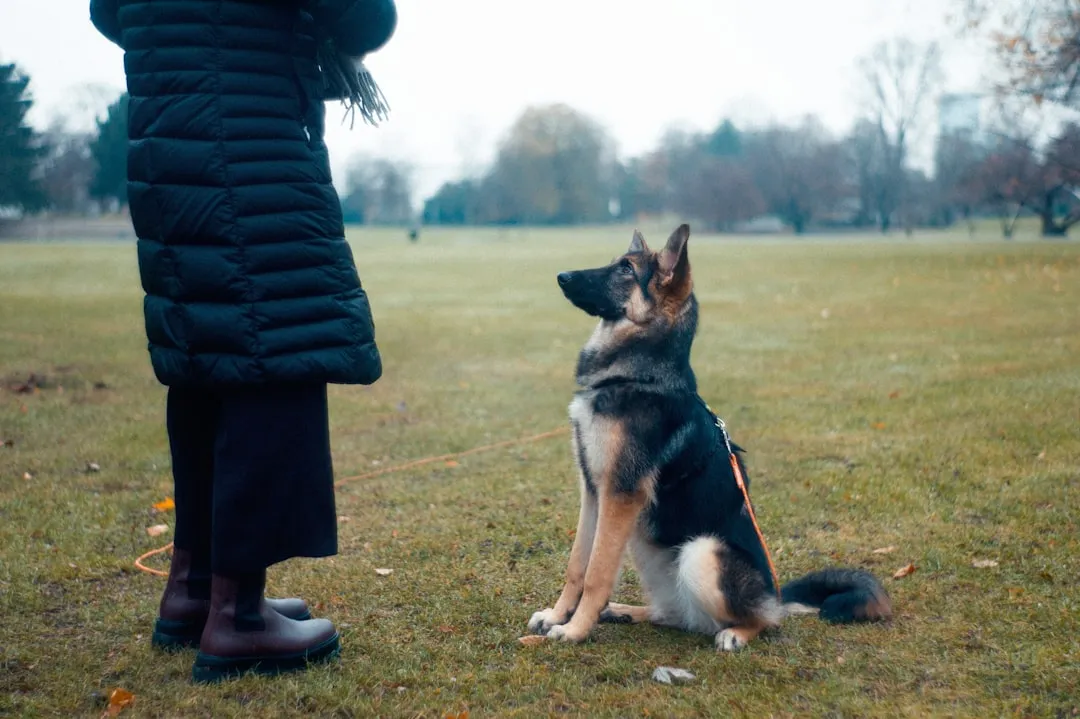
One of the most frustrating moments is saying “sit” to a dog who has done it a hundred times, and suddenly they stare blankly or wander off. It’s tempting to assume they’re blowing you off or testing boundaries. What’s more likely is that the cue is not as well learned as it seems, or the environment is just too distracting or stressful for them to respond the way they do at home.
Dogs also generalize poorly compared to humans. A dog who sits perfectly in the kitchen might genuinely not understand that “sit” in a crowded park or vet waiting room means the same behavior. Pain, stiffness, or discomfort in the hips or back can also make sitting unpleasant, especially in older or large-breed dogs. Before labeling your dog stubborn, it’s worth asking if the situation is harder, louder, or more physically uncomfortable than you realize.
4. Freezing, Planting Their Feet, or Refusing to Move
When a dog suddenly plants themselves and refuses to walk – especially toward the car, the vet, or across a shiny floor – it can look like they’re being dramatic or deliberately difficult. Often, that frozen posture is actually fear or uncertainty. Sounds you barely notice, like traffic, construction, or an echo in a hallway, can feel overwhelming to a sensitive dog.
Freezing can also be a sign that your dog is caught between wanting to please you and wanting to avoid something scary or painful. For example, a dog with joint pain might hesitate at stairs or slopes, and a dog who’s had a bad experience on a particular route may associate that spot with danger. Pushing, dragging, or getting frustrated tends to make it worse. Slow, patient desensitization and building positive associations usually work far better than trying to “out-stubborn” them.
5. Barking Nonstop at “Nothing”

Endless barking can feel like a dog’s version of talking back. You tell them to be quiet, and they seem to bark even more, as if protesting your rules. But most barking is emotional, not defiant. Dogs bark out of alertness, anxiety, boredom, or frustration, and what seems like “nothing” to you might be subtle sounds or movement that your senses just don’t pick up – like distant footsteps, a car door, or a neighbor’s dog two houses away.
Some dogs also learn that barking brings attention, even if it’s negative. If your dog is under-exercised, under-stimulated, or left to “guard” a big window all day, they may become chronic barkers simply because they have no other outlet. Labeling them stubborn ignores the underlying stress or unmet needs. Changing the routine, limiting trigger views, and giving them more mental and physical work often quiets the noise more effectively than shouting over it.
6. Guarding Food, Toys, or Spaces
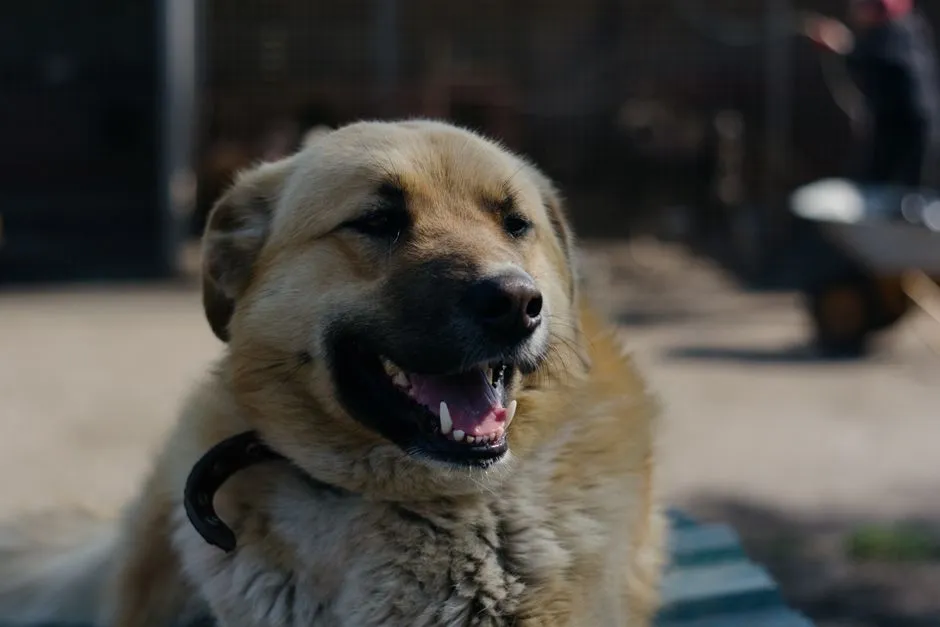
When a dog growls or stiffens over a bone or their bed, it can feel like a direct challenge to your authority. Many people react with anger, viewing it as dominance or stubbornness. In reality, resource guarding is often rooted in insecurity and fear of loss. The dog worries that something important will be taken away, so they try to protect it in the only language they have: body tension, growls, and sometimes snapping.
Guarding tendencies can be influenced by history, genetics, or past experiences where things were constantly removed without any trade. From the dog’s point of view, you might be the unpredictable roommate who always steals their favorite snacks. Rather than punishing the warning signs, a safer and more humane approach is to teach trade games, build trust that humans approaching means better things, and manage situations so the dog doesn’t feel the need to defend their stuff in the first place.
7. Ignoring You Around Other Dogs or People
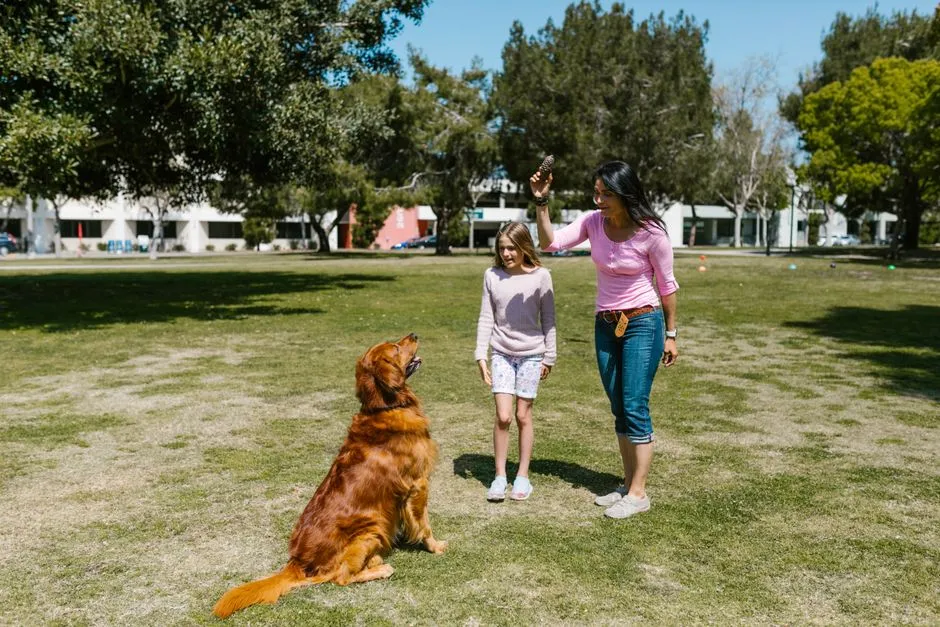
Many owners describe their dog as having “selective hearing” the second another dog or person appears. At home, they’re responsive; out in public, they act like you’ve vanished from the planet. It’s easy to frame this as willful disobedience, but often the dog is simply overwhelmed or overexcited. Their arousal level shoots up, and higher brain functions – like remembering cues – drop down the priority list.
Think of it like trying to focus on a math problem while your favorite band plays live two feet away. You technically know how to do the math, but your brain is busy elsewhere. Dogs need practice at gradually increasing levels of distraction before they can respond reliably in the middle of busy sidewalks or dog parks. Calling this stubborn misses the real issue: they haven’t yet built the emotional self-control or training history to cope in those environments.
8. Destroying Things When Left Alone

Coming home to shredded pillows or clawed doorframes can feel like your dog is punishing you for leaving, acting out of spite, or throwing a tantrum. The idea of the “revenge-chewing” dog is popular, but it does not hold up well when you look at how dogs actually think. Many dogs who destroy things while alone are experiencing anxiety, stress, or sheer boredom – not plotting your emotional downfall.
Some dogs develop full-blown separation anxiety, where being alone triggers panic-like behaviors: pacing, howling, drooling, and frantic attempts to escape. Others are simply left with more energy and curiosity than their environment can safely handle. In both cases, the behavior is a coping mechanism, not a calculated act of rebellion. Addressing alone-time destruction usually means changing routines, offering more enrichment, and sometimes working with a professional, not just scolding after the fact.
9. Refusing to Get in the Car or Go to the Vet

When your dog plants themselves in the driveway or digs in their heels at the vet’s front door, it can feel like you’re battling a furry mule. It’s tempting to label it stubbornness, but often it is learned fear. If car rides almost always lead to something unpleasant – like shots, grooming, or motion sickness – the dog reasonably concludes that the car or the clinic is bad news and tries to avoid it.
From the dog’s perspective, refusing to get in is actually a survival strategy, not defiance. Forcing them inside might get you to the appointment once, but it often deepens their fear and makes the next time even harder. Using gradual exposure, letting the dog explore the car or clinic without pressure, pairing it with favorite treats or calm time, and breaking the experience into small, manageable steps usually works far better. You’re not negotiating with a stubborn child; you’re helping a worried animal feel safe enough to cooperate.
Conclusion: Your “Stubborn” Dog Might Be Doing Their Best
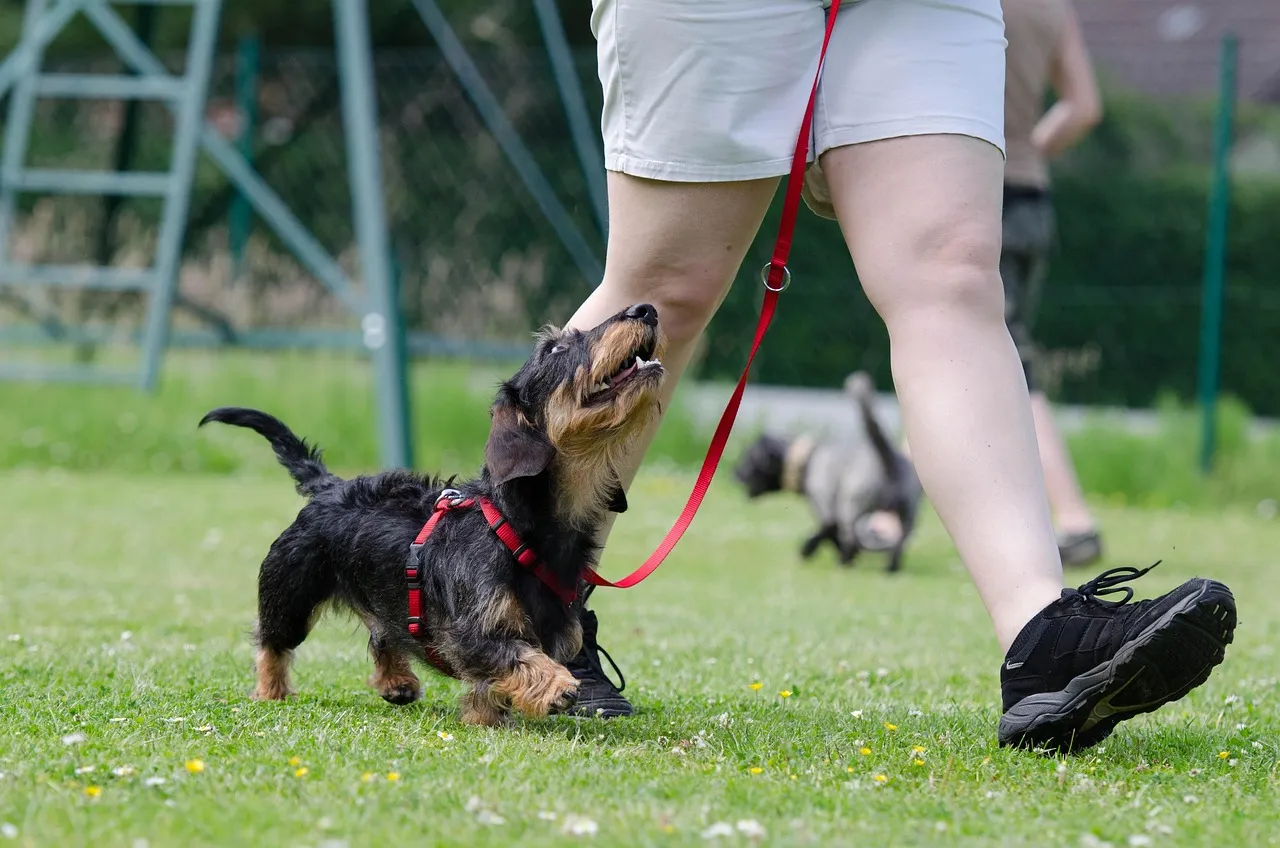
It’s strangely comforting – and a little uncomfortable – to realize how often we misread our dogs. What looks like hard-headed defiance is frequently confusion, fear, overexcitement, or a behavior we accidentally rewarded without noticing. When we cling to the idea that a dog is just stubborn, we stop asking the more useful questions: Are they scared? Are they in pain? Did I teach this clearly enough? Is the environment simply too hard right now?
In my own experience, the biggest shift came when I stopped treating every problem as a battle of wills and started treating it as a communication puzzle. Training got easier, my dog relaxed, and honestly, so did I. You do not have to excuse unsafe behavior, but you can understand it. And once you see your dog not as a tiny rebel but as a creature doing the best they can with the skills they have, it becomes a lot harder to stay angry and a lot easier to help. The real question is: next time your dog “acts stubborn,” will you see a troublemaker – or a message you just haven’t decoded yet?
