

Ask most people what reshapes the planet and they’ll say earthquakes, volcanoes, hurricanes. Big, violent, front-page disasters. Almost nobody thinks to mention the rodent digging a burrow in a pasture, or the insect quietly stacking dirt into a mound.
That blind spot is exactly what ecologists have been trying to fix for years. The species doing the heaviest lifting on this planet aren’t monsters. They’re animals you already know, and in more than one case, animals people spend real money trying to get rid of. By the end of this list, you’ll probably never look at a woodpecker hole or a worm-filled flowerbed the same way again.
#9 – Prairie Dogs: The Underground City Planners
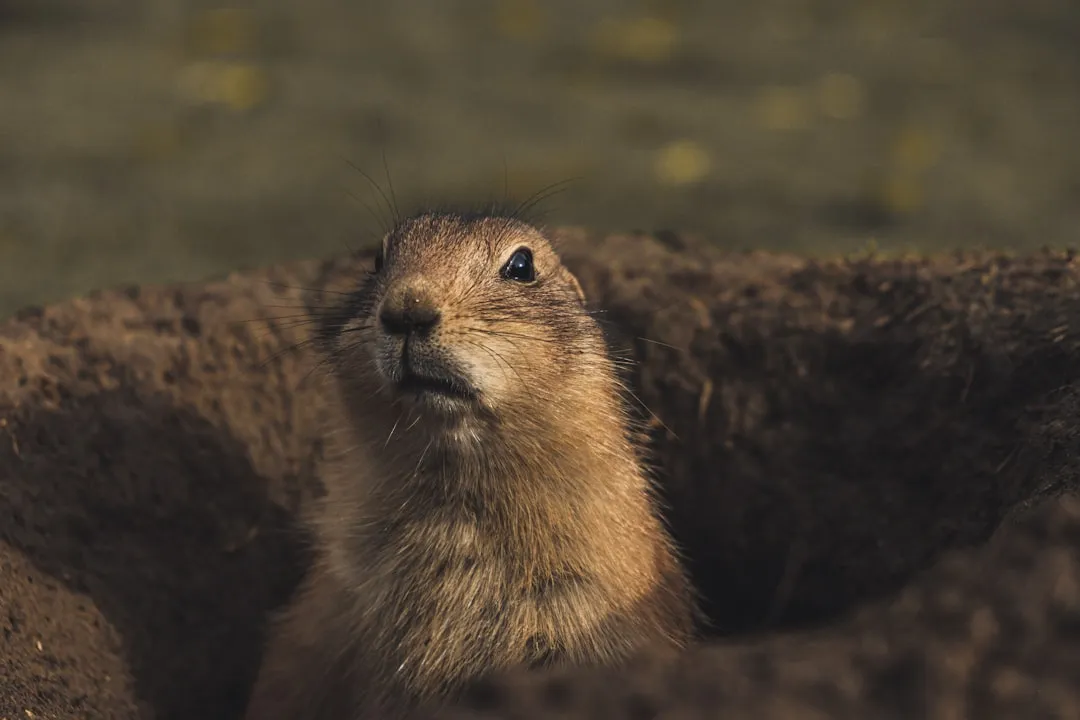
Prairie dogs look like oversized hamsters, but their real job title is civil engineer of the Great Plains. Their burrow networks can stretch for miles, packed with tunnels, chambers, and ventilation shafts that completely change how water moves through the soil.
By constantly digging, they haul nutrients from deep underground up to the surface. Grasses grow thicker, wildflowers explode in color, and other species quietly move in behind them. Over 130 species have been documented using prairie dog towns, from burrowing owls to snakes and insects.
Fast Facts
- Prairie dog towns can house colonies ranging from a few dozen to several thousand individuals
- More than 130 other species have been documented using prairie dog burrows for shelter
- Their digging boosts water infiltration and reduces runoff across grasslands
- Bison and pronghorn often seek out prairie dog-grazed patches because the regrowth is more nutritious
Most ranchers historically saw prairie dogs as pests worth poisoning. The data says otherwise. Their digging improves water infiltration, cuts down runoff, and helps prairies survive droughts, while bison and pronghorn actually prefer grazing on these “disturbed” patches because the plants there are more nutritious.
Remove the prairie dogs, and the land doesn’t just get quieter. It gets poorer, drier, and less alive. But that’s nothing compared to what’s crawling around at #8.
#8 – Termites: Tiny Bugs, Massive Earth-Movers
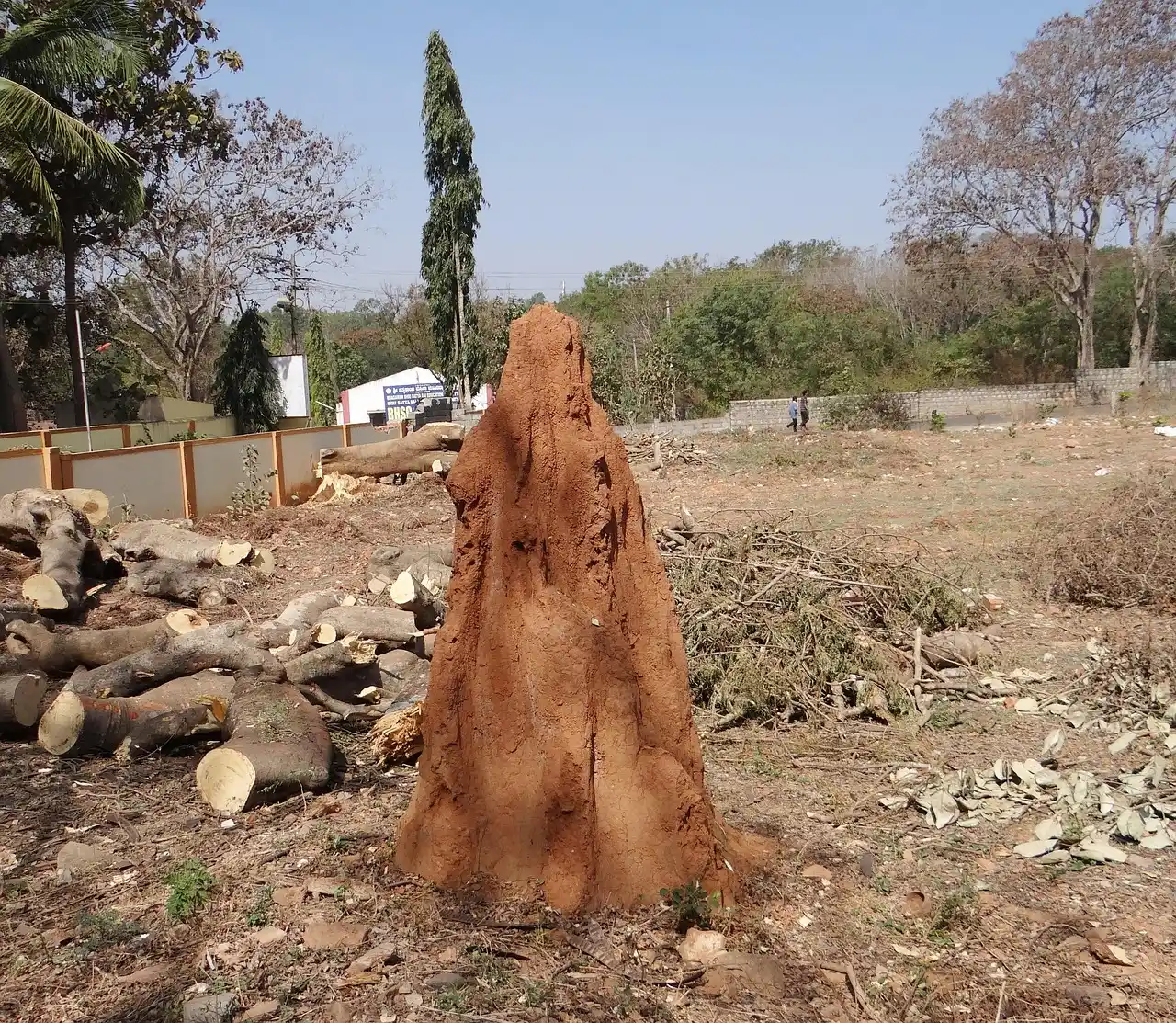
Call them pests if you want, but termites are some of the most underrated soil engineers on Earth. In savannas and tropical landscapes, they build towering mounds that can last for decades, long after the colony that started them is gone.
Those mounds aren’t random piles of dirt. They’re temperature-regulated, ventilated structures that change how air, water, and nutrients move through the whole environment around them. Plants growing near termite mounds often thrive because the soil there is richer and holds moisture longer.
In parts of Africa, you can spot “fairy circles” and greener patches around termite mounds from the air. During droughts, termites keep munching dead plant material, recycling it into soil nutrients right when everything else is collapsing, and some researchers argue these insects help stabilize entire ecosystems under climate stress.
It’s a strange irony: homeowners spend billions destroying termites in cities, while conservationists quietly celebrate them in the wild. But that’s nothing compared to what’s happening in the trees at #7.
#7 – Woodpeckers: Apartment Builders of the Forest
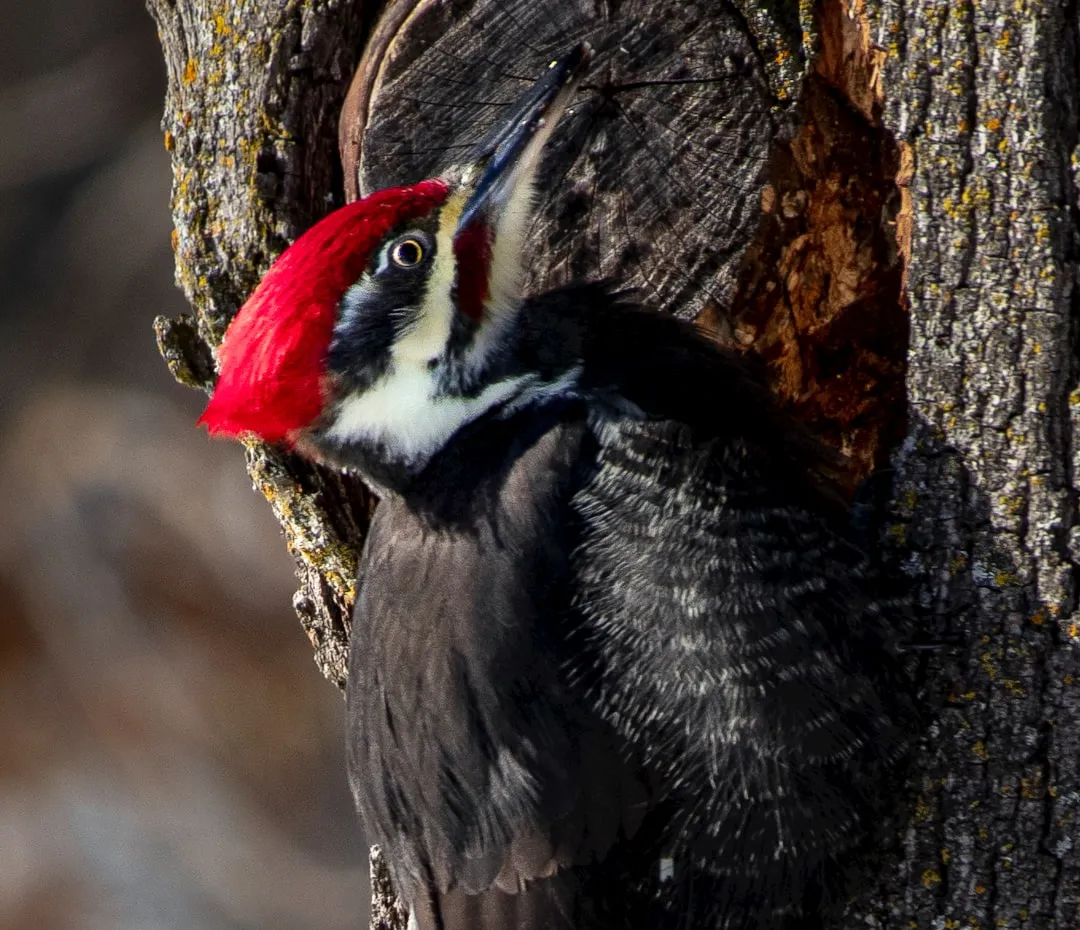
Woodpeckers don’t hammer trees just for fun. They’re architects of vertical real estate, and every hole they drill is a potential home, not just for them, but for dozens of other species down the line.
After a woodpecker abandons a nest cavity, owls, bluebirds, squirrels, bats, and even some ducks move in. In forests without woodpeckers, there’s often a genuine housing crisis for anything that nests in cavities.
Their constant chipping also helps trees directly, exposing and clearing out insect infestations before they spread. In some ecosystems, woodpeckers are called “keystone cavity producers” because over half of all cavity-nesting species rely on the holes they leave behind.
Some foresters still see them as a nuisance. But remove the woodpeckers and you don’t just lose one bird, you destabilize an entire web of tenants. That’s nothing compared to what’s happening underground at #6.
#6 – Earthworms: The Quiet Soil Makers
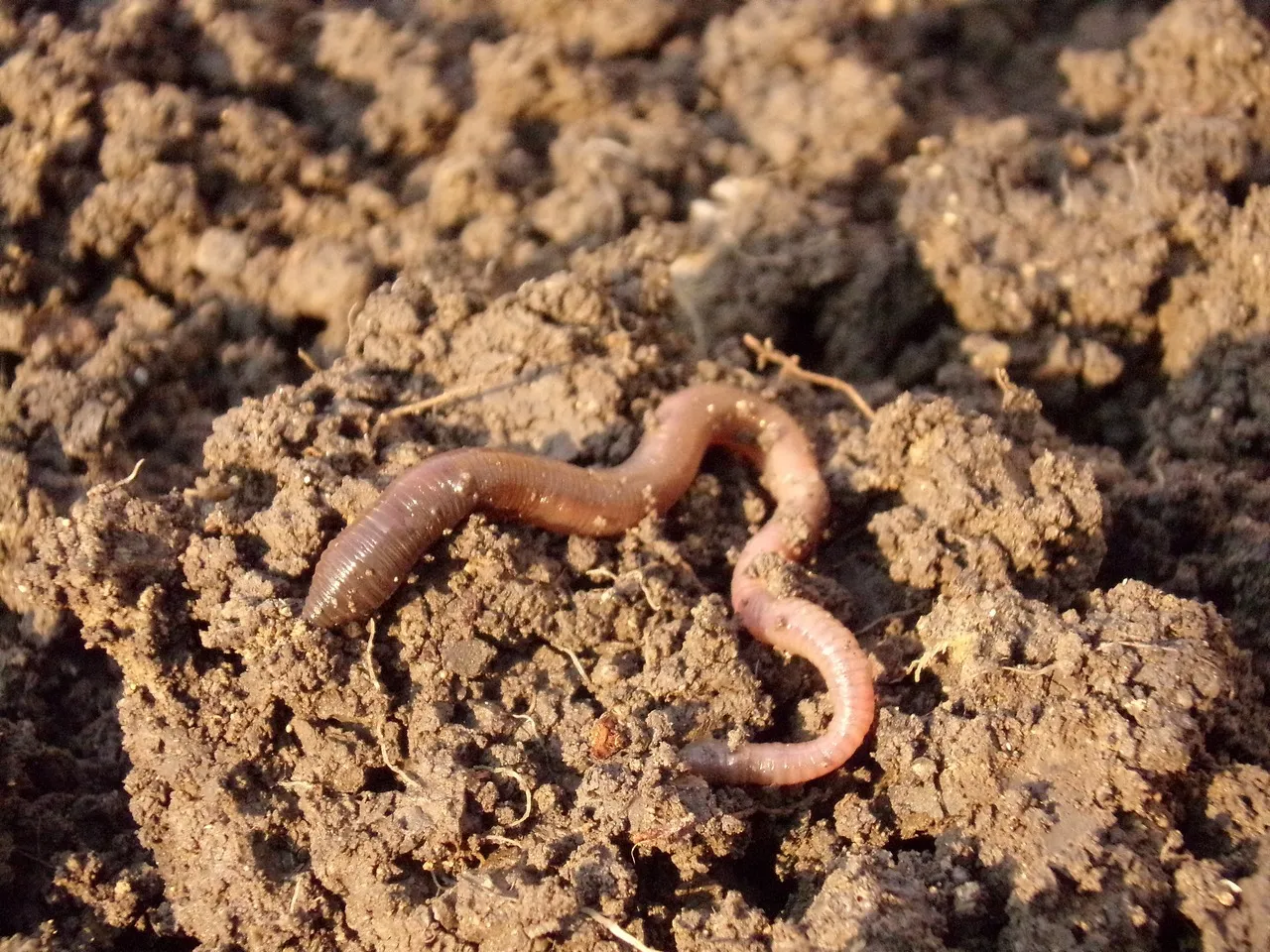
Earthworms are so common we barely notice them, but ecologists know they’re essential life-support systems for plants. As worms burrow through soil, they create channels that let air and water penetrate deep underground.
Their castings, yes, their poop, are loaded with nutrients in a form plants can use almost immediately. In some agricultural soils, earthworm activity can turn over the entire top layer of soil in just a few years.
But the story isn’t all warm and fuzzy. In places like northern North America, forest soils evolved without native earthworms after the last Ice Age, and the invasive European worms now spreading through them have been stripping away thick leaf layers, changing which plants can survive.
Worth Knowing
- Earthworm castings are rich in nutrients that plants can absorb almost immediately
- Active earthworm populations can turn over an entire topsoil layer in just a few years
- Many forest soils in northern North America evolved without native earthworms after the last Ice Age
- Invasive European earthworms are now stripping away leaf litter layers that many native plants depend on
Gardeners love them, and often should. But some ecologists quietly call earthworms “ecosystem disrupters” in the wrong place, proof that an engineer can be brilliant in one setting and destructive in another. Still, that’s nothing compared to what’s happening on the savanna at #5.
#5 – Elephants: Bulldozers That Plant Forests

Elephants get called “bulldozers,” but that label misses the point entirely. Yes, they knock over trees, rip off branches, and trample vegetation. What most people don’t realize is that this destruction is exactly what keeps many African and Asian landscapes alive.
By pushing over trees, elephants open up light gaps where grasses and shrubs can grow, feeding antelopes, zebras, and countless insects. Without elephants, some savannas start turning into closed-canopy woodland, quietly squeezing out every grassland species that depends on open ground.
Their digestive system is its own engineering marvel. Elephants eat fruits and seeds, then walk for miles before dropping seed-filled dung piles, ready-made fertilizer bombs that can start new plant communities far from the parent tree.
Some large tree species are now struggling in areas where elephants have vanished, because nothing else moves their seeds that effectively. Conservationists joke that elephants are “forest gardeners with anger issues,” but the math is simple: lose elephants, and you reshape the whole map. That’s nothing compared to what’s happening underwater at #4.
#4 – Coral Reefs: The Architects of Underwater Cities
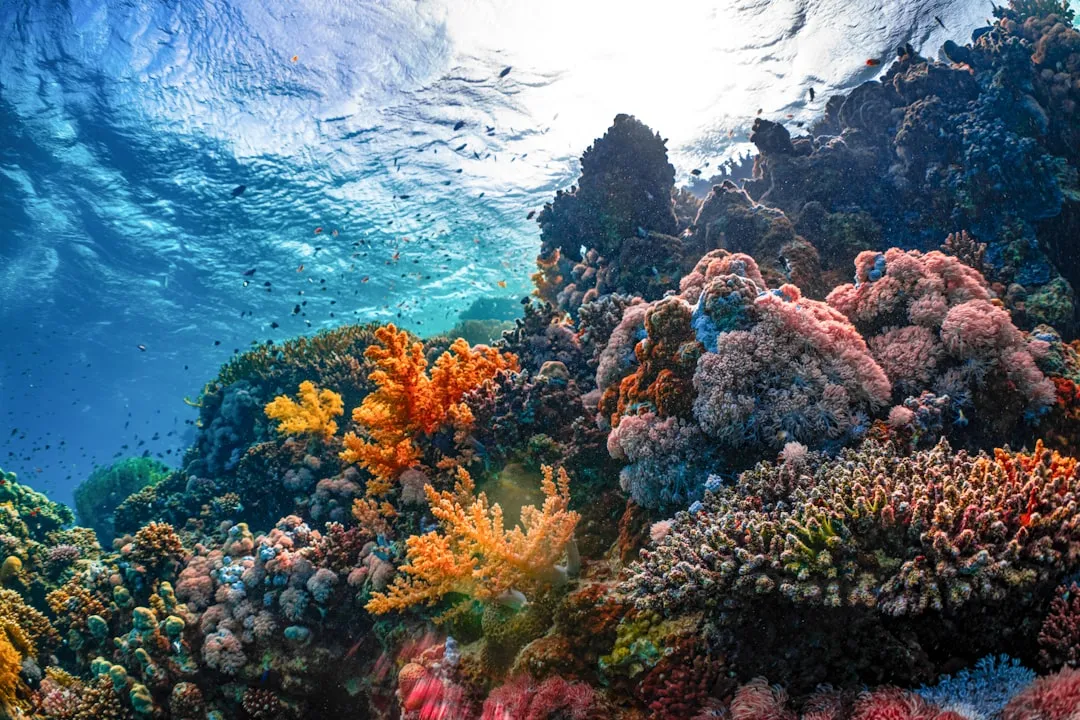
Coral polyps are tiny animals, but together they build massive limestone structures visible from space. Over centuries, their skeletons pile up into reefs that shape coastlines, break waves, and create thousands of niches for marine life.
A single healthy reef can host more species per square meter than most tropical rainforests, from fish and crustaceans to algae and sponges. These structures don’t just sit there; they redirect currents, protect shorelines from erosion, and shape entire local fisheries.
Why It Stands Out
- A single healthy reef can host more species per square meter than most tropical rainforests
- Coral skeletons take centuries to build but can be devastated by bleaching in a matter of weeks
- Reefs act as natural breakwaters, absorbing wave energy before it reaches shorelines
- Their partnership with microscopic algae is what allows them to build limestone structures so fast
What makes corals especially wild as engineers is their partnership with microscopic algae living inside their tissue, feeding them sugars that let them build those rock-like skeletons at incredible speed. When heat or pollution forces that partnership to break, bleaching, the entire underwater city starts crumbling.
Lose the coral, and you don’t just lose pretty diving spots. You lose natural breakwaters, fish nurseries, and coastal protection worth billions, which makes it frankly reckless that some governments still treat reefs like disposable scenery. That’s nothing compared to the muddy, overlooked engineer at #3.
#3 – Mangroves: The Coastline Stabilizers
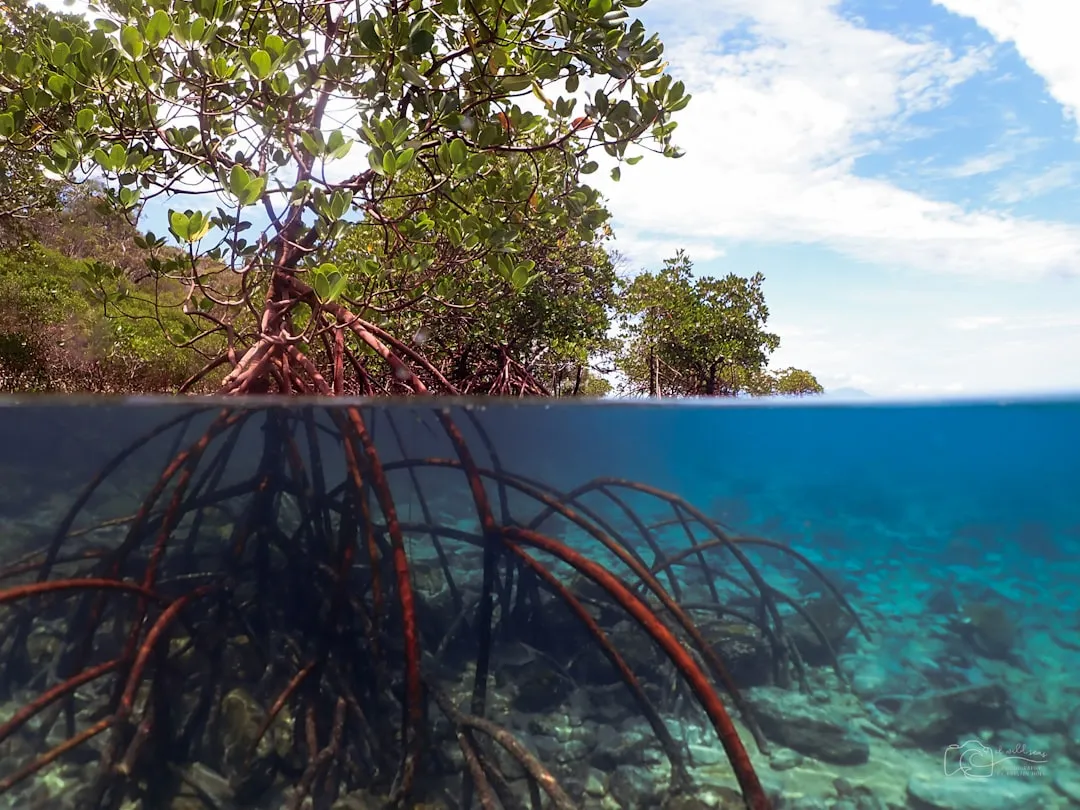
Mangrove forests sit in that muddy, mosquito-filled zone most tourists avoid, and that’s exactly where their power lies. Their arching roots trap sediment, literally building new land along tropical and subtropical coasts over time.
Mangroves can expand shorelines, turn open water into marsh, and create safe nurseries for fish, crabs, and shellfish. Communities that still have thick mangrove belts often see far less storm damage, because the tangled roots and trunks absorb wave energy before it ever reaches homes.
They’re also underrated carbon vaults. Per square meter, mangroves can store more carbon in their soils than many inland forests, locking it away for centuries if left undisturbed.
Yet developers keep clearing them for shrimp farms and beach resorts, bulldozing natural infrastructure that would cost billions to rebuild artificially. When mangroves go, erosion speeds up, saltwater creeps inland, and coastal fisheries crash, one of the clearest modern examples of humans destroying the very engineers protecting them. That’s nothing compared to the desert giant waiting at #2.
#2 – Saguaro Cacti: Desert Skyscrapers and Water Banks
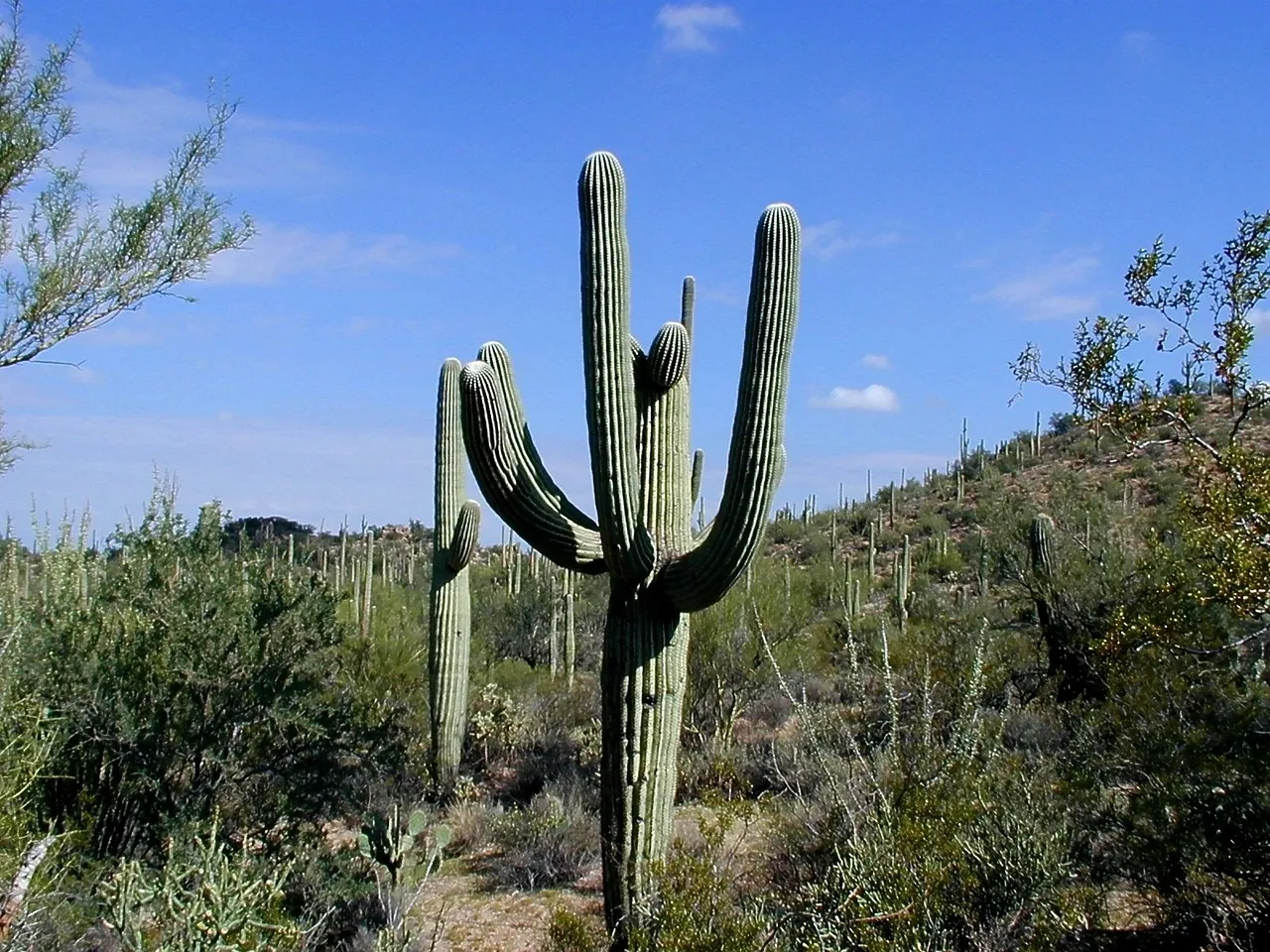
In the Sonoran Desert, saguaro cacti are more than scenic backdrops. They’re living skyscrapers that organize entire communities around them, storing thousands of liters of water in massive, columnar bodies that tower over every other desert plant.
Birds like Gila woodpeckers and elf owls carve nest holes into the fleshy stems, turning saguaros into high-rise apartment complexes. Once abandoned, other species reuse those cavities, a desert version of a city sublet passed down for years.
Their flowers and fruit matter just as much. Saguaros produce nectar and pollen that feed bats and birds at night, then bright red fruit that sustains wildlife and Indigenous communities through the hottest months of the year.
When roads, development, and climate extremes thin out saguaro populations, it’s not just a plant loss. It’s the collapse of local housing, food supply, and shade infrastructure all at once. That’s nothing compared to what’s waiting at #1.
#1 – Beavers: The Original Landscape Engineers
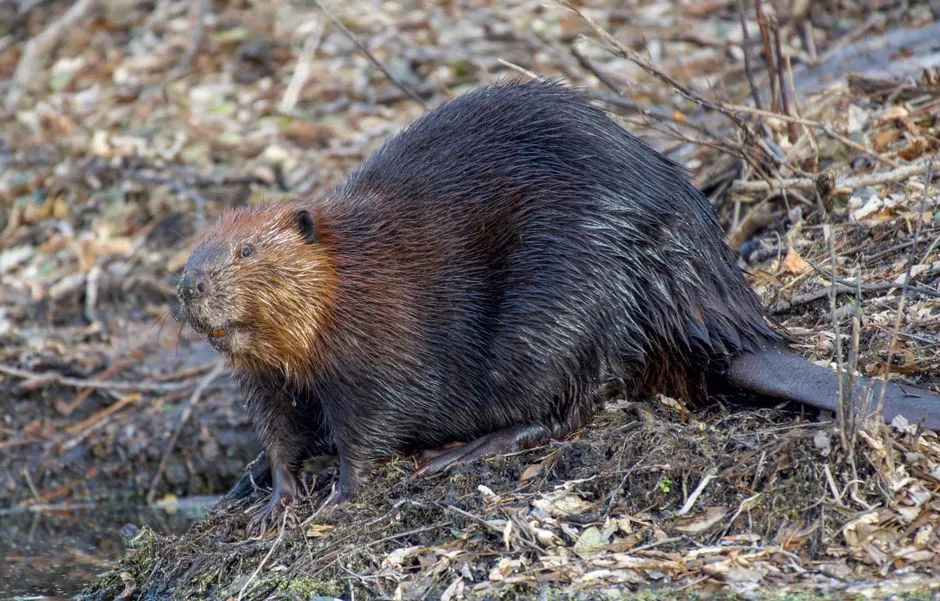
If one species absolutely earns the “ecosystem engineer” crown, it’s the beaver. These animals don’t just use the environment; they rebuild it from the ground up.
By felling trees and stacking branches with mud, beavers create dams that slow rivers, spread water across floodplains, and form deep ponds. Those ponds become magnets for ducks, amphibians, fish, insects, and mammals, and in aerial photos, reintroduced beavers have turned dry, degraded valleys into patchworks of wetlands almost overnight.
At a Glance
- Beaver dams can stretch for hundreds of feet, with the largest ever recorded spanning roughly half a mile in northern Canada
- Their ponds recharge groundwater and keep streams flowing longer during droughts
- Reintroduced beavers have turned dry, degraded valleys into wetlands in just a few years
- Trapping once pushed beavers to near-extinction across large parts of North America
The knock-on effects are huge. Beaver dams increase groundwater recharge, keep streams flowing longer into droughts, and reduce the force of floods downstream, even helping buffer landscapes against wildfires by maintaining green, wet corridors.
Yet in many regions, beavers were trapped nearly to extinction because people saw them as nuisances. Now forward-thinking land managers are using beaver reintroduction as a low-cost climate adaptation tool, and if any animal proves that one species can transform a landscape single-handedly, it’s this one.
The Bottom Line
Ecosystem engineers aren’t just “cool animals” or “interesting plants.” They’re the structural designers of entire habitats, from underground prairies and coral citadels to beaver-built wetlands and elephant-shaped savannas.
When they thrive, landscapes become more complex, more resilient, and better able to handle droughts, floods, and climate chaos. When they disappear, biodiversity collapses, soils erode, and we end up spending fortunes trying, and often failing, to replace their work with concrete and machinery.
Here’s my honest take: humans have a bad habit of treating these engineers as pests or obstacles standing between us and development, then acting shocked when the land falls apart behind them. We’re not just losing species when we wipe them out. We’re firing the architects who were holding the whole structure together for free.
So which ecosystem engineer do you think we’re still underestimating the most?

- 7 Things That Attract Groundhogs Into a Garden - August 4, 2026
- 12 Pollinator Gardens That Also Attract Songbirds - August 4, 2026
- 9 Ecosystem Engineers That Change Entire Landscapes - August 4, 2026