
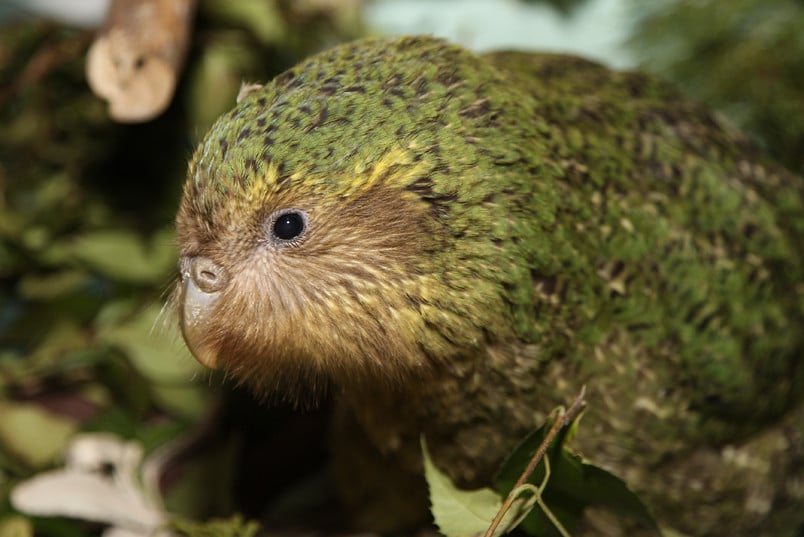
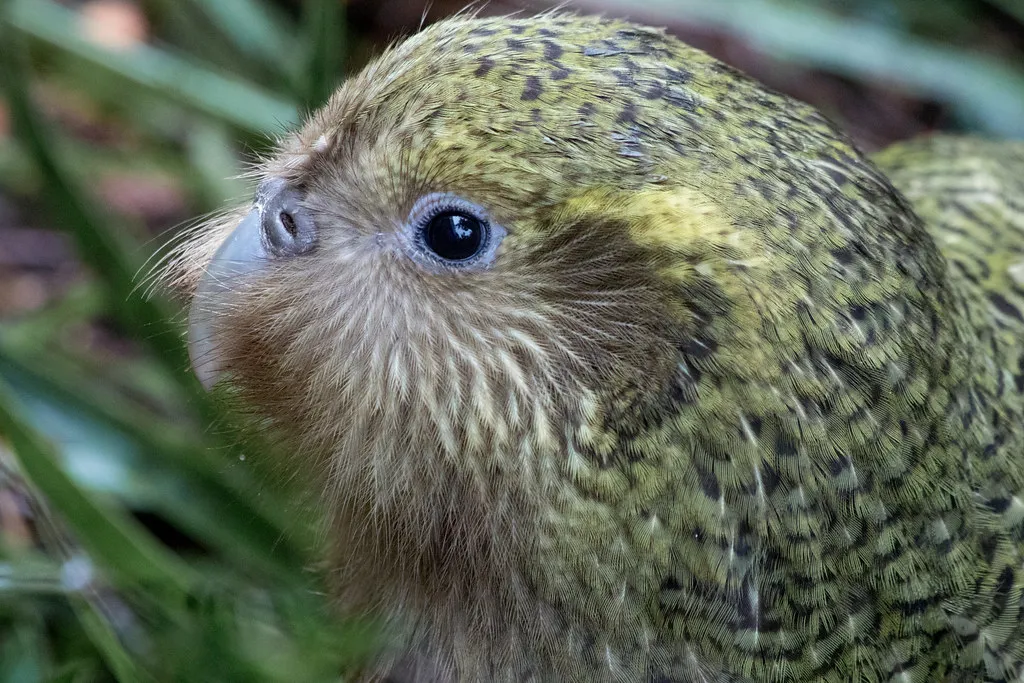
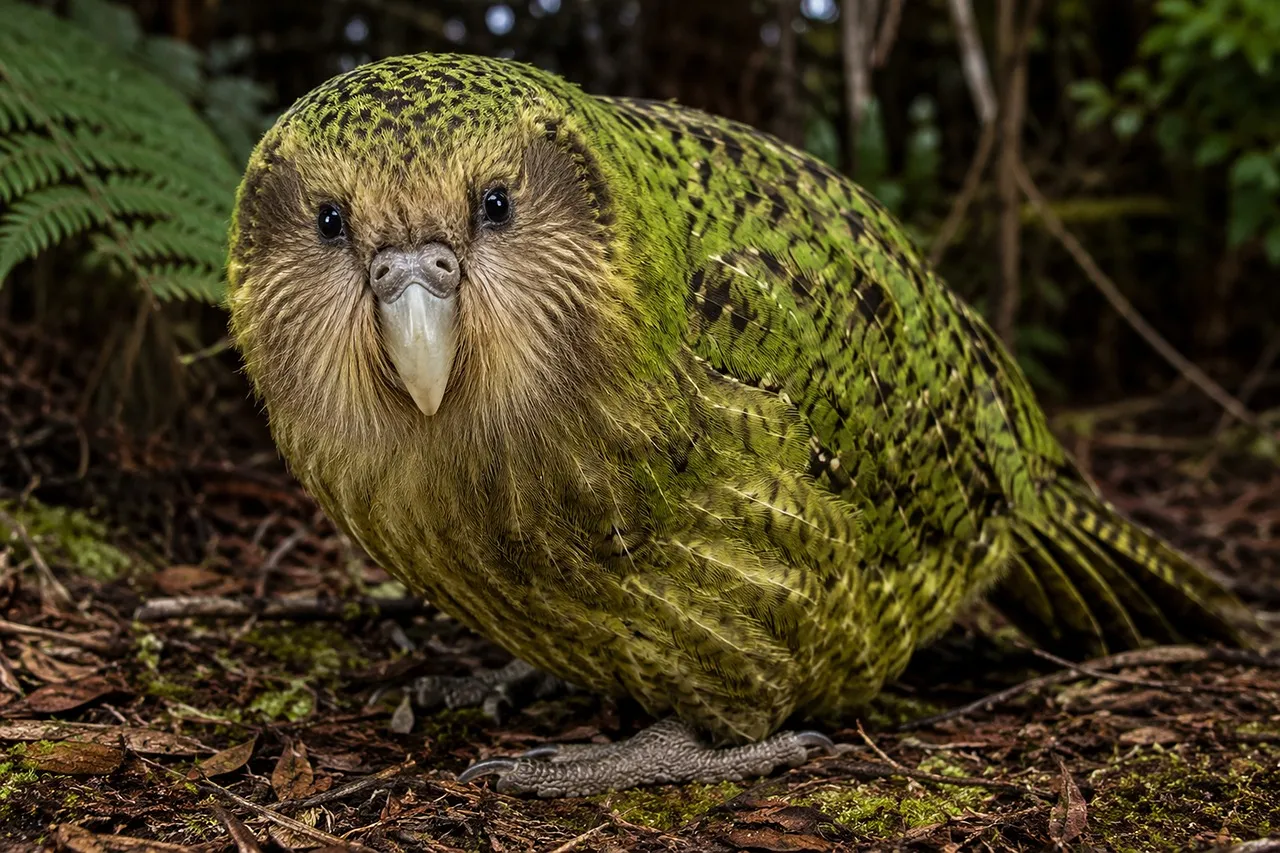
Picture a green, moss-colored parrot the size of a house cat, waddling through a dark forest at night and booming like a foghorn. It can’t fly. It smells faintly sweet, a bit like honey and freesias. It also lives by a reproductive calendar so unusual that scientists spent decades trying to understand it.
The kakapo, or kākāpō in Māori, isn’t just odd to look at. Its whole approach to romance, parenting and timing seems to break the usual rules of bird life. In 2026 it also made headlines for a record-breaking comeback, which gives us a good reason to look at how it all works.
1. Kakapo Only Breed When a Tree Tells Them To
🔥 Would you like to save this?
We'll email this post to you, so you can come back to it later!
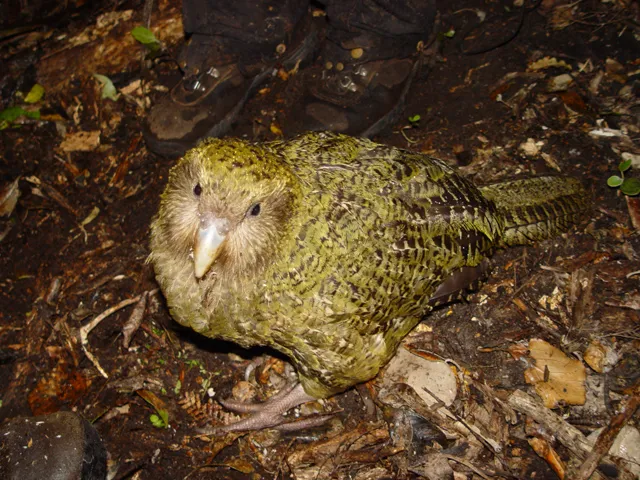
Most birds breed on a seasonal clock tied to daylight or temperature. The kakapo doesn’t. These flightless, nocturnal parrots only breed once every two to four years, when the rimu trees mast, which means mass fruiting.
Rimu is a native New Zealand conifer, and its heavy fruit crops are the cue the birds respond to. Nobody can set that schedule for them. Conservation teams can only watch the forest and wait.
That’s why the gap between seasons can feel agonizing. The 2026 breeding season followed a four-year gap between breeding seasons. For a species with so few individuals, four years of waiting is a long stretch.
2. The Males Gather in Arenas Called Leks
🔥 Would you like to save this?
We'll email this post to you, so you can come back to it later!
Kakapo are famous for a mating system known as lekking. Males don’t help with nests or chicks. Instead, they head to display grounds, clear small bowls in the soil and compete for female attention.
Each male sits in his bowl and produces a deep, low booming call that travels far across the forest at night. The sound is made by inflating a thoracic air sac, and it can carry for long distances. Females follow the sound, compare the performers and make their pick.
It’s a bit like a talent show with a very picky audience. The females hold all the decision power, and the males spend weeks performing with no guarantee of success.
3. Fathers Play No Part in Raising Chicks
🔥 Would you like to save this?
We'll email this post to you, so you can come back to it later!
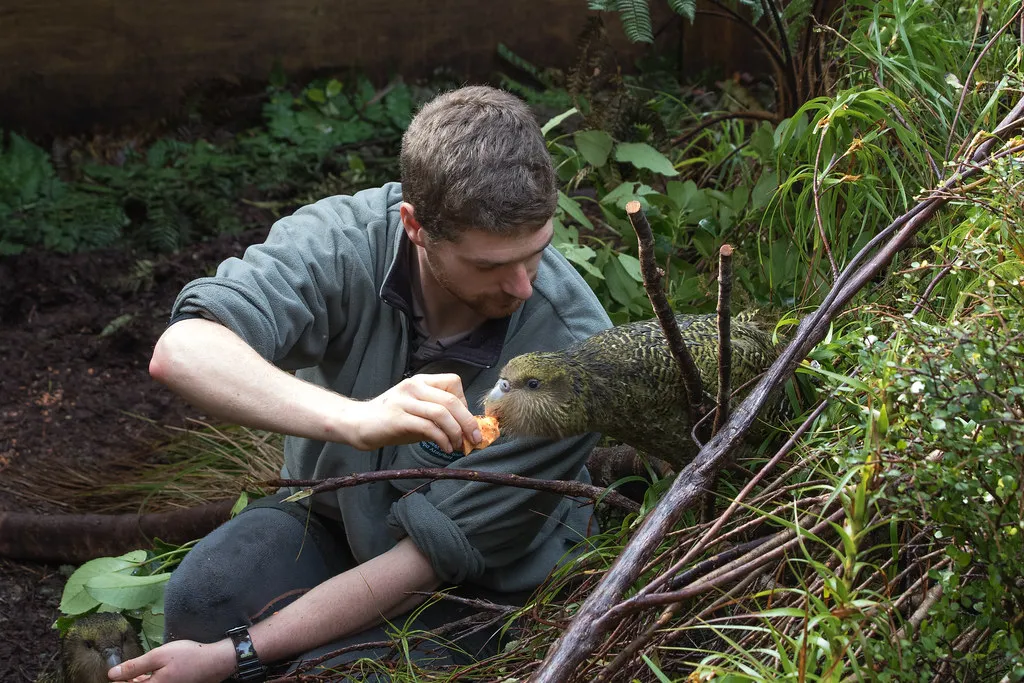
Once mating is over, the male’s job is done. Kakapo females alone incubate eggs and raise chicks, and the males go back to their own business. That puts a huge workload on mothers, who must feed hungry chicks through long nights.
The numbers from 2026 show how lopsided the system can be. According to the season’s tally, 79 female kākāpō nested, 258 eggs were laid, 106 chicks hatched, 48 females produced living chicks, and 32 dads fathered chicks.
Notice that last figure. Far fewer males than females ended up as fathers, which hints at how competitive the display grounds are.
4. Their Population Once Fell to Just 51 Birds
🔥 Would you like to save this?
We'll email this post to you, so you can come back to it later!
Kakapo were once widespread across New Zealand. The species suffered a dramatic decline after the introduction of predators such as cats and rats. A ground-dwelling bird with a strong scent and a habit of freezing when threatened was easy prey.
By the mid 1990s the situation was dire. When the Kākāpō Recovery Programme began in 1995, only 51 birds remained, including 20 females.
Those numbers matter for the breeding story. Few females and a small gene pool made every nest precious, and they still shape the challenges faced today.
5. Low Genetic Diversity Brings Fertility Problems
🔥 Would you like to save this?
We'll email this post to you, so you can come back to it later!
A tiny population leaves scars in the genes. Recovery efforts have been working to overcome challenges linked to low genetic diversity, including infertility and poor hatching success. Some eggs simply never develop, even when mating goes well.
Here’s a quick summary of the main hurdles:
- Breeding only happens every two to four years
- Many eggs are infertile or fail to hatch
- Only a limited number of females are breeding age
- Chicks need intensive support in some seasons
Managers track every bird individually, which helps them make careful pairing and management choices. It’s one of the most hands-on conservation efforts anywhere.
6. The Whole Species Lives on Predator-Free Islands
🔥 Would you like to save this?
We'll email this post to you, so you can come back to it later!
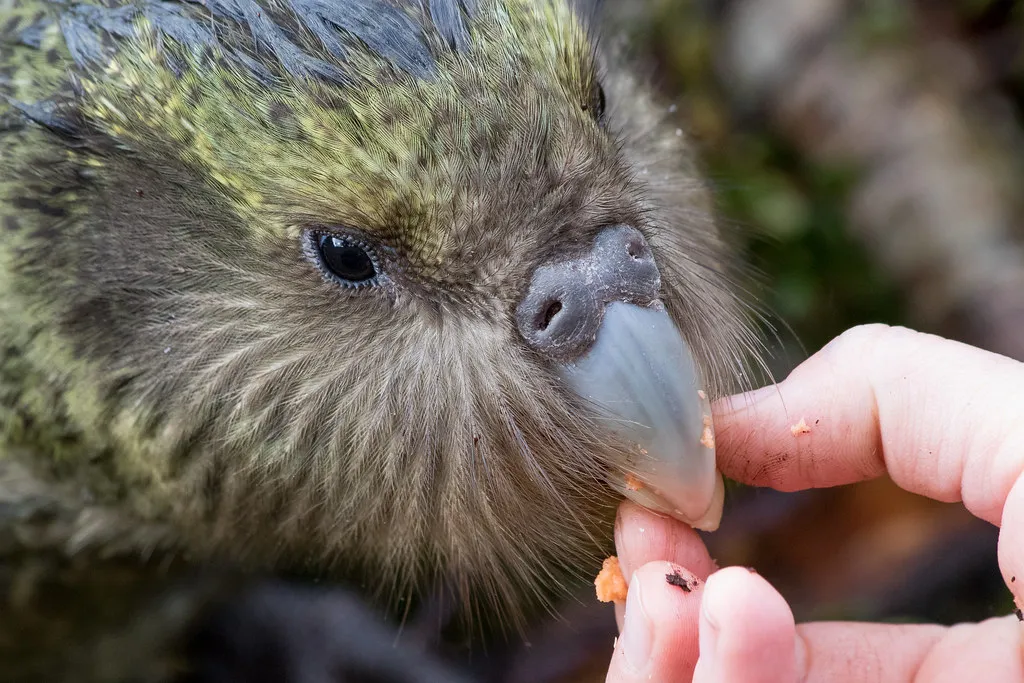
To protect the survivors, conservationists moved them off the mainland. All remaining birds were translocated to predator-free offshore islands, and the surviving population has been supported through 13 breeding seasons.
Today the birds live at a few protected sites. These include Whenua Hou, Pukenui and Te Kākahu-o-Tamatea. Each has been managed to keep out the mammals that nearly wiped the species out.
The trade-off is dependence. Kakapo can’t simply spread back across the mainland until predators are controlled, so islands remain their safety net.
7. Remote Technology Watches Nests Around the Clock
🔥 Would you like to save this?
We'll email this post to you, so you can come back to it later!
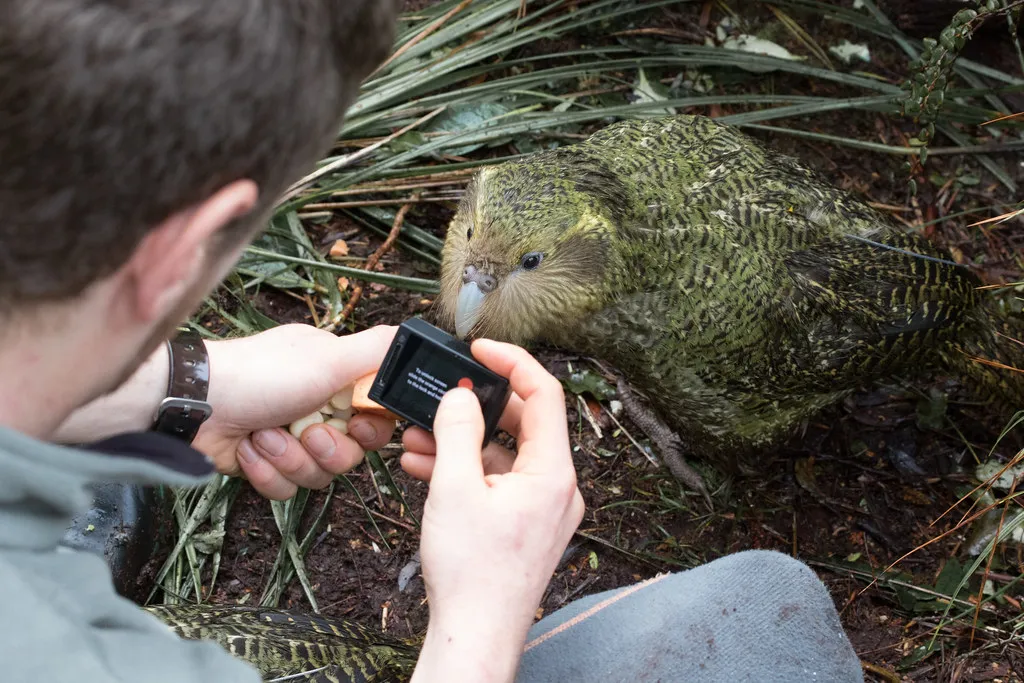
Because the birds are nocturnal and shy, monitoring them takes clever tools. Remote monitoring technology detected that mating activity began on 29 December ahead of the 2026 season. Transmitters and nest sensors tell staff when a female leaves her eggs or a male visits a bowl.
That data has reshaped how teams work. The programme trialled approaches to reduce intensive management, such as fewer egg and chick checks and less supplementary feeding.
It’s an interesting shift. The aim now is partly to step back and let the birds do more on their own, once the numbers can stand it.
8. The 2026 Season Smashed Every Record
🔥 Would you like to save this?
We'll email this post to you, so you can come back to it later!
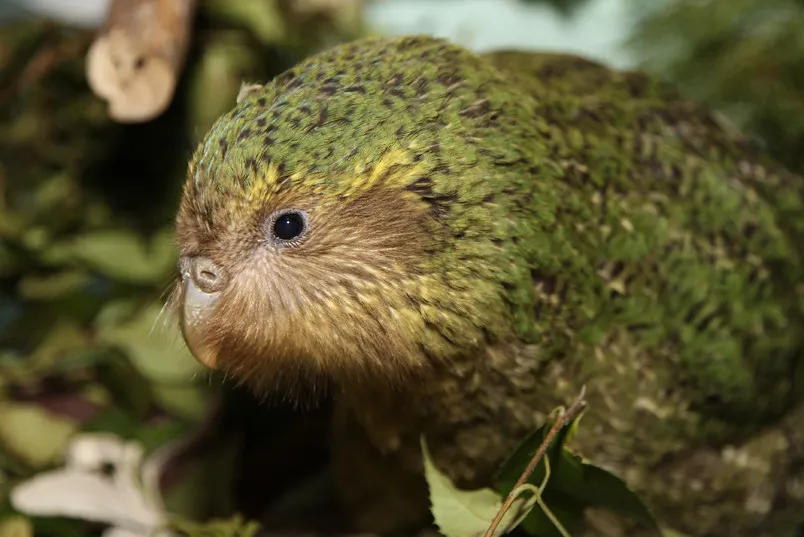
Then the rimu delivered. The official population of the critically endangered kākāpō reached a recovery-era high of 325 birds after chicks from the 2026 season were counted.
Counting works on a strict rule. A chick must reach 150 days of age before it’s considered independent enough to join the official tally. That’s why the final figure came later than the hatching numbers. You may see larger totals in early reports, since hatchlings and surviving chicks are different counts.
Here are the headline numbers:
- 90 chicks survived to the official counting age
- 38 were female and 52 were male, according to Australian Geographic
- The population rose from about 235 to 325
As the recovery manager put it, it took 16 years to produce that many chicks in the early years.
9. Kakapo Are Long Lived, Which Changes the Math
🔥 Would you like to save this?
We'll email this post to you, so you can come back to it later!
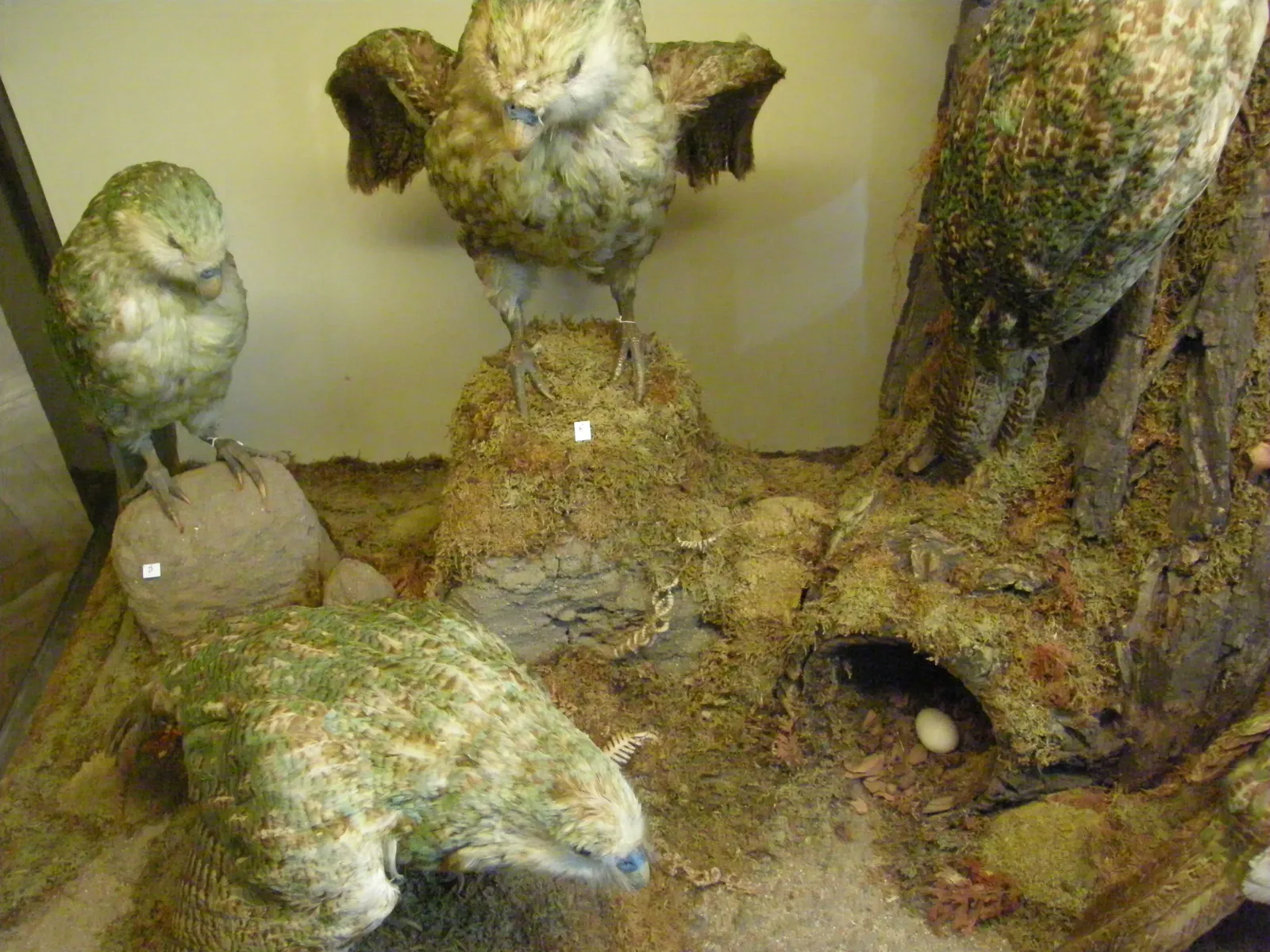
One reason the species can recover at all is how long individuals live. Reports describe lifespans that may reach up to 90 years, though that’s an upper estimate. A female hatched this year could, in theory, see many breeding seasons.
That slow pace cuts both ways. Kakapo don’t reproduce quickly, but each healthy bird contributes over decades. Patience is built into the biology.
It also explains the cautious tone from managers. Kākāpō are still critically endangered, and chick numbers are not the only measure of success.
Final Thoughts
🔥 Would you like to save this?
We'll email this post to you, so you can come back to it later!
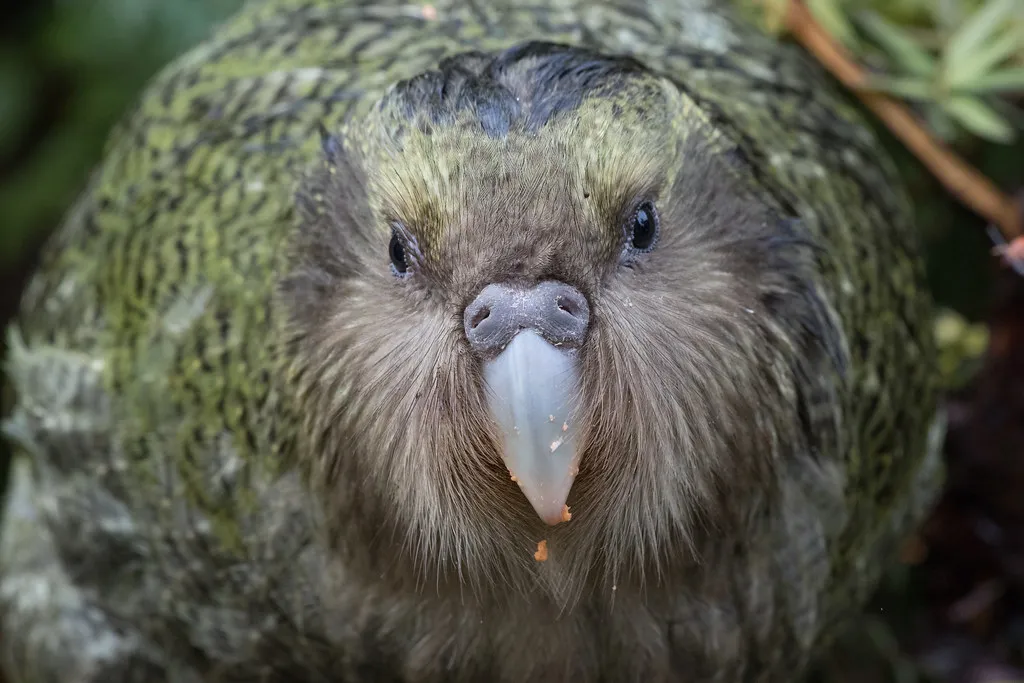
My view is that the kakapo’s strange system is less a quirk and more a gamble that once worked brilliantly. A bird that breeds only when a forest overflows with food made sense when no predators roamed the land. Add rats, stoats and cats, and the same strategy became a trap.
Yet the 2026 numbers show that stubborn human effort can bend even a fragile system. I’d argue the real lesson isn’t the record itself. It’s that a slow, odd, lovable parrot needs us to be just as patient as it is.

- 7 Everyday Habits That Can Make Your Senior Dog Happier - November 5, 2026
- 10 Enigmatic Structures That Continue to Puzzle Scientists Today - November 5, 2026
- 10 Strange Ruins in the Americas That Challenge What We Know About Early History - November 5, 2026