
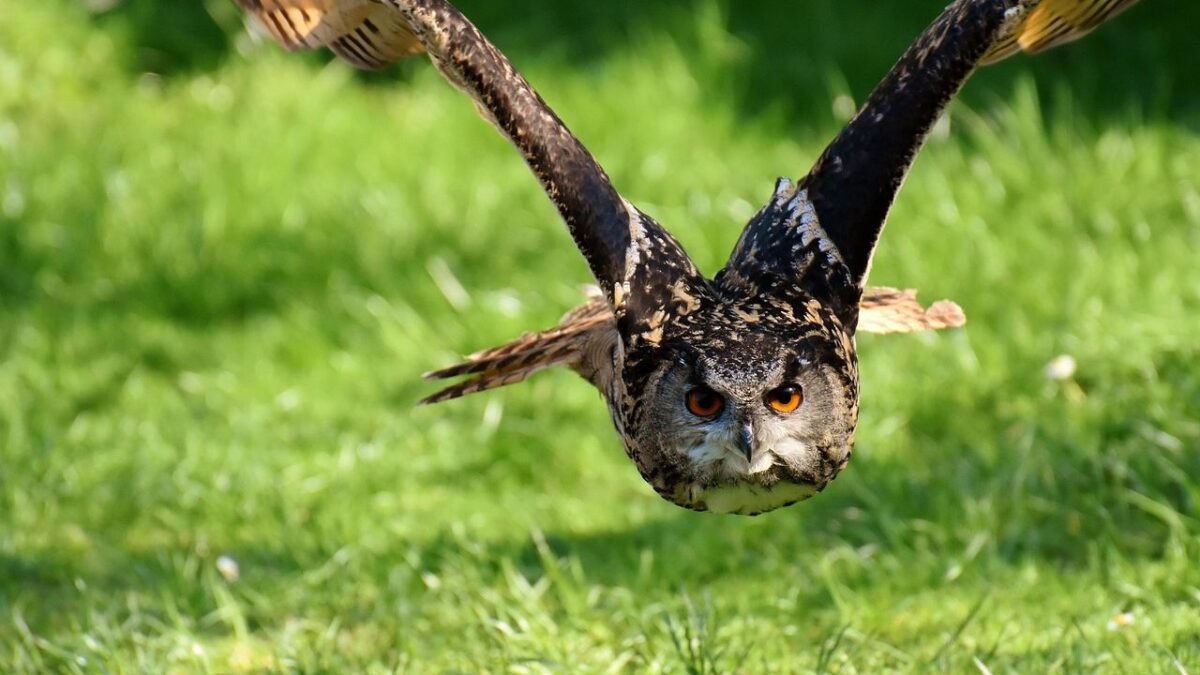
You’ve likely seen owls in nature documentaries or heard their haunting calls echoing through the night. These mysterious birds have fascinated humans for centuries, appearing in mythology, folklore, and even modern pop culture as symbols of wisdom and intrigue. Yet despite their prominence, owls remain among the most misunderstood creatures in the animal kingdom.
Here’s the thing: these nocturnal hunters possess abilities that seem almost supernatural. From engineering marvels hidden in their wings to anatomical quirks that defy logic, owls are far stranger and more remarkable than you might imagine. So let’s dive into the secrets these silent predators have been keeping.
Their Flight Is So Silent It’s Below Human Hearing
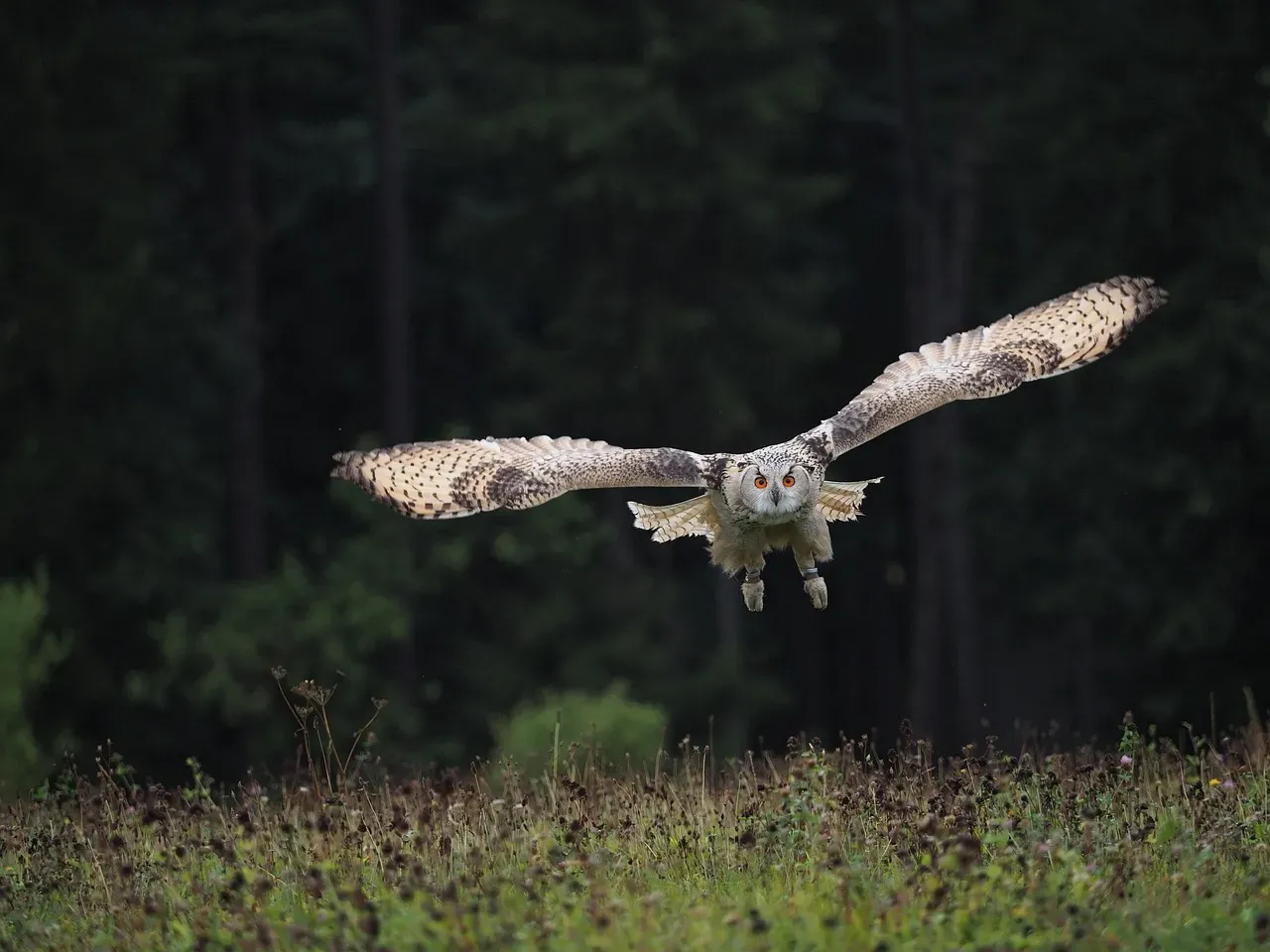
Laboratory measurements have shown that the slight swoosh made by a barn owl is below the threshold of human hearing until the owl is about three feet away. An owl in flight is extremely quiet, so quiet that the sound is below the threshold of human hearing until the owl is just 3 feet away. Think about that for a moment. A bird weighing several pounds can fly right over your head, and you won’t hear a thing.
Comb-like serrations on the leading edge of wing feathers break up the turbulent air that typically creates a swooshing sound, and those smaller streams of air are further dampened by a velvety texture unique to owl feathers. It’s hard to say for sure, but scientists believe this adaptation evolved either to sneak up on prey or, more likely, to allow owls to hear their prey better while flying. Owls can mute their flight at frequencies higher than 1600 Hz, which is not surprising since this is the threshold of hearing for rodents.
They Can’t Move Their Eyes At All
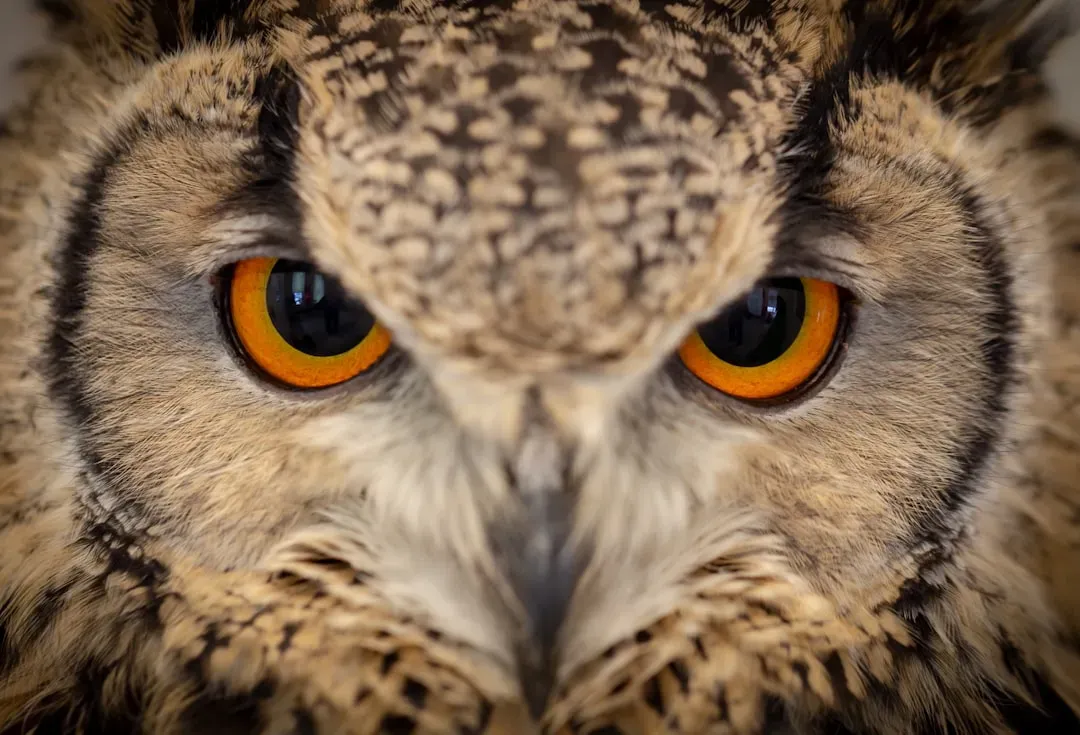
Unlike you or me, owls have absolutely zero ability to move their eyeballs. Their eyes are fixed in their sockets. Owls’ eyes are fixed within their skull by the sclerotic ring – a series of bones that form a tubular structure around each eye. Imagine being unable to glance to the side without turning your entire head. That’s life for an owl.
This isn’t some evolutionary oversight. Owl eyes are proportionally enormous, taking up to 5% of their total body weight compared to human eyes at just 0.0003% of body weight, and this exceptional size, combined with a high concentration of rod cells, allows owls to see up to 100 times better than humans in low-light conditions. The trade-off? Those massive, tube-shaped eyes simply won’t fit if they need to swivel around. Nature chose power over flexibility.
Head Rotation Isn’t 360 Degrees (But It’s Still Insane)
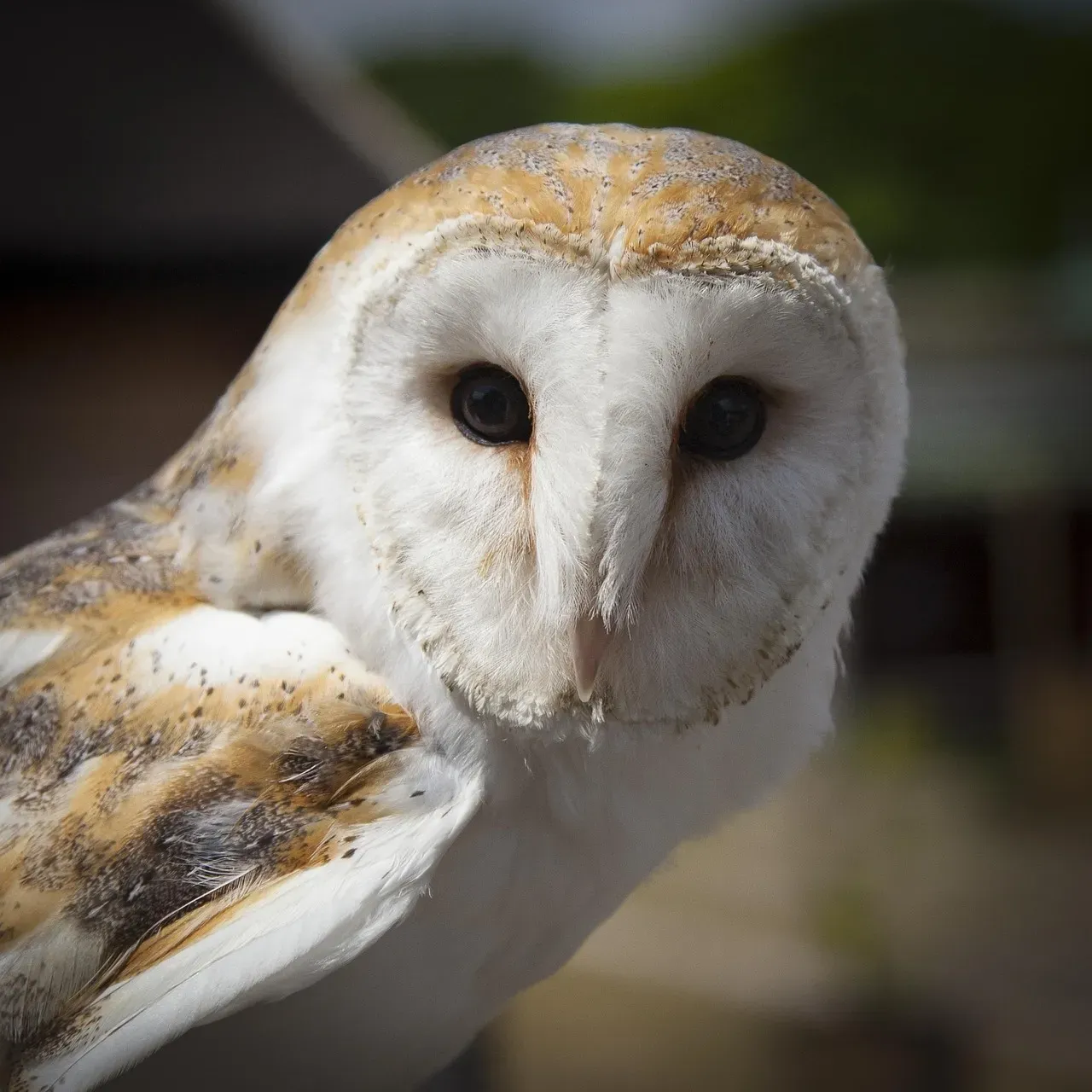
Let’s be real, the myth about owls spinning their heads in complete circles is everywhere. While it is a common misconception that owls can rotate their heads 360 degrees, they are capable of turning their heads 270 degrees in either direction. That’s still three-quarters of a full rotation, which is honestly terrifying if you think about it.
Unlike humans, who have seven cervical vertebrae, owls are endowed with 14, providing the additional flexibility to turn the neck so far around. To make this even more remarkable, the team discovered owls have backup arteries, which offer a fresh supply of nutrients when blood vessels get closed off by rapid turning, and their arteries also swell to collect any excess blood created in the process. Without these adaptations, an owl would suffer a stroke every time it looked over its shoulder.
Their Ears Are Intentionally Uneven
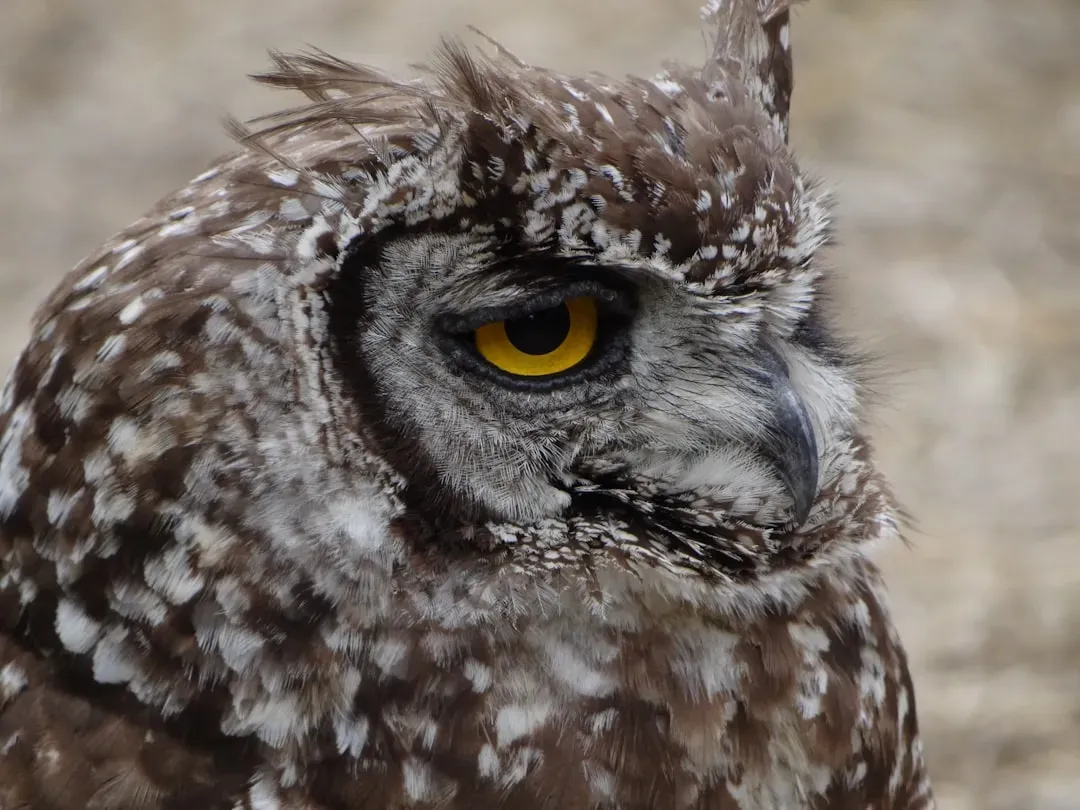
This one caught me by surprise. Some species of owls have one ear opening higher than the other, and this unique adaptation allows the owl to determine what height and direction a sound is coming from. Owls have asymmetrical ears, meaning that their ears are at different heights and different angles, which gives them the ability to pinpoint where their prey is.
Picture this: a mouse rustles under snow or leaves in pitch darkness. The sound reaches one of the owl’s ears a fraction of a second before the other. That tiny difference tells the bird exactly where to strike. Their ears are the most sensitive of any animal ever tested. Engineers would kill for that kind of precision audio equipment.
Female Owls Are Larger Than Males
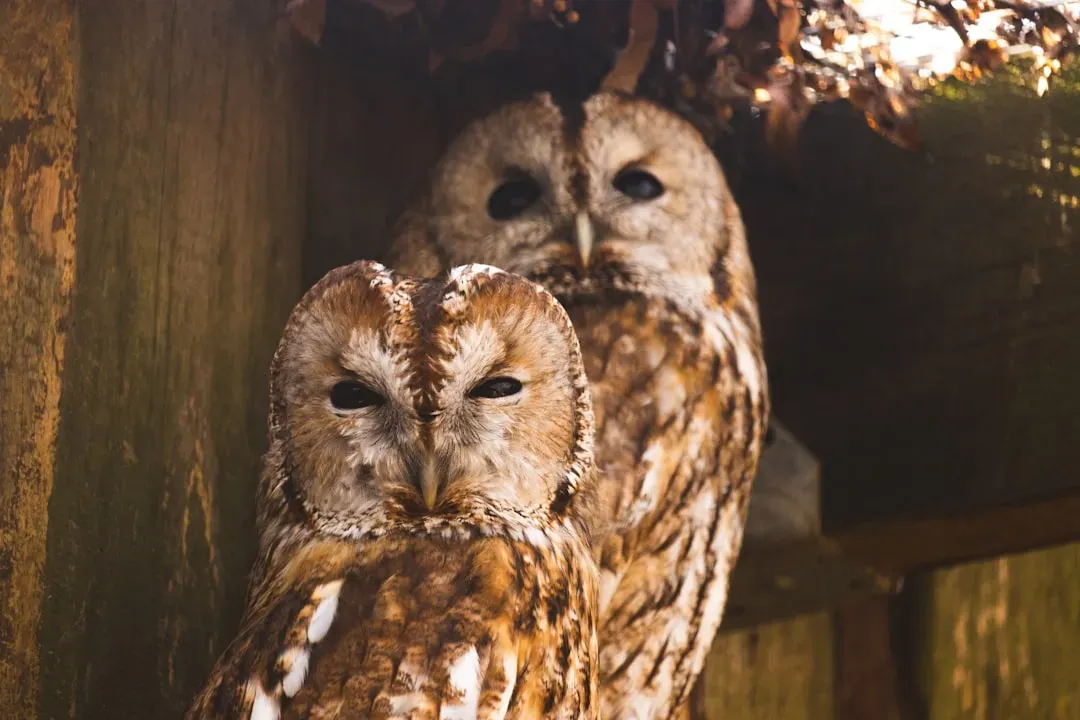
In the bird world, males often get the flashier feathers and bigger bodies to attract mates. Owls flip this script entirely. The key difference between male and female owls is that females are typically larger than their male counterparts. Birds of prey of the same species often look identical regardless of being male or female, and in many species of birds, the male is more colorful than the female.
Why the size difference? Nobody’s entirely certain, though theories suggest larger females can better defend nests and incubate eggs. Males, being smaller and more agile, might excel at hunting and bringing food back to the nest. It’s a practical division of labor that works remarkably well.
They Swallow Prey Whole and Regurgitate the Bones
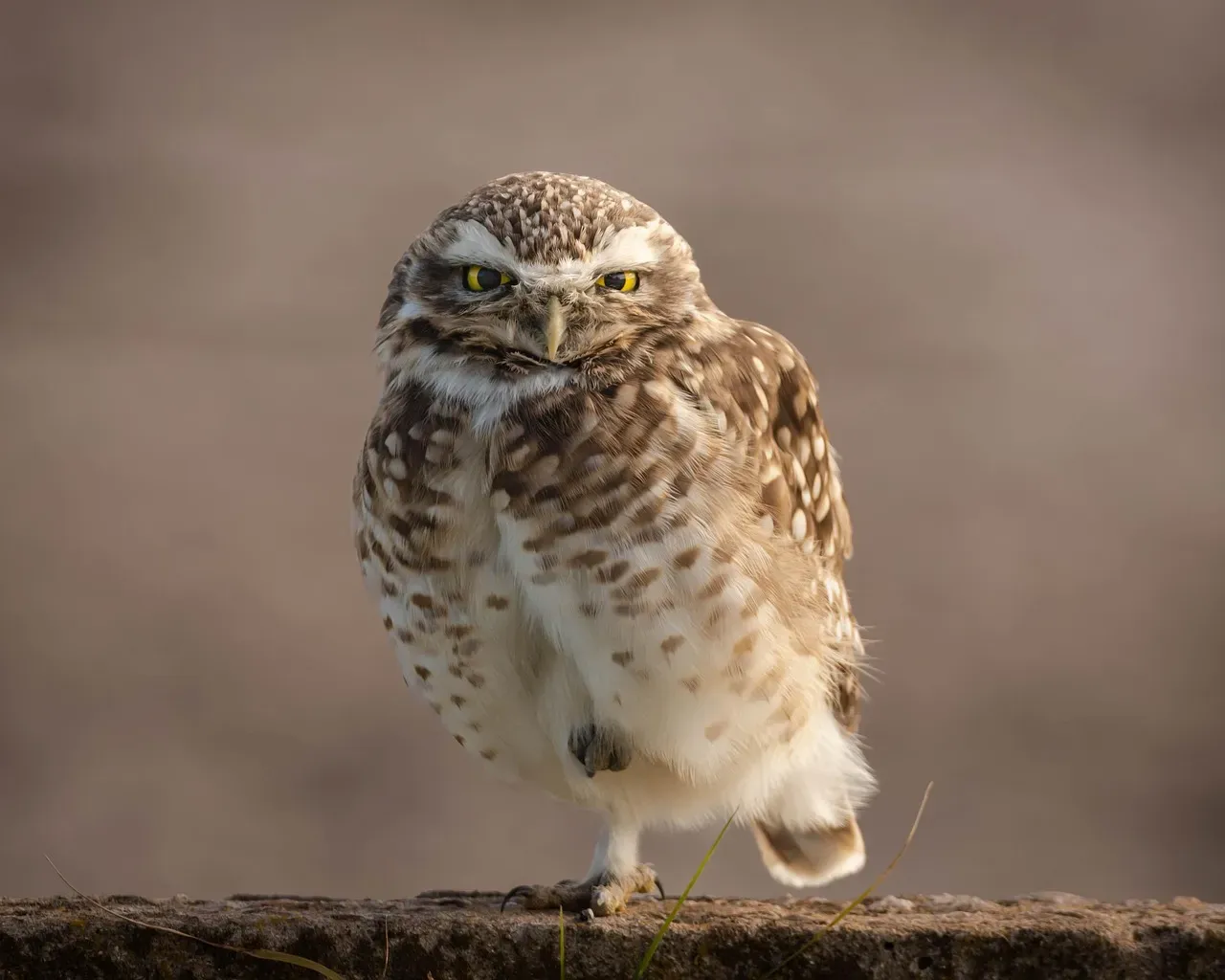
Here’s where things get a bit gruesome. Prey is usually eaten whole, but the whole prey is not digested, and an owl’s digestive tract compresses the undigested portions of the prey, such as fur and bone, into a compact pellet that the owl coughs up and expels through its mouth. These pellets look like lumpy gray capsules, and scientists love them because they reveal exactly what the owl has been eating.
Bone, teeth, hair and feathers are packed together to form a compact pellet to be regurgitated, and this takes about 10 hours. Interestingly, when owls build a nest, they use about 1 cup of shredded owl pellets and pulled feathers. Talk about recycling.
Not All Owls Hoot

The classic owl sound we all know from movies? Many owl species don’t make that noise at all. Great Horned Owls and Barred Owls are vocal birds that make the traditional hooting sounds, but despite their name, Eastern Screech-Owls do not screech but make sounds of whinnies and soft trills.
The Barn Owl doesn’t hoot at all but instead emits a chilling, blood-curdling screech that sounds like something straight out of a horror movie, the Eastern Screech-Owl produces a sound that resembles a horse’s whinny, and if you’re ever in the woods and hear what sounds like a rusty saw being sharpened, you might just be listening to a Saw-whet Owl. Honestly, some of these calls are more unsettling than any fictional monster.
There Are More Than 200 Species Worldwide
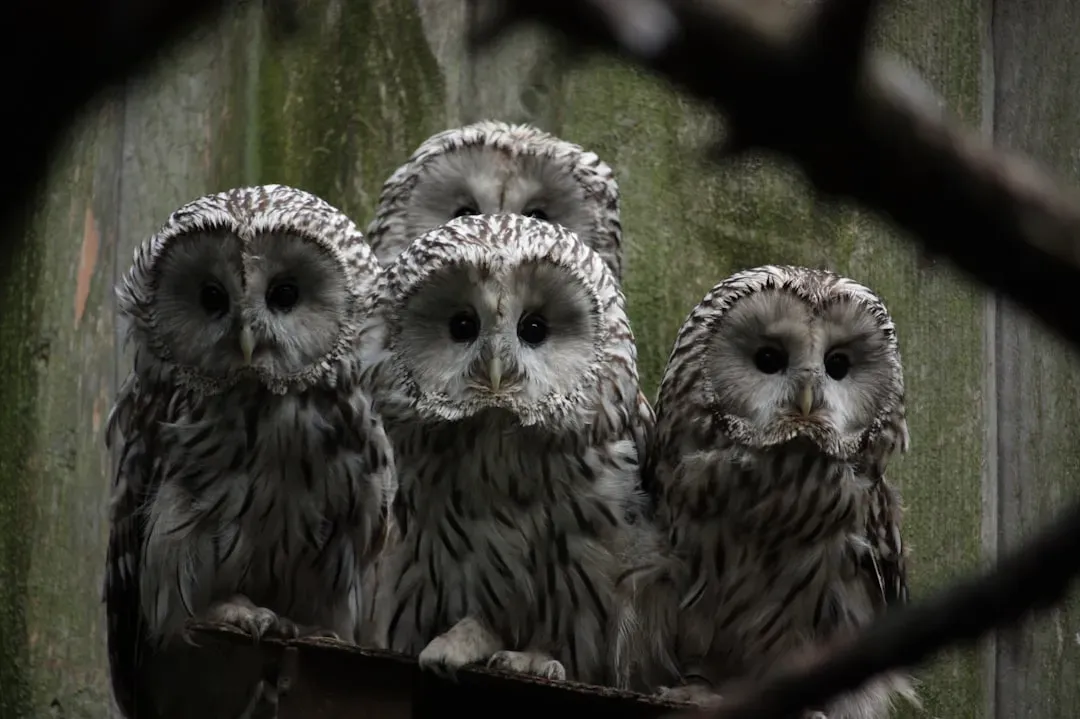
More than 200 species of owls are found all around the world, and they make their home on every continent except Antarctica. The smallest owl in the world is only 5 to 6 inches tall, the Elf Owl. Meanwhile, Blakiston’s Fish Owl is the biggest in the world.
This diversity means owls have adapted to nearly every environment imaginable. You’ll find them in deserts, rainforests, tundras, and suburban neighborhoods. Some hunt fish, others chase insects, and many specialize in rodents. A group of owls is called a ‘parliament’. I know it sounds whimsical, but considering their reputation for wisdom, the name fits.
Silent Flight Inspired Modern Engineering
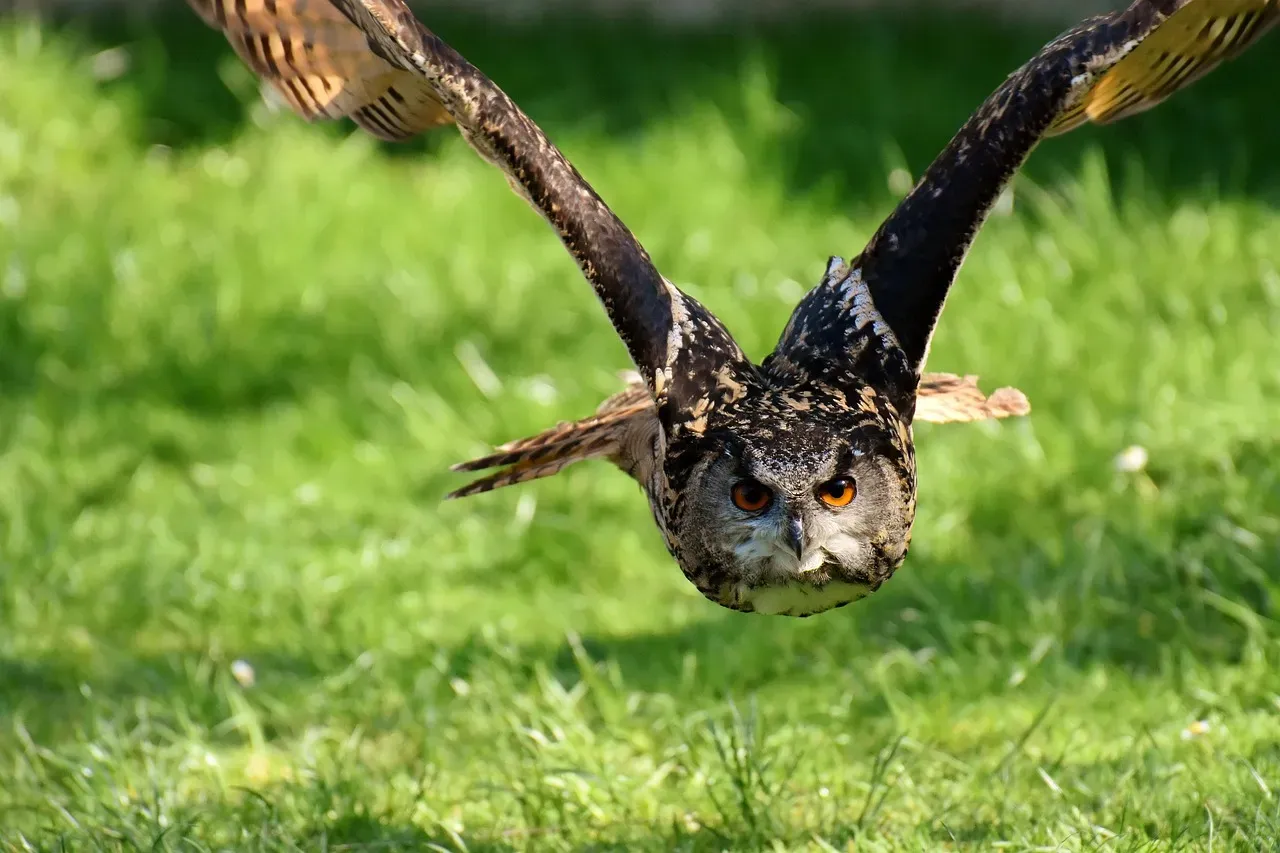
Engineers have studied owl wings for years, hoping to apply their secrets to human technology. New designs have shown that adding a sound-absorbing middle section and a porous, flexible trailing edge to an airplane wing can cut its noise by 25%, and adding plastic finlets to the leading edge of a wind turbine blade can cut its noise in half.
Such owl-inspired innovations can reduce noise by as much as 10 decibels, similar to the difference in noise between a passing truck and a passing car. Next time you see a quieter wind turbine or airplane design, remember: owls figured it out millions of years ago. We’re just catching up.
Conclusion
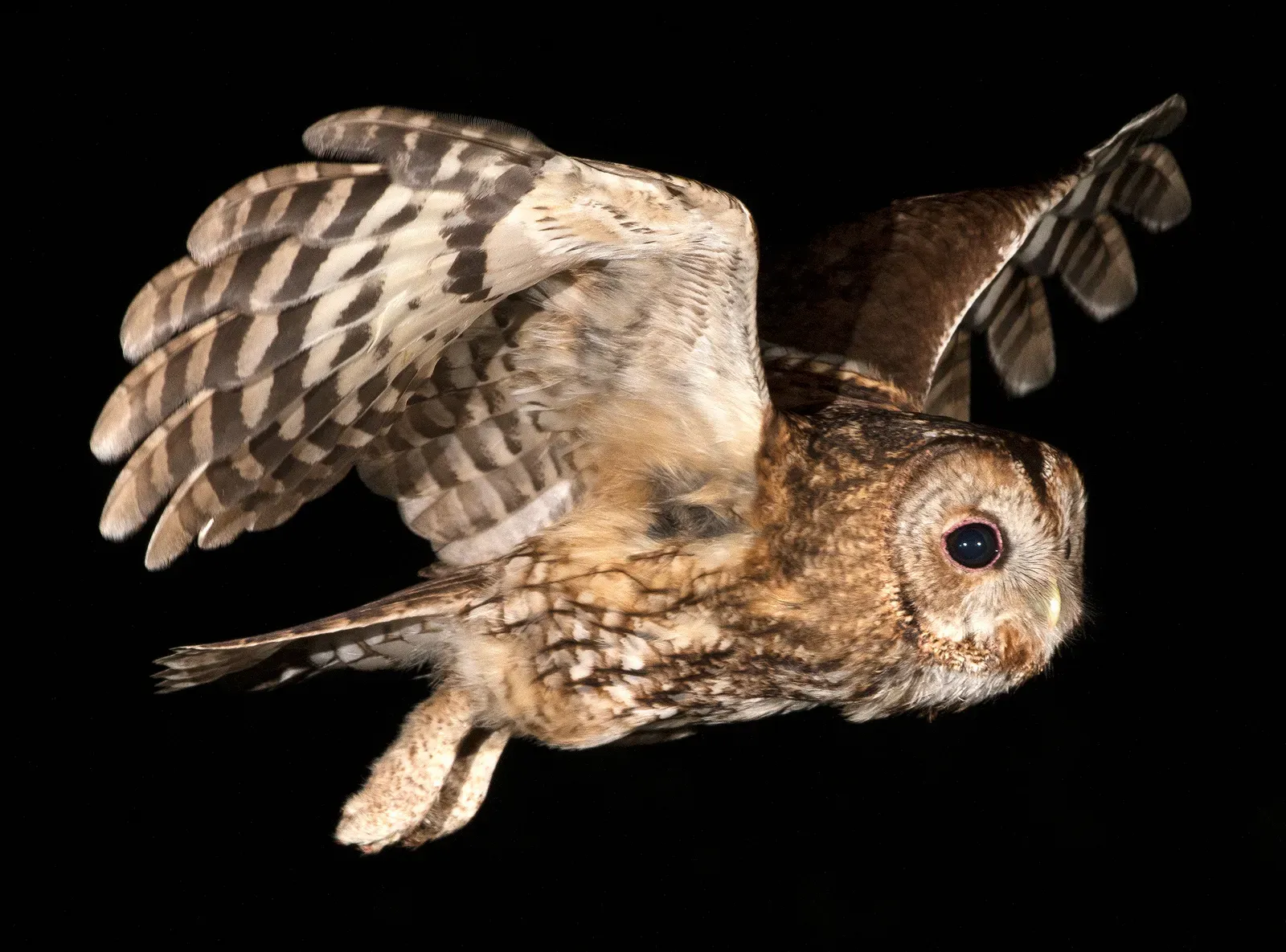
Owls aren’t just birds with big eyes and spooky calls. They’re evolutionary masterpieces packed with adaptations that scientists are still working to fully understand. From their impossibly quiet flight to their asymmetrical ears and massive, fixed eyes, every feature serves a precise purpose in their role as nighttime predators.
These creatures remind us that nature’s solutions often surpass anything we could design from scratch. The next time you hear an owl calling in the darkness or catch a glimpse of one swooping silently overhead, you’ll know just how extraordinary that moment really is. What do you think is the most surprising fact about these nocturnal hunters?

- 6 Common Plants That Are Highly Toxic to Your Beloved Cat - August 12, 2026
- What Your Dog Is Really Trying to Tell You When They Do This - August 12, 2026
- Which Eagle Archetype Matches the American Dream in 2025? - August 12, 2026