

There is something deeply thrilling about knowing a wild predator might be watching you from the ridgeline, utterly invisible, completely silent. The mountain lions of the Rocky Mountains have earned their reputation as ghosts of the wilderness. Most people who hike those rugged trails their entire lives will never catch a glimpse of one.
Yet these magnificent animals are far more than a blurry trail camera photo or a late-night campfire story. They are complex, powerful, and surprisingly misunderstood creatures. Let’s dive into what makes them truly one of nature’s most remarkable predators.
They Go by More Names Than Almost Any Other Animal on Earth
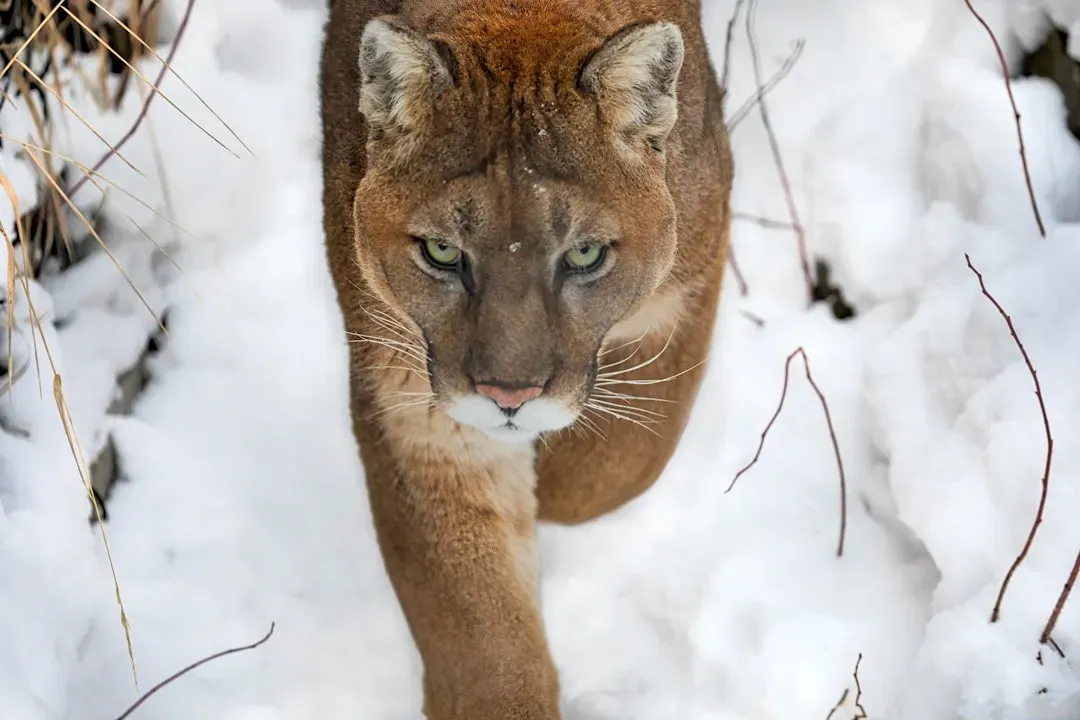
Let’s be real – no other animal in North America has an identity crisis quite like this one. The cougar, also called puma, mountain lion, catamount, and panther, is a large cat native to the Americas. That’s four major names, and honestly, the list doesn’t stop there.
Other names include catamount, panther, red lion, painter, American lion, Mexican lion, and mountain screamer. The “mountain screamer” alone should tell you something extraordinary about this animal’s vocal abilities.
The term mountain lion was first seen in writing in 1858. Think about that for a moment. We’ve been naming and renaming this creature for centuries, and we still can’t agree on what to call it. That, in a strange way, speaks to just how widespread and deeply embedded it is in the culture of the entire Western Hemisphere.
The Most Widely Distributed Wild Land Mammal in the Western Hemisphere
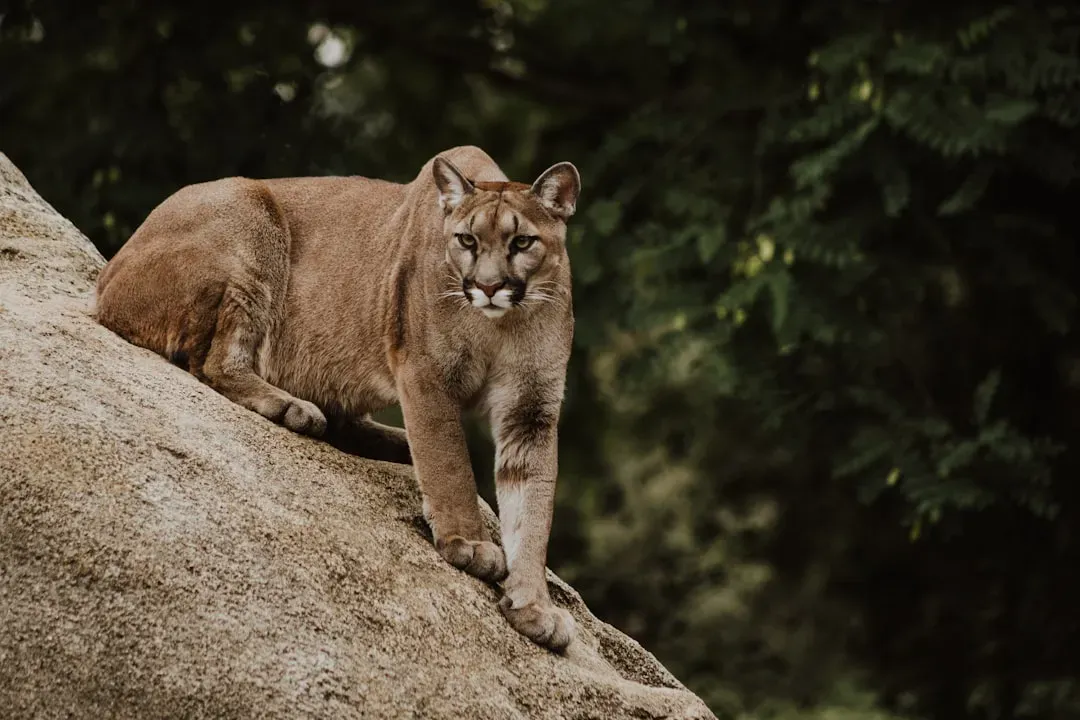
Here’s a fact that stops most people cold. The mountain lion inhabits North, Central and South America, making it the most widely distributed wild, terrestrial mammal in the Western Hemisphere, and one of the most widespread in the world. That’s an absolutely staggering claim for an animal many people have never seen.
The mountain lion boasts the most extensive range of any terrestrial mammal in the Western Hemisphere, spanning from the Canadian Yukon to the Strait of Magellan in Chile. To put that in perspective, imagine a single species thriving in the frozen tundra of northern Canada and the steamy rainforests of Patagonia. Same animal. Same species.
One of their most remarkable traits is their impressive adaptability – mountain lions thrive in environments ranging from deserts to snowy mountain slopes, with their body size varying significantly depending on latitude. Think of them as nature’s ultimate generalist, like a Swiss Army knife with claws.
Their Home Territory in the Rockies Is Almost Incomprehensibly Large
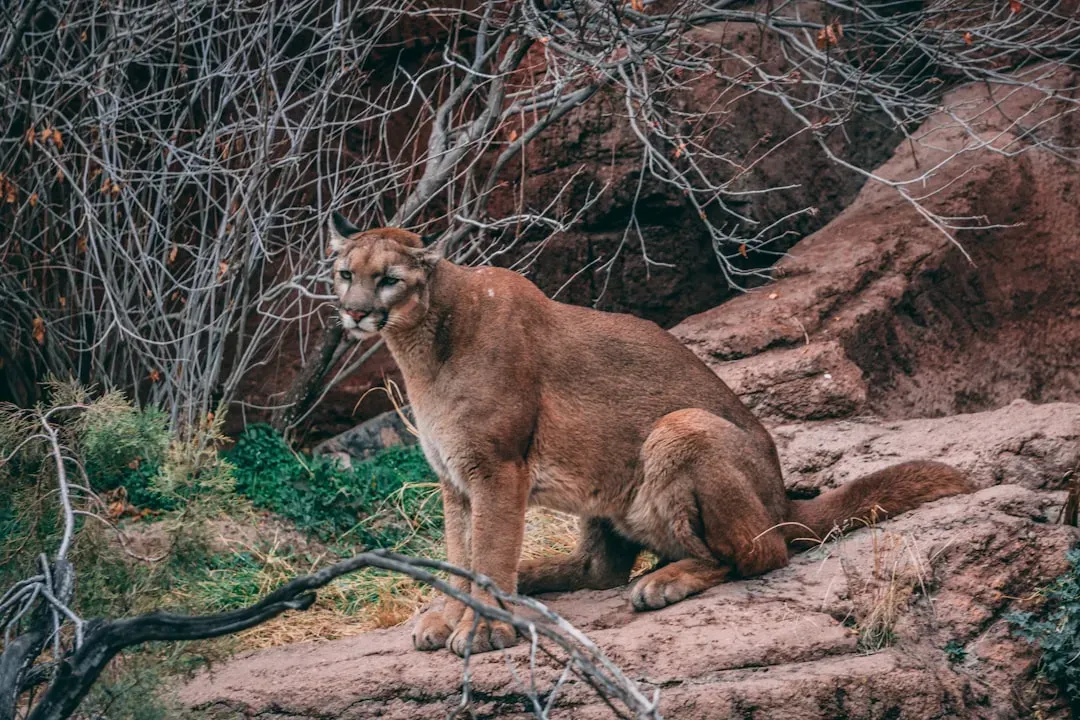
When we talk about territory, most people picture something the size of a neighborhood park. Mountain lions laugh at that notion. Lions have different home range sizes, from 10 to 370 square miles, with females and young kittens using the smallest areas and adult males occupying the largest.
Mountain lions can be found in deserts as well as coastal forests, and from sea level to 10,000-foot elevations. An adult male’s home range is typically more than 100 square miles and females generally use smaller areas, approximately 20 to 60 square miles.
Male lions mark their home range boundaries with scrapes – piles of dirt and twigs – to communicate occupancy to other lions. It’s a sophisticated, quiet communication system that plays out across miles of wilderness, entirely out of human sight. Lions are generally most abundant in areas with plentiful deer. Follow the deer, and somewhere nearby, invisible in the shadows, is a mountain lion.
Colorado Alone May Hold Thousands of Them
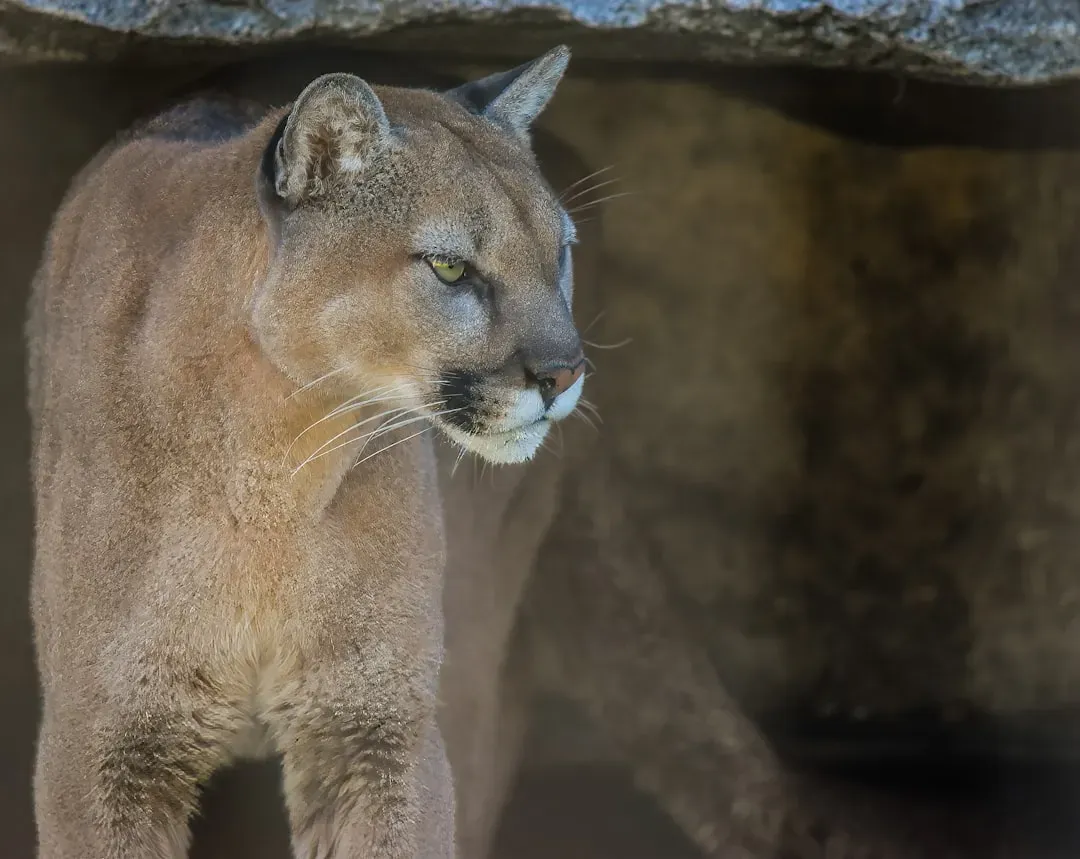
Honestly, the sheer number of mountain lions living in the Rockies is humbling. Colorado Parks and Wildlife estimates that roughly 57 percent of the state is suitable mountain lion habitat. That’s more than half the state functioning as prime cougar country.
CPW officials stated that a range of 3,500 to 4,500 mountain lions was more probable for Colorado alone. Yet censusing mountain lion populations is difficult, and like most state game agencies, CPW does not have precise population size estimates.
It’s hard to say for sure exactly how many there are, and that’s actually part of what makes these animals so mysterious. The agency is currently spearheading a new population monitoring effort involving radio GPS collaring, ear tagging, and trail cameras, comparing the number of marked and unmarked mountain lions that trigger cameras to extrapolate an approximation of the population. Even with modern technology, counting ghosts is never easy.
They Are Explosive Athletic Machines Built for the Kill
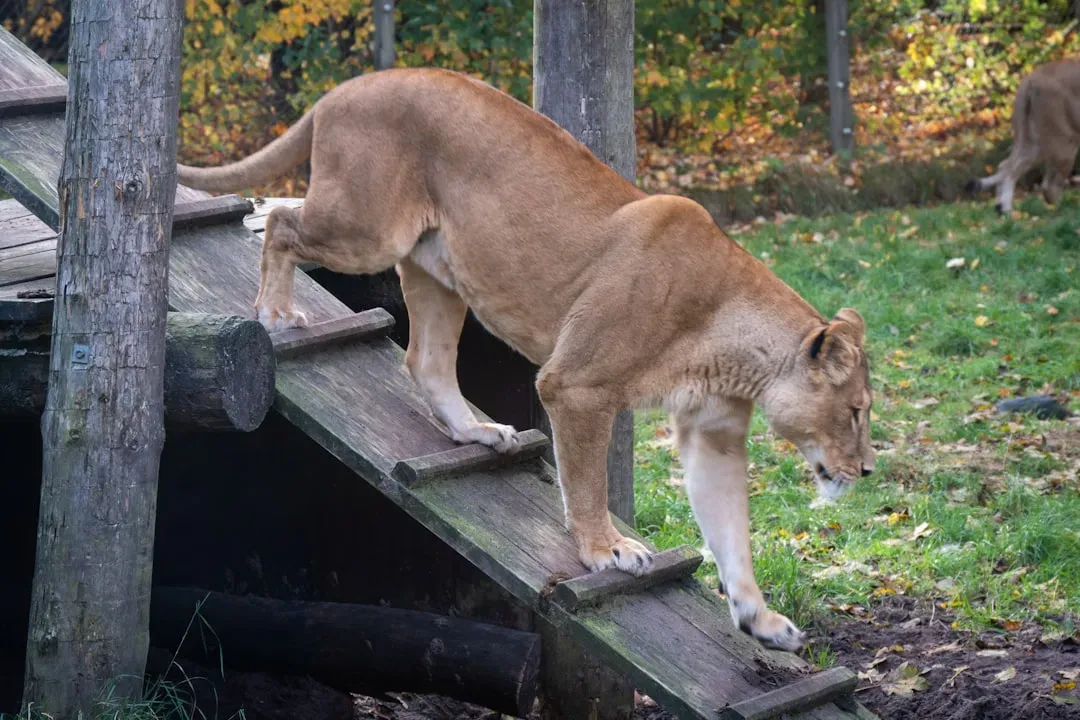
If you ever needed proof that nature builds astonishing things, look no further than the mountain lion’s body. Proportionally, they have the largest legs of all members of the feline family, which helps them reach impressive speeds of up to 50 miles per hour.
Mountain lions possess extraordinary leaping abilities, with the capacity to jump as far as 40 feet horizontally. This skill helps them traverse rugged terrain and escape potential threats, with their powerful hind legs providing the necessary thrust. That’s roughly the length of a school bus, launched in one single bound.
Mountain lions use a stalking and ambush strategy, moving slowly and quietly and staying hidden until the right moment to strike. They often wait behind rocks, bushes, or fallen trees before leaping with great force and aiming for the neck or shoulders. Patience and explosive power. It’s a combination that makes them one of the most effective predators on the continent.
They Can’t Roar, But They Can Scream Like a Human
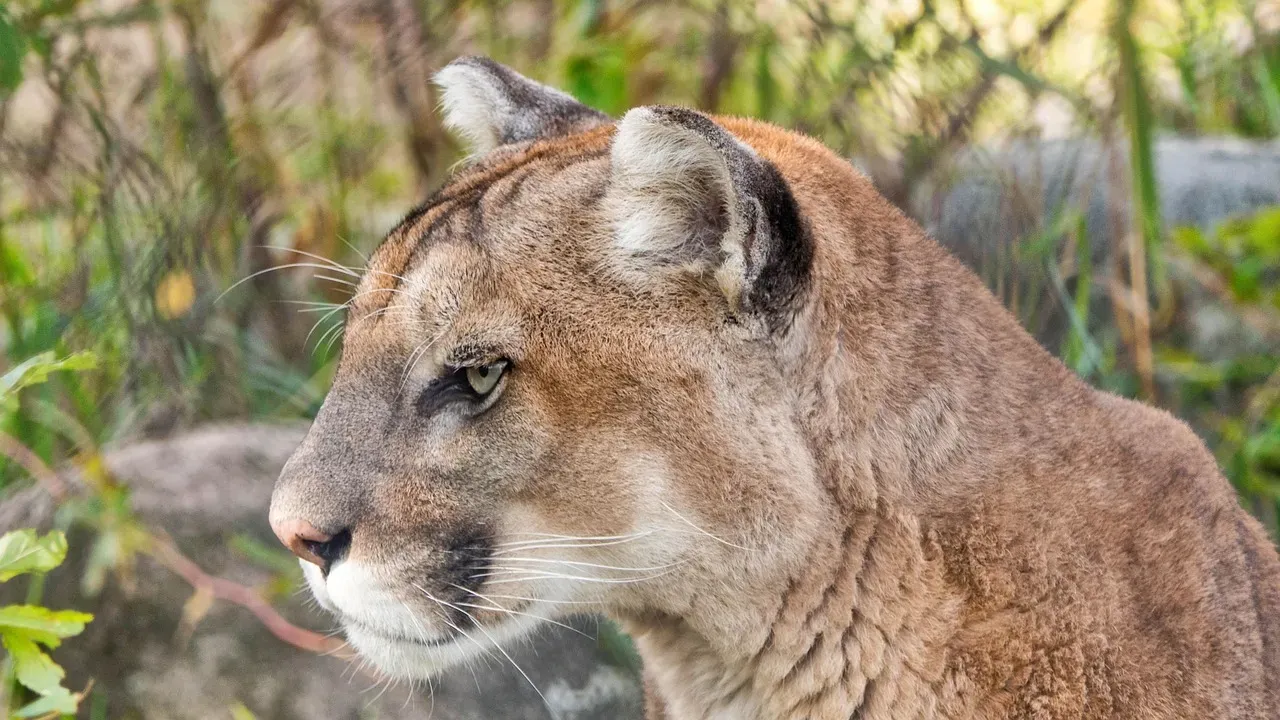
Here’s something that catches nearly everyone off guard. Unlike other large felines, mountain lions don’t roar. Instead, they purr like small cats. So the image of a thunderous, roaring big cat prowling the Rockies? Not quite accurate.
Unlike other big cats, mountain lions cannot roar. Instead, they communicate through a variety of vocalizations including hisses, growls, and purrs. One of their unique calls is the “scream,” which resembles a human’s cry and is often used during mating season.
Imagine hearing that sound alone in the Rocky Mountain wilderness at midnight. Mountain lions have a different larynx than most of the big cats, such as tigers and lions, and as a result they communicate in different ways, such as chirping, growling, shrieking, and even purring. The range of sounds these animals produce is genuinely eerie and unlike anything else in the wild.
Their Cubs Are Born Looking Like Entirely Different Animals
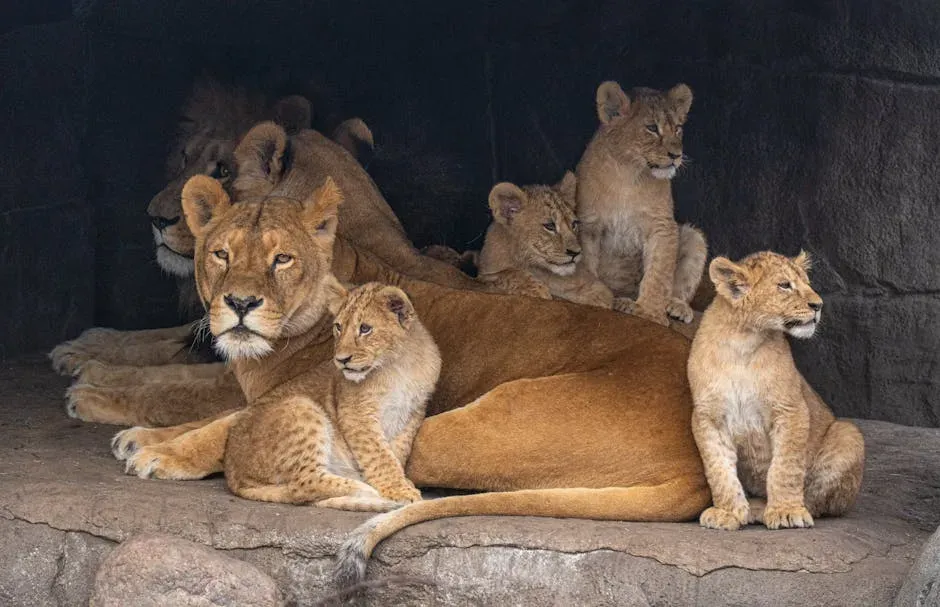
If you stumbled upon a mountain lion cub in the wild, I think it’s fair to say you might not even recognize it. When mountain lions are first born, they look vastly different from their adult counterparts. The most noticeable differences are their blue eyes and dark spots on their fur. As they mature, their eyes will shift to yellow and their spots will fade into their iconic tawny coat.
Kittens are born blind and heavily spotted, weighing approximately just over 1 pound. Their eyes open around 10 to 14 days after birth, and they begin to be weaned at about 6 to 8 weeks of age.
As they grow, the mother teaches them essential survival skills such as hunting and territory navigation. Cubs remain with their mothers for up to two years before venturing out to establish their own territories, and this extended maternal care ensures that young mountain lions are well-prepared for their solitary lives. That’s a remarkably long maternal investment for a wild predator.
They Are a Keystone Species That Quietly Shapes Entire Ecosystems
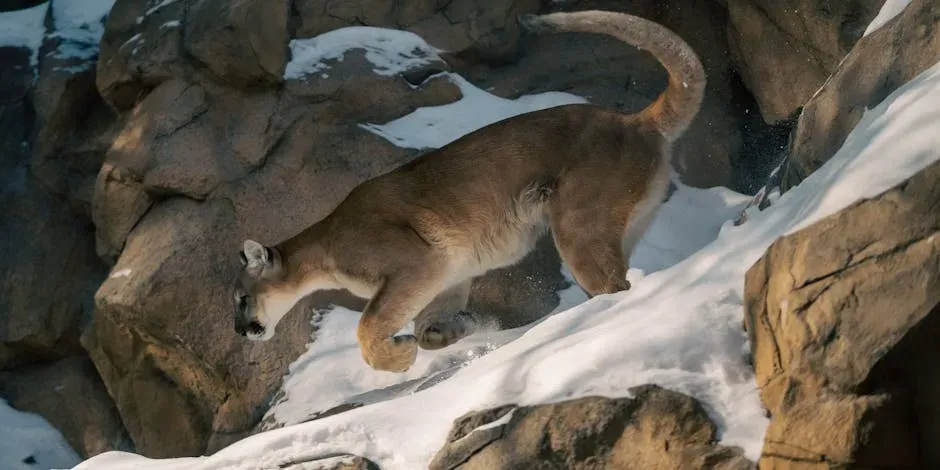
Mountain lions do far more than hunt. They essentially sculpt the landscapes they inhabit. The cougar is a keystone species in Western Hemisphere ecosystems, linking numerous species at many trophic levels and interacting with 485 other species as food source and prey. That number alone is extraordinary.
Cougars play a significant role in the ecosystem, helping prevent the population of ungulate species from becoming more extensive than their habitat can support. Without them, deer and elk populations could balloon, stripping vegetation, destabilizing riverbanks, and triggering a cascade of ecological damage. Think of it like removing a single thread from a tightly woven fabric.
Mountain lions are often known for their role as a keystone species, but they are less commonly known as an umbrella species – a species whose conservation results in many other species being conserved at the ecosystem or landscape level. Mountain lions play a vital role in not only supporting the health and function of ecosystems on the whole, but also in promoting biodiversity. Protecting a mountain lion is, in a very real sense, protecting an entire mountain community of species.
Their Survival Story Is Both Inspiring and a Warning
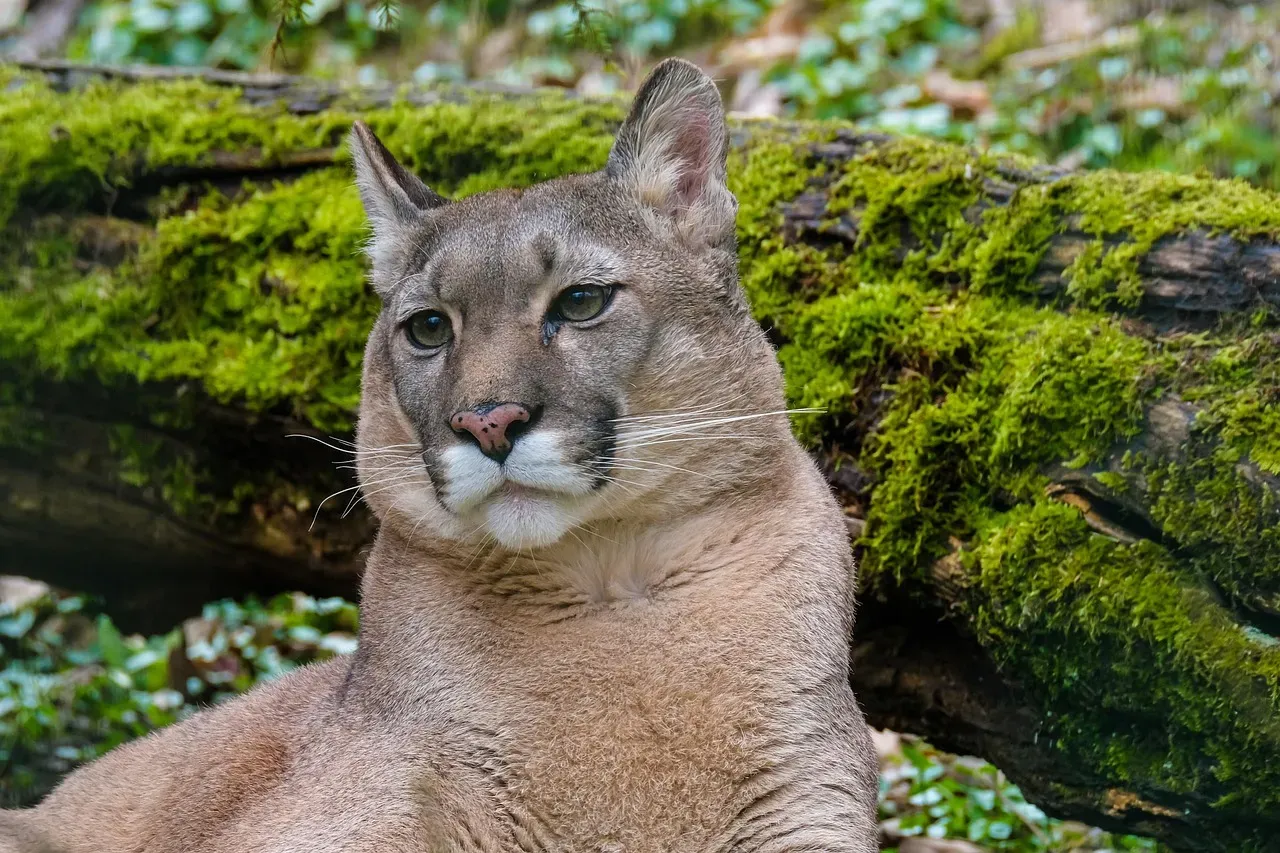
The history of mountain lions in the Rockies and across North America is one of dramatic decline followed by a fragile recovery. Mountain lions used to be found throughout the United States, but due to bounty hunts in the early 1900s and threats such as persecution, trophy hunting, poaching, retaliation in response to livestock depredation, and habitat loss and fragmentation, mountain lions are now only found in 15 western states.
While there are still several thousand mountain lions in the wild, their population has significantly decreased from historic levels due to habitat destruction, anti-predator campaigns, conflicts with livestock, and general persecution by humans. It’s a sobering reality behind the thrilling mystique of this animal.
The conservation of mountain lions depends on the preservation of large amounts of habitat. They require about 13 times as much area as a black bear or 40 times as much as a bobcat to thrive. By preserving enough wilderness to support a stable mountain lion population, countless other species of plants and animals can benefit. Their fate, in other words, is tied to our willingness to share the wild spaces of the Rockies with something far older, and arguably far more essential, than ourselves.
Conclusion: The Ghost of the Rockies Deserves Our Attention
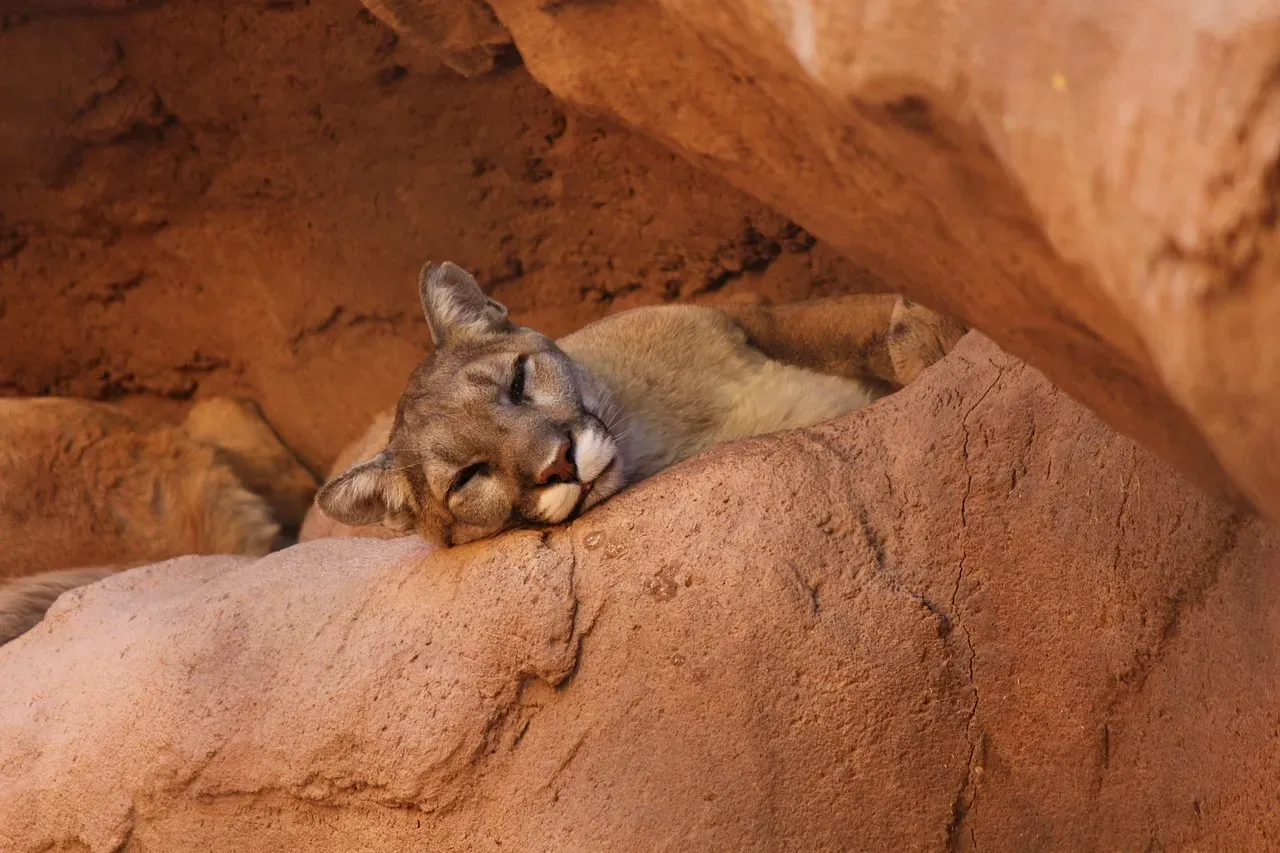
Mountain lions are not just an impressive species on a wildlife checklist. They are ancient, complex, ecologically indispensable animals that have shaped the landscapes of the Rockies for millennia. From their haunting screams echoing across midnight ridgelines to their extraordinary athleticism and surprising maternal dedication, every single fact about them reveals a creature of remarkable depth.
The Rockies still belong to them, at least in part. Understanding that, and acting on it through conservation and respect for wild habitat, might be the most important thing outdoor lovers can do in 2026 and beyond.
Next time you lace up your hiking boots and head into the mountains, remember: something out there may already be watching you. It just hasn’t decided to show itself. Would you even want it to?

- Why Do Geese Fly in a ‘V’ Formation? The Scientific Reason Explained - August 10, 2026
- 10 Amazing Facts About The Pyramids of Giza - August 10, 2026
- 15 Little-Known Facts About DNA That Control More Than You Think - August 10, 2026