
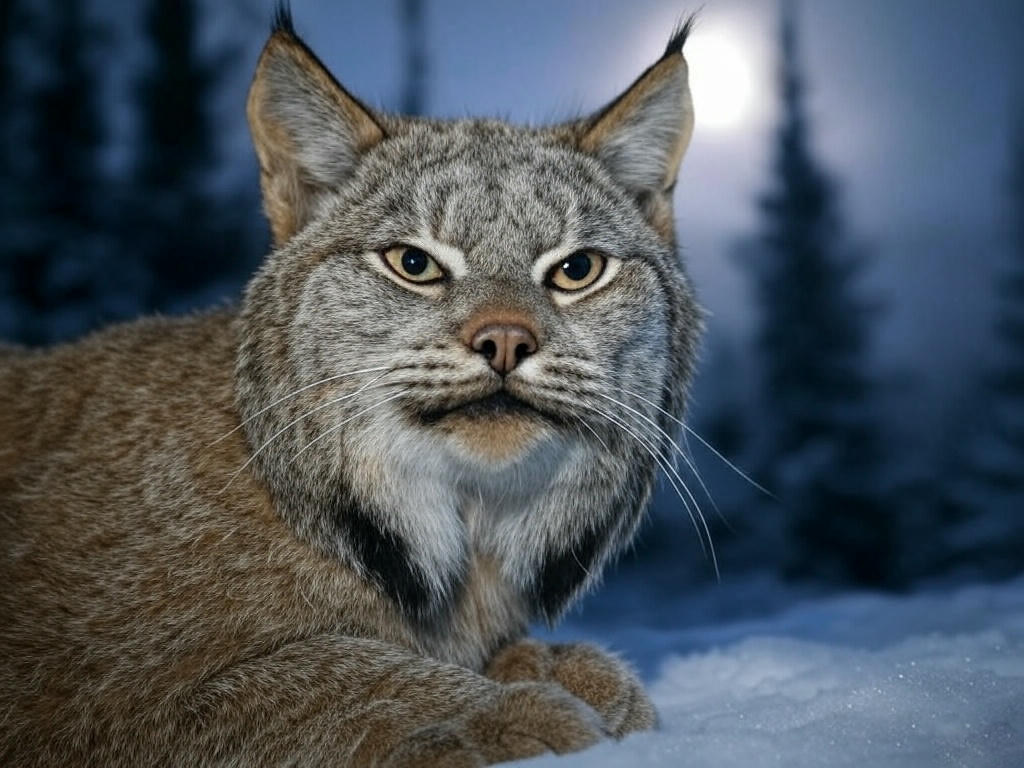
In the heart of North America’s boreal forests, the Canada lynx reigns as a master of winter survival. This elusive feline, with its distinctive features and remarkable adaptations, thrives in some of the harshest, snow-laden environments on the continent. Let’s delve into nine incredible facts that showcase the Canada lynx’s prowess in navigating and conquering the snowy wilderness.
Built-In Snowshoes: The Lynx’s Oversized Paws
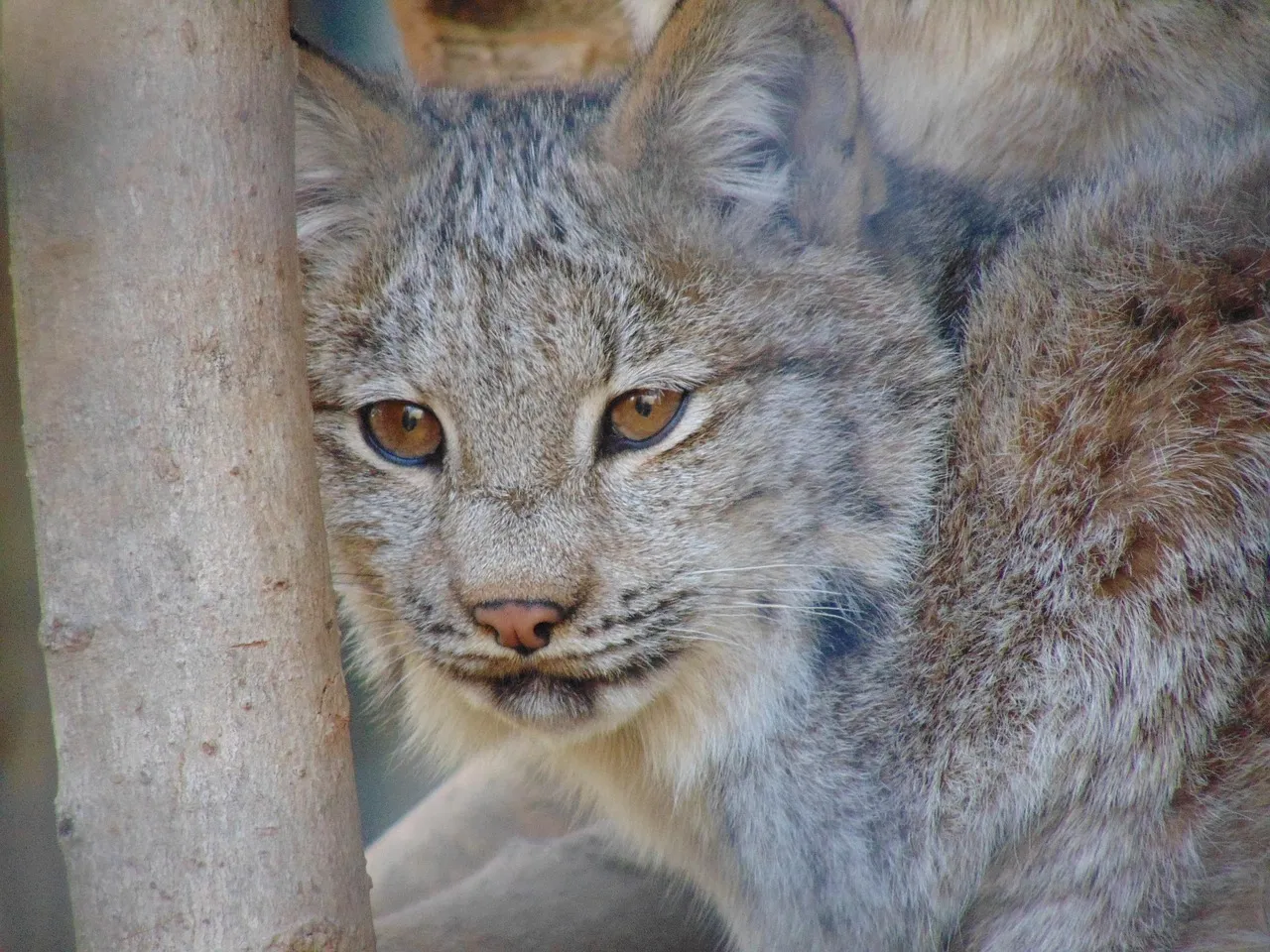
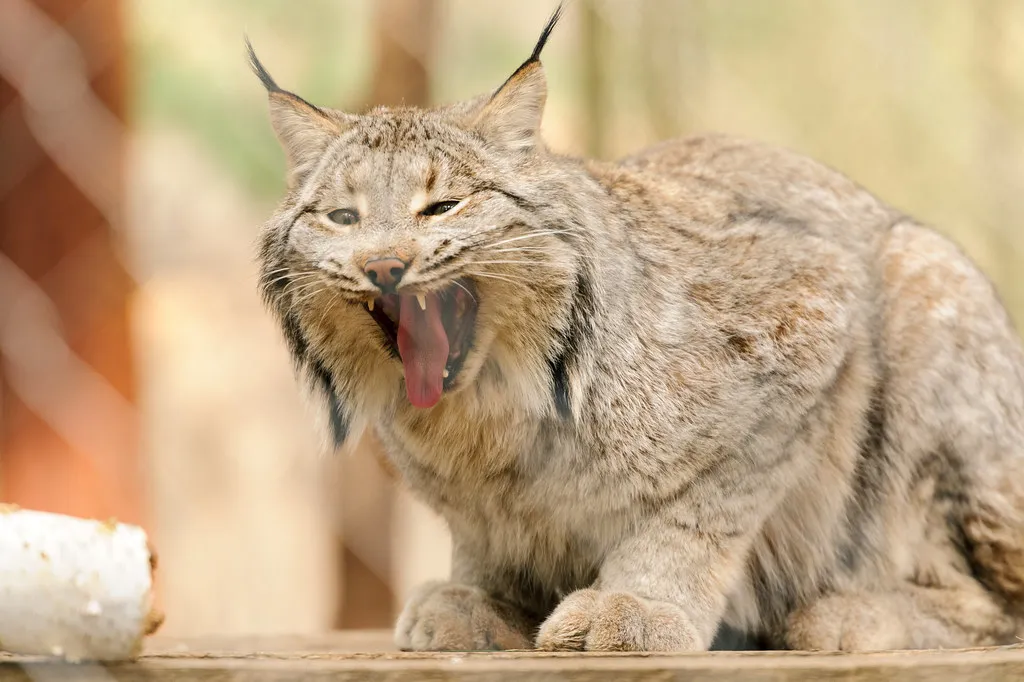
Imagine trying to walk through deep snow without sinking – it’s a challenge for most creatures, but not for the Canada lynx. Their large, fur-covered paws act like natural snowshoes, distributing their weight evenly and allowing them to glide over the snow’s surface with ease. This adaptation not only conserves energy but also provides a stealthy advantage when stalking prey.
These specialized paws are not just about size; the dense fur between their toes adds insulation against the cold and enhances traction on slippery surfaces. This unique feature sets the lynx apart from other predators, giving them a significant edge in their snowy domain.
Fur That Blends and Insulates
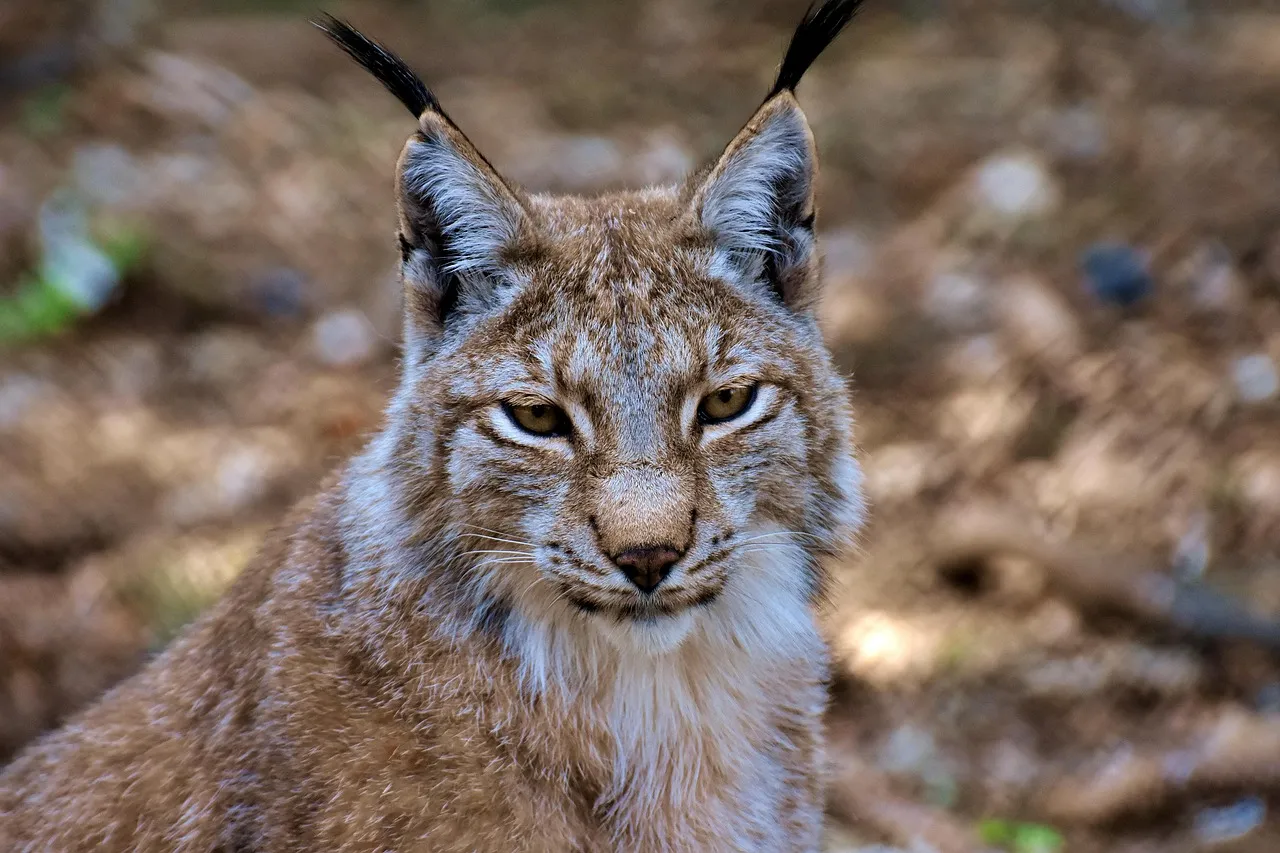
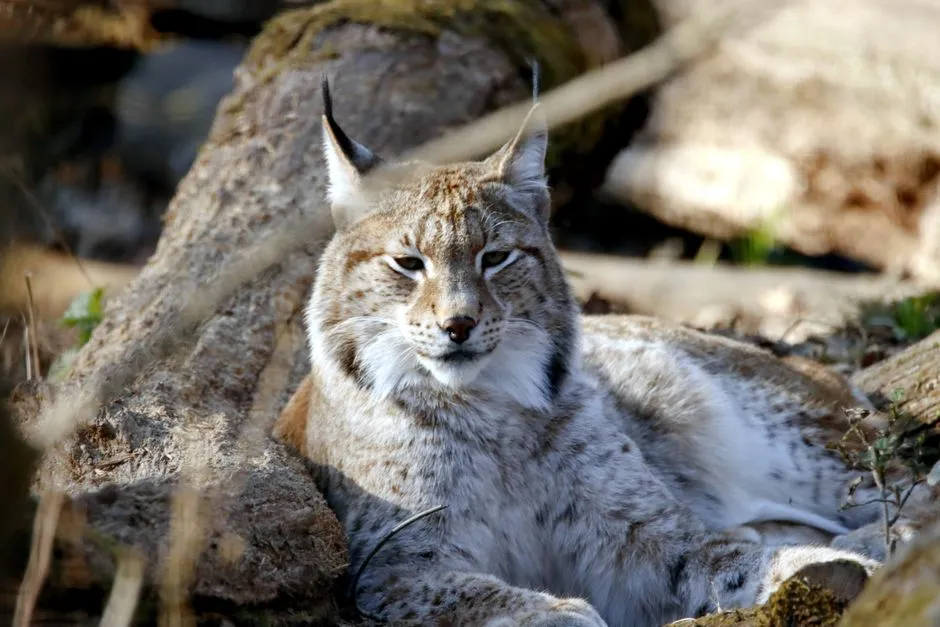
The Canada lynx’s thick, silvery-grey coat is more than just a fashion statement – it’s a survival tool. This dense fur provides essential insulation against freezing temperatures, ensuring the lynx remains warm even during the coldest months.
Beyond warmth, their fur offers excellent camouflage. The muted grey tones blend seamlessly with the snowy and forested landscapes, making it challenging for both prey and potential threats to spot them. This natural disguise is crucial for both hunting and evading danger.
Ear Tufts: More Than Just Decoration
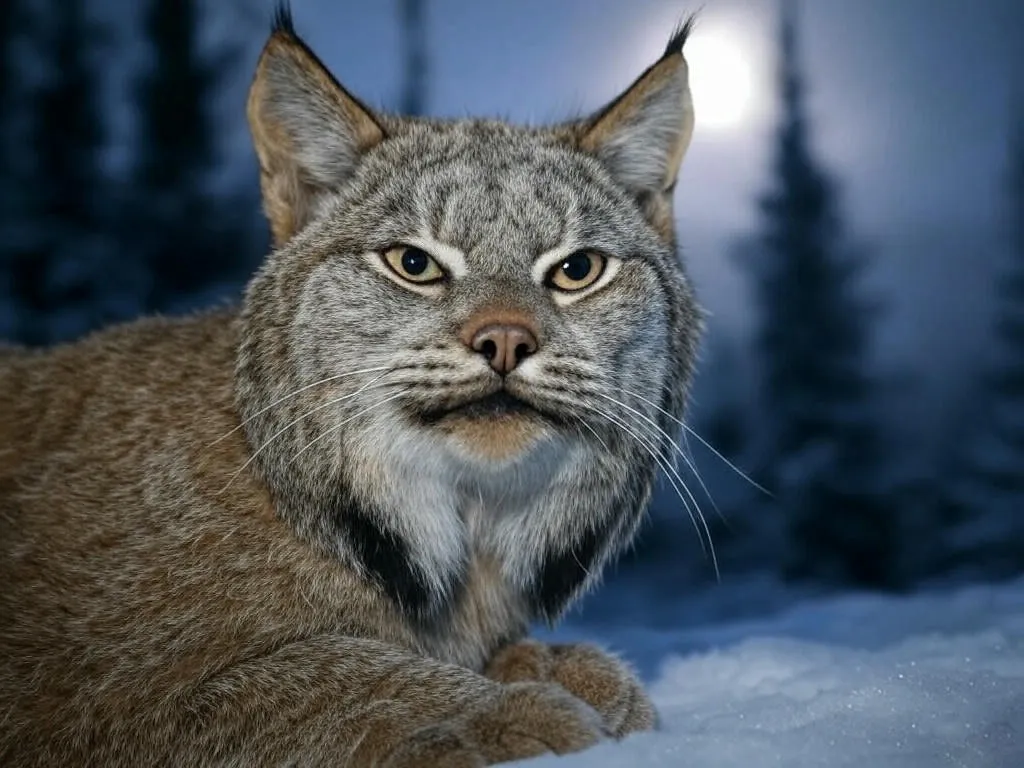
Those distinctive black tufts atop the lynx’s ears aren’t merely for show. They play a vital role in enhancing the lynx’s acute sense of hearing. By funneling sound into their ears, these tufts help detect the faintest noises, such as the rustling of a snowshoe hare beneath the snow.
In the vast, silent expanse of the boreal forest, this heightened auditory ability is indispensable. It allows the lynx to locate and track prey with remarkable precision, even when visibility is low.
Long Legs for Deep Snow Navigation
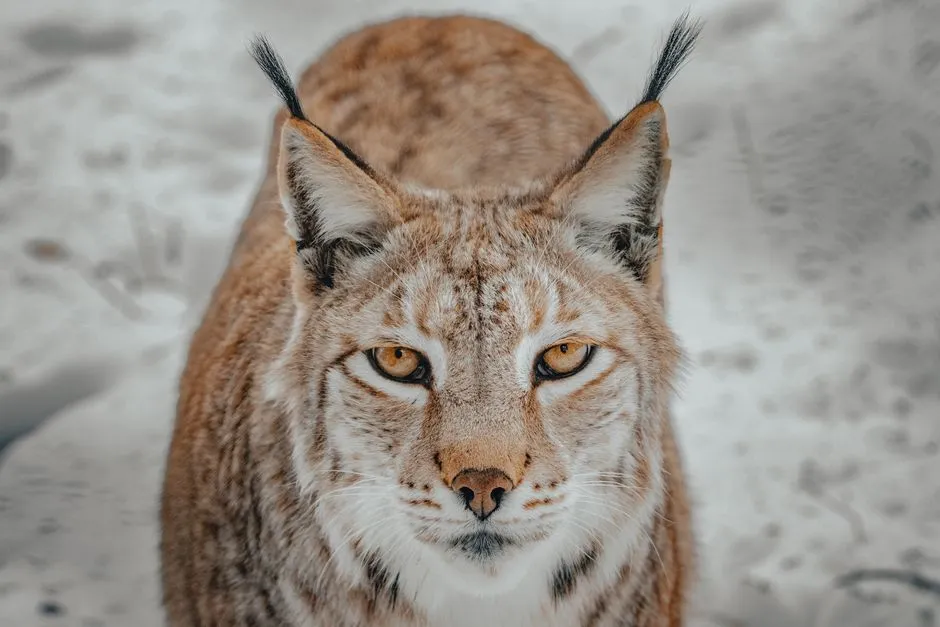
The lynx’s long legs aren’t just for show – they’re perfectly adapted for life in deep snow. These extended limbs allow the lynx to lift its body above the snow, reducing resistance and making movement more efficient.
This adaptation is particularly beneficial when pursuing agile prey like the snowshoe hare. The lynx can maintain speed and agility, even in challenging snowy terrains, ensuring successful hunts.
Specialized Diet: The Snowshoe Hare Connection
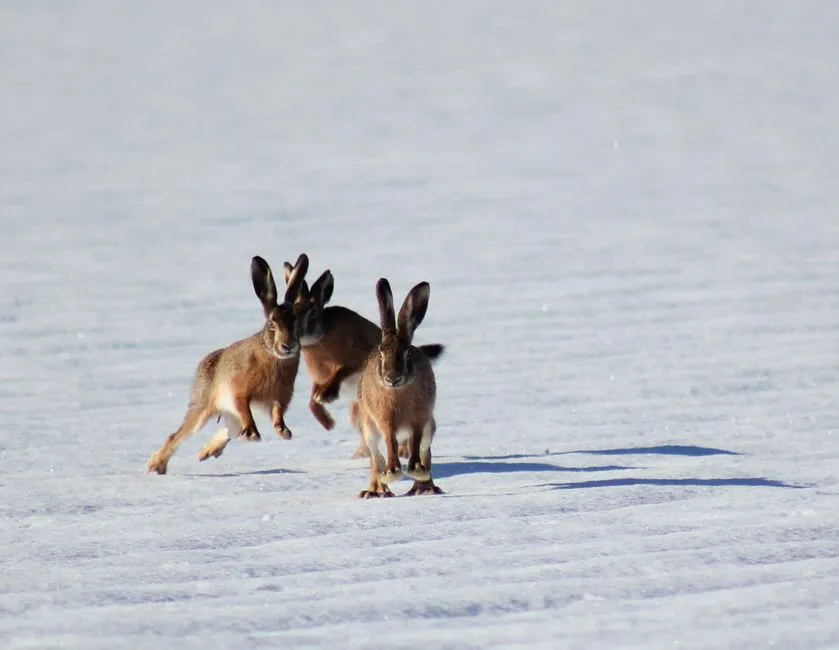
The Canada lynx’s diet is closely tied to the snowshoe hare, which comprises a significant portion of its food intake. This predator-prey relationship is so intertwined that lynx populations often mirror the cyclical fluctuations of hare numbers.
When hare populations are abundant, lynx thrive, with increased reproduction and survival rates. Conversely, a decline in hares leads to reduced lynx numbers, showcasing the delicate balance of this ecological dance.
Solitary and Territorial Nature
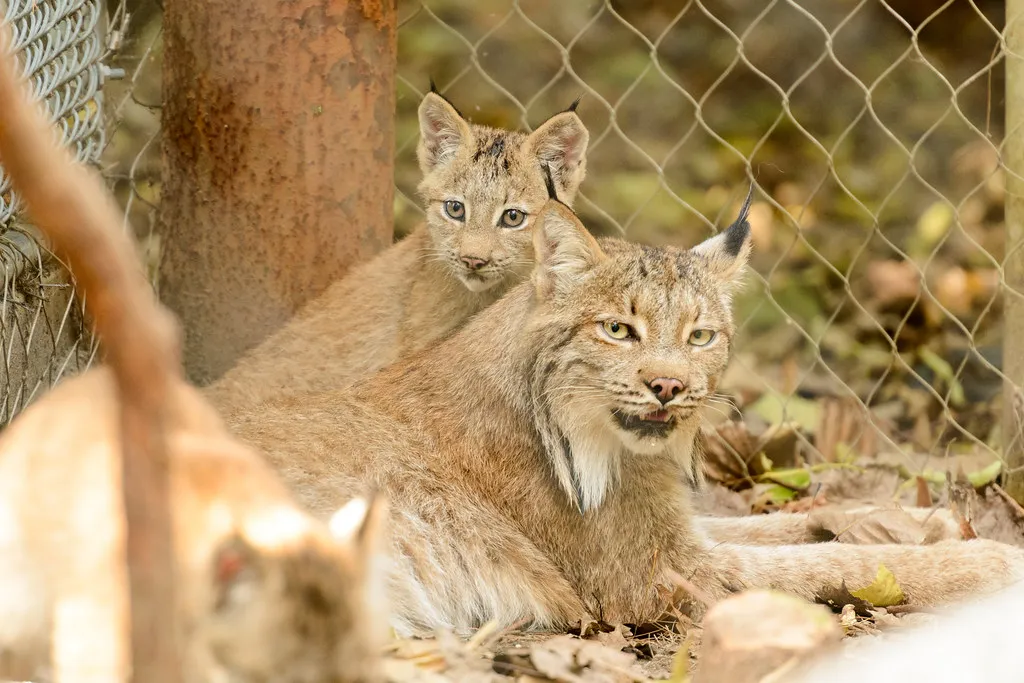
Canada lynxes are predominantly solitary creatures, each maintaining a territory that they mark and defend. This territorial behavior ensures they have sufficient resources and reduces competition among individuals.
While they may come together during the breeding season, lynxes spend most of their lives alone, relying on their skills and adaptations to survive the harsh winter conditions.
Exceptional Night Vision for Nocturnal Hunts
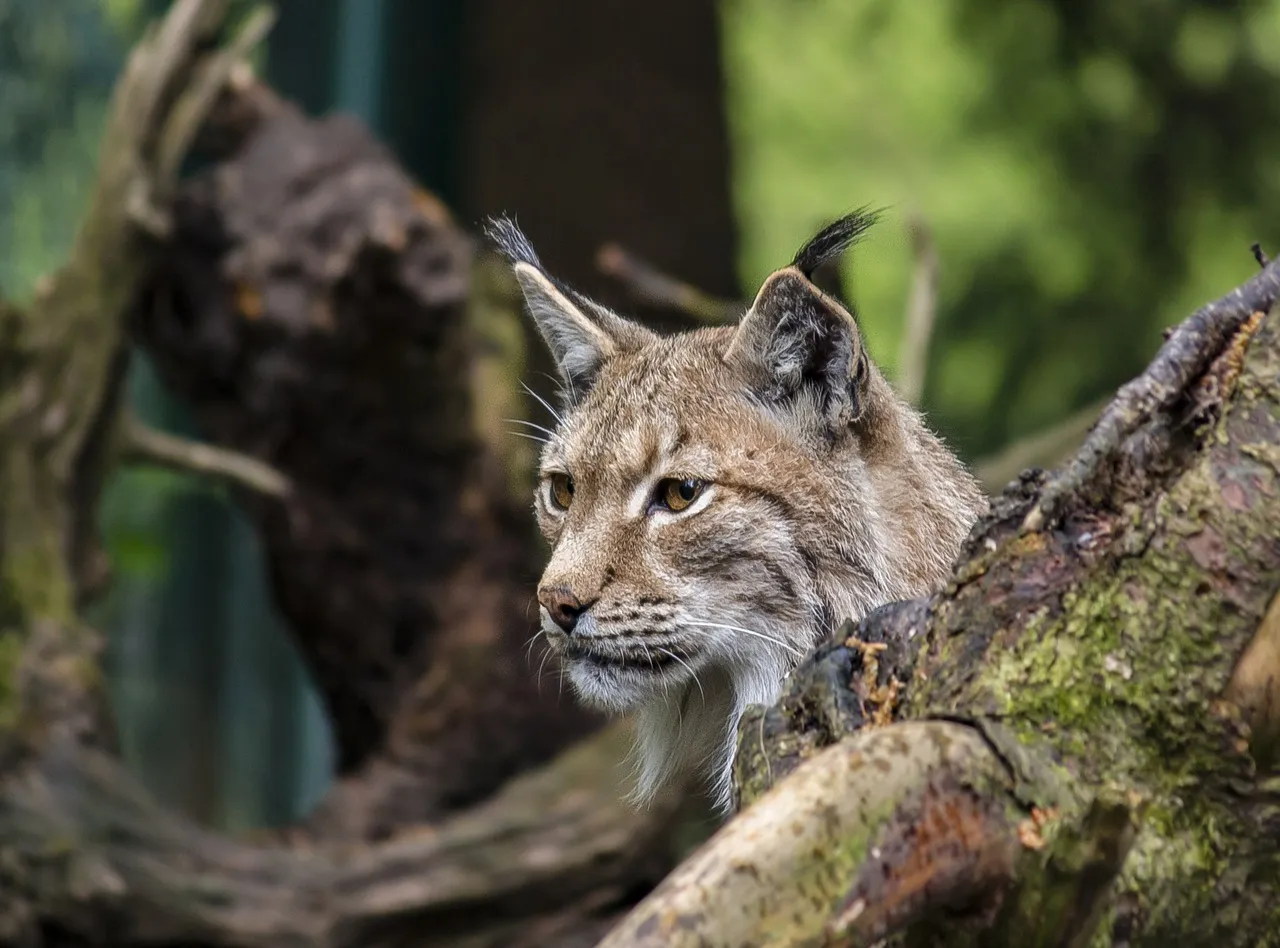
Hunting primarily at dawn and dusk, the lynx’s exceptional night vision is a game-changer. Their eyes are equipped with a layer of mirror-like cells called the tapetum lucidum, which reflects light back through the retina, enhancing their ability to see in low-light conditions.
This adaptation allows them to spot and stalk prey during the twilight hours, maximizing their hunting success in the dimly lit boreal forest.
Silent Stalkers: The Art of Ambush
Stealth is a lynx’s best friend. They employ a combination of patience and silent movement, often waiting in ambush near known hare trails. When the moment is right, they pounce with precision, ensuring a swift and efficient kill.
This hunting strategy minimizes energy expenditure and increases the likelihood of a successful catch, crucial for survival in the energy-scarce winter months.
Climate Change: A Looming Threat
Despite their incredible adaptations, Canada lynxes face new challenges with the changing climate. Warmer temperatures and reduced snowfall threaten their specialized habitat and the snowshoe hare populations they depend on.
As snow cover diminishes, lynxes may lose their competitive advantage over other predators, leading to increased competition and potential declines in their numbers. Conservation efforts are essential to ensure these remarkable felines continue to thrive in their snowy realms.
The Canada lynx is a testament to nature’s ingenuity, perfectly equipped to master the challenges of its icy habitat. From their snowshoe-like paws to their keen senses, every adaptation tells a story of survival and resilience. As we witness the impacts of climate change, it’s imperative to recognize and protect these incredible creatures and the delicate ecosystems they inhabit. After all, isn’t it awe-inspiring how life finds a way to flourish, even in the harshest conditions?
