
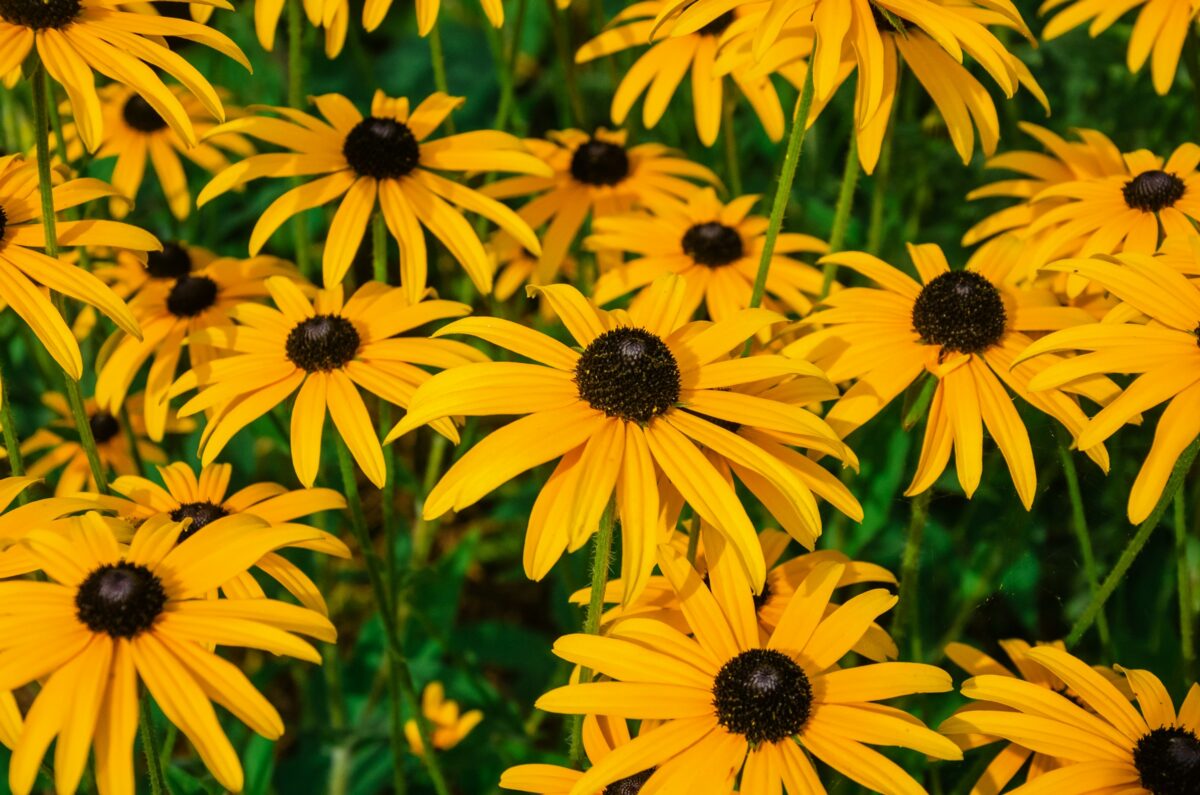
Walk across a patch of lawn that’s been trampled for a decade and you can feel it. The ground is hard, the grass is thin, and water seems to run off instead of soaking in. That’s compacted soil, and it’s one of the quieter problems in many yards.
Digging it all up and starting over isn’t the only answer. Certain native plants have roots built to push through tight ground, feed soil life, and slowly rebuild structure. Some work better than others, and where you plant them matters as much as what you pick.
Switchgrass (Panicum virgatum)
🔥 Would you like to save this?
We'll email this post to you, so you can come back to it later!
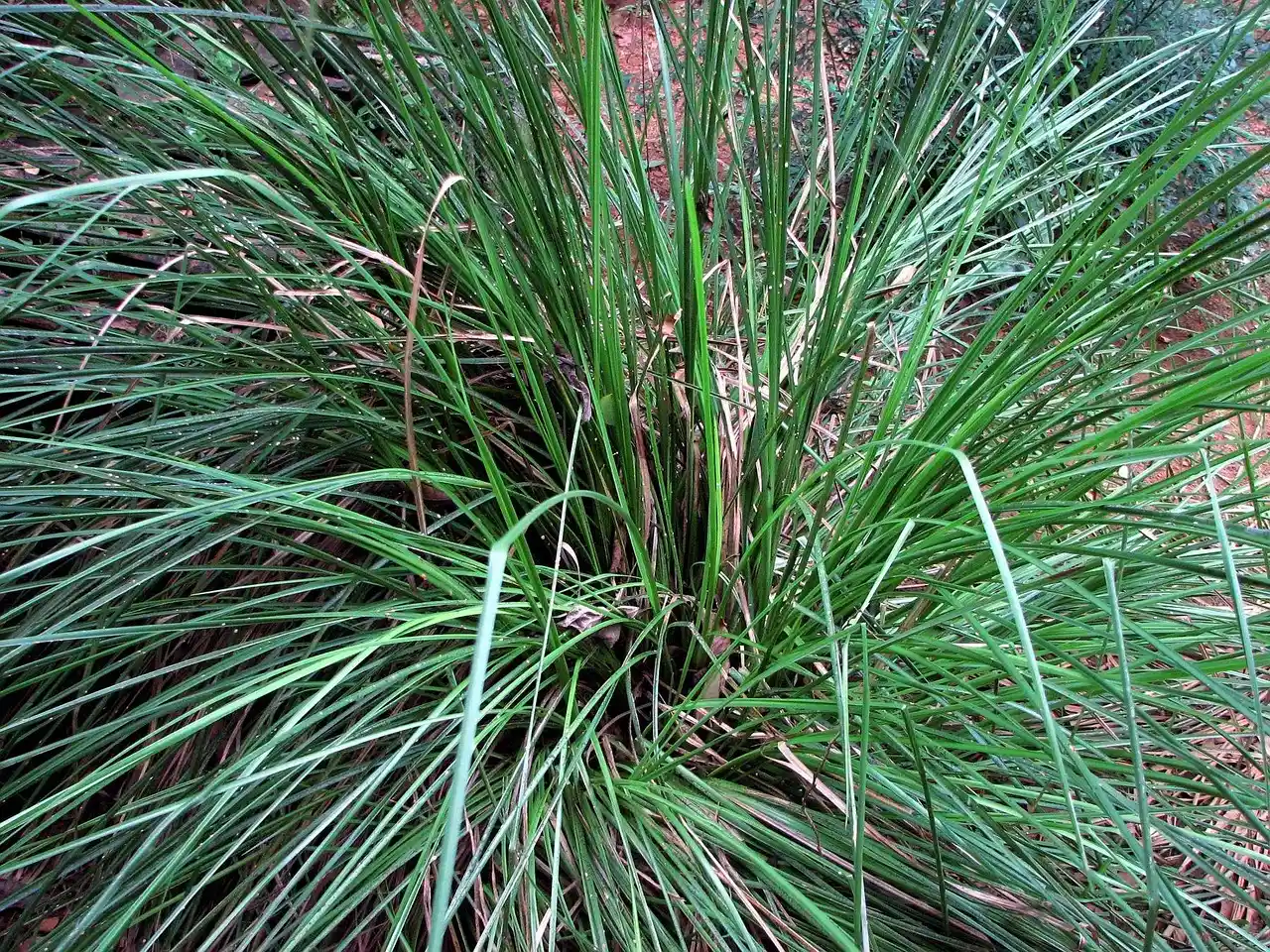
Switchgrass is a tall, tough prairie grass native across much of North America east of the Rocky Mountains. Its root system is dense and deep, and it can establish in poor, hard soils where fussier plants struggle. It’s often used in erosion control and restoration projects for that reason.
In a backyard, it works well along the edges of a trampled area or in a corner you can protect for a few seasons. Give it room, since mature clumps can get quite tall. Once established, it tolerates both wet spells and dry ones.
Little Bluestem (Schizachyrium scoparium)
🔥 Would you like to save this?
We'll email this post to you, so you can come back to it later!
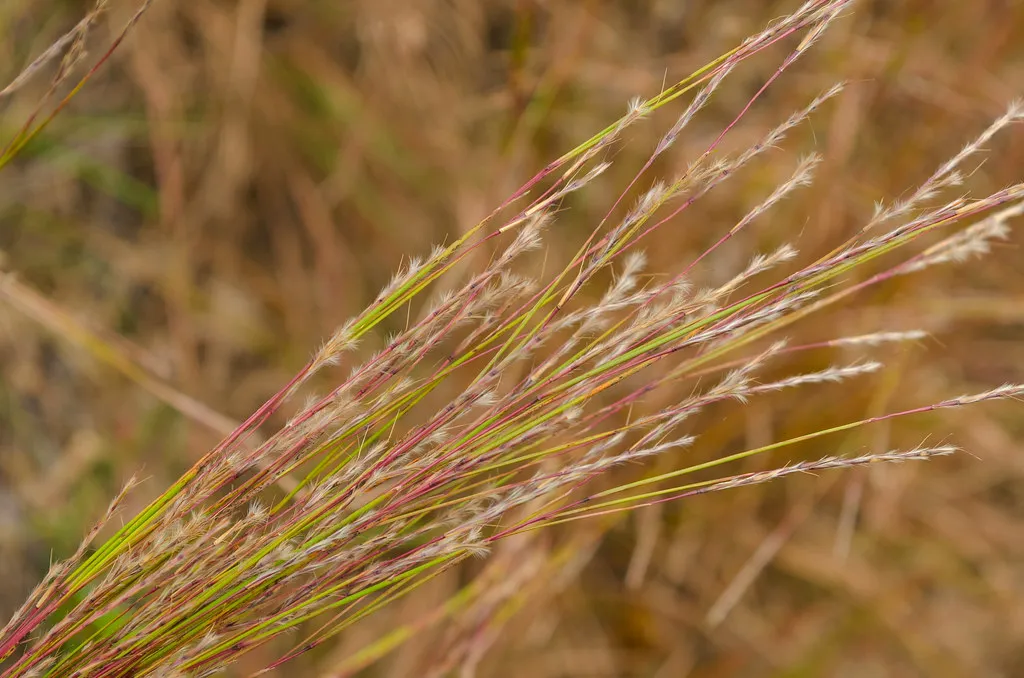
Little bluestem is a bunchgrass with a fine texture and a coppery color in fall. It’s a better fit than switchgrass for smaller yards, and it prefers sun and well-drained ground. Its fibrous roots help hold and loosen the soil as they grow and die back each year.
It doesn’t love rich, soggy conditions, so it suits dry, compacted slopes and sunny paths. Resist the urge to fertilize it. Lean soil usually keeps it sturdier and less floppy.
Purple Coneflower (Echinacea purpurea)
🔥 Would you like to save this?
We'll email this post to you, so you can come back to it later!
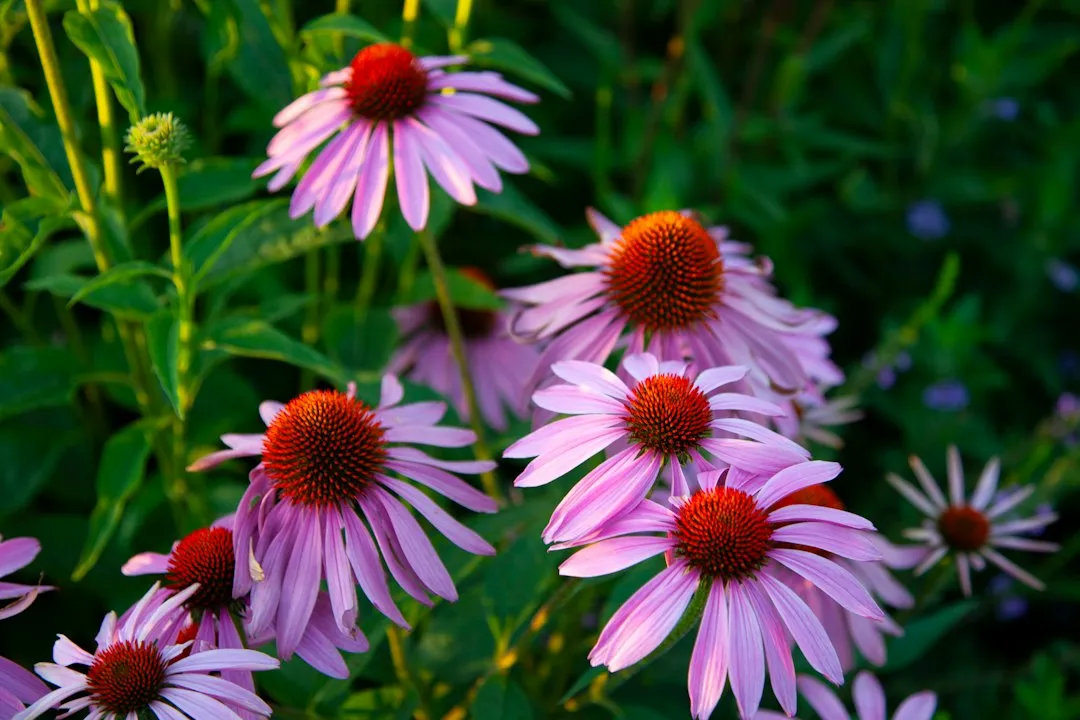
Purple coneflower is a familiar pollinator favorite, and it also has a taproot that can work its way into firm soil. It’s native to the central and eastern United States and handles clay reasonably well. That makes it a practical choice where the ground has been packed down for years.
Plant it in full sun and water it well the first season while roots settle. Leave the seed heads standing through winter, because birds like goldfinches often feed on them. The plant keeps earning its spot long after the blooms fade.
Black-Eyed Susan (Rudbeckia hirta)
🔥 Would you like to save this?
We'll email this post to you, so you can come back to it later!
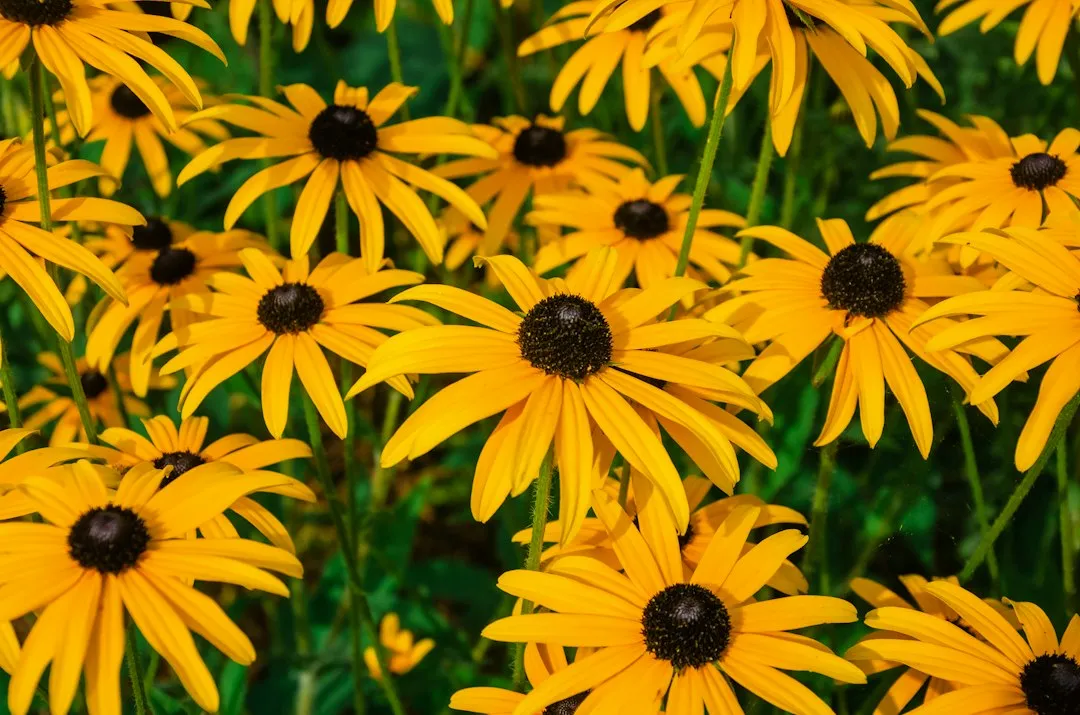
Black-eyed Susan is a short-lived perennial or biennial that spreads by seed, which is part of its charm for tough sites. It tolerates poor soil and can fill in bare, disturbed ground fairly quickly. That fast cover helps shield the surface from pounding rain and drying sun.
Think of it as a pioneer plant, one that gets things started while slower species catch up. Mixing it with grasses gives you color in the first years and structure later. It won’t solve compaction alone, but it’s a helpful early player.
Butterfly Milkweed (Asclepias tuberosa)
🔥 Would you like to save this?
We'll email this post to you, so you can come back to it later!
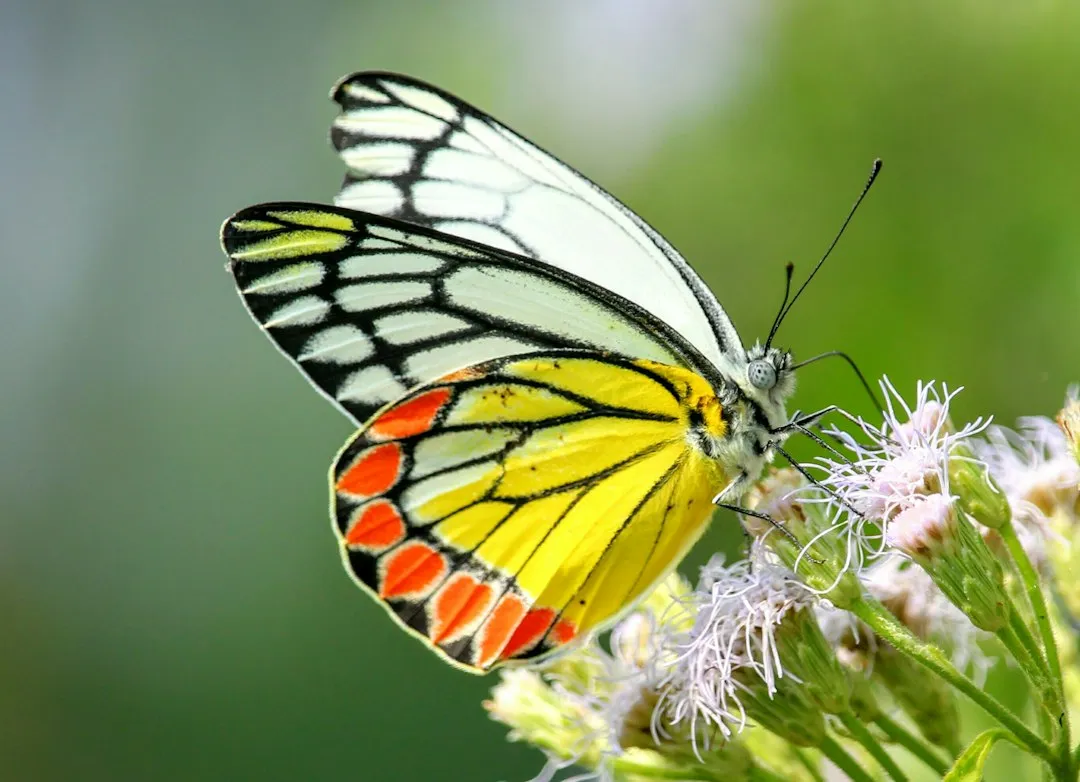
Butterfly milkweed grows a deep taproot, which is why it dislikes being moved once it’s settled. It prefers full sun and well-drained soil, and the bright orange flowers draw pollinators. It’s also a host plant for monarch caterpillars.
That taproot can penetrate firm ground over time, opening channels for water and air. Be patient, because young plants often spend their first year building roots rather than flowers. Planting from container stock tends to be easier than starting from seed.
Wild Bergamot (Monarda fistulosa)
🔥 Would you like to save this?
We'll email this post to you, so you can come back to it later!
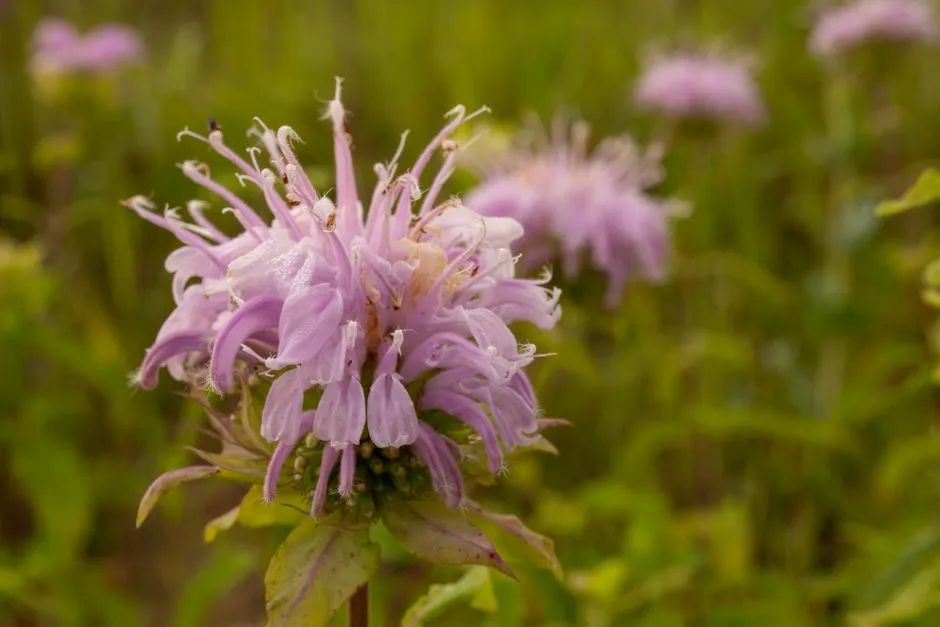
Wild bergamot is a spreading native perennial with lavender blooms that bees and hummingbird moths visit. It adapts to a range of soils, including heavier ones, and it forms colonies through underground growth. Those spreading roots help knit the soil together.
It’s a good companion for grasses in a mixed planting. Air circulation matters, since powdery mildew can show up in crowded, humid conditions. Spacing plants sensibly saves you trouble later.
Prairie Dropseed (Sporobolus heterolepis)
🔥 Would you like to save this?
We'll email this post to you, so you can come back to it later!
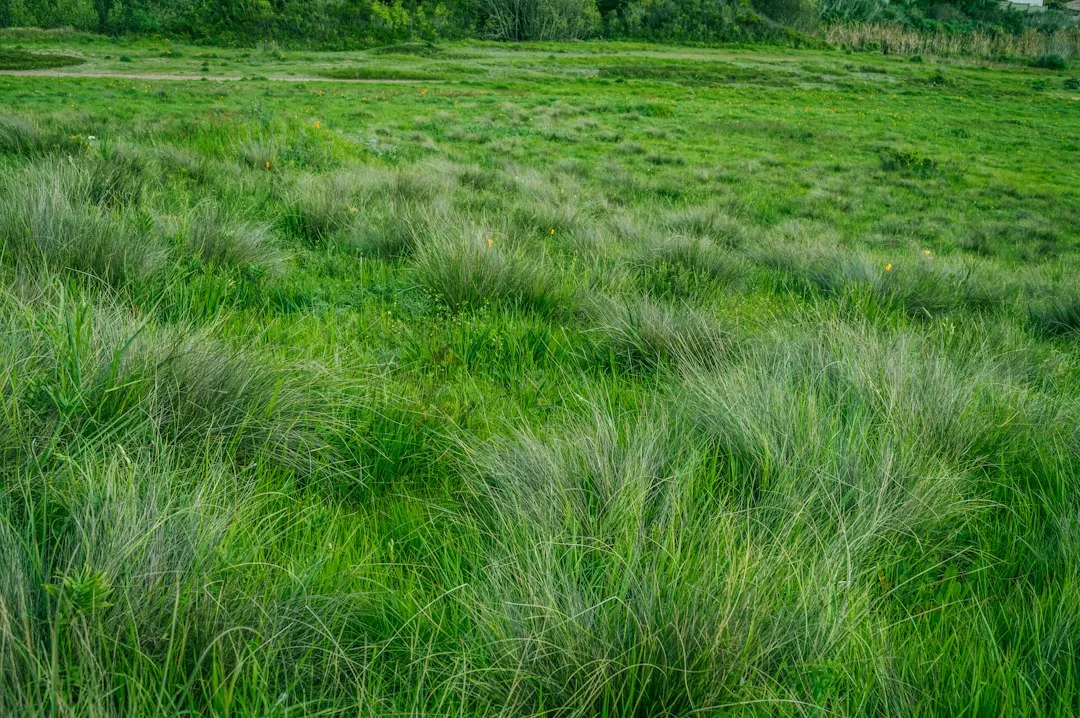
Prairie dropseed forms neat, fountain shaped mounds and is known for deep roots that can reach several feet down in mature plants. It grows slowly, so it rewards patience more than speed. Once settled, it handles drought and poor soil with little fuss.
It’s a lovely choice for the edge of a path, where its tidy shape looks intentional. Just don’t expect it to take foot traffic itself. Keep it beside the walking route, not in it.
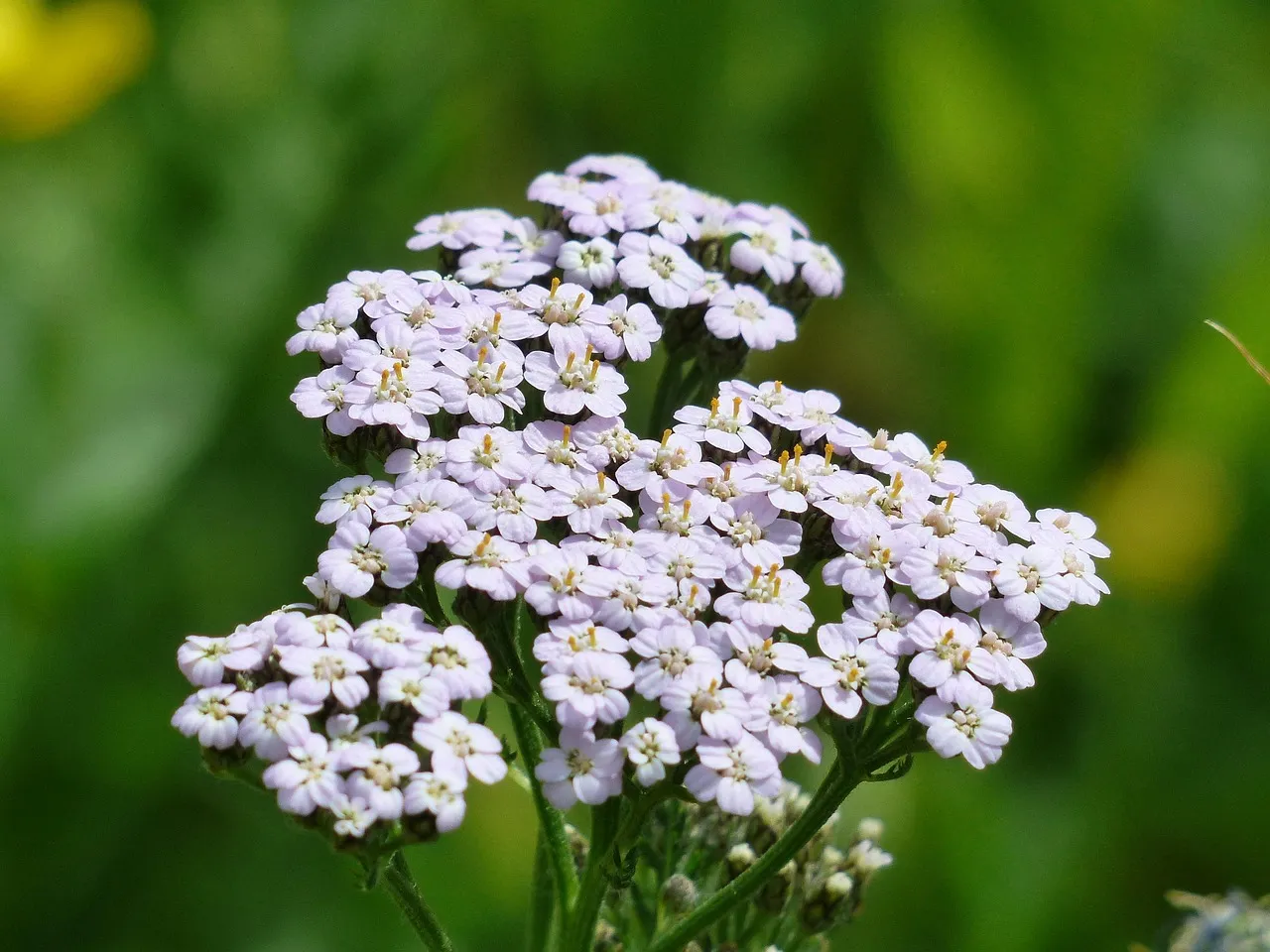
Common Yarrow (Achillea millefolium)
🔥 Would you like to save this?
We'll email this post to you, so you can come back to it later!
Common yarrow is widespread across North America, with feathery leaves and flat clusters of small flowers. It spreads by rhizomes, handles dry, lean soil, and tolerates occasional light foot traffic better than most flowering perennials. Some gardeners use it in low traffic lawn areas for that reason.
Note that some yarrow sold in garden centers is non native cultivars, so check the label if native origin matters to you. It can also spread more than you’d like in good soil. In compacted ground, though, that determination is often an asset.
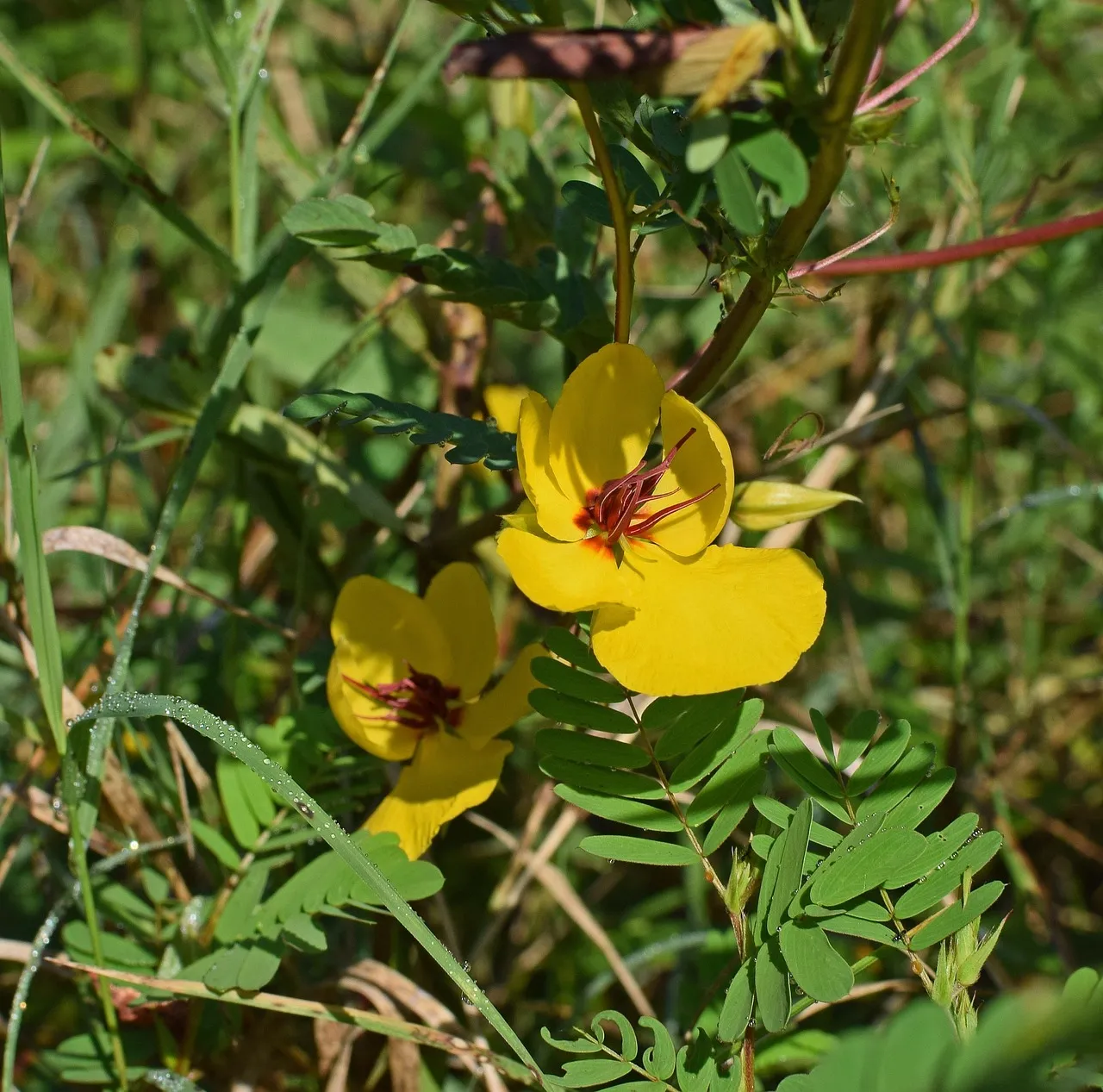
Native Clovers and Legumes, Such as Partridge Pea
🔥 Would you like to save this?
We'll email this post to you, so you can come back to it later!
Legumes partner with soil bacteria that convert nitrogen from the air into forms plants can use. Partridge pea (Chamaecrista fasciculata) is a native annual that does this and establishes readily on disturbed sites. Its roots and fast growth add organic matter when the plants die back.
Because it’s an annual, it reseeds rather than persisting as a single plant. That makes it a useful helper in the first seasons, alongside longer lived perennials. Check regional recommendations, since the best native legume varies by area.
Final Thoughts
🔥 Would you like to save this?
We'll email this post to you, so you can come back to it later!
My view is that people expect too much from any single plant. Compacted soil improves when you do several things together: stop the foot traffic, loosen the surface lightly, add some compost or mulch, and plant a mix of deep rooted natives. Skipping the first step is where most efforts quietly fail.
Give the ground a few seasons and it will begin to change in ways you can see, like water soaking in and earthworms returning. It isn’t instant, and it isn’t flashy. Still, a patch of native planting that slowly heals is more satisfying than any quick fix, and your local extension office can help you choose species that suit your region.

- 10 Common Garden Pests That Are Actually Beneficial To Your Backyard Ecosystem - November 5, 2026
- 10 Unusual Reasons Older Adults Bond More Deeply With Certain Dog Breeds - November 5, 2026
- The Cheetah: The Speed King of the Animal Kingdom - November 5, 2026