
There’s something almost eerie about standing in a wetland at dawn. The air is thick and still, the water is glass, and then suddenly the place erupts with wings, calls, splashes and shadows you didn’t notice before. For wildlife photographers, wetlands are where chaos and serenity collide in the same frame.
These landscapes rarely make the front page of travel magazines, yet they’re some of the most biologically rich places on Earth. If you’re used to mountains and savannas, the world of marshes, swamps and deltas will feel like a secret level in a game you thought you’d already finished. Let’s walk through nine standout wetlands that are as visually stunning as they are ecologically important – and talk about what they offer when you’re chasing that once‑in‑a‑lifetime shot.
Okavango Delta, Botswana
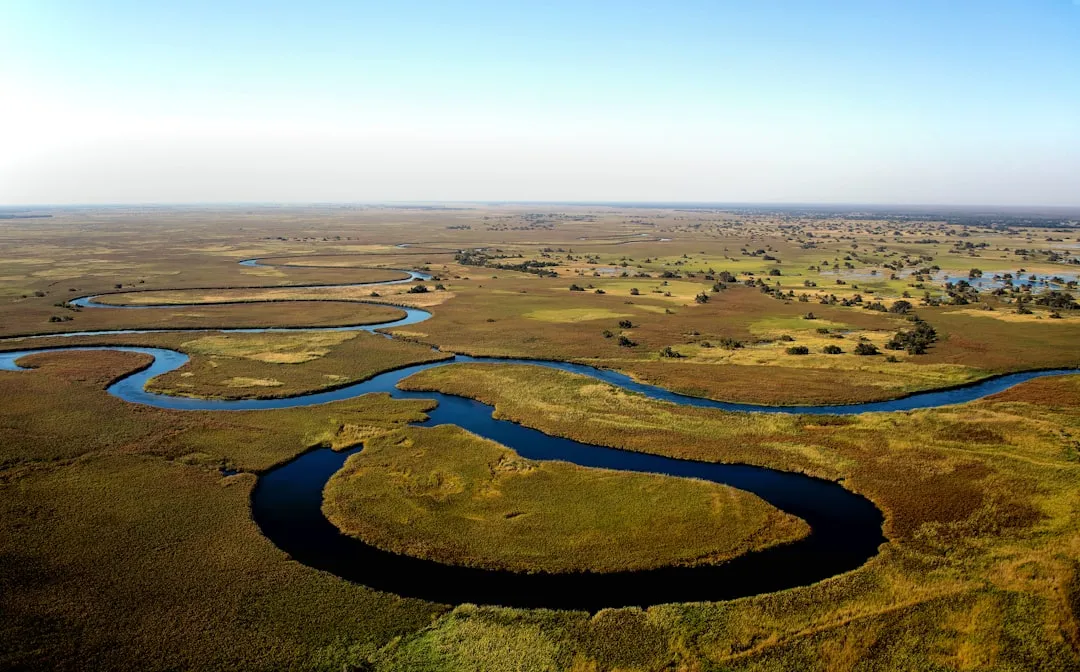
If there’s a single place that feels like nature decided to defy logic just for fun, it’s the Okavango Delta. A river that never reaches the sea instead spreads into a giant inland fan of channels, lagoons and floodplains in the middle of the Kalahari Desert. For a photographer, that means mirror‑smooth backwaters lit by soft African sun, with elephants wading through lily‑studded pools and red lechwe antelope splashing across flooded grasslands.
The Okavango is also big‑game territory, but in a very different visual context than the classic dry savanna. Lions patrol papyrus fringes, leopards slink along tree‑lined islands, and hippos carve dark shapes into pink and orange sunsets. If you like the drama of predators but want foregrounds of winding water channels, floating vegetation, and reed silhouettes instead of dust and thorn trees, this place will ruin you for ordinary landscapes. Personally, the first time I saw a fish eagle reflected in a flooded plain here, it felt like watching a painting come to life.
Pantanal, Brazil
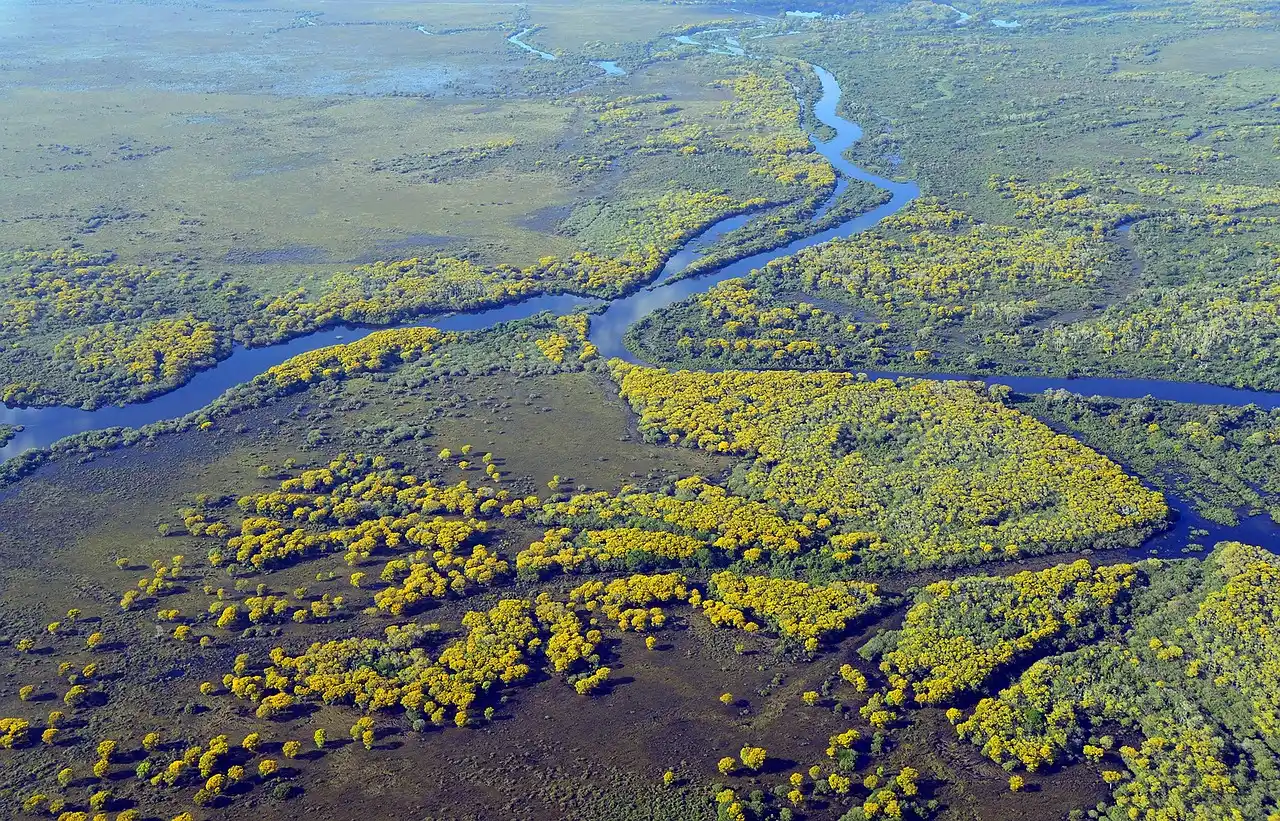
The Pantanal is often overshadowed by the Amazon in travel conversations, but if you care about photography, this vast wetland can be far more generous. During the drier months, water levels drop just enough to concentrate wildlife along rivers and lagoons, turning every boat ride into a slow‑motion game drive. Giant river otters, capybaras and caimans become almost everyday subjects, and that’s before you even mention the big cat everyone secretly wants: the jaguar.
Visually, the Pantanal is a playground of textures – patches of floating vegetation, tree islands rising from flooded fields, and skies that seem comically oversized. You’ll find birds everywhere: jabirus, egrets, herons, kingfishers and macaws add color and movement to nearly every frame. What makes it special is how approachable it feels; you’re not fighting dense jungle, but working with open banks and wide rivers that actually let your lens roam. It’s one of the few places where photographing rare predators from a boat feels not just possible, but almost routine if you give it enough days.
Everglades, United States
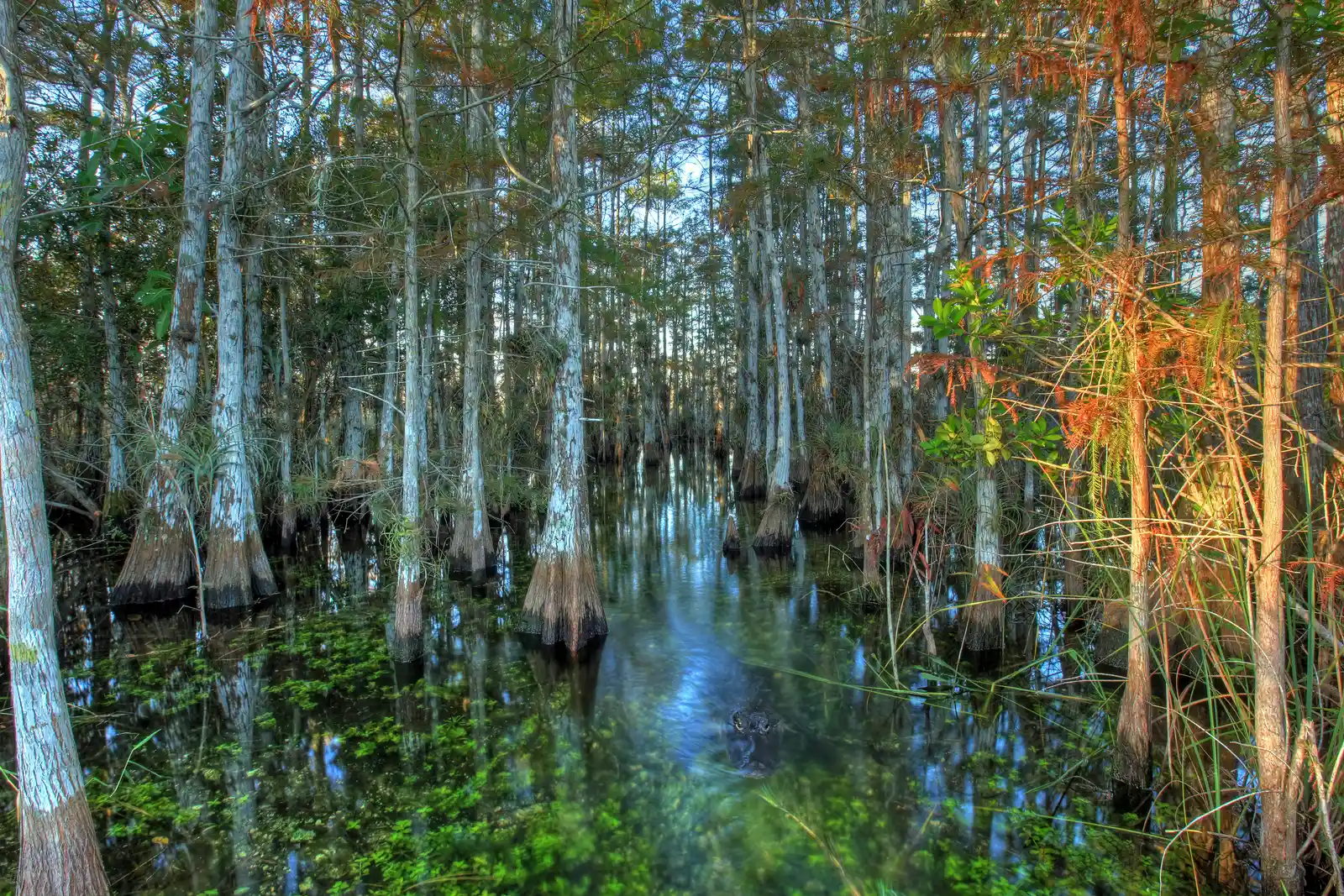
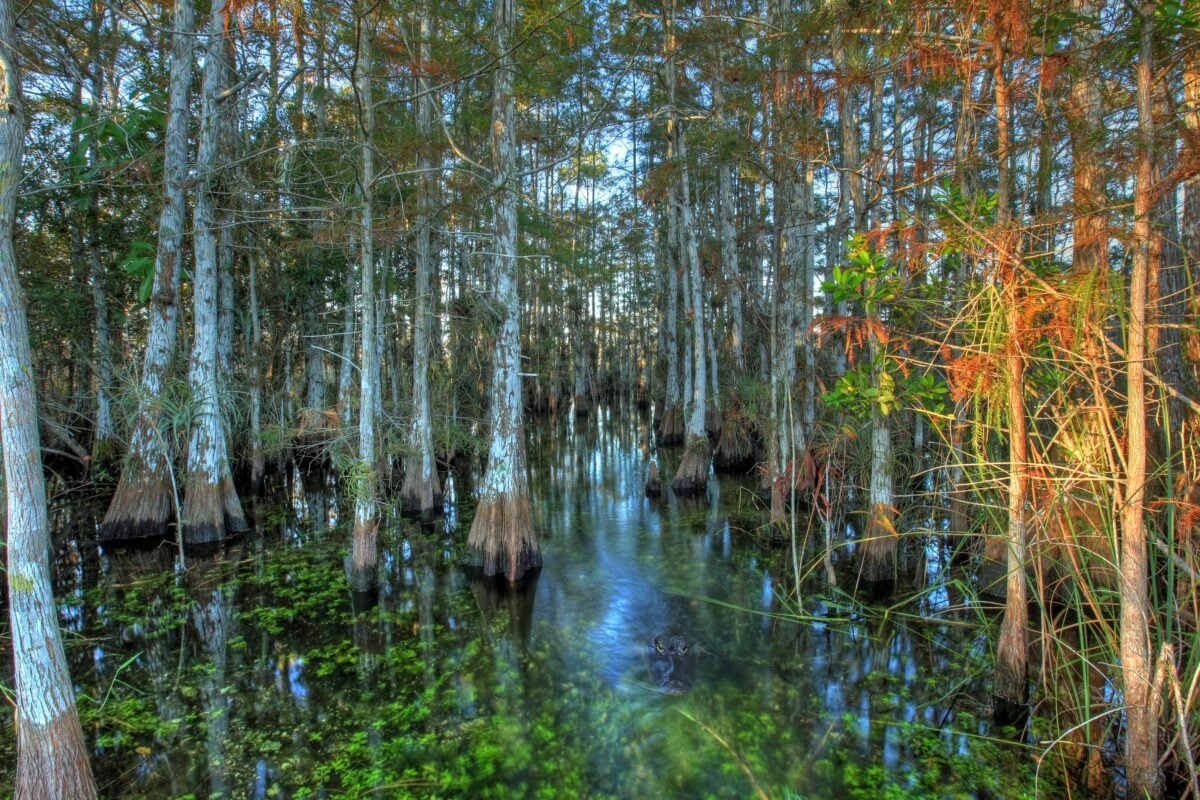
The Everglades often gets reduced to an alligator cliché, but it’s far more subtle and photogenic than people give it credit for. This slow‑moving “river of grass” blends sawgrass prairies, mangroves, cypress domes and coastal flats into a patchwork that shifts character with every kilometer. Stand knee‑deep in a cypress dome with shafts of light cutting through mist, and you realize this isn’t just a swamp – it’s a massive, living studio with natural fog machines and ready‑made leading lines.
For wildlife photographers, the real magic lies in how tame some of the birds have become around popular viewing areas and boardwalks. Wading birds like anhingas, herons and egrets will often hunt just a few meters from you, letting you experiment with reflections and behavior shots without extreme lenses. Add in alligators, turtles, and the occasional manatee in coastal zones, and you have an American wetland that feels both accessible and wild. It’s also one of the few places where you can go from sunrise silhouettes over sawgrass to night photography with glowing alligator eyes in a single day.
Danube Delta, Romania and Ukraine
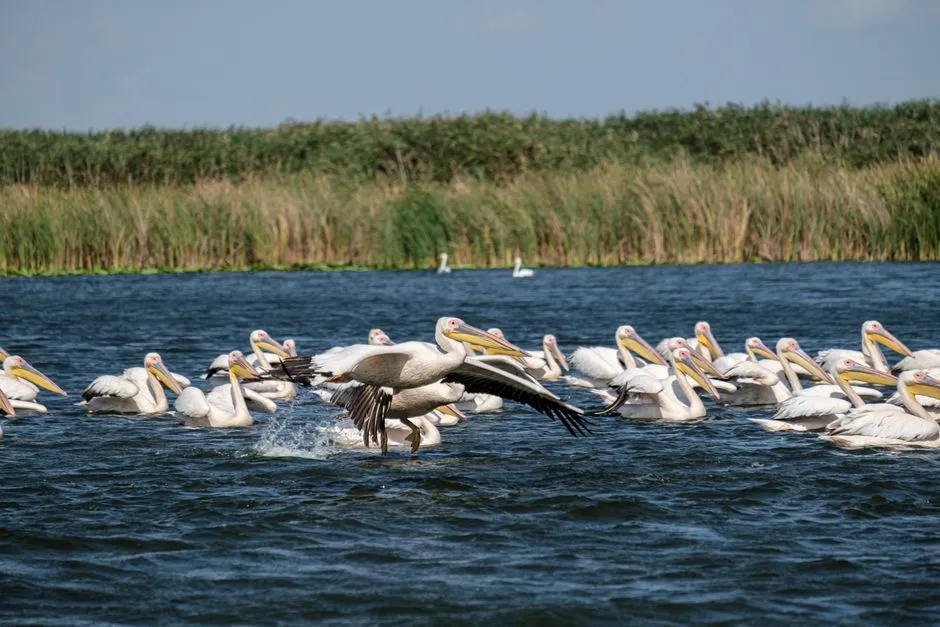
At the end of one of Europe’s great rivers, the Danube Delta spreads into a labyrinth of channels, reed beds and shallow lakes that feel surprisingly remote for a region surrounded by cities. The water itself becomes your main highway; boats slide through corridors of reeds that suddenly open into bird‑packed lagoons. Pelicans glide overhead in squadrons, whiskered terns skim the surface, and cormorants stack themselves on half‑submerged branches like living sculptures.
The Danube Delta is especially rewarding if you like softer, moodier light and patiently composed frames rather than adrenaline‑heavy predator scenes. Early morning fog, pastel skies and still water can transform a simple egret into a minimalist masterpiece. It is also a great place to test your storytelling skills: old fishing villages, traditional wooden boats and weathered piers let you blend human culture and wetland ecology in the same series. For anyone in Europe, it’s one of the most underrated, realistic trips you can make without crossing an ocean.
Kakadu National Park, Australia
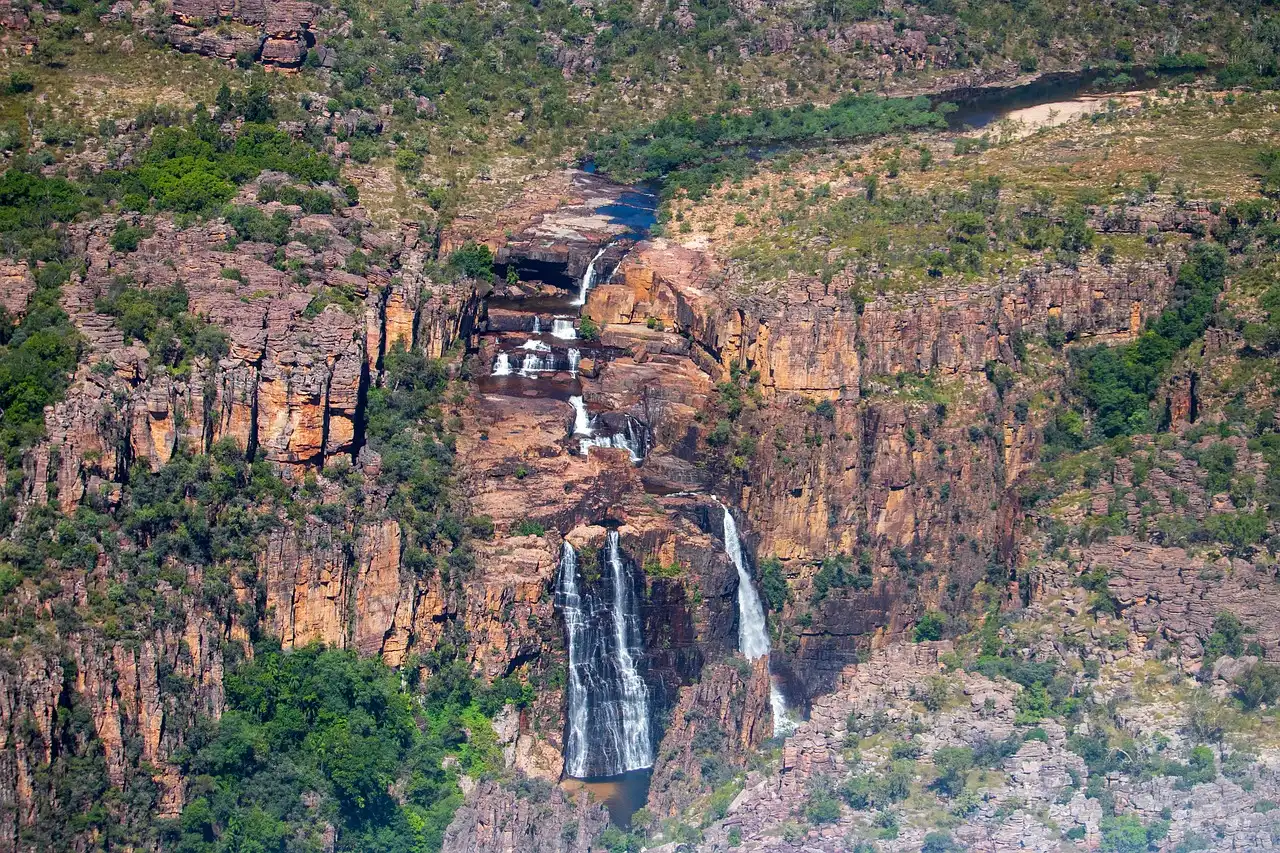
Kakadu is where wetlands meet sandstone cliffs and ancient rock art, and the combination is almost surreal. After the monsoon rains, floodplains swell into broad sheets of water dotted with lotus flowers and waterlilies, while billabongs brim with life. When the waters recede, they leave behind dense gatherings of birds, from magpie geese and jabirus to flocks of whistling ducks that can darken the sky when they rise.
The photographic charm of Kakadu lies in its sense of layered time: you might shoot a freshwater crocodile at the edge of a billabong in the morning, and by late afternoon you’re capturing rock escarpments glowing orange above those same wetlands. The place forces you to think beyond portraits and into context – how the sky, rocks and floodplains all interact. It’s also one of those locations where you quickly learn to respect your subject; you are very much in crocodile country, which adds a thrilling edge to any shoreline composition.
Wadden Sea, Netherlands, Germany, and Denmark
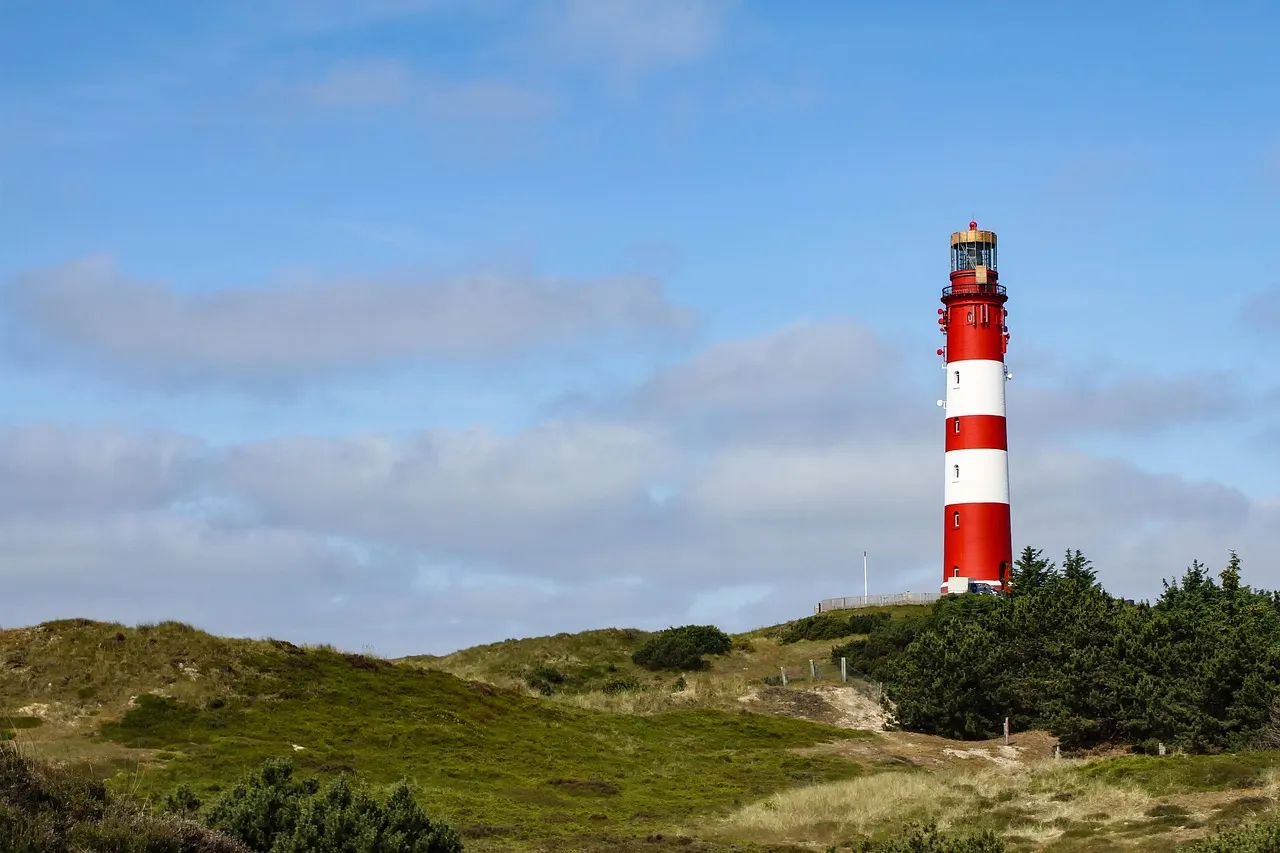
The Wadden Sea is not the classic image of a wetland – no tall reeds, no dense mangroves, no obvious “swamp.” Instead, it’s a tidal world of mudflats, sandbanks and shallow channels that completely transform between low and high tide. From a photography standpoint, it’s like having two different locations layered on top of each other, switching every few hours. At low tide, endless patterned flats stretch to the horizon, crisscrossed by winding creeks that make perfect leading lines.
What really puts the Wadden Sea on the map for wildlife shooters is its role as a crucial stopover for migratory shorebirds. During peak migration, huge flocks wheel over the water and settle on the flats, giving you chances at mass‑movement shots that feel almost abstract. There’s something oddly calming about standing in a place that looks minimal and empty at first, then realizing it’s one of the busiest wildlife highways on the continent. If you enjoy playing with negative space and minimalist compositions, this tidal wetland will challenge and reward you in equal measure.
Sundarbans Mangrove Forest, India and Bangladesh
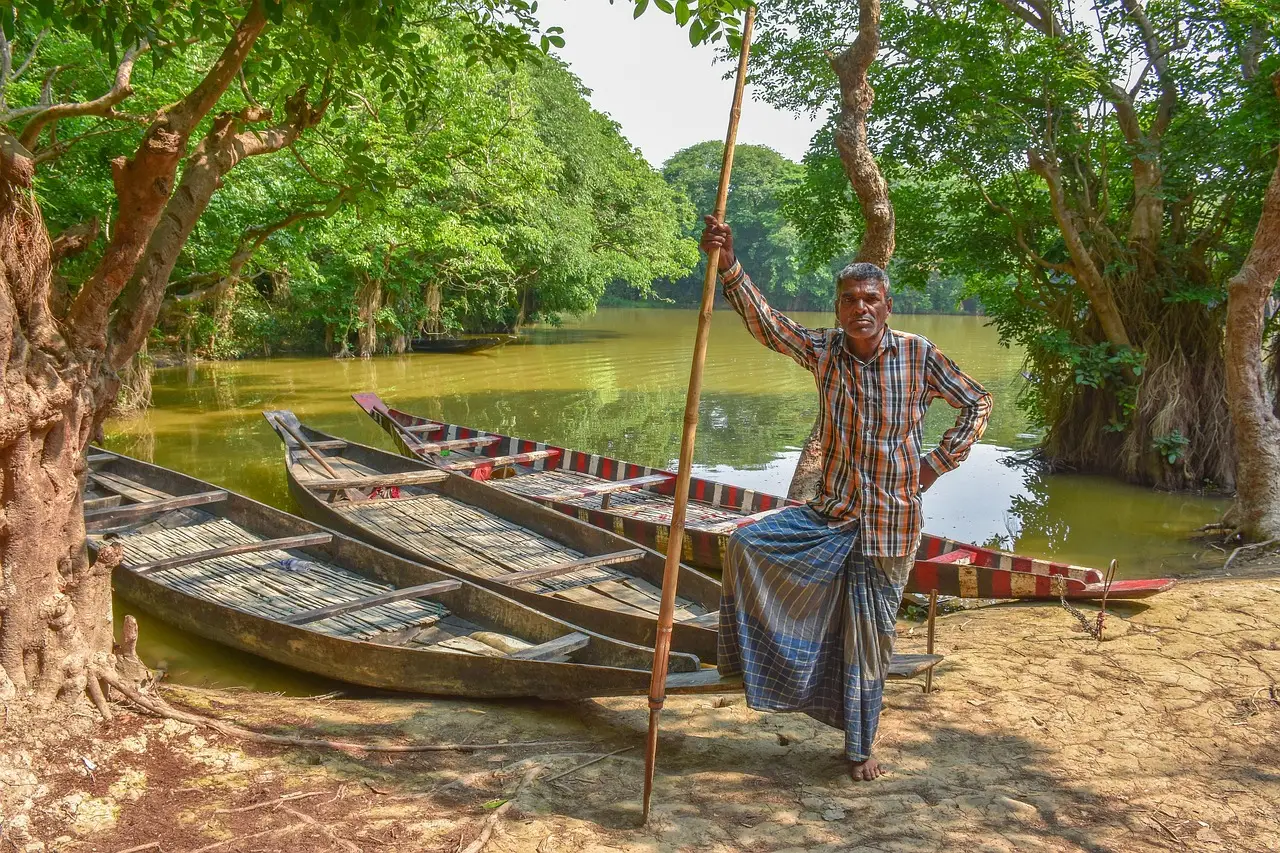
The Sundarbans is the world’s largest mangrove forest, and it feels like a maze built specifically to test your sense of direction and your nerve. Narrow tidal channels twist between dense stands of mangroves, where roots rise like tangled sculptures out of the mud. The water is opaque and mysterious, and every floating log demands a second glance because you know this is tiger territory – even if you never see one, you feel that possibility in every frame.
From a photographic perspective, the Sundarbans is all about atmosphere and inference rather than easy sightings. Crocodiles, fishing cats, macaques and an incredible variety of birds inhabit the banks and branches, but the light, tides and silhouettes often steal the show. Misty mornings, backlit roots and patterned reflections let you create images where the setting is the main character and the animals are almost cameos. It’s not an easy place to work, but if you like your images to feel raw, moody and slightly haunted, the Sundarbans has a grip that’s hard to shake.
Koshi Tappu Wildlife Reserve, Nepal
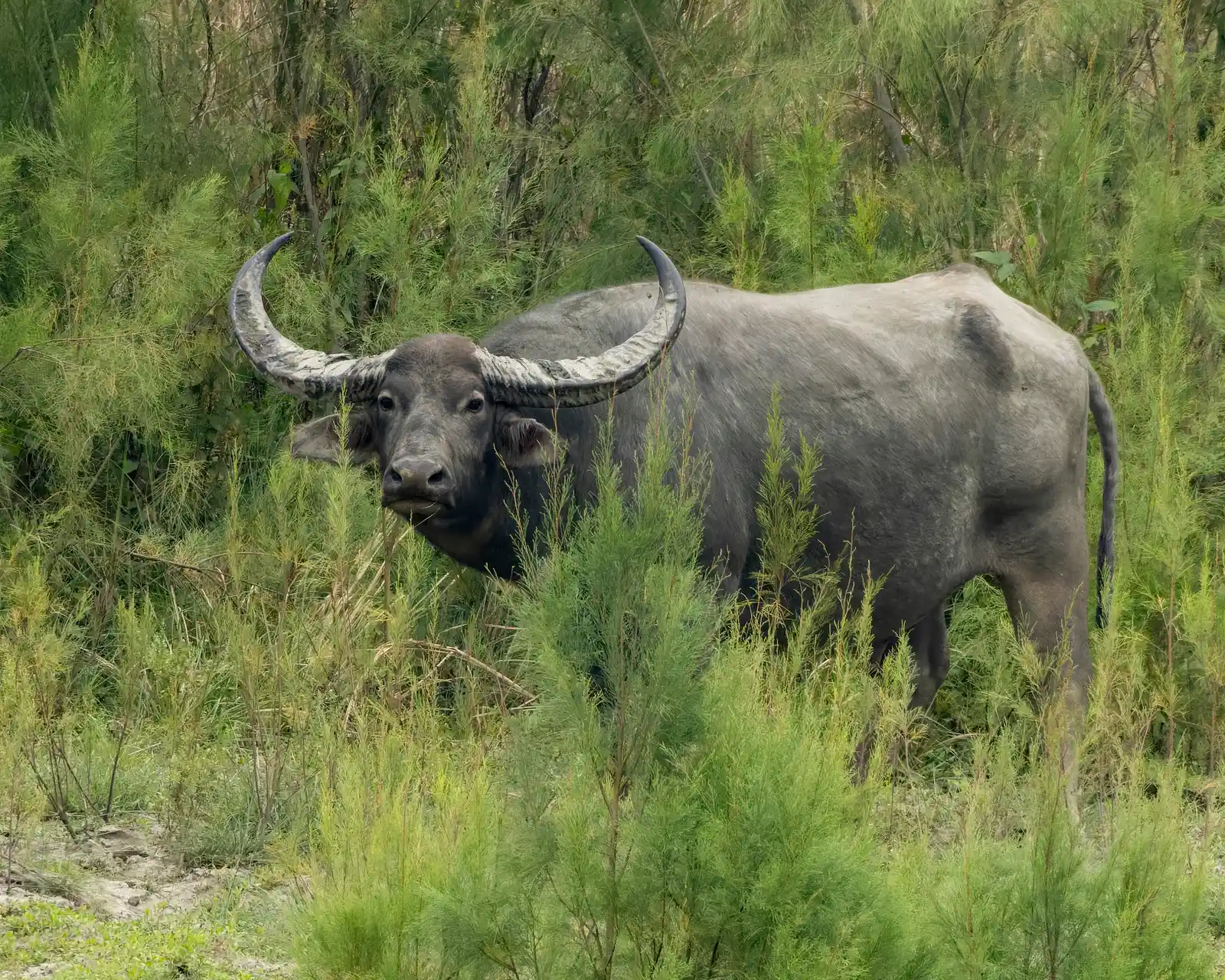
Koshi Tappu flies under the radar compared with Nepal’s famous mountains and rhino parks, but for wetland and bird photography it’s a quiet gem. Situated along the floodplains of the Koshi River, it offers a mosaic of mudflats, channels, sandbars and small marshes that change character with shifting water levels. Herds of wild water buffalo move through grasslands, while storks, ibises and a long list of migratory waterbirds turn the skies and shorelines into constant motion.
The scale here feels more intimate than some of the giant deltas of the world, which can actually be an advantage for photographers. You’re not overwhelmed by endless horizons; instead, you’re working with contained scenes where a single fallen tree, a curve in the riverbank or a small backwater can anchor a composition. It’s also one of those places where you can go from wide environmental frames to tight bird portraits within minutes. If your idea of a perfect day involves quietly tracking birds on foot or from a small boat rather than sitting in a jeep, Koshi Tappu hits a sweet spot.
Kafue Flats, Zambia
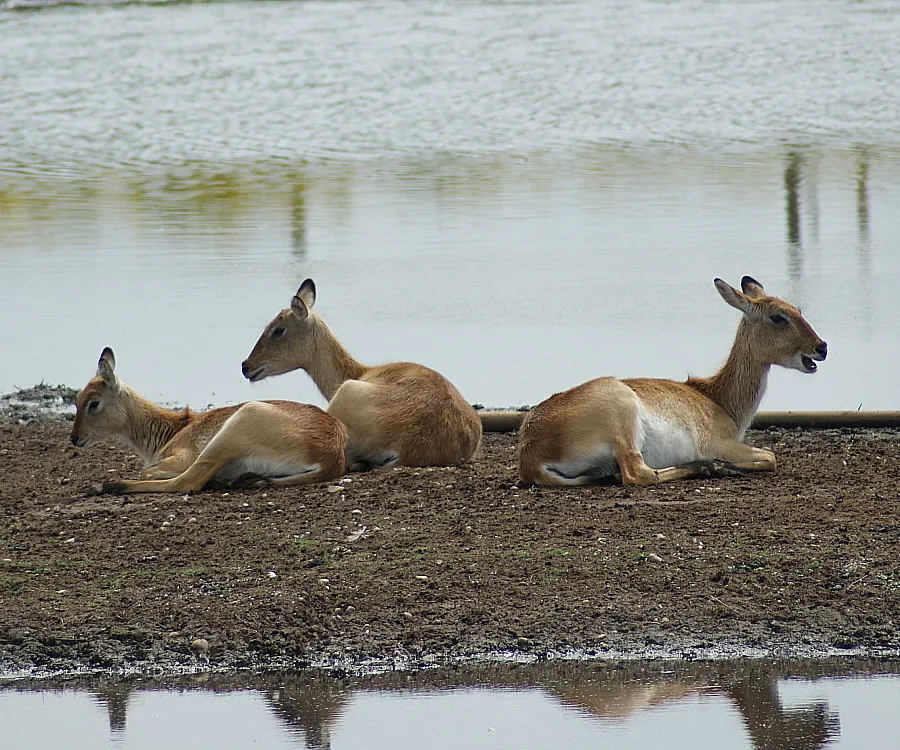
The Kafue Flats are a broad floodplain along the Kafue River, and during high water they transform into a shimmering patchwork of channels, lagoons and temporary islands. Large herds of lechwe antelope wade belly‑deep through the water, creating those classic splash‑trail shots against big open skies. You also get great chances with waterbirds and raptors, from fish eagles to herons, all set in a landscape that is oddly reminiscent of a dreamlike, half‑flooded savanna.
What makes the Kafue Flats particularly interesting is how wild and lightly visited they still feel compared with other African wetlands. You’re often working in spaces where there are no other boats or vehicles in sight, which can be gold when you’re trying to capture unhurried animal behavior. Visually, the combination of grasses, water, and millions of tiny reflections can create almost abstract backgrounds if you shoot low and long. If you’re willing to handle the logistics and occasionally tricky access, this is one of those places where you feel like you’re photographing a secret.
Why Wetlands Deserve a Permanent Spot on Your Shot List
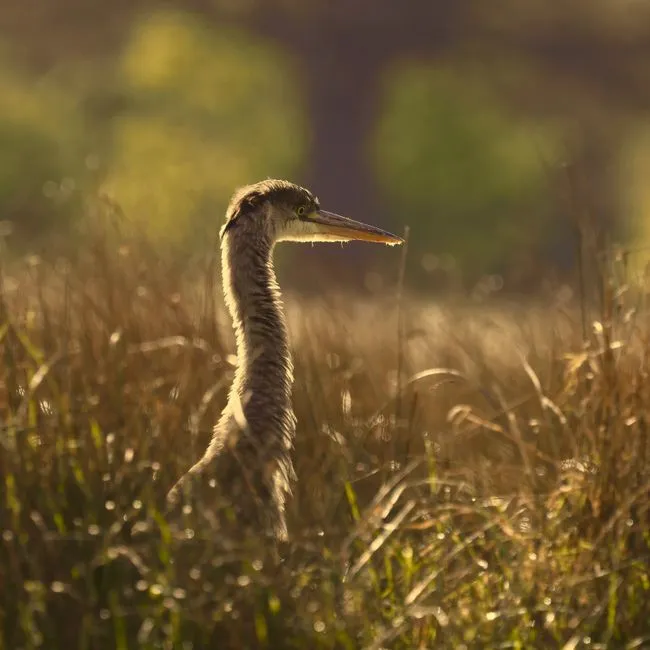
Ask most people to list dream wildlife destinations, and you’ll hear the usual suspects: savannas, coral reefs, maybe polar regions. Wetlands rarely make that first list, yet they might be the most generous ecosystems for a photographer who actually cares about behavior, light and storytelling. You get layered scenes, repeated encounters, and an almost absurd density of life, all wrapped in water that reflects and amplifies every color in the sky. From pelicans in the Danube to jaguars in the Pantanal, these nine places prove that mud and reeds can be every bit as dramatic as mountains and snow.
On a more personal note, wetlands have a way of slowing you down, and that’s usually when your best images happen. You learn to watch how fog rises, how birds use wind, how animals move along invisible water paths that have existed longer than your entire family line. In a world obsessed with big, obvious vistas, choosing to aim your lens at marshes and swamps is almost a small act of rebellion. And honestly, if a glowing sunrise over still water, punctuated by the silhouette of a single heron, doesn’t move you, what will?

- What It Means When Hummingbirds Return on Nearly the Same Date Every Year - August 6, 2026
- What It Means When a Dog Refuses to Enter a Room It Once Loved - August 6, 2026
- 9 Scenic Wetlands Every Wildlife Photographer Should Visit - August 6, 2026