
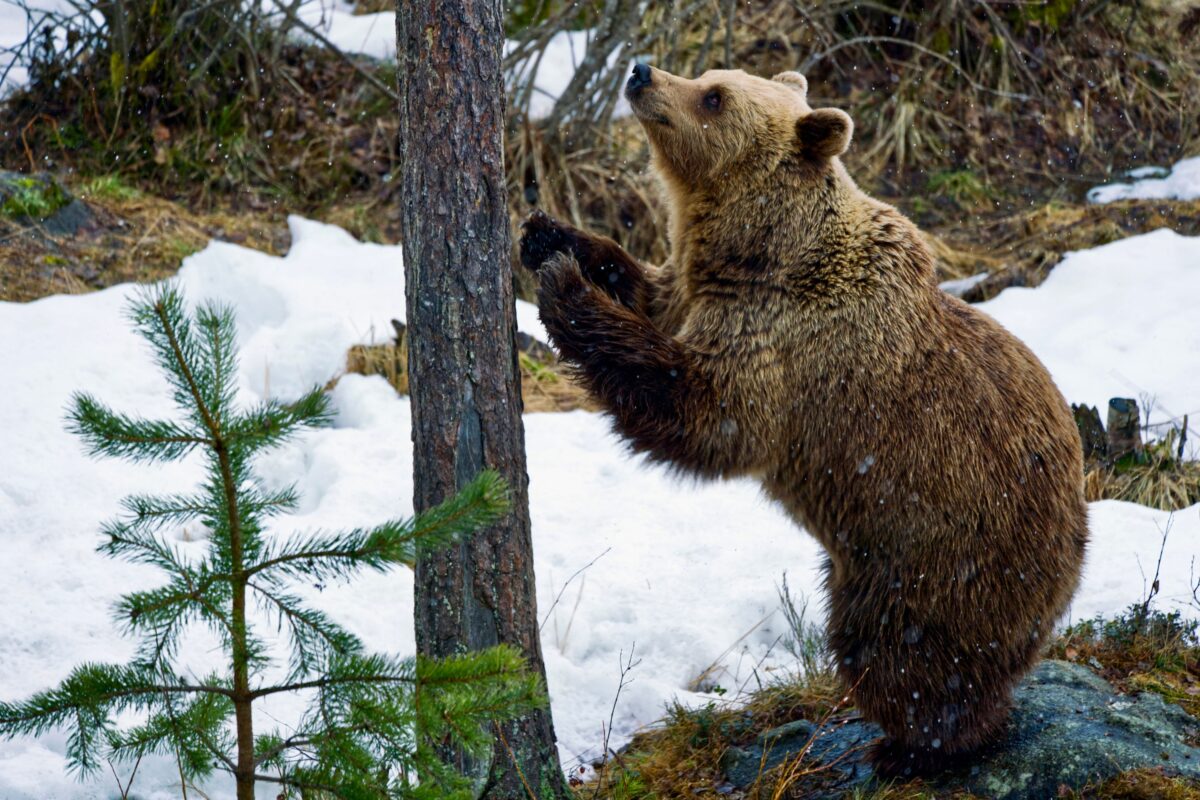
You step onto a trail, hear nothing but the wind in the trees… and then you spot it: a huge, fresh track, torn-up ground, or a pile of something that definitely was not there yesterday. In that moment, every rustle suddenly feels a lot closer.
Knowing when is not just a cool wilderness skill. It can literally keep you safe. Bears are powerful, fast, and intensely food-motivated. If you can read the subtle and not-so-subtle signs of recent feeding, you can decide whether to back off, change your route, or adjust how you store your own food.
This guide walks through nine clear, practical signs a bear has been feeding in the area. Some are obvious even to beginners, others take a more careful eye. We’ll talk tracks, scat, torn logs, carcasses, and even the smell in the air. By the end, you’ll see the forest in a totally different way.
#9 Fresh Bear Tracks Leading To or From Food Sources
🔥 Would you like to save this?
We'll email this post to you, so you can come back to it later!
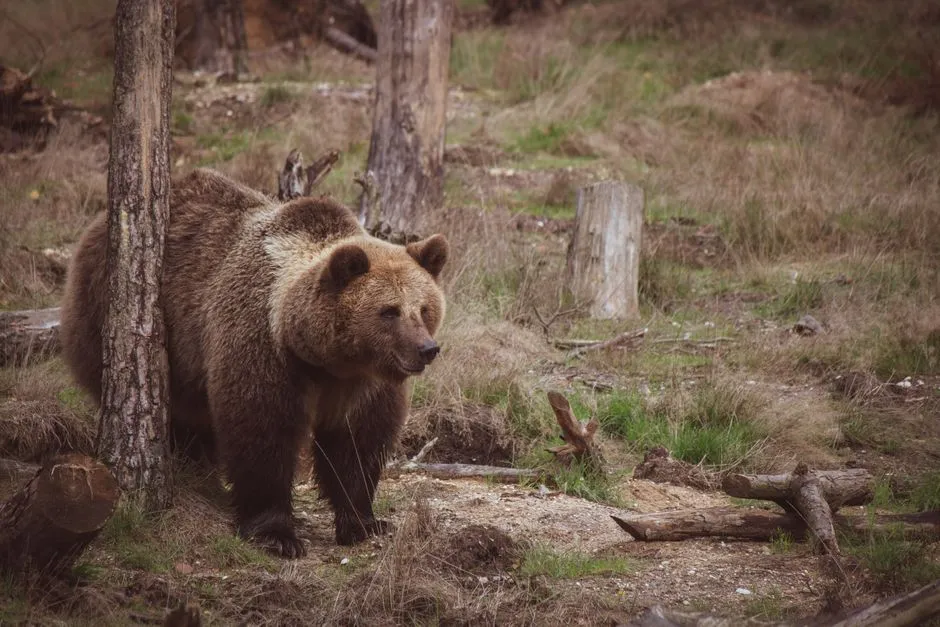
One of the most straightforward clues that a bear has been feeding nearby is a set of fresh tracks leading toward or away from food. Bears are like furry tanks with a mission: when they move with purpose, that path is usually about calories. If you spot clear tracks in soft mud, sand, recent snow, or along a riverbank that cut directly toward berry patches, carcasses, dumpsters, or campsites, assume a bear has been or will be feeding in that direction.
Bear tracks have a very distinctive look once you know what you’re seeing. Black and brown bears both leave prints that show five toes and a large pad, almost like a human hand or foot stamped into the ground, but with claws often visible ahead of the toes. In front tracks, the pad is broader; in hind tracks, the shape can look surprisingly human-like, especially with black bears. If the edges are sharp, the soil is still damp from the impression, or small debris is pushed aside but not yet disturbed by wind or rain, those tracks are probably recent.
Pay attention to stride and direction. A wandering pattern that meanders around may indicate a bear casually foraging, checking logs, sniffing shrubs. A steady, straight line cutting through terrain, especially toward something obvious like a salmon stream or a campground with trash, suggests a focused feeding mission. If those fresh tracks converge with other signs like trampled vegetation or scat, you’re not just in bear country: you are in a current bear dining zone.
- Look for clear five-toe prints with a large pad.
- Check whether the edges of the track are crisp and undisturbed.
- Note if the track line heads toward obvious food sources.
#8 Torn-Up Logs, Stumps, and Rotten Wood
🔥 Would you like to save this?
We'll email this post to you, so you can come back to it later!
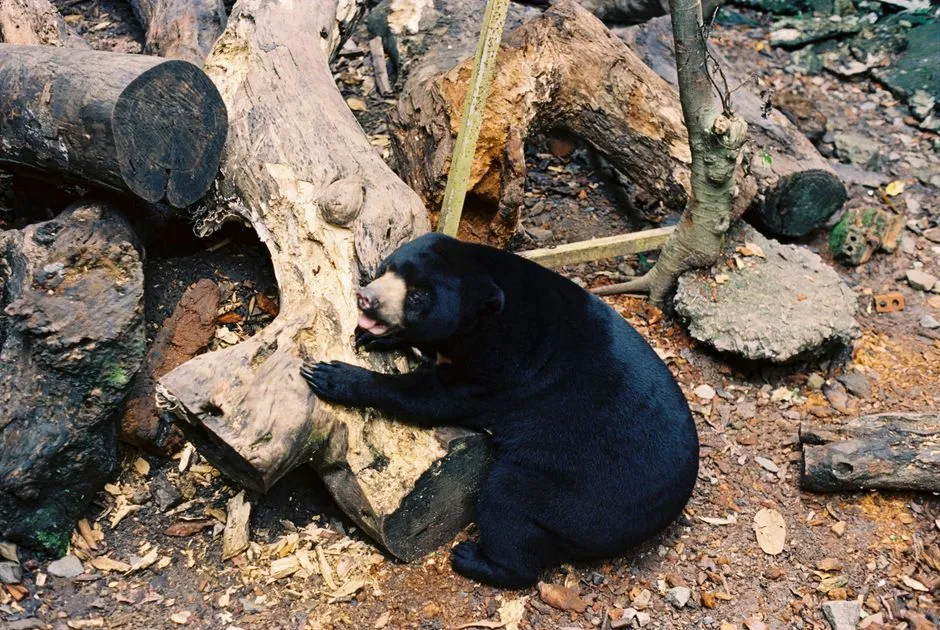
Walk through a forest after a bear has been feeding on insects and grubs, and it can look like a construction site with no workers. Bears are incredibly strong and will happily shred rotting logs, stumps, and downed trees to get at carpenter ants, beetles, and larvae. When you see fresh wood chips scattered around and logs that look violently ripped open, you are looking at a bear’s version of fast food wrappers.
The key here is freshness. Old, weathered breakage is common. But bright, pale wood on the inside of a log, surrounded by jagged shards and fresh sawdust-like material, is a likely sign of recent feeding. Bears tend to flip logs, peel back bark, and rake through punky wood with their claws. The result is often asymmetric tearing, not the clean cut you would see from a saw or the neat pecking pattern from woodpeckers.
In areas with a lot of moisture and decay, bears may work through entire patches of downed timber. If you see multiple logs torn open along a short stretch of trail, you might be walking through an active feeding area. Combine that with tracks or scat and it becomes a strong indicator. I’ve walked into sections of forest where so many logs were ripped open that it felt like some giant had gone on a rampage; in reality, it was just a bear following a buffet line of insects.
- Fresh, bright wood and scattered chips signal recent activity.
- Torn, shredded patterns differ from clean human-cut wood.
- Multiple torn logs in a small area often mean ongoing feeding.
#7 Broken Branches and Trampled Berry Patches

🔥 Would you like to save this?
We'll email this post to you, so you can come back to it later!
Bears are surprisingly agile for their size, but subtle they are not when it comes to berry season. When berries are ripe, bears often move through bushes and shrubs with a kind of single-minded determination. The aftermath is easy to spot: flattened grass, snapped stems, bent branches, and half-stripped bushes. You might also see berry juice stains on leaves, rocks, or even on the ground where fruit has been crushed.
The pattern of damage matters. Deer and smaller animals nibble daintily, taking a bit here and there. Bears often leave behind a messy, almost chaotic scene. Whole branches are bent down, sometimes broken under their weight as they pull them closer to their mouths. Leaves and twigs may be stripped from stems, with clusters of berries cleaned off in sections. In dense berry thickets, bears sometimes create visible paths, like rough tunnels pressed through vegetation.
If you are hiking during peak berry season and you find a patch that looks recently raided and trampled, assume a bear has been feeding there, possibly very recently. Check for accompanying tracks or scat nearby, especially along the edges of the patch or on nearby trails and game paths. When I see a berry patch that looks like a mini hurricane passed through while surrounding shrubs remain untouched, I mentally treat it like an active bear dining table and give it a wide berth.
#6 Distinctive Bear Scat Full of Food Remains
🔥 Would you like to save this?
We'll email this post to you, so you can come back to it later!
Scat is one of the most reliable clues that a bear has been feeding in the area, and it tells a surprisingly detailed story about what that bear has been eating. Bear scat changes dramatically through the seasons. In spring, you might see fibrous, greenish piles heavy with grass, sedges, or early shoots. During berry season, scat often turns dark, almost purple-black, and may look like it is packed with tiny seeds and berry skins. In fall, when bears are packing on fat, scat can contain nutshells, acorn fragments, corn, or animal hair and bone shards.
Freshness matters if you want to know how recently a bear was feeding nearby. Fresh scat is moist, often glossy, and holds its shape well. It might have strong odor and can still attract flies. As it ages, it dries out, cracks, turns dull, and begins to crumble. If you see multiple piles that look similar along a path, that suggests a bear has been using that route regularly, likely moving between feeding spots and resting areas.
As unappealing as it may sound, giving scat a quick visual check (from a safe distance) can tell you whether the bear has been grazing on vegetation, gorging on berries, or feeding on meat. Scat full of hair and bone might signal nearby carcasses or kill sites, which is a situation where you need to be extra cautious. I’ve walked into river corridors where the sheer amount of berry-filled scat along the shore made it obvious: the bears were not just passing through, they were actively using the area as a feeding corridor.
- Fresh, moist scat indicates recent presence.
- Plants, berries, or hair in scat reveal what the bear is eating.
- Multiple piles along a route show a regularly used feeding path.
#5 Partially Eaten Carcasses and Hidden “Cache” Sites
🔥 Would you like to save this?
We'll email this post to you, so you can come back to it later!
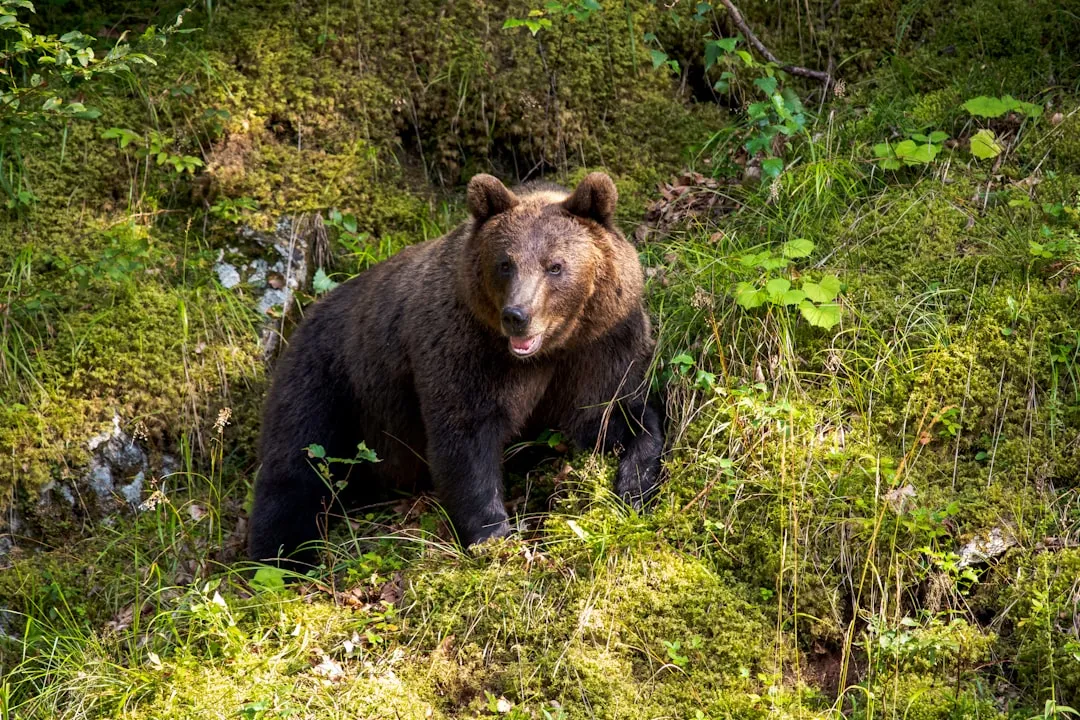
Finding a partially eaten carcass is one of the clearest and most serious signs that a bear has been feeding nearby, and you should treat it as a major red flag. Bears sometimes feed until they are full, then cover the remaining carcass with debris like leaves, soil, moss, or branches, effectively “caching” it for later. This behavior is especially associated with bigger meals like deer, elk, moose, livestock, or in coastal areas, large fish runs. If you stumble onto such a site, you may be very close to a bear that considers that food its property.
Bear feeding on carcasses often leaves a specific pattern. Large bones may be cracked or scattered. Flesh can be torn rather than neatly stripped, and large claw marks might be visible on skin or surrounding ground. In a cache, you may notice a mound of disturbed soil and vegetation, with tufts of fur or an exposed limb sticking out. The surrounding ground might be trampled, and there can be a strong, sour, or rotten odor depending on how long the carcass has been there.
If you find something like this, the safest move is usually to back away calmly but decisively, keeping an eye on your surroundings. Bears can be intensely defensive of food, especially if they are still hungry, have cubs, or feel threatened. Many close encounters and aggressive displays happen when people unknowingly approach a fresh kill or cache. In my opinion, if you ever feel tempted to “investigate a little more,” remind yourself that to a bear, you’re not exploring; you’re barging into their pantry.
#4 Ripped Open Garbage, Coolers, and Campsite Raids
🔥 Would you like to save this?
We'll email this post to you, so you can come back to it later!
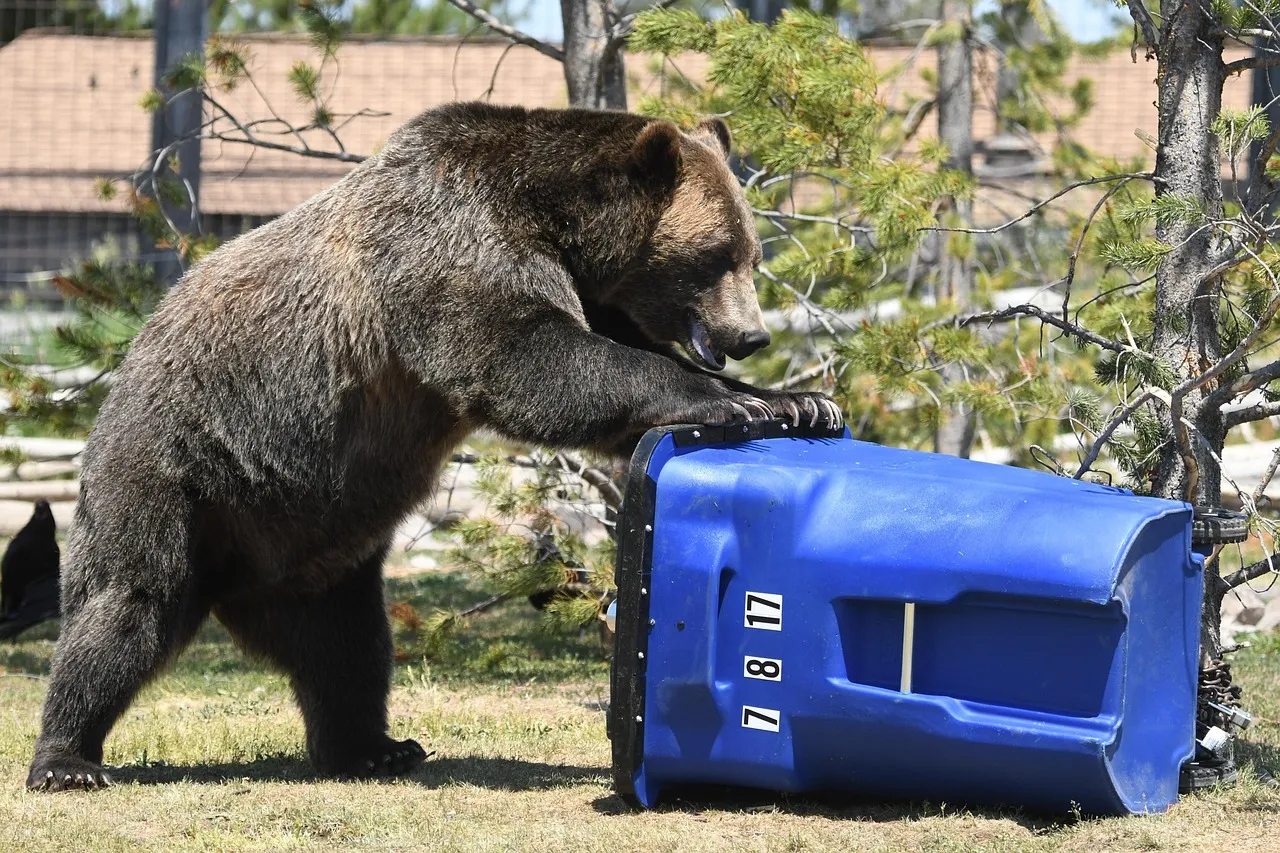
When bears learn that humans equal easy calories, the evidence is hard to miss. Torn garbage bags, ripped tents, shredded coolers, mangled car doors, and scattered food wrappers are all classic signs that a bear has been feeding in or around human use areas. Unlike wild foraging, where the clues are natural, human-related feeding sites often look like a chaotic trash explosion.
Bear damage has a distinct character. Instead of neat cuts or consistent tool marks, you see ragged tears, crushed plastic, bent metal, and deep claw or teeth punctures. Food containers might be twisted open, cooler lids broken, and anything that once smelled like food – cooking gear, scented toiletries, even canned drinks – may be dragged away or chewed. If this mess is fresh, you should assume the bear is still in the neighborhood and may come back as long as it believes food is available.
For campers and cabin users, this is more than a nuisance; it is a serious safety issue. Bears that are repeatedly rewarded by human food can become bold, even aggressive. If you arrive at a campsite with clear signs of recent bear feeding – fresh trash, clawed trees, disturbed fire pits – it might be wiser to move on, store your food with extra care, or alert local authorities. I’m personally of the opinion that once a bear has turned a campsite into a buffet, you are not “being brave” by staying; you are being bait.
- Torn trash and broken coolers signal human food conditioning.
- Deep claw and bite marks differ from typical vandalism or weather damage.
- Recent mess means the bear may return expecting more food.
#3 Claw Marks, Rub Trees, and Feeding-Related Tree Damage
🔥 Would you like to save this?
We'll email this post to you, so you can come back to it later!
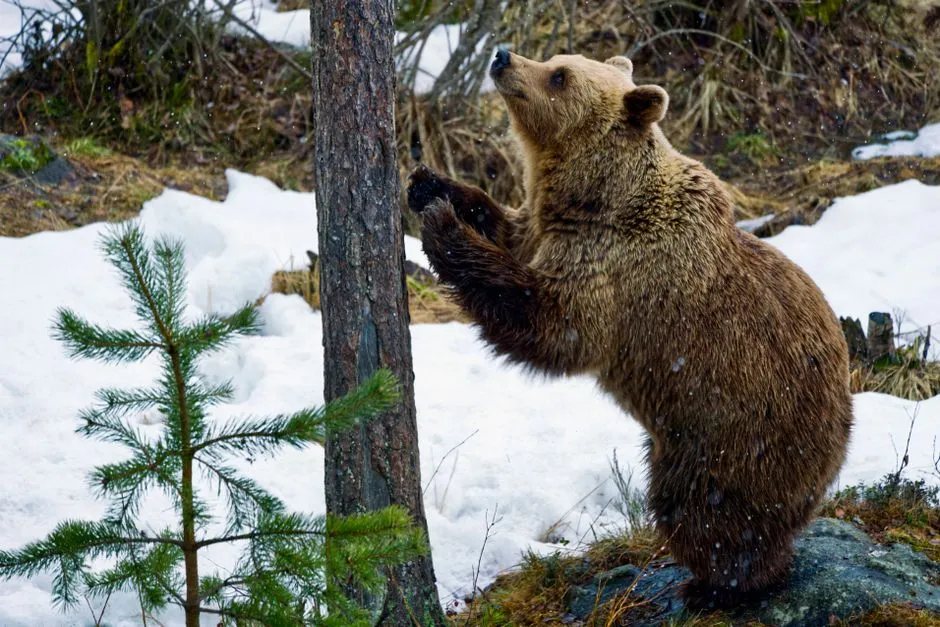
Bears use trees for more than just climbing; they scratch, bite, and rub against them, often near feeding areas. While some of this behavior is about scent marking and communication, the presence of freshly clawed or stripped bark close to food sources can hint that a bear has been feeding in the area. In berry-rich forest edges, along game trails, and near salmon streams, you may notice trees with long vertical claw marks or patches of bark peeled away.
Fresh claw marks are usually lighter in color than the surrounding bark, sometimes with sap still oozing. On soft-barked trees like aspens, willows, or some conifers, the gouges can be deep and wide, matching the spread of a bear’s paw. Sometimes you will see tufts of fur stuck to rough bark where the bear has been rubbing, perhaps after rolling in a carcass or feeding in muddy areas. These “rub trees” can become regular marking posts, especially for larger bears.
Feeding-related tree damage can also occur when bears climb to reach fruit, nuts, or bird feeders. Broken branches high up, bark scraped where a bear pulled itself up, and bent saplings may all point to a bear that was willing to work for its meal. If you spot fresh damage like this near obvious food, it is a good sign the bear is treating that area as part of its feeding routine. I tend to treat fresh clawed trees near food sources like silent warning signs: someone bigger and hungrier has been here recently.
#2 Strong Musky Odors and “Bear Smell” Near Food Sources

🔥 Would you like to save this?
We'll email this post to you, so you can come back to it later!
Before you see anything, sometimes you smell it. Bears can carry a very distinctive odor, often described as musky, oily, or a mix of wet dog and forest duff. In active feeding areas – especially where a bear has been feeding on fish, carcasses, or around garbage – that smell can mix with rotten meat, sour leftovers, or the heavy scent of disturbed soil and vegetation. If you step into a pocket of air that suddenly smells animal-heavy and wrong for the setting, take it seriously.
Near carcasses or caches, the smell can be intense. Rotting flesh has a sharp, unmistakable stink, and when combined with bear musk it can feel like it hits the back of your throat. Around human food sources, you might notice the sour-sweet odor of old food mixed with something wild and rank. In berry patches or grassy feeding meadows, the smell may be subtler but still present, especially on hot, still days when scents hang low.
Of course, smell is subjective and wind plays games. But if you suddenly catch a strong wild-animal scent along with any of the other signs – tracks, scat, torn logs, trampled vegetation – that should raise your alert level. I trust my nose more than I used to; that sudden whiff of something musky has made me stop, listen harder, and sometimes quietly turn around. In my view, if the forest smells like a big, unwashed predator mixed with last night’s leftovers, you do not need to wait for visual confirmation to act cautiously.
- Musky, oily animal smell can signal a nearby bear.
- Rotten or sour odors often combine with bear scent at feeding sites.
- Use smell plus other signs to judge how active an area is.
#1 Fresh Activity Around Natural Food Hotspots

🔥 Would you like to save this?
We'll email this post to you, so you can come back to it later!
The most powerful sign that a bear has been feeding nearby is not just a single clue, but a cluster of fresh activity around a known natural food hotspot. Bears are opportunistic, but they are also predictable in one way: they go where the calories are. Salmon runs, spawning streams, berry-covered slopes, nut-producing forests, cornfields, orchards, and alpine meadows rich in roots and tubers all act like magnets during the right season.
When a bear is working a hotspot, you often see multiple signs layered on top of each other. Along a salmon stream, there might be fish carcasses with bite marks, half-eaten heads, trampled banks, muddy paw prints, and scat full of fish parts. In a berry hillside, you may notice wide swaths of trampled shrubs, branches broken down, big deposits of berry-studded scat, and paths beaten into the vegetation. In agricultural areas, corn stalks may be pushed over in large swaths, with cobs torn apart and husks scattered.
This is where pattern recognition comes in. A single track or one old log might be a passing bear. But when you see fresh tracks, recent scat, disturbed vegetation, and clear feeding sign all in one zone, you are likely standing in the middle of an active feeding ground. In that case, the smart move is usually to give the area space, make noise as you leave so you do not surprise any nearby bear, and choose a different route or campsite. I firmly believe that respecting these hotspots is one of the most practical ways to coexist with bears: let them eat in peace, and stay out of the way of their dinner table.
Conclusion: Reading the Forest Like a Bear Warning System
🔥 Would you like to save this?
We'll email this post to you, so you can come back to it later!
Once you know what to look for, the woods stop being just “pretty trees” and start looking like a storybook written in tracks, torn bark, and overturned logs. Fresh prints heading toward a berry patch, shredded stumps, seedy piles of scat, and that musky, animal-heavy smell are not random details. Together, they are a living warning system telling you a bear has been feeding nearby – and might still be close.
The truth is, I am not a fan of the romantic idea that we should be fearless in bear country. Bears are powerful wild animals with their own priorities, and at the top of that list is food. When you spot clear feeding signs, the respectful and practical response is to change your behavior: back off a carcass site, move camp away from raided trash, leave heavily worked berry patches to the bears, and store your own food so you are not accidentally adding to the buffet.
In a way, learning these nine signs is about humility. It is admitting that out there, we are guests in someone else’s kitchen. If we pay attention, we can walk safely, give bears the space they need to eat, and still enjoy wild places without turning every hike into a gamble. Next time you step onto a trail and notice a torn log, a cluster of tracks, or a sudden musky smell, will you shrug it off – or will you read it for what it is and choose the smarter path?

- 7 Everyday Habits That Can Make Your Senior Dog Happier - November 5, 2026
- 10 Enigmatic Structures That Continue to Puzzle Scientists Today - November 5, 2026
- 10 Strange Ruins in the Americas That Challenge What We Know About Early History - November 5, 2026