
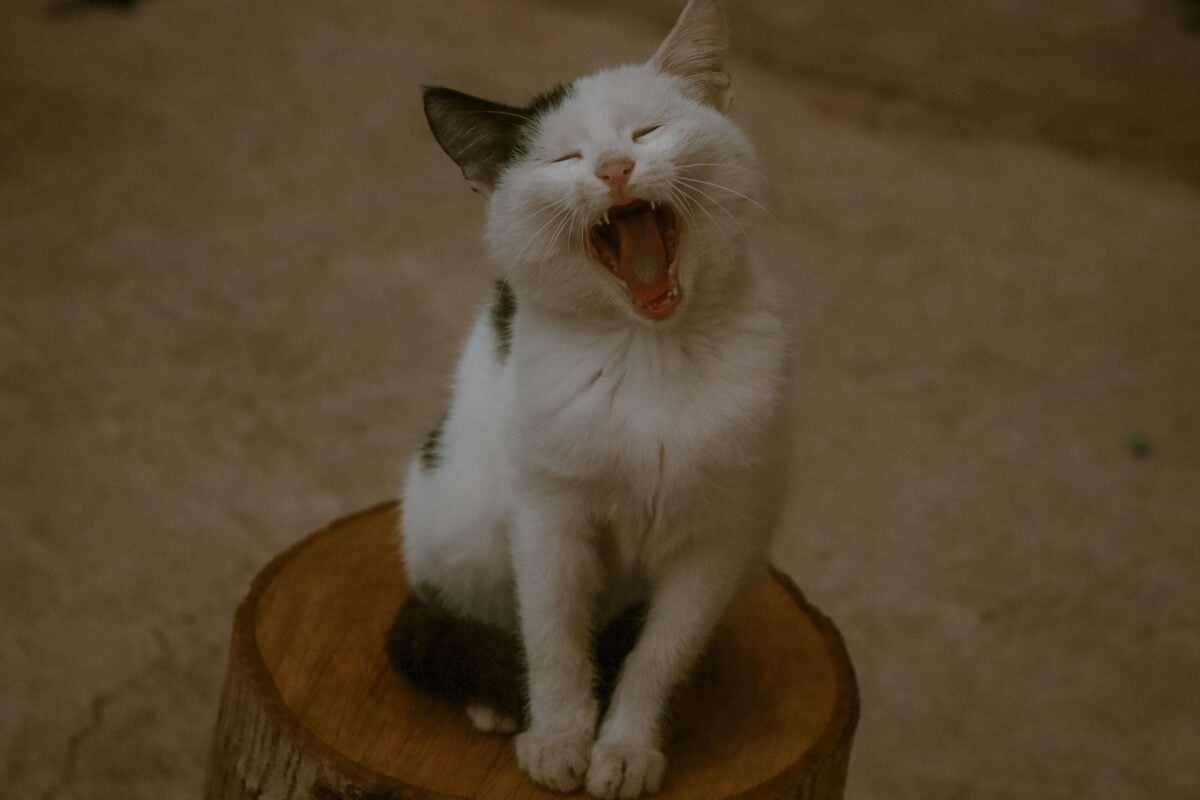
If cats could write reviews, a lot of them would probably rate their humans as “loving, but a bit clueless.” We buy the cute toys, splurge on the fancy bed, then watch them ignore all of it and sit in an old cardboard box like it’s a luxury condo. The truth is, cats live in a world of subtle details we often miss, and tiny tweaks to that world can make a huge difference to their mood and health.
I still remember when I finally realized my own cat didn’t hate me; she just hated the way her environment was set up. One or two changes at a time transformed her from a grumpy roommate into a relaxed, purring shadow. You do not need to remodel your home or buy half a pet store. With a handful of small, science-backed changes, you can give your cat a richer life that feels safer, more interesting, and more respectful of who they are.
#1: Create Vertical Highways, Not Just Floor Space
🔥 Would you like to save this?
We'll email this post to you, so you can come back to it later!
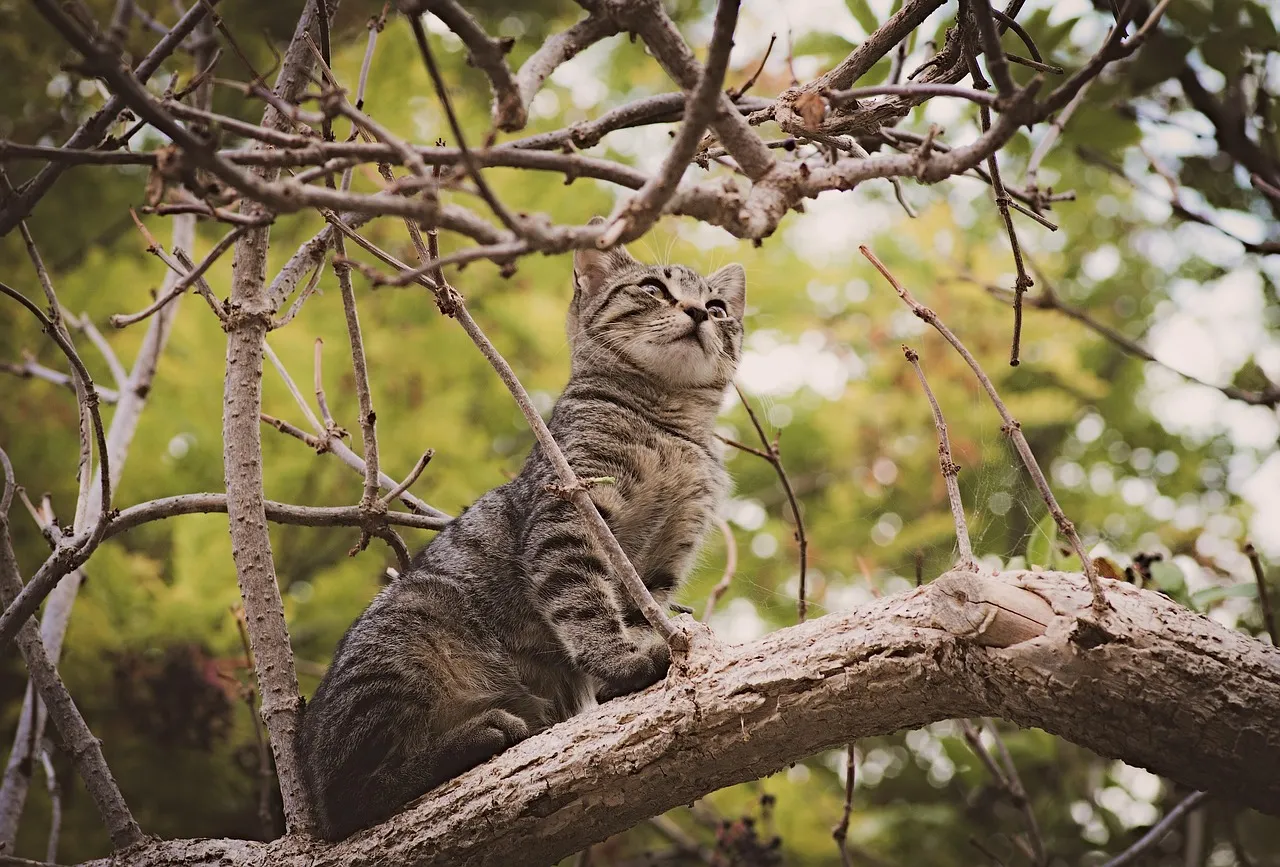
Here’s something that shocks a lot of people: many cats feel more secure above your eye level than at your feet. In nature, felines often seek high vantage points to watch for threats and opportunities, and that instinct does not disappear just because they live in an apartment. When a cat can climb, perch, and observe from above, they control how close they are to noise, people, and other animals, which lowers their overall stress.
You do not have to turn your living room into a jungle gym to make this work. A couple of sturdy bookshelves with clear landing spots, a tall scratching post with a perch, or a window-mounted shelf with a soft blanket can become your cat’s personal balcony. Think of it as building “vertical highways” they can travel instead of being stuck on the floor like a pedestrian while the rest of the house moves around them.
#2: Upgrade Mealtime Into a Mini Hunting Adventure
🔥 Would you like to save this?
We'll email this post to you, so you can come back to it later!
If your cat is eating from a bowl that looks like a tiny cereal dish, you’re missing an easy happiness upgrade. Cats are natural hunters, and in the wild they’d work for many small meals scattered through the day, not two big piles of food dropped into a dish. When we feed them the same way every time, from the same spot, it’s convenient for us but boring for them, both mentally and physically.
You can tap into that ancient predator brain with a few simple tweaks: puzzle feeders, snuffle mats, or small portions of kibble hidden in different safe spots. Even scattering some of their dry food around a room so they “forage” a bit can turn feeding time into a short, enriching game. It’s the difference between a person mindlessly eating on the couch and someone enjoying a walk to a favorite café; the destination is food, but the experience feels completely different.
#3: Offer Multiple Safe Zones, Not Just One Bed
🔥 Would you like to save this?
We'll email this post to you, so you can come back to it later!
We love the idea of one perfect cat bed where they curl up every night like a cartoon, but real cats rarely behave that neatly. They have shifting needs depending on temperature, noise, mood, and who else is home. A single sleeping spot can feel like having only one chair in an entire house; sometimes it fits, but often it does not match how they feel right then.
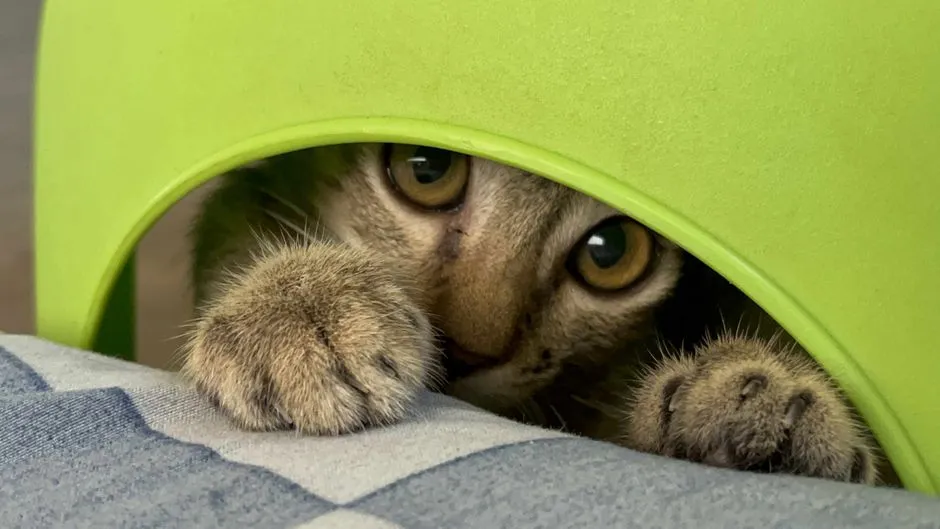
Try placing a few different “safe zones” around your home: a cozy covered spot for hiding, a soft blanket in a quiet corner, a perch near a window, and maybe a box or carrier left open with bedding inside. When cats can choose among options, they feel more in control, and that sense of choice is deeply calming. You may be surprised how much friendlier and more relaxed a cat becomes once they know they can retreat on their own terms whenever they want.
#4: Respect the Litter Box as Non‑Negotiable Territory
🔥 Would you like to save this?
We'll email this post to you, so you can come back to it later!
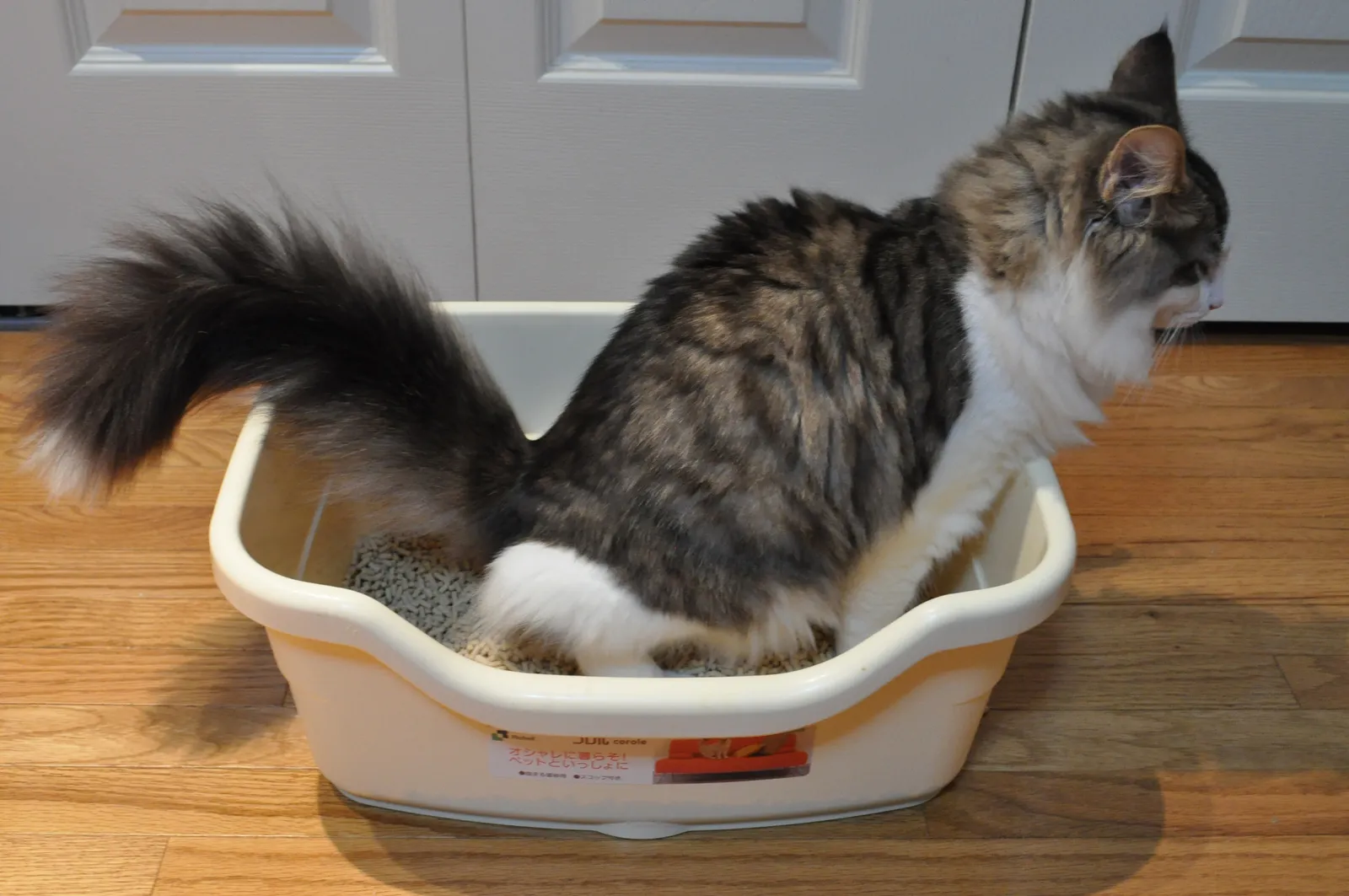
Nothing wrecks a cat’s happiness faster than a litter box situation that feels unsafe, smelly, or hard to reach. From a cat’s point of view, eliminating is a vulnerable moment, and if the box is in a loud laundry room, next to a boisterous dog, or cleaned too rarely, they may begin to associate it with stress. That can snowball into health issues and behavior problems that are miserable for both of you.
Small tweaks here go a long way: one box per cat plus one extra, boxes in quiet low-traffic areas, and litter that is unscented and soft on the paws. Scoop at least once a day and fully clean the box regularly, even if you think it looks “fine.” Imagine using a bathroom where the door might fly open, the lights flicker, and the floor is not cleaned very often; you would avoid it too. When you treat the litter box like sacred territory, your cat’s comfort and confidence usually jump.
#5: Rotate Toys Instead of Leaving Everything Out
🔥 Would you like to save this?
We'll email this post to you, so you can come back to it later!
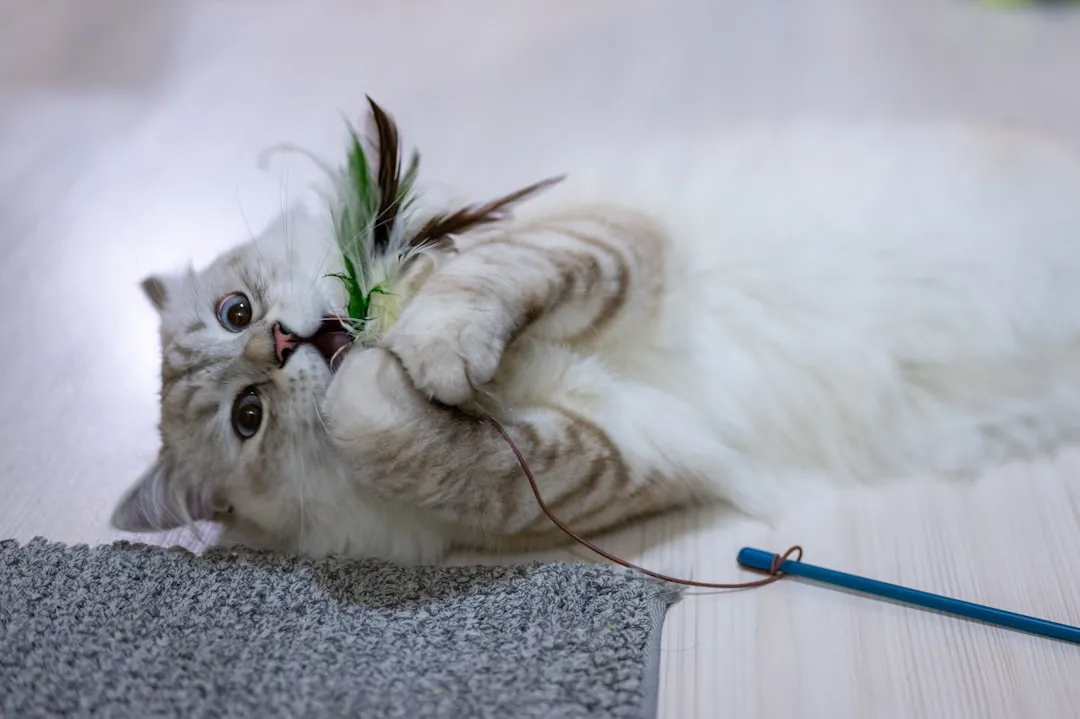
Have you ever noticed how a brand‑new toy is thrilling for two days and then suddenly invisible? Cats experience a kind of sensory fatigue when the same objects are always available and never change. Their brains are wired to notice novelty and motion, so when everything becomes familiar background, it may as well not exist at all.
A simple toy rotation can make old toys feel new again. Keep a small stash hidden and only offer a few items at a time, swapping them every few days or once a week. Feather wands, crinkly balls, soft kickers, and even crumpled paper can become exciting again if they show up and disappear like mysterious prey. Think of it like streaming shows: if the same episode is always playing, you stop caring, but when something different appears, your interest wakes up.
#6: Build Predictable Routines With Tiny Daily Rituals

🔥 Would you like to save this?
We'll email this post to you, so you can come back to it later!
Cats may look aloof, but most of them are quietly obsessed with predictability. Sudden changes in feeding time, playtime, or who is coming and going can leave them on edge, even if they never hiss or hide. Their internal clocks are finely tuned, and when daily life feels chaotic, they respond with tension, overgrooming, clinginess, or withdrawal.
Creating small, reliable rituals can transform that underlying anxiety. Five minutes of play before breakfast, a short grooming session in the evening, or gentle petting at the same time each day can anchor their emotional world. I’ve seen nervous cats relax dramatically once they realize, almost like a child learning a bedtime routine, that certain comforting things happen in the same order. You do not have to schedule their entire life – just thread in a few consistent moments they can count on.
#7: Enrich Their Senses With Safe Indoor “Nature”
🔥 Would you like to save this?
We'll email this post to you, so you can come back to it later!
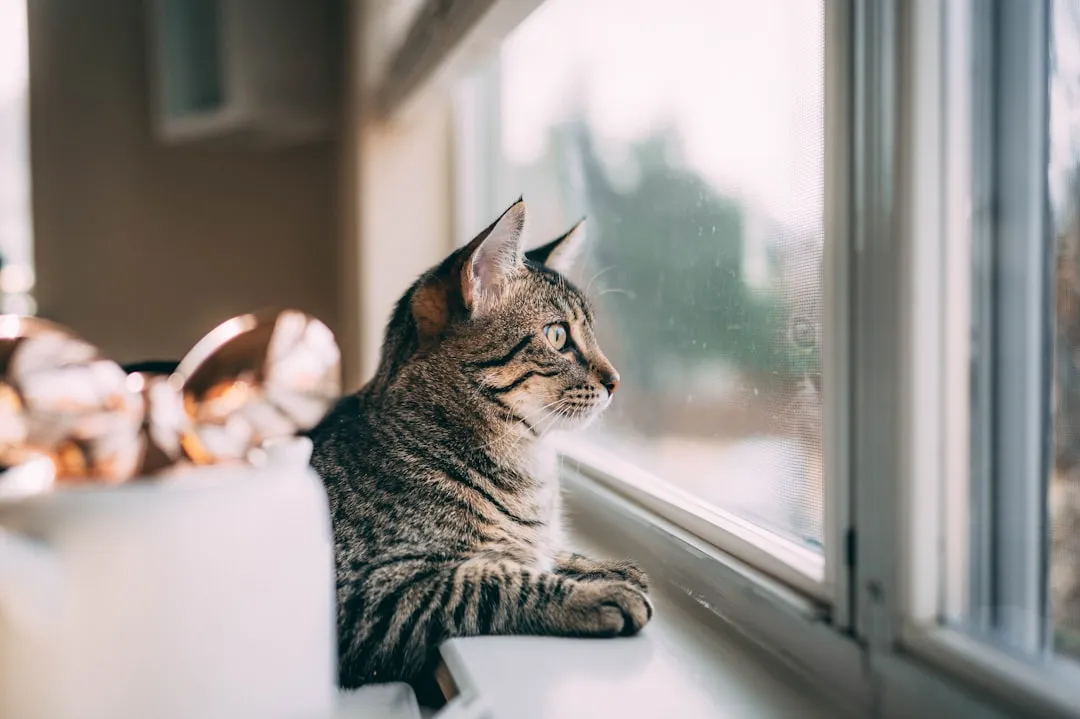
Indoor cats avoid a lot of outdoor dangers, but they also miss out on the flood of sensory input that makes the outside world so fascinating. The smell of leaves, the sound of birds, the feel of different textures under their paws – all of that feeds a brain that evolved to explore rich, changing environments. When their world is mostly the same furniture, same smells, and the same silence, life can feel flat.
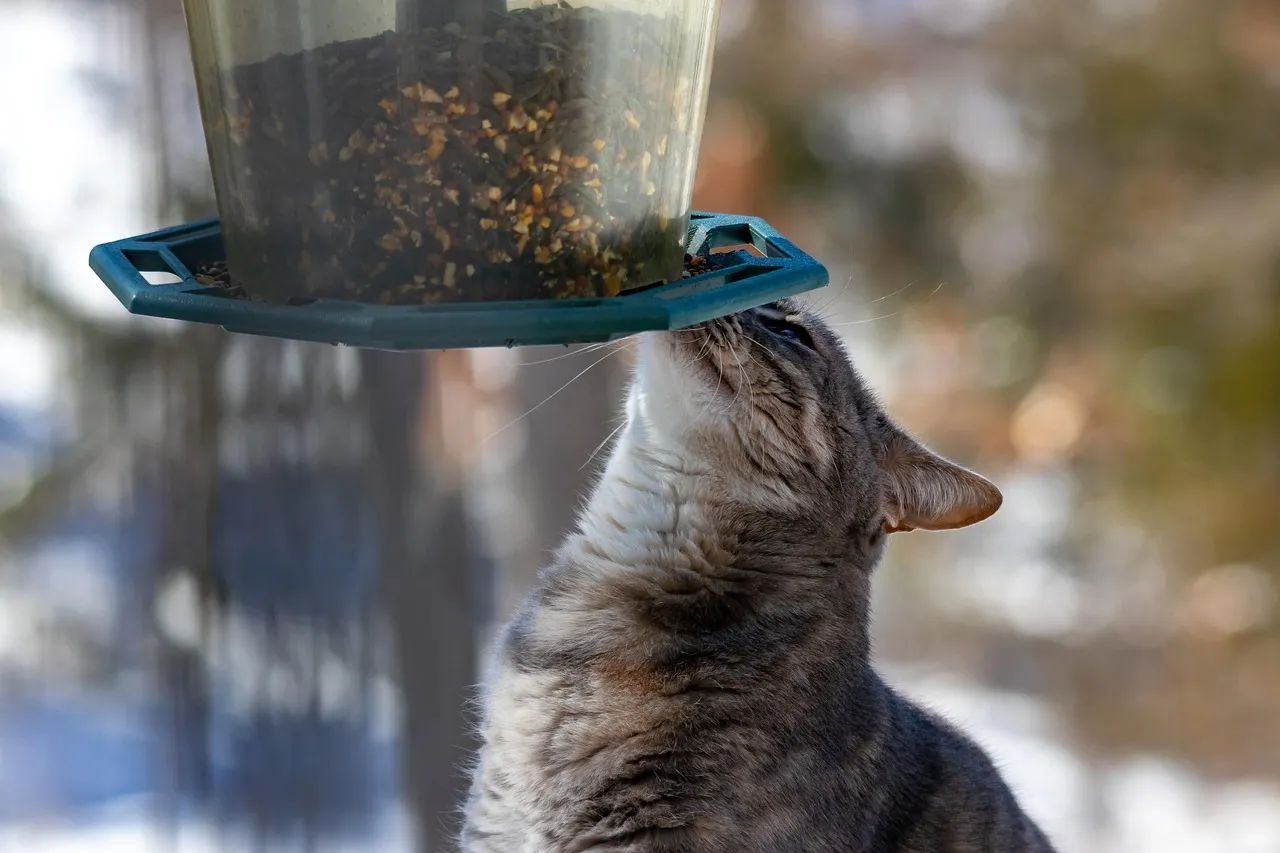
You can bring safer versions of “nature” indoors without turning your home into a greenhouse. Cat‑safe plants, bird feeders visible through a window, different scratching materials, and occasional new scents on a towel or toy can all wake up their senses. Even simple changes like opening a screened window for fresh air (when safe) or playing nature sounds for a short while can be surprisingly stimulating. It is like giving them a brief vacation for the brain without ever leaving the living room.
#8: Learn Their Body Language and Honor Their Boundaries

🔥 Would you like to save this?
We'll email this post to you, so you can come back to it later!
One of the most powerful happiness boosters costs nothing: paying closer attention to what your cat is actually telling you. A twitching tail, flattened ears, or a stiffened back are early warning signs that they are uncomfortable, but humans often miss or ignore them. When cats learn that their subtle “no thanks” is not respected, they may escalate to swatting, biting, or simply shutting down and avoiding contact.
Start treating their smallest signals as real communication. If their tail starts flicking while you pet them, pause and give them space; if they choose to sit near you but not be touched, accept that as their version of companionship. Over time, a cat who sees their choices respected will usually offer more affection, not less, because they trust you not to push past their limits. It is a bit like any relationship: when you feel heard, you are far more willing to open up.
#9: Prioritize Preventive Vet Care and Pain Management
🔥 Would you like to save this?
We'll email this post to you, so you can come back to it later!
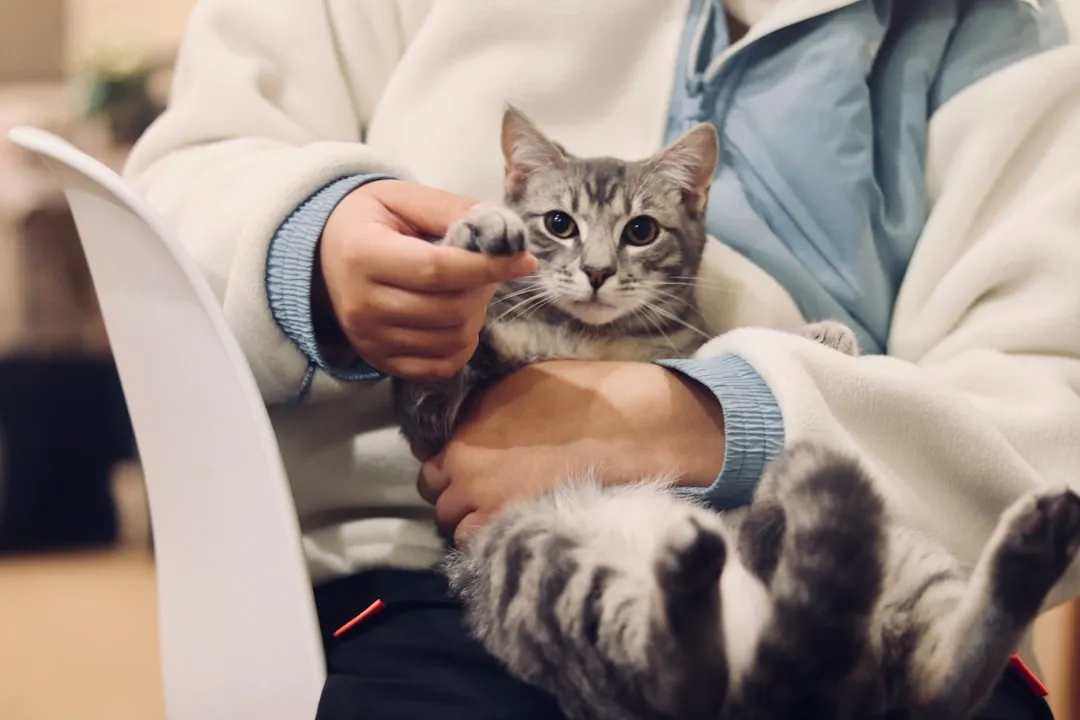
Many cats suffer in silence because they are experts at hiding pain and discomfort. Stiff joints, dental disease, or low-level digestive issues may show up only as subtle changes: sleeping more, playing less, grooming awkwardly, or avoiding jumping onto places they once loved. It is easy to dismiss these as normal aging or personality shifts, but often there is a treatable medical reason underneath.
Regular vet checkups, dental care, and honest conversations about behavior changes are not just about avoiding emergencies; they are about protecting your cat’s day‑to‑day quality of life. Simple interventions – from weight management and joint supplements to dental cleanings or pain relief – can turn a “grumpy” senior into a comfortable, curious companion again. I have seen older cats suddenly return to favorite high perches once their pain was addressed, like someone turning the color back up on their world.
Conclusion: Happiness Is in the Quiet Details

🔥 Would you like to save this?
We'll email this post to you, so you can come back to it later!
When you step back, most of these changes have one thing in common: they ask us to see the world from a cat’s point of view, not our own. Happiness for them is not about matching our idea of a spoiled pet, but about safety, choice, predictability, and a steady stream of small, interesting challenges. It is less like buying a single big present and more like adjusting a dozen tiny dials until everything feels right for that particular animal.
My own opinion, after years of trial and error, is that a truly happy cat is usually a quietly confident one: not always in your lap, not always on edge, but moving through the house like it belongs to them and you are a trusted roommate. If you pick just one or two of these small changes to start with, you will probably see shifts in their behavior that tell you you’re on the right track. And once you notice how much difference the little things make, you may never look at that cardboard box – or that high shelf – the same way again. Which change are you going to try first?

- Embracing the Quiet Magic of Adopting a Senior Dog - November 5, 2026
- Scientists May Have Miscalculated Our Global Warming Timeline - November 5, 2026
- Marine Biology Says When Dolphins Suddenly Go Silent in Open Water It's Not Rest – They've Detected a Predator You Cannot See and Their Survival Strategy Reveals How They Read Danger - November 5, 2026