

There’s something quietly electrifying about hearing wings before you see them. In the mountains, that feeling is amplified: echoes of bird calls bounce between peaks, tiny flashes of color streak past dark pines, and the sky suddenly feels very alive. If you’ve ever watched a hummingbird hover at eye level at sunrise or seen a raptor ride a thermal above an alpine valley, you know that birdlife can completely change how a place feels.
The nine small mountain towns below sit inside some of the richest bird habitats on Earth. They’re not just pretty places with a few songbirds; they’re gateways into migration highways, high-elevation forests, wetlands, and cliffs that host everything from jewel-like hummingbirds to powerful eagles. Think of them as real-life nature documentaries you can step into, whether you’re a hardcore birder with a life list or just someone who loves the sound of wild mornings.
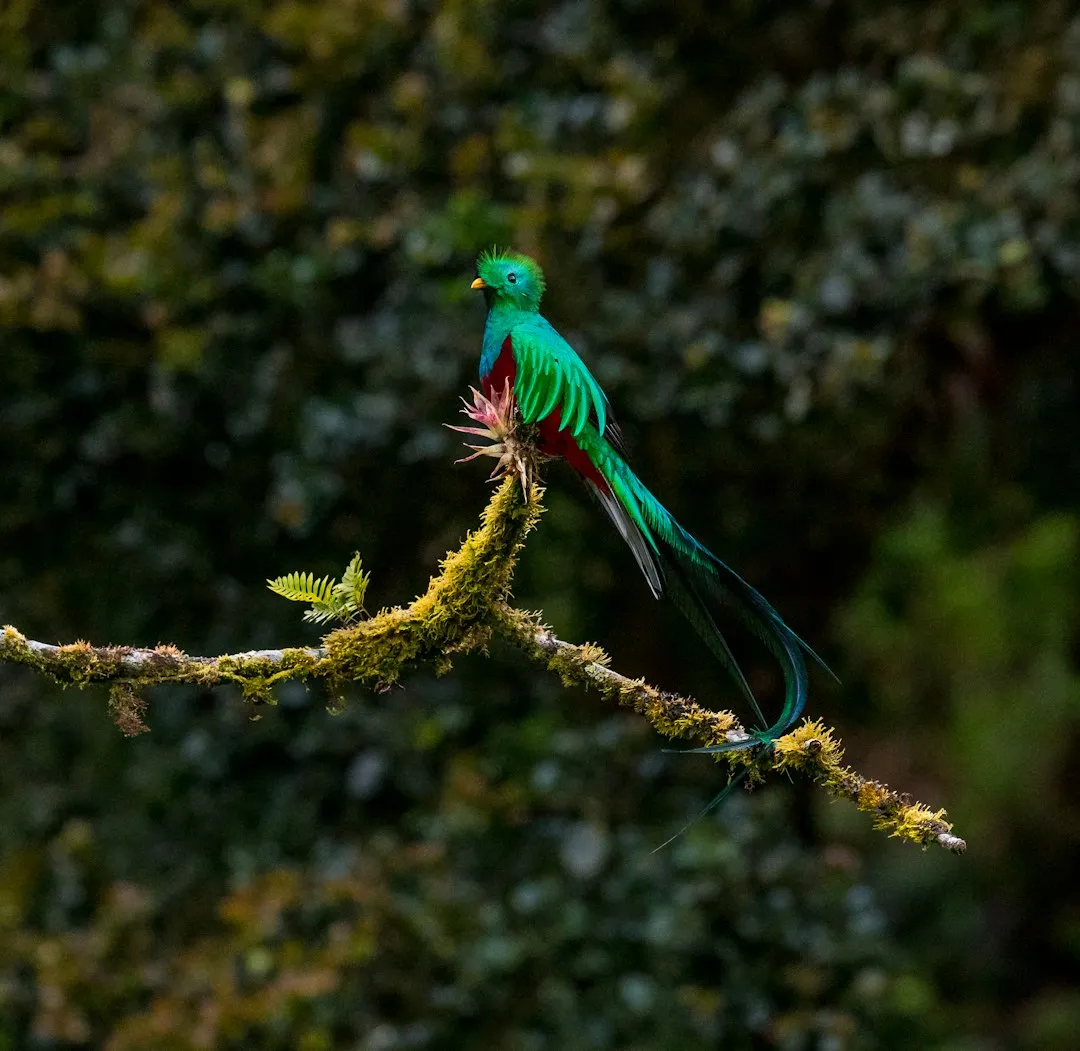
Boquete, Panama – Hummingbird Highways and Resplendent Quetzals
🔥 Would you like to save this?
We'll email this post to you, so you can come back to it later!
Boquete is tucked into the cloud-forested slopes of Volcán Barú, and the air here feels almost busy with wings. The town sits near altitudes where cloud forest, coffee farms, and secondary woodland overlap, which creates a dense mosaic of food and shelter for birds. That’s one reason people travel here specifically hoping to glimpse the resplendent quetzal, a striking forest bird that has become almost mythic among birdwatchers.
You don’t have to hike deep into the forest to feel the birdlife, though. Around Boquete, feeders often attract multiple hummingbird species in a single view, while tanagers and honeycreepers flash through coffee plantations like moving jewels. Local guides know micro-habitats absurdly well: one narrow ravine might be a reliable spot for quetzals, another for trogons, another for mixed flocks of warblers. If you like your mornings cool, misty, and full of birdsong, Boquete makes it hard to leave.
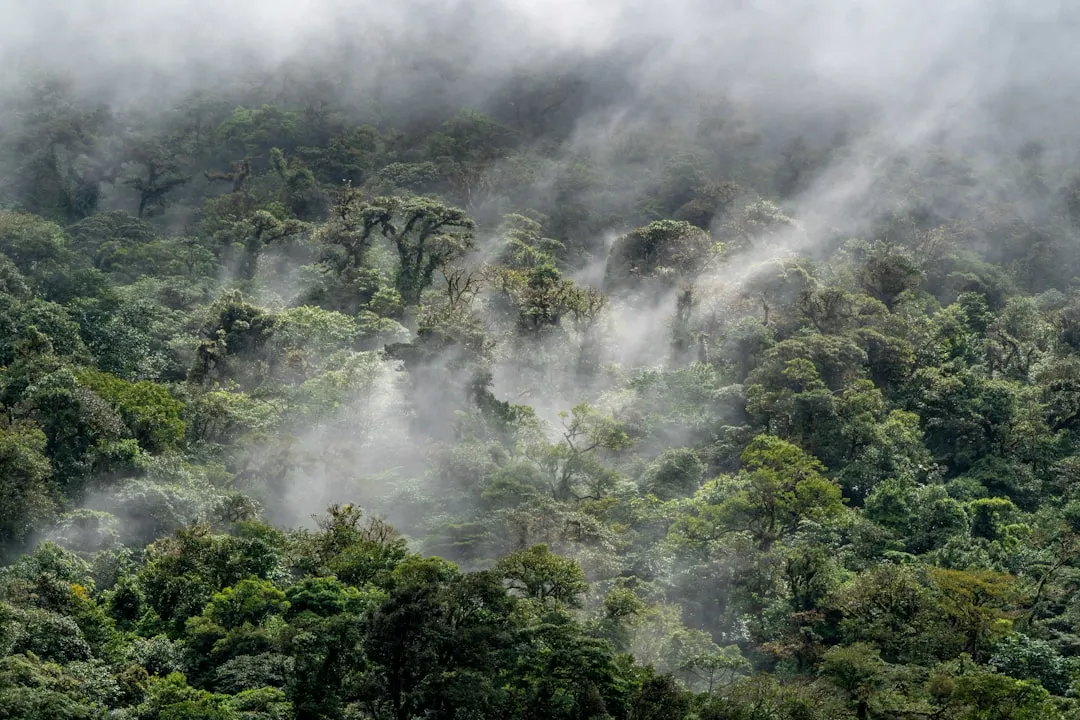
Mindo, Ecuador – Cloud Forest Capital of Neo-Tropical Birding
🔥 Would you like to save this?
We'll email this post to you, so you can come back to it later!
If there were an unofficial capital of small-town birding in the Andes, Mindo would be in the running. This laid-back village sits in a cloud forest hotspot where elevation, humidity, and topography combine to support a staggering range of species. Birders routinely log over a hundred species in a single, long day here, and that is not marketing fluff; it’s the result of stacking multiple habitats in a pretty small area.
What makes Mindo particularly fun is how accessible the spectacle feels. Roads and trails radiate out to lodges with fruit and nectar feeders, where toucans, tanagers, and hummingbirds come within a few arm lengths. Short walks take you from river corridors where kingfishers hunt to forest edges where antbirds, manakins, and flycatchers patrol the undergrowth. It’s the kind of town where seeing a rare species on a random roadside power line is just another Tuesday, and the line between “hardcore birder” and “curious visitor with binoculars” quickly blurs.
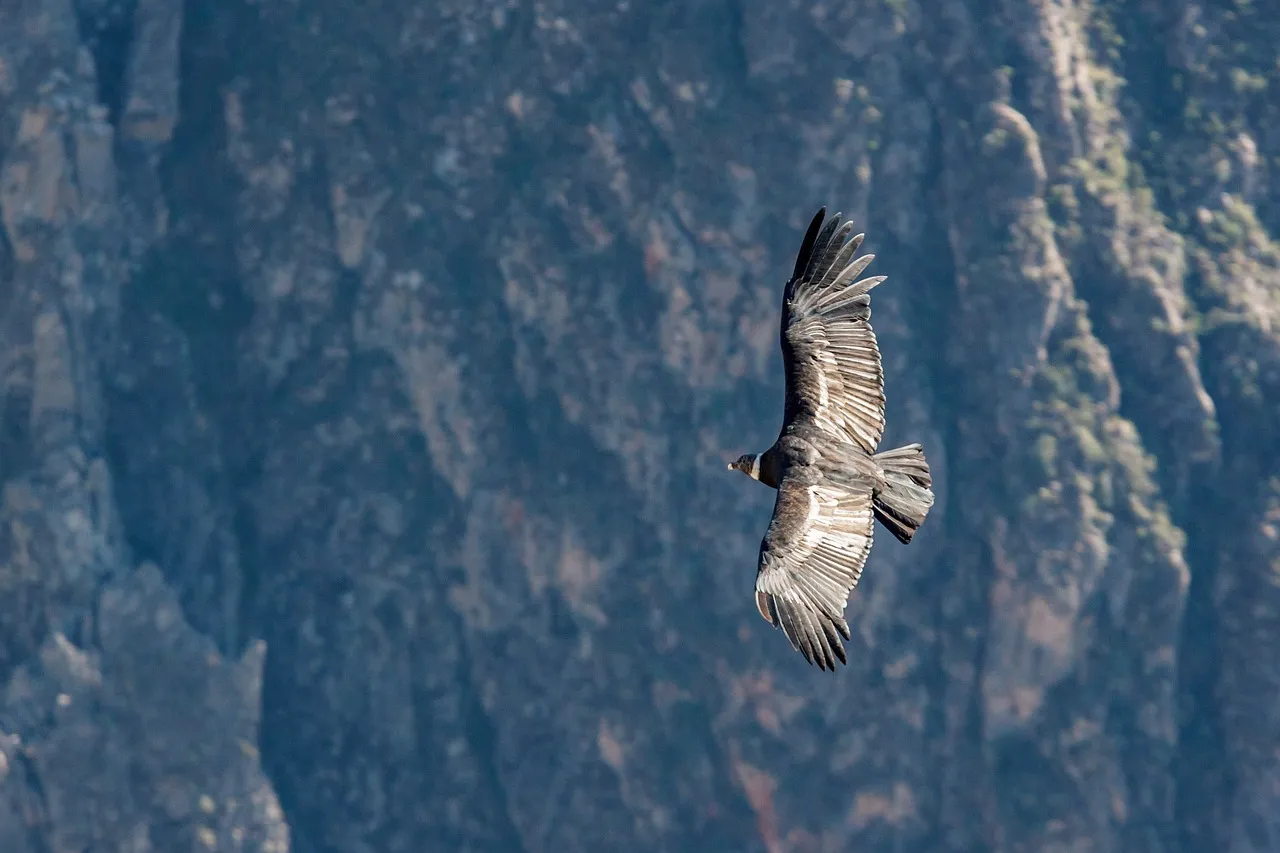
El Chaltén, Argentina – Raptors Over the Patagonian Peaks
🔥 Would you like to save this?
We'll email this post to you, so you can come back to it later!
El Chaltén is best known for jagged Patagonian granite and serious trekking, but look up and you’ll realize the sky is almost as dramatic as the skyline. The town is ringed by cliffs, glacial valleys, and windswept steppe, all of which form perfect stage sets for large birds of prey. Caracaras patrol the plains, Andean condors soar above the ridges, and kestrels seem to hang motionless in the fierce Patagonian winds.
Even if you never stray far from town, ravens, finches, and ground-tyrants animate the scrubby hillsides, while the river corridors bring in waterfowl and shorebirds. Venture onto the classic hiking routes, and you add high-elevation habitats where condors frequently cruise by at eye level or below. El Chaltén feels raw compared with forested birding hotspots, but that’s the appeal: the birdlife here is as tough and elemental as the landscape itself, and seeing a condor tilt its wings in a gust feels like watching the weather grow a spine.
Haines, Alaska, USA – Bald Eagles and Coastal-Mountain Drama

🔥 Would you like to save this?
We'll email this post to you, so you can come back to it later!
Haines is the kind of small town where mountains just rise straight out of the water, and for birds, that collision of ocean, river, and steep terrain is pure opportunity. Rivers bring salmon, salmon bring carcasses, and carcasses bring bald eagles in almost ridiculous numbers, especially in late autumn. During peak seasons, the sight of dozens of eagles scattered across a gravel bar or lining the branches of riverside trees hardly feels real.
Beyond the headline eagle gatherings, the broader habitat mosaic keeps the area interesting for birders most of the year. Coastal mudflats pull in shorebirds during migration, spruce forests shelter crossbills, chickadees, and woodpeckers, and higher slopes host ptarmigan and other hardy specialists. Haines is also a reminder that “birding town” does not have to mean tropical: the drama here is cold, tidal, and sometimes harsh, but the birds have adapted so well that you end up respecting the toughness behind every wingbeat.
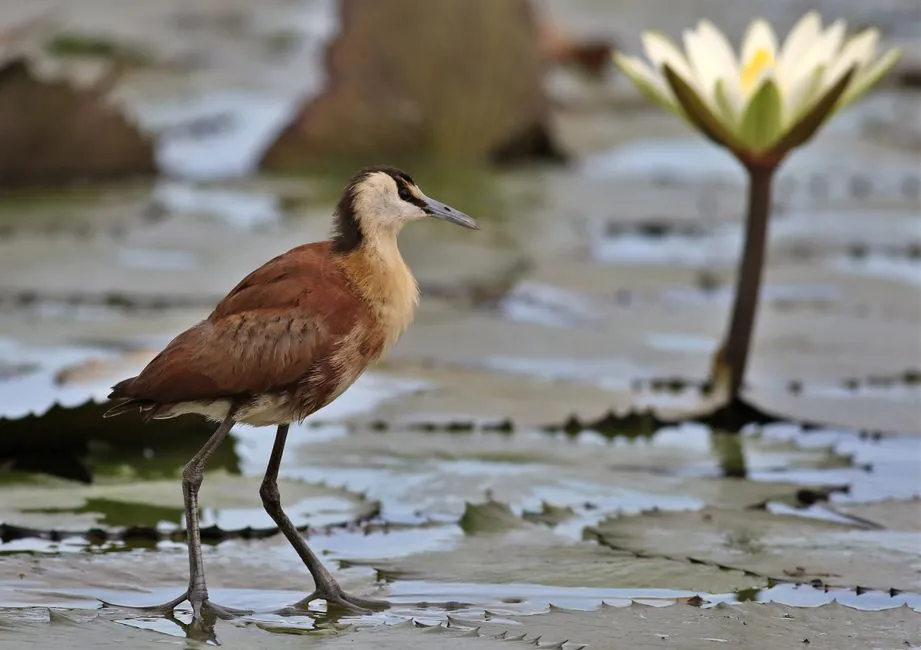
Kasane, Botswana – A River Town on a Flyway Crossroads
🔥 Would you like to save this?
We'll email this post to you, so you can come back to it later!
Kasane may not be high in the mountains the way alpine villages are, but it sits among elevated plateaus and rocky rises above the Chobe River, and that slight height over the floodplain changes everything. You get big horizons, dry woodland, and water all in one shot, which for birds is like an all-inclusive resort. River cruises glide past kingfishers, bee-eaters, and herons, while fish eagles call from trees above the banks.
Move away from the river into the surrounding uplands, and you shift into savanna and woodland that pull in hornbills, cuckoos, rollers, and an impressive cast of raptors. Seasonal changes are dramatic: during wet periods, temporary pans and marshy areas explode with waders and waterbirds, while the dry season concentrates everything along permanent water. Kasane is also a vivid example of how birdlife follows edges – edges of water, forest, and elevation – and the town just happens to sit at several of those edges at once.
Jispa, India – High Himalaya Birding on the Road to Ladakh
🔥 Would you like to save this?
We'll email this post to you, so you can come back to it later!
Jispa is a small, quiet settlement along the Manali–Leh route in the Indian Himalaya, and it feels more like a base camp than a town. That stripped-down feeling works in birds’ favor, though, because the valley around Jispa transitions quickly from riverside willows to steep slopes and rocky cliffs. If you’re used to lush lowland forests, the first surprise is how many birds use these seemingly barren high places.
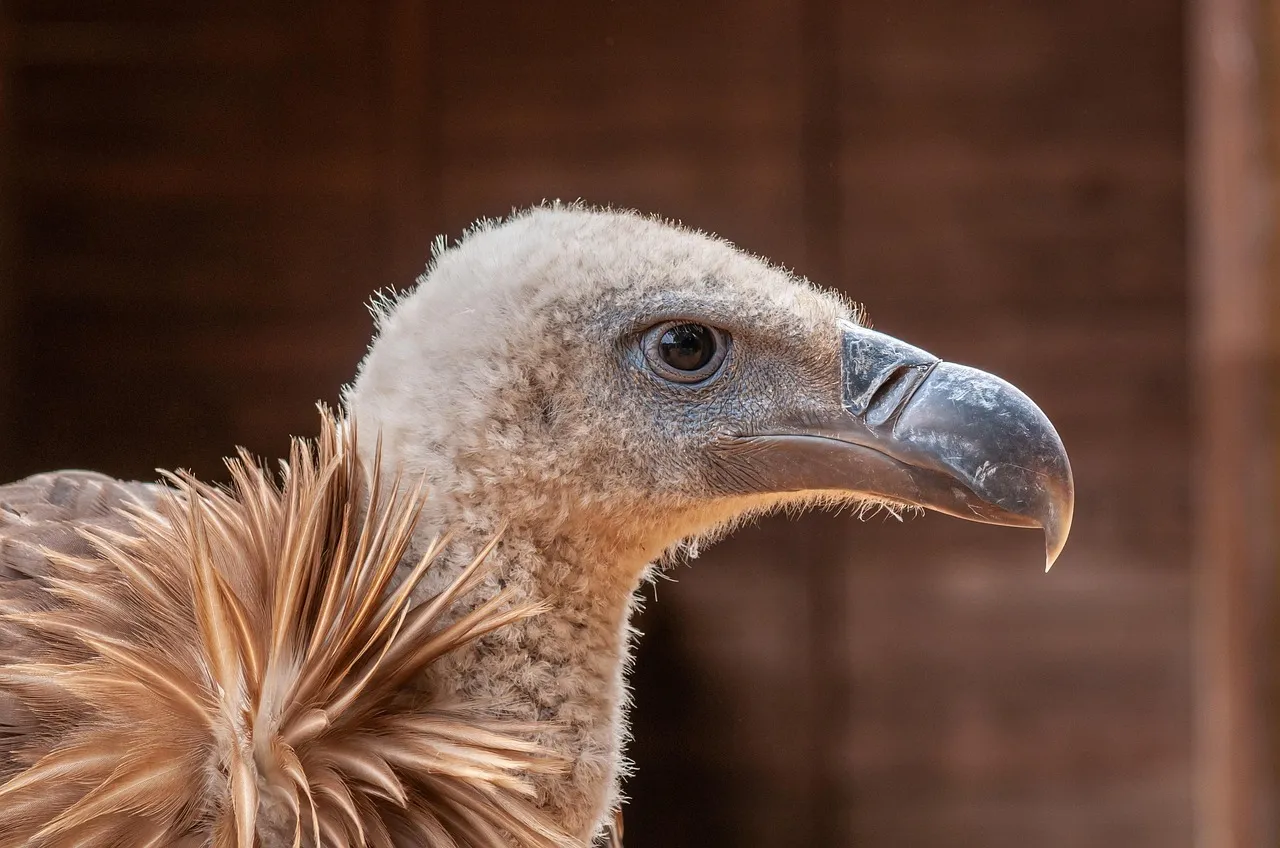
Here you start getting into the realm of high-elevation specialists: accentors, rosefinches, redstarts, and, if you’re very lucky, species like Himalayan griffon vultures circling on far-off thermals. The river corridor brings in dippers and wagtails, turning even small bridges into decent birding spots. Jispa illustrates that “incredible birdlife” is not always about huge numbers or bright colors; sometimes it’s the improbable existence of anything living at these altitudes that makes every sighting feel like an event.
Franschhoek, South Africa – Cape Fynbos and Vineyard Flycatchers
🔥 Would you like to save this?
We'll email this post to you, so you can come back to it later!
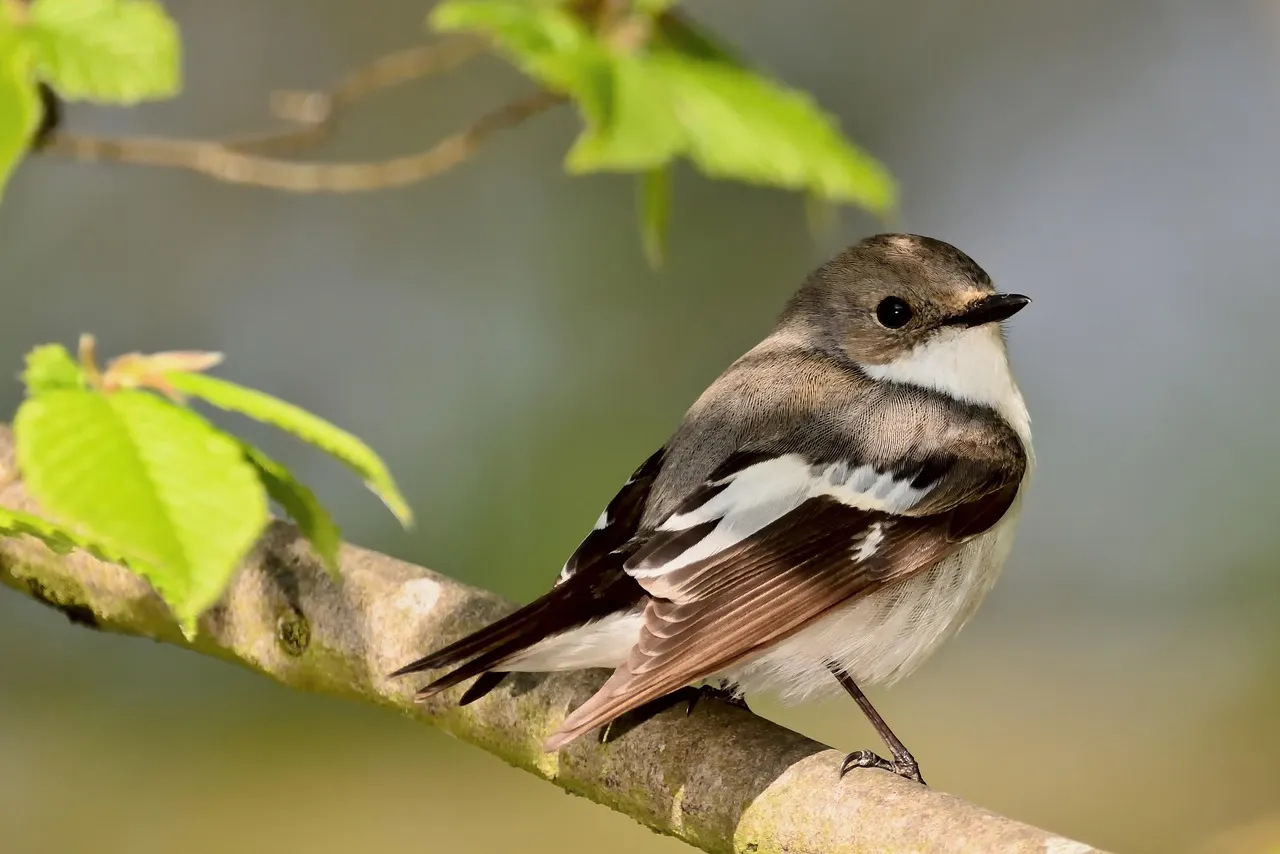
Franschhoek is framed by rugged Cape mountains and carpeted in a mix of vineyards and fynbos, the unique shrubland that South Africa is famous for. Fynbos might look low and scrubby at first, but it hosts a suite of highly specialized birds that you simply do not see elsewhere. Sunbirds, sugarbirds, and other nectar feeders move between protea blooms like living sparks, especially in cooler hours when the light softens along the slopes.
Because the town is so compact, you can quite literally walk from a sidewalk café into quality habitat in minutes. Vineyards, orchards, and riverine strips add layers of diversity, attracting weavers, bulbuls, and raptors that patrol from nearby cliffs. Franschhoek is a fascinating example of how intensive human use – wines, tourism, restaurants – can sit next to a globally significant plant kingdom and still leave space for memorable birding, as long as natural patches and corridors are allowed to persist.
Interlaken, Switzerland – Alpine Lakes and Cliffside Specialists

🔥 Would you like to save this?
We'll email this post to you, so you can come back to it later!
Interlaken sits between two glacial lakes with steep mountains rising on all sides, and even though it’s a popular tourist hub, birds have not gotten the memo that this is supposed to be a people place. The combination of sheer rock faces, forested slopes, and open lakes creates a vertical buffet of niches. On a single day, you might watch swifts screaming along cliff edges, ducks dabbling along the shore, and raptors hunting in the thermals above town.
Walk a little out of the center and you’ll hit quieter trails where woodpeckers drum in mixed forests, nutcrackers feed in conifer stands, and alpine choughs swoop near higher lookout points. The lakes pull in migrating waterfowl and gulls, while the surrounding meadows and pastures support larks and pipits. Interlaken proves that even seemingly busy, polished mountain destinations can still be serious bird towns if you slow down, turn your back on the souvenir shops, and listen for the wings behind the noise.
San Cristóbal de las Casas, Mexico – Highlands, Hedges, and Hidden Birds

🔥 Would you like to save this?
We'll email this post to you, so you can come back to it later!
San Cristóbal de las Casas sits in the highlands of Chiapas, wrapped in cool air and pine-oak forests that feel a world away from Mexico’s beaches. The surrounding mountains hold a mix of native woodland, farmland, and hedgerows, and that patchwork is especially good at harboring both resident and migratory species. Spend a dawn on the edge of town and you’ll hear a layered chorus: warblers, thrushes, doves, and hawks all staking their claims in the half-light.
What sets San Cristóbal apart is that the good birding is not confined to remote reserves. Vacant lots with dense shrubs, overgrown coffee plots, and even roadside hedges can be surprisingly productive, especially during migration seasons when birds funnel through the highlands. For travelers, that means you can mix culture, food, and history with legit birdwatching in the same day, and you do not need a long expedition to start spotting interesting species. The town’s mood is relaxed, but once you notice how alive the surrounding hills are, it’s hard to unsee.
Conclusion: Why These Towns Matter for Birds – and for Us
🔥 Would you like to save this?
We'll email this post to you, so you can come back to it later!
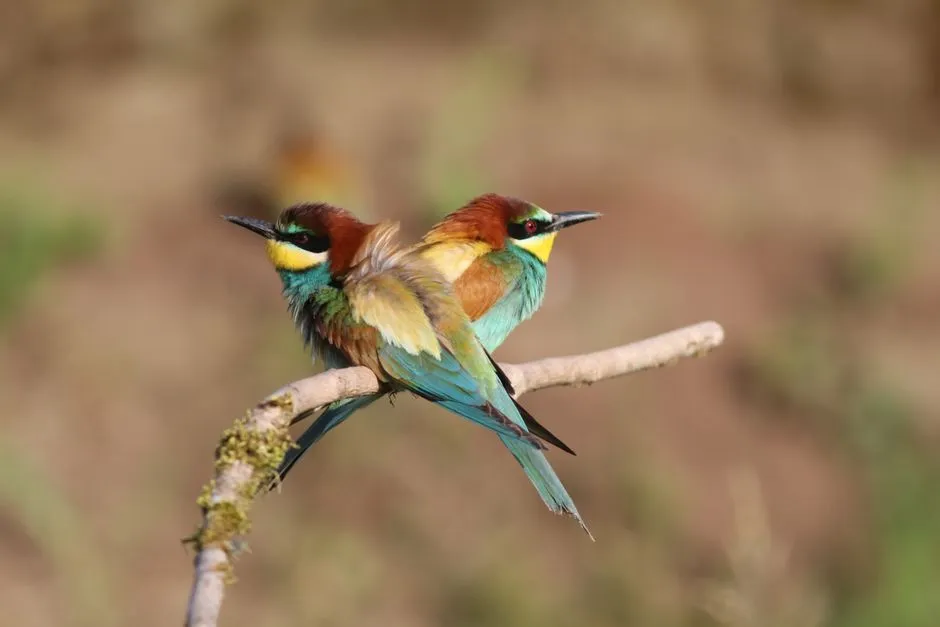
These nine small mountain towns look wildly different on the surface, from misty cloud forests to harsh Himalayan valleys, yet they share an important thread: they sit where habitats collide. Elevation shifts, river corridors, cliffs, forests, and open ground overlap in tight spaces, and birds respond with an explosion of diversity. That is not romantic travel copy; it is how ecology works when you stack niches on top of one another and let migration routes weave through them.
I think that is why they feel so addictive to visit. You start by chasing a famous bird – maybe a quetzal in Panama or a condor in Patagonia – and end up caring about entire landscapes and the communities woven into them. The more you notice the birds, the harder it is to ignore what threatens them: habitat loss, climate shifts, careless development. Yet these towns also show that tourism and everyday life can coexist with rich birdlife when wild edges are protected instead of paved over. Next time you head for the mountains, will you just look at the peaks, or will you listen for the wings that make those peaks truly alive?

- 7 Everyday Habits That Can Make Your Senior Dog Happier - November 5, 2026
- 10 Enigmatic Structures That Continue to Puzzle Scientists Today - November 5, 2026
- 10 Strange Ruins in the Americas That Challenge What We Know About Early History - November 5, 2026