
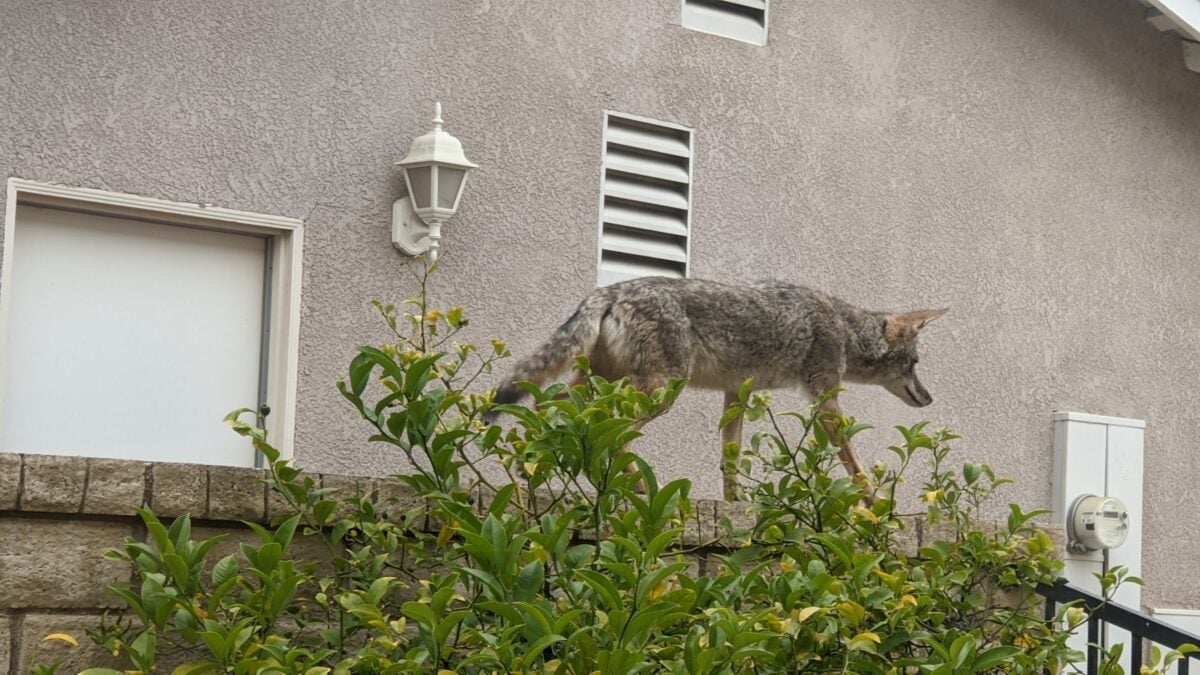
1. Texas: Coyote Capital Of Driveways, Ranches, And Suburbs
🔥 Would you like to save this?
We'll email this post to you, so you can come back to it later!
Everything really is bigger in Texas, including the number of coyotes and the size of the spaces where they can thrive. With enormous stretches of rangeland, fragmented scrub, expanding suburbs, and a warm climate, Texas is almost purpose‑built for coyotes. They occupy West Texas deserts, Hill Country ranches, and the brushy greenbelts weaving right through Houston, Dallas–Fort Worth, San Antonio, and Austin.
Because so much of Texas is private land, coyotes can move quietly along fence lines, creek beds, and utility corridors with very little interference. Hunters and trappers take a lot of coyotes every year, but the animals reproduce quickly and spread into any gap. It’s not unusual for people in outer suburbs to see a coyote crossing a cul‑de‑sac at dawn, then hear a whole pack calling from a vacant lot that same night.
Typical Texas backyard coyote behavior includes scavenging pet food, slipping under weak spots in fences, and cruising alleys on garbage night. They’re also drawn to the dense brush and tall grass that developers often leave along drainage ditches. That means families pushing strollers on neighborhood trails may be only a few yards away from a coyote watching quietly from cover.
- Common habitats: ranchland edges, greenbelts, drainage corridors
- Most active times: late evening to early morning
- Top attractors: outdoor pet food, unsecured trash, free‑roaming cats
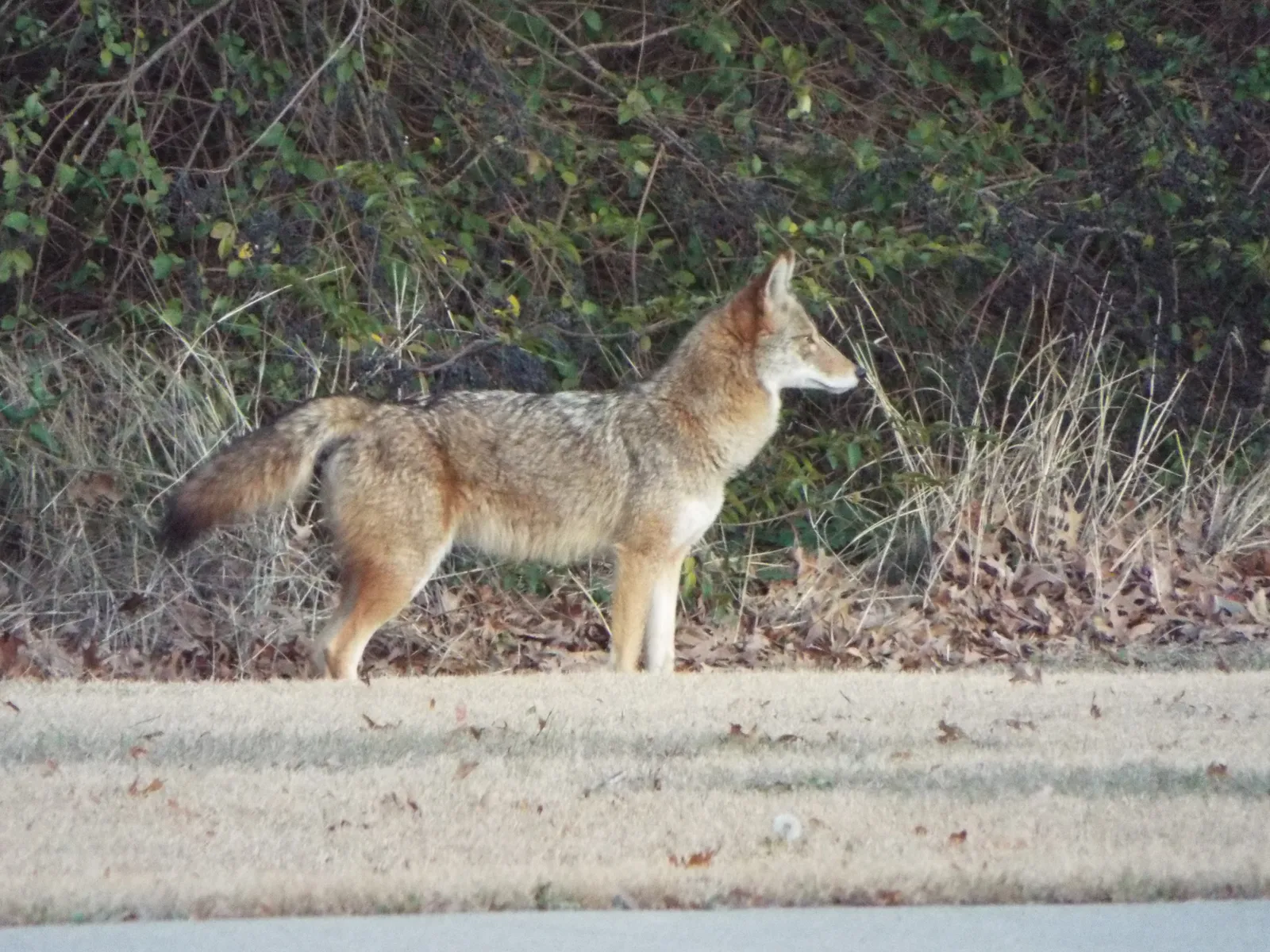
2. California: Coyotes In Beaches, Backyards, And City Parks
🔥 Would you like to save this?
We'll email this post to you, so you can come back to it later!
California is the textbook case of coyotes learning to live right up against people. From coastal neighborhoods near Los Angeles to the oak woodlands around Sacramento and the Bay Area hills, coyotes regularly weave through some of the country’s densest human development. It’s entirely normal for Californians to see a coyote trotting across a quiet neighborhood street at midday like it owns the place.
What makes California stand out is the mix of rich habitat and sprawling suburbia. Canyons, foothills, vineyards, chaparral, and river corridors all function as coyote highways. Many neighborhoods back directly onto wild land, and that edge is exactly where coyotes flourish. Hiking trails that begin in parking lots often lead within minutes to places where coyotes hunt ground squirrels and rabbits.
In coastal cities and suburbs, coyotes have learned to tap into human food: compost, fruit trees, overflowing trash bins, even fallen scraps from outdoor dining areas. Small pets left outside overnight can look like prey, especially along the border between houses and open space. This blend of wild prey and human leftovers is why coyotes have become so visible from San Diego to Sonoma.
- Where people spot them: canyon trails, golf courses, suburban streets
- Key risk: small pets in unfenced yards or on retractable leashes at dawn and dusk
- Helpful habit: keeping fruit picked and garbage tightly closed
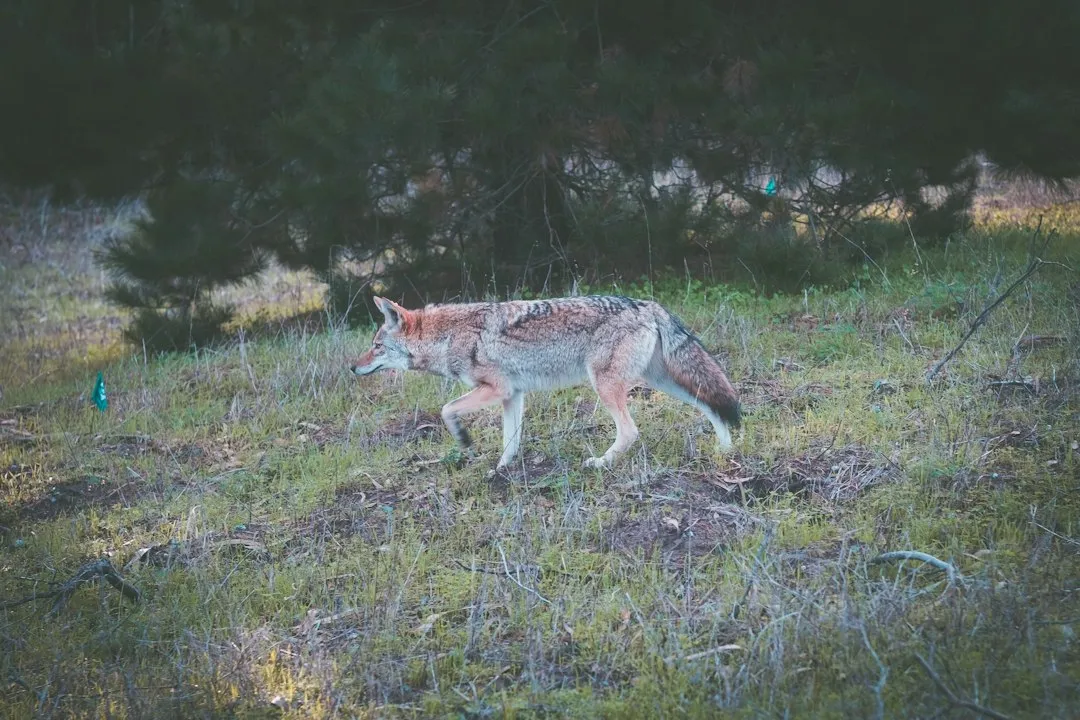
3. Arizona: Desert Howls Right Behind The Fence
🔥 Would you like to save this?
We'll email this post to you, so you can come back to it later!
Arizona’s trademark sound at night is often the high, echoing chorus of coyotes bouncing off desert hills. In places like Phoenix, Tucson, and their surrounding suburbs, development has pushed deep into former open desert and grassland, creating a patchwork of houses, washes, and rocky slopes that coyotes navigate with ease. The line between “wild desert” and “your backyard” is often just a block or two.
Coyotes in Arizona are desert pros. They know how to move in the heat, using washes, golf course sprinklers, and irrigation canals as travel routes and water sources. Those same green, irrigated pockets attract rabbits, rodents, and birds – basically a coyote buffet. When neighborhoods border desert preserves or saguaro‑studded hills, it is almost guaranteed that coyotes pass along those edges daily.
Because of the extreme summer heat, many Arizona coyotes shift even more of their activity to nighttime. That’s why homeowners often hear them yipping after dark but rarely see them in midday. Security camera footage tells a different story, catching coyotes slipping by garage doors or exploring pool decks when people are asleep and the world is quiet.
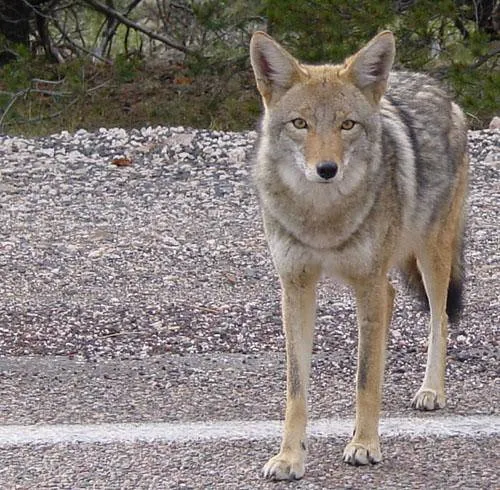
4. Colorado: Coyotes On The Front Range And Beyond
🔥 Would you like to save this?
We'll email this post to you, so you can come back to it later!
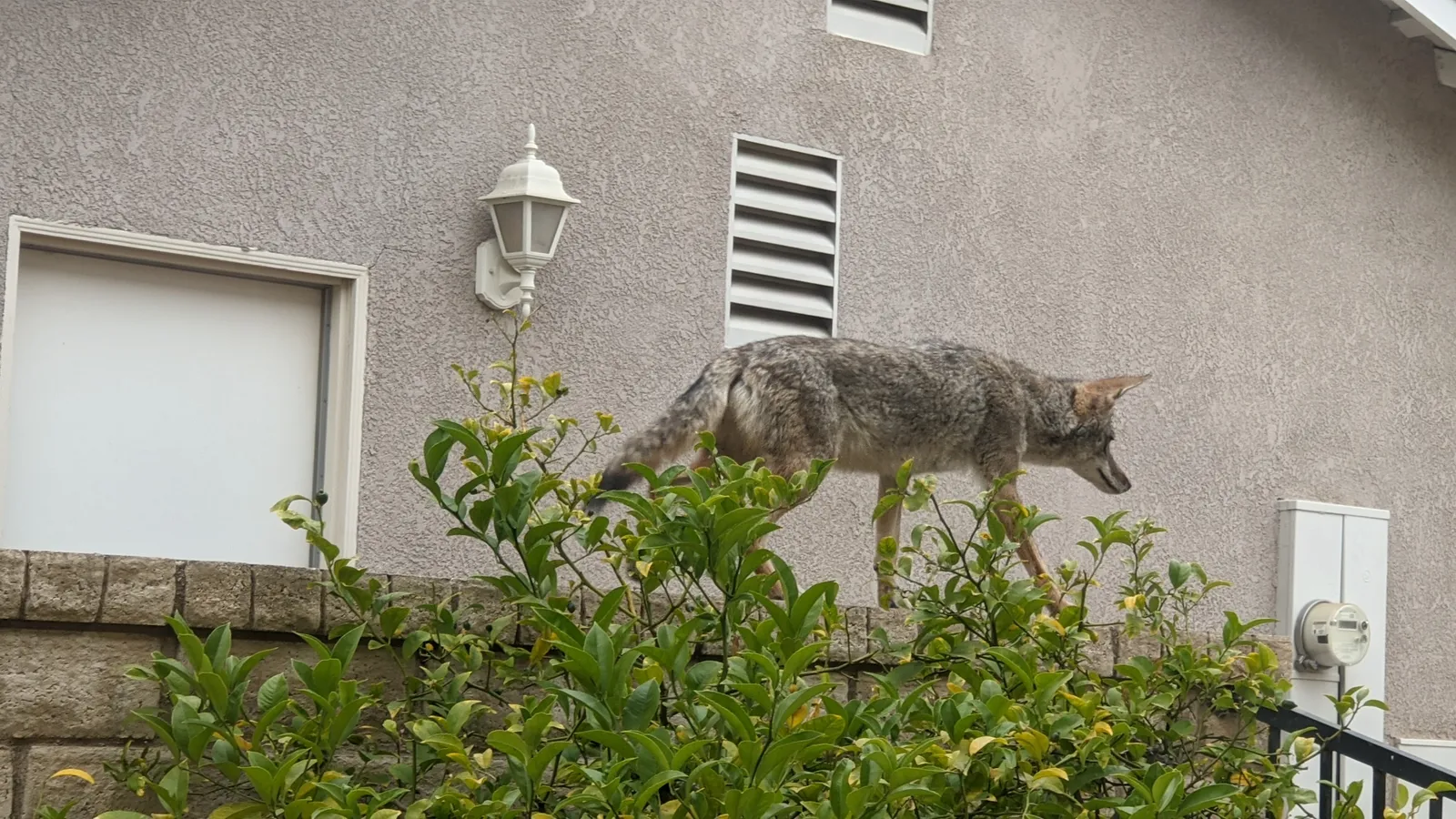
Colorado combines mountains, plains, and rapidly growing cities, which turns out to be a perfect recipe for backyard coyotes. Along the Front Range – Denver, Colorado Springs, Fort Collins, Boulder – houses spread into former prairie and foothill habitat where coyotes have always lived. Instead of pushing them out, the development created new food sources and cover along greenbelts and bike paths.
You’ll find coyotes hunting voles in snowy fields, prowling school sports fields at night, and traveling creek corridors that run right between subdivisions. Many neighborhoods were built with open space and natural drainage areas as selling points, and coyotes quickly took advantage of those quiet strips of land. Dog walkers frequently report daylight sightings, especially in winter when natural prey is less abundant.
In the mountain towns and foothills, coyotes often patrol the transition zones between forest, meadow, and houses. Backyard bird feeders, compost piles, and brush piles all increase rodent numbers, which then draw in coyotes. Residents sometimes mistake thin, long‑legged coyotes for “wolves” or “wolf‑dogs,” but almost always they are ordinary coyotes, perfectly at home along the forest edge.
- Hotspots: creekside greenways, golf courses, school fields, foothill subdivisions
- Main natural prey: voles, rabbits, ground squirrels, small deer fawns in spring
- Smart habit: leashing dogs on open space trails, even if they seem “just coyote country”
5. Illinois: Urban Coyotes In The Heart Of The Midwest
🔥 Would you like to save this?
We'll email this post to you, so you can come back to it later!
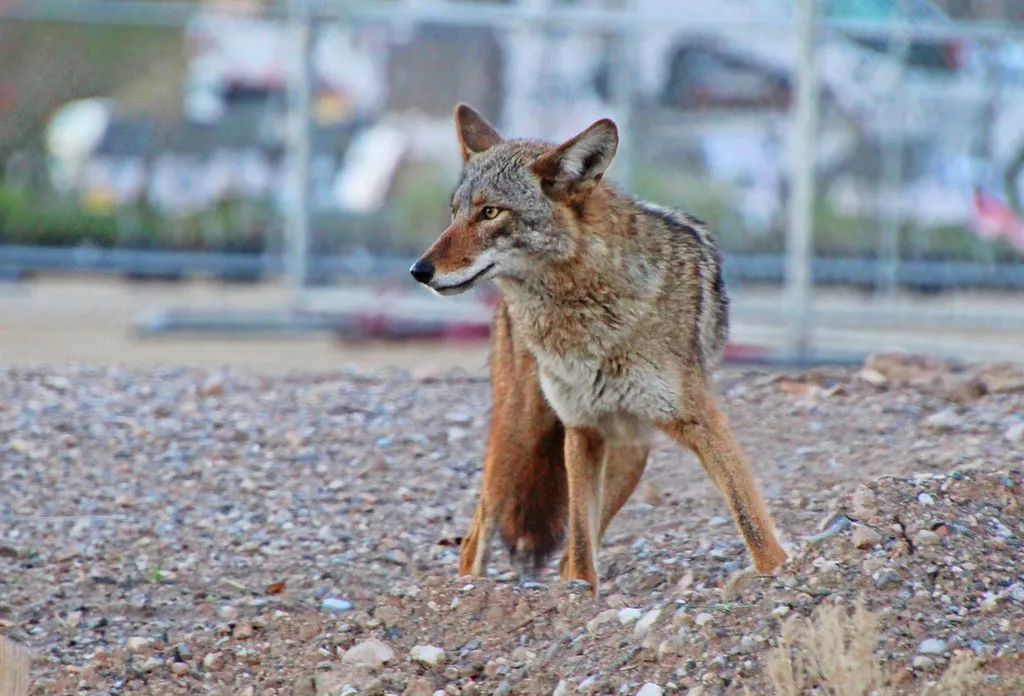
Illinois might surprise people who think of coyotes as a Western species, but the state is a major success story for urban coyotes. The Chicago metro area, in particular, has one of the best‑studied urban coyote populations in the world. These animals slip through neighborhoods, parks, railroad corridors, and industrial zones, usually unnoticed, even in a city packed with millions of people.
What makes Illinois interesting is how well coyotes use small habitat fragments: a strip of grass along a railway, a clump of trees in a corporate campus, a wide drainage ditch behind a shopping center. These “leftover” spaces connect bigger parks, forest preserves, and river corridors, forming a spiderweb of safe routes. That’s why homeowners who live nowhere near “the woods” still catch coyotes on doorbell cameras.
In smaller towns and rural counties, coyotes move between cornfields, hedgerows, and livestock pastures. After harvest, they often work the edges of fields for rodents and spilled grain. Pet owners in both city suburbs and country farmsteads share the same reality: a coyote can be just a few hundred yards away, fully adapted to the mix of corn, lawns, and pavement.
6. Pennsylvania: Forest Edges And Suburbs Full Of Coyotes
🔥 Would you like to save this?
We'll email this post to you, so you can come back to it later!
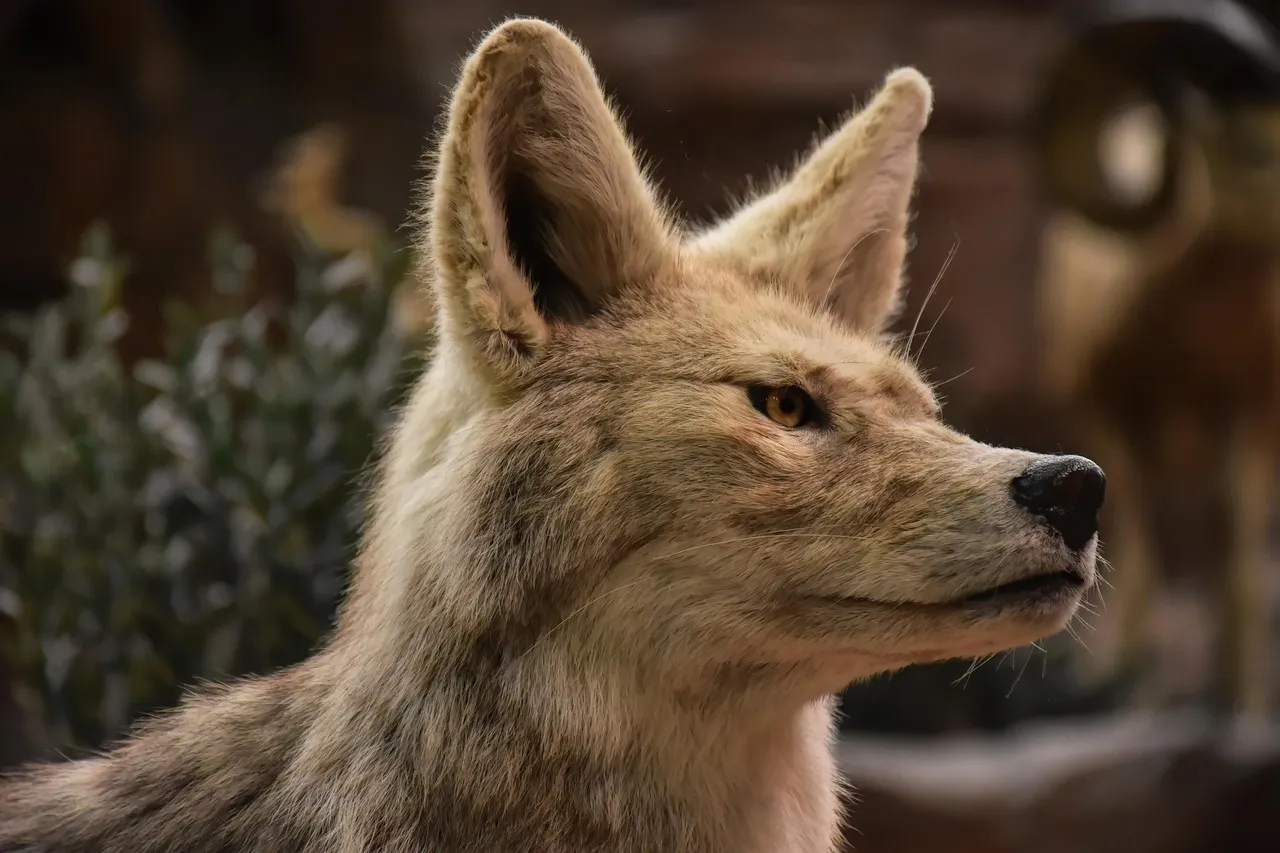
Pennsylvania is heavily forested and dotted with small towns, making it perfect for coyotes that like both cover and edges. Over the last several decades, coyotes moved in and spread through nearly the entire state. Now they are a routine part of rural and suburban life, especially in areas with woodlots, fields, and quiet hollows just beyond the last row of houses.
What many Pennsylvanians notice first is the sound. Nighttime howls and yips echo from ridge tops and valley bottoms, often startling people who had no idea coyotes were that close. Hunters, hikers, and farmers have seen them for years, but in recent times, more suburban and even exurban neighborhoods have started to report regular sightings along treelines and creek bottoms.
The state’s patchwork landscape – hardwood forest, reclaimed mine lands, farms, and growing suburbs – gives coyotes countless paths to move unseen. They often follow deer trails and old logging roads, then cut across backyards to reach another patch of cover. Because deer and small mammals are so abundant, coyotes don’t need to rely heavily on human food, which can make them feel “invisible” even when they live just beyond the porch light.
- Typical hangouts: wooded slopes behind homes, powerline cuts, old farm lanes
- Most common clues: tracks in snow, distant howls, scat on paths and driveways
- Key backyard attractors: brush piles, spilled birdseed, outdoor pet feeding
7. New York: From Adirondack Forests To City Side Streets
🔥 Would you like to save this?
We'll email this post to you, so you can come back to it later!
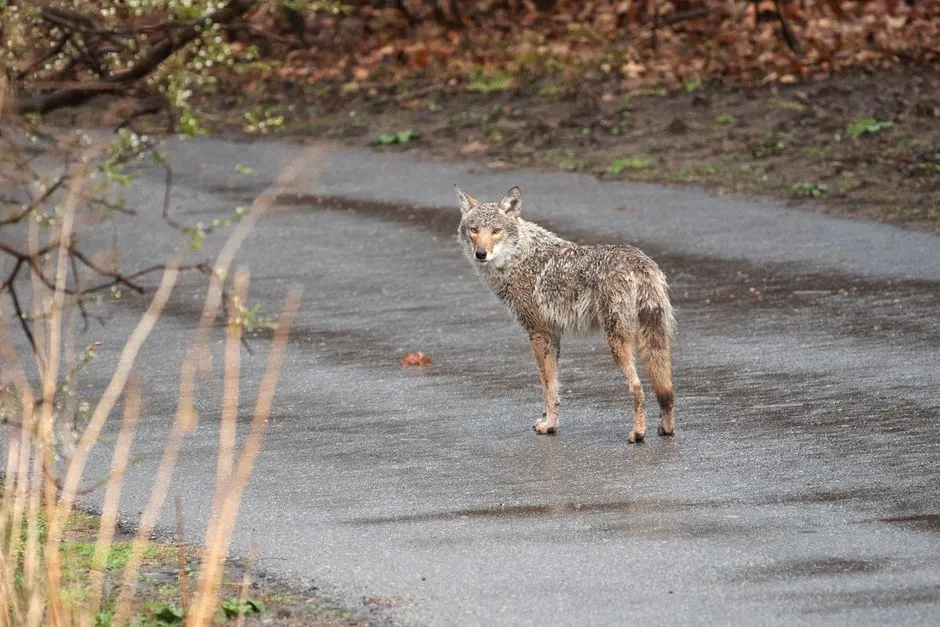
New York is a tale of two coyote worlds: vast northern forests and intensely urbanized southern counties. Coyotes established themselves solidly across upstate New York, from dairy country to the Adirondacks, and then gradually moved down through river valleys and green corridors toward the suburbs of New York City. Today, they live in many outer borough and suburban areas, often without people realizing it.
In rural and small‑town upstate communities, coyotes commonly roam hayfields, old orchards, and forest edges. Residents often hear them behind barns or see them slipping through hedgerows at dawn. White‑tailed deer, rabbits, and rodents support strong coyote populations across much of the state, so they rarely need to come close to houses for food – but they will, especially where trash and pet food are easy pickings.
Downstate, the idea that coyotes could be crossing parkways and using riverfront greenways sounded far‑fetched a generation ago. Now, it is simply reality. They use rail corridors, large parks, and river edges as highways. Even in very dense areas, a small belt of trees or a fenced‑off utility strip can be enough to shelter a coyote moving quietly past apartment complexes and backyards.
8. Ohio: Quiet Corridors Through Cornfields And Cul‑de‑Sacs
🔥 Would you like to save this?
We'll email this post to you, so you can come back to it later!
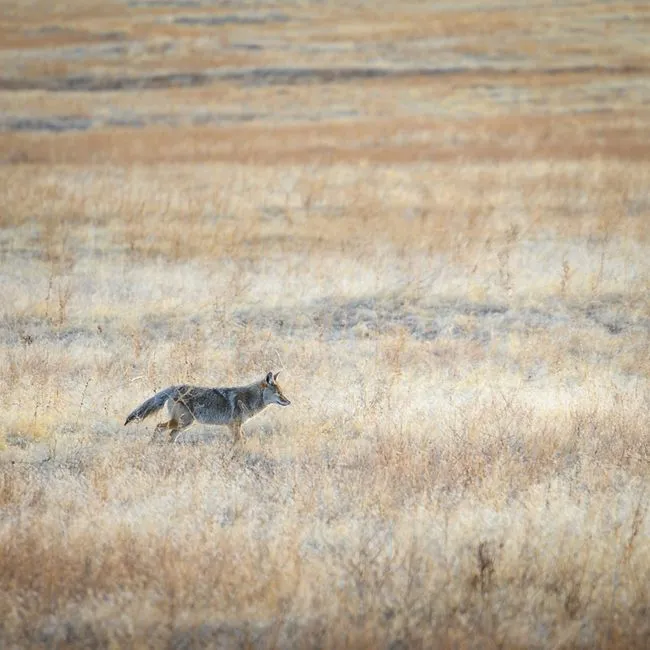
Ohio sits right in the middle of coyote expansion across the eastern United States, and it has become a stronghold for them. Farmland mixed with woodlots, expanding suburbs, and numerous rivers and streams combine to create perfect travel corridors. Coyotes in Ohio are comfortable crossing open ground at night, then melting into brush the moment the sun comes up.
In many Ohio suburbs, coyotes follow creekside trails that double as jogging routes by day and wildlife highways by night. Homeowners near these green corridors are especially likely to see coyotes on security cameras or during very early morning dog walks. Even heavily built‑up areas often leave small strips of vegetation along streams or behind shopping centers, and that is all coyotes need to navigate safely.
Rural Ohio is equally coyote‑friendly. Old barns, abandoned farmsteads, and overgrown fence lines create pockets of cover. Fields of corn and soybeans support mouse and rabbit populations, which in turn draw in coyotes. People who live in new subdivisions carved out of farmland are often surprised at how quickly coyotes appear, as if they were just waiting beyond the bulldozers for the first trash cans to roll in.
- Typical suburban routes: bike paths, creekside trails, drainage ditches
- Main food sources: rodents, rabbits, roadkill, occasional backyard attractants
- Smart prevention: keep pets close and avoid leaving food or trash outdoors overnight
9. Florida: Coyotes In The Land Of Sand, Swamps, And Subdivisions
🔥 Would you like to save this?
We'll email this post to you, so you can come back to it later!
Florida might be better known for alligators and armadillos, but coyotes have quietly spread through almost the entire state. They are now common in many counties, from Panhandle pine forests to central pastures and down into sprawling suburban belts. Warm winters, abundant prey, and near‑continuous development mean there is almost always a coyote‑friendly corridor nearby.
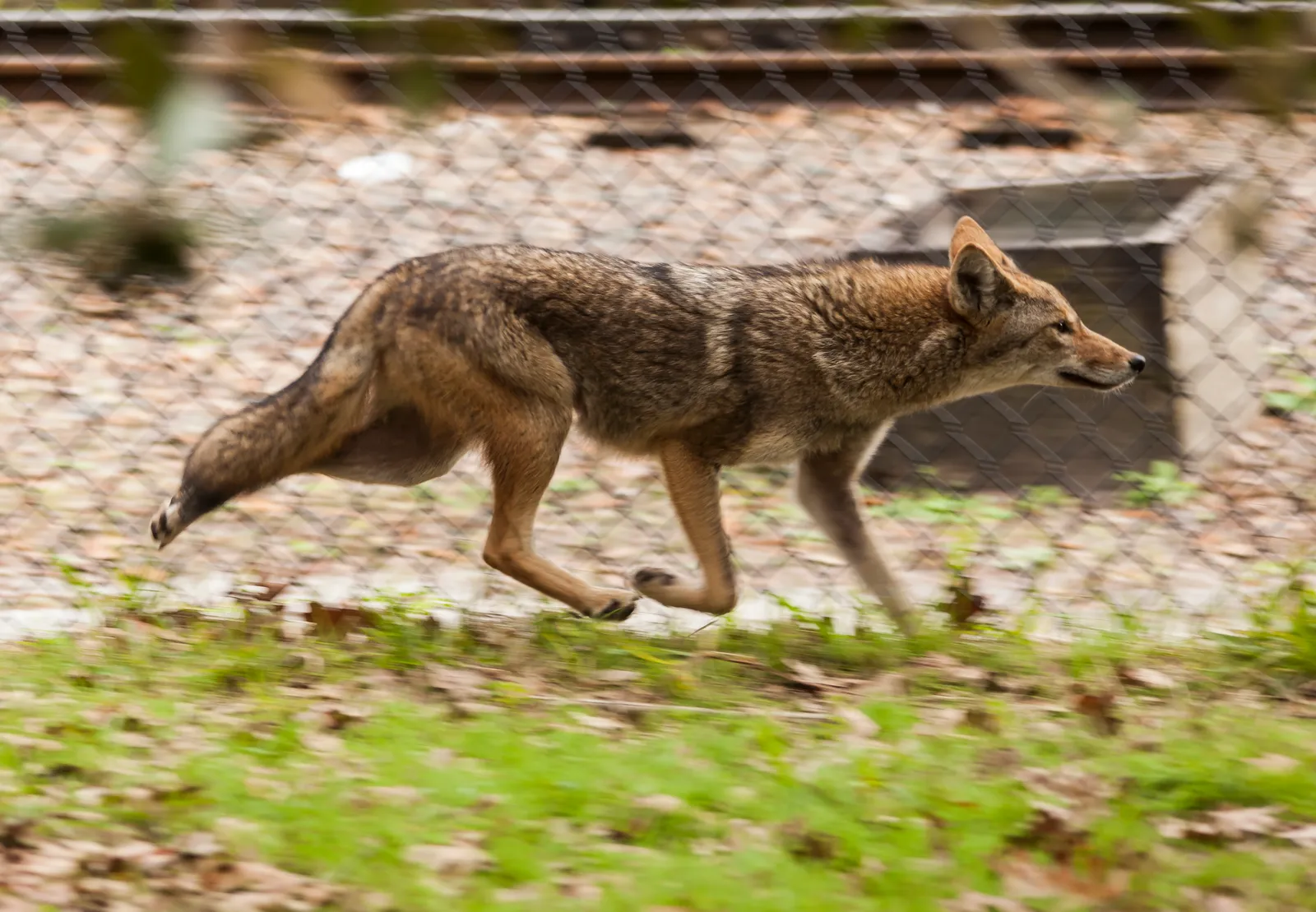
In suburbs and gated communities, coyotes often use golf courses, retention ponds, and drainage canals as travel lines. These areas attract ducks, rabbits, and other small animals, effectively serving as open buffets. Fences tend to be more about marking property boundaries than actually stopping wildlife, and coyotes can squeeze through surprisingly small gaps or dig shallow scrapes under weak spots.
In more rural parts of Florida, they patrol pasture edges, pine flatwoods, and edges of wetlands. They’ll readily scavenge roadkill along highways and smaller roads, which brings them uncomfortably close to driveways and front yards. People out walking dogs at odd hours frequently report glowing eyes in flashlight beams just beyond the mowed grass, a reminder of how thin the line is between “yard” and “wild” in Florida.
Conclusion: Sharing Space With A Predator You Rarely See
🔥 Would you like to save this?
We'll email this post to you, so you can come back to it later!
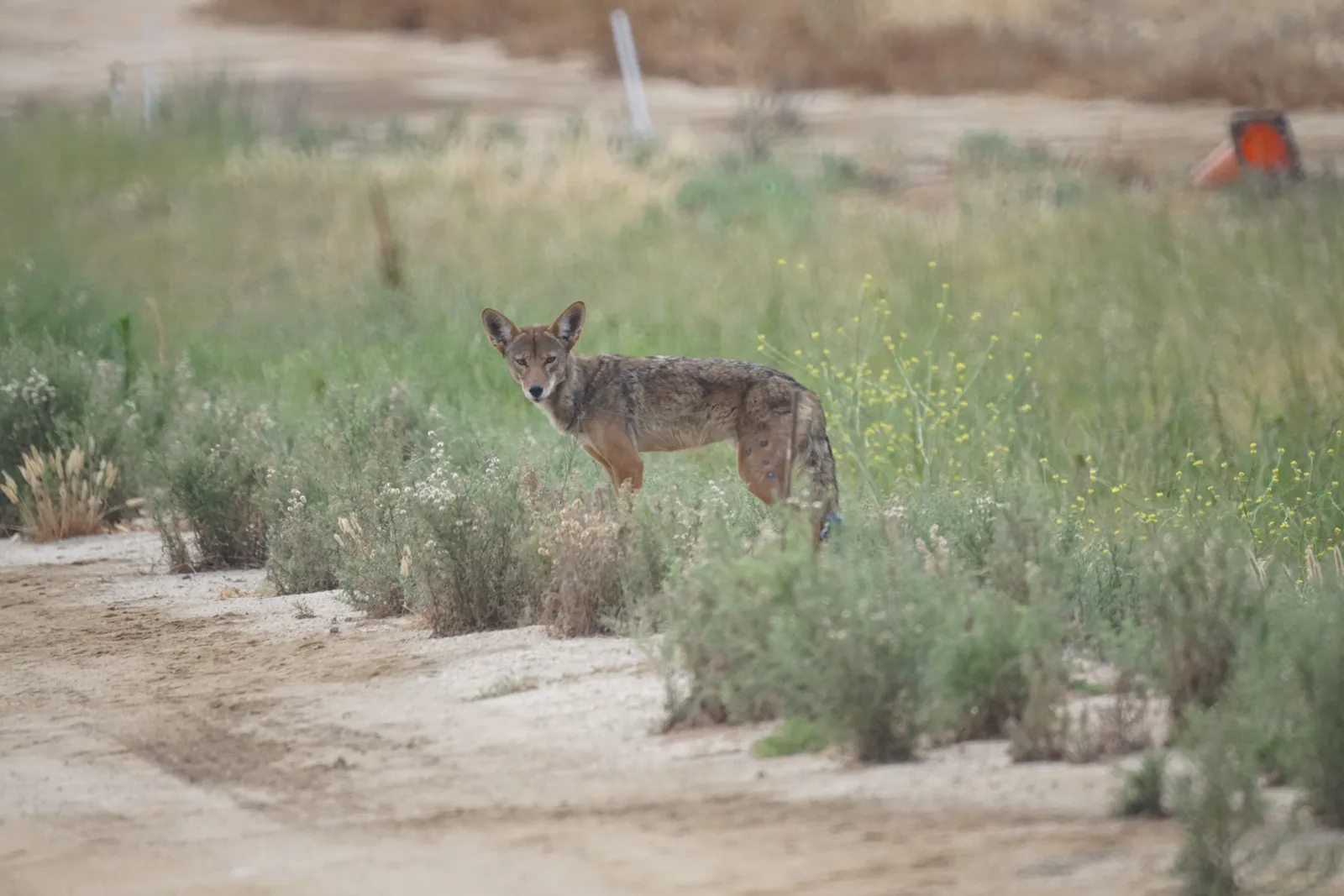
If there is one unsettling truth that ties these nine states together, it is this: coyotes are probably closer than you think and better at staying out of sight than you’d ever guess. From Texas ranch fences to Florida cul‑de‑sacs, from Colorado greenbelts to Illinois rail lines, they have quietly learned our routines, slipped into our leftover spaces, and made themselves at home on the edges of our lives.
That does not mean panic is justified, but it does mean denial is naive. Coyotes are wild predators, and they deserve both respect and caution. Keeping pets supervised, securing trash, and refusing to intentionally feed them are simple, powerful steps that let people and coyotes coexist with fewer ugly conflicts. Personally, I find it both eerie and oddly comforting to know that something untamed still moves through the shadows of our overlit world.
In the end, the question is not whether coyotes are lurking in the backyards of these states – they already are. The real question is how we choose to live with them: as fearful enemies, careless attractors, or informed neighbors who understand where the wild truly begins. Next time you step outside on a cool night and hear a distant chorus, will it feel like an intrusion, or a reminder that your backyard is part of a much bigger, wilder map?

- 7 Everyday Habits That Can Make Your Senior Dog Happier - November 5, 2026
- 10 Enigmatic Structures That Continue to Puzzle Scientists Today - November 5, 2026
- 10 Strange Ruins in the Americas That Challenge What We Know About Early History - November 5, 2026