
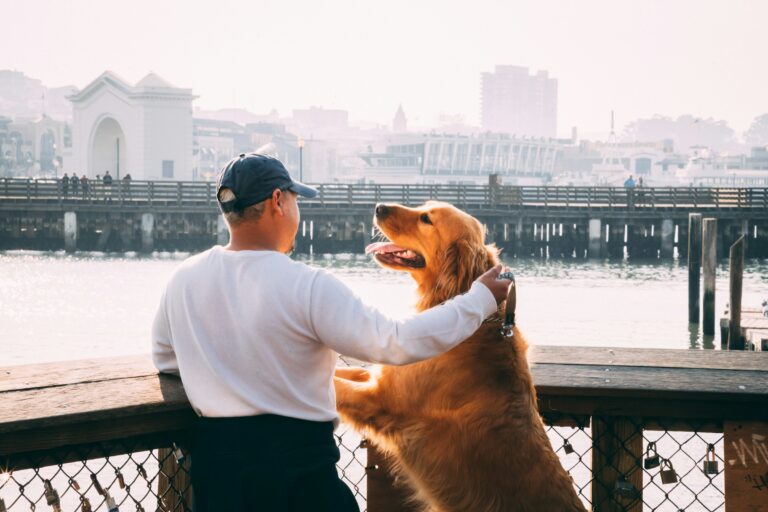
Most of us expect the big signs of an aging dog. The gray muzzle, the slower walks, the stiff first steps after a nap. Those are hard to miss.
The smaller changes are different. They happen so gradually that they blend into the background of daily life, and a dog who has simply adjusted can look like a dog who is fine. Here are nine things many senior dogs let go of without making a fuss.
Jumping onto the Couch or Bed
🔥 Would you like to save this?
We'll email this post to you, so you can come back to it later!
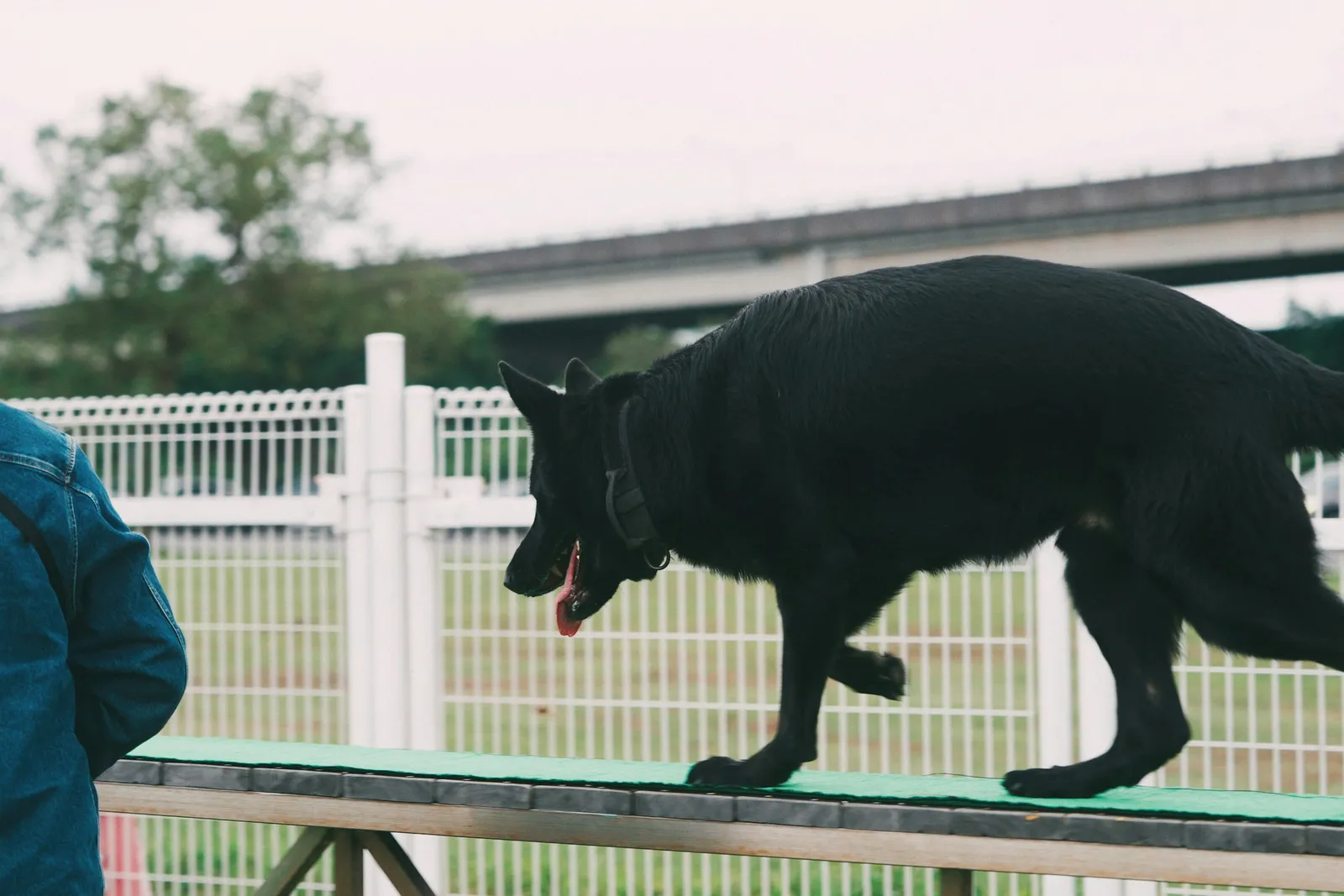
A dog who once launched onto the sofa without thinking may start hesitating first. Then they stop trying altogether. Many families read this as a change in mood or habit, as though the dog just lost interest in the furniture.
Often it’s about comfort. Joint pain, including arthritis, is common in older dogs, and jumping puts real strain on sore hips and knees. A sturdy ramp or a set of pet steps can bring that favorite spot back within reach, and your vet can talk through pain options if the hesitation seems persistent.
Long, Wandering Walks
🔥 Would you like to save this?
We'll email this post to you, so you can come back to it later!
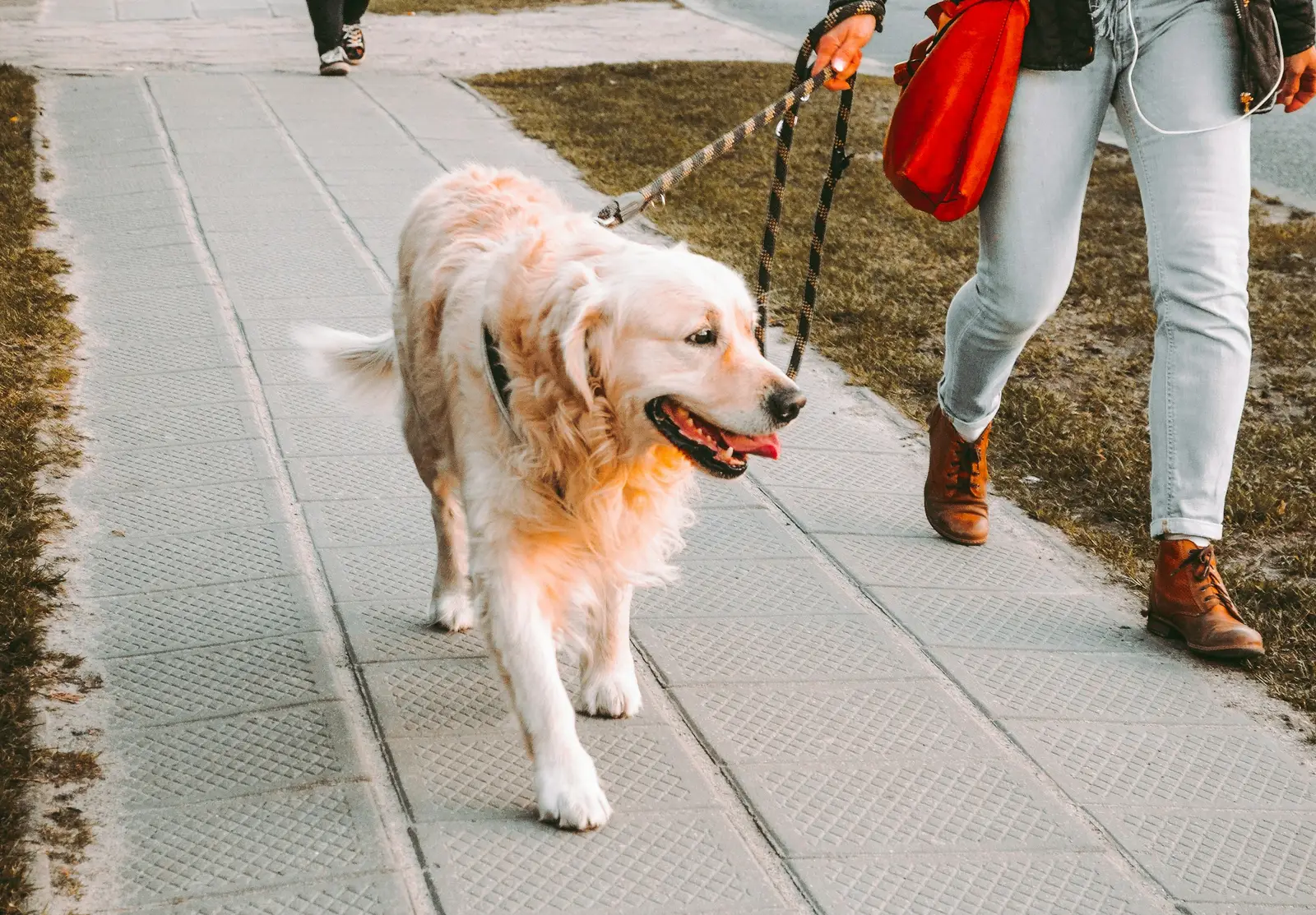
Walks often shrink slowly. The dog turns for home a block earlier, or sits down and waits to be coaxed along. Because the dog still seems happy to go out, it’s easy to miss that the route has quietly gotten shorter.
Shorter, more frequent outings can suit an older dog better than one long trek. Letting them sniff at their own pace is a good trade, since scent is a rich source of enjoyment. If a dog suddenly tires much faster than before, it’s worth mentioning to a vet rather than writing it off as age.
Playing the Way They Used To
🔥 Would you like to save this?
We'll email this post to you, so you can come back to it later!
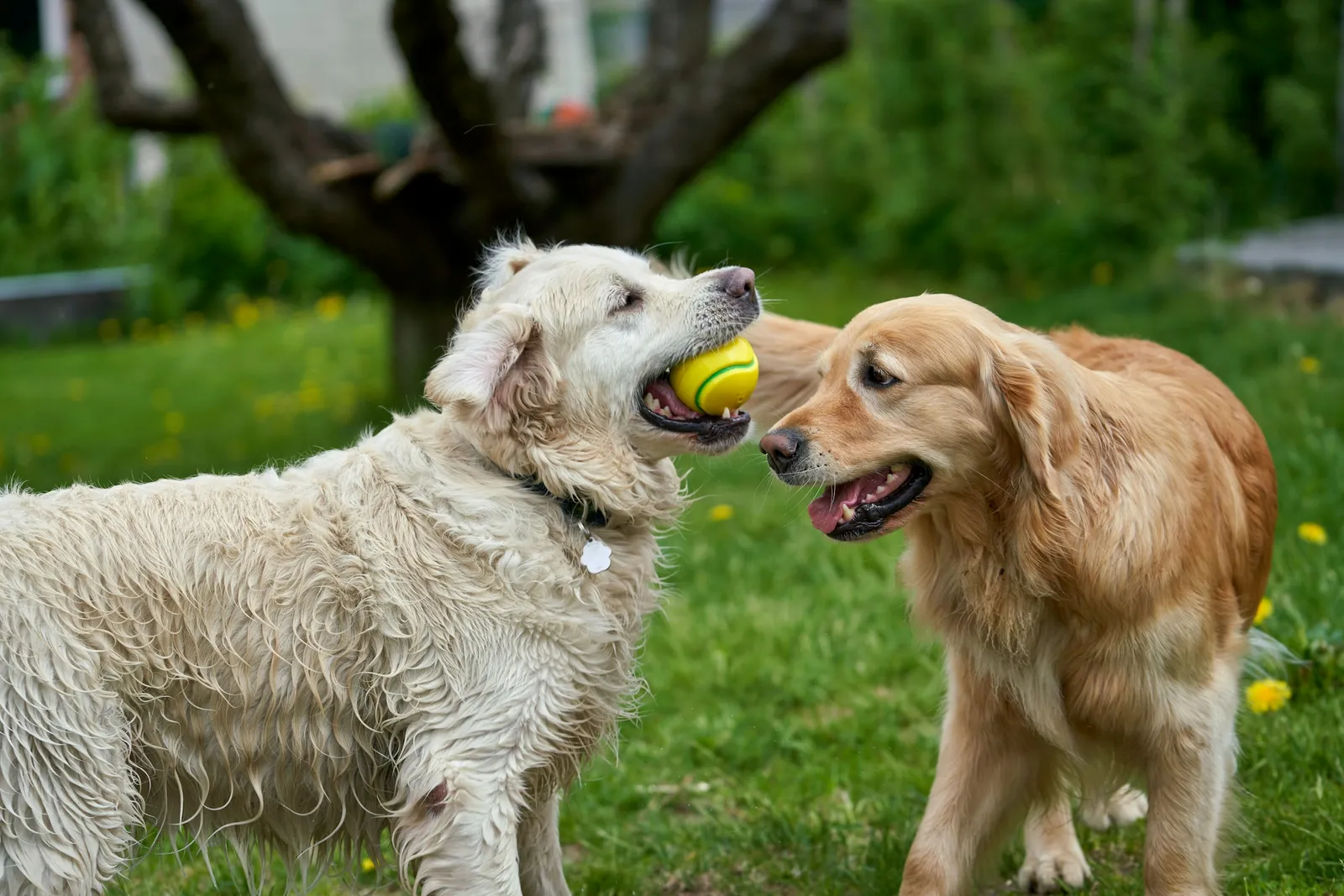
The zoomies fade. Fetch becomes two throws instead of twenty, and the tug toy sits untouched. Families sometimes assume the dog has gotten bored or moody.
Many older dogs still want to play, just differently. Gentle tugging, slow treat puzzles, and short sniffing games can keep them engaged without punishing their joints. Meeting them where they are tends to bring out more of the old spark than you’d expect.
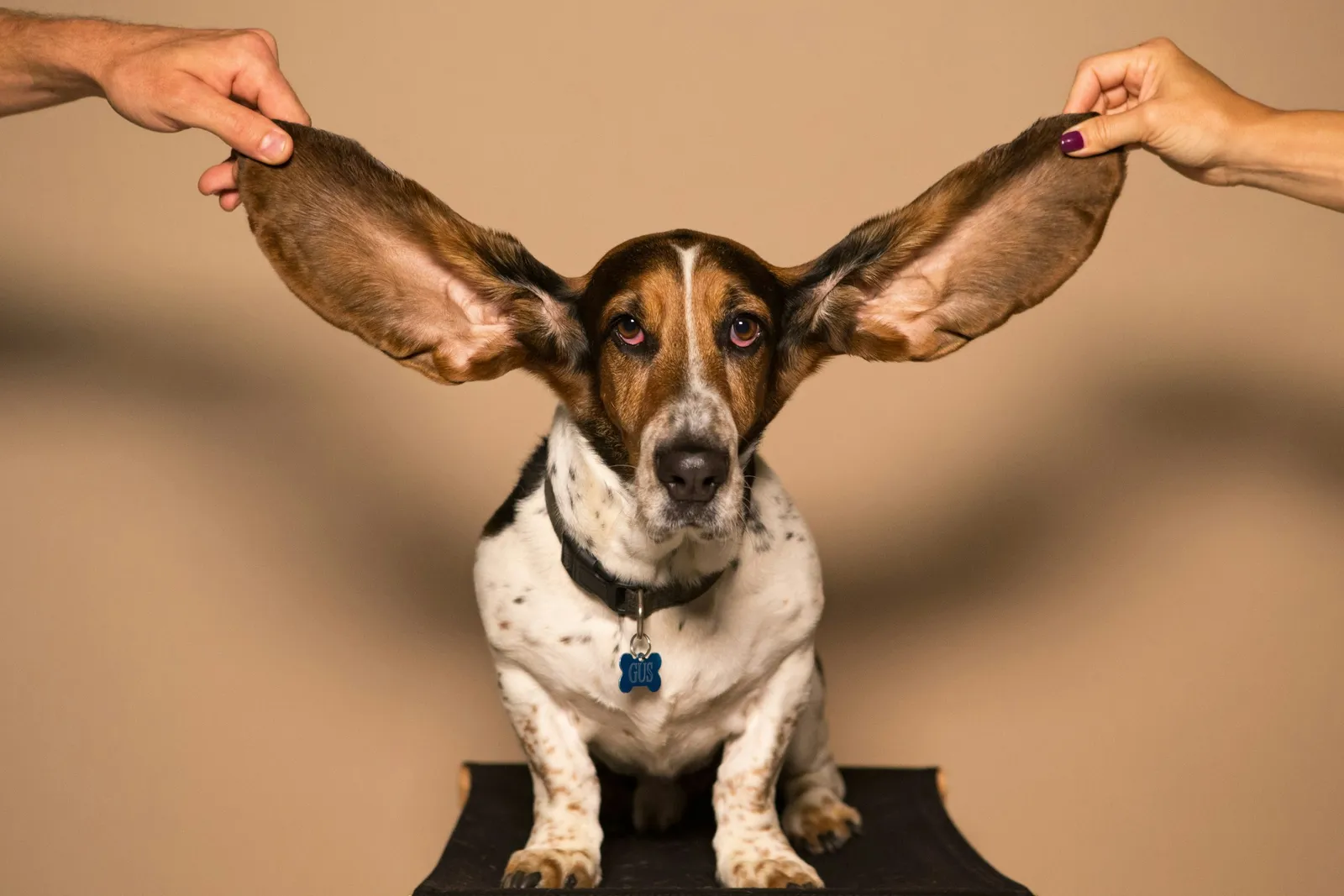
Sharp Hearing and Quick Responses
🔥 Would you like to save this?
We'll email this post to you, so you can come back to it later!
Hearing loss can creep in so slowly that owners label it stubbornness. A dog who doesn’t come when called may not be ignoring you at all. They may simply not have heard you.
Clues include being startled when you approach from behind, or sleeping through sounds that once woke them. Hand signals, a flashlight flick at night, or a gentle touch can help, and a vet can check whether something treatable is going on, like an ear infection.
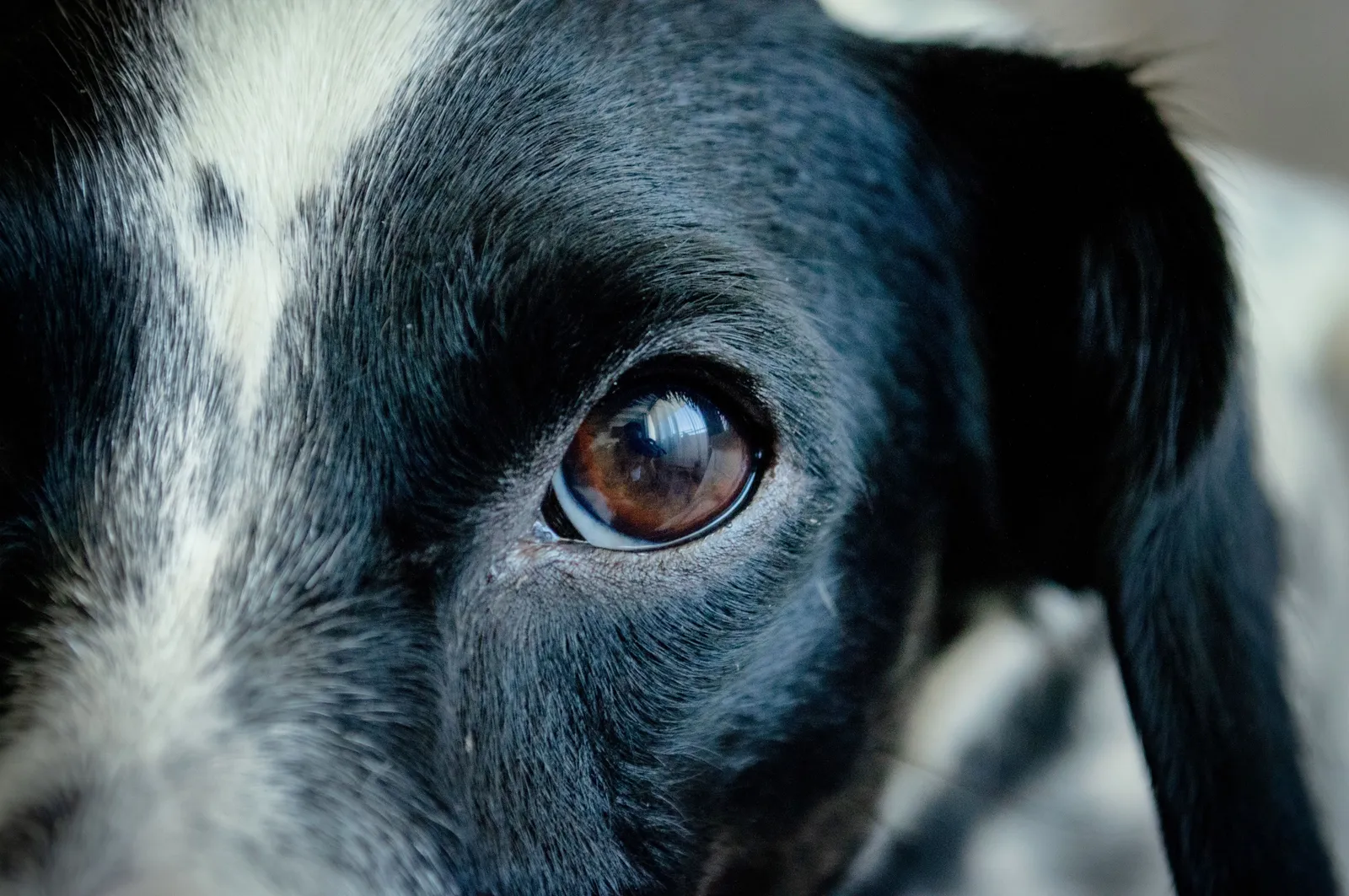
Clear Vision, Especially in Dim Light
🔥 Would you like to save this?
We'll email this post to you, so you can come back to it later!
Older dogs often change how they see the world, and many adapt impressively well. A dog who bumps a chair that has always been there, or hesitates at stairs in low light, may be struggling with vision. Cloudiness in the eyes can be a normal age-related change, but it can also signal conditions that need attention.
Keeping furniture in familiar places helps a lot. So do night lights and avoiding sudden rearrangements. If you notice cloudy eyes or sudden clumsiness, a veterinary exam is the sensible next step.
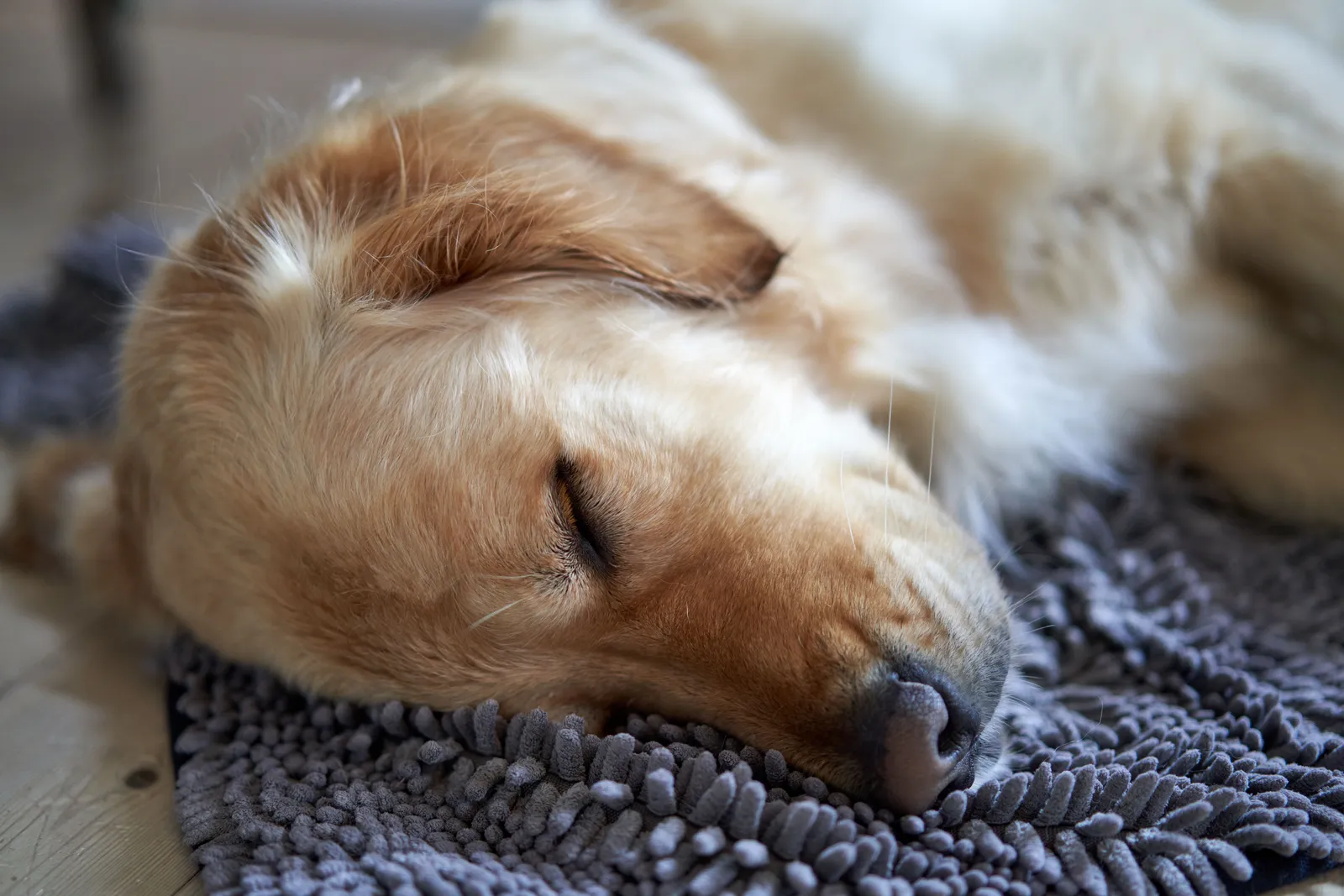
Their Usual Routine and Sleep Pattern
🔥 Would you like to save this?
We'll email this post to you, so you can come back to it later!
Some senior dogs sleep more during the day and then pace or whine at night. Others seem to forget routines they’ve followed for years. It’s tempting to shrug this off as just getting old.
Yet changes like confusion, restlessness at night, or altered sleep cycles can be linked to canine cognitive dysfunction, sometimes compared to dementia in people. It isn’t something to diagnose at home. Your vet can help sort out whether it’s cognitive, pain related, or something else, and there are ways to support dogs through it.
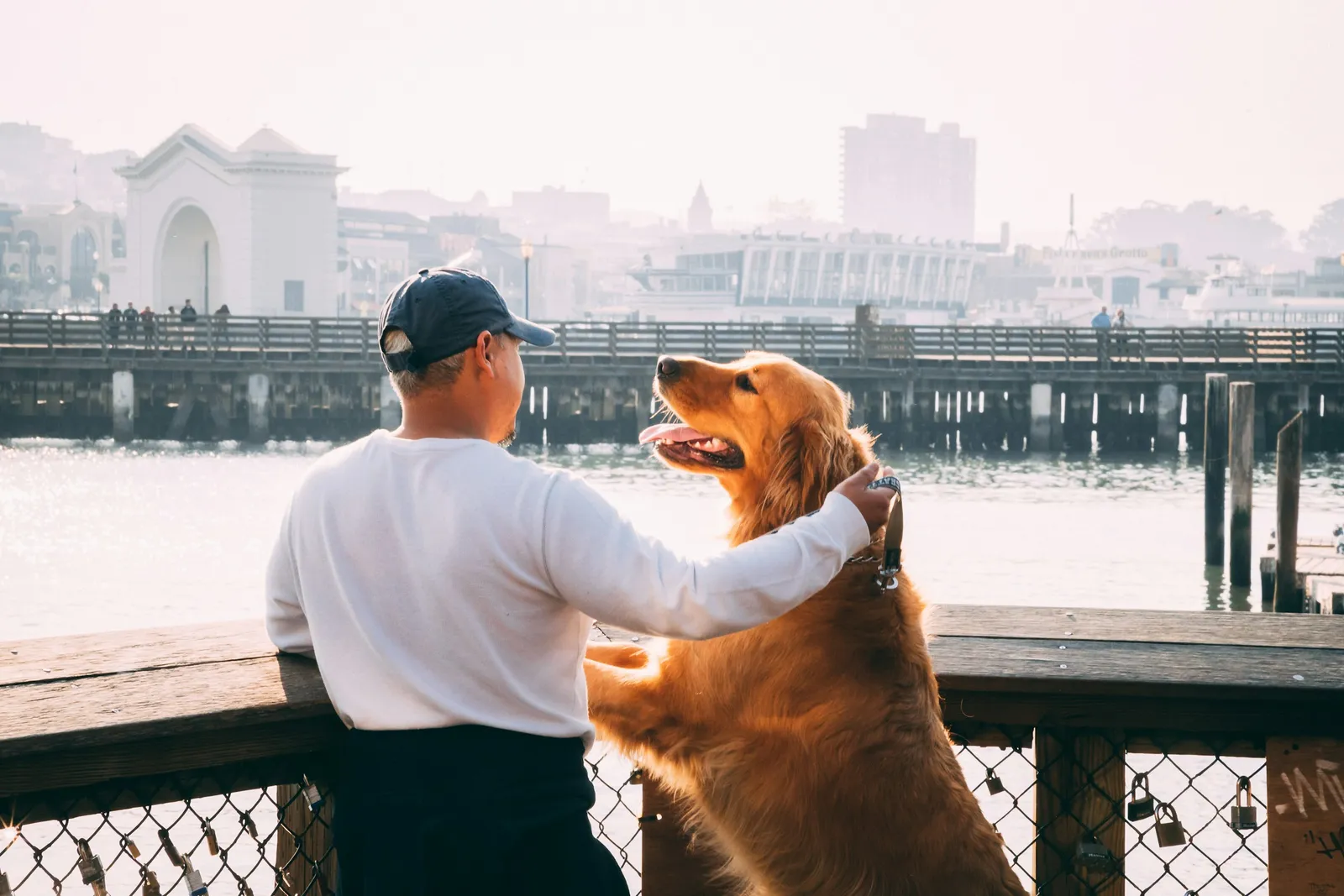
Eagerness to Greet You at the Door
🔥 Would you like to save this?
We'll email this post to you, so you can come back to it later!
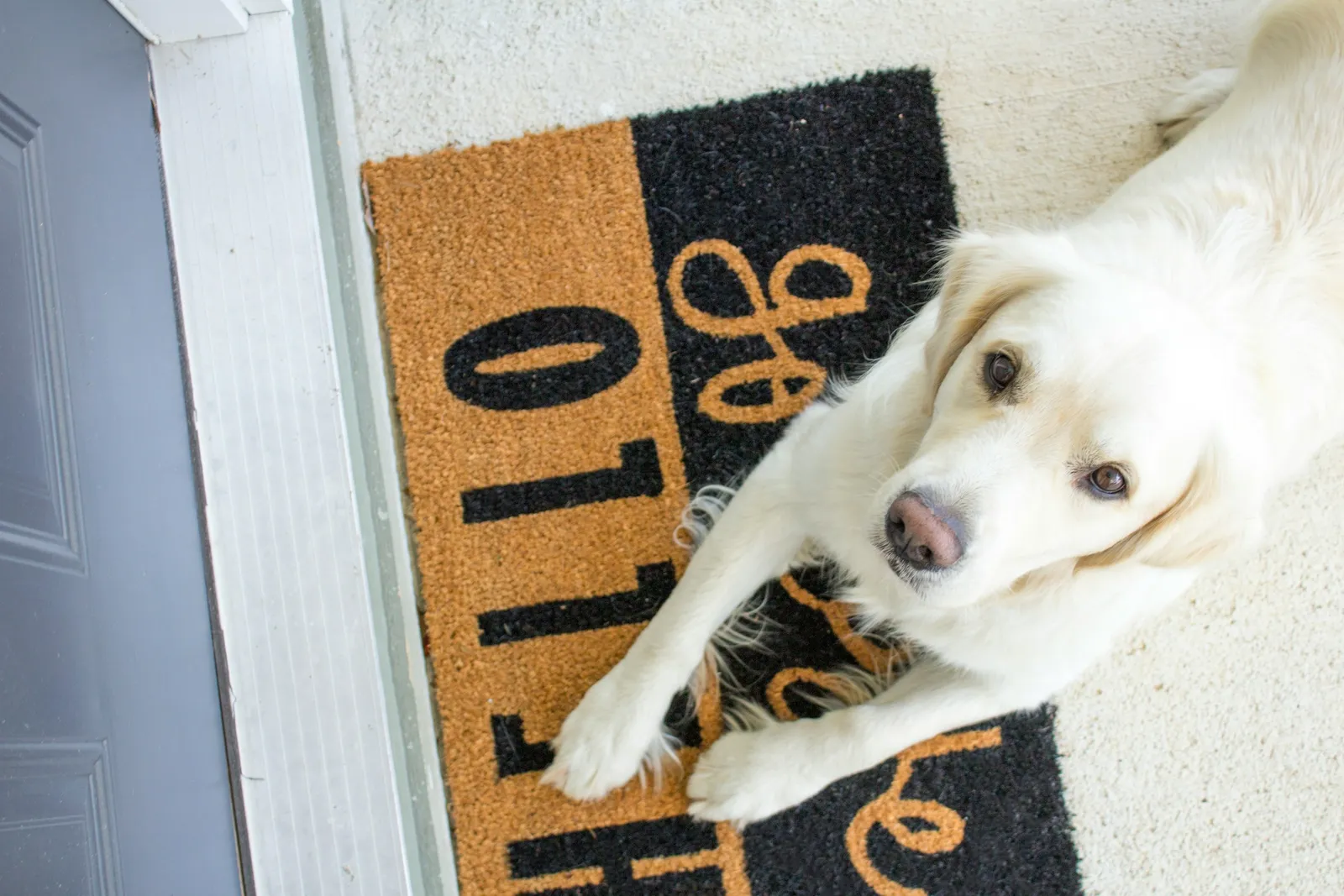
The dog who once met you with a full body wiggle may now lift their head from the bed and thump a tail. Families often feel a small pang and wonder if the bond has changed. In most cases it hasn’t.
Getting up simply costs more effort, and it may hurt. A dog who walks over slowly to rest against your leg is still saying hello. Sitting down at their level for a minute is a kind way to answer.
Confidence on Slippery Floors and Stairs
🔥 Would you like to save this?
We'll email this post to you, so you can come back to it later!
Hardwood and tile can become obstacles as muscles weaken. You might notice splayed legs, careful steps, or a dog who avoids certain rooms entirely. Because they simply stay on the carpet, nobody thinks much of it.
Rugs, runners, and non slip mats can make a noticeable difference. Keeping nails trimmed and the hair between paw pads tidy also helps with grip. Small home changes like these often give a dog back a surprising amount of freedom.
Telling You When Something Hurts
🔥 Would you like to save this?
We'll email this post to you, so you can come back to it later!
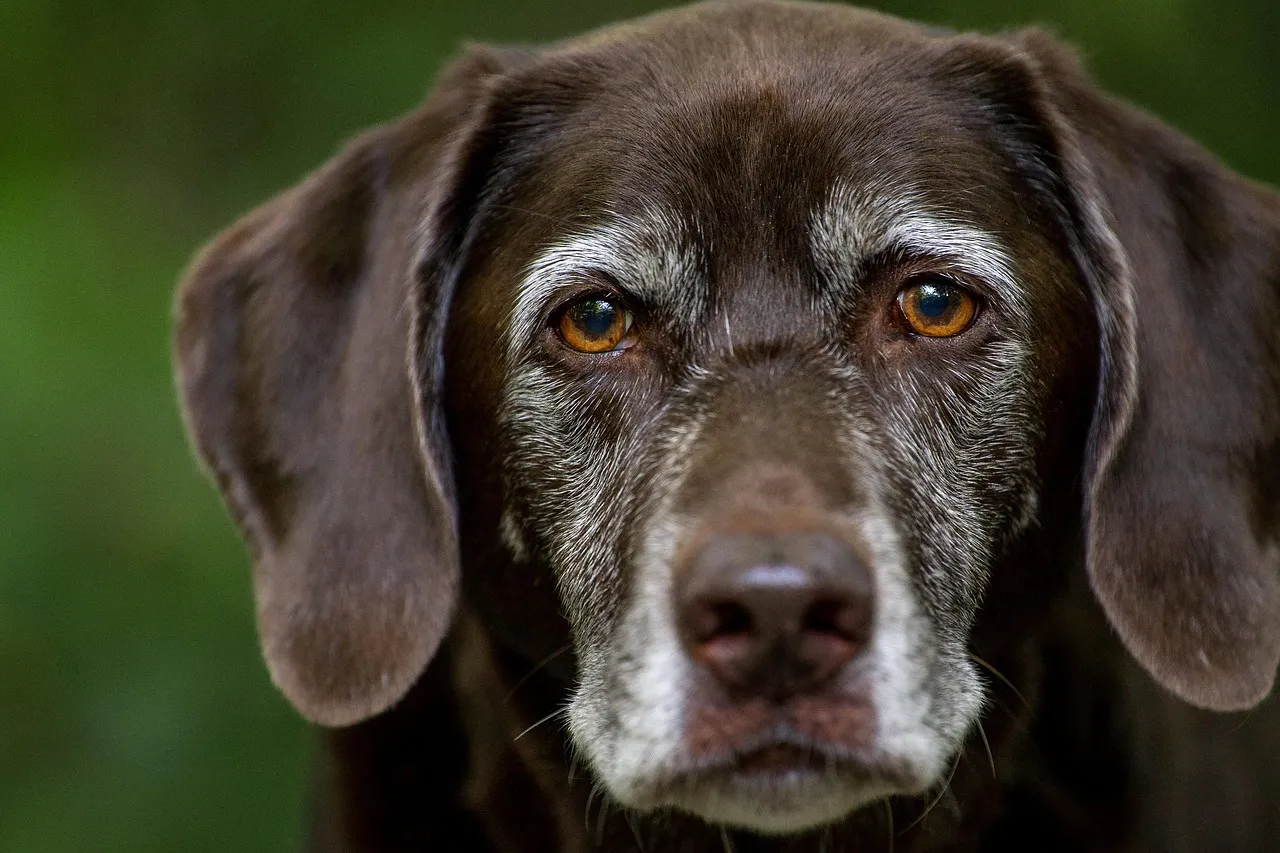
This may be the most overlooked loss. Dogs tend not to complain, and many hide discomfort. Pain can show up as panting, reluctance to be touched, licking a joint, irritability, or simply being quieter than usual.
Because the signs are subtle, regular senior checkups matter. Vets often suggest more frequent visits as dogs get older, and there are treatments that can improve comfort. If you notice a pattern of small withdrawals, treat it as information, not just aging.
Final Thoughts
🔥 Would you like to save this?
We'll email this post to you, so you can come back to it later!
I think we’re too quick to say a dog is just old. Sometimes that’s true, but often it’s a sign that something is uncomfortable, and something can be done. Slowing down isn’t always a one way street.
My view is simple. Watch the small stuff, adapt the house, and ask your vet early instead of late. An older dog rarely asks for much, so noticing what they’ve quietly set aside is one of the best gifts you can give back.

- 7 Everyday Habits That Can Make Your Senior Dog Happier - November 5, 2026
- 10 Enigmatic Structures That Continue to Puzzle Scientists Today - November 5, 2026
- 10 Strange Ruins in the Americas That Challenge What We Know About Early History - November 5, 2026