
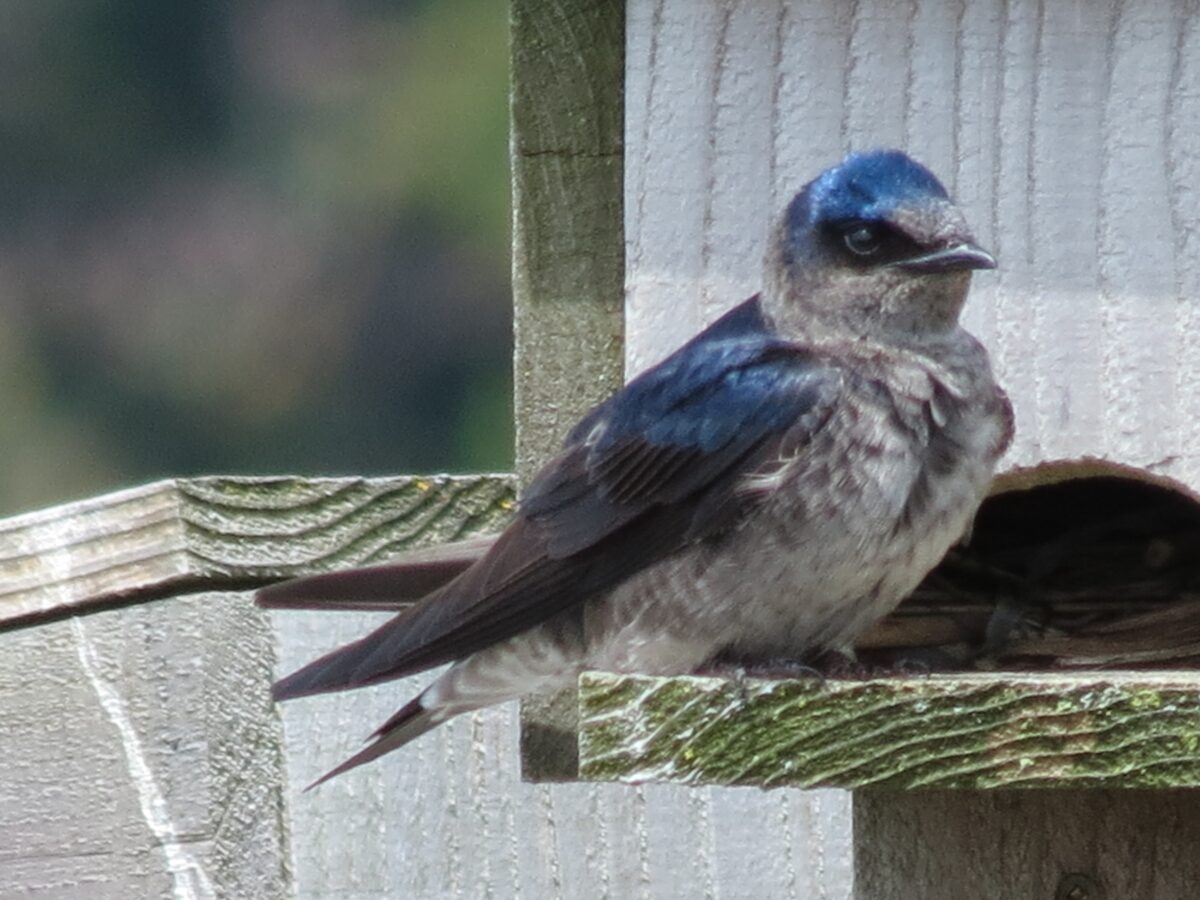
#1. Wide Open Airspace Around the House
🔥 Would you like to save this?
We'll email this post to you, so you can come back to it later!
Purple martins are aerial feeders, meaning they eat, drink, and even bathe while flying. Because of this, they need a landing zone that offers a clear, unobstructed approach from multiple directions. Purple martins prefer housing that is placed in open areas with clear paths for flight, ideally at the center of the largest open space available.
A yard that’s boxed in by fences, sheds, or dense landscaping simply doesn’t read as safe to a scouting martin. They’re not being fussy for the sake of it. In the wild, open sightlines meant fewer surprise attacks from predators, and that instinct hasn’t faded just because most martins now nest in gourds and aluminum houses instead of hollow trees.
#2. Distance From Tall Trees
🔥 Would you like to save this?
We'll email this post to you, so you can come back to it later!
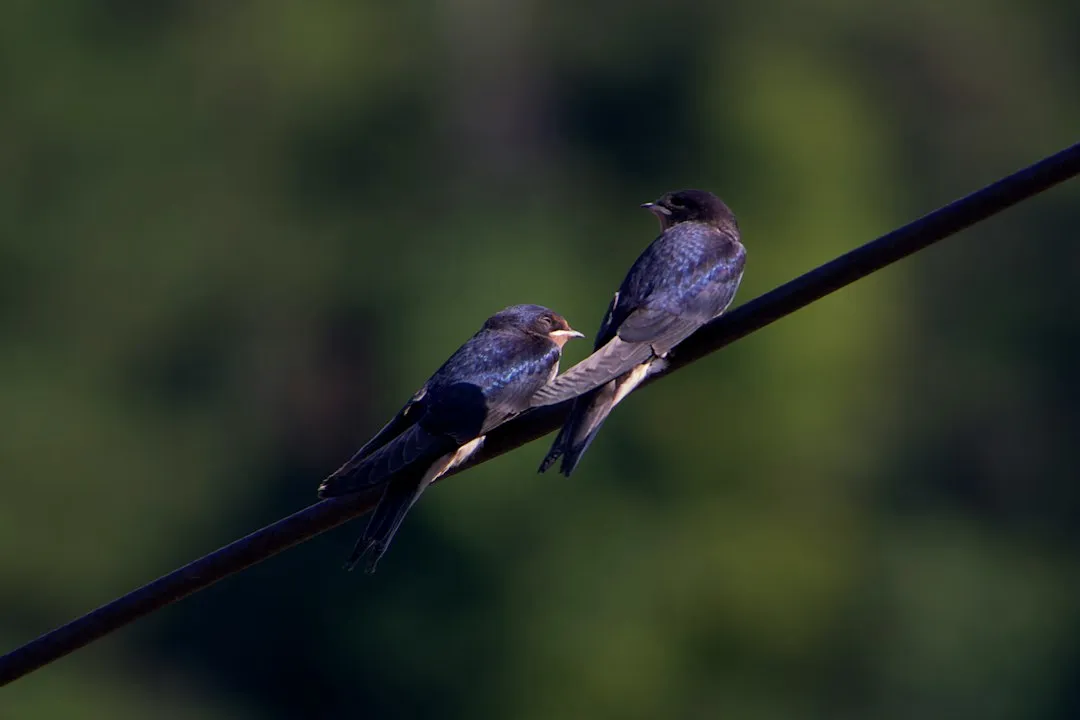
Trees might seem like a pleasant backdrop for a martin house, but martins tend to see them as a liability rather than a bonus. Landlords are advised to keep martin housing at least 30-40 feet away from any tall trees. Some sources push that number even higher for safety margins.
A commonly cited standard is placing housing at least 40-60 feet from trees, with slightly more leniency in the southern part of their breeding range. The logic is straightforward: tall trees give hawks and owls a perch from which to ambush the colony, and they also break up the clean flight lines martins depend on for quick, level approaches to their nest holes.
#3. Proximity to Human Activity
🔥 Would you like to save this?
We'll email this post to you, so you can come back to it later!
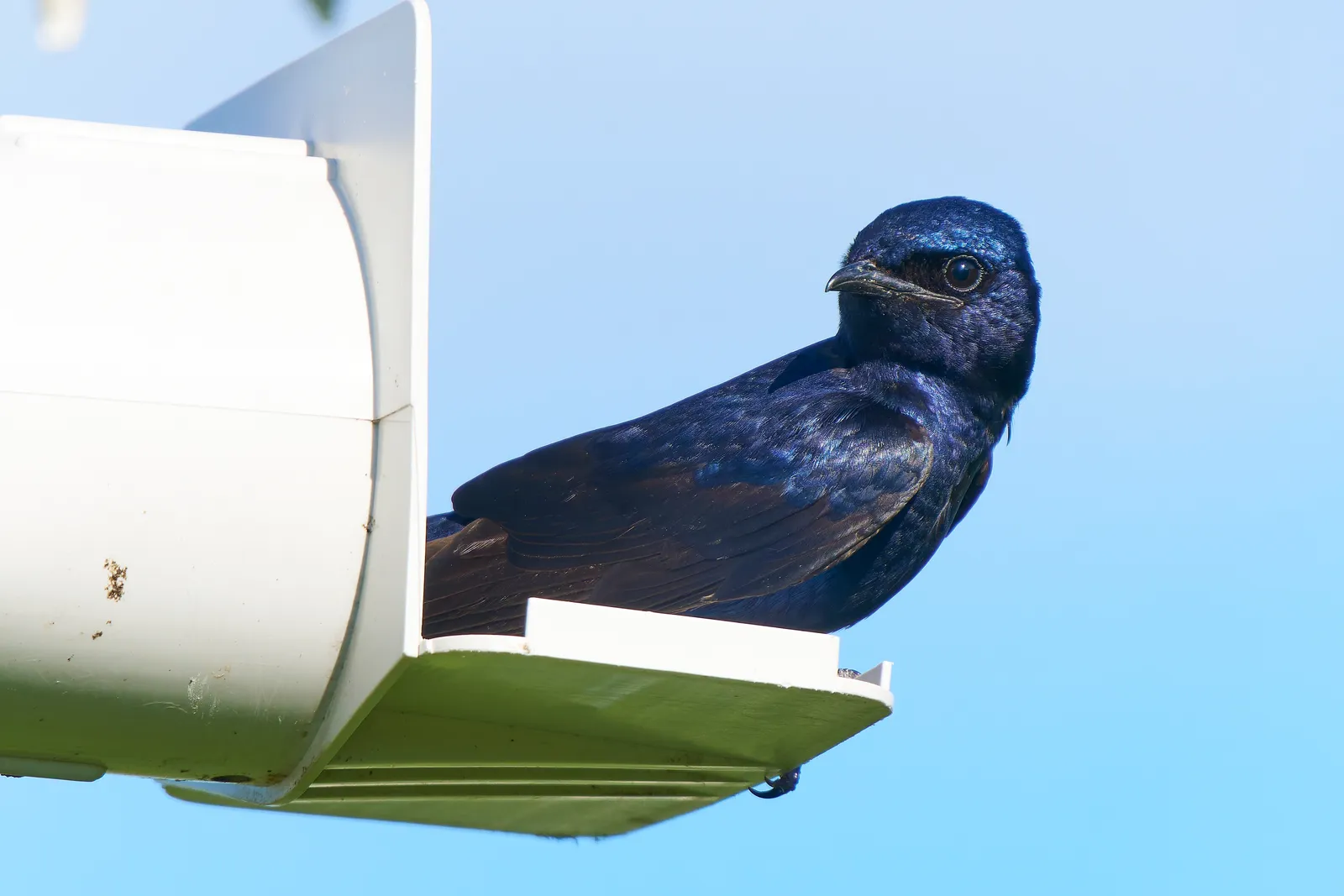
It sounds counterintuitive, but martins actually gravitate toward homes and yards where people are present rather than avoiding them. Martins prefer nesting sites near people, believing this deters predators, with the optimal zone being 30 to 100 feet from an occupied dwelling or active area. That’s a fairly wide window, but it rules out both isolated fields and spots crammed right against a house.
Research has shown that martin housing placed more than 120 feet from human housing has a lower chance of being occupied, likely because martins have learned through natural selection that nesting closer to people offers more safety from predators. In other words, that pole in the middle of your open backyard is doing double duty. It’s giving them flight room while still keeping them within your protective orbit.
#4. Signs of Predator Risk
🔥 Would you like to save this?
We'll email this post to you, so you can come back to it later!
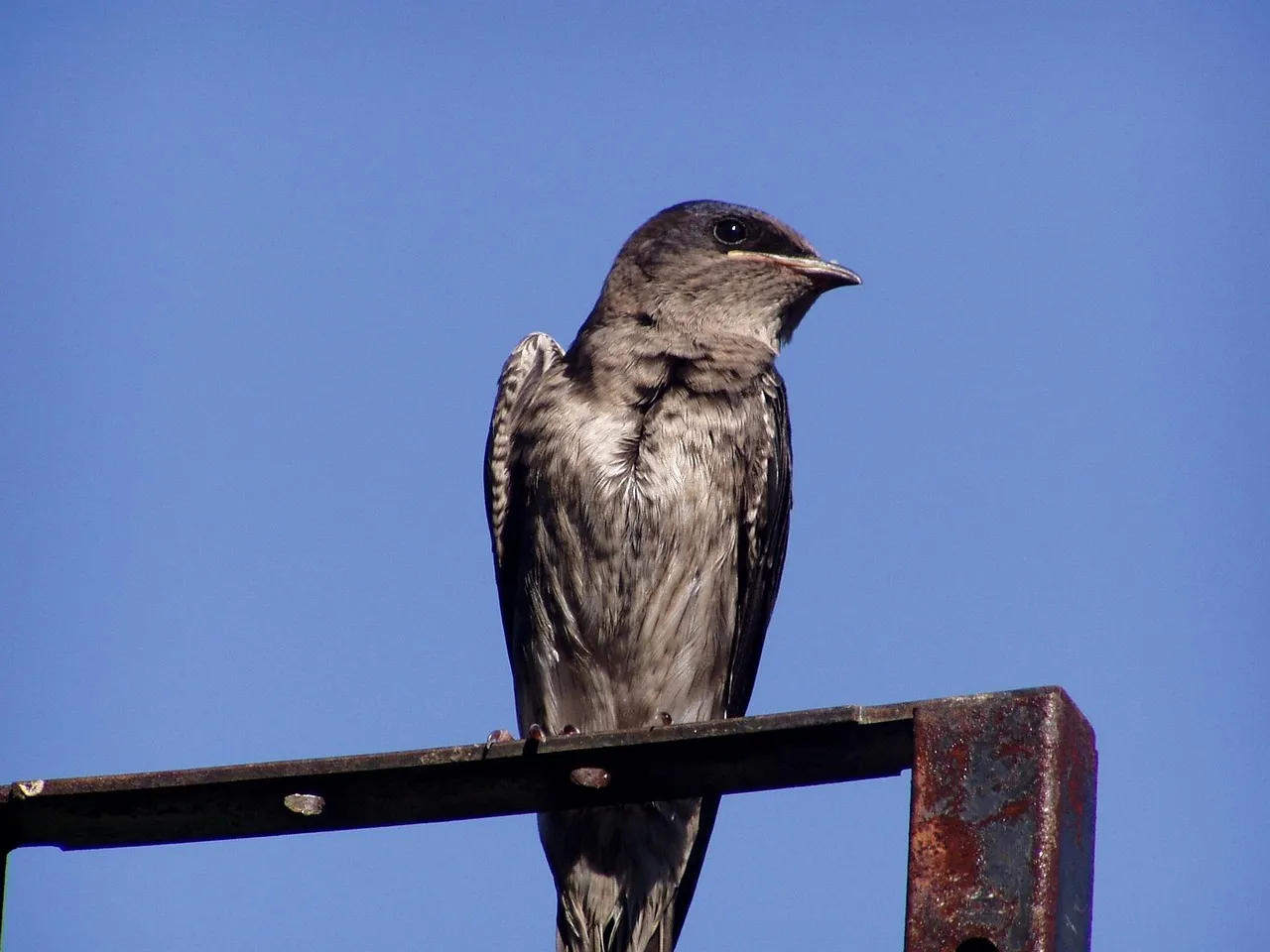
Martins are constantly scanning for anything that hints at danger, and they’re remarkably good at spotting trouble before it becomes a problem. Predator guards are recommended on all active housing, since any type of pole, wood or metal, is easily climbed by predators like snakes, raccoons, and squirrels. A pole without one is a visible weak point, even to a bird just circling overhead.
Owls and hawks present a different kind of threat entirely. Aerial predators like hawks, owls, and crows commonly raid martin housing, and conventional shallow compartments don’t offer much protection since predators can easily reach nestlings in shallow rooms, whereas larger, deeper compartments let martins place their nests further from the entrance and out of a predator’s reach. A colony site riddled with these vulnerabilities tends to get abandoned quickly, sometimes within a single season.
#5. Multiple Available Cavities
🔥 Would you like to save this?
We'll email this post to you, so you can come back to it later!
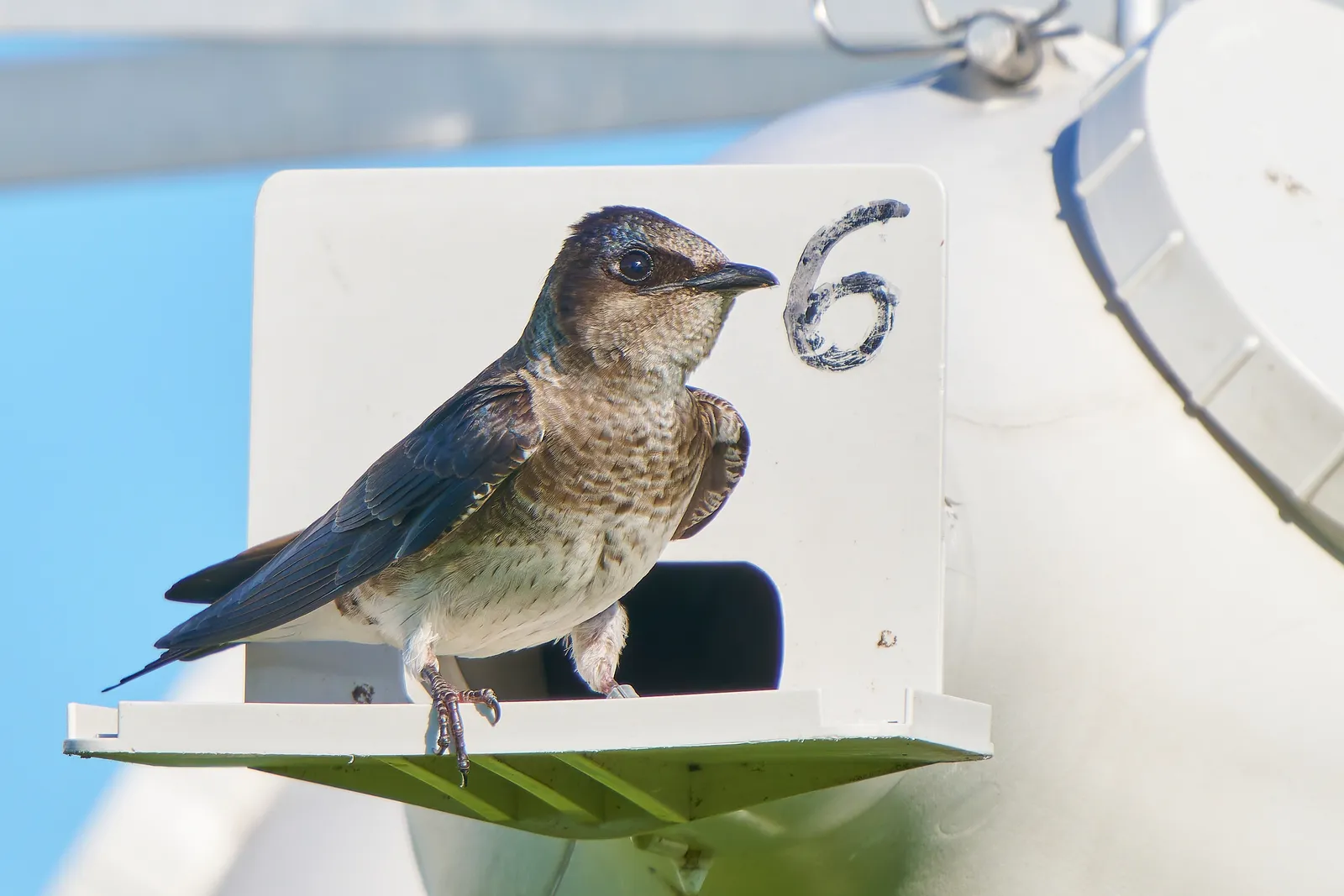
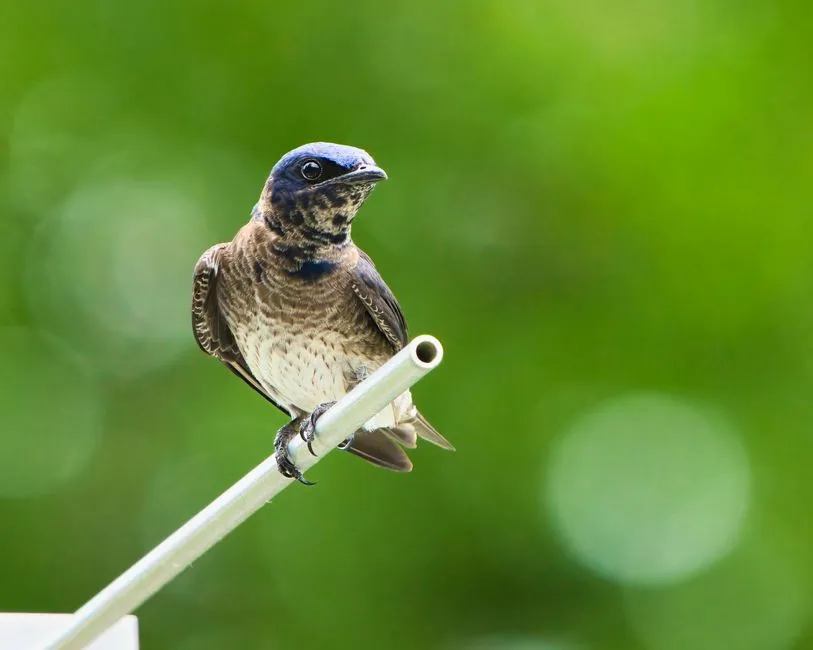
Unlike a lot of backyard birds, purple martins are colonial nesters through and through, and a single-hole box just doesn’t interest them. Purple Martins are colony nesters, which means they prefer multiple compartments grouped together rather than a single standalone box. The social structure of the group matters as much as the physical shelter itself.
The most important element for establishing a colony is having plenty of housing cavities available to choose from, with gourds and birdhouses hung from wires or set atop poles in open areas being highly desirable real estate. A house with only a handful of open compartments sends a subtly discouraging signal, since it can’t support the kind of loose, buzzing community these birds are wired to seek out.
#6. Cavity Depth and Shape
🔥 Would you like to save this?
We'll email this post to you, so you can come back to it later!
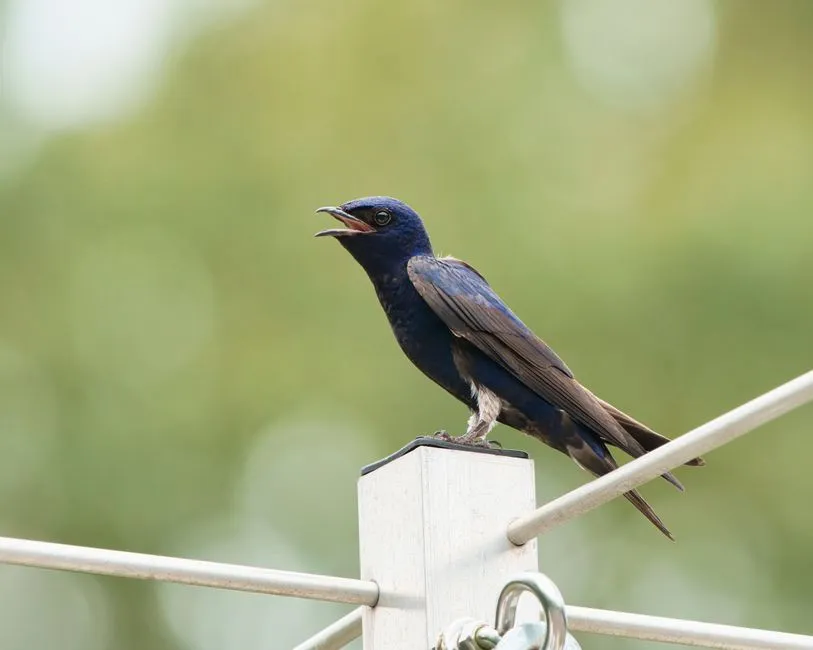
It’s not enough to simply offer a hole. The shape and depth of that cavity plays into how safe a martin feels once it commits to a nest site. Given a choice, martins seem to prefer a bit of space between cavities, which is part of why gourds have become a popular option, especially when starting a new colony.
Compartment size matters just as much as spacing. While purple martins don’t need much room, the interior of a compartment should measure at least 6×6 inches, with larger options of 6×9 or 6×12 recommended, since larger compartments allow the nest to sit farther from the opening and stay safer from predators like owls. A shallow, cramped box, even if it’s technically available, tends to get passed over in favor of deeper, roomier options nearby.
#7. Whether Other Birds Have Already Claimed It
🔥 Would you like to save this?
We'll email this post to you, so you can come back to it later!
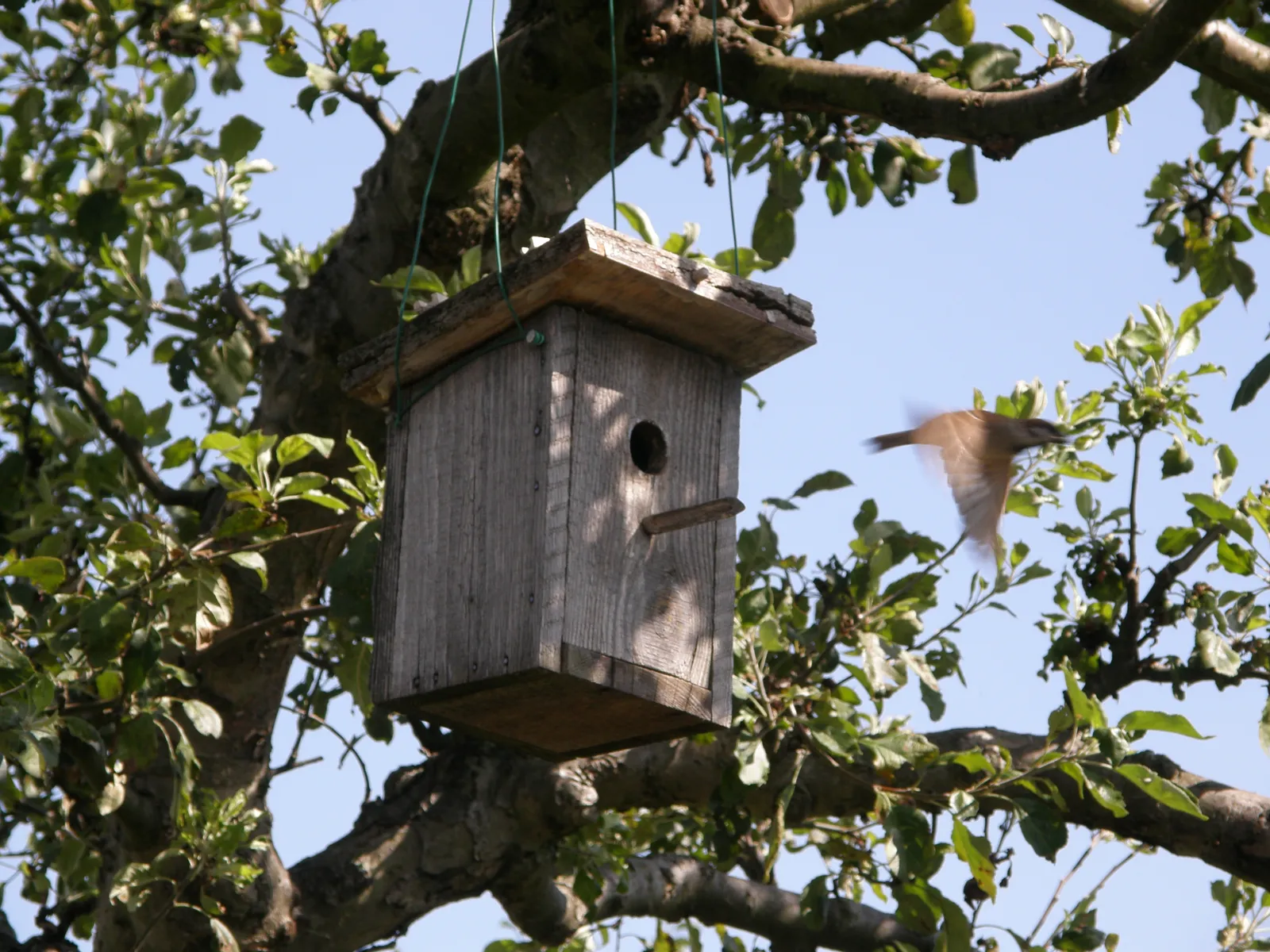
Timing plays a bigger role in colony selection than most new landlords expect. House sparrows and European starlings are notorious for beating martins to freshly available housing, and once they’ve settled in, they’re difficult to dislodge. Other bird species such as sparrows and starlings can arrive before purple martins and claim all nesting sites, forcing martins to look elsewhere, which makes it crucial to have a birdhouse clean and free of other birds when martins arrive.
This is exactly why experienced landlords keep entrance holes closed until scouts are due, then only open them gradually. Opening a martin house too early generally just results in instant occupancy by nest site competitors, which is why prospective landlords are typically told not to open their housing until about four weeks after the first martins are scheduled to return to the area. A colony site that looks contested or already occupied by competing species simply won’t register as an option.
#8. Site History and Established Activity
🔥 Would you like to save this?
We'll email this post to you, so you can come back to it later!
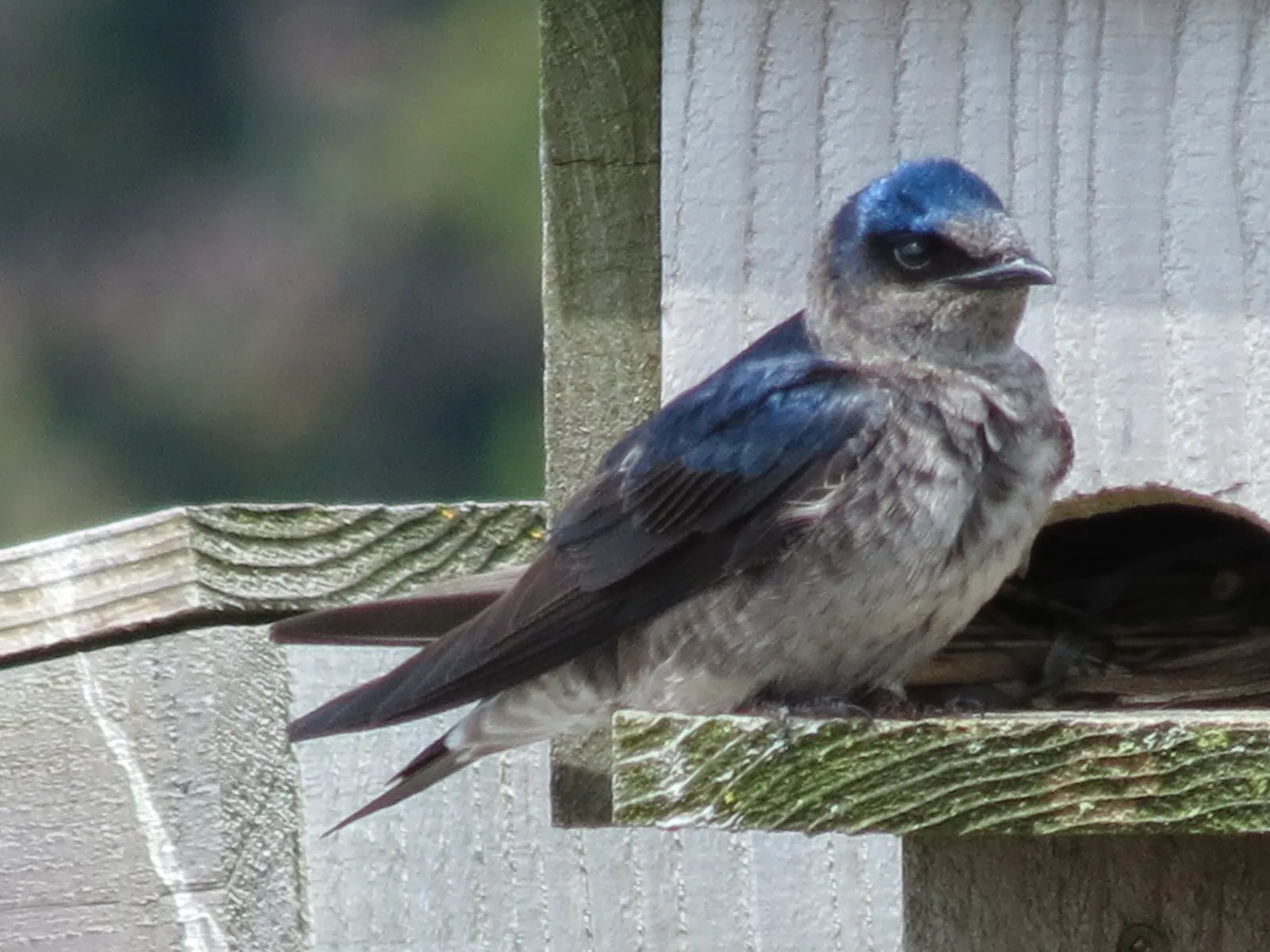
Martins have long memories when it comes to nesting locations, and this trait shapes colony growth more than almost anything else. Purple Martins have a very strong site tenacity, meaning they will return to the same site they successfully nested in previously, and it’s this one fact that keeps purple martin colonies going year after year. A site with a track record practically advertises itself to returning adults.
New sites face a tougher climb, largely because it’s younger, less experienced birds that tend to explore unfamiliar territory. The majority of Purple Martins looking for new nests will be the fledglings from the prior year. This is also why early-season visitors to a brand new pole aren’t necessarily a lost cause. At the beginning of the season martins will sometimes use colony sites as stopovers before flying back to where they nested the previous year, or they could be visiting from a nearby colony since martins are social creatures, and even though they may not stay, it’s still a good sign that the housing is in a good location.
#9. Nearby Water and Food Sources
🔥 Would you like to save this?
We'll email this post to you, so you can come back to it later!
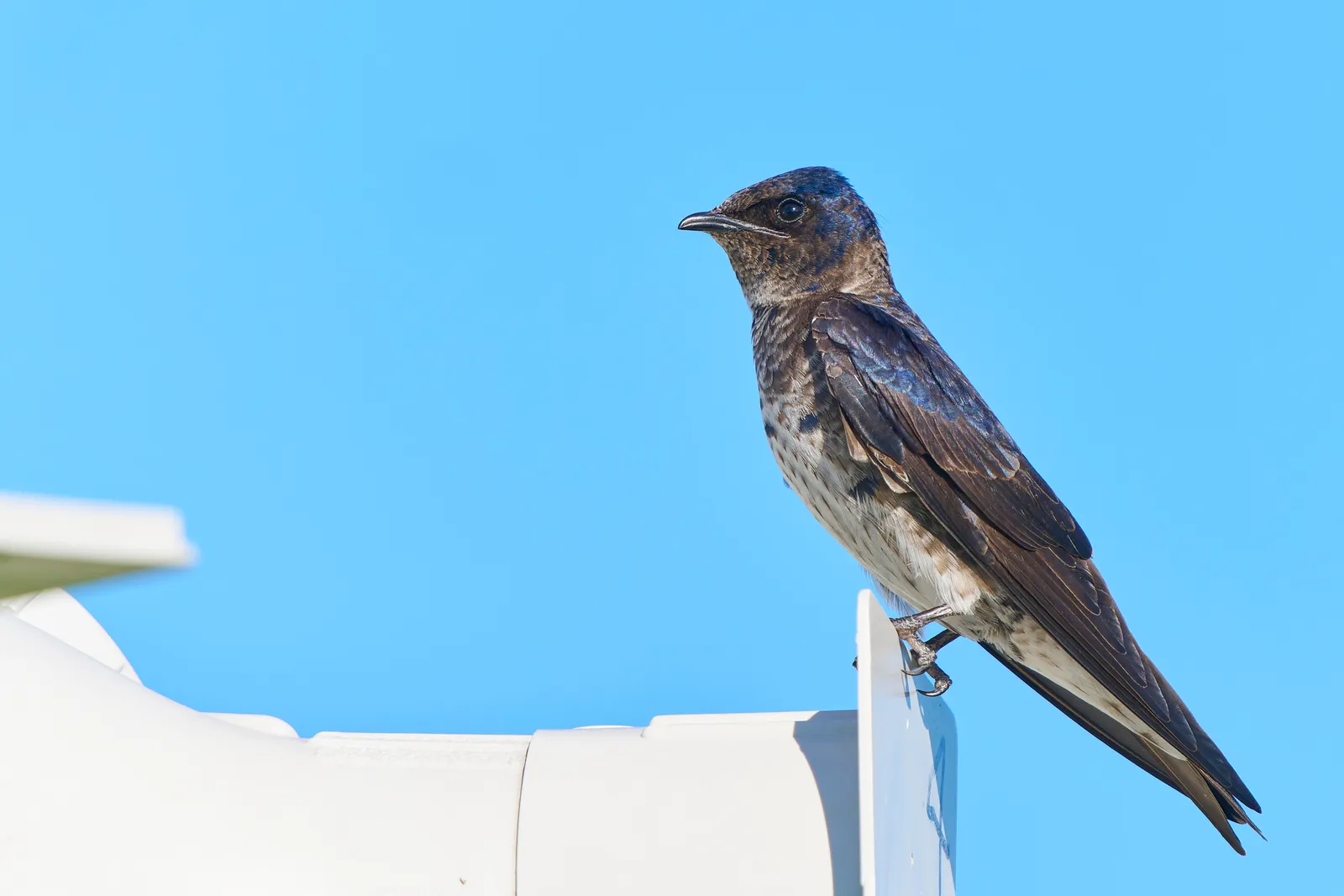
Since martins hunt exclusively on the wing, catching flying insects mid-flight, the surrounding landscape needs to support that lifestyle. Open fields, pastures, and areas near water tend to produce the steady insect activity these birds rely on throughout the breeding season. Locating housing near water access, such as ponds or lakes, helps attract martins by providing food.
Waterside settings offer a second advantage too, one that’s less about food and more about visibility and access. For those who live near a body of water, boat docks are considered ideal locations for mounting a martin house or gourd rack. The open water guarantees a clear approach on at least one side, which lines up neatly with the flyway requirements martins already look for everywhere else.
Final Thoughts
🔥 Would you like to save this?
We'll email this post to you, so you can come back to it later!
What strikes me most about all of this is how little of it has to do with aesthetics. A colony site succeeds or fails based on physics and instinct, on flight paths, sightlines, and inherited caution passed down through generations of birds that learned the hard way what a predator ambush looks like. Landlords who treat martin housing as a decorative addition rather than a carefully engineered habitat are usually the ones left wondering why the poles stay empty.
If there’s a takeaway here, it’s that patience and precision matter more than enthusiasm. Get the distance from trees right, keep the airspace clear, protect the pole, and let word of mouth, or rather, word of wing, do the rest. Purple martins have been sizing up nesting sites this way for a very long time, and honestly, their standards make a lot of sense once you see the world from their altitude.

- 7 Everyday Habits That Can Make Your Senior Dog Happier - November 5, 2026
- 10 Enigmatic Structures That Continue to Puzzle Scientists Today - November 5, 2026
- 10 Strange Ruins in the Americas That Challenge What We Know About Early History - November 5, 2026