
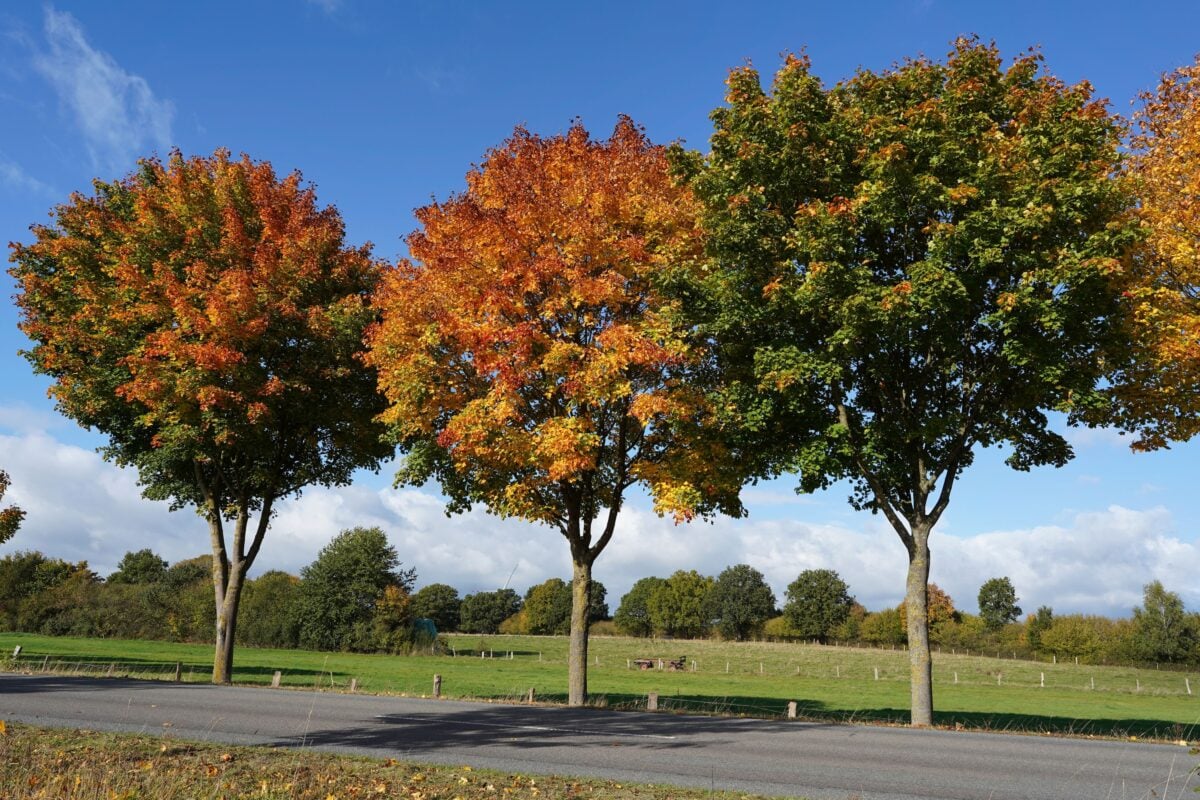
Your trees look like they’ve clocked out for the season. Leaves are turning, the yard looks sleepy, and it’s tempting to assume nothing much is happening until the first snowfall buries everything. That assumption is exactly why so many “healthy” trees end up split, scorched, or dead by spring.
In reality, weeks before that first hard freeze, your trees are running a survival operation more calculated than most people’s emergency plans. They’re rationing nutrients, banking sugar, rewriting their own cell chemistry, and quietly deciding which limbs live and which get abandoned. Stick around, because the last one on this list explains why some trees seem to “age overnight” after a rough winter – and it has almost nothing to do with the cold itself.
#9 – They Quietly Start “Starving” Their Own Leaves
🔥 Would you like to save this?
We'll email this post to you, so you can come back to it later!
Here’s the wild part: before a hard winter, your tree intentionally starts cutting off supplies to its own leaves. Deciduous trees don’t wait for the first snowflake. They start responding to shorter daylight hours and cooler nights weeks earlier, long before you feel genuinely cold outside.
Sensors in leaves and buds read the changing light, then trigger chemical messages that tell the tree, “Stop investing in leaves. It’s time to shut down the summer factory.” Instead of feeding the leaves, the tree begins pulling valuable nutrients – especially nitrogen and phosphorus – back into branches, trunk, and roots. This is called nutrient resorption, and it’s basically the plant version of stripping a building for parts before demolition.
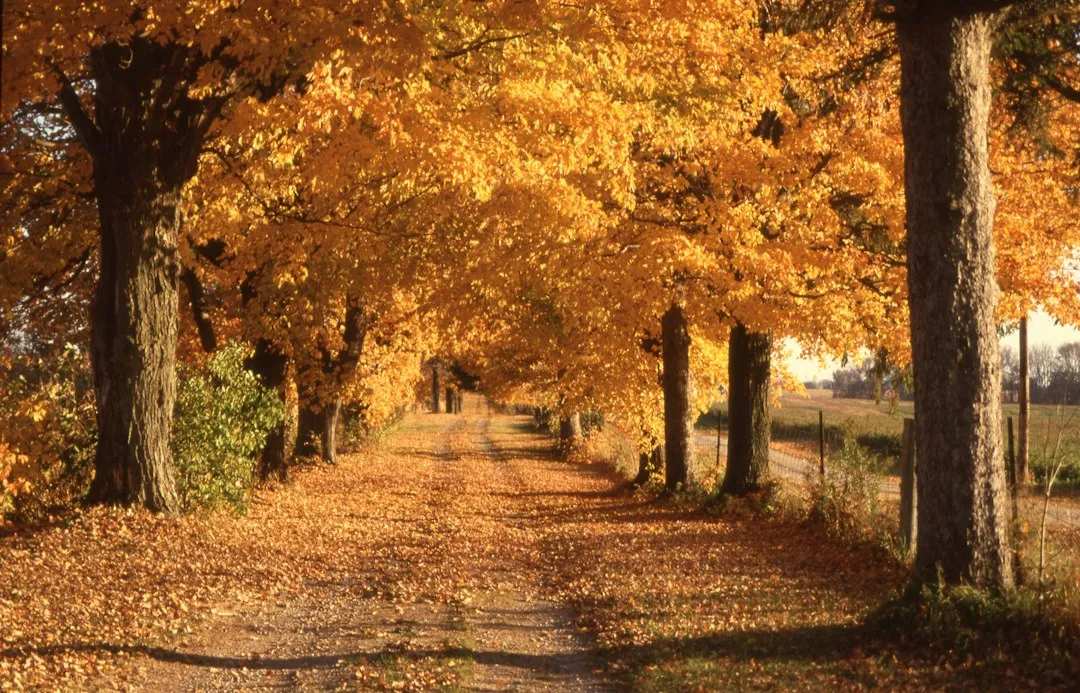
That yellowing you admire every fall? It’s often chlorophyll breaking down so the tree can reclaim what’s locked inside. This is also why fertilizing heavily in late fall can backfire badly. You’re pushing “grow” right when the tree is trying to hit “shutdown,” which can trigger a burst of tender new growth that’s far more likely to get killed by the first hard freeze.
A few signals worth watching for in your own yard:
- Sudden, uneven yellowing starting from the inside of the canopy
- Green veins with yellow tissue around them
- Outer leaves staying green longer than inner ones
Most people think fall color is just about cold air. In reality, your tree’s decision to starve its own leaves on purpose is the opening move of a much bigger strategy – and the next one is even stranger.
#8 – They Move Sugar Around Like a Hidden Emergency Bank
🔥 Would you like to save this?
We'll email this post to you, so you can come back to it later!
Right before a hard winter, your tree becomes a sugar accountant, and it doesn’t care what your rake schedule is. As photosynthesis slows down in fall, trees frantically convert leftover sugars into starches and stash them in roots, lower trunks, and sometimes even large branches.
This is their winter emergency fund. When the ground is frozen and the canopy is bare, those stored carbohydrates keep cells alive, fuel early spring growth, and help repair whatever damage winter throws at them.
Here’s the twist: the size of that sugar bank depends heavily on how stressful the growing season was. A droughty or heat-stressed summer usually means weaker sugar reserves heading into winter, which can make a hard freeze far more dangerous. That “healthy-looking” tree that barely got watered in August? It might be heading into January flat broke.
You can’t see the sugar directly, but you can read the clues:
- Trees with a strong, full canopy all summer usually store more reserves
- Repeated leaf scorch, early leaf drop, or sparse foliage may signal poor carbohydrate storage
- Weak, small spring leaves often mean the tree burned through too much energy just surviving winter
Some arborists argue that proper watering in late summer and early fall matters more for cold survival than winter watering ever does, precisely because it determines how much sugar gets banked. Ignore that, and your tree limps into winter instead of striding into it.
#7 – They Turn Their Own Cells into Natural Antifreeze
🔥 Would you like to save this?
We'll email this post to you, so you can come back to it later!
Most people assume trees just “freeze solid” in winter. Biologically, that would be fatal. So instead, your trees do something far stranger: they re-plumb their own cells from the inside out.
Before a hard winter, many trees trigger a process called cold acclimation. They reduce the amount of free water inside their cells, increase concentrations of dissolved sugars and proteins, and restructure their cell membranes to stay flexible at low temperatures. The result is water that’s encouraged to freeze outside the cells instead of inside them.
That distinction matters enormously. If ice formed inside a cell, it would puncture the membrane and kill the tissue instantly. By pushing water into the spaces between cells and using sugars as a natural antifreeze, the tree keeps its cells super-cooled but unfrozen even when the surrounding air is well below freezing.
Fast Facts
- Cold acclimation unfolds gradually, often needing several weeks of shortening days and cooling nights to finish
- Water shifts out of living cells into the spaces between them, where ice can form without killing tissue
- Rising sugar and protein concentrations act as a built-in antifreeze inside the cells
- Sudden early cold snaps are far more damaging than steady, gradual cooling
Conifers like spruces and pines are especially good at this trick. They can tolerate winter temperatures that would completely destroy tender ornamentals, not because they’re tougher in some macho sense, but because their cellular chemistry gets reprogrammed weeks in advance.
That reprogramming needs gradual exposure to cooler temperatures, consistently shorter days, and time – usually weeks – to fully complete. This is exactly why a sudden early-season cold snap can be so deadly. If autumn stays weirdly warm and then plunges, trees may not have finished their antifreeze conversion yet, leading to winter burn and dieback. If your region has been swinging between 70-degree days and sudden 20-degree nights, your trees are under more stress than you realize, and their built-in antifreeze may not be fully loaded.
#6 – They Seal Wounds and Quietly Decide Which Branches Are “Worth Saving”
🔥 Would you like to save this?
We'll email this post to you, so you can come back to it later!
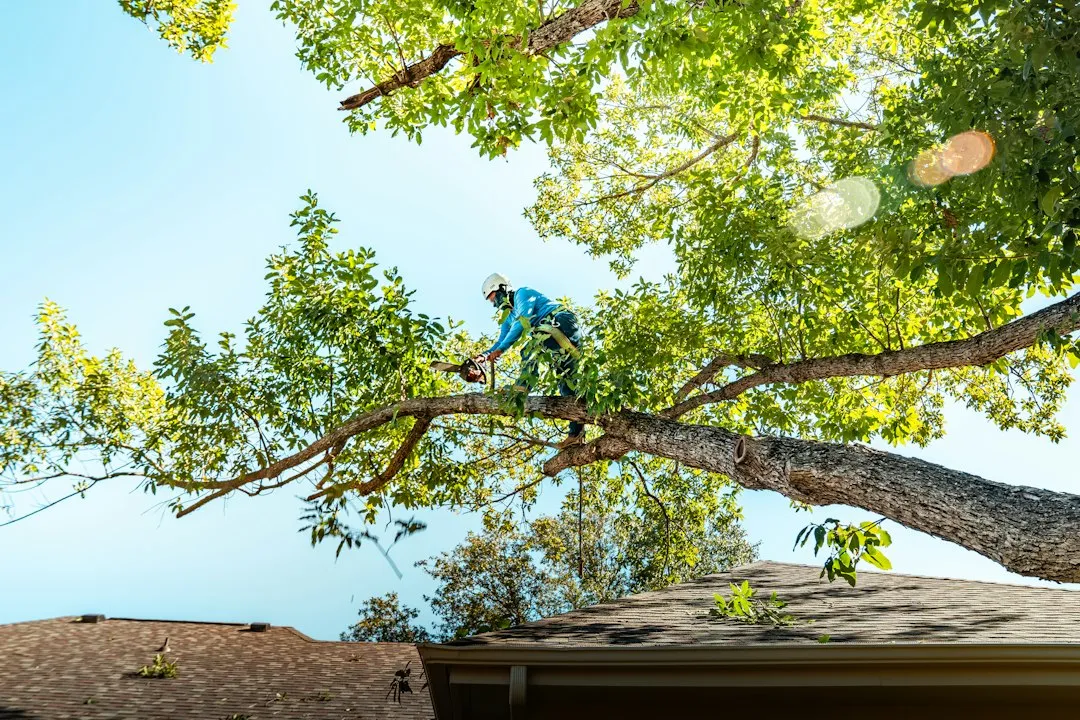
Before a hard winter, your tree goes into triage mode. Every cut, crack, or broken limb is an open invitation for fungi, rot, and freeze damage, and the weeks before winter are when the tree ramps up a defense system called compartmentalization.
It doesn’t heal wounds the way animals do. Instead, it builds chemical and physical barriers to wall off damaged areas entirely. Cells around a wound change chemistry to produce defensive compounds, and new tissue forms growth rings that lock decay in place instead of letting it spread. In some cases, the tree essentially writes off a branch, isolating it rather than trying to save it.
Quick Compare
- Heavy pruning right before a hard freeze: leaves large, unprotected wounds with no time to compartmentalize and drains energy the tree needs for shutdown
- Light, well-timed pruning earlier in dormancy: gives the tree weeks to wall off cuts and limit decay before extreme cold hits
- Natural small-branch shedding over winter: the tree’s own decision that a limb wasn’t worth the energy investment anymore
Contrary to the popular “any time after leaves drop is fine” advice, many arborists now avoid aggressive pruning right before extreme cold events. That’s also why you’ll see dead twigs, hanging stubs, and small dead branches naturally shed over a couple of winters. That’s not neglect – it’s the tree’s own internal decision that those structures weren’t worth the energy investment anymore.
#5 – They Adjust Their Roots While You’re Only Looking at the Leaves
🔥 Would you like to save this?
We'll email this post to you, so you can come back to it later!
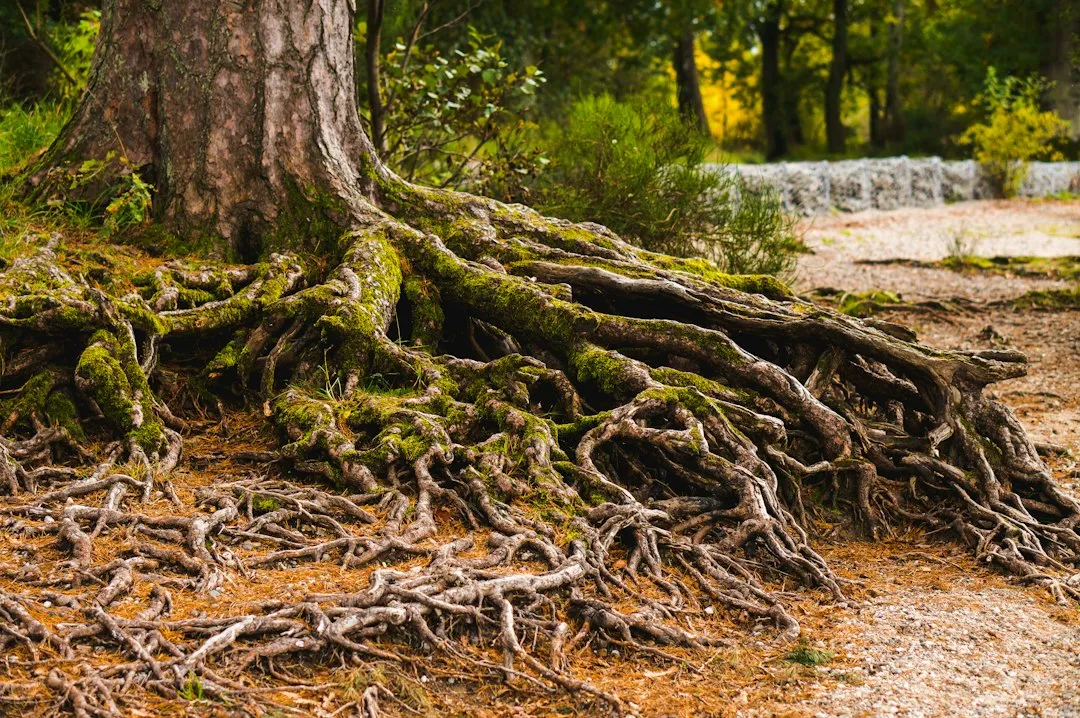
Most people stare at the canopy in fall. The real action, though, is happening underground where nobody’s watching. As air temperatures drop but soil stays relatively warm, roots often keep growing and reorganizing well after the leaves start falling. In many climates, autumn is actually one of the most active root growth periods of the entire year.
Trees are busy extending fine feeder roots to improve water and nutrient uptake, repairing root damage from summer drought or construction, and thickening structural roots to anchor against winter winds and heavy snow. This quiet underground work is critical prep for a hard winter, helping the tree access limited unfrozen soil moisture, resist being uprooted during wet snow or ice storms, and fuel a fast leaf-out once spring finally shows up.
Ironically, this is exactly the time of year when many homeowners stop watering entirely. If autumn turns dry, trees can’t complete this root “rebuild” phase, leaving them more vulnerable to winter desiccation and windthrow.
A few unsexy but science-backed truths:
- Deep, infrequent watering in early-to-mid fall beats constant summer sprinkling
- 2 to 4 inches of mulch – not volcano piles against the trunk – keeps soil temperatures stable and supports root activity longer
- Late-season lawn over-fertilization pushes shallow grass growth while doing almost nothing for deep tree roots
So while you’re raking, your tree is quietly remodeling its underground support system, and it absolutely notices whether you helped or ignored it.
#4 – They Change the Way They Breathe to Avoid Winter “Dry-Out”
🔥 Would you like to save this?
We'll email this post to you, so you can come back to it later!
Most people only think about watering trees in summer. That’s a mistake, because winter dehydration can be just as deadly as summer heat, especially for evergreens standing bare against the cold all season.
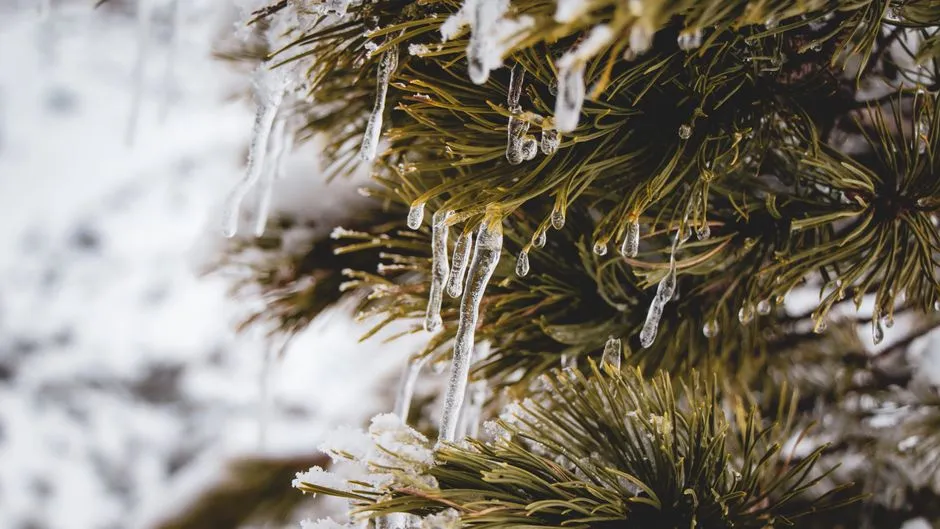
Leaves and needles constantly lose water through tiny pores called stomata. Before a hard winter, trees adjust how and when those pores open, reducing stomatal opening, thickening or wax-coating leaf surfaces to slow evaporation, and in evergreens, sometimes clustering or reorienting needles to reduce exposure to harsh wind.
Yet on sunny winter days, when the ground is frozen solid, those needles can still lose water while the roots have nothing left to replace it with. That’s why you’ll often see brown, scorched-looking patches on the south or windward side of evergreens by late winter. It’s not always “cold burn” like most people assume – it’s frequently just moisture loss with nowhere to refill from.
A few practical realities that surprise most homeowners:
- Many experts now recommend deep watering evergreens in late fall before the ground freezes, especially in windy or dry climates
- Anti-desiccant “winterizing” sprays have mixed evidence at best; proper watering and mulching matter far more
- Broadleaf evergreens like rhododendrons, boxwoods, and some hollies are far more prone to winter water loss than people realize
If you’ve ever wondered why one side of a spruce browns out while the rest looks perfectly fine, you’re probably seeing the result of how that side interacted with winter sun, wind, and frozen soil water – not just raw cold.
#3 – They Use Fall Color and Leaf Drop as a Calculated Energy Trade
🔥 Would you like to save this?
We'll email this post to you, so you can come back to it later!
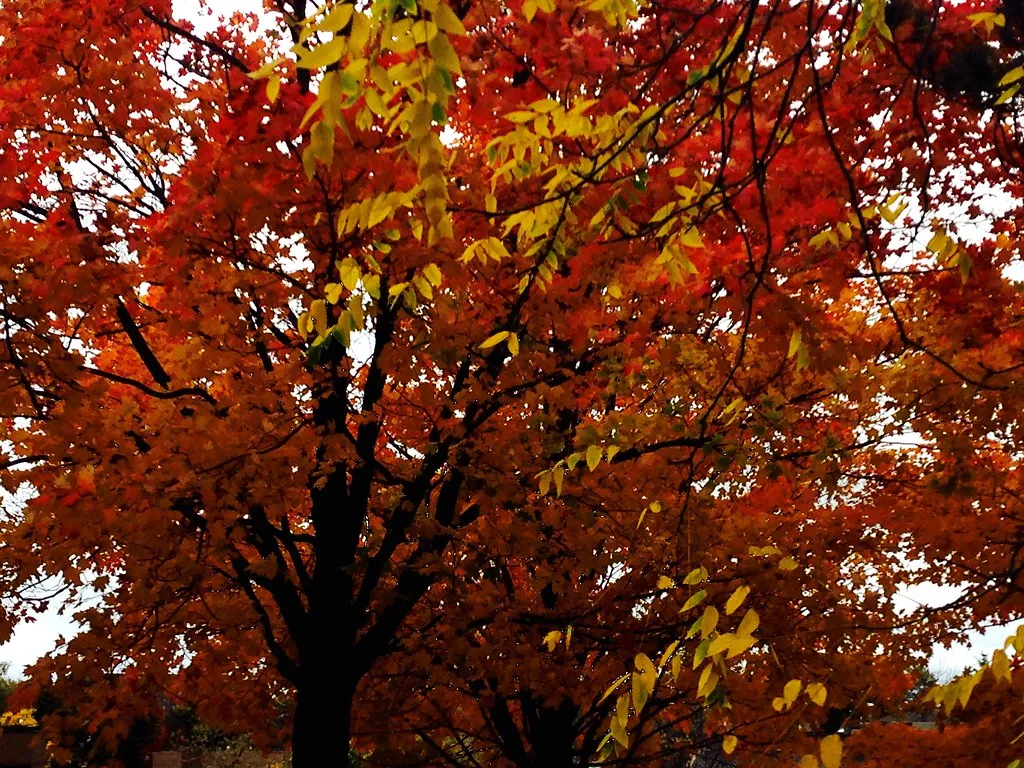
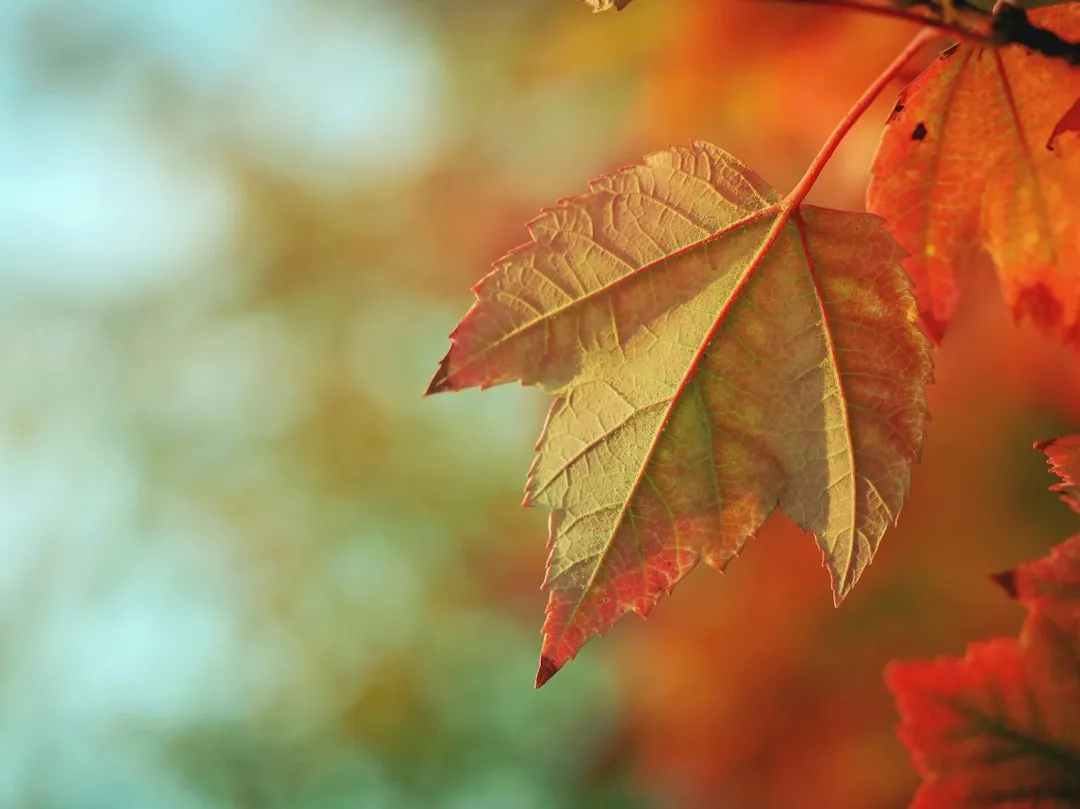
Everyone romanticizes fall color. Your tree treats it like a brutal cost-benefit equation with no room for sentiment. As chlorophyll breaks down, other pigments – carotenoids for yellows and oranges, anthocyanins for reds and purples – finally become visible underneath.
What most people don’t realize is that those bright colors can play functional roles. Anthocyanins may act as a kind of sunscreen, protecting aging leaves from light damage while the tree finishes pulling out the last useful nutrients. By extending this scavenging window, trees can reclaim more nitrogen and other key elements before the leaf gets discarded entirely, and brighter color often shows up strongest in leaves where nutrient recovery is still actively happening.
Once enough nutrients have been recovered, the tree forms an abscission layer – a specialized band of cells at the base of each leaf stem that slowly severs the connection, letting the leaf fall without tearing any tissue behind it.
Some people insist that a tree dropping leaves early just means it’s getting ready for winter, but that isn’t always true. Very early leaf drop, especially with small or misshapen leaves, can actually signal stress, disease, root damage, or drought. Timing tells the real story:
- Gradual color change followed by a steady drop in late fall usually means healthy dormancy prep
- Sudden mid-summer defoliation or patchy early fall leaf loss is a genuine red flag
So yes, your autumn landscape is beautiful. But to the tree, those colors and falling leaves are just the final, ruthless steps in squeezing every usable resource from summer before winter slams the door shut.
#2 – They Quietly Shift Their Entire Internal “Clock” into Low Power Mode
🔥 Would you like to save this?
We'll email this post to you, so you can come back to it later!
Here’s the part almost everyone gets wrong: winter dormancy is not the same thing as sleep. It’s closer to firmware-level power management, and it happens in stages most homeowners never hear about.
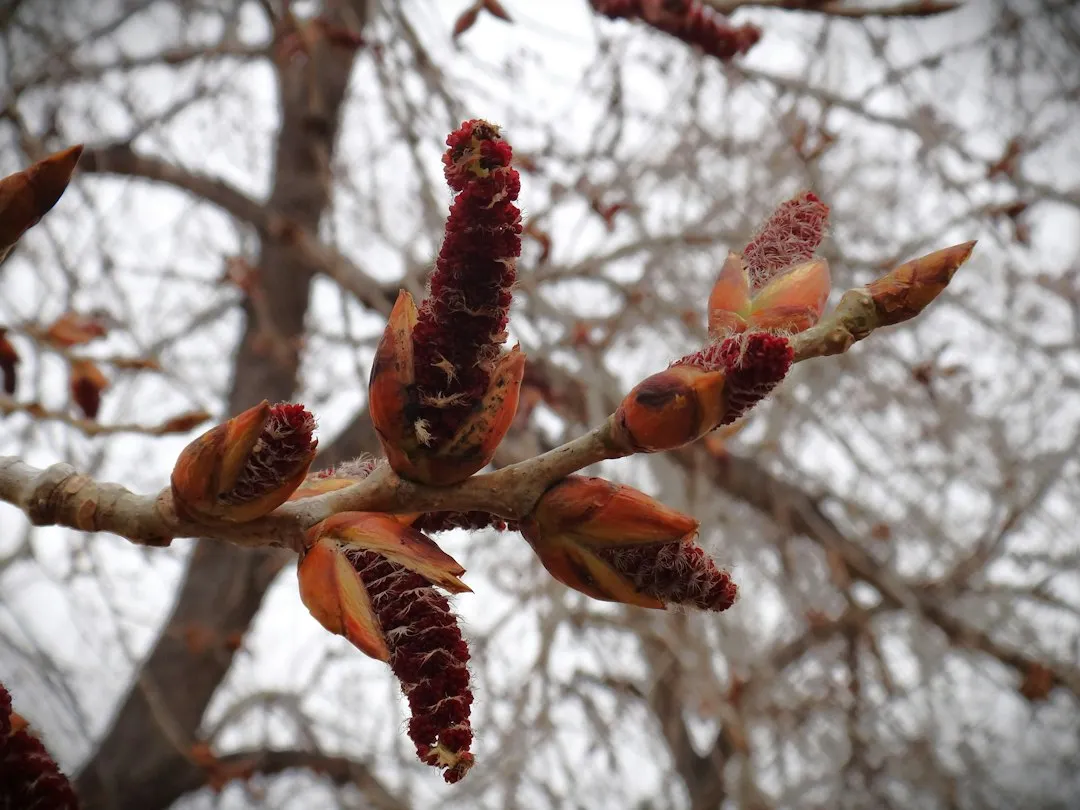
First comes endodormancy, where growth stops even if conditions briefly improve, because the tree is locked by internal signals triggered by day length and prior cold exposure. Then comes ecodormancy, which kicks in after enough “chilling hours” – time spent at cool but not lethal temperatures – have accumulated. At that point, the tree becomes able to grow again if the environment allows it.
This distinction matters more than people think. If a warm spell hits mid-winter before the chilling requirement is met, your tree usually stays put and waits it out. But if weirdly warm weather shows up late, after chilling is already complete, buds may start to swell or even break early. Then the next hard freeze can kill flowers, young leaves, and fine twigs in one shot.
Different species carry very different chilling needs. That ornamental cherry by your porch might be far more vulnerable to erratic winter warm-ups than the tough native oak standing right next to it. This is part of why some experts now argue that:
- Planting only “pretty” non-native ornamentals is a long-term risk in regions with increasingly erratic winters
- Mixing in regionally adapted species gives your landscape a better buffer against late frosts and freeze-thaw chaos
You can sometimes read this internal clock right in the buds themselves. Plump, shiny, well-formed buds going into winter are usually a good sign. Shriveled or missing buds mean that tree is already entering the cold behind schedule.
#1 – They Decide, Right Now, How Well They’ll Survive the Next Year Too
🔥 Would you like to save this?
We'll email this post to you, so you can come back to it later!
Here’s the most uncomfortable truth on this entire list: what your trees do before this hard winter doesn’t just affect the next few months. It can quietly set them up for success, or decline, for years afterward.
In the lead-up to winter, trees are making long-term, high-stakes decisions about how many flower and leaf buds to set for spring, how much energy to hold in reserve versus spend on late repairs, and which branches, roots, or entire sections of canopy are even worth maintaining anymore.
A tree that enters winter with weak reserves, damaged roots, and incomplete acclimation doesn’t just risk a little frostbite. It can come out the other side with fewer or smaller leaves that reduce next season’s photosynthesis, dieback that forces costly and energy-draining repairs, or compromised defenses that invite pests and disease the following year. This is exactly why certain trees seem to “age overnight” after one or two brutal winters – you’re not just seeing cold damage, you’re seeing the compounded result of several seasons of poor preparation stacked on top of each other.
At a Glance
- Bud count and size set going into winter directly shape how full next spring’s canopy will be
- Weak sugar reserves can force a tree into pure survival mode instead of growth mode for an entire season
- Root damage or drought stress from summer often doesn’t show up as visible decline until a full year later
- Consistent care – correct watering, mulching, and pruning timing – compounds year over year, for better or worse
Homeowners play a bigger role in this than most ever realize. In the months before a hard winter, your choices about watering in late summer and mid-fall, mulching correctly instead of piling volcanoes against the trunk, avoiding late heavy fertilization and badly timed pruning, and protecting root zones from compaction and construction all feed directly into what the tree can and cannot do during those crucial pre-winter weeks.
Some arborists will say it bluntly: if a tree is constantly “barely making it” every single winter, that’s not just nature being harsh. It’s a management failure. The tree is running a complex, intelligent survival strategy, and too often, we’re the ones quietly cutting off its options.
The trees around your home were never passive yard decor waiting helplessly for the first snow. Long before you pull out your winter boots, they’re starving their own leaves on purpose, banking sugar underground, turning their own cells into antifreeze, and ruthlessly deciding which parts of themselves get to live. Most people only notice the raked leaves and completely miss the bigger story unfolding beneath them: winter survival starts months earlier, in decisions you were never watching. Treat fall like the season yard work quietly ends, and you’re working against your trees’ biology. Work with it instead, and you’ll notice which tree on your block still looks strong come March – and which ones are quietly paying for a fall nobody paid attention to.

- Beyond the Bark: Decoding Your Dog’s 12 Most Common Vocalizations - November 5, 2026
- 12 Surprising Facts About North American Mountain Lions You Never Knew - November 5, 2026
- Wild Salmon Populations Are Rebounding in the Pacific Northwest, A Sign of Healthier Rivers - November 5, 2026