
Something has shifted in the quiet spaces between human neighborhoods and wild habitats across America. Animals that once kept a respectful distance are showing up in backyards, on trail cameras, and in park pathways with a boldness that wildlife managers didn’t see as frequently a generation ago.
The reasons aren’t mysterious. Habitat shrinkage, food habituation, population recovery, and the relentless expansion of human development into wild spaces have compressed the buffer zones that once separated us. The result is a growing number of documented conflicts, and a slow realization that coexistence requires more thought than it once did. These are nine US species whose interactions with people have grown noticeably more assertive.
American Black Bear
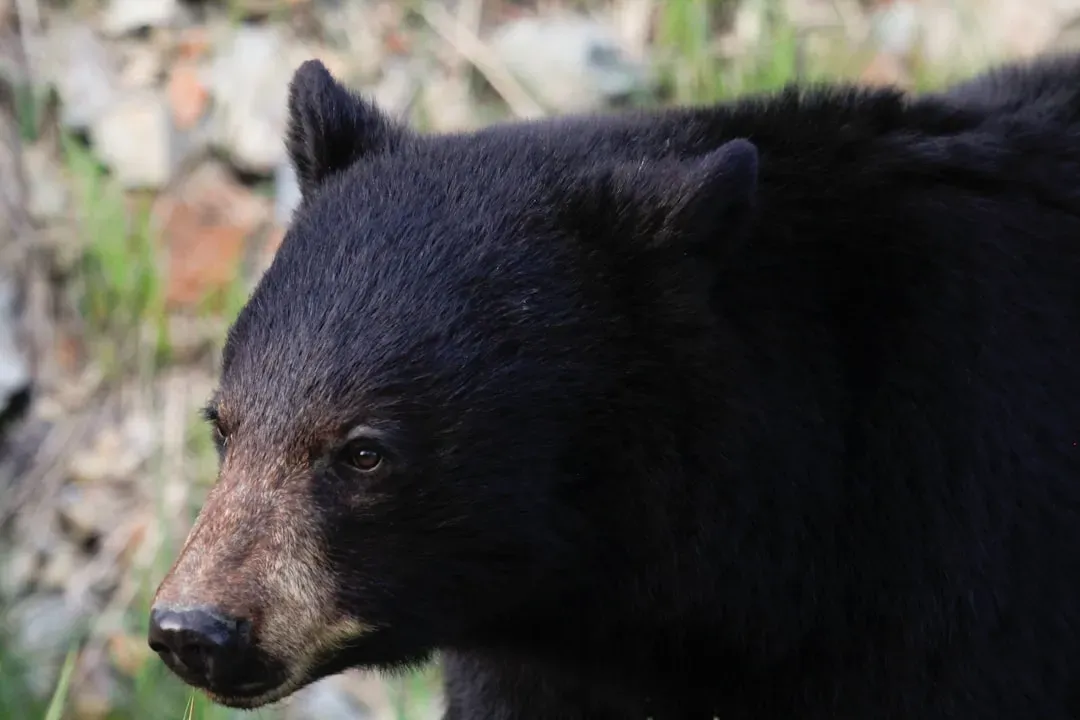
Reports of black bears, normally passive creatures, acting aggressively toward and attacking humans have been on the rise in recent years. The pattern is linked closely to habitat overlap and the availability of human food, from campsites to residential garbage bins.
Black bears adapt more readily to human environments by scavenging garbage or campsites, which unfortunately increases the chances of conflict. Habituated black bears lose their fear quickly and may approach humans boldly seeking food, a behavior that often leads to aggressive encounters when denied access.
Most black bear encounters in human-populated areas involve so-called “trouble bears,” usually young males who have just left their mothers and have not yet claimed a territory of their own. If they wander close to human settlements, the smells of cooking and garbage can cause them to learn to ignore their usual instincts to avoid humans.
Most fatal attacks by black bears have been judged as predatory. Bear researcher Stephen Herrero determined that in black bear attacks, the bear acted as a predator in 88 percent of fatal incidents. Still, these events remain statistically rare. What has genuinely increased is the frequency of bold, non-fatal encounters linked directly to food conditioning.
Coyote
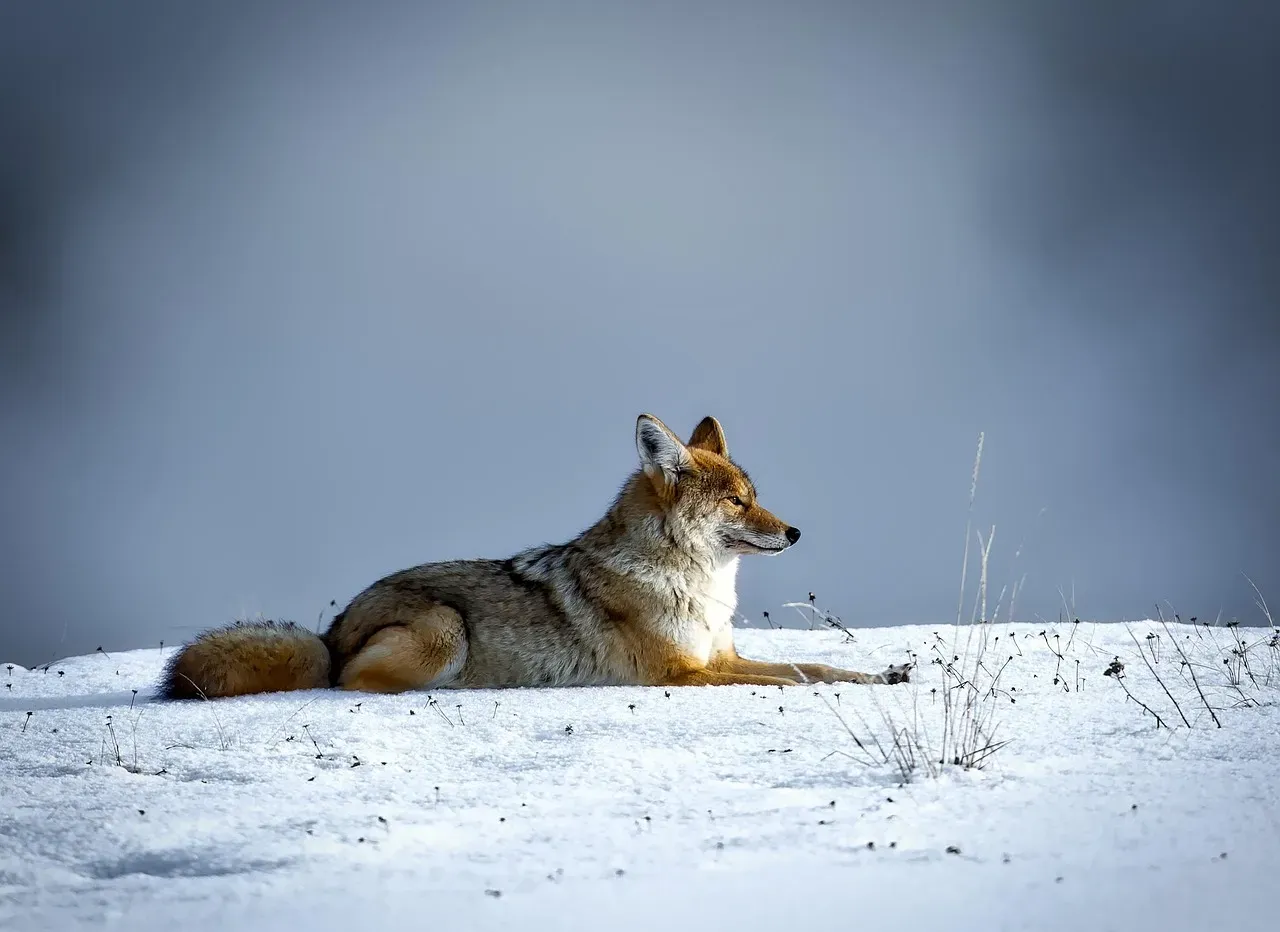
While coyote attacks are uncommon and rarely cause serious injuries, they have been increasing in frequency, especially in California. Their population has expanded dramatically across the continental United States, pushing into suburbs and city parks that once would have been well outside their comfort zone.
Coyotes are losing their fear of humans, which is further worsened by people intentionally or unintentionally feeding them. In such situations, some coyotes have begun to act aggressively toward humans, chasing joggers and bicyclists, confronting people walking their dogs, and stalking small children.
Wildlife biologists have found that coyotes intentionally fed by residents lose their natural fear of humans. This dangerous habituation, combined with the small size of children resembling natural prey, can create conditions for serious incidents. Most wildlife agencies now stress that feeding coyotes, even accidentally through unsecured pet food, is one of the fastest ways to create a problem animal.
Mountain Lion (Cougar)
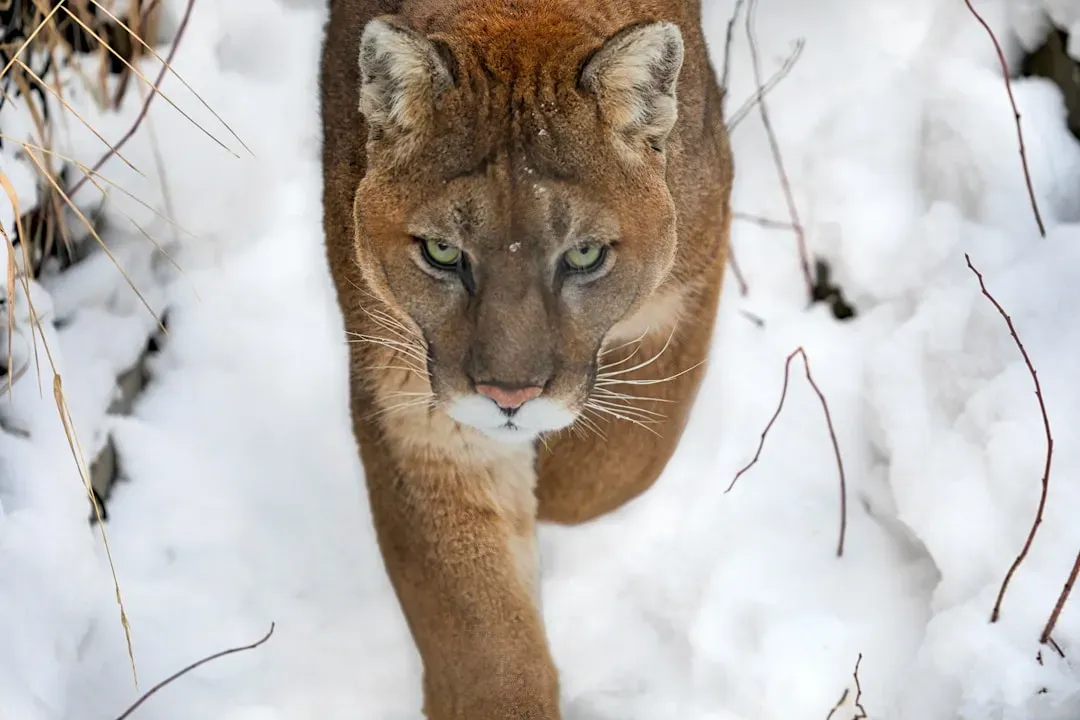
Over 130 attacks have been reported in North America in the past 100 years, with 29 attacks resulting in fatalities. Mountain lions are naturally elusive, but as suburban development pushes further into their territory along the western states, those numbers have been gradually climbing.
Mountain lions are common in most American habitats and hunt mostly at night, so day hikers do not often encounter them, but it has happened. The risk intensifies for solo hikers and young children, who may more closely match the size profile of natural prey.
Mountain lions are the main predators of deer. Without mountain lions, the deer population will explode along with the ticks that feed on them, which would increase the number of people contracting Lyme disease. This underscores the ecological cost of fearing them out of proportion to the actual threat they pose. Their growing conflict record is less about them changing behavior and more about humans moving deeper into cougar range.
Moose
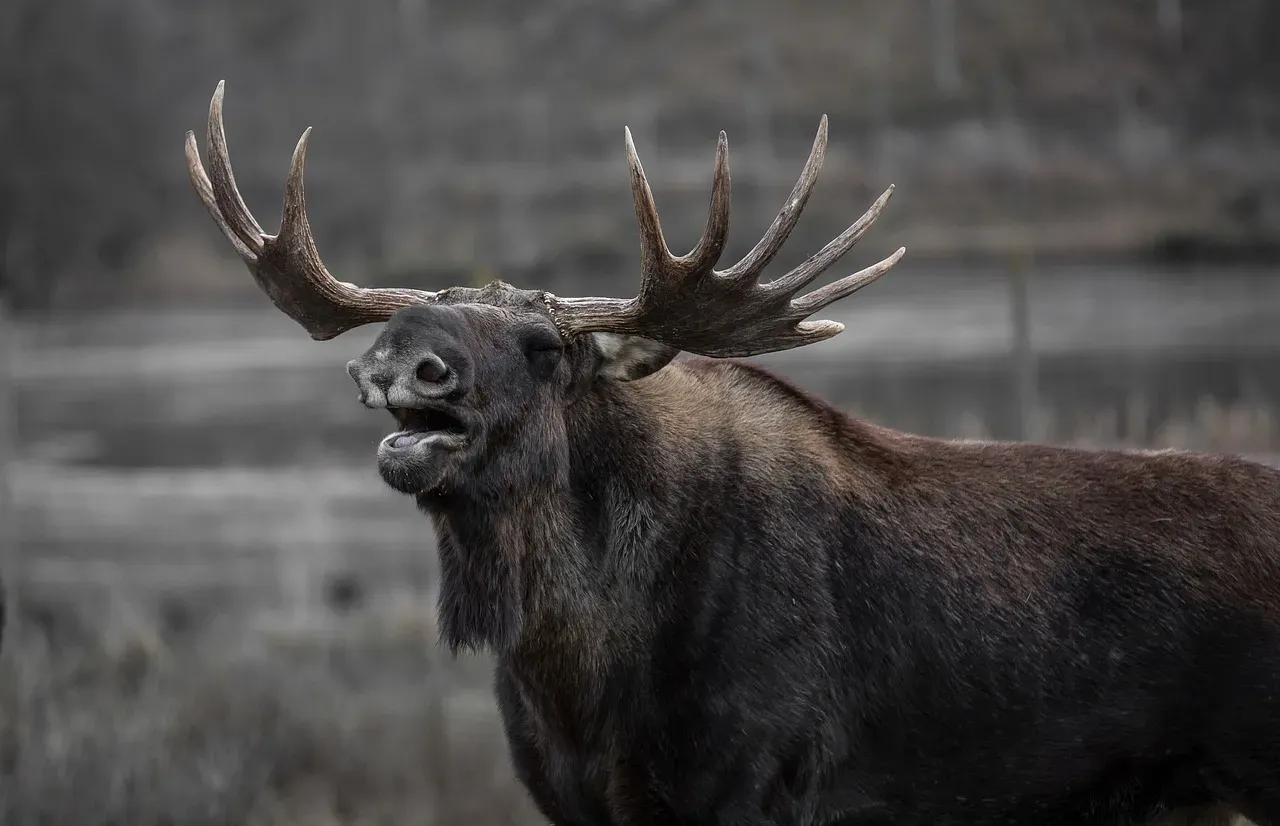
In North America, moose attack more people than bears and mountain lions combined. It’s a fact that surprises many people, who tend to fixate on predators while underestimating the raw danger of an animal that can weigh over a thousand pounds and runs far faster than a human.
In some instances usually involving dogs, moose may become aggressive and charge. On June 8, 2022, a moose charged and stomped a man, woman, and dog all hiking on the West Magnolia trails near Nederland, Colorado. When a Boulder County sheriff’s deputy arrived, the moose continued to charge until the deputy shot it. The male hiker was taken to a hospital and treated for injuries.
Wildlife officials explain that moose view dogs as similar to wolves, their natural predators. During winter, moose are already stressed by difficult feeding conditions and conserving energy. The combination of a perceived predator and winter stress creates a dangerous situation even in what seems like a safe suburban setting. The advice from Colorado Parks and Wildlife is blunt: if a moose charges, run and put obstacles between yourself and the animal.
American Alligator
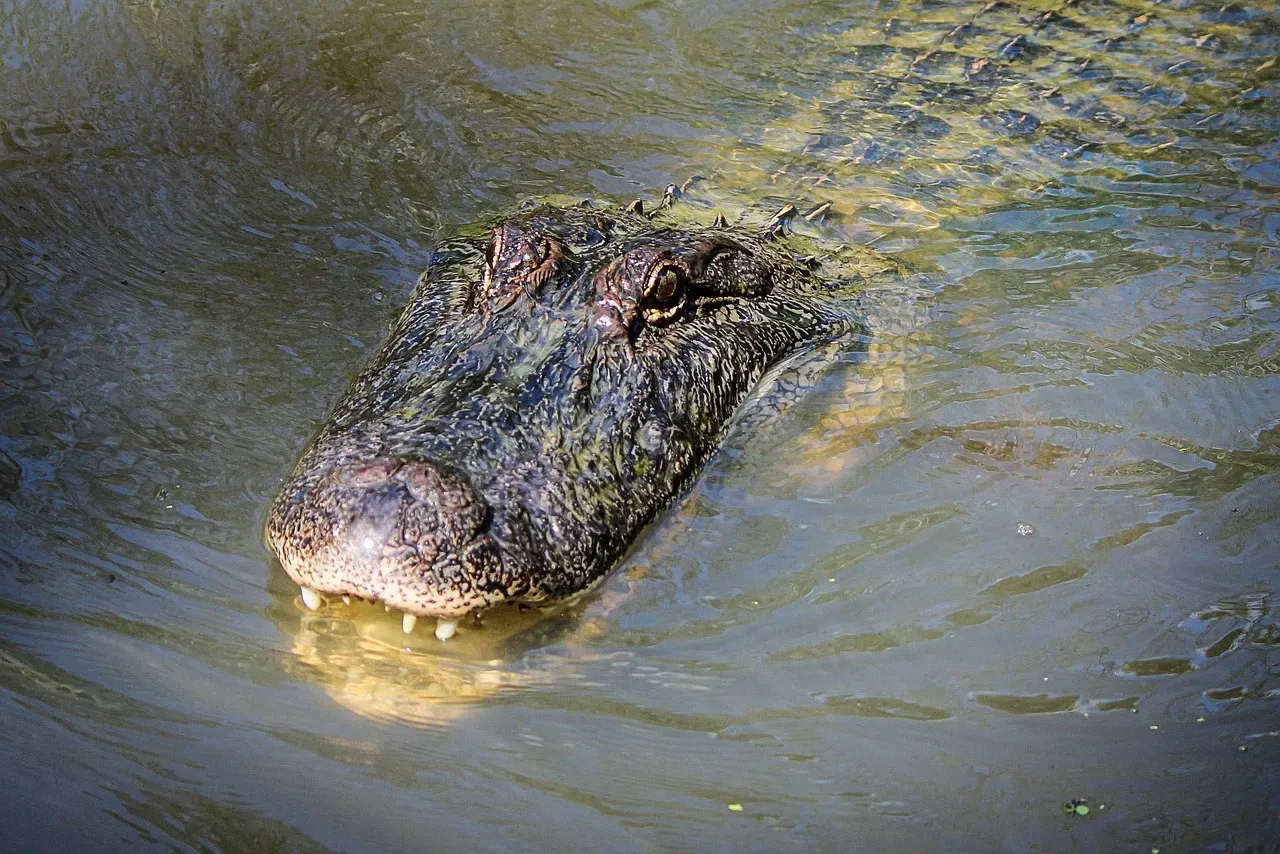
While alligators are less aggressive toward humans in general than crocodiles, there have been many cases of predation or injury of human beings by alligators. Florida, in particular, has seen a steady increase in human-alligator encounters as residential development continues to encroach on wetlands and lakeside habitats.
The jaws of the alligator are incredibly powerful and it has been recorded as having some of the strongest bite force of any living animal. It uses this incredible power to grip its prey, but can also crush bones. Alligators are opportunistic apex predators.
In 2016, a two-year-old boy playing at the edge of a lagoon at Disney World became the victim of an alligator attack. The toddler was wading in shallow water at dusk, a prime feeding time for alligators. Experts later explained that the reptile likely mistook the small child for typical prey. Alligators do not typically view adult humans as prey, but the shrinking distance between their habitat and human activity makes accidental encounters increasingly common.
Wild Turkey
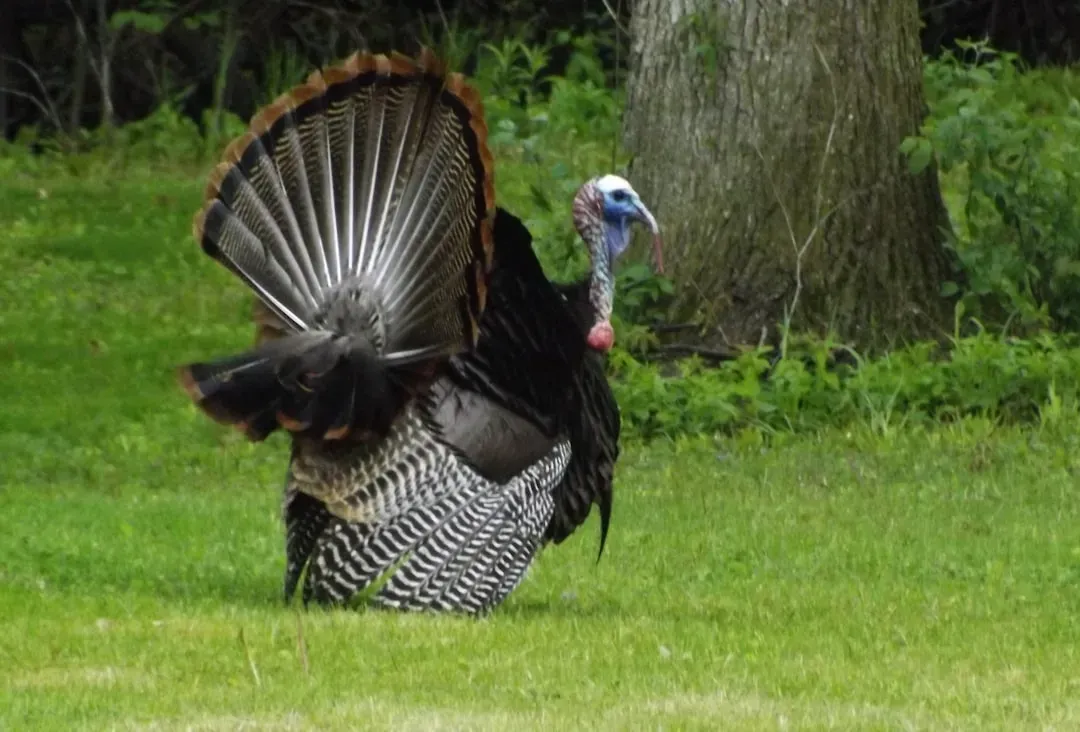
In towns across the United States, wild turkeys regularly make the news for their intimidating ways, chasing down postal workers, delivery people, and children, launching attacks on parked vehicles, harassing people who make stops, and terrorizing visitors to local parks. It sounds almost comedic, until a large tom turkey decides you are its subordinate.
In some cases, turkeys develop bold or aggressive behavior toward people. This change in behavior can happen over time when turkeys repeatedly receive food in close proximity to people and lose their natural fear of humans. Once bold behavior is established, it is very difficult to change.
Some turkeys, most especially those that are fed and have grown very accustomed to people, may begin to treat passing humans as their competition and seek to dominate them. This is problematic because turkeys can be highly aggressive creatures. In the spring, a large male turkey establishes its dominance through displays and gobbling. Their population recovery has been impressive, but living alongside millions of them in suburbs comes with friction.
Canada Goose
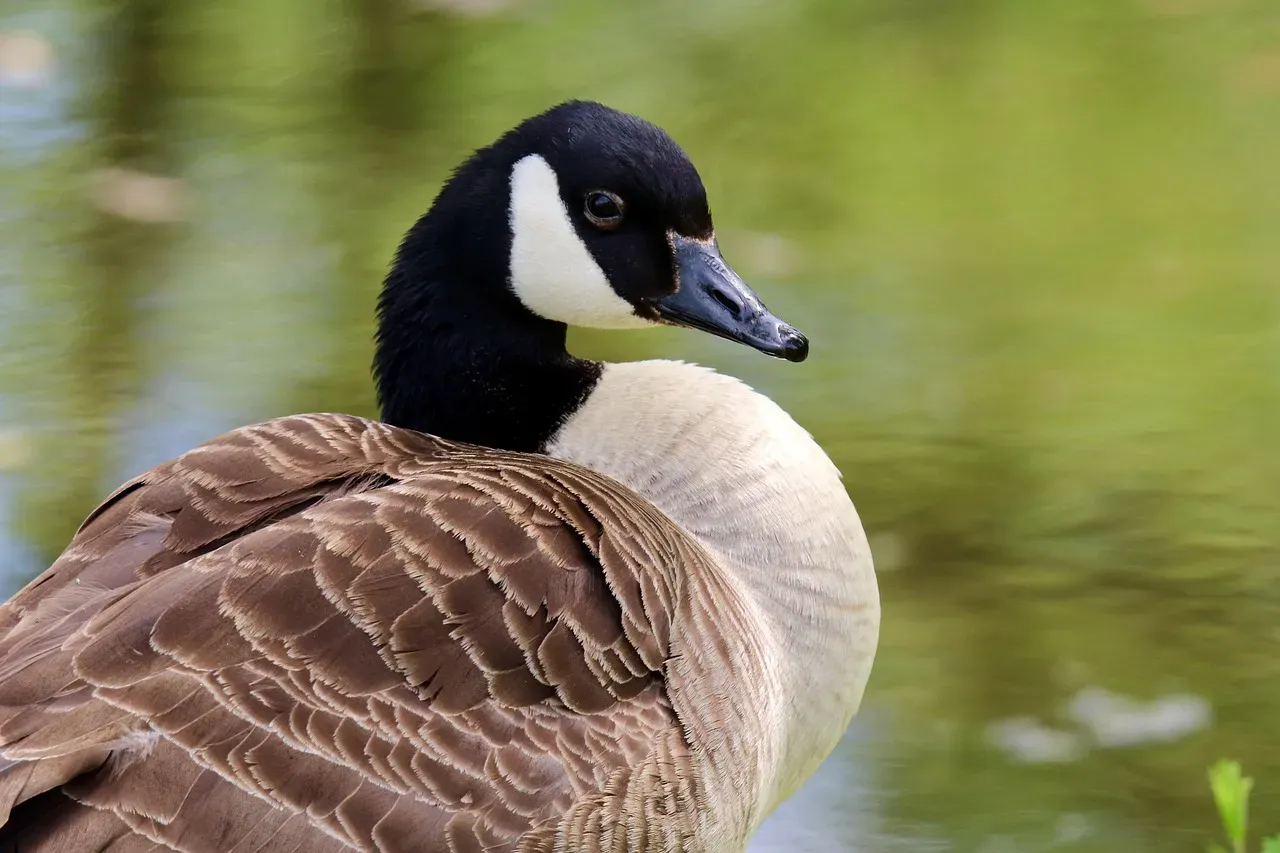
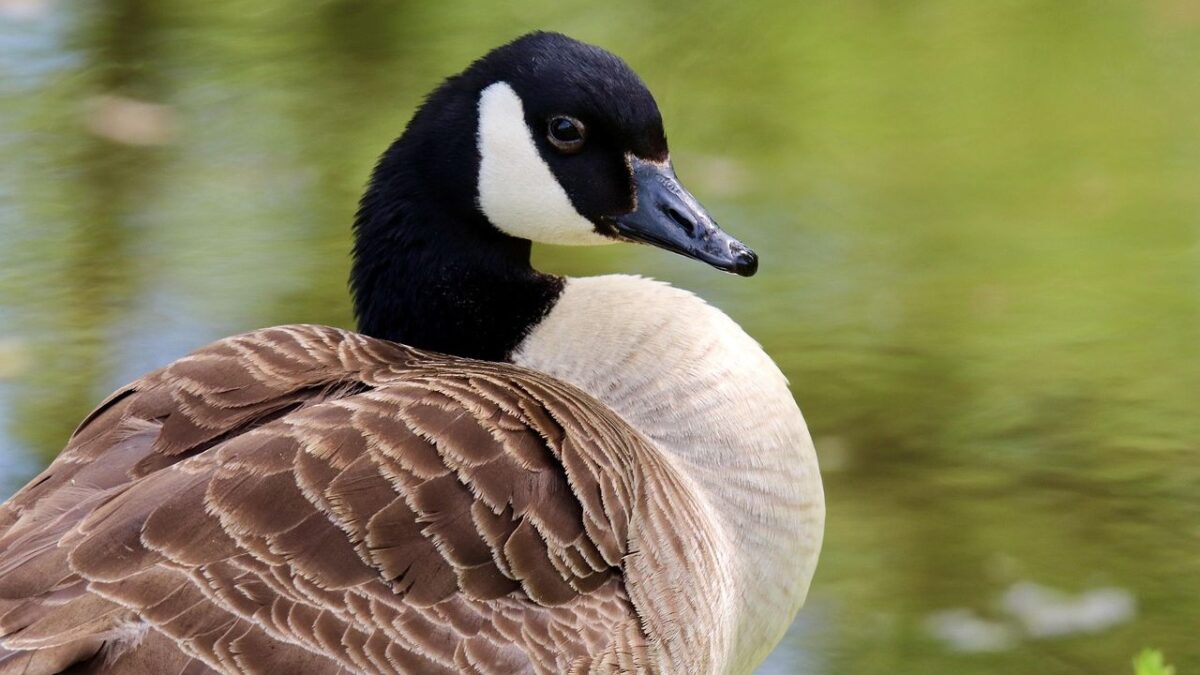
Canada geese are a ubiquitous sight across North America, adapting remarkably well to both rural and urban environments. While often admired for their beauty and graceful flight, they are equally known for their aggressive behavior, particularly during the breeding season.
In most urban situations where resident Canada geese have become a nuisance, feeding by humans is invariably at the root of what usually becomes an escalating problem. Typically, a pair of geese shows up at a site and people begin feeding them. Eventually, the feeding results in large concentrations of birds, and aggressive goose behavior soon becomes an issue.
Canada geese are associated with conflicts in urban areas including aggression towards people when nesting, fecal and feather deposition leading to decreased aesthetic values of greenspaces. Canada geese are protected under the Migratory Bird Treaty Act, making it illegal to harm, harass, or kill them without a permit. That legal protection, combined with their rapid urban adaptation, has made them one of the most challenging human-wildlife conflict species in the country.
Elk (Wapiti)
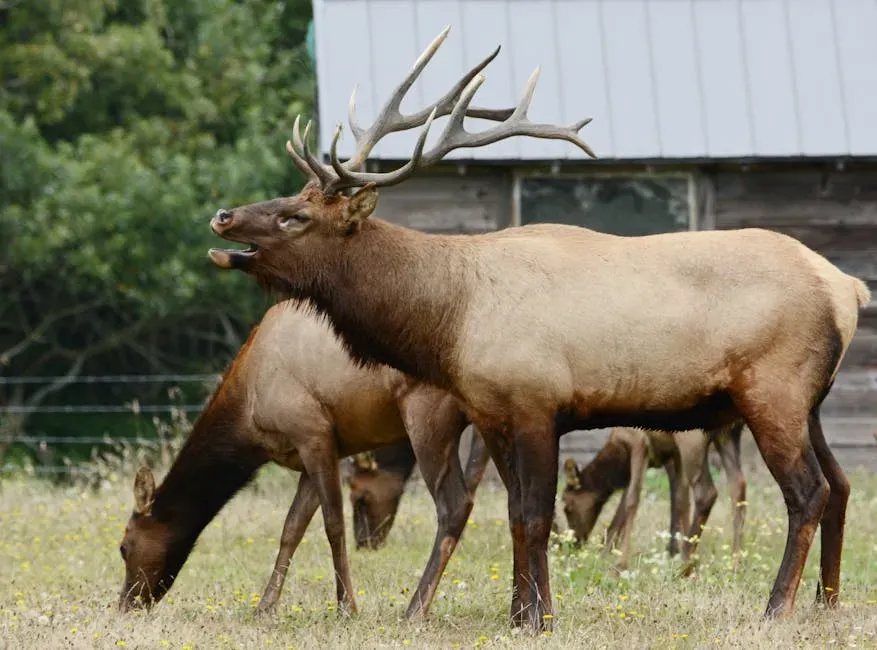
A photographer who approached a bull elk during rutting season to capture close-up images encountered an animal already agitated by seasonal hormones. The massive animal lowered its antlers and charged with shocking speed. Park rangers explain that male elk become extremely territorial during mating season each fall.
In September and October, herds of North American elk gather for their mating season, or rut. During the rut, the male bull elk are irritable, aggressive, and extremely dangerous to onlookers who get too close. The problem is especially pronounced in tourist-heavy areas like Yellowstone and Rocky Mountain National Park, where elk have grown accustomed to human presence but retain all of their seasonal aggression.
Photographers and visitors who unknowingly enter an animal’s claimed territory while it is already in an aggressive state face serious risk. The incidents serve as reminders that wild animals require substantial distance, especially during breeding seasons. Female elk protecting calves in spring present a separate but equally real hazard that visitors frequently underestimate.
Grizzly Bear
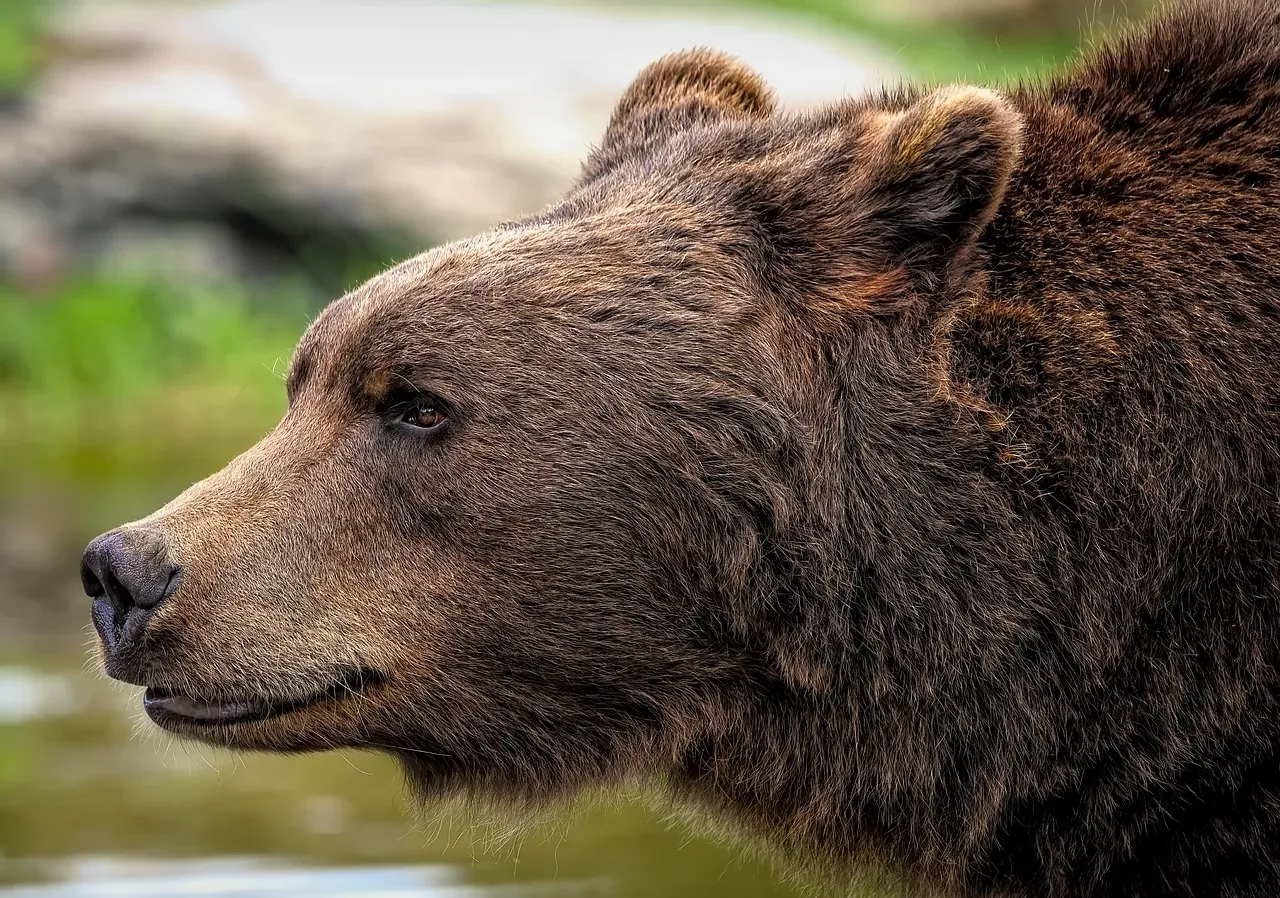
A startled grizzly may charge and occasionally attack, making grizzlies over 20 times more dangerous than black bears in terms of aggression response. Their range has been slowly expanding in parts of the American West as conservation efforts have stabilized and grown certain populations, bringing them into closer proximity with recreationists and rural communities.
One of the most dangerous situations that leads to bear attacks is when a bear perceives a threat to her offspring. Sow bears are very protective of their young, devoting many years of their lives just to raise their cubs and teach them to hunt. While solo bears will usually retreat, a mother bear protecting her cubs is most likely to attack any sudden threat.
Places such as Denali National Park in Alaska emphasize proper techniques of food storage and garbage disposal, closures of park areas, and training videos to prevent bears from claiming the lives of campers. The US National Park Service emphasizes keeping a distance from the bear and making noise to avoid startling one as the best ways to avoid an attack. The grizzly’s expanding presence in states like Montana, Wyoming, and Idaho ensures that human-grizzly friction will remain a defining wildlife management challenge for years ahead.
The Bigger Pattern Worth Noting
Habitat loss due to destruction, fragmentation, or degradation of habitat is the primary threat to the survival of wildlife in the United States. The same forces that put wildlife under pressure also push them closer to people. Stressed animals looking for food, disrupted by development, or conditioned through repeated human contact behave differently than animals with room to move.
Fish and wildlife are experiencing increased threats from climate change, land use, drought, extreme storm events, and invasive species and disease. These pressures don’t just endanger wildlife. They also reshape animal behavior in ways that increase the likelihood of confrontations with humans.
The nine species on this list aren’t becoming villains. They’re responding rationally, from their own perspective, to a landscape that has changed rapidly around them. The most effective thing people can do remains consistent across every species mentioned here: don’t feed wildlife, secure food sources, maintain respectful distances, and treat wild spaces as exactly that. Coexistence is possible. It just requires us to take it seriously.

- 10 Mind Blowing Facts About The Great White Shark - July 26, 2026
- Elephants Communicate With Each Other Using Sounds We Cannot Hear - July 26, 2026
- 10 Surprising Foods That Are Actually Good For Your Dog’s Health - July 26, 2026