
#1 American Bison
🔥 Would you like to save this?
We'll email this post to you, so you can come back to it later!
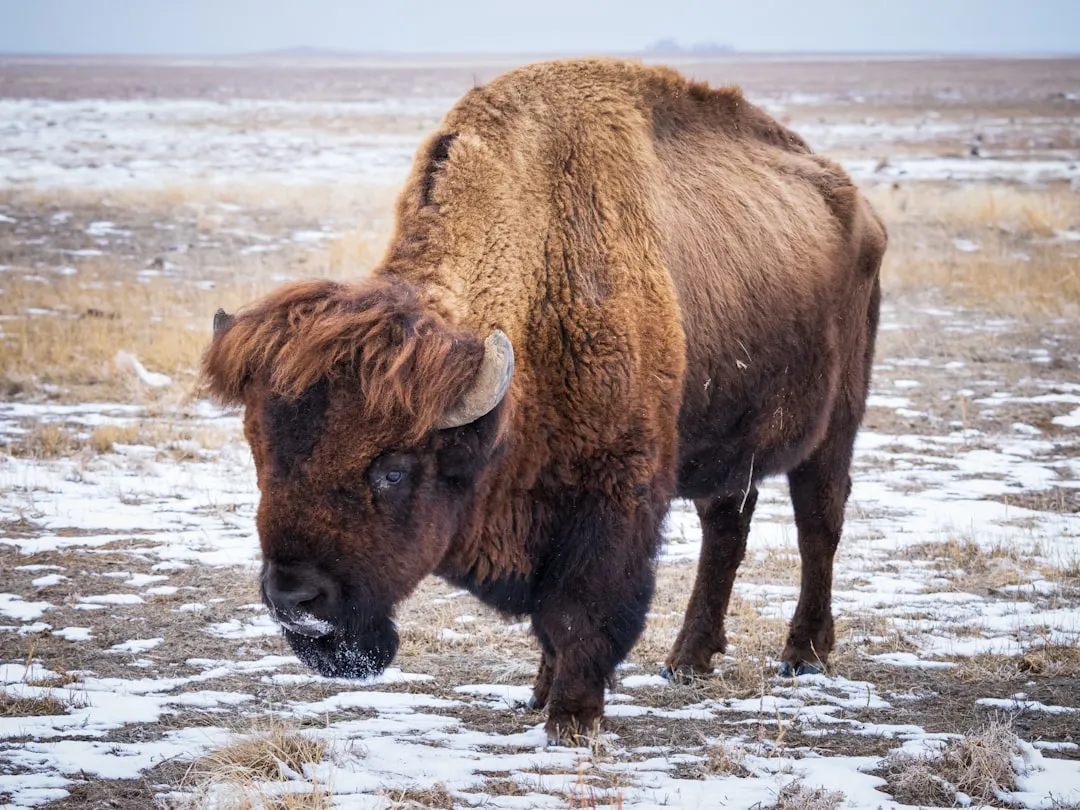
The bison is the animal most people picture when they think of the Badlands, and for good reason. The American bison is the most commonly seen large mammal in Badlands National Park, grazing the mixed-grass prairie in herds that can appear almost prehistoric against the striped rock formations behind them. These animals were nearly wiped out entirely, and their return to the landscape is one of the great conservation comebacks in American history.
Bison are built for extremes in a way few other mammals can match. They can weigh up to 2,000 pounds and can run up to speeds of 35 miles per hour, which is a strange thing to reconcile when you watch one standing motionless in a snowstorm. Today the bison population in the park is managed through a conservation grazing program that helps maintain the grassland ecosystem and prevent the growth of unwanted plants, meaning these animals aren’t just surviving here, they’re actively shaping the land around them.
#2 Bighorn Sheep
🔥 Would you like to save this?
We'll email this post to you, so you can come back to it later!
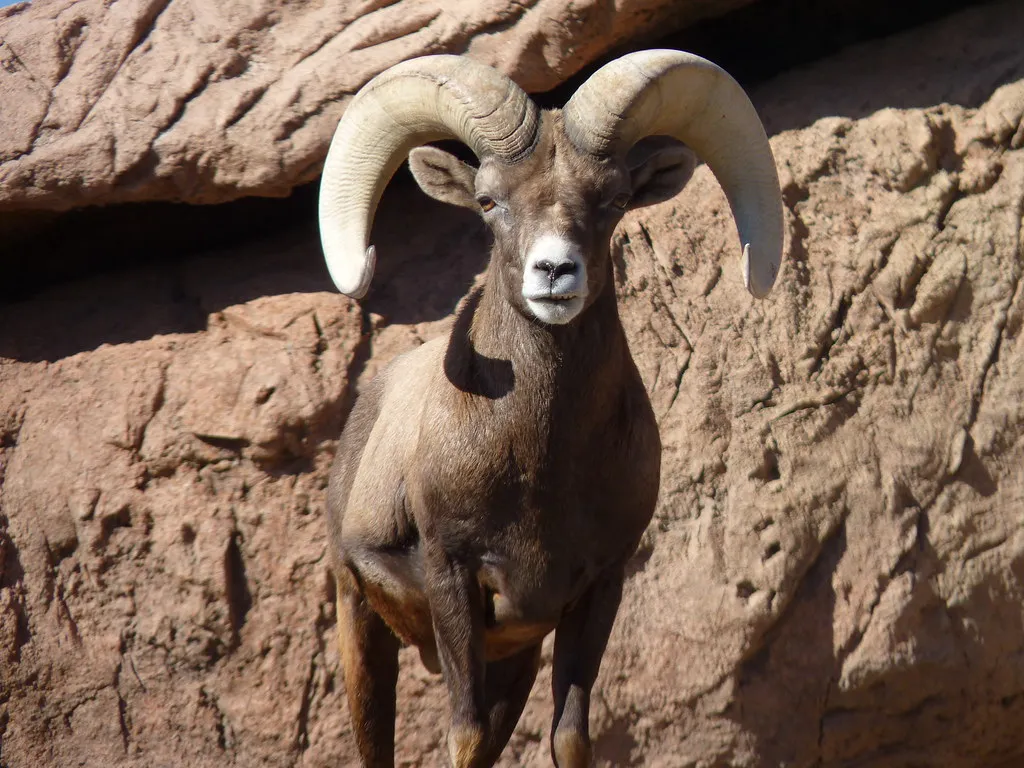
If bison rule the flats, bighorn sheep rule the cliffs. Long before modern visitors arrived, the Badlands were home to a plains bighorn population often called Audubon’s bighorn sheep, though that original population disappeared under the pressure of westward expansion. What visitors see today is a reintroduced population, and watching them move is genuinely one of the more startling wildlife experiences the park offers.
Their footing on near vertical rock faces looks almost like a trick of physics. Rocky Mountain bighorn sheep move across rocky slopes with a calm, surefooted confidence that feels almost unreal, and that confidence pays off in survival terms too. Bighorn sheep have few predators in Badlands National Park, and any sheep deaths are usually attributed to falls or disease, which says a lot about how well they’ve adapted to terrain that would send most animals scrambling for flatter ground.
#3 Black-Tailed Prairie Dogs
🔥 Would you like to save this?
We'll email this post to you, so you can come back to it later!
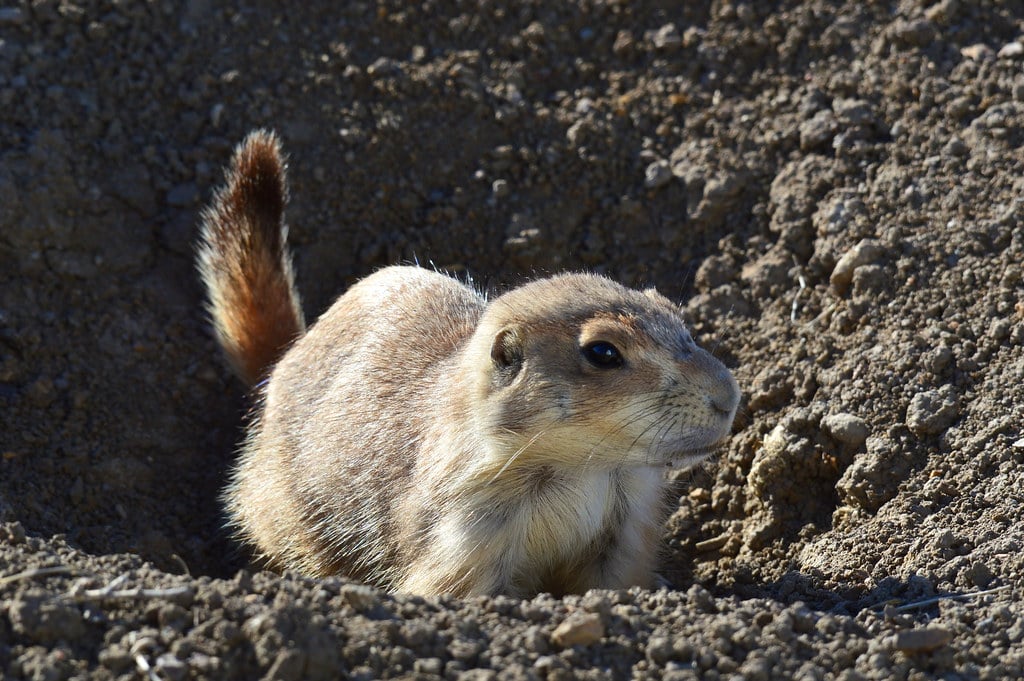
Prairie dogs might be small, but their impact on the ecosystem is outsized. Prairie dogs are a keystone species in prairie ecosystems, supporting a whole web of other plants and animals that depend on their colonies in ways most casual visitors never notice. Drive through nearly any part of the park and you’ll likely spot a town of them, chirping alarm calls and popping in and out of burrows.
What makes these colonies so important is what they create underground. These sociable rodents are known for their intricate underground colonies, popping in and out of burrows and vocalizing to communicate with one another. Those tunnel systems don’t just shelter prairie dogs, they end up housing an entire cast of other Badlands residents, some of which happen to be among the rarest mammals in North America.
#4 Black-Footed Ferrets
🔥 Would you like to save this?
We'll email this post to you, so you can come back to it later!
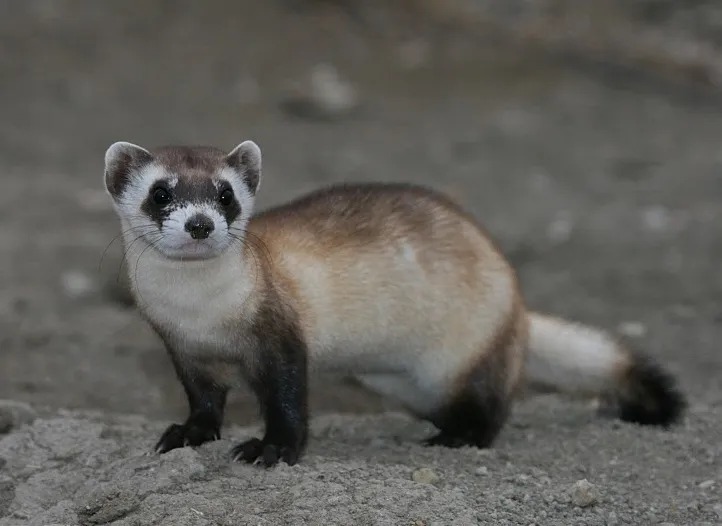
Few animals embody the Badlands comeback story quite like the black-footed ferret. The black-footed ferret is one of the rarest mammals in North America, a carnivorous member of the weasel family that primarily eats prairie dogs and is slowly climbing back from the edge of extinction. At one point, this species was believed gone entirely, only for a small surviving population to be discovered and painstakingly bred back into existence.
Spotting one takes patience and a bit of luck. You probably won’t spot them during a visit because they live underground and are nocturnal, though there are still small but stable populations in Badlands National Park. Today, about 100 of these nocturnal critters live in the Badlands, hunting prairie dogs under moonlight in burrows they didn’t even have to dig themselves.
#5 Pronghorn
🔥 Would you like to save this?
We'll email this post to you, so you can come back to it later!
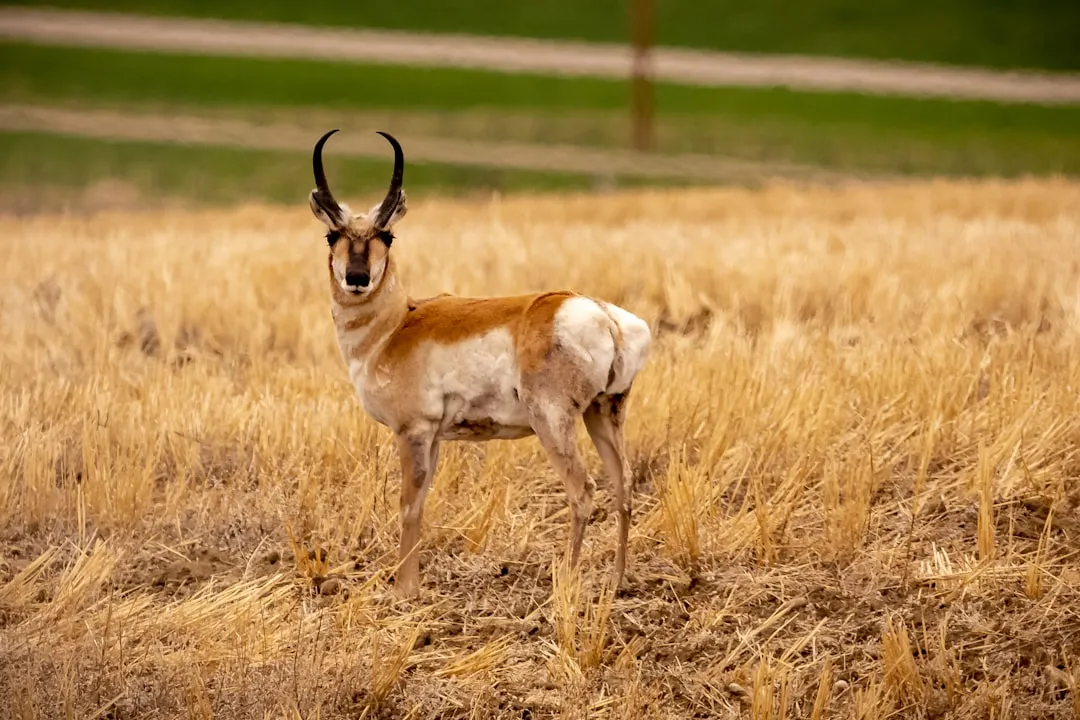
Pronghorn are often mistaken for antelope, but they’re something else entirely, a species found nowhere else on earth. Pronghorn are the fastest land mammal in North America, often seen grazing or sprinting across the park’s open spaces, a blur of speed and grace. That speed evolved for a reason, though the predators fast enough to have driven it disappeared from North America thousands of years ago, leaving pronghorn as living evidence of a much older arms race.
In the Badlands, they favor wide open country over the rugged formations bighorn prefer. Pronghorn, often mistaken for deer, can be seen sprinting across the grasslands at surprising speeds, and their preferred habitat tends to sit in the high prairie sections of the park rather than among the cliffs. Watching a herd break into a full run across flat grassland is one of the more memorable sights the Badlands offers, and it happens fast enough that blinking feels risky.
#6 Coyotes
🔥 Would you like to save this?
We'll email this post to you, so you can come back to it later!
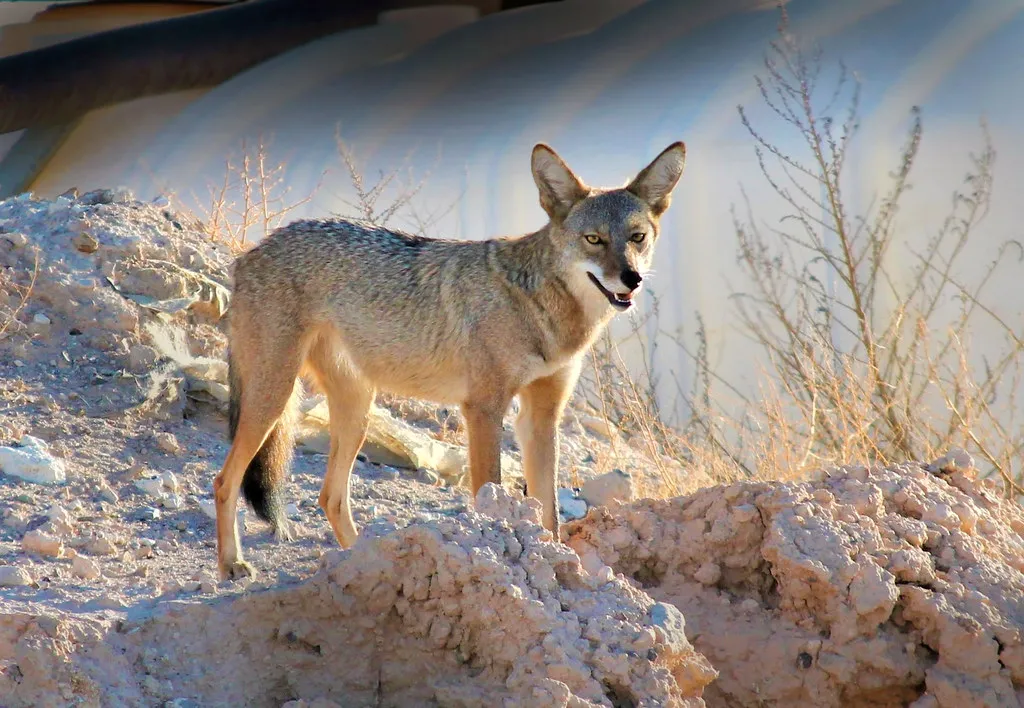
Coyotes are the great generalists of the Badlands, thriving where more specialized animals might struggle. The coyote thrives in the park, its adaptability allowing it to play a crucial role in the ecosystem as both predator and scavenger. Unlike the reintroduced species that make headlines, coyotes never left this landscape. They simply adjusted, decade after decade, to whatever conditions the plains threw at them.
That adaptability shows up in their diet and their movement patterns alike. They’ll hunt prairie dogs, scavenge carcasses, and shift their activity between day and night depending on the season and the heat. It’s a quieter kind of survival story than the bison or the ferret, but arguably a more instructive one, since coyotes never needed a reintroduction program to make it work.
#7 Prairie Rattlesnakes
🔥 Would you like to save this?
We'll email this post to you, so you can come back to it later!
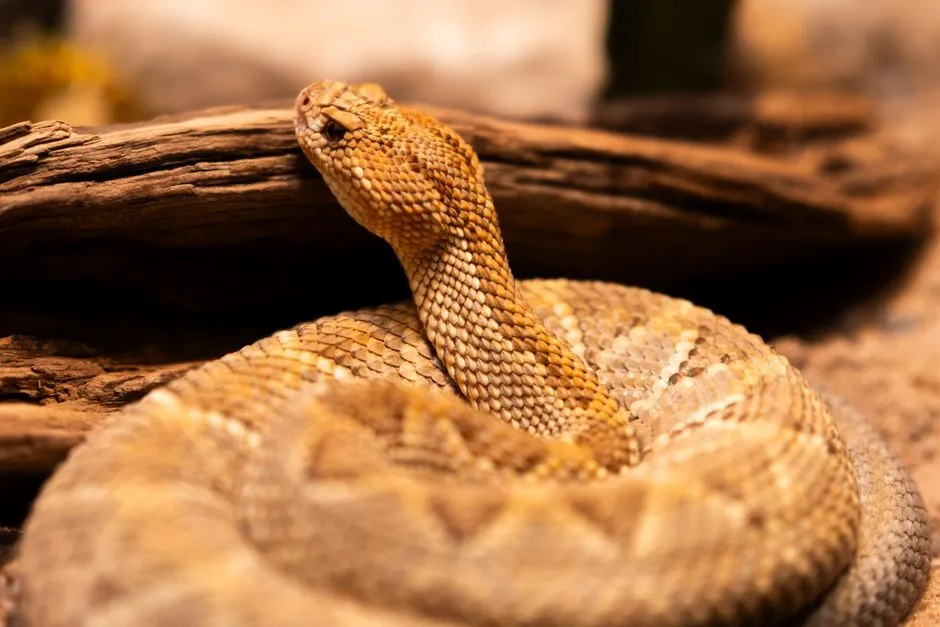
The Badlands has exactly one venomous snake, and it’s a species worth knowing before you set foot on a trail. Western South Dakota only has one type of venomous snake and it’s the prairie rattlesnake. It’s a fairly unassuming animal most of the time, content to sun itself on rocks or slip quietly through grass, but its presence is a constant reminder of how much life the harsh terrain actually supports.
Rattlesnakes here have adapted to extreme temperature swings in a genuinely clever way. In the Badlands region, rattlesnakes can share deep winter dens called hibernacula year after year, with many individuals congregating in the same rocky crevices. That communal denning behavior helps them survive brutal winters, though it also means entire local populations can be vulnerable if a single den site gets disturbed or destroyed.
#8 Mule Deer
🔥 Would you like to save this?
We'll email this post to you, so you can come back to it later!
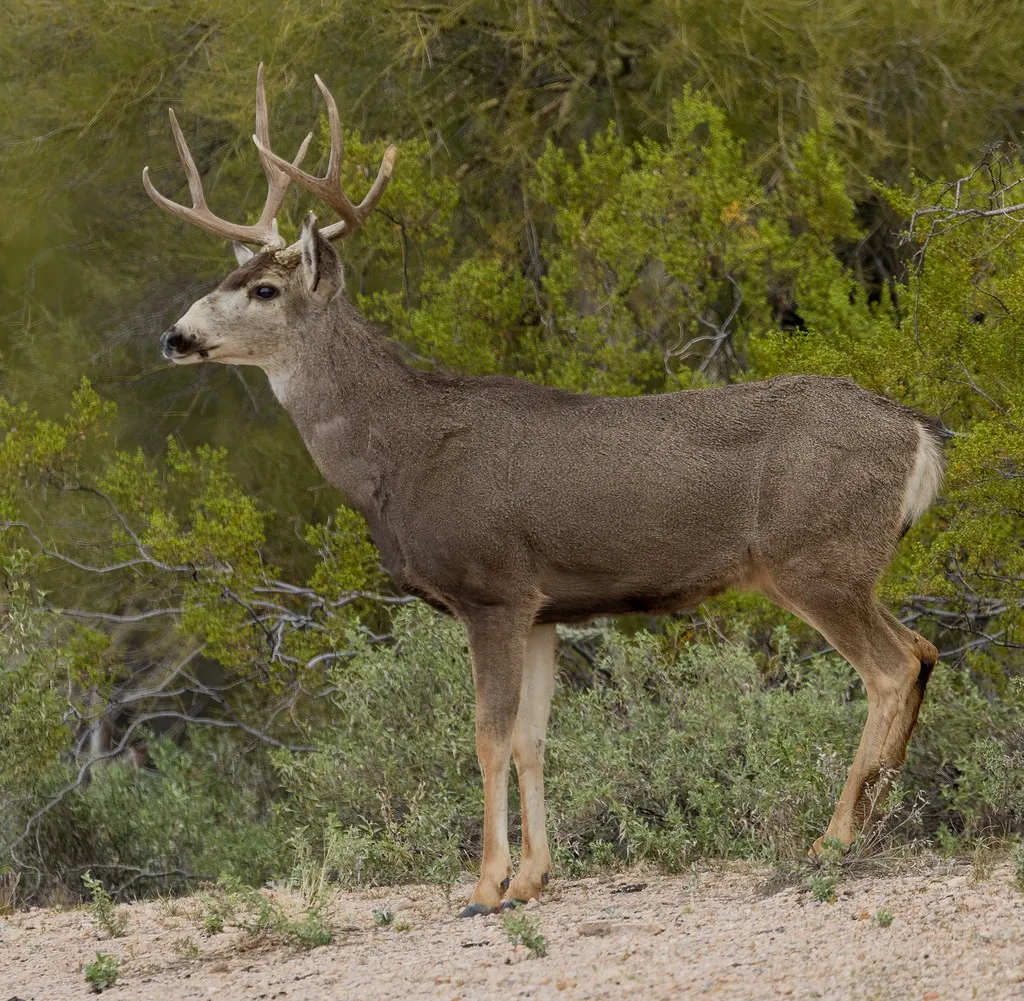
Mule deer occupy a kind of middle ground in the Badlands, comfortable in both the grasslands and the rougher terrain near the formations. While bighorn sheep are in their element on the steep slopes of the Badlands, mule deer munch on grasses nearby, often within sight of each other but rarely competing for the same resources. Their large ears and distinctive bounding gait make them easy to identify, even at a distance.
They’re most active around dawn and dusk, slipping out to feed when temperatures are more forgiving. Their flexibility in habitat use, moving between prairie basins and rockier draws depending on season and food availability, has made them one of the more consistently spotted large mammals throughout the park. It’s not a flashy survival strategy, but it’s an effective one, and it’s kept mule deer common across most of the Badlands’ varied terrain.
#9 Swift Fox
🔥 Would you like to save this?
We'll email this post to you, so you can come back to it later!
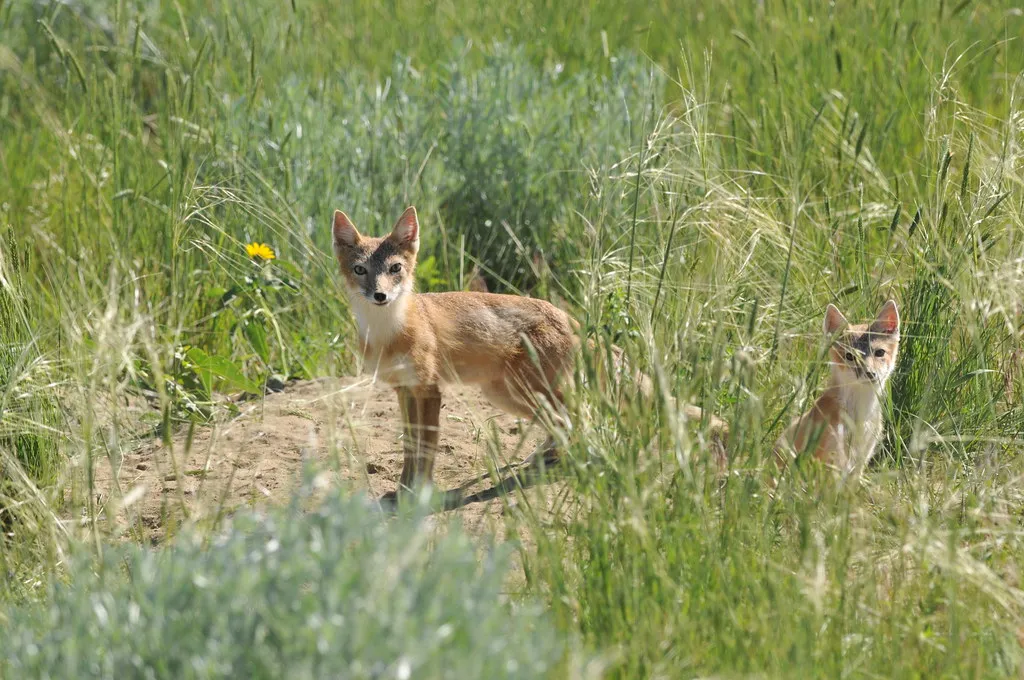
The swift fox is easy to miss and often overlooked entirely, which is a shame given what it’s been through. The swift fox, once exterminated from the area’s mixed grass prairie, is again thriving in its native habitat after a dedicated reintroduction effort brought the species back to a landscape it had disappeared from for decades. It’s one of the smallest wild canids in North America, barely larger than a housecat, and it relies on speed and stealth rather than size to get by.
These foxes prefer open shortgrass and mixed-grass prairie, digging dens in loose soil and hunting mostly at night when temperatures drop and larger predators are less active. Their comeback in the Badlands mirrors the broader pattern seen across the park, where species written off decades ago have found their way back through patient, deliberate conservation work. Spotting one is rare, but knowing they’re out there, moving low and fast through the grass after dark, adds another layer to just how much is quietly happening in this landscape after the sun goes down.
Final Thoughts
🔥 Would you like to save this?
We'll email this post to you, so you can come back to it later!
What strikes me most about the Badlands isn’t just that these nine species survive here, it’s how much deliberate effort went into making sure some of them still could. Bison, bighorn sheep, black-footed ferrets, and swift fox were all essentially erased from this landscape at some point, and their presence today is the direct result of decades of reintroduction work rather than an accident of nature bouncing back on its own.
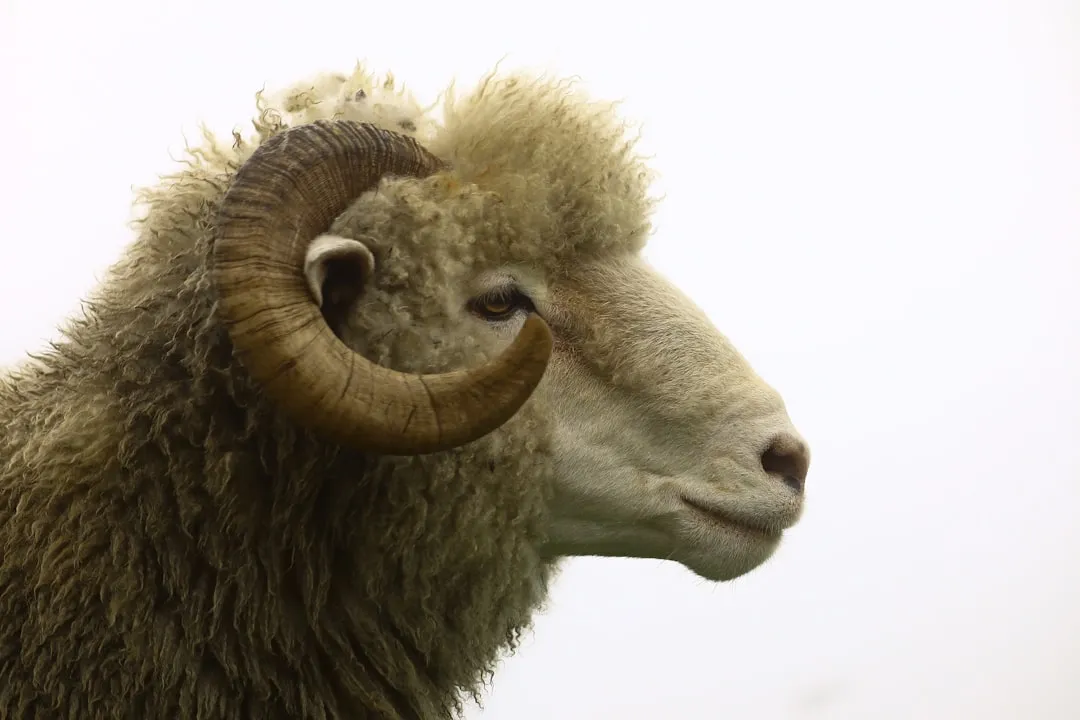
That distinction matters. It’s tempting to look at a thriving prairie dog town or a herd of bison grazing at sunset and assume this is simply how the Badlands has always been. The honest version of the story is messier and more interesting, a landscape that lost most of its large animals within a single century and then, through a mix of stubbornness and science, got a meaningful share of them back. That’s worth remembering the next time you’re standing at an overlook watching a bighorn ram pick its way down a cliff face like it’s nothing at all.

- 7 Everyday Habits That Can Make Your Senior Dog Happier - November 5, 2026
- 10 Enigmatic Structures That Continue to Puzzle Scientists Today - November 5, 2026
- 10 Strange Ruins in the Americas That Challenge What We Know About Early History - November 5, 2026