
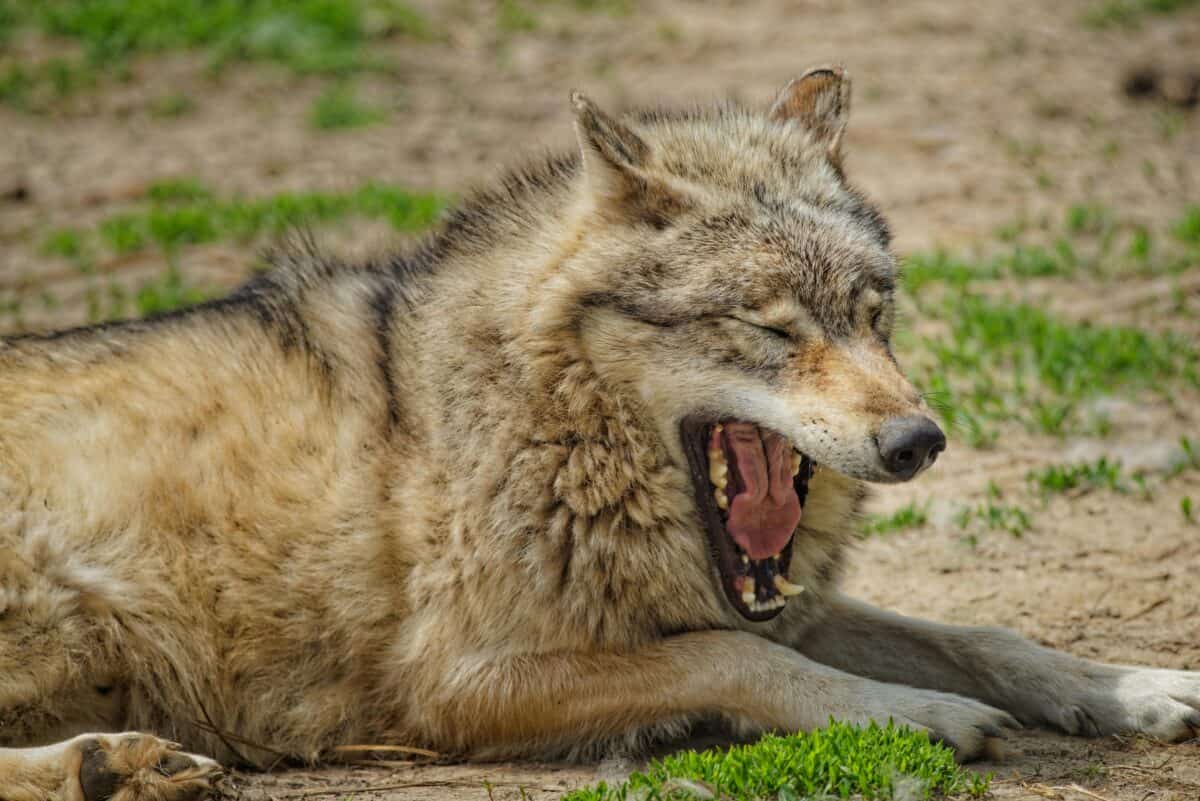
In a heartwarming twist, California’s wilderness is coming alive again with the return of gray wolves after nearly a century. These majestic creatures, once wiped out, are not only surviving but thriving, with over 30 new pups born this year. While their comeback is a sign of hope for nature lovers, it’s stirring up challenges for ranchers as the wolves wander into lands filled with livestock. This story is about finding harmony between the wild and the working landscape, as humans and wolves learn to share space once more.
California’s Gray Wolf Population Surges
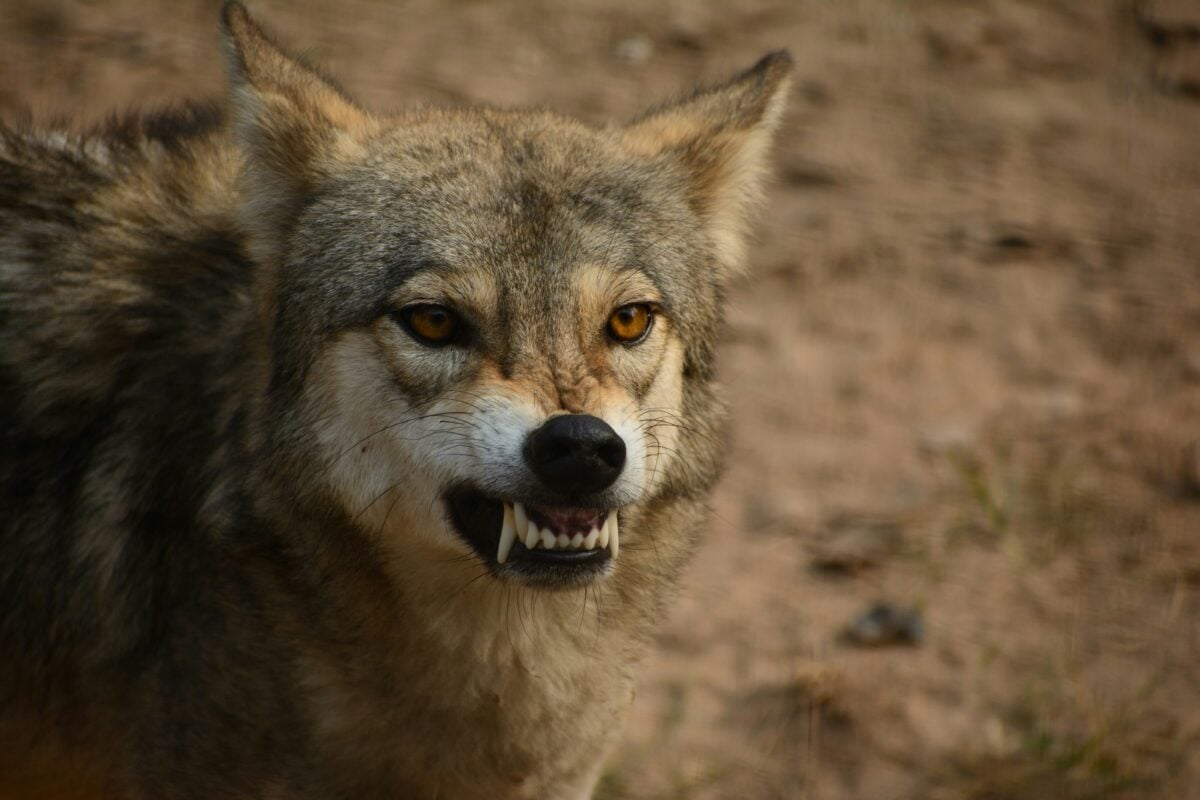
After being absent for almost 100 years, California’s gray wolf population is making a remarkable comeback. This year, over 30 new wolf pups were born, doubling the state’s wolf population to more than 60. These wolves returned on their own, without human intervention.
Native Species Return After a Century

Gray wolves are native to California, but their numbers plummeted due to human activities. The last wolf was killed in 1924. Today, their return is a significant win for wildlife conservation, showing the effectiveness of federal and state protections.
Wolf Pups Born Across Multiple Packs

In a major success for the species, new pups were born in five out of the state’s seven wolf packs. The wolves have formed families, showing that they are establishing strong footholds in the wild. This growth is celebrated by environmentalists, who are thrilled to see wolves thriving.
Wolves Help Restore Ecosystems
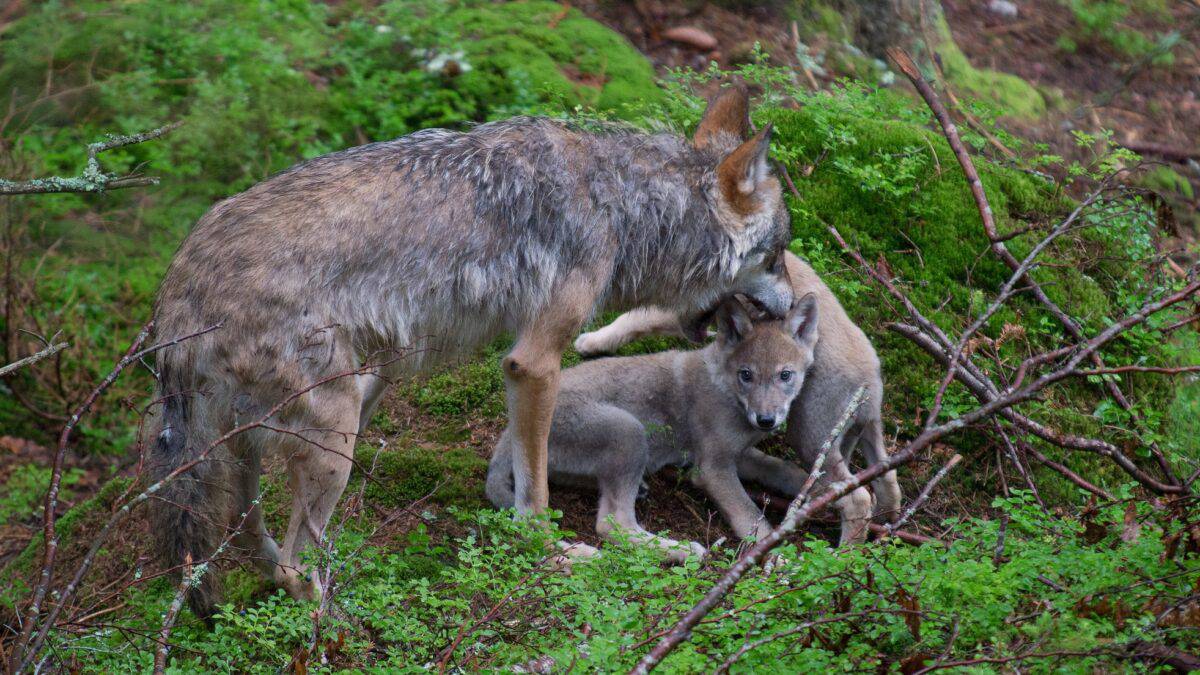
Wolves play a crucial role in maintaining ecological balance. They help manage prey populations, keeping deer from overgrazing, which in turn protects plant life. Their presence also impacts other species, creating a more diverse and healthy ecosystem.
Ranchers Face Challenges with Livestock Loss
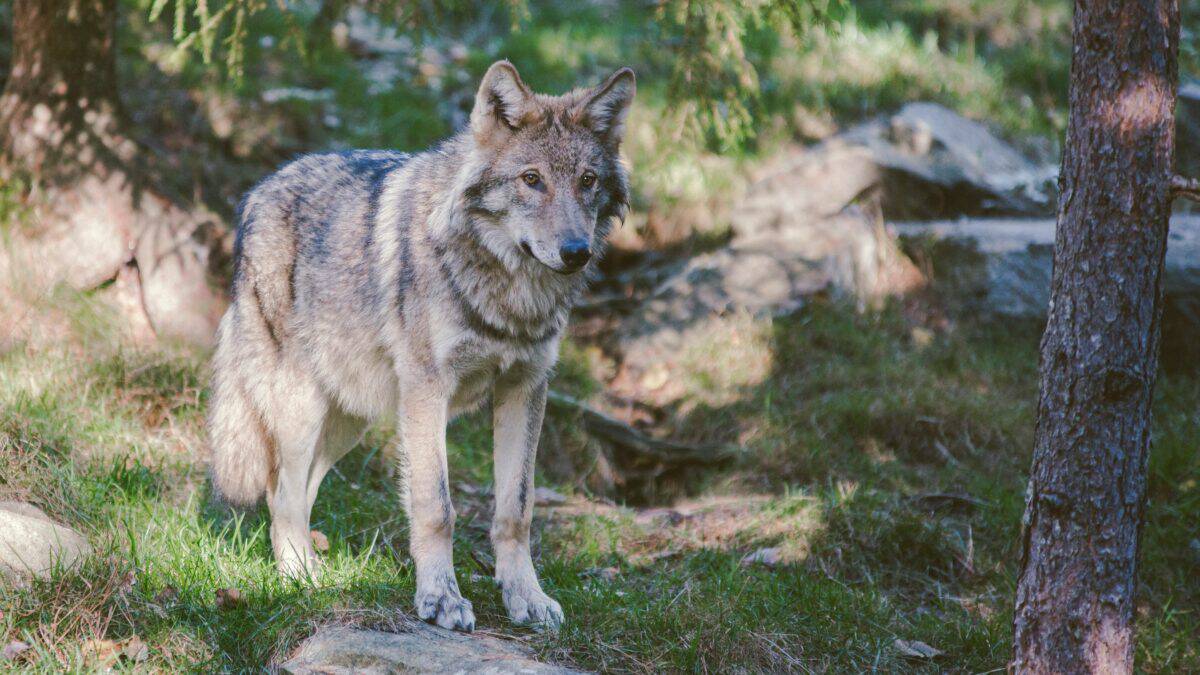
Despite the positive environmental impact, ranchers face growing concerns. Wolves have been responsible for multiple attacks on livestock, particularly in rural areas like Siskiyou and Lassen counties. In some cases, wolves target cattle, creating tension between conservation efforts and agricultural needs.
Livestock Attacks Increase
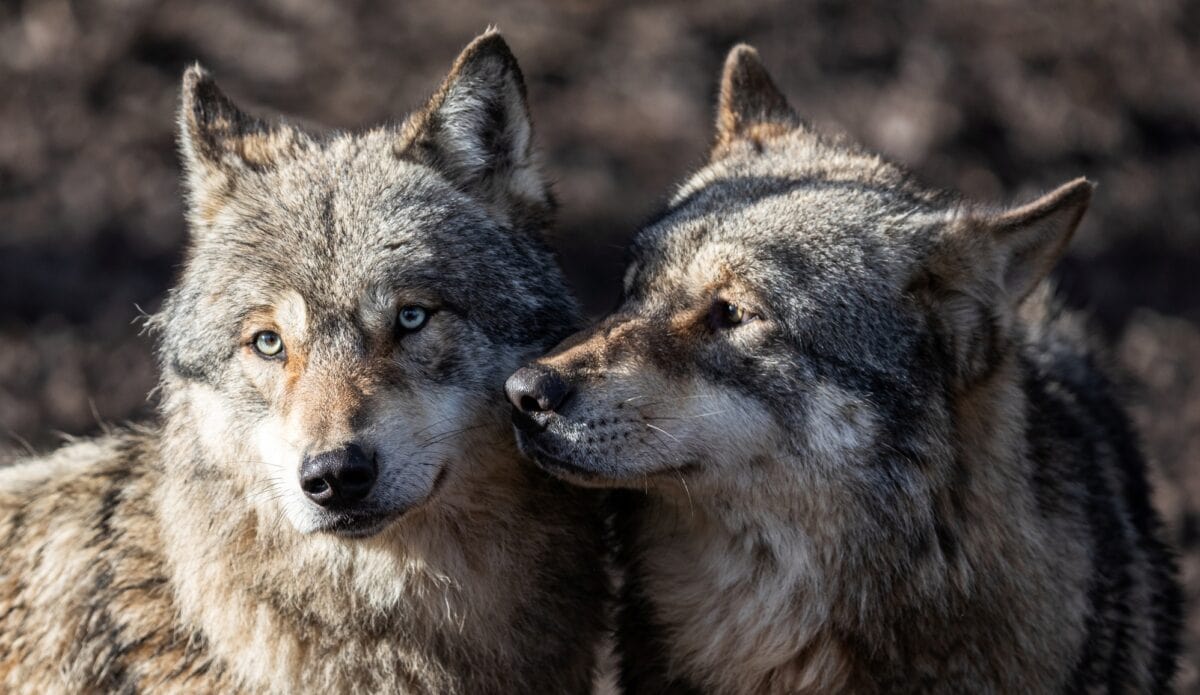
Recent reports show an uptick in wolf attacks on livestock, with calves being the main targets. A llama was also attacked in Siskiyou County. Ranchers now contend with frequent losses, raising concerns about how to protect their animals.
Coexisting with Wolves in Modern California
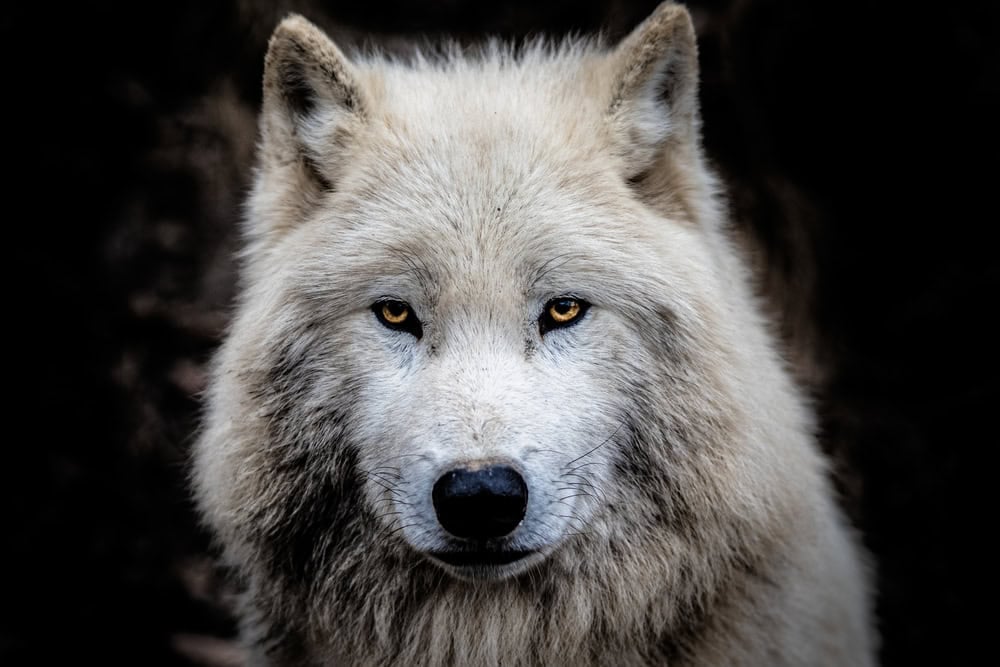
California has changed significantly since wolves last roamed the state. The human population has grown to 39 million, and there are over one million livestock animals. Wolves share land with these animals, which leads to challenges for farmers.
Finding Solutions for Wolves and Ranchers

California’s Department of Fish and Wildlife is exploring solutions to balance wolf conservation with protecting livestock. While killing wolves is not an option due to their endangered status, discussions are ongoing to find deterrents. Both wolves and the agricultural sector need space to thrive.
Wolves Descended from Yellowstone

The gray wolves in California today are descendants of wolves reintroduced to Yellowstone National Park in 1995. Their presence in Yellowstone helped restore ecological balance, leading to the recovery of vegetation and other wildlife. Wolves have now expanded westward, reaching California.
Gray Wolves Continue to Shape the Landscape
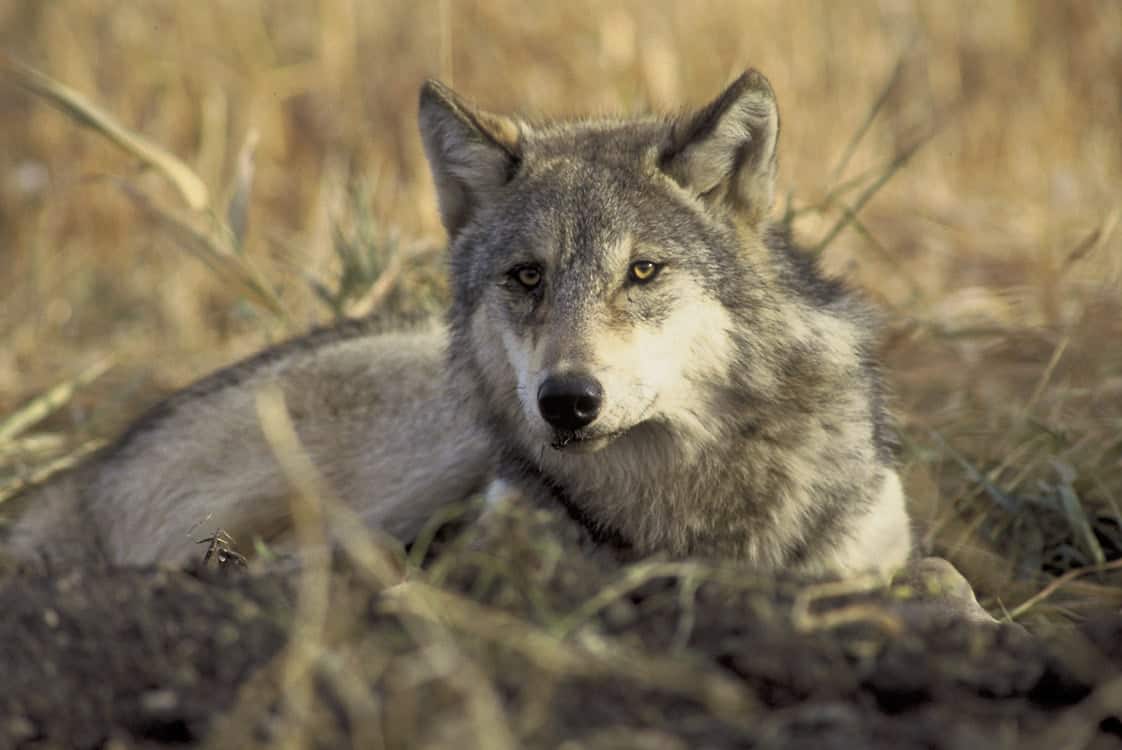
Wolves will continue to impact California’s ecosystems and agriculture. Although their presence benefits the environment, it comes with challenges, especially for ranchers. The future depends on finding ways to coexist while protecting both wolves and livestock.

- Why and How Marine Life Is Disappearing Faster Than Ever - July 12, 2026
- These are the 9 Top-Performing Animal Athletes - July 12, 2026
- 11 Things Humans Do That Dogs Dislike - July 6, 2026