

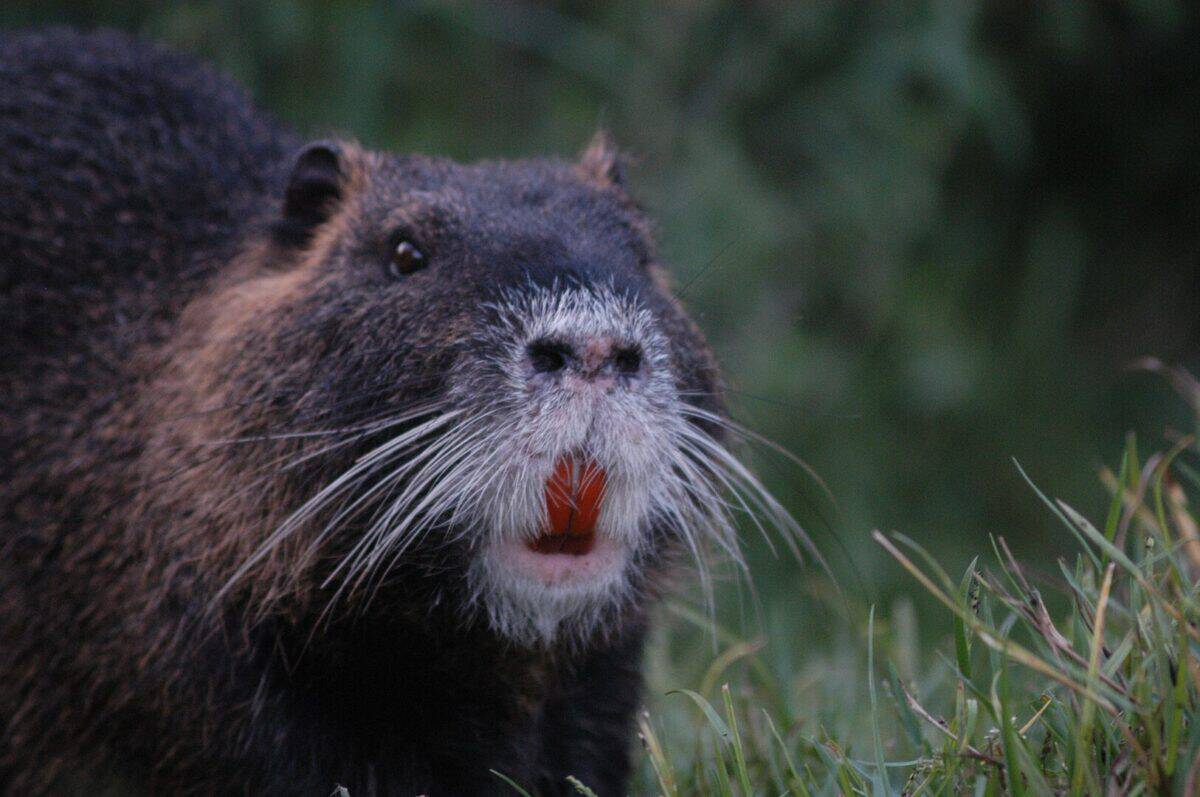
Rodents, including mice and rats, are more than just a nuisance; they pose significant health risks and can cause extensive damage to homes. They carry diseases, chew through electrical wires, and can contaminate food. Understanding how they operate and what attracts them is the first step in keeping them at bay.
Seal Entry Points

One of the most effective ways to keep rodents out is to prevent their entry in the first place. Examine your home thoroughly for any potential entry points. These could be cracks in the foundation, gaps in walls, or spaces around doors and windows. Use materials like steel wool or caulk to seal these openings, as rodents are adept at squeezing through surprisingly small spaces.
Maintain a Clean Environment
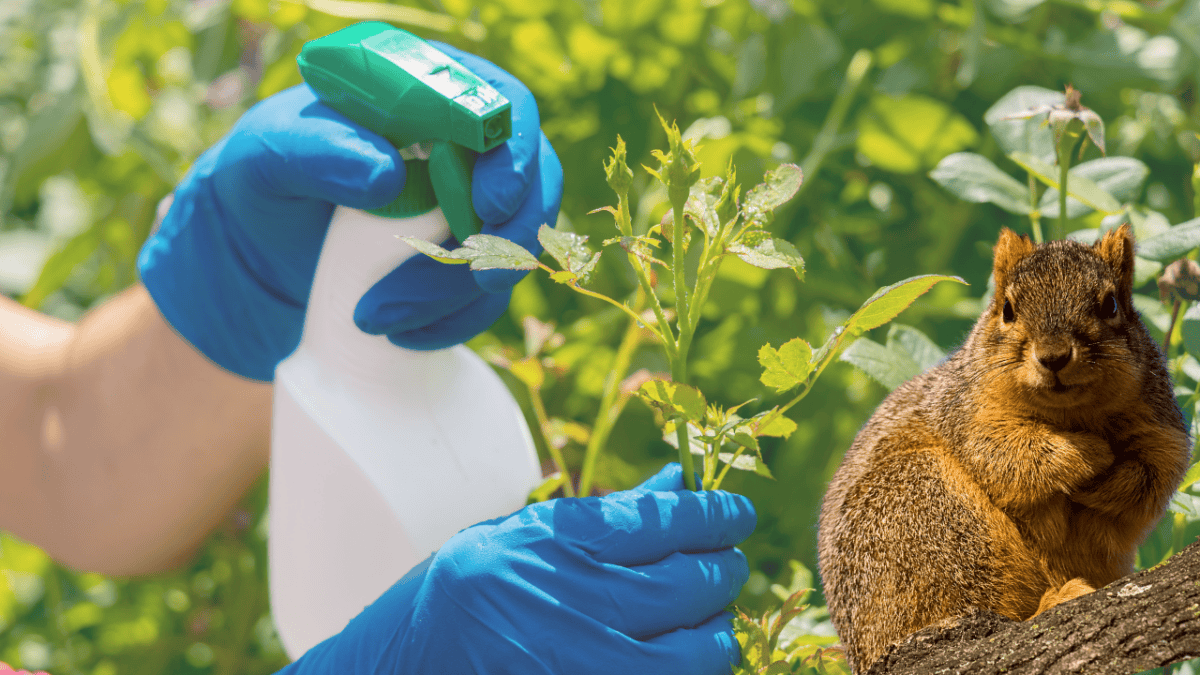
Cleanliness is crucial in keeping rodents away. Rodents thrive in environments where food and waste are abundant. Ensure that your kitchen and eating areas are always clean. Store food in sealed containers and promptly clean up crumbs or spills. Regularly take out the trash and keep garbage cans sealed tightly.
Use Natural Deterrents
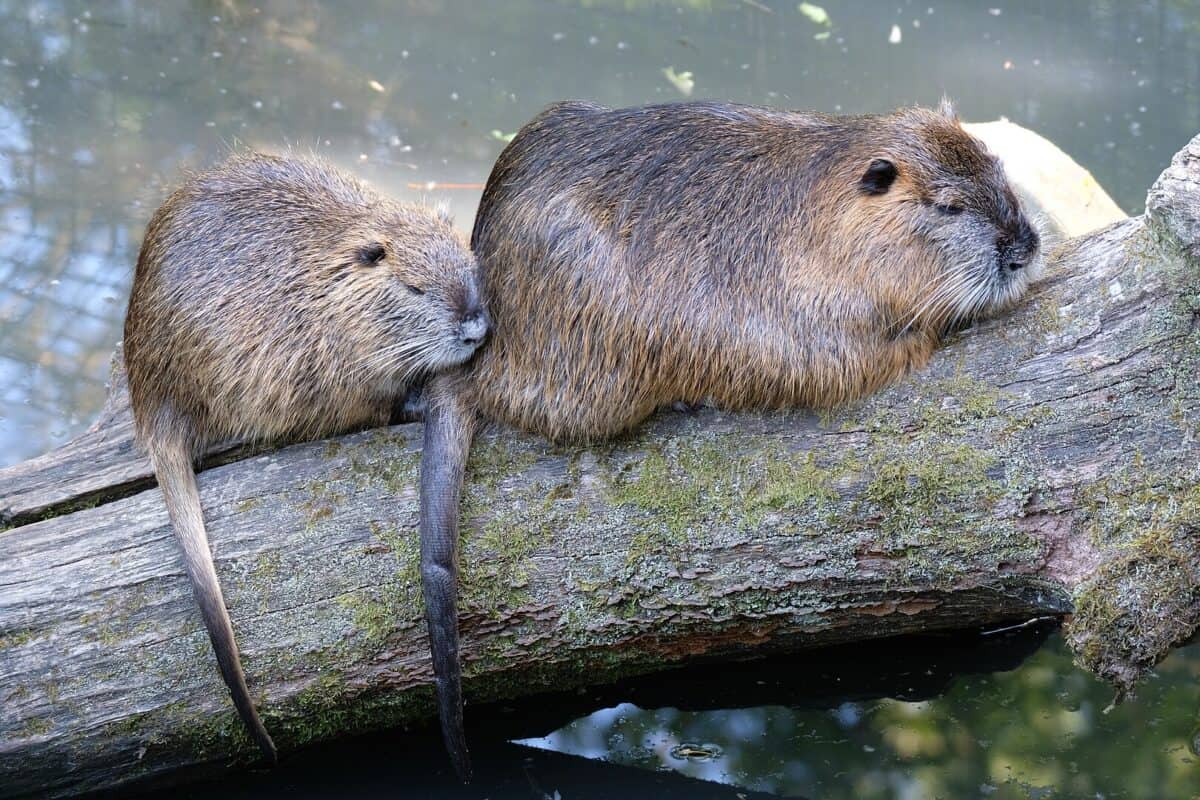
Certain natural substances can deter rodents effectively without causing harm to pets or children. For example, peppermint oil has a strong scent that repels rodents. Soak cotton balls in peppermint oil and place them in areas where you suspect rodent activity. Other deterrents include garlic, onion, and clove oil.
Eliminate Water Sources

Rodents need water to survive, so eliminating easy access to water can make your home less appealing. Fix any leaks in pipes, faucets, or drainage areas. Ensure that pet water dishes are only filled when necessary, and avoid leaving standing water in places like basements or laundry rooms.
Trapping
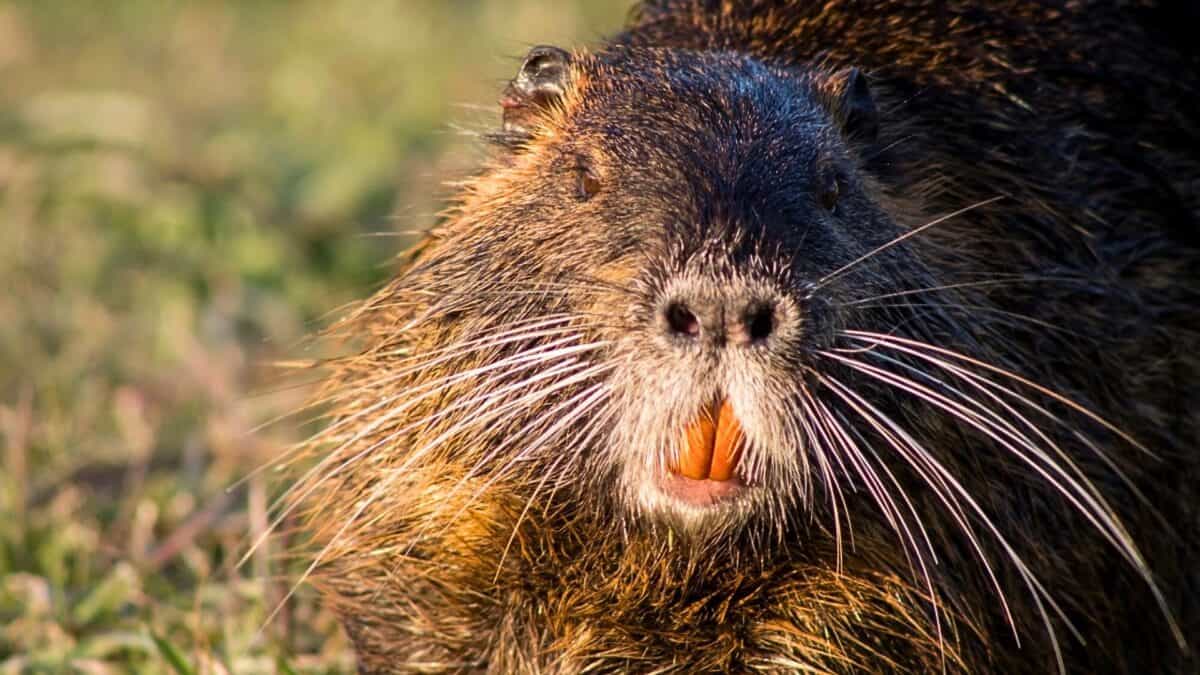
Trapping is a proven method to manage existing rodent populations. There are various traps available, including snap traps, electronic traps, and live traps. Please choose the type that best suits your needs and place them strategically in areas where you have noticed rodent activity. Always follow safety instructions when setting traps.
Remove Indoor Food Sources

Rodents are attracted to food sources, so it’s important to minimize their access. Store all pantry items in metal or glass containers. Keep pet food sealed, and do not leave it out overnight. Regularly clean under appliances and low-traffic areas where food crumbs might accumulate.
Maintain Yard and Exterior
A well-maintained yard can help prevent rodents from nesting close to your home. Keep vegetation, grass, and shrubs trimmed and away from the exterior walls of your house. Remove piles of wood, leaves, or debris, which can serve as nesting grounds. Ensure that firewood is stored at least 20 feet from your home.
Implement Ultrasonic Devices
Ultrasonic rodent repellents are devices that emit high-frequency sounds that are inaudible to humans but irritating to rodents. These can be a useful addition to other methods, although their effectiveness can vary. Place these devices in places where rodents are likely to enter, such as basements or attics.
Utilize Professional Pest Control
If an infestation persists, it may be time to call in professional pest control services. Professionals can assess the situation, identify problem areas, and develop a comprehensive strategy tailored to your home. They have access to specialized tools and products that can eradicate even the toughest rodent problems.
Regular Monitoring and Maintenance
Finally, regular monitoring and maintenance are vital to ensuring that your home remains rodent-free. Conduct periodic checks around your home’s perimeter and interior to identify any new potential entry points or signs of rodent activity. Keeping a proactive approach will help maintain a rodent-free environment in the long run.
Adopting these proven strategies can help you keep rodents out of your home for good, safeguarding your property and health. While it might require some effort and resources, the peace of mind that comes with a rodent-free home is well worth it.

As a little kid, I fell in love with nature, wildlife, and animals. Living in the USA, South Africa, Italy, China and Germany gave me the opportunity to discover the world's Wildlife. My favorite animals are Mountain Gorillas, Siberian Tigers, and Great White Sharks.
I'm a certified PADI Open Water Diver, went to Everest Base Camp and Trekked Gorillas in Uganda. I hold a Master of Science in Economics and Finance.
Please send any feedback to feedback@animalsaroundtheglobe.com
- 10 Dogs That Love to Cuddle And 2 That Prefer Their Space - July 11, 2026
- 10 Ancient Animals That Still Exist Today - July 11, 2026
- 14 Creatures That Are Older Than Dinosaurs - July 11, 2026