

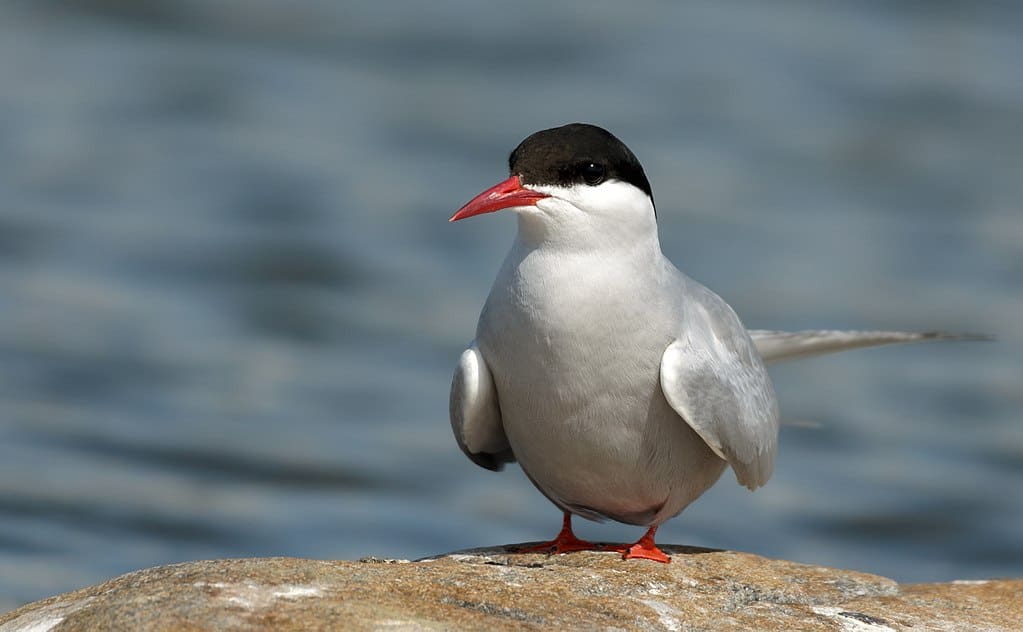
The Arctic Tern (Sterna paradisaea) is renowned for having the longest migration of any bird species. These incredible travelers journey from their breeding grounds in the Arctic and northern Europe to the Antarctic, covering a distance of approximately 44,000 miles (70,800 kilometers) annually. This small, fork-tailed seabird navigates by taking advantage of prevailing wind patterns and the Earth’s magnetic fields. The life of an Arctic Tern is an eternal summer, shifting between the northern and southern poles, allowing them to experience more daylight annually than any other animal.
Bar-tailed Godwit Nonstop Flyers
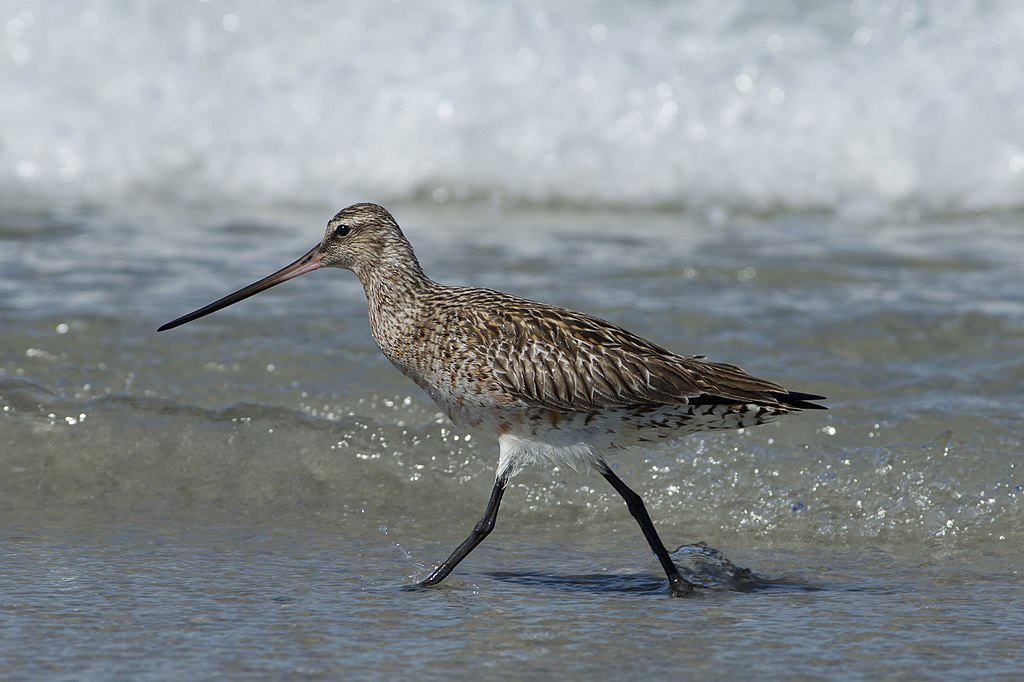
The Bar-tailed Godwit (Limosa lapponica) is famous for its record-breaking nonstop flights. One of the longest recorded migratory journeys without stopping for food or rest sees these birds traveling from Alaska to New Zealand. This impressive feat spans approximately 7,000 miles (11,265 kilometers) and takes around eight days to complete. The Bar-tailed Godwit is an exceptional example of endurance and navigational skill, utilizing fat reserves built up beforehand to power their incredible journey.
Monarch Butterfly A Delicate Traveler

Though technically an insect, the migration of the Monarch Butterfly (Danaus plexippus) is often compared to that of birds due to its incredible complexity and distance. These butterflies travel up to 3,000 miles (4,800 kilometers) from Canada and the United States to central Mexico. Despite their delicate wings, weighing less than a gram, Monarchs are guided by the position of the sun and magnetic fields. Amazingly, the same butterflies do not make the return journey; instead, multiple generations complete the round trip.
Swainson’s Hawk Journey of the Raptors

Swainson’s Hawks (Buteo swainsoni) undertake one of the longest migrations of any North American raptor. These birds of prey commence their journey from breeding grounds in the western United States and Canada, ending up in the Pampas of Argentina. Covering distances of up to 14,000 miles (22,530 kilometers) round trip, they travel in large flocks known as “kettles,” utilizing thermals to conserve energy. As insectivorous raptors, their migration period coincides with seasonal insect abundances, which provide critical sustenance during their long trek.
Red Knot Medium-Sized Migrator

The Red Knot (Calidris canutus) is known for performing one of the longest migrations of any small bird species. These medium-sized shorebirds embark on an extraordinary journey from their breeding grounds in the Arctic to their wintering habitats as far south as Tierra del Fuego in South America. This round-trip journey can span as long as 9,000 miles (14,484 kilometers) one way. Red Knots rely heavily on key stopover sites, such as Delaware Bay, where they refuel during their migration with horseshoe crab eggs, giving them the energy needed to continue their epic voyage.
Ruby-throated Hummingbird Tiny but Mighty

The Ruby-throated Hummingbird (Archilochus colubris), weighing just a few grams, is a marvel in the bird world for its migratory prowess. These vibrant green hummingbirds migrate from North America to Central America, crossing the Gulf of Mexico, a nonstop flight of up to 500 miles (800 kilometers) over open water. Despite their tiny size, they manage this daunting journey by doubling their body weight beforehand, converting fat into fuel. Their migration showcases remarkable resilience and adaptation in the avian realm.
Common Cuckoo The Solo Navigator
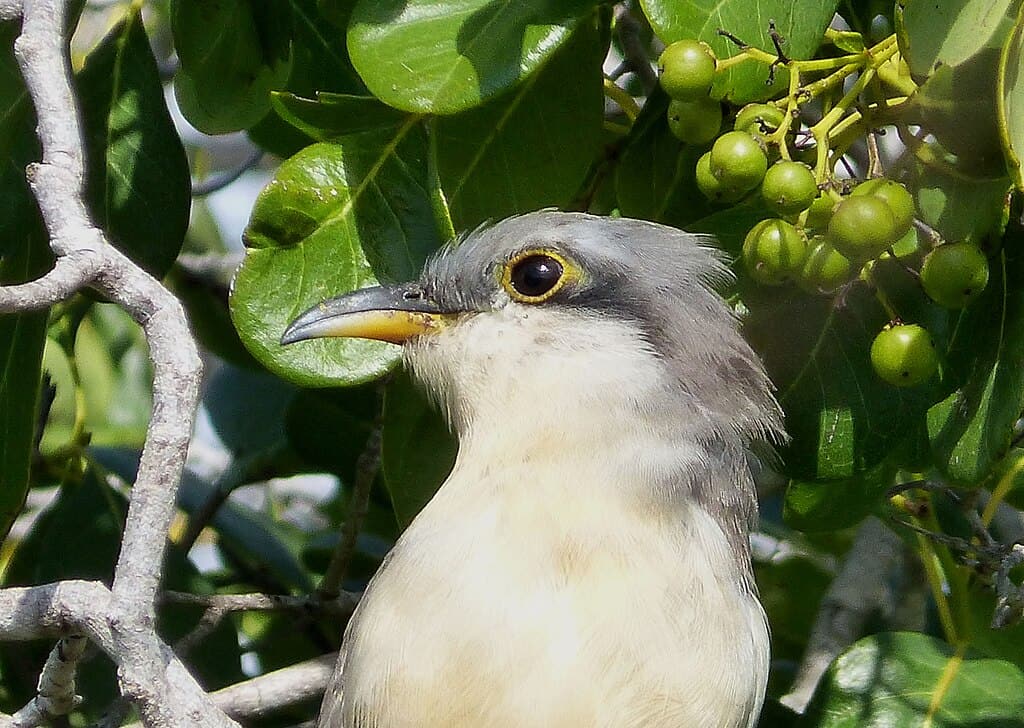
The Common Cuckoo (Cuculus canorus) is unique among migratory birds for its impressive solo journey. Unlike other birds that travel in flocks, Common Cuckoos migrate from Europe and Asia to sub-Saharan Africa individually. Covering between 7,500 to 10,000 miles (12,070 to 16,100 kilometers) round trip, they rely on innate navigational systems, possibly using the stars or Earth’s magnetic field. Known also for their brood parasitism, laying eggs in other birds’ nests, their sole navigational migration highlights their independent nature and intricate life cycle.

As a little kid, I fell in love with nature, wildlife, and animals. Living in the USA, South Africa, Italy, China and Germany gave me the opportunity to discover the world's Wildlife. My favorite animals are Mountain Gorillas, Siberian Tigers, and Great White Sharks.
I'm a certified PADI Open Water Diver, went to Everest Base Camp and Trekked Gorillas in Uganda. I hold a Master of Science in Economics and Finance.
Please send any feedback to feedback@animalsaroundtheglobe.com
- 10 Most Unique Reptiles You will See in the US - July 21, 2026
- 3 Dangerous Invasive Species the USA Must Eradicate - July 21, 2026
- 10 Things That Calm Cats And 4 That Make Them Nervous - July 21, 2026