


Creating a garden that encourages wildlife is enriching, both for the ecosystem and for the gardener. Frogs and toads are beneficial creatures you can invite into your outdoor space. These amphibians serve as natural pest controllers and contribute to ecological balance. They are delightful garden guests, consuming large quantities of insects while also adding a touch of vibrancy and life to their habitats. This article will guide you through practical steps to make your garden a haven for frogs and toads.
Understanding the Role of Frogs and Toads

Before taking any action, it’s essential to understand the vital role frogs and toads play in our ecosystems. These amphibians are formidable insectivores, helping control populations of mosquitoes, slugs, and other pests that can wreak havoc on garden plants. Both frogs and toads serve as indicator species, meaning their presence signifies a healthy and balanced environment. By welcoming these creatures into your garden, you’re not only enhancing its ecological value but also contributing to a larger environmental purpose.
Creating a Frog- and Toad-Friendly Habitat

The first step in attracting frogs and toads is to create a suitable habitat that meets their needs for shelter, moisture, and breeding. Water features are particularly attractive to these amphibians. Consider installing a pond, even a small one, as frogs and toads require a water source for breeding and hydration. Ensure that the pond has gently sloping sides for easy access and exit.
Avoid using chemicals in your garden. Amphibians have sensitive skin that can easily absorb harmful substances, so it is crucial to curtail pesticide and herbicide use. Instead, implement organic gardening practices to ensure their environment remains toxin-free.
Providing Shelter and Food
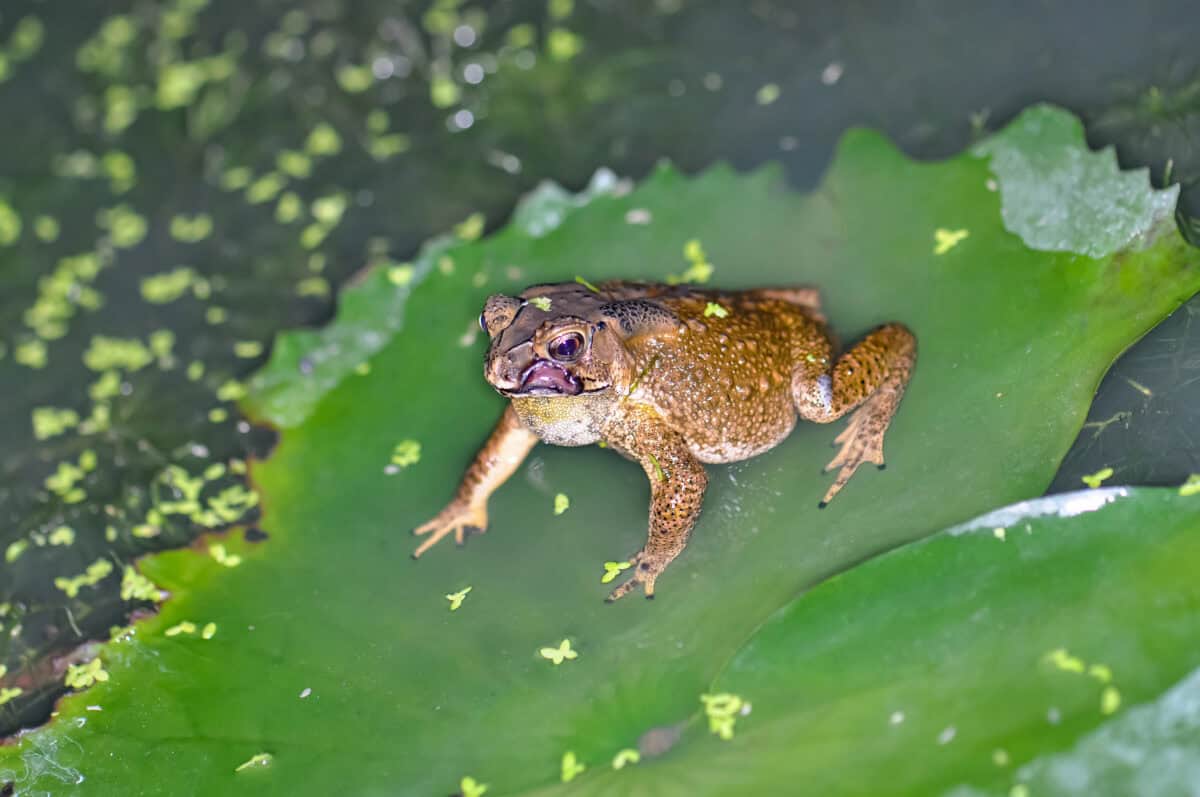
Frogs and toads need places to hide and take refuge from predators. You can use natural materials like logs, rocks, and leaf piles to create hiding spaces. These structures also serve as a microhabitat for insects, which are a primary food source for both frogs and toads.
Ensure your garden has a variety of plants. Native plants are particularly beneficial, as they attract the insects that frogs and toads feed on. Tall grasses, ground covers, and small shrubs can provide additional cover and habitats for amphibians and their prey.
Ensuring a Safe Environment
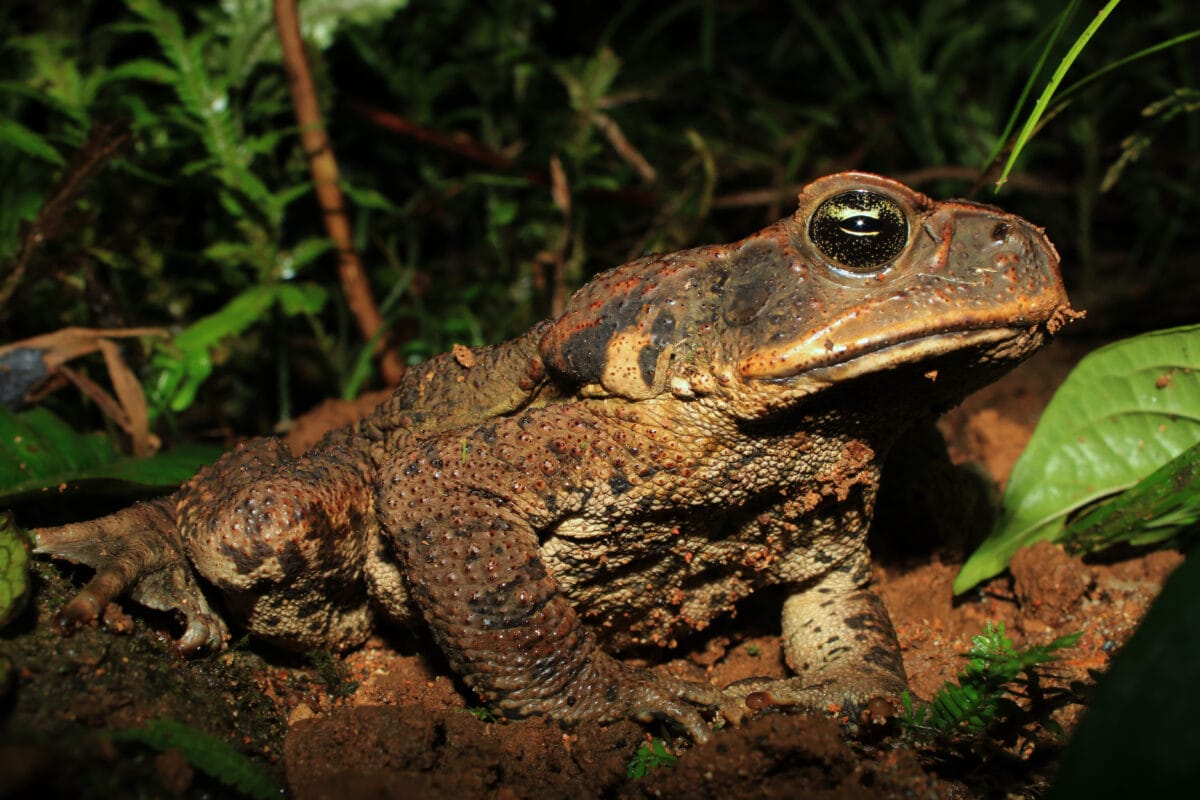
Safety is a crucial consideration for attracting frogs and toads. Create a safe environment by constructing a fence around potential hazards like swimming pools or streets. This will help reduce the risk of accidental harm. To protect your amphibian visitors from predators such as cats or raccoons, ensure that the refuge areas you have provided are secure and out of reach.
Another tip is to equip any garden lighting with eco-friendly options. Frogs and toads are nocturnal, and excessive artificial lighting can disrupt their natural behaviours, including feeding and mating.
Promoting a Healthy Ecosystem

Incorporating frogs and toads into your garden is not just about specific setups and modifications. A well-balanced ecosystem thrives on biodiversity, so consider the overall health and variety of your garden’s inhabitants. Encourage other beneficial species, such as birds and pollinators, to further enrich your garden’s ecosystem. The more varied and vibrant your garden becomes, the more inviting it will be to all forms of wildlife, including amphibians.
Conclusion
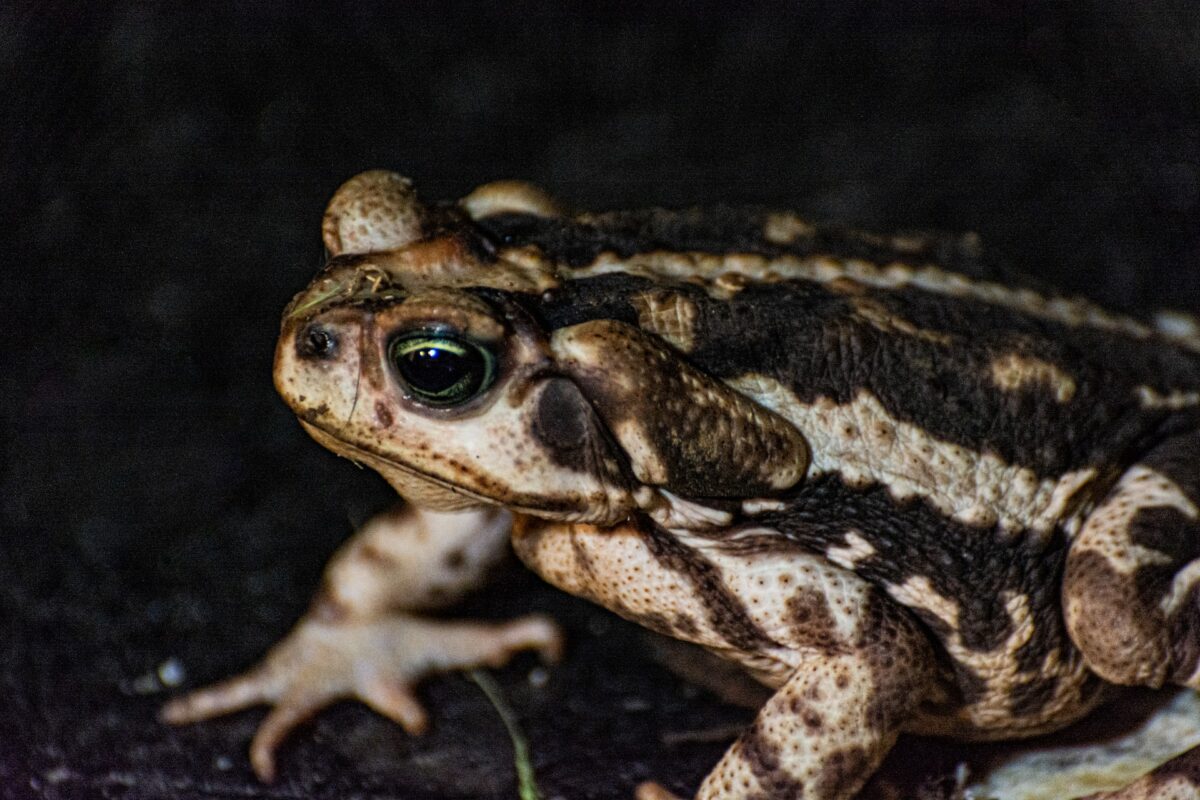
Frogs and toads are invaluable additions to any garden, serving as pest control agents and ecological indicators. By providing them with a suitable habitat, proper shelter, abundant food sources, and a safe environment, you can enjoy the benefits and beauty these creatures bring. Cultivating such an environment is not only fulfilling but also advances the goal of biodiversity and environmental stewardship in your garden sanctuary.
In embracing these practices, you’re not just attracting individual species; you’re creating a thriving web of life that sustains itself. In return, your garden will become a lively, dynamic, and balanced ecosystem, benefiting both you and the amphibians it harbours.

As a little kid, I fell in love with nature, wildlife, and animals. Living in the USA, South Africa, Italy, China and Germany gave me the opportunity to discover the world's Wildlife. My favorite animals are Mountain Gorillas, Siberian Tigers, and Great White Sharks.
I'm a certified PADI Open Water Diver, went to Everest Base Camp and Trekked Gorillas in Uganda. I hold a Master of Science in Economics and Finance.
Please send any feedback to feedback@animalsaroundtheglobe.com
- The 10 Rarest Dog Breeds Making a Comeback in America - July 19, 2026
- 13 Creatures That Survived Mass Extinctions - July 19, 2026
- 12 Pets That Are Perfect for Seniors - July 19, 2026