


Gardening is a rewarding activity that connects us with nature and offers a peaceful outdoor retreat. However, ensuring a flourishing garden can be challenging, especially when it comes to pest management. While many gardeners resort to chemical treatments to fend off unwanted bugs, there’s a more environmentally friendly way to protect your plants: beneficial insects. These natural allies help control pest populations and promote a healthy garden ecosystem. Below, we delve into ten beneficial insects every gardener should familiarize themselves with to cultivate a thriving garden.
1. Ladybugs
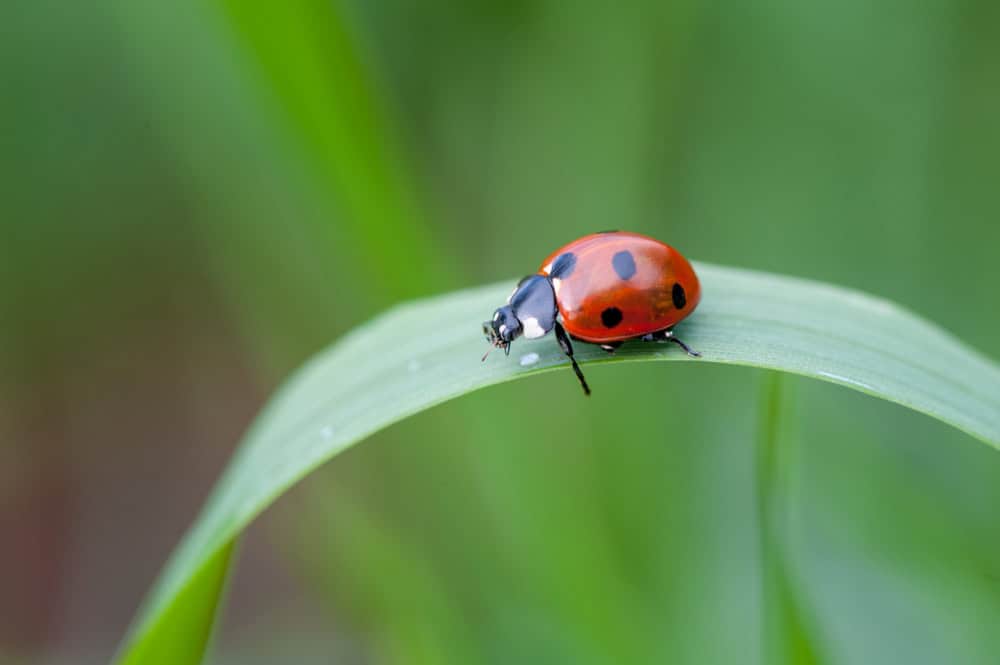
Ladybugs, also known as ladybird beetles, are among the most popular beneficial insects. These small beetles, recognized by their bright red and orange shells adorned with black spots, are voracious predators of aphids, which can wreak havoc on garden plants. A single ladybug can consume up to 5,000 aphids in its lifetime, making it an invaluable ally in pest control.
2. Lacewings

Lacewings, with their delicate green wings and golden eyes, are a gardener’s best friend when it comes to pest management. The larvae, dubbed “aphid lions,” are particularly effective in devouring soft-bodied insects. They feed on aphids, caterpillars, and even small beetles, ensuring these pests don’t overrun your garden. To attract lacewings, consider planting flowers like dill and coriander.
3. Parasitic Wasps
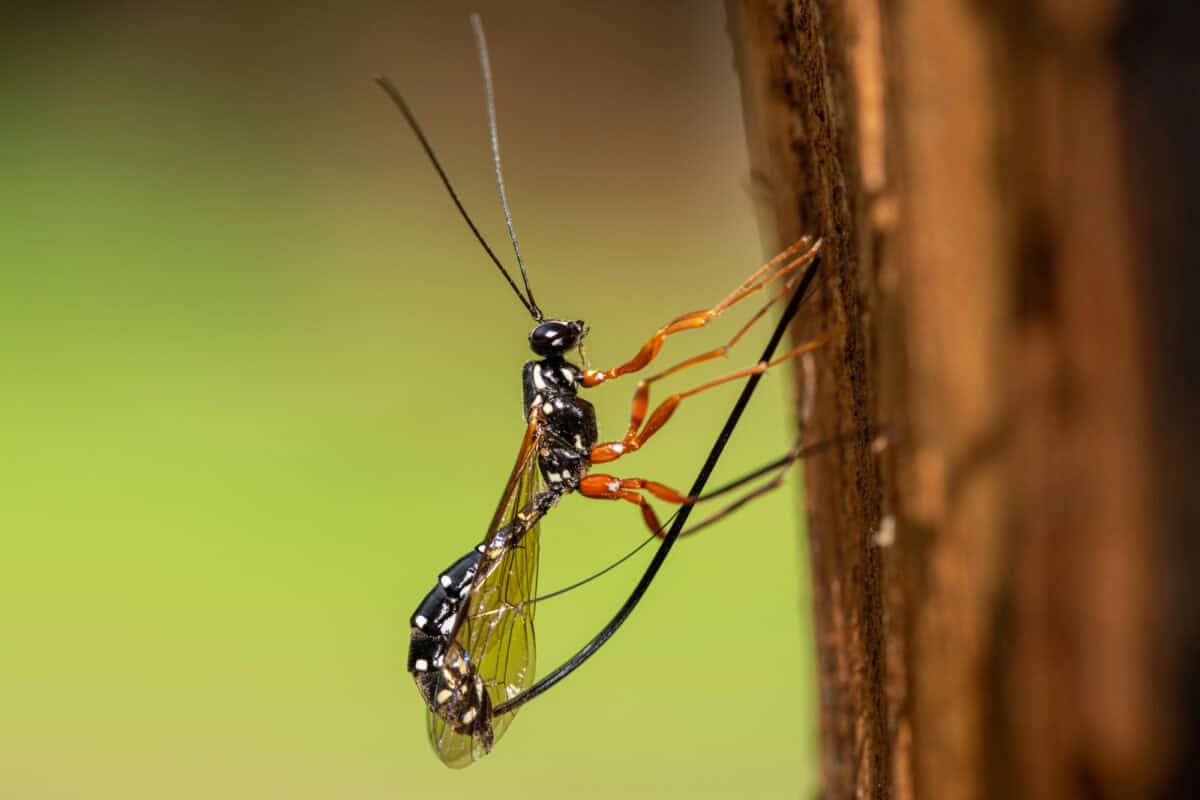
Parasitic wasps are a diverse group of beneficial insects that play a crucial role in controlling pest populations. Unlike their larger, more aggressive relatives, these wasps are tiny and largely unnoticeable. They lay their eggs inside or on the bodies of host pests such as caterpillars and beetles. The hatching larvae consume the host from the inside, effectively controlling pest outbreaks. Planting nectar-rich flowers can help attract parasitic wasps to your garden.
4. Ground Beetles

Ground beetles are nocturnal predators that reside on the soil surface, where they hunt for a variety of pests. With over 2,000 species in North America, ground beetles are effective against slugs, snails, cutworms, and other troublesome insects. Providing ground cover, like mulch and stones, can help create a favorable habitat for these beetles.
5. Hoverflies
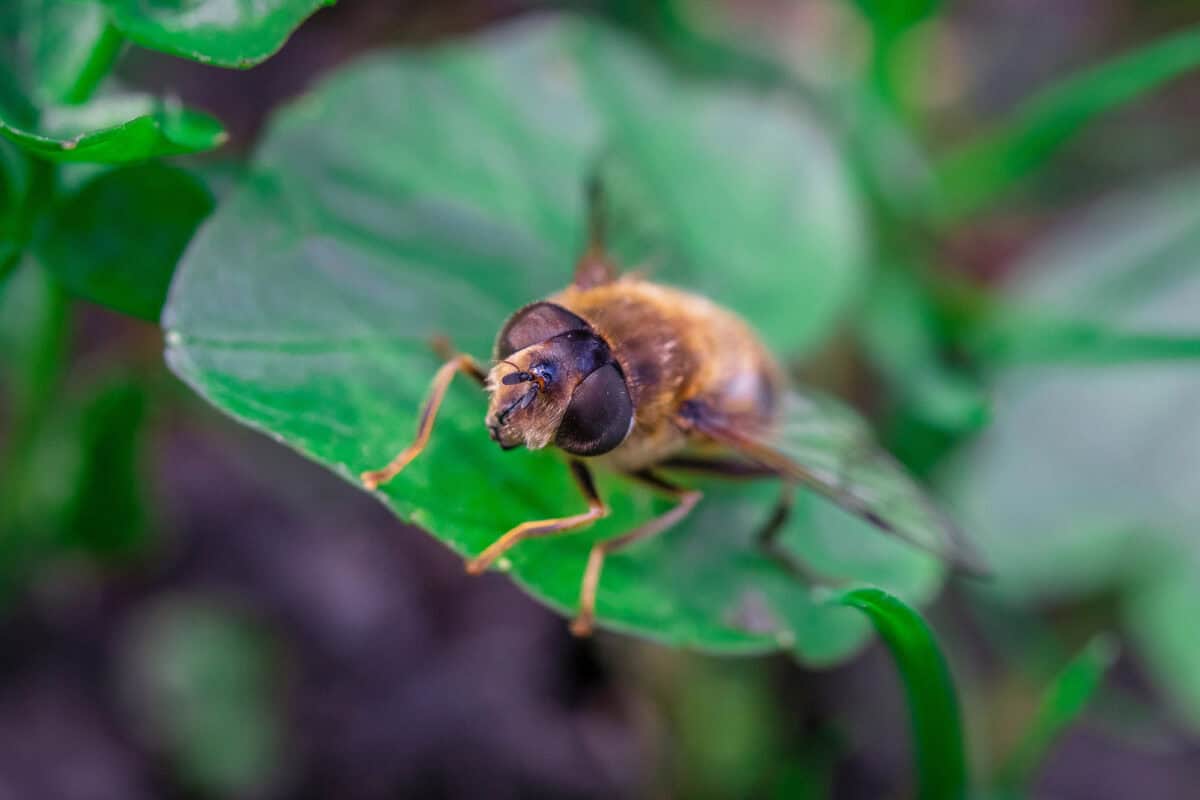
Often mistaken for bees, hoverflies are excellent pollinators and pest controllers. The adult flies feed on nectar, while their larvae consume aphids and other soft-bodied insects. Their hovering flight pattern makes them easy to identify, and their presence can reduce pest populations while enhancing pollination. Planting marigolds and sweet alyssum can attract these beneficial flies.
6. Assassin Bugs

True to their name, assassin bugs are stealthy predators that feed on a wide range of garden pests. They use their long, piercing mouthparts to inject venom into prey, such as aphids, caterpillars, and even other insects. Their presence in the garden can significantly reduce pest populations. To encourage these beneficial bugs, maintain a diverse plant habitat in your garden.
7. Predatory Mites
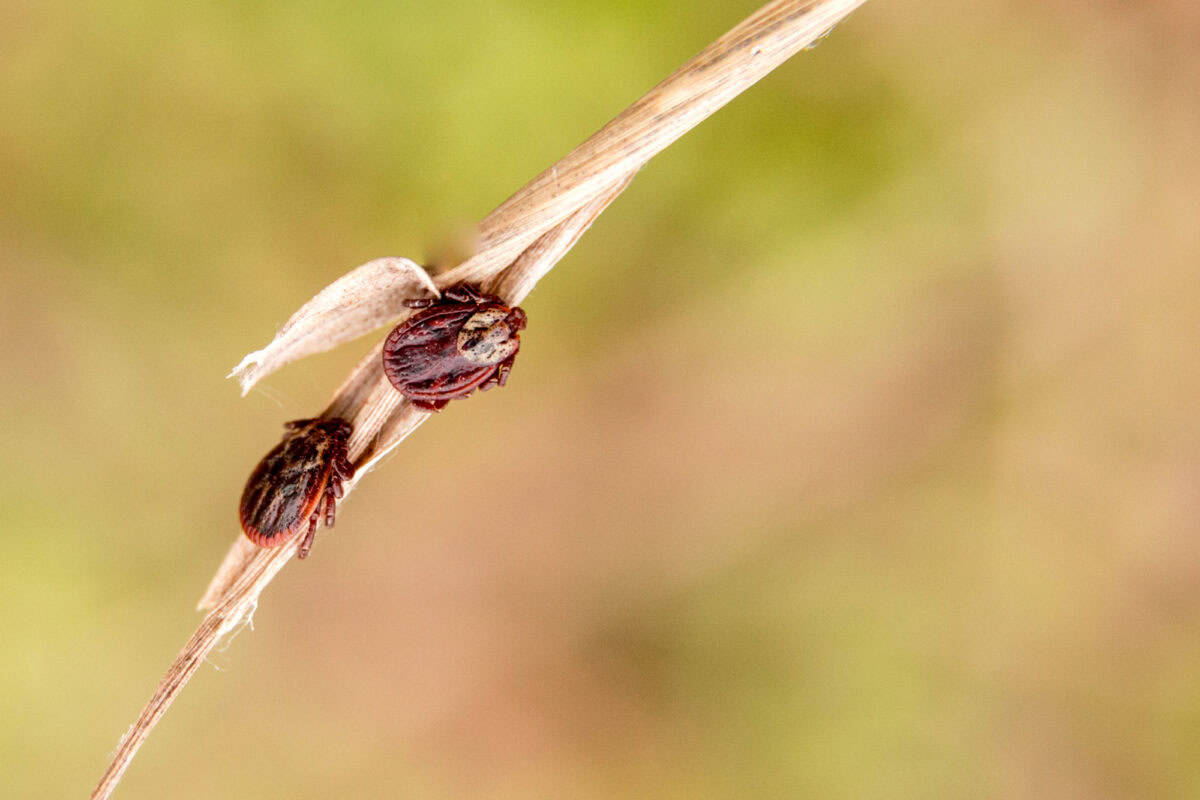
Predatory mites are microscopic allies in the battle against pest mites, such as spider mites, which can damage plant foliage. These beneficial mites actively hunt and feed on pest mites, naturally controlling their populations. Regular inspection and maintaining plant diversity can help regulate pest mite numbers and support predatory mite lifecycles.
8. Tachinid Flies
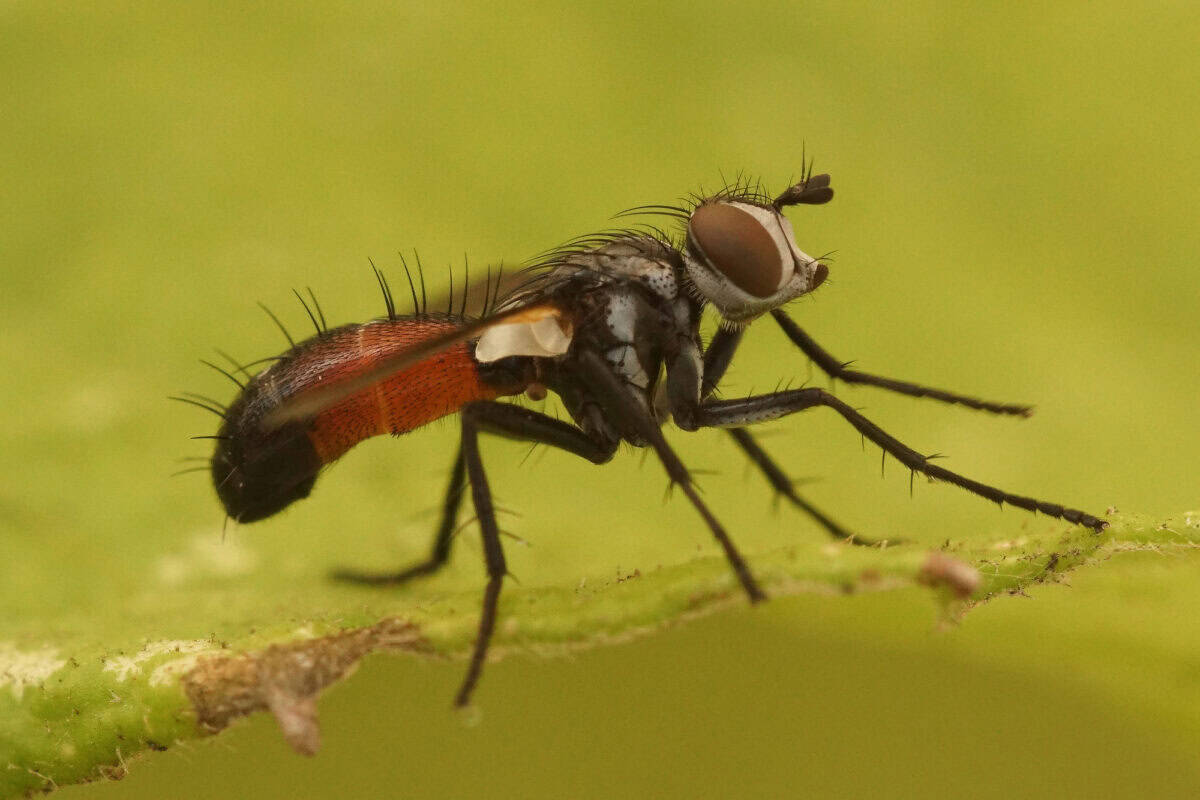
These flies may appear innocuous, but they play a pivotal role in pest control. Tachinid flies lay their eggs on or near host insects like caterpillars and beetles. The larvae then burrow into the host, eventually killing it. Tachinid flies are attracted to gardens that feature a variety of flowering plants, making them a discrete yet important asset to pest management.
9. Spiders

Though not technically insects, spiders are indispensable in controlling garden pests. They capture a wide array of insects in their webs, effectively reducing pest populations. While maintaining their habitats can sometimes be challenging due to garden maintenance and personal aversions, allowing spiders to thrive can lead to a substantial reduction in pests.
10. Braconid Wasps

Braconid wasps are another group of parasitic wasps that play a key role in pest control. They inject their eggs into or on caterpillars, aphids, and beetle larvae, targeting them. The resulting larvae feed on the host, curbing pest populations. Encouraging a garden variety of flowering plants can support these helpful wasps.
Conclusion

Incorporating beneficial insects into your garden is an environmentally friendly and sustainable method of pest control. Utilizing these natural allies can help maintain a healthy, balanced ecosystem, reduce the need for chemical pesticides, and boost plant health. By understanding and attracting beneficial insects to your garden, you’ll not only enhance your gardening success but also contribute to a healthier environment.

As a little kid, I fell in love with nature, wildlife, and animals. Living in the USA, South Africa, Italy, China and Germany gave me the opportunity to discover the world's Wildlife. My favorite animals are Mountain Gorillas, Siberian Tigers, and Great White Sharks.
I'm a certified PADI Open Water Diver, went to Everest Base Camp and Trekked Gorillas in Uganda. I hold a Master of Science in Economics and Finance.
Please send any feedback to feedback@animalsaroundtheglobe.com
- 13 Animal Behaviors Scientists Still Don not Understand - July 31, 2026
- 13 Dog Breeds Too Stubborn to Be House Trained - July 31, 2026
- 12 Amazing Marine Animals You Can See in Florida - July 31, 2026