

Alaska is renowned for its vast wilderness, and at the heart of this landscape is the moose. As one of the largest members of the deer family, moose can weigh over 1,500 pounds and stand over six feet tall at the shoulder. These majestic creatures are easily recognizable, thanks to their long legs, humped shoulders, and massive, palmate antlers found on males. Moose primarily inhabit boreal forests and are often seen foraging in wetlands, feeding on aquatic vegetation during the spring and summer months. Sightings are common across the state, offering incredible opportunities for wildlife enthusiasts and photographers alike.
Grizzly Bears The Alaskan Giants
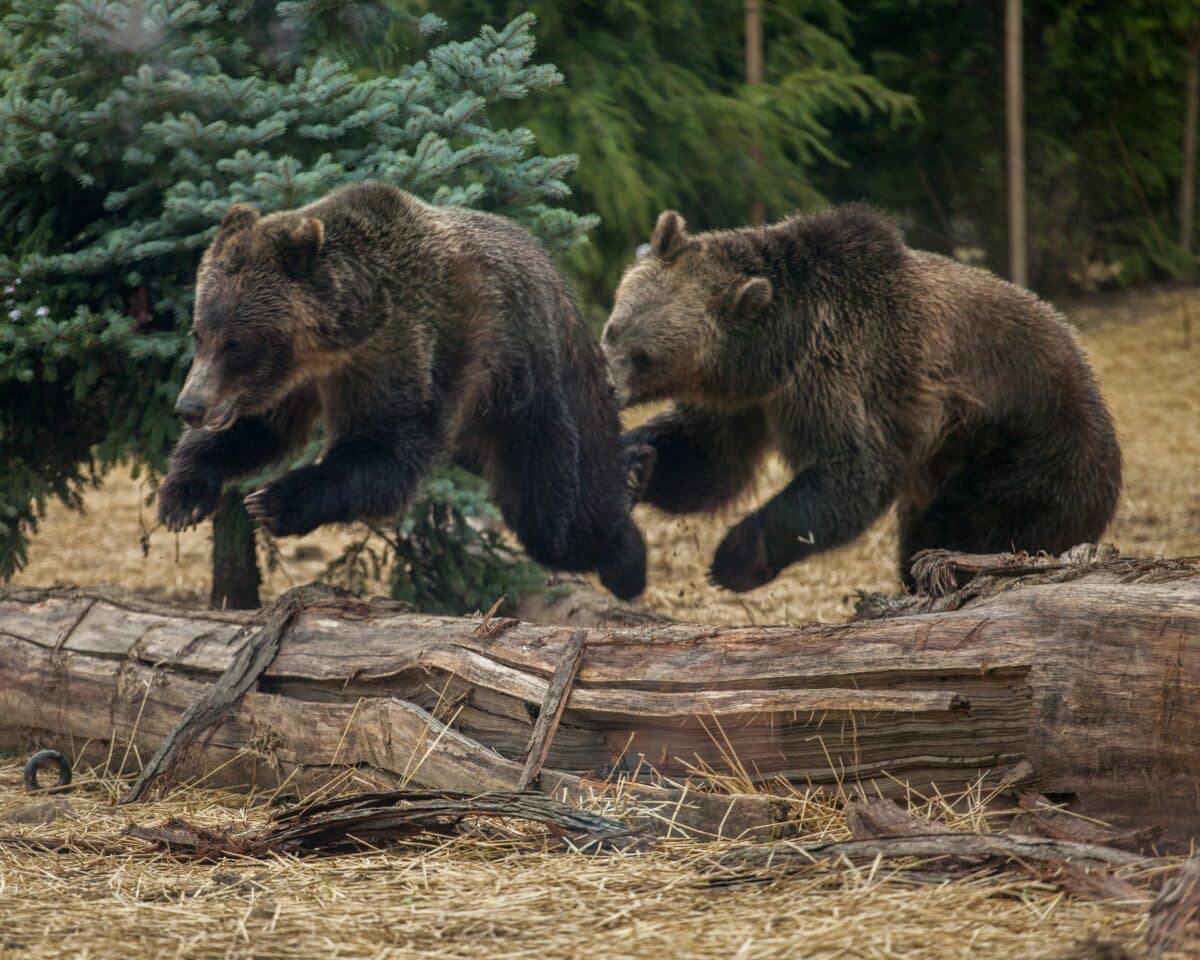
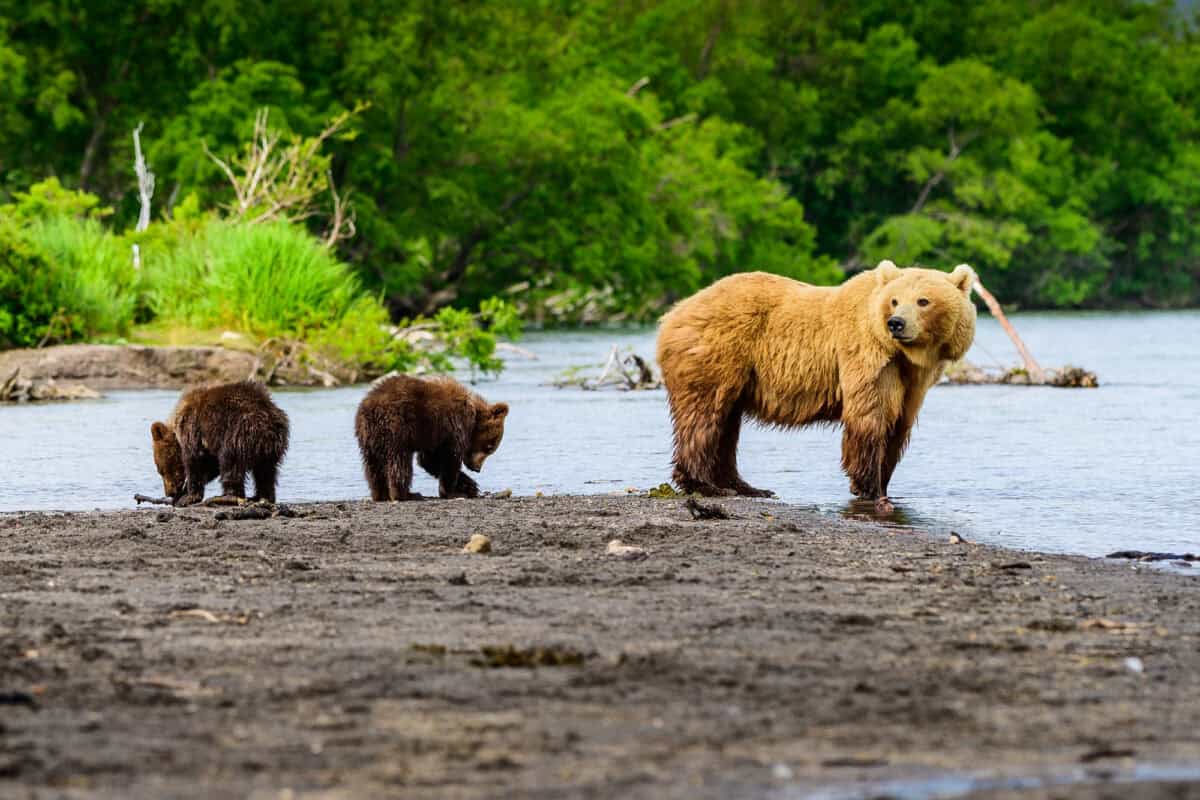
The grizzly bear, a subspecies of the brown bear, is a staple of Alaskan wilderness lore. These formidable giants can weigh over 1,000 pounds and have a powerful build designed for digging and running. Grizzly bears are often seen in coastal areas during the summer months, feasting on salmon during spawning runs. Katmai National Park and Admiralty Island are well-known hotspots for observing these bears in their natural habitat. Despite their intimidating size, grizzlies are primarily solitary and non-aggressive unless threatened or surprised.
Alaskan Wolves
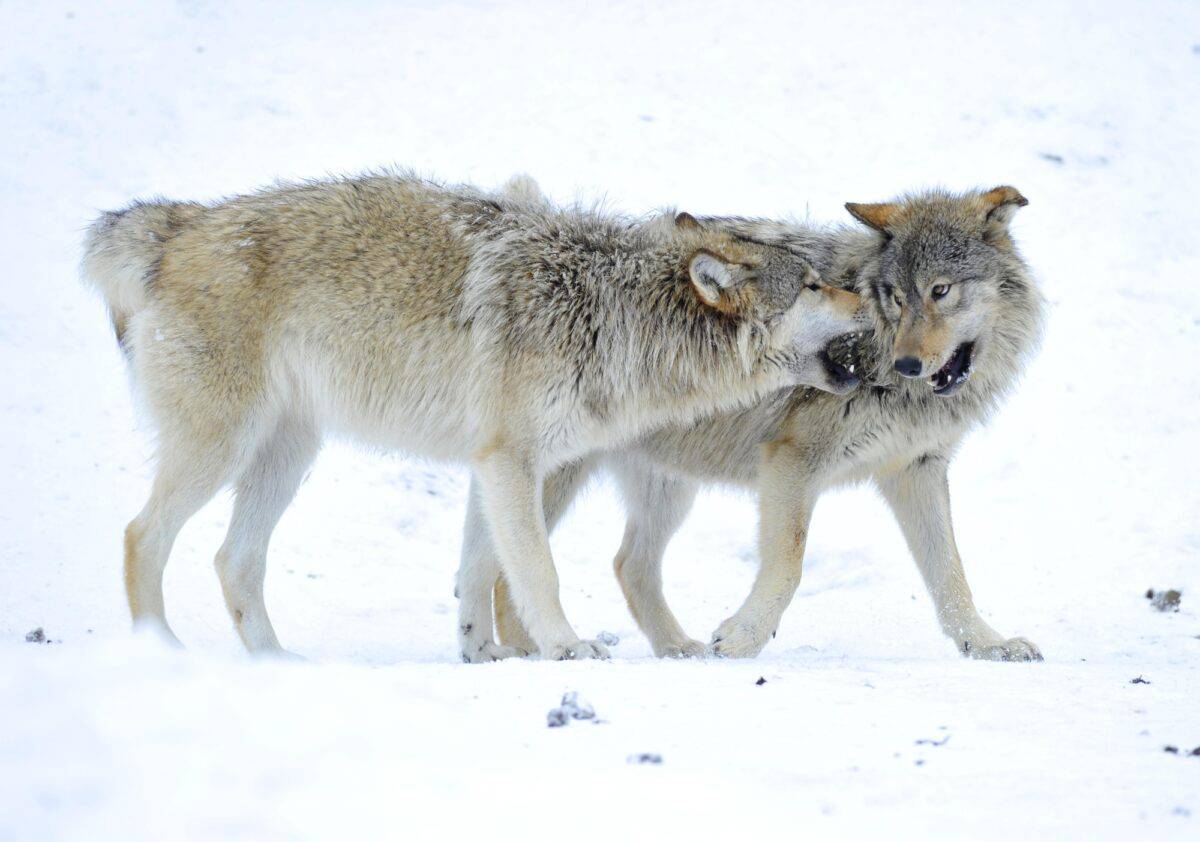
The Alaskan wolf, a subspecies of the gray wolf, is a key predator in the state’s ecosystems. These intelligent and social animals live and hunt in packs, utilizing their acute senses and teamwork to capture prey such as moose, caribou, and beavers. With their haunting howls echoing through the wilderness, wolves are a vital part of the balance in Alaskan wildlife, controlling prey populations and maintaining ecological health. Denali National Park is a prime location for potentially spotting these elusive animals.
Caribou The Migratory Marvel

Caribou are synonymous with the wild expanses of Alaska, famed for their annual migrations that cover incredible distances across tundra and forests. Known in North America as reindeer, caribou are well-suited for cold environments with their thick coats and uniquely adapted hooves for walking on snow and digging for lichen, their primary winter food source. The annual migration of the Porcupine Caribou herd, which can number over 200,000 animals, is one of nature’s most extraordinary spectacles.
Bald Eagles Symbols of Freedom

As the national bird of the United States, the bald eagle holds special significance and dominates the skies of Alaska. These powerful raptors are known for their impressive wingspan, which can reach up to seven feet. They primarily hunt fish, often seen soaring high above the state’s numerous rivers and coastlines. Alaska hosts one of the largest populations of bald eagles, particularly in the southeast, where the dense forests and abundant salmon provide an ideal habitat.
Alaskan King Salmon
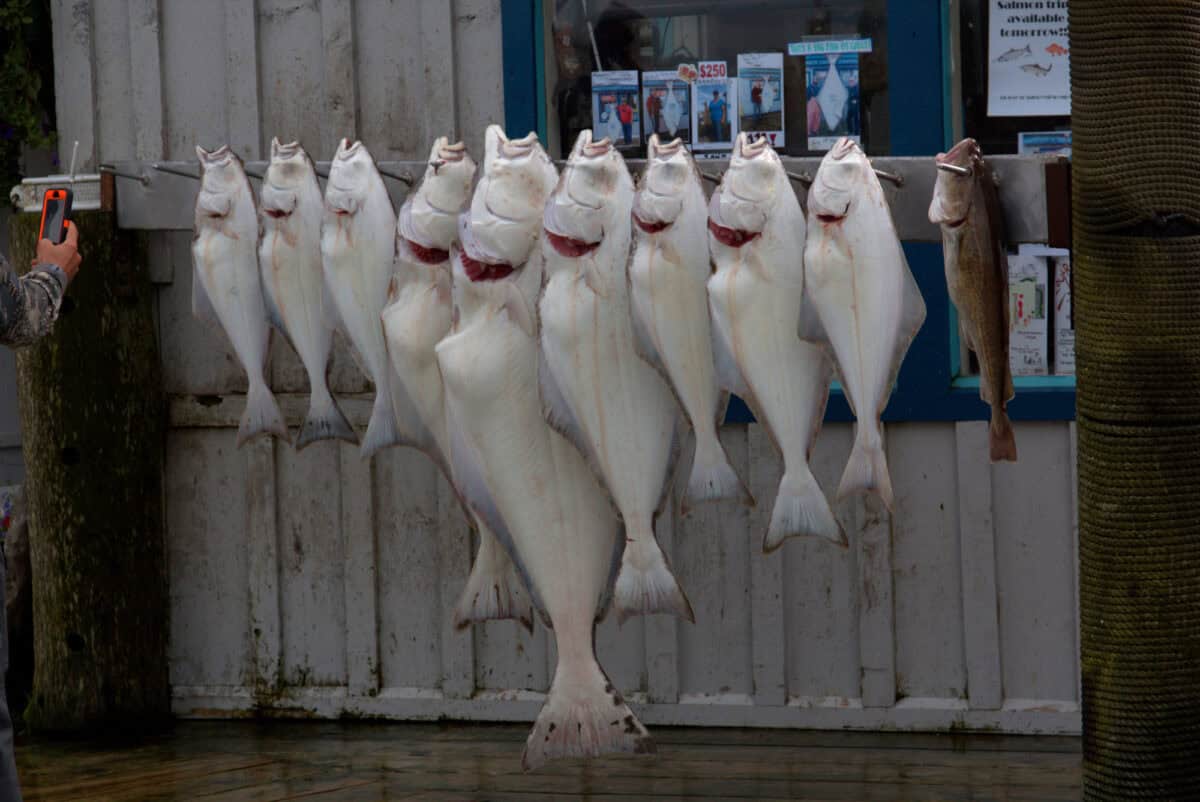
The king salmon, also known as Chinook salmon, is the largest species of Pacific salmon and a vital component of Alaskan aquatic ecosystems. These fish are prized for their size, often reaching weights over 30 pounds, and their critical role in the food web. The spring and summer spawning runs are vital not only to salmon populations but also to the numerous animals, including bears and eagles, that depend on them for food. Fishing enthusiasts travel worldwide to partake in the thrill of catching these impressive fish in Alaskan waters.
Dall Sheep
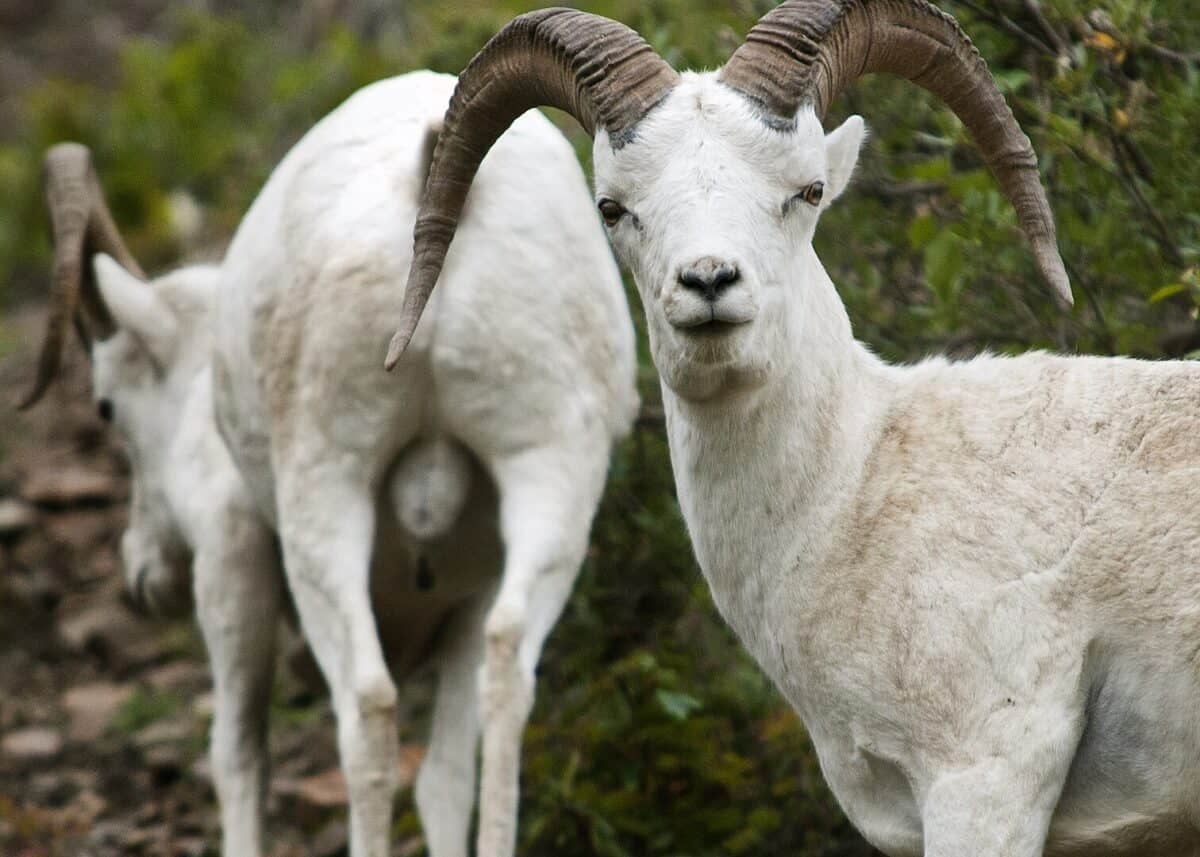
Dall sheep are iconic of the rugged Alaskan mountains, with their striking white coats and magnificent curved horns setting them apart. They inhabit some of the most inaccessible and dramatic landscapes, thriving on high, steep mountain slopes where they graze on grasses and plants. Their agility and the challenging terrains they inhabit provide them protection from predators. Visitors to areas such as Denali National Park often catch a glimpse of these impressive creatures high on rocky cliffs.
Orcas Predators of the Sea
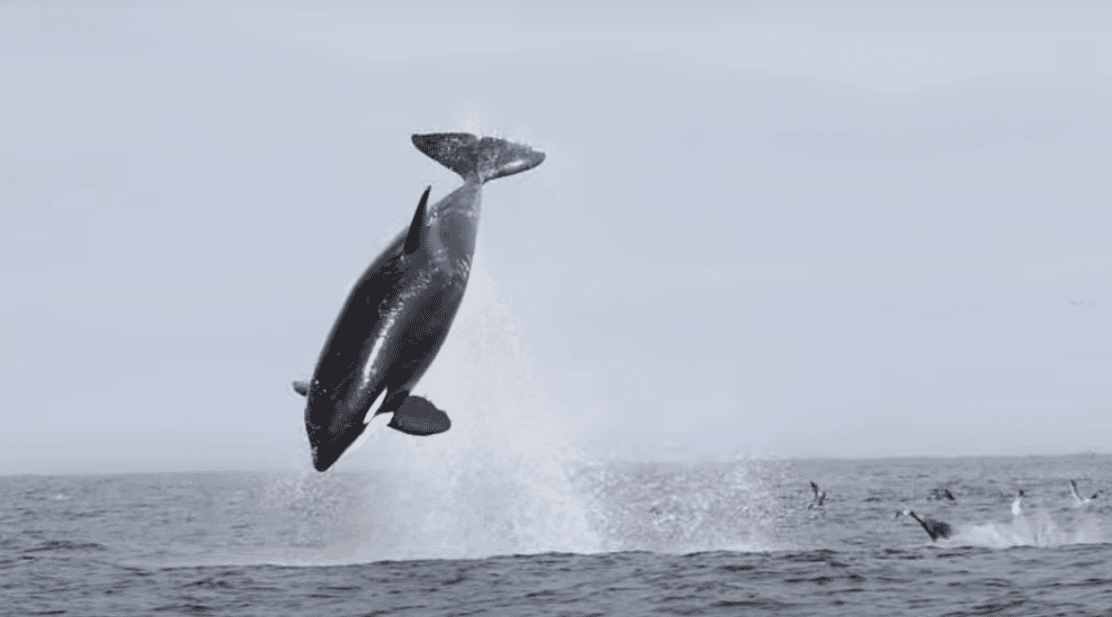
Orcas, or killer whales, are among the most intelligent marine mammals found in Alaskan waters. Known for their striking black-and-white coloration and complex social behavior, orcas roam the coastal waters in pods, exhibiting sophisticated hunting techniques. They feed on a variety of prey, from fish to marine mammals. Whale-watching tours in areas such as the Kenai Fjords and inside passage offer thrilling close encounters with these majestic creatures, showcasing their beauty and power.
Arctic Fox Adaptability in the Cold

The arctic fox is a small but remarkable animal adapted to the extreme cold of the Alaskan tundra. Its thick fur, which changes from white in winter to brown or gray in summer, provides excellent insulation and camouflage. These foxes are well-known for their resourcefulness, feeding on everything from small mammals to carrion and even berries. The arctic fox’s resilience and adaptability make it a fascinating subject of study for understanding survival strategies in harsh environments.
Steller Sea Lions
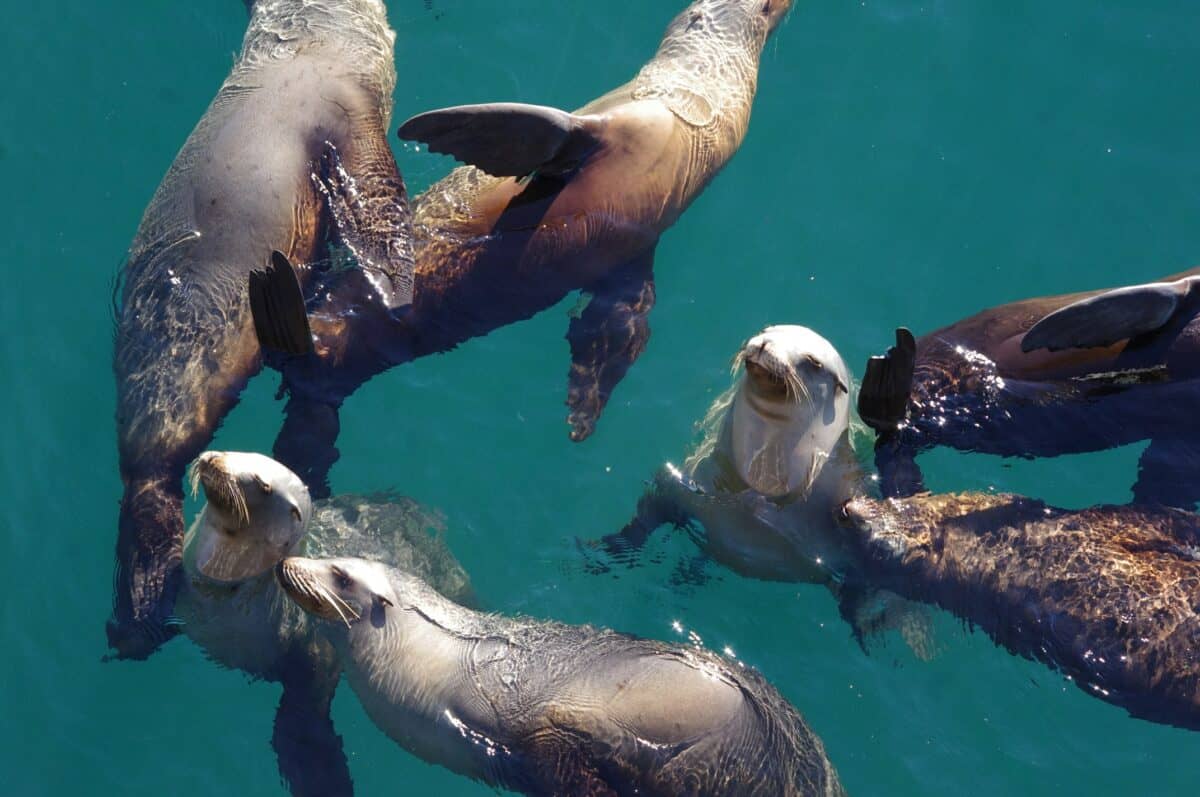
The Steller sea lion is the largest species of sea lion and a critical part of Alaska’s coastal ecosystems. These impressive pinnipeds are found along the rugged coastlines, particularly in the Aleutian Islands and southeast Alaska. They are known for their roars and social behavior, often congregating in large groups on beaches and rocky outcrops. Steller sea lions play a key role in marine food webs, feeding on a variety of fish and squid. Their presence is an indicator of healthy marine ecosystems, making them a focal point for both conservation efforts and ecotourism.

As a little kid, I fell in love with nature, wildlife, and animals. Living in the USA, South Africa, Italy, China and Germany gave me the opportunity to discover the world's Wildlife. My favorite animals are Mountain Gorillas, Siberian Tigers, and Great White Sharks.
I'm a certified PADI Open Water Diver, went to Everest Base Camp and Trekked Gorillas in Uganda. I hold a Master of Science in Economics and Finance.
Please send any feedback to feedback@animalsaroundtheglobe.com
- Top 10 Animals and Wildlife in Alaska - August 11, 2026
- 16 Baby Animals That Will Melt Your Heart - August 11, 2026
- 16 Fluffy Creatures That Look Like Living Plush Toys - August 11, 2026
Leave a comment
You must be logged in to post a comment.