
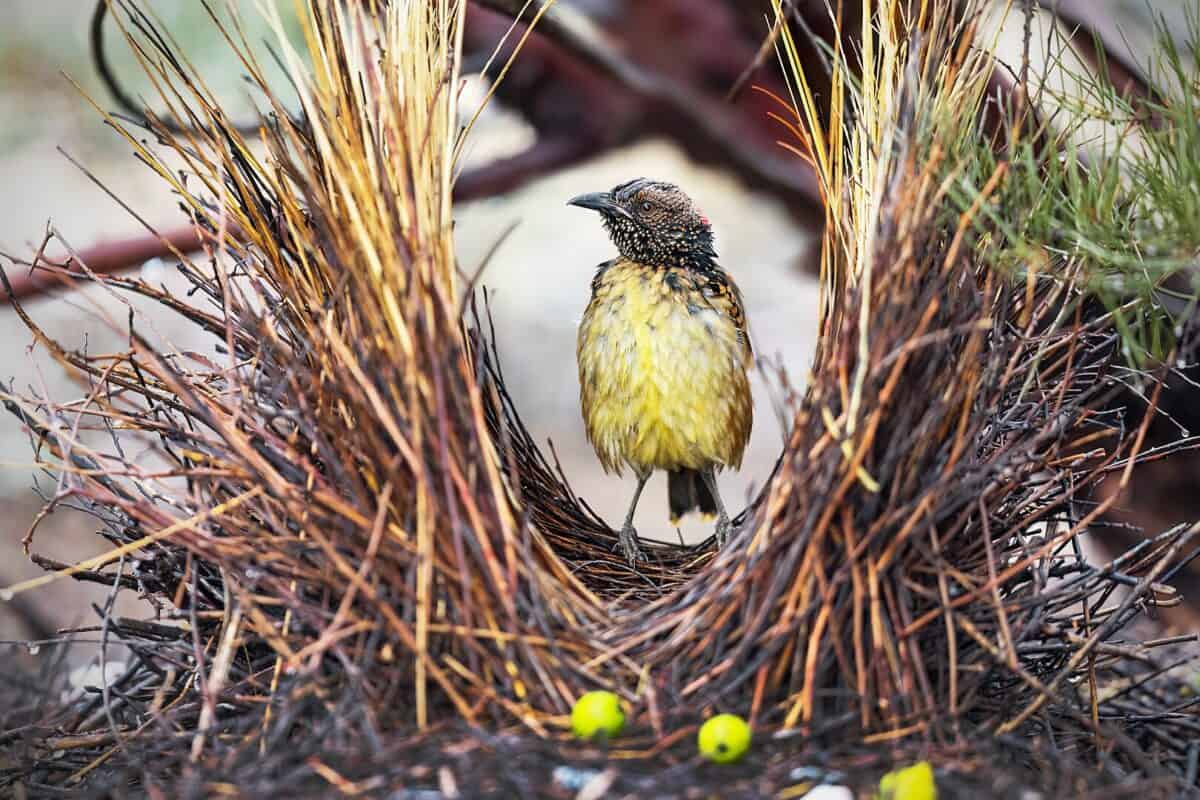
Bowerbirds are a group of bird species known not only for their vibrant plumage but also for their extraordinary courtship behavior. Found primarily in Australia and New Guinea, these birds belong to the Ptilonorhynchidae family. What sets bowerbirds apart from other avian species is their unique and intricate way of attracting a mate: the creation of elaborate structures known as bowers. These structures and their decoration play a crucial role in the mating rituals of bowerbirds, serving as both a testament to the male’s aesthetic sense and as an indicator of his fitness as a mate.
Understanding the Role of the Bower
The bower is not a nest. Unlike nests, which are built by many bird species for rearing chicks, bowers are solely constructed to catch the eye of potential female partners. There are over 20 species of bowerbirds, and each has its signature style of bower. However, they generally fall into two categories: maypole bowers and avenue bowers.
Maypole bowers are usually built around a central support, such as a sapling or branch, and are often taller and tower-like. Avenue bowers, on the other hand, consist of parallel walls made of sticks and are somewhat reminiscent of an arbor. Whatever the style, the construction of a bower is a labor-intense process that reflects the male’s commitment and resourcefulness.
The Art of Decoration

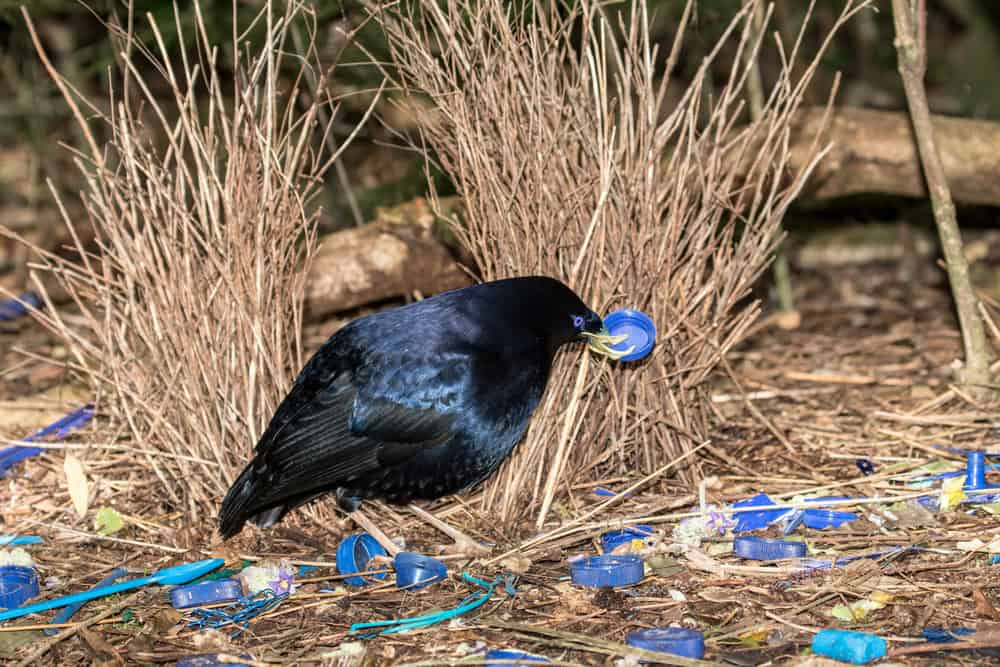
Perhaps even more fascinating than the construction of the bower is its decoration. Male bowerbirds meticulously collect and arrange objects around their bowers to enhance their visual appeal. The range of items used is astonishing, including leaves, flowers, feathers, shells, and sometimes even human-made objects like bits of glass or plastic. The choice of objects is not random; males often select items based on color and size, with each species often showing a preference for particular hues.
For example, the Satin Bowerbird famously favors blue objects, which can range from berries to bits of plastic. The Vogelkop Bowerbird is noted for its impressive variety of decorations, often organizing them into color-coordinated piles. The Red-capped Bowerbird, as its name implies, often uses red or reddish items for decoration, creating a visually striking contrast against its bower.
A Display of Talent and Fitness
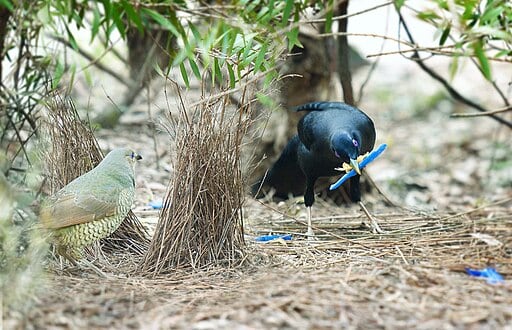
The decorated bower is essentially a showcase of the male’s artistic skills and is used to attract females for mating. It serves as a visual signal of the male’s health, vitality, and creativity. Females visit multiple bowers during the breeding season, assessing each one meticulously. The quality of the bower and its decorations generally reflects the male’s fitness; better builders and decorators are often in better physical condition and have better genes to pass on to future offspring.
A well-constructed and beautifully decorated bower suggests that the male is capable of finding resources and expending energy, which implies a higher likelihood of survival for the offspring. Hence, the effort a male puts into his bower directly influences his reproductive success.
A Feast for the Senses
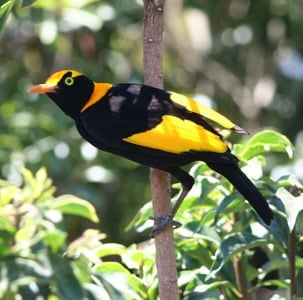
In addition to visual appeal, some bowerbirds incorporate other sensory experiences into their displays. They may perform complex dances or vocalize unique sounds to further entice females. These performances are often integrated with the visual aspect of the bower, creating a multi-sensory experience akin to a live artistic performance.
Interestingly, some researchers have noted that this combination of auditory and visual display is similar to human art forms, where multiple senses are targeted to engage an audience fully. This parallel with human creativity adds another layer of intrigue to the behaviors of bowerbirds, suggesting that the roots of artistic expression could have deep evolutionary origins.
Conclusion: A Marvel of Nature’s Creativity

Bowerbirds offer a fascinating glimpse into the intersection of biology, art, and evolution. Their ability to create stunning art as part of their courtship rituals underscores the complexity of animal behavior and the diverse strategies used in nature to ensure reproductive success. For those interested in animal science, bowerbirds serve as a captivating example of how intricate and creative natural behaviors can be. Their bowers are more than just structures; they are masterpieces that celebrate the vibrancy and ingenuity of life on Earth.
