


Sea turtles are some of the most fascinating creatures that traverse our oceans, mesmerizing scientists and nature enthusiasts alike with their life cycle, which begins on sandy shores and extends across the vast seas. Comprised of several species, including the olive ridley, leatherback, green, and hawksbill, sea turtles have roamed the seas for more than 100 million years, adapting to a marine existence in remarkable ways.
Nesting The Start of an Epic Journey

The journey of a sea turtle begins when a female turtle returns to the shores where she was born, often navigating thousands of miles to reach her nesting ground. Once there, she will come ashore at night to dig a nest in the sand with her flippers, deposit her eggs, and cover them before returning to the ocean. This process is critical not just for her offspring but also for the continued survival of her species.
From Hatchling to Open Seas

After incubating for about 60 days, the eggs hatch, and tiny hatchlings emerge. Guided by instinct and stimulated by the moonlight reflecting off the ocean, hatchlings make a perilous crawl across the beach to the sea. Once they reach the water, they embark on what is often referred to as the “swim frenzy,” a critical period in which they swim continuously for 24 to 48 hours in an effort to reach the relative safety of deep waters.
The Epic Open Ocean Phase
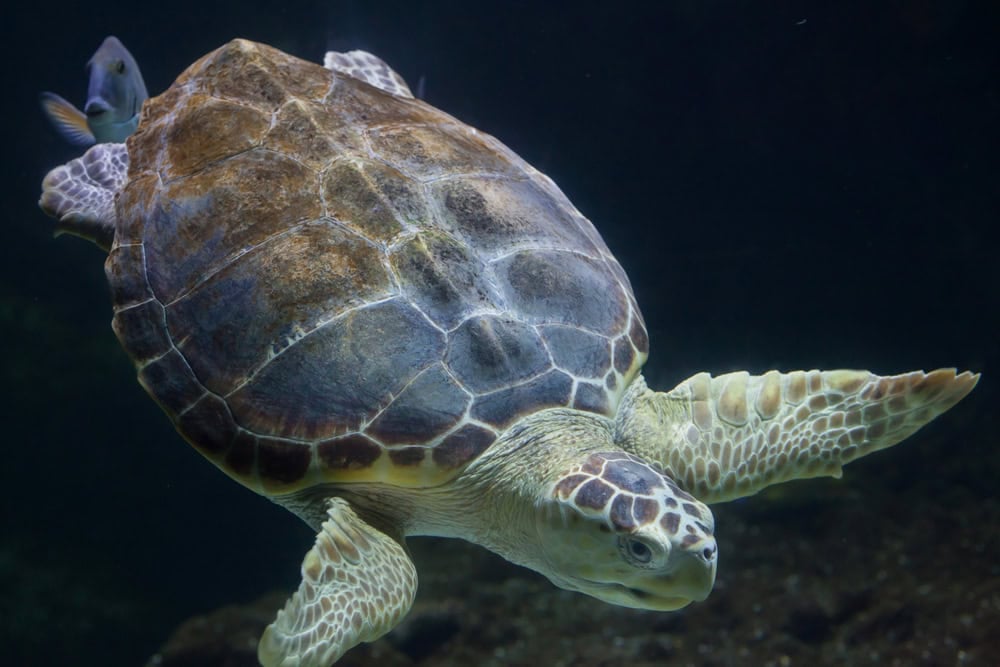
The early years of a sea turtle’s life, often called the “lost years,” are spent in the open ocean where they are carried by ocean currents. During this time, young turtles are rarely seen, and much about their behavior remains a mystery. They rely on oceanic currents like the North Atlantic Gyre to carry them vast distances, feeding on surface organisms and growing stronger before they eventually return to coastal areas.
Navigation and Migration Nature’s Compass

One of the most captivating aspects of sea turtles is their ability to navigate across oceans with incredible precision. Scientists believe that sea turtles use Earth’s magnetic field as a guide, receiving an innate sense of direction and location, which allows them to find their way back to their natal beaches. This magnetic imprinting theory explains how these reptiles can cover thousands of miles and still locate their traditional nesting grounds with unerring accuracy.
The Challenges of Oceanic Life
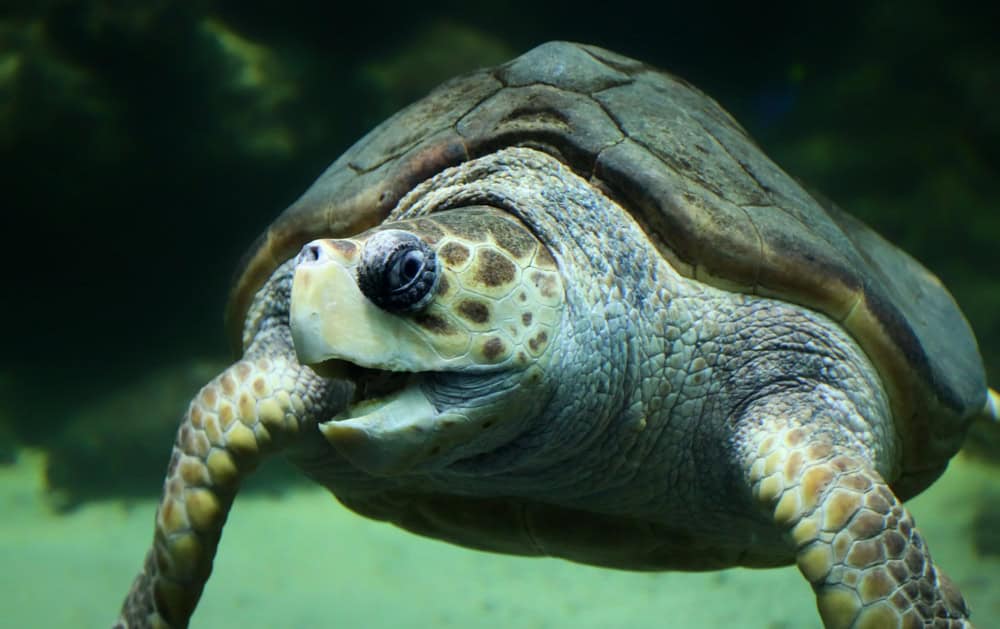
Though remarkable navigators, sea turtles face numerous threats. Natural predators lurk both as they hatch on beaches and swim through the ocean. However, human-related activities pose significant dangers. Habitat destruction, accidental bycatch in fisheries, marine debris like plastic pollution, and climate change threaten their existence. Conservation efforts worldwide aim to mitigate these threats by safeguarding nesting sites, regulating fisheries, reducing ocean pollution, and raising awareness about the importance of these ancient mariners.
Conservation and Citizen Science

Conservation efforts are critical to the survival of sea turtle species. From beach patrols to protect nesting sites to tracking programs that follow their migratory patterns, numerous organizations work to preserve these creatures. Citizen science initiatives have become increasingly popular, enabling the public to contribute to conservation efforts by reporting turtle sightings and monitoring nests, thus playing a vital role in data collection and awareness.
A Future for Sea Turtles

Despite the challenges they face, there’s hope for sea turtles, thanks to conservation efforts and growing awareness among people around the world. Their survival is important not just for biodiversity but also for the health of marine ecosystems. As we continue to learn more about these extraordinary travelers of the seas, every effort contributes to ensuring that future generations will witness the awe-inspiring journey of sea turtles across the oceans.
The story of sea turtles is one of resilience and adaptation, a slow yet steady journey that captures the imagination and inspires efforts to protect our planet’s biodiversity. As we regard their ancient paths, we are reminded of our connection to nature and the responsibility to safeguard it for the future.

As a little kid, I fell in love with nature, wildlife, and animals. Living in the USA, South Africa, Italy, China and Germany gave me the opportunity to discover the world's Wildlife. My favorite animals are Mountain Gorillas, Siberian Tigers, and Great White Sharks.
I'm a certified PADI Open Water Diver, went to Everest Base Camp and Trekked Gorillas in Uganda. I hold a Master of Science in Economics and Finance.
Please send any feedback to feedback@animalsaroundtheglobe.com
- 26 Popular Pets Vets Secretly Wish You’d Stop Choosing - July 11, 2026
- 13 Animals That Appear the Most in U.S. State Emblems - July 11, 2026
- 10 Weird Komodo Habits That Help Them Survive And 3 That Risk Their Lives - July 11, 2026