

Crows, often perceived as ominous figures in folklore, are far more than just scavengers. These intelligent birds possess remarkable cognitive abilities, captivating scientists, and birdwatchers alike. One of the most intriguing aspects of their intelligence is their potential ability to recognize and remember human faces, leading to speculation about whether they can hold grudges and seek revenge. Let’s explore major reasons that have led researchers to believe how crows do recognize faces and can bear grudges too.
A Glimpse into Crow Intelligence

Crows belong to the Corvidae family, which includes ravens, jays, and magpies, all renowned for their intelligence. This intelligence manifests in various ways:
Tool Use: Crows have been observed using tools like sticks and leaves to extract food from crevices, demonstrating a level of problem-solving that was once thought to be unique to primates.
Social Learning: Crows are highly social creatures that learn from each other. They can observe and imitate the behaviors of other crows, such as finding new food sources or avoiding dangerous situations.
Complex Communication: Crows communicate through a variety of vocalizations, including calls to warn of predators, to attract mates, and to coordinate group activities.
Crows Have a Brain Structure Similar to the Human Amygdala
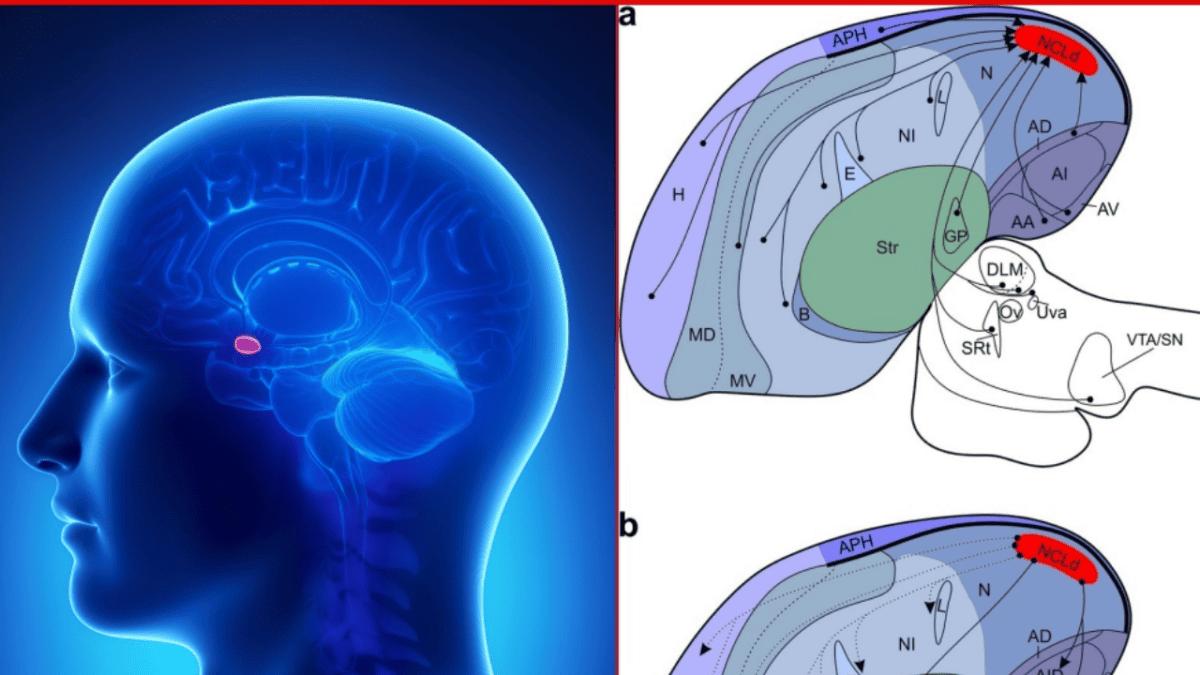
Crows have a fascinating brain structure that parallels the human amygdala, a region critical for processing emotions and storing memories of significant events. In crows, this function is served by the nidopallium caudolaterale (NCL), a region that exhibits remarkable complexity and connectivity.
Like the amygdala, the NCL enables crows to process emotional experiences and remember events, particularly negative ones, which helps them adapt and respond to their environment. For instance, crows are known to recognize human faces and associate them with either positive or threatening interactions, a skill rooted in this advanced brain functionality.
This capacity for emotional memory is not only evidence of their intelligence but also highlights the evolutionary convergence between avian and mammalian brains in managing survival-critical behaviors.
The “Mask Experiment”: A Landmark Study

A series of groundbreaking experiments conducted by researchers at the University of Washington provided compelling evidence of crows’ facial recognition abilities. In these studies, researchers captured and banded crows. Some of these crows were then released wearing masks, while others were released without masks.
The masked crows were subjected to brief periods of restraint, a mildly stressful experience. Upon release, these crows exhibited a remarkable response: they aggressively mobbed individuals wearing the specific masks that had been associated with their capture.
Long-Term Memory and Specificity

This aggressive behavior was not a fleeting response. The crows continued to display this animosity towards individuals wearing the specific masks for years, even across multiple breeding seasons. Importantly, they did not exhibit aggression towards individuals wearing different masks or no masks at all, demonstrating a remarkable level of specificity in their facial recognition and memory.
“Grudge Transmission”: A Social Phenomenon

The researchers made another intriguing observation: the learned aversion to specific masks appeared to be transmitted socially within crow flocks.
When one crow developed a negative association with a particular human or mask, it would communicate this information to other crows through vocalizations and social interactions. This led to a phenomenon known as “grudge transmission,” where entire flocks of crows would mob and harass individuals who had previously harmed one of their own.
Interpreting Crow Behavior: A Multifaceted Perspective
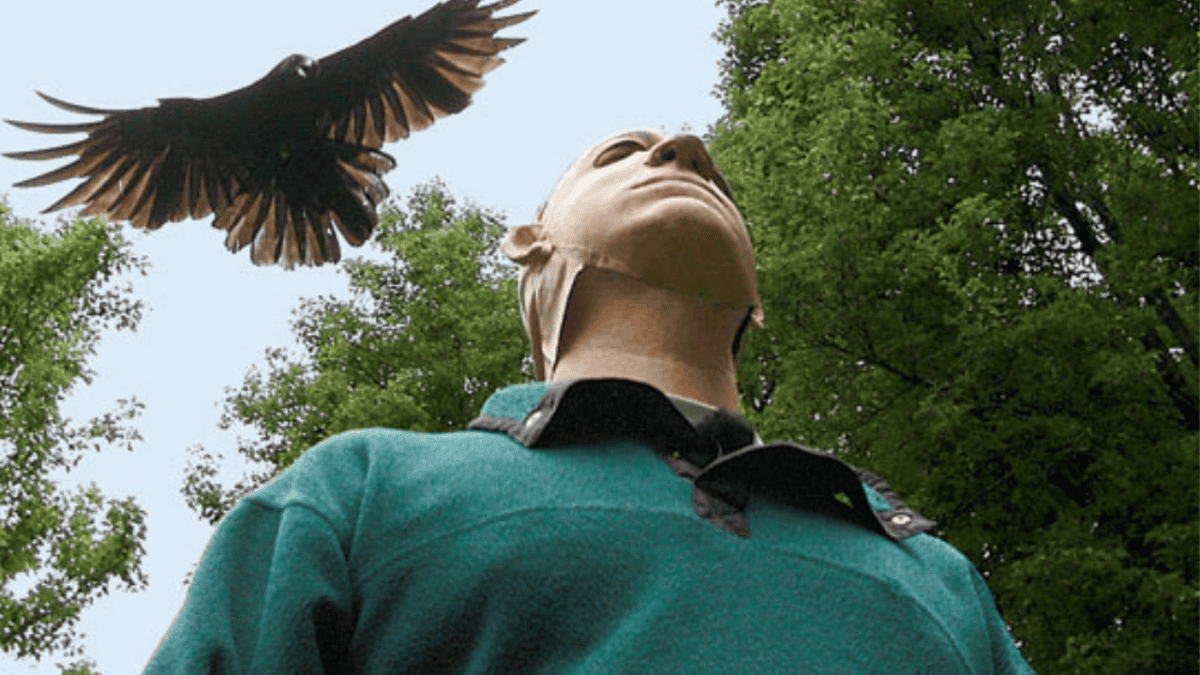
While the evidence suggests that crows can recognize faces and exhibit persistent negative responses towards individuals associated with negative experiences, it’s crucial to interpret their behavior with caution. One such research on crow recognition was the Seattle experiment by wildlife biologist John Marzluff and his students at the University of Washington.
The experiment found how crows were excellent at recognizing human faces. It uncovered evidence to prove that crows were very perceptive with the ability to distinguish between what they felt were good and bad humans, forming opinions for a lifetime.
Beyond Revenge: Self-Preservation and Social Dynamics
It’s unlikely that crows are driven by a conscious desire for revenge. Their behavior is likely influenced by a combination of factors:
Self-preservation: Recognizing and remembering individuals who pose a threat is essential for survival. By avoiding or deterring potential threats, crows can increase their chances of survival and reproduction.
Social signaling: Mobbing behavior can serve as a powerful social signal, demonstrating strength and deterring potential threats to the group.
Learned associations: Crows may simply be learning to associate specific visual cues (like masks) with negative experiences, without necessarily understanding the underlying cause-and-effect relationship.
The Limitations of Current Understanding

While the “mask experiments” provide compelling evidence of crow intelligence, it’s important to acknowledge the limitations of our current understanding.
Cognitive complexity: The cognitive processes underlying crow facial recognition and memory are still not fully understood.
Unanswered questions: Many questions remain unanswered, such as the specific mechanisms by which crows encode and store facial information, and the extent to which their “grudge-holding” behavior is influenced by emotional factors.
The Future of Crow Research

Continued research is essential to deepen our understanding of crow cognition and behavior. By employing advanced research techniques, such as neuroimaging and genetic analysis, scientists can gain valuable insights into the neural mechanisms underlying crow intelligence and social behavior.
Conclusion

The “mask experiments” have provided compelling evidence that crows possess remarkable cognitive abilities, including the capacity for facial recognition and long-term memory. While their “grudge-holding” behavior may not be driven by conscious intent or a desire for revenge, it highlights the complexity of their social interactions and their ability to learn and adapt to their environment.
Crows, once considered mere scavengers, are now recognized as highly intelligent and socially sophisticated animals. Their unique cognitive abilities offer valuable insights into the evolution of intelligence in the animal kingdom and provide a fascinating window into the inner workings of these remarkable birds.

- Do Crows Remember Faces to Seek Revenge? - August 10, 2026
- Which Animals Could Mutate Like the X-Men - August 10, 2026
- 10 Popular American Dog Breeds Most Compatible With Zodiac Sign Aries - August 10, 2026
Leave a comment
You must be logged in to post a comment.