

The sound of birds singing is a ubiquitous aspect of nature that many of us find soothing and enchanting. But why do birds sing such complex songs? Understanding the intricacy of birdsong not only reveals a fascinating glimpse into avian behavior but also unravels the sophisticated ways in which these creatures interact with their environment and each other. Birds use their songs for a variety of reasons: to attract mates, defend territories, communicate with other birds, and even for their own pleasure. In this article, we will delve into the purpose, mechanics, and significance of birdsong, helping us appreciate the melodious chirps and warbles that greet us daily.
Attraction and Courtship: Serenading for Love

One of the primary purposes of birdsong is to attract potential mates. In the complex courtship rituals of birds, songs play a crucial role. Male birds often employ elaborate songs to showcase their fitness and genetic quality to females. The complexity of a song can act as a signal of the male’s overall health and vitality. Females tend to prefer males that can produce longer, more intricate songs, as these indicate not only genetic superiority but also the ability to thrive well in their environment. Essentially, a sophisticated song is akin to a flashy, colorful display in the animal kingdom, capturing attention and showcasing potential as a mate.
Territorial Defense: The Warning Call

In addition to courtship, birds sing to establish and defend their territories. A lush and inviting habitat is crucial for survival, offering safety, food, and nesting areas. Therefore, occupying and maintaining a territory becomes a high-stakes fight for survival. Birds use song as a warning call to other males, broadcasting their presence and asserting dominance over their chosen area. The complexity and strength of a song can deter intruders by indicating that the territory is already claimed by a capable and formidable resident. This auditory display is a non-confrontational way to minimize physical altercations while effectively maintaining territorial boundaries.
Social Communication: Keeping the Flock Together

Birdsong also plays an essential role in social communication within species. Birds use songs and calls to communicate various messages to each other, such as alerts about predators, discovering food sources, or signaling distress. In some species, these vocalizations can be quite intricate, with different elements indicating different meanings. Complex calls are common in species that live and migrate in groups, where coordination and cooperation are critical for survival. Singing thus enhances group cohesion and ensures that individuals can effectively work together in various aspects of their daily lives.
Cultural Transmission: Teaching the Tunes

Interestingly, birdsong is not always an instinctive trait. Many species learn their unique songs from their parents and community, demonstrating a process known as cultural transmission. Young birds listen to and mimic adults, gradually developing the ability to produce the full suite of their species’ songs. This learning curve emphasizes the role of environment and social structure in shaping vocalizations. Cultural transmission allows for variations in songs due to geography and population, with localized dialects appearing in different regions. This phenomenon highlights a parallel in the way humans transmit language and culture across generations.
Neuroscience and Physiology: The Anatomy of a Song
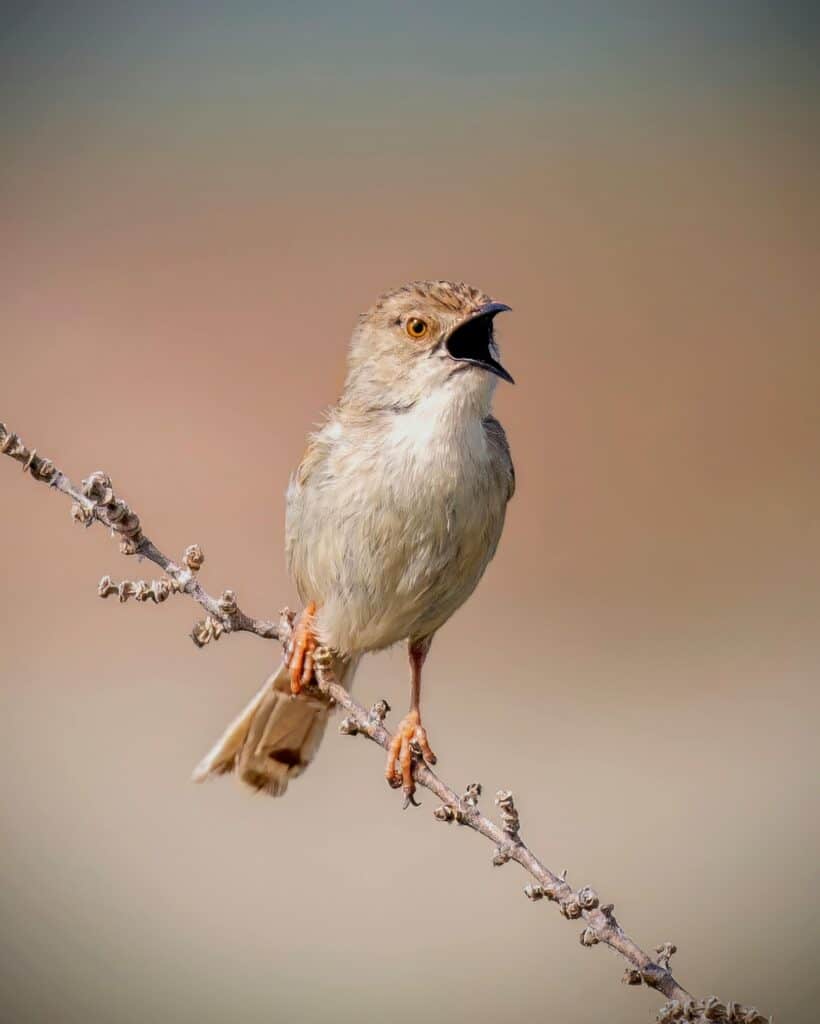
The act of singing a complex song involves intricate physiological and neurological processes. Birds possess specialized vocal organs known as syrinxes, located at the junction of their trachea and bronchi. The syrinx’s unique structure allows birds to produce an astounding range of sounds, some even creating two different notes simultaneously. The brain regions involved in learning and producing songs are also highly developed in songbirds, akin to the regions responsible for speech in humans. Studying these systems provides valuable insights into the workings of vocal learning and neurological capabilities not just in birds but across species, including humans.
The Pleasure of Singing: Beyond Survival

While birdsong serves vital survival functions, there is also evidence to suggest that birds may sing for enjoyment. Researchers have observed that birds often sing more than necessary for mate attraction or territorial defense, especially during low-stress situations like at dawn — the “dawn chorus.” This indicates that birds may derive pleasure and satisfaction from singing, similar to how humans experience music. It opens an exciting discussion on the emotional lives of birds, suggesting that these creatures are not just instinct-driven beings but may also seek joy in their existence.
Conclusion: A Symbiotic Symphony

Songs of birds are more than nature’s background music; they are complex communications teeming with meaning and purpose. Whether attracting mates, defending territories, facilitating social bonds, or transmitting cultural knowledge, these musical expressions are crucial to the lives of birds. Understanding the reasons behind birds’ complex songs enriches our appreciation for the natural world and deepens our connection to the avian neighbors who fill our spaces with song. The intricate tapestries woven by every note and trill serve as a testament to the beauty and sophistication of life itself, offering endless melodies for any willing ear to explore.

- The US States With The Most Gophers - July 23, 2026
- 20 Endangered Birds in the US Due to Climate Shifts - July 23, 2026
- 10 Things You Didn’t Know About Opossums - July 23, 2026
Leave a comment
You must be logged in to post a comment.