

Animal communication is an extraordinary and diverse field of study, revealing the myriad ways creatures exchange information. While vocalizations are commonly associated with animal interactions, many species across the animal kingdom rely on non-verbal cues. In this article, we explore eight fascinating ways animals communicate without sound, uncovering the silent languages of the wild.
1. Visual Displays
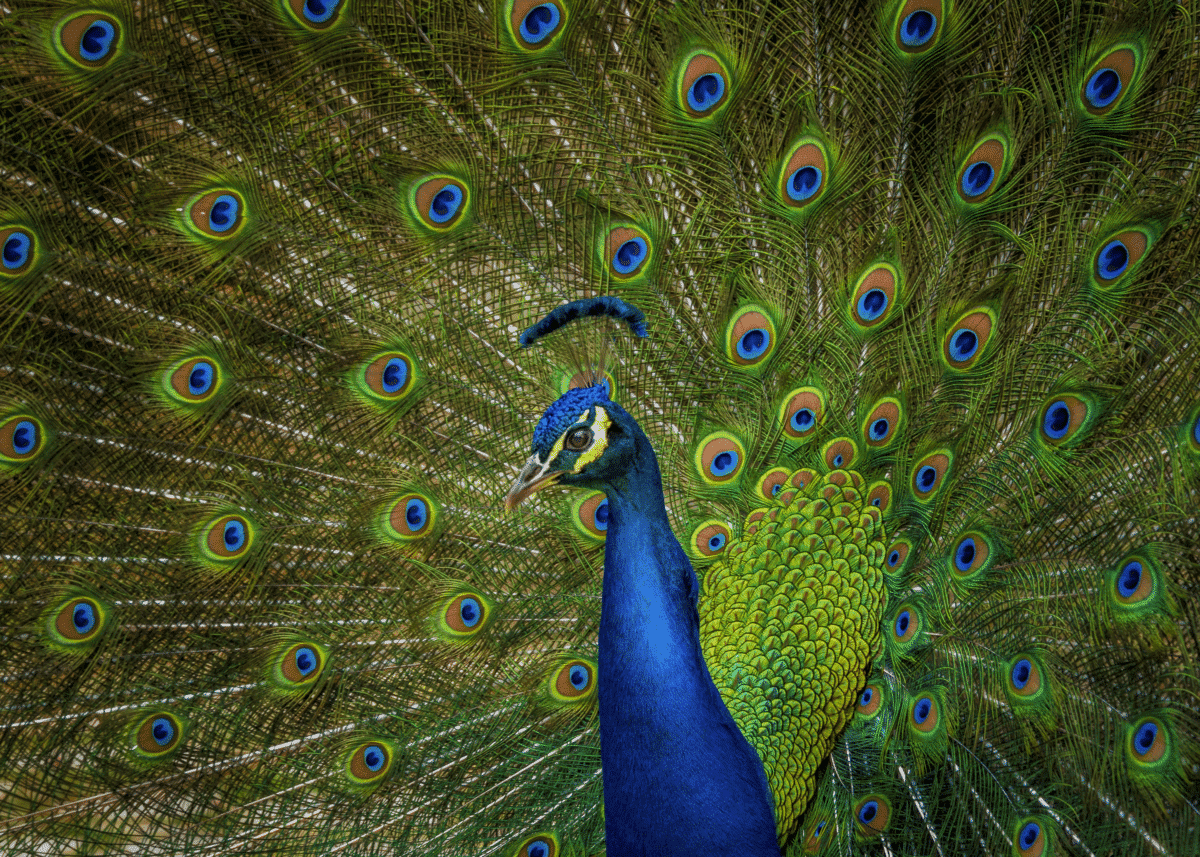
One of the most striking forms of non-verbal communication is the use of visual displays. Many animals utilize colors, patterns, and movements to convey messages. For example, the peacock’s extravagant plumage is not only a stunning spectacle but also a way to attract mates by advertising fitness and genetic quality. Similarly, cephalopods like octopuses and squids can change their color and texture instantaneously, a skill they use both for camouflage and to communicate with potential mates or rivals.
2. Body Language

Body language is a universal mode of non-verbal communication among animals. Dogs, for example, communicate a range of emotions and intentions through their body posture. A wagging tail can indicate happiness, while a lowered body and flattened ears may suggest submission or fear. Primates use facial expressions and gestures to express emotions and social intentions, a form of communication that is strikingly similar to humans.
3. Chemical Signals
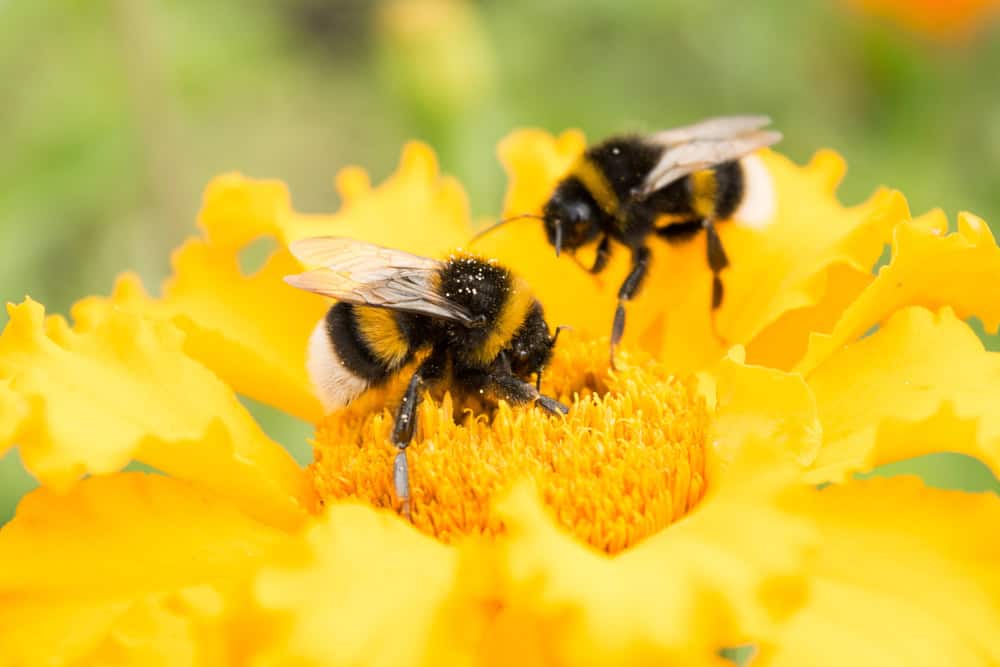
Chemical signaling, or chemoreception, involves using pheromones to convey messages. Ants and bees are adept at deploying pheromones to direct collective activities like foraging and defense. Similarly, many mammals, such as deer, use scent markings to delineate territory and indicate reproductive status, subtly influencing the behavior of other individuals without uttering a sound.
4. Tactile Communication

Touch is an intimate form of communication for many species. Elephants, for instance, use their trunks to caress and reassure calves, strengthening social bonds within the herd. Tactile communication is also critical for primates, where grooming not only helps with hygiene but also reinforces alliances and social structures.
5. Bioluminescence

Bioluminescence is a breathtaking natural phenomenon used by various marine animals to communicate. Creatures like the anglerfish use light to attract prey, while others, such as fireflies, employ bioluminescent signals to find mates. The deep ocean’s unique communication system relies on the language of light, painting a vibrant picture in the darkest habitats on Earth.
6. Vibrational Signals
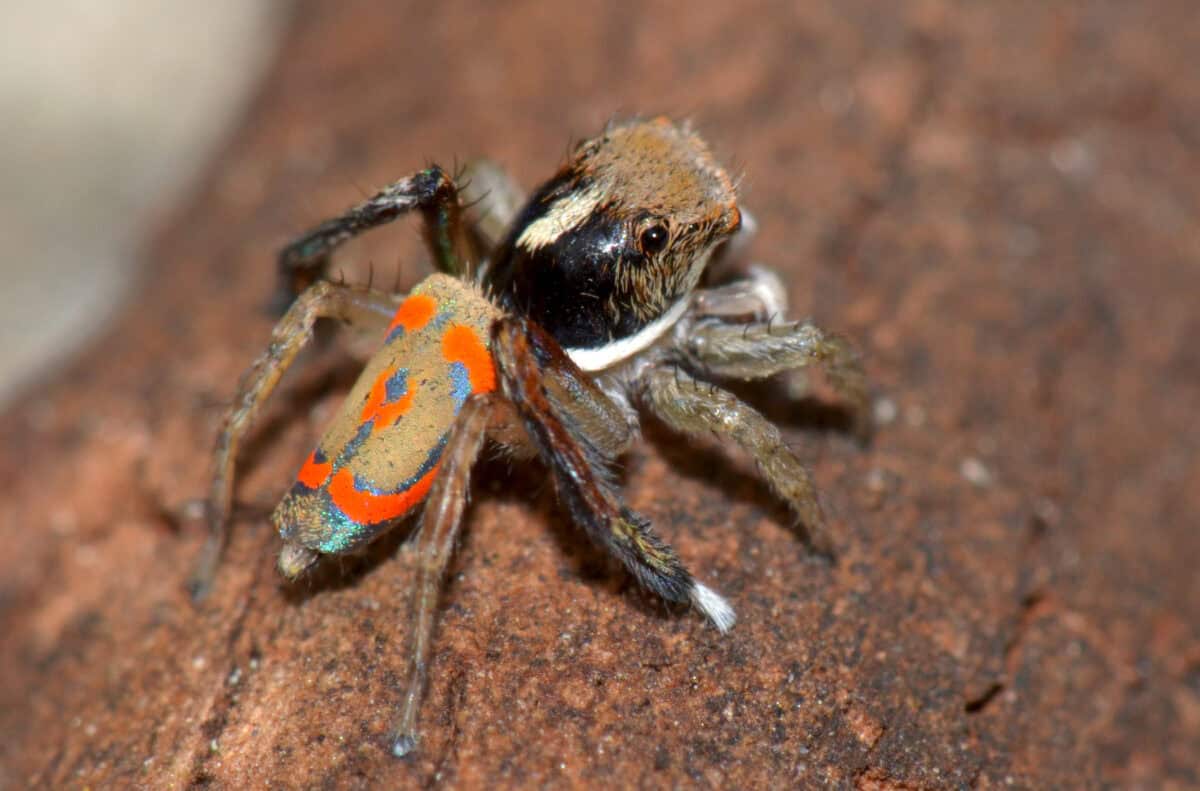
In the world of insects and arachnids, vibrational signals play a crucial role in communication. Spiders use vibrations transmitted through webs to detect prey and potential mates. Additionally, treehoppers produce vibrational cues via plant substrates to communicate with others, a strategy that remains imperceptible to predators yet effective for species interaction.
7. Electromagnetic Fields

Some animals communicate using electromagnetic fields, an ability that seems almost alien to human senses. Sharks and rays have specialized organs called ampullae of Lorenzini, allowing them to detect electrical fields generated by other marine organisms. This skill helps them in hunting and navigation, acting as a sophisticated communication channel in the vast ocean expanses.
8. Infrared Communication
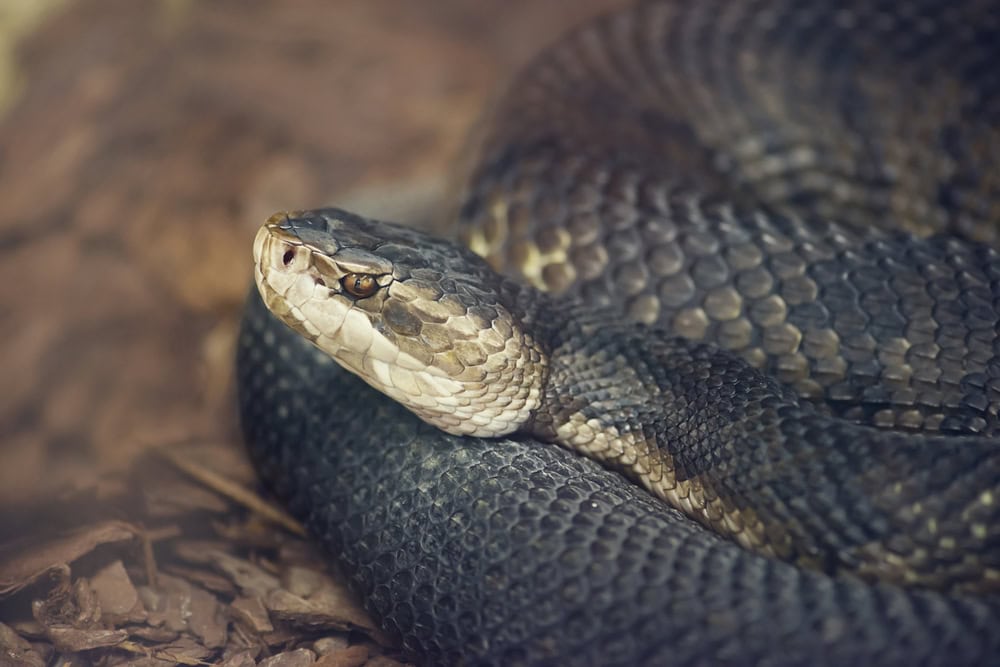
Predominantly observed in snakes, infrared sensing provides a unique form of non-verbal communication. Certain snake species can detect the body heat of prey and predators through specialized pit organs, allowing for effective navigation and hunting in total darkness. This remarkable infrared vision exemplifies how animals have evolved to leverage different parts of the electromagnetic spectrum for survival.
Conclusion

The world of animal communication is as complex as it is silent, revealing the incredible adaptability and ingenuity of life on Earth. Through visual signals, chemical cues, and even electromagnetic fields, animals have mastered diverse communication strategies that transcend sound, ensuring their messages traverse the air, land, and sea. Understanding these silent conversations not only enriches our knowledge of animal behavior but also invites us to appreciate the subtle beauty of nature’s dialogues.

- The Most Powerful Earthquake Ever Felt in the U.S. - July 19, 2026
- How Rhinoceros Males Compete for Mating Rights in the Wild - July 18, 2026
- 13 Spider Species Thriving in Changing Environments - July 18, 2026