

Approximately 66 million years ago, a catastrophic event occurred that reshaped life on Earth in dramatic ways: the K-T extinction event. Named after the boundary between the Cretaceous (K) and Paleogene (Tertiary) periods, this extinction event led to the eradication of about 75% of Earth’s species, including nearly all dinosaurs. It serves as one of the most well-documented mass extinctions in Earth’s history and provides pivotal insight into the processes of extinction and evolution.
Setting the Geological Scene
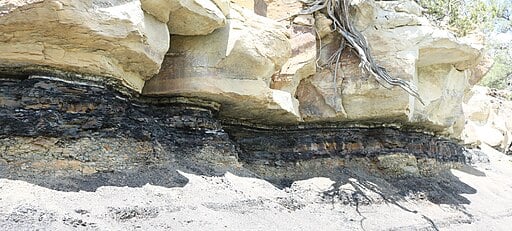
The K-T boundary is characterized by a thin layer of clay enriched with iridium, a rare element on Earth’s crust but commonly found in asteroids and comets. Discovered globally, this iridium anomaly serves as a key piece of evidence supporting the hypothesis of a massive celestial impact marking the end of the Cretaceous. This conclusion gained further traction with the discovery of the Chicxulub crater in the Yucatán Peninsula, approximately 180 kilometers in diameter, indicating an impact of colossal proportions.
The Impact Event

The bolide that struck Earth is estimated to have been around 10 kilometers wide, releasing energy a billion times greater than the atomic bombs dropped on Hiroshima and Nagasaki. This impact forced massive quantities of dust and aerosols into the atmosphere, drastically affecting the Earth’s climate. Photosynthesis halted temporarily due to blocked sunlight, causing a cascade failure in ecosystems worldwide. Acid rain and massive wildfires ensued, leading to the rapid collapse of ecological networks.
Implications for Dinosaurs

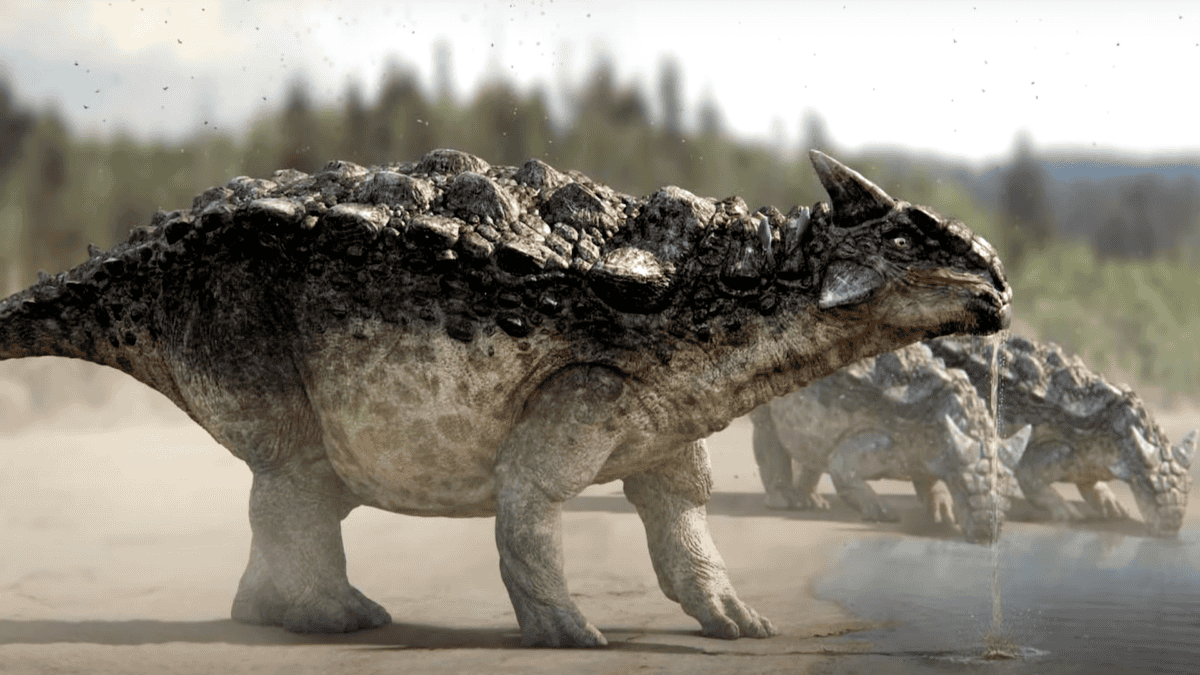
Contrary to an often-simplified narrative, not all dinosaurs met their demise immediately post-impact. However, the ensuing environmental upheaval severely disrupted their habitats and food sources. Large herbivorous dinosaurs, unable to find sufficient food, were among the first to perish, followed by carnivorous dinosaurs once their prey became scarce. Only smaller dinosaur species, particularly those with avian characteristics, managed to survive and are considered to be the ancestors of today’s birds.
The Role of Volcanism

While the impact hypothesis is widely accepted, it’s crucial to acknowledge the role of volcanic activity during this period. The Deccan Traps, a massive volcanic province in present-day India, was actively erupting, releasing vast amounts of volcanic gas. These eruptions likely contributed to climate change by increasing atmospheric carbon dioxide levels, causing long-term ecological stress. The combined effects of the impact and volcanism created unsustainable conditions for dinosaurs and many other species.
Evolutionary Aftermath
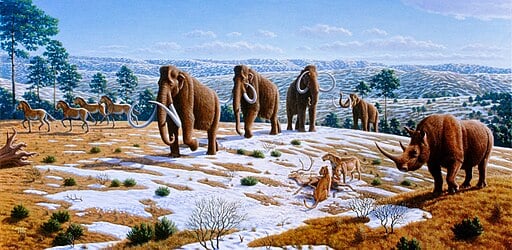
With dinosaurs largely extinct, ecological niches were left vacant, paving the way for the rise of mammals and avian species. These surviving groups diversified and evolved rapidly in the post-K-T world. This marked the advent of the Cenozoic Era, often referred to as the “Age of Mammals,” highlighting a pivotal shift in terrestrial dominance. The extinction event set the stage for significant evolutionary innovations and the profusion of new species.
Lessons from the Past

The K-T extinction event provides a valuable lens through which we can understand the fragility and resilience of life on Earth. It underscores the influence of extraterrestrial forces in shaping biological history and highlights the ecological interconnectedness that sustains life. By studying such past events, scientists can better appreciate the global impact of sudden climate shifts, offering crucial insights applicable to modern-day environmental challenges.
Conclusion
The legendary K-T extinction event remains a subject of great intrigue and significance. It serves as a remarkable historical chapter in the tale of life’s evolution, showcasing both the catastrophic aftermath of an impacting celestial body and the adaptive nature of life that persists amid overwhelming odds. Even though dinosaurs no longer roam the Earth, they continue to ignite fascination as a testament to life’s ever-changing tapestry.

- The Most Powerful Earthquake Ever Felt in the U.S. - July 19, 2026
- How Rhinoceros Males Compete for Mating Rights in the Wild - July 18, 2026
- 13 Spider Species Thriving in Changing Environments - July 18, 2026