
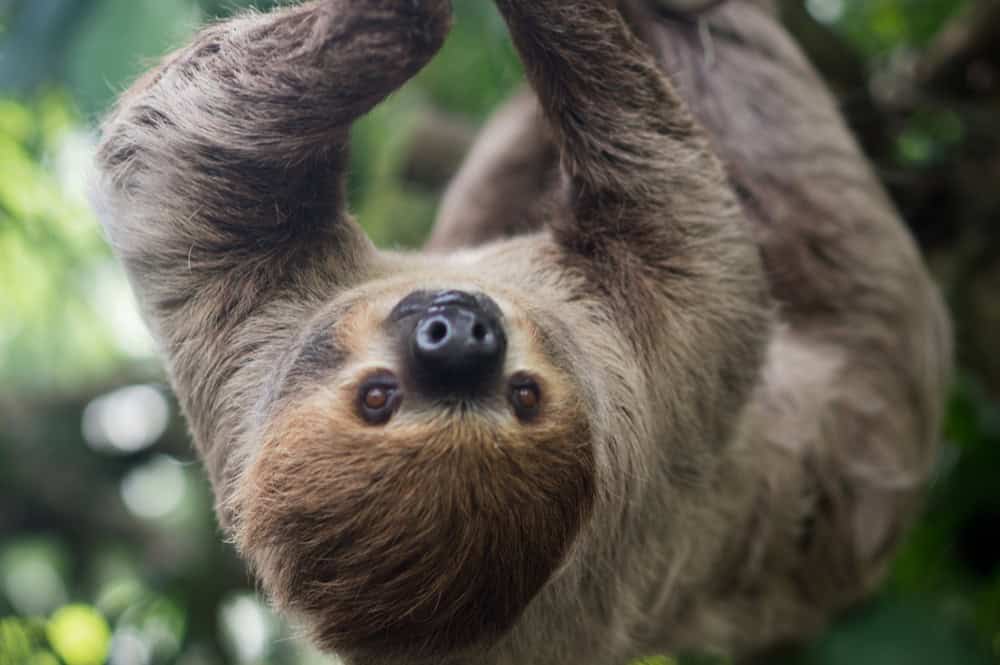
While sloths may all seem similar to the untrained eye, they are actually divided into two distinct types based on their digits: two-toed and three-toed sloths. Despite what their names suggest, both types of sloths have three toes; the difference lies in their fingers, or “toed” number on their front limbs. Two-toed sloths, from the family Megalonychidae, have two fingers, while three-toed sloths, from the family Bradypodidae, boast three. Additionally, these two require strikingly different environmental conditions. Two-toed sloths are slightly bigger, with different dietary preferences, and lack the facial stripe bands typical of their three-toed cousins.
Sloths Are Surprisingly Good Swimmers
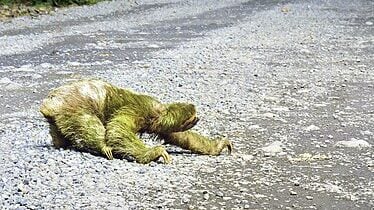
Unlike their famously sluggish land movements, sloths are actually quite adept in water. Their long limbs and flat bodies make them excellent swimmers, even more capable than on land. They can hold their breath underwater for up to 40 minutes! This swimming prowess is especially advantageous for the three-toed sloth, which occasionally needs to cross rivers or navigate flooded terrains in their dense rainforest environments.
Sloths’ Slow Metabolism and Diet
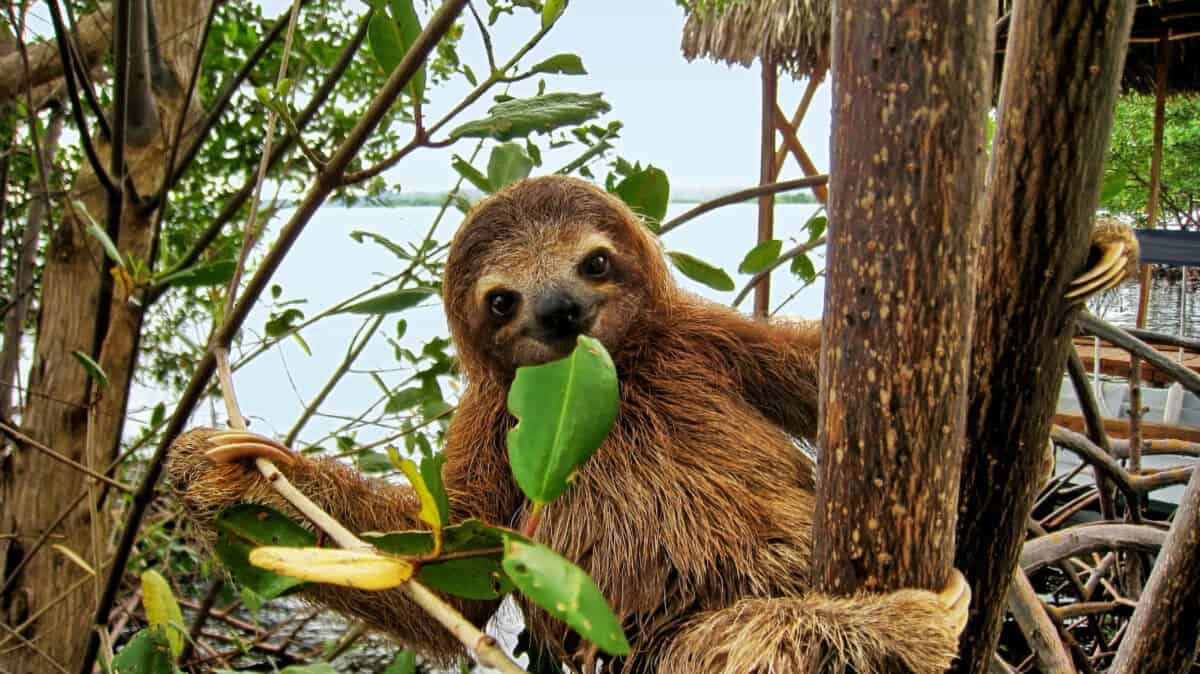
A sloth’s legendary slow pace is largely due to its metabolism, which is one of the slowest among mammals. This sluggishness is a direct result of their diet. Sloths primarily consume leaves, which are tough to digest and low in caloric content. As a result, their metabolism works slowly to conserve energy. It can take a sloth up to a month to completely digest a single meal, and they typically defecate only once a week!
An Ecosystem on Their Backs
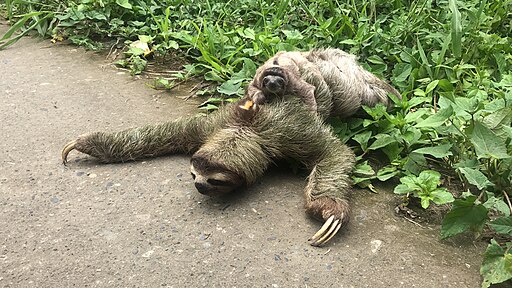
The fur of sloths can host an entire ecosystem, teeming with life. Their thick, coarse hair resembles a small forest, fostering algae growth and harboring various insects, including moths and beetles. The algae not only provides camouflage, blending sloths into the verdant canopy, but also serves as a potential nutrient source when sloths groom themselves. This symbiotic relationship exemplifies nature’s intricacies, where one creature supports the life cycles of others.
The Rotational Head Mystery
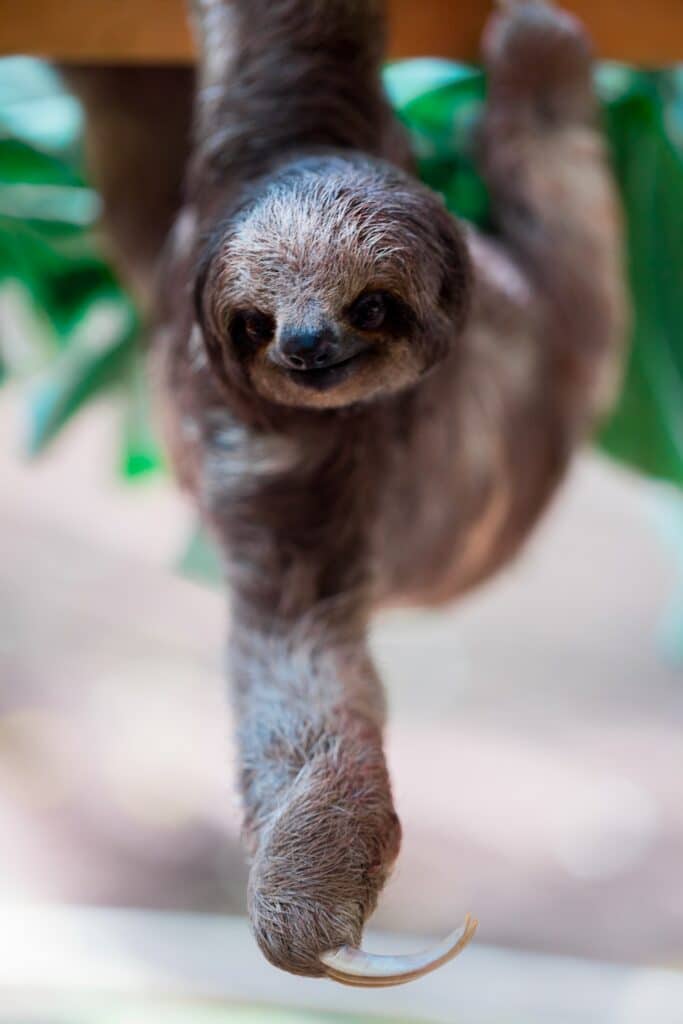
Three-toed sloths have a peculiar ability that would make an owl envious: they can rotate their heads almost 270 degrees. This agility is due to the extra vertebrae in their necks, allowing them a greater range of vision without moving their body. This adaptation is especially helpful in spotting predators, such as eagles and big cats, in their forest canopy homes without drawing attention to themselves by moving their entire body.
Low Muscle Mass: A Slothful Adaptation

It might come as a surprise that sloths have about 30% less muscle mass than similarly-sized animals. This unique trait is an adaptation to their slow lifestyle and low-energy diet. Despite appearing lethargic, their reduced muscle isn’t a sign of weakness. It’s a calculated trade-off that allows them to hang from tree branches effortlessly for extended periods. Their muscle structure is highly specialized for their arboreal (tree-dwelling) life.
Sloths Can Fall 100 Feet Without Injury
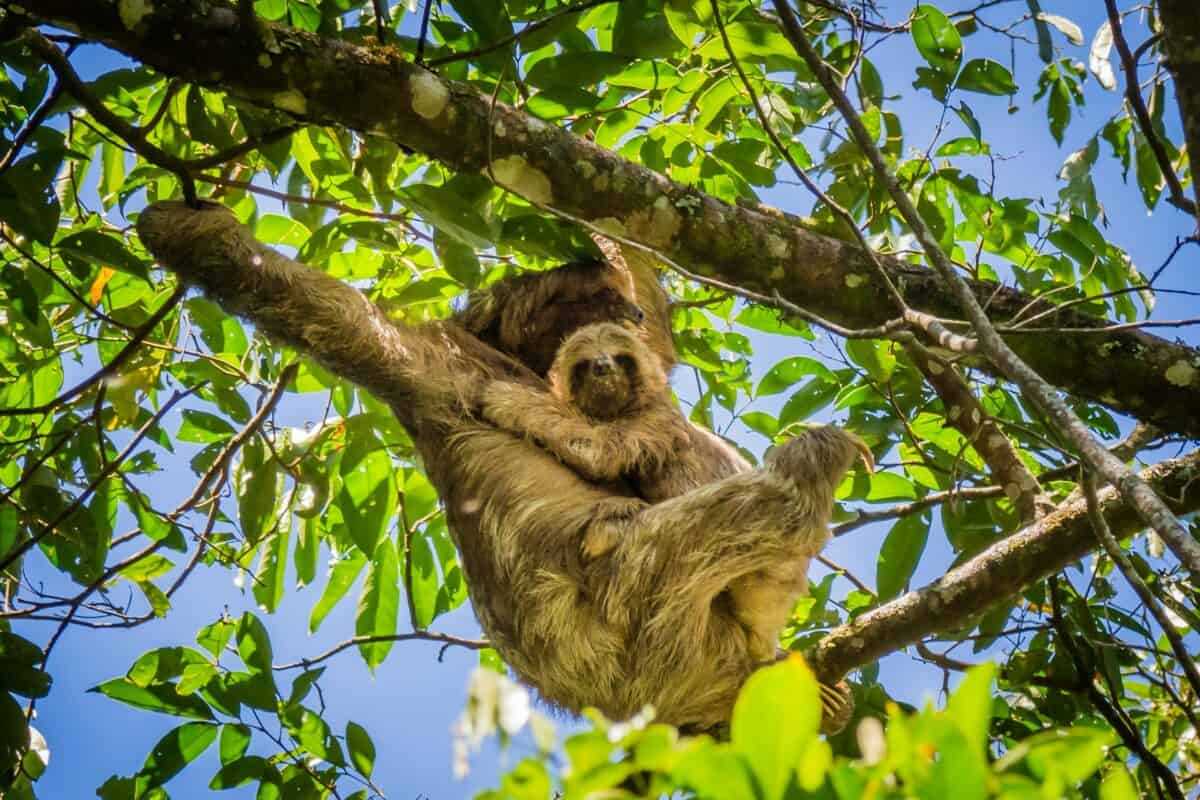
Sloths spend most of their life hanging from trees, and occasionally, they do fall. Remarkably, they can plummet from a height of up to 100 feet without sustaining injuries, thanks to their unique body composition and dense bones. This ability is crucial, considering their habitat in tall rainforest trees. Evolution has equipped sloths with this resilience, ensuring their survival despite their seemingly precarious arboreal lifestyle.
Sloths’ Role in Climate Stability
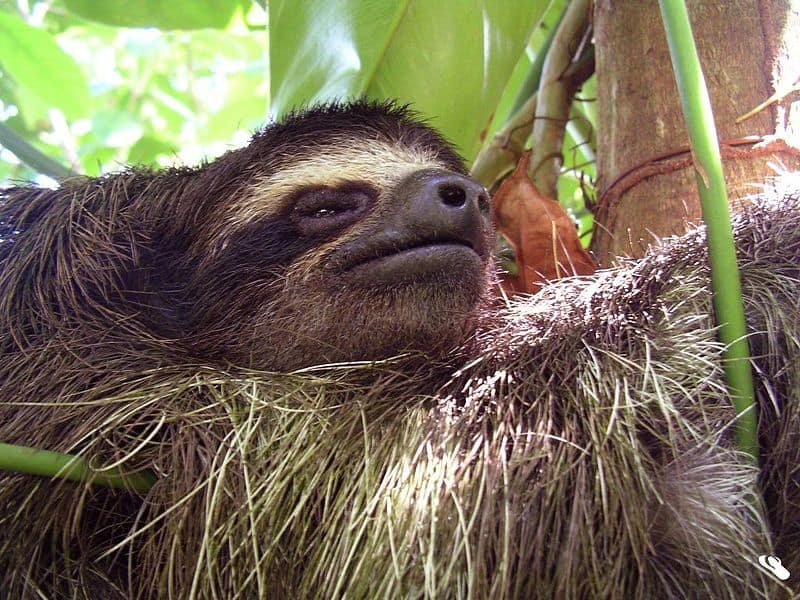
Sloths play a surprisingly significant role in their ecosystems, impacting climate regulation. By fostering algae in their fur and aiding in seed dispersal through their feces, sloths contribute to the health and growth of their rainforest habitats. These complex ecosystems are vital carbon sinks, crucial for regulating the Earth’s climate by absorbing CO2. Sloths, slow as they may be, are integral cogs in the vast machine of nature’s climate regulation efforts.

- 9 Surprising Facts About Ladybugs - July 25, 2026
- The Zodiac Signs Most Drawn To a Forest Dwelling - July 25, 2026
- 8 Surprising Things You Never Knew About Sloths - July 25, 2026
Leave a comment
You must be logged in to post a comment.