

When considering the strongest animals on Earth, the mind often conjures images of formidable creatures like elephants, lions, or the mighty blue whale. However, one of the world’s strongest animals, pound for pound, is much less imposing in size. Enter the dung beetle, a creature whose strength is nothing short of extraordinary. These small insects are not just fascinating because of their unusual diet; they’re also one of nature’s mightiest powerhouses.
What Makes a Dung Beetle So Strong
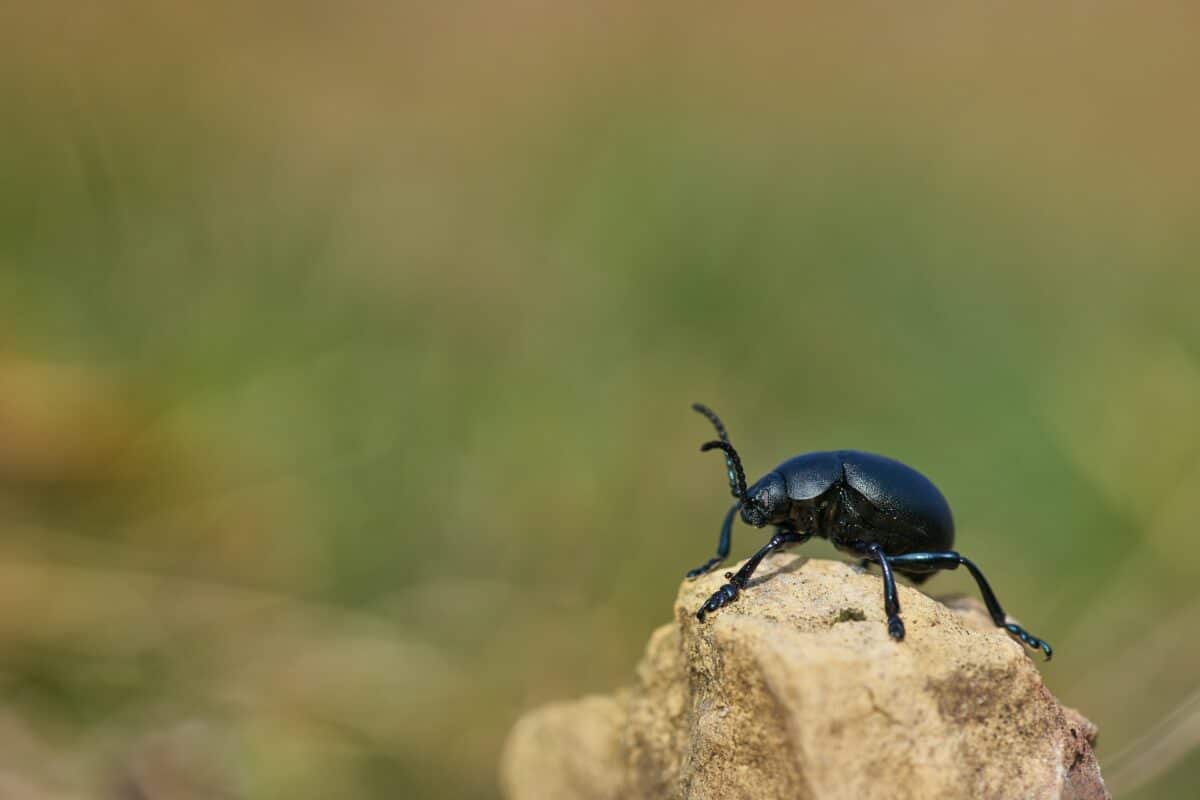
Dung beetles are not a single species, but rather a diverse group of scarab beetles belonging to the family Scarabaeidae. What sets them apart is their exceptional strength relative to their size. Some dung beetles can move objects over 1,000 times their own body weight. To put this in perspective, if a human had the strength of a dung beetle, they could pull approximately 80 tons.
This remarkable strength can be attributed to the beetle’s muscles and exoskeletal structure, which are highly specialized for their unique lifestyle. The main muscle groups generate immense force, despite the beetle’s small frame. Their ability to push, pull, and roll dung further demonstrates their incredible power and tenacity.
The Role of Dung in the Ecosystem
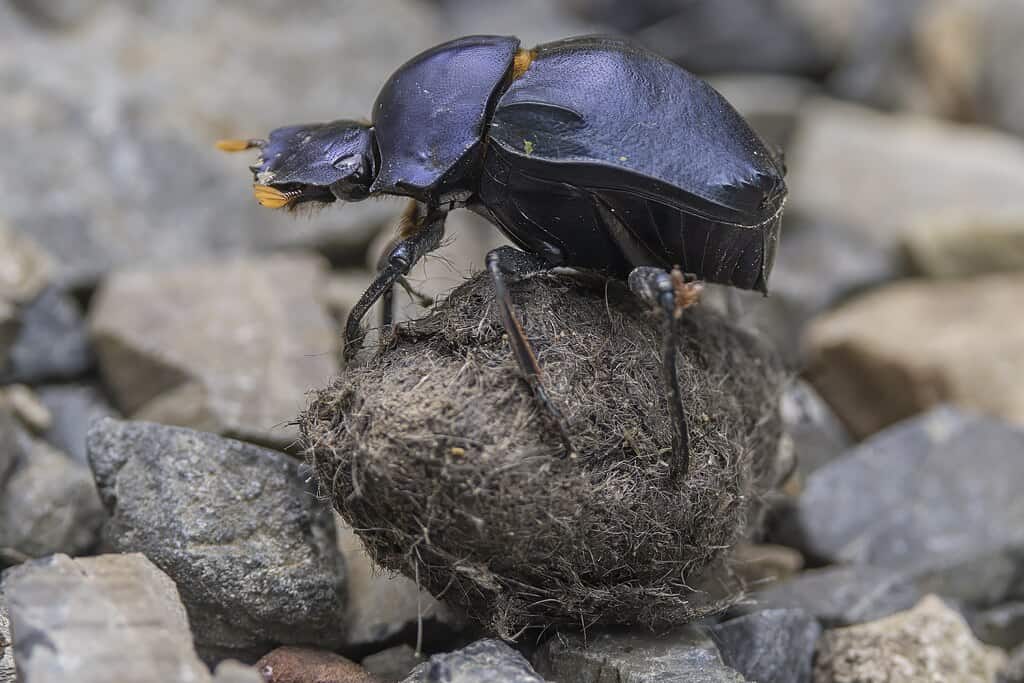
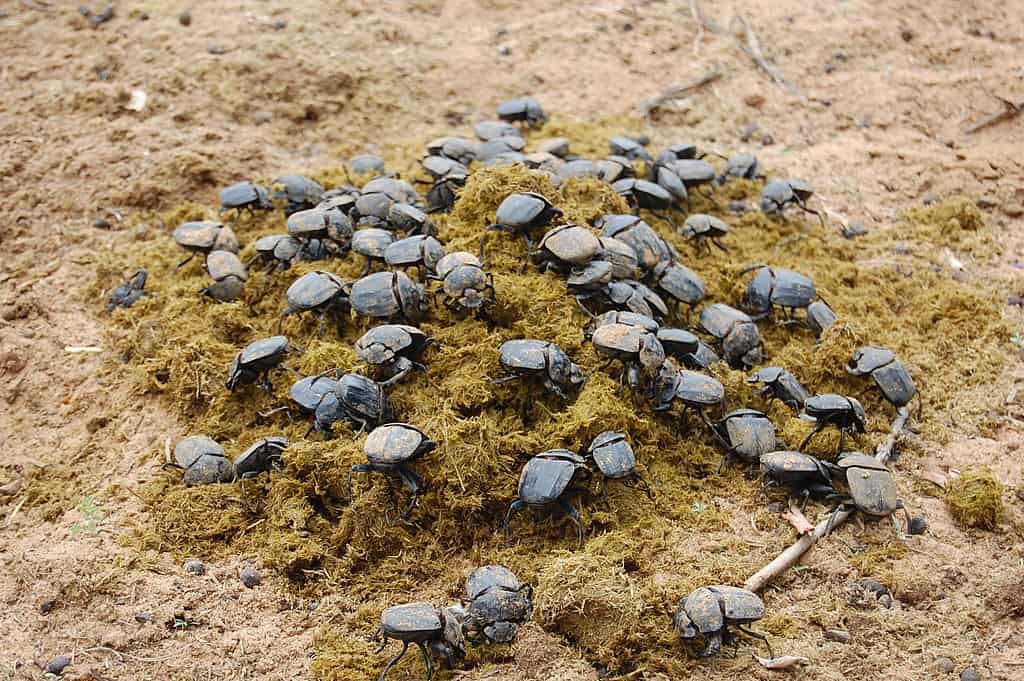
Dung beetles play a critical ecological role as nature’s recyclers. Feeding primarily on feces, they contribute to nutrient recycling and soil aeration. By breaking down and burying dung, these beetles help enrich the soil, promote plant growth, and minimize the spread of pests and diseases.
The three main types of dung beetles—rollers, tunnellers, and dwellers—each exhibit different behaviors in handling dung. Rollers fashion the dung into balls that they roll away from the original site to bury it as food supplies or breeding chambers. Tunnellers dig tunnels beneath the dung and bury portions within. Dwellers simply reside and feed in the piles of dung where they were deposited.
Life Cycle of a Dung Beetle
The life cycle of a dung beetle is as fascinating as their strength. It begins with the adult beetle laying eggs inside a dung ball, which serves as a nutritious food source for the larvae upon hatching. As they grow, the larvae consume the dung and eventually pupate before emerging as adults. This simple yet efficient life cycle ensures the effective recycling of nutrients back into the ecosystem.
The Evolutionary Advantage
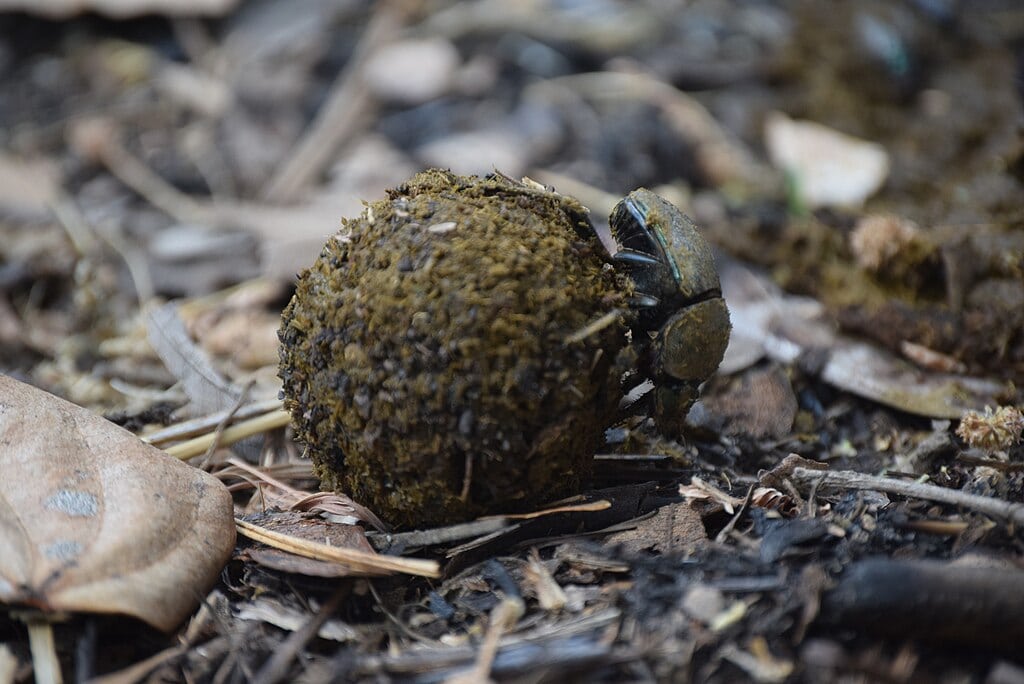
The ability of dung beetles to carry such heavy loads presents significant evolutionary advantages. By rolling dung away from the original pile, these beetles reduce competition and the risk of predation of their developing young. This strategy also minimizes the chance of conflict with other dung beetles, securing resources for themselves and their offspring.
Inspiration from Nature
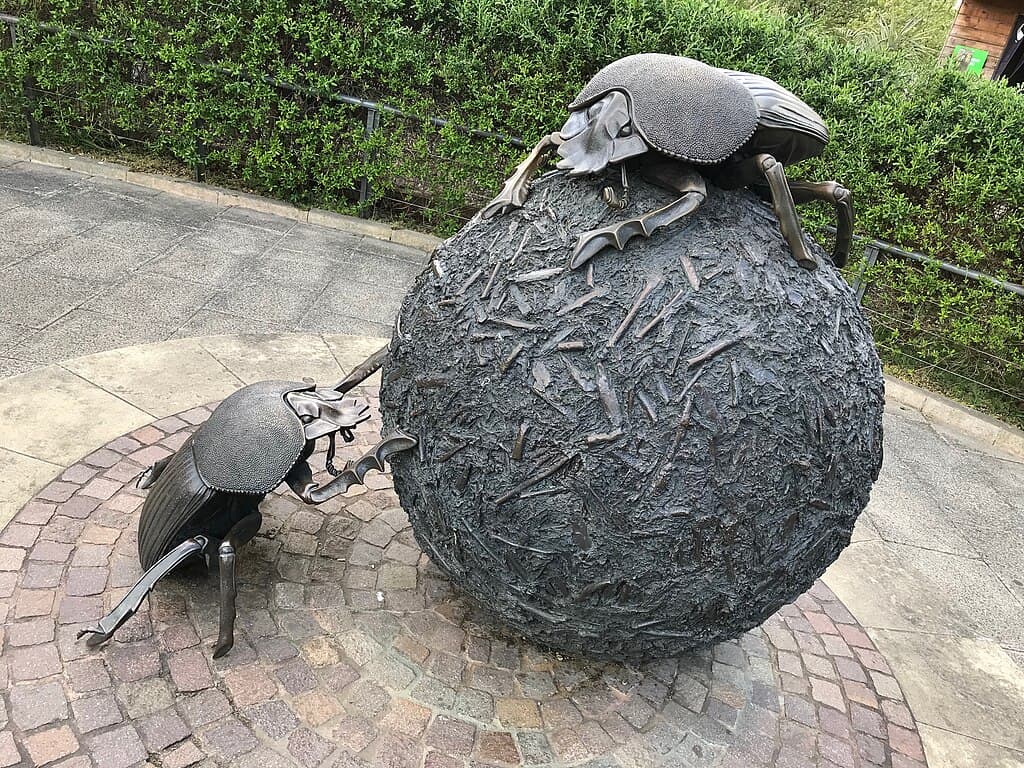
The incredible strength and efficiency of dung beetles have not gone unnoticed by the scientific community and engineers. Biomimicry, the practice of designing technological solutions inspired by nature, looks to the dung beetle’s capabilities for insights into robotics and mechanical design. Understanding how these beetles manage such hefty movements with minimal energy could revolutionize how we approach systems requiring load-bearing strength.
Marvelling at Nature’s Powerhouses
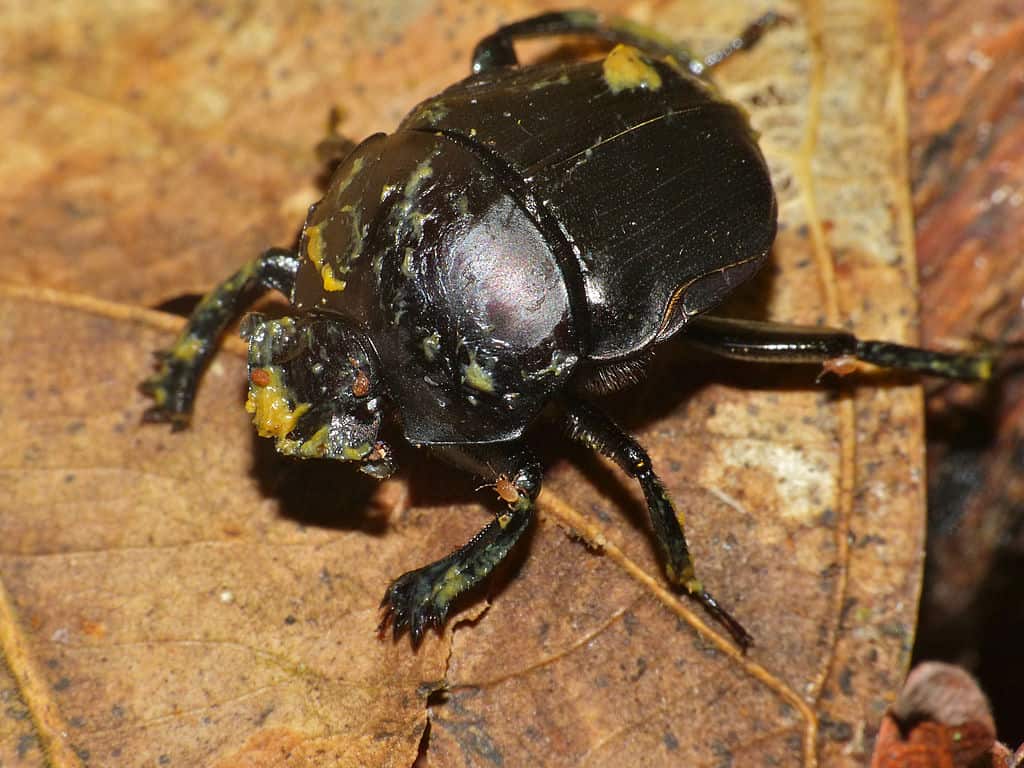
The dung beetle’s awe-inspiring strength and ecological importance remind us of the wonder and complexity of the natural world. These beetles continue to amaze researchers and animal enthusiasts alike, proving that sometimes, size really isn’t everything. Their unwavering determination to conquer arduous tasks with such vigor is a testament to the remarkable innovation found in nature’s smallest creatures.
As the poster child of powerhouse performance among insects, the dung beetle teaches us valuable lessons in both biology and engineering, emphasizing the connection and balance within ecosystems that support life as we know it.

Leave a comment
You must be logged in to post a comment.