

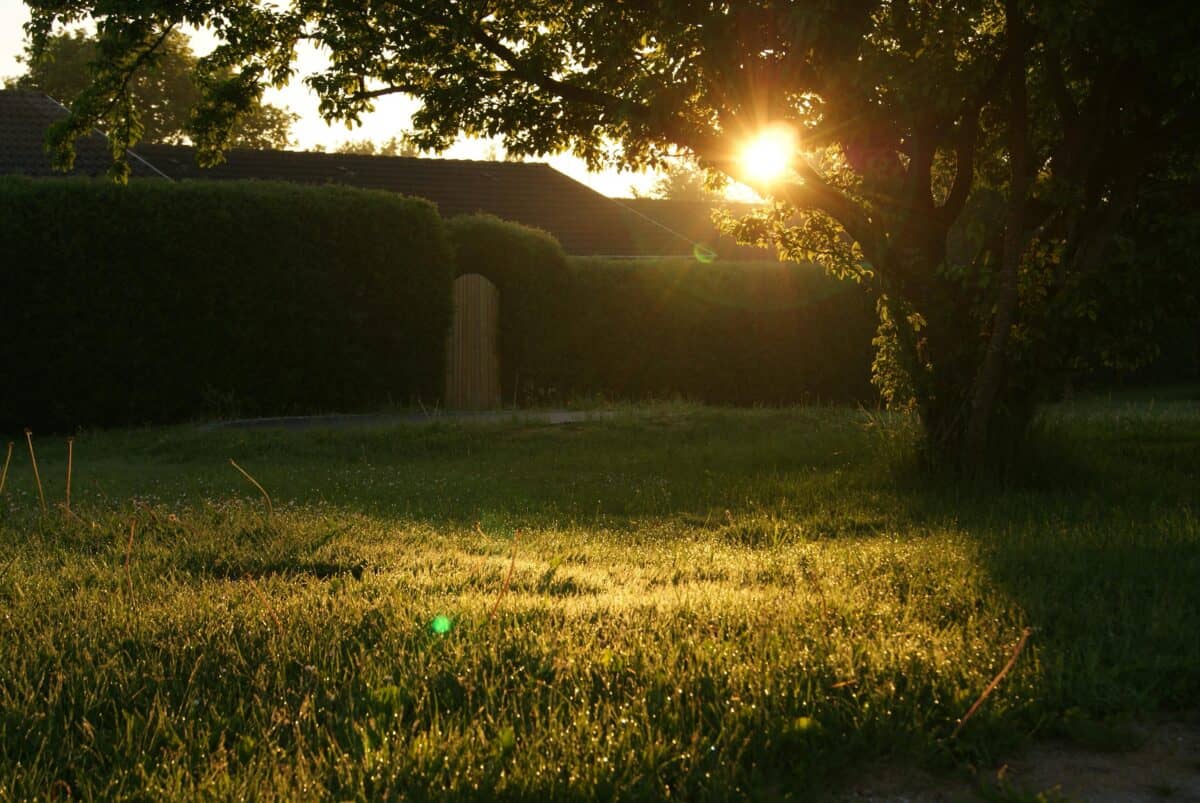
Most garden enthusiasts cherish the diverse range of wildlife that flourishes alongside cultivated plants, from chirping birds to pollinating insects. However, when construction becomes necessary, the delicate ecosystems that thrive in our gardens can face significant challenges. It’s crucial to recognize the potential dangers construction poses to these creatures, such as habitat disruption, noise pollution, and increased vehicle activity, all of which can displace or harm wildlife. Awareness is the first step in taking effective action to mitigate these risks and ensure that garden dwellers continue to thrive.
Planning Ahead Preparation is Key
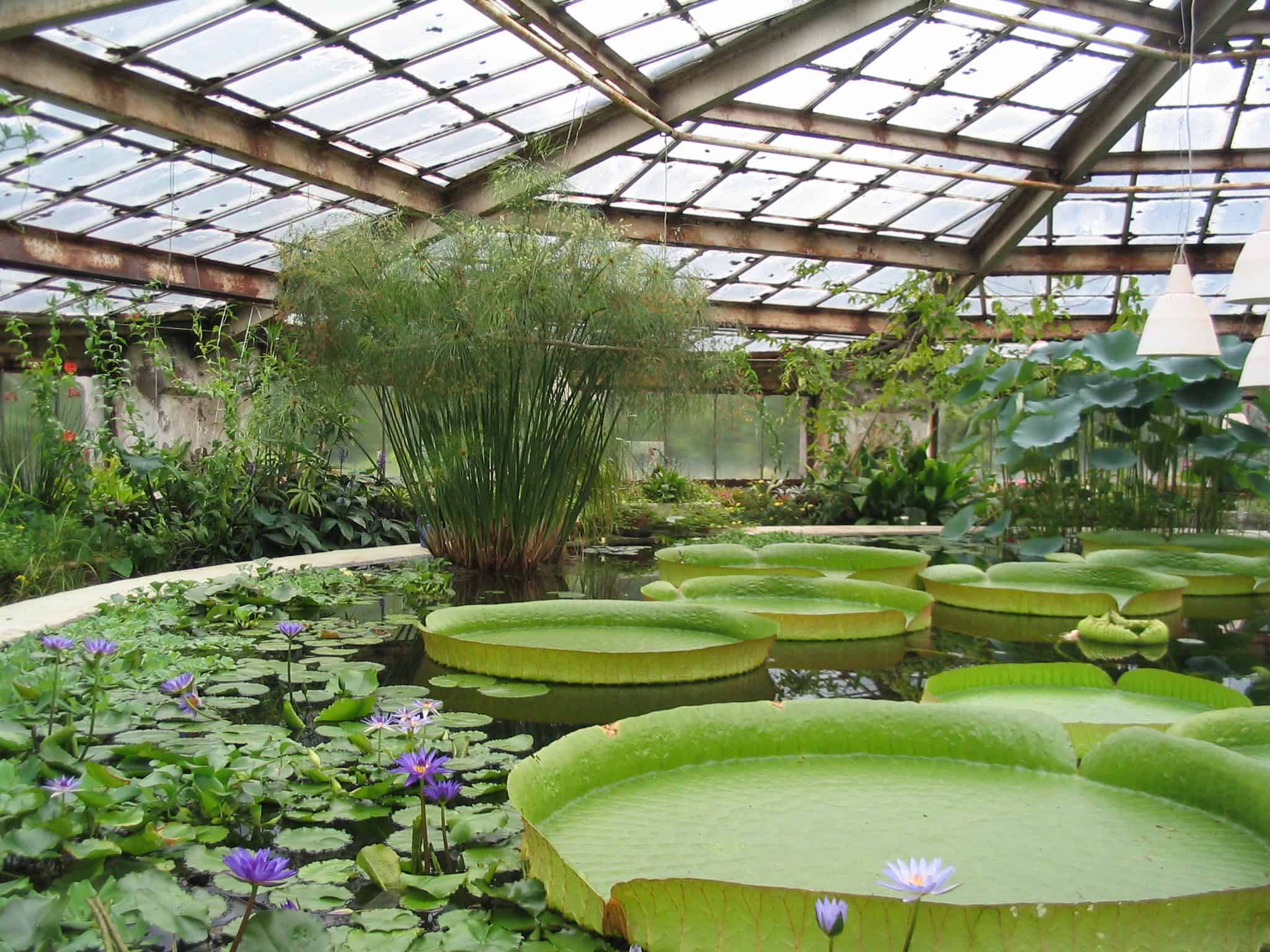
Before construction begins, take the time to assess your garden’s current biodiversity. Identify which species are present and what specific needs they have. This assessment will guide your preparation efforts. Consider consulting with a local wildlife expert or biologist for detailed insights into your garden’s ecosystem. They can provide tailored advice on how to protect specific species. Additionally, adjusting the construction schedule to avoid peak breeding or nesting seasons can significantly lower the impact on wildlife.
Creating Temporary Habitats
When gardens are disrupted by construction, creating temporary habitats can offer refuge to displaced wildlife. For instance, install birdhouses, bat boxes, or insect hotels in quieter areas of the garden or nearby trees. These provide safe resting places away from the construction disturbance. Logs and rock piles can serve as alternative shelters for reptiles and small mammals. It’s essential to ensure these temporary habitats are placed in locations with minimal human or machinery interaction to reduce stress on the animals.
Implementing Protective Barriers

One effective method of safeguarding garden wildlife during construction is to install protective barriers. Erecting temporary fences or netting around sensitive areas can prevent wildlife from straying into dangerous zones. Be mindful of keeping gaps or exit points for animals to move in and out safely. Additionally, utilize noise barriers to dampen the sound of machinery, which can otherwise cause stress and disorientation among animals. Don’t forget to mark these barriers with clear signage to alert construction workers about wildlife concerns.
Minimizing Environmental Disturbance

Where possible, choose low-impact construction methods that reduce environmental disturbance. Opt for quieter, less intrusive machinery and techniques that minimize ground vibration. Reducing the work hours of construction also lessens the noise and movement, giving wildlife more undisturbed time. Encourage workers to adhere to environmentally friendly practices such as proper waste disposal and avoiding the use of hazardous materials that can leach into the soil and harm wildlife.
Post-Construction Recovery for Garden Wildlife

Once construction wraps up, it’s time to focus on helping your garden recover as a thriving habitat. Begin by restoring native plants, which provide the best food sources and shelters for local wildlife. Regularly monitor the return of wildlife and look for signs of additional support needs. Revaluate the garden layout and incorporate features that will improve long-term wildlife viability, such as water elements and diverse plant species offering various blooming times.
Engaging the Community for Long-term Impact

Safeguarding garden wildlife during construction can be more successful and enjoyable when the community is involved. Engage with neighbors and local environmental groups to share resources, ideas, and strategies. Establishing a community wildlife guardian committee can foster collective responsibility, ensuring that more gardens become sanctuaries for local wildlife. Moreover, documenting and sharing your experiences can inspire others to adopt similar practices, ultimately broadening the impact of your conservation efforts.
By taking proactive measures and fostering a community approach, you can ensure that the wildlife in your garden remains protected and continues to thrive, even amidst the potential challenges posed by construction. These efforts not only benefit the ecosystem but also enhance the overall beauty and enjoyment of your garden space.

As a little kid, I fell in love with nature, wildlife, and animals. Living in the USA, South Africa, Italy, China and Germany gave me the opportunity to discover the world's Wildlife. My favorite animals are Mountain Gorillas, Siberian Tigers, and Great White Sharks.
I'm a certified PADI Open Water Diver, went to Everest Base Camp and Trekked Gorillas in Uganda. I hold a Master of Science in Economics and Finance.
Please send any feedback to feedback@animalsaroundtheglobe.com
- 10 Most Unique Reptiles You will See in the US - July 21, 2026
- 3 Dangerous Invasive Species the USA Must Eradicate - July 21, 2026
- 10 Things That Calm Cats And 4 That Make Them Nervous - July 21, 2026