

In the vast tapestry of the animal kingdom, communication is key to survival, mating, and social organization. While humans primarily rely on verbal speech and written language, animals have evolved a myriad of methods to convey information. One fascinating avenue is the use of vibrations. From the depths of the ocean to the dense foliage of rainforests, vibrations serve as an essential medium of communication for various creatures. This article will delve into ten such fascinating beings that have harnessed the power of vibrations to interact with their world.
1. African Elephants

Renowned for their intelligence and complex social structures, African elephants are also adept at using seismic communication. These gentle giants can produce low-frequency rumbles that travel through the ground over several kilometers. By detecting these vibrations through their feet, elephants can stay in contact with distant family members or gather important information about approaching threats.
2. Kangaroo Rats

In the arid deserts of North America, kangaroo rats have adapted to a life of scarcity and threats. To avoid predators, they use foot-drumming to communicate danger. By striking the ground with their hind feet, they produce vibrations that warn other rats of nearby predators. These vibrations also serve to establish territory between individuals.
3. Naked Mole Rats

Naked mole rats, residents of subterranean colonies in East Africa, rely on vibrations to communicate in their dark, underground environment. These burrowing rodents use a variety of vibrational signals, created by drumming their heads against tunnel walls, to relay information to fellow colony members, coordinating activities and maintaining social order.
4. Water Striders

Gliding gracefully on the surface of still water, water striders use ripples as a means of communication and prey detection. These insects can create different wave patterns on the water to send signals to mates or rivals. Their ability to sense vibrations allows them to efficiently locate prey that disturbs the water surface.
5. Woodpeckers

Woodpeckers are known for their characteristic pecking sound, but this behavior also serves a communicative purpose. By drumming on trees with their beaks, woodpeckers produce vibrations that can be detected by other woodpeckers over significant distances. This form of communication is crucial for defending territory and attracting mates.
6. Treehoppers
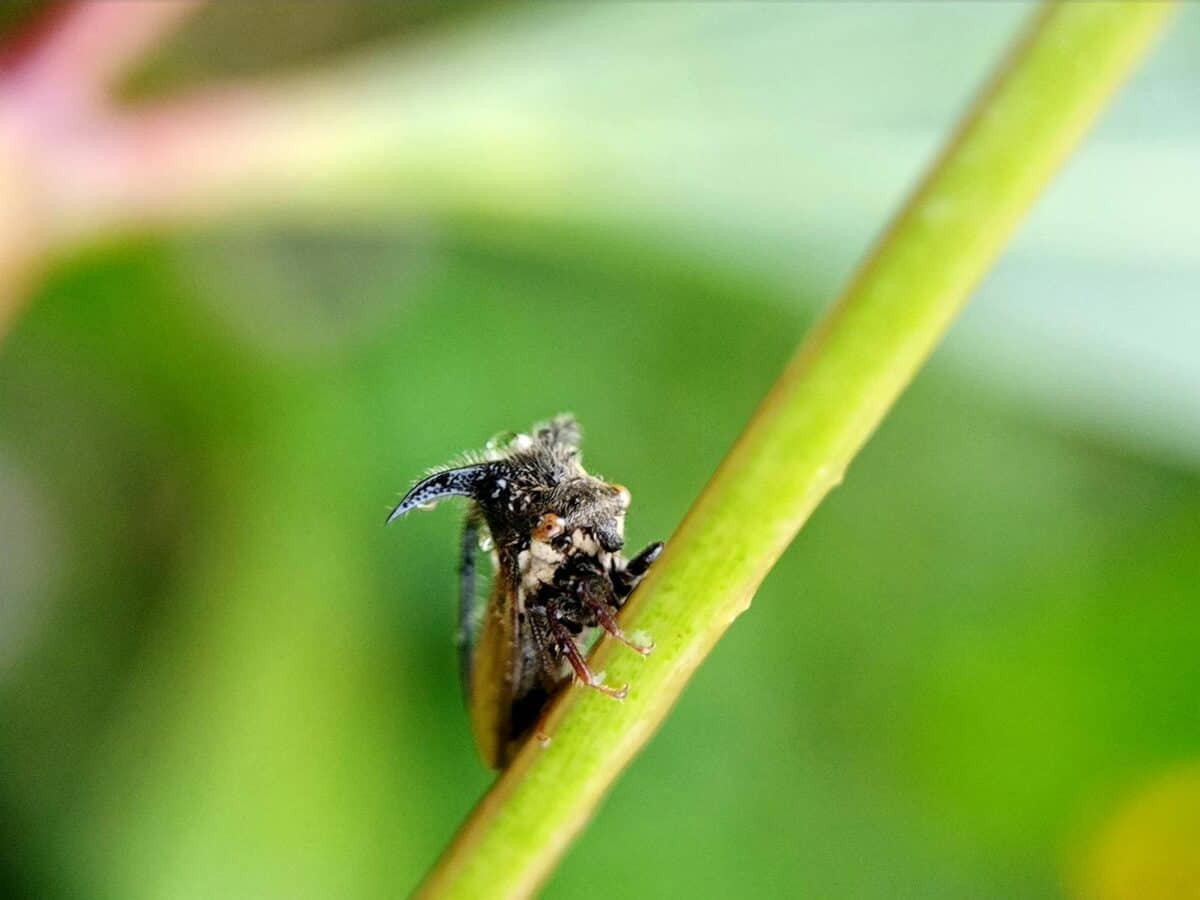
In the verdant rainforests, treehoppers use plant stems as communication channels. They send vibrational signals through the stems to attract mates or ward off rivals. This method of communication is highly efficient in dense vegetation, where sounds may not travel as effectively.
7. Fiddler Crabs

Fiddler crabs inhabit intertidal zones where communication through sight and sound can be challenging. These crabs use vibrations as a means of courtship. Male fiddler crabs will tap or wave their enlarged claw to create vibrations that are alluring to females, helping them find suitable mates within the noisy coastal habitat.
8. Cetaceans
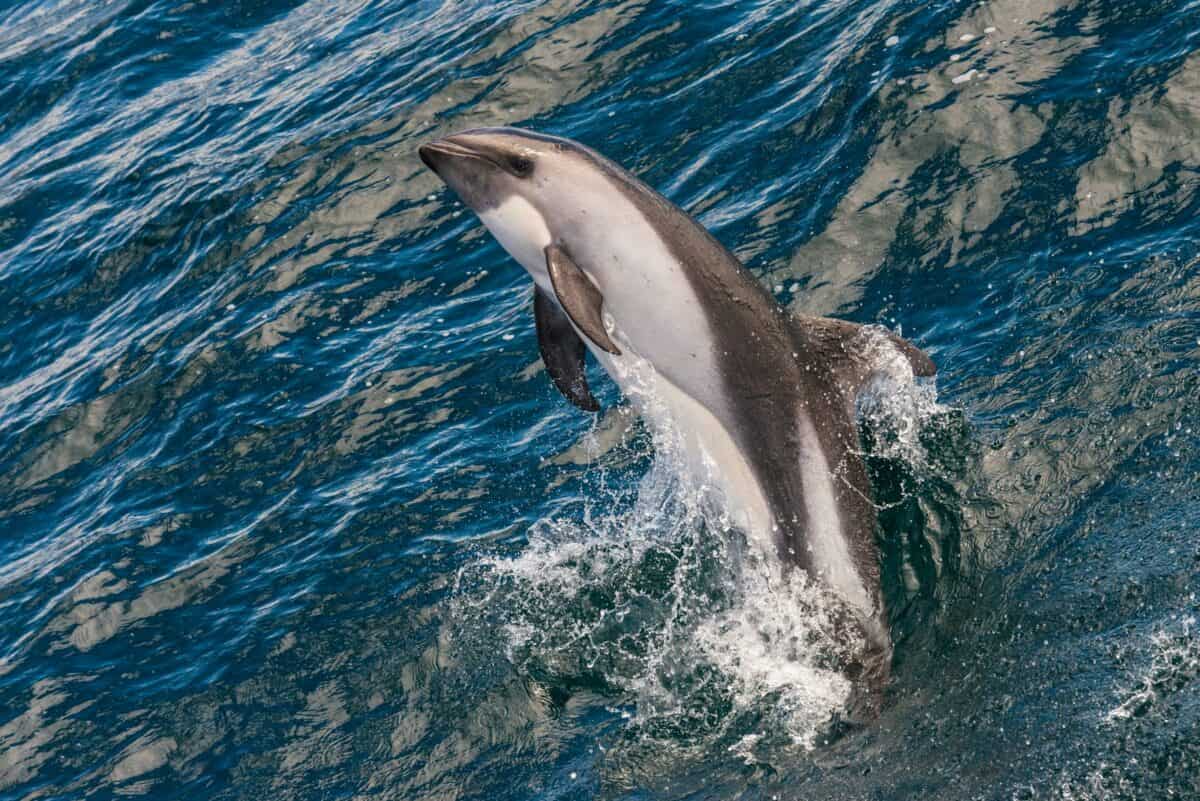
Among the giants of the ocean, cetaceans like whales and dolphins use complex systems of vibration-based communication. While many people are familiar with whale songs, these majestic creatures also use echolocation clicks that produce vibrations in water, allowing them to communicate over vast distances and navigate underwater landscapes.
9. Tarantulas

Despite their fearsome reputation, tarantulas are shy creatures that prefer to remain undetected. They communicate using vibrations in their environment to sense prey or detect threats. Tarantulas will tap their legs or abdomen on the ground to send vibrational signals, aiding in their stealthy interaction with their surroundings.
10. Bullfrogs

A staple in ponds and wetlands worldwide, bullfrogs use their powerful calls to create vibrations that resonate across the water. These vibrations help them establish territories and attract mates during breeding seasons. The rippling vibrations move efficiently across the water, making bullfrogs’ communication effective even in cluttered aquatic environments.
Conclusion

From the depths of the ocean to the arid deserts, vibrations serve as a critical mode of communication for a diverse array of creatures. This hidden language allows animals to navigate their worlds and interact with each other in remarkable ways. As we continue to explore and study the animal kingdom, understanding these vibrational communications will enrich our appreciation of the intricate and interconnected web of life that surrounds us.
