

The ban on animal testing in cosmetics has been a major step forward for ethical beauty. Many people and organizations have worked for years to end the practice. Now, with bans in place in many parts of the world, there is growing relief that animals are no longer used to test beauty products. This shift has changed the industry, making way for cruelty-free alternatives and new testing methods.
The History of Animal Testing in Cosmetics
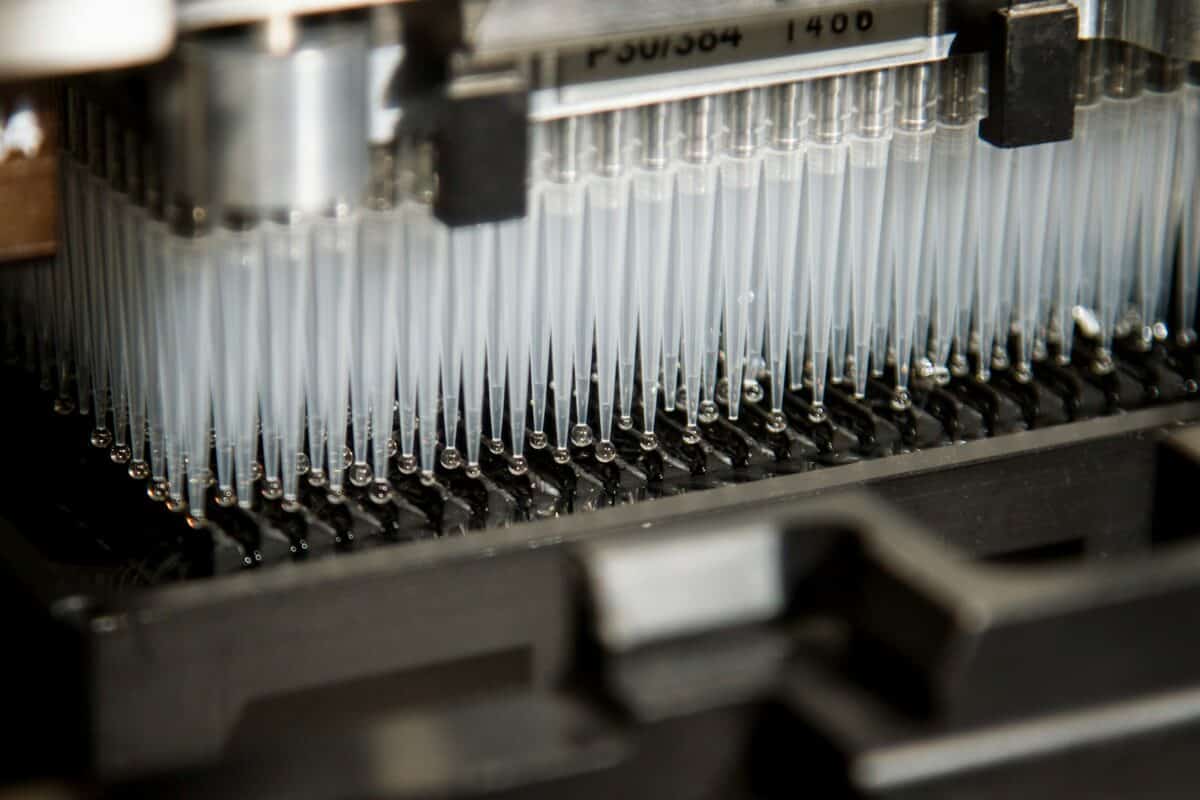
Animal testing in cosmetics dates back decades when companies used it to check product safety. Rabbits, mice, and other animals were exposed to ingredients to see if they caused irritation or harm. Over time, ethical concerns led to debates and pressure to stop the practice.
The Global Movement Against Animal Testing
Activists, scientists, and consumers pushed for an end to cosmetic animal testing. Organizations like PETA and the Humane Society led campaigns, raising awareness about the suffering of test animals. Their efforts influenced policies in many countries.
Countries That Have Banned Animal Testing

The European Union was one of the first regions to ban animal testing for cosmetics. Other countries, including India, Canada, Australia, and the UK, followed. The ban prevents companies from testing finished products or ingredients on animals, promoting cruelty-free practices.
Alternatives to Animal Testing

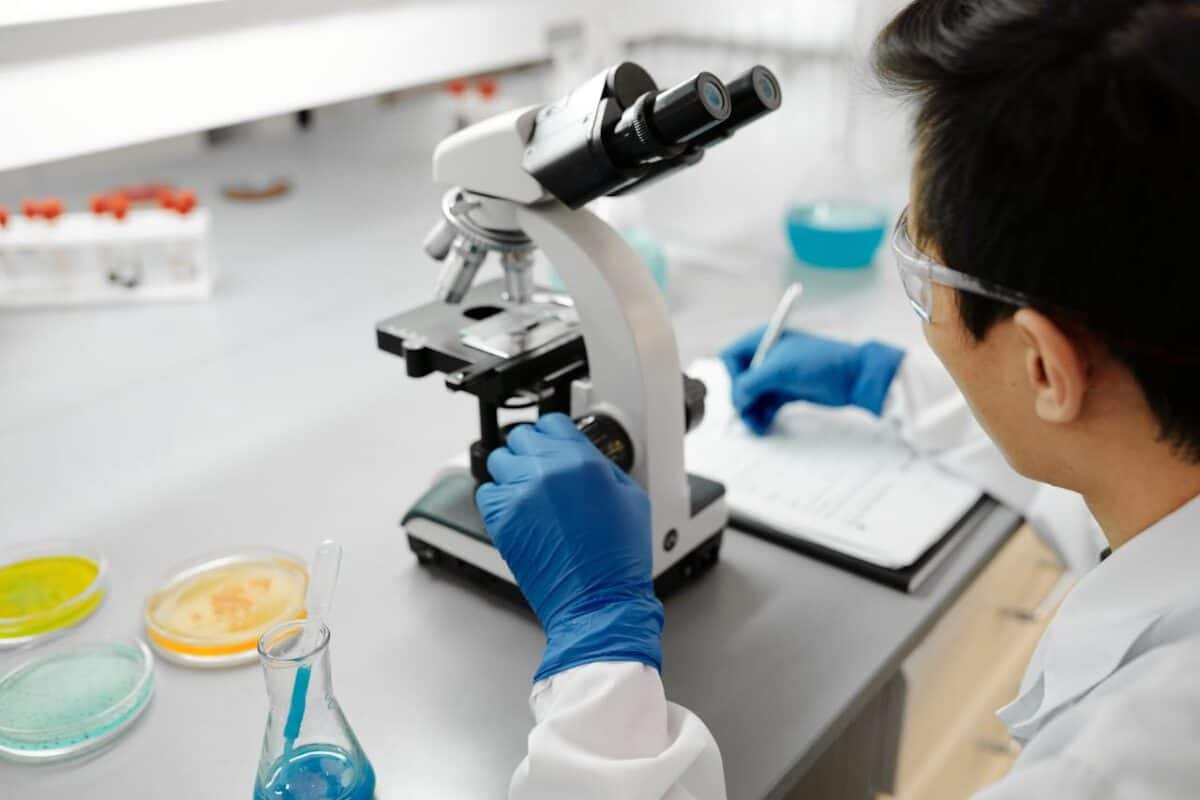
Advancements in science have made animal testing unnecessary. Companies now use computer models, cell cultures, and human tissue samples to ensure product safety. These methods are not only ethical but often more accurate than animal tests.
The Impact on the Cosmetics Industry
The ban has changed how companies develop and test products. Many brands have shifted to cruelty-free formulas, using safe ingredients that do not require animal testing. Some companies have also earned cruelty-free certifications to assure consumers of their commitment to ethical practices.
Consumer Demand for Ethical Products
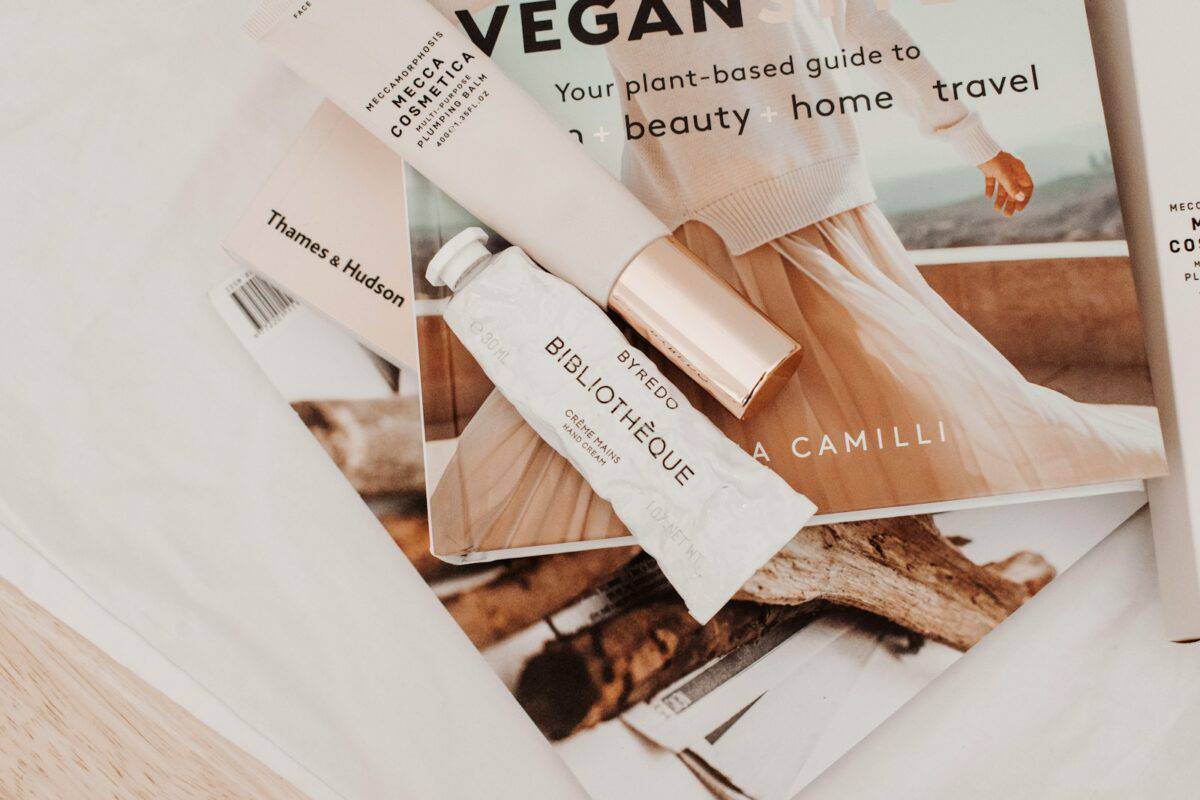
Shoppers today are more conscious of the products they buy. Many prefer cruelty-free brands and look for labels like “Leaping Bunny” or “Certified Vegan.” The growing demand has encouraged more companies to adopt cruelty-free policies.
Challenges Faced by the Industry
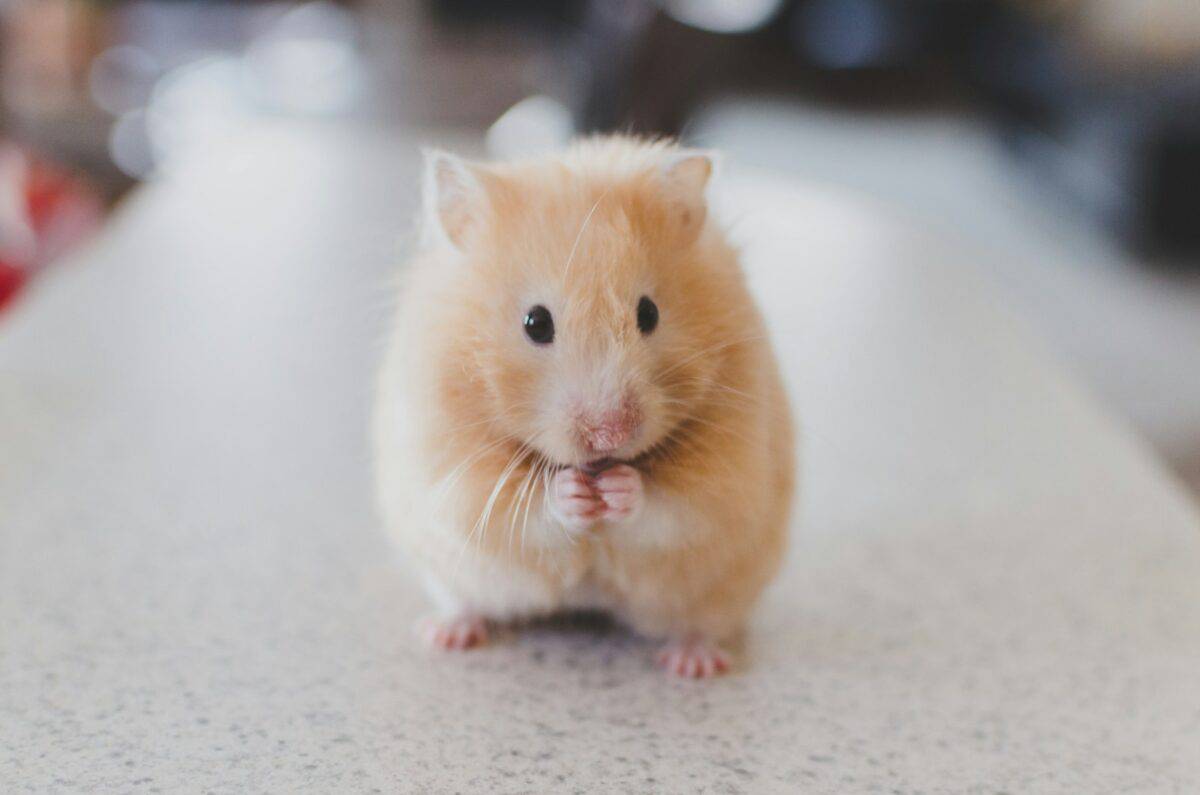
While many welcome the ban, some companies have faced challenges. Certain countries, like China, still require animal testing for imported cosmetics. This has led some brands to avoid those markets or find ways to comply without animal testing.
The Role of Technology in Cruelty-Free Testing

Innovations in biotechnology and artificial intelligence have made animal testing outdated. Companies now use advanced methods like 3D-printed human skin and artificial intelligence simulations to test cosmetics without harming animals.
The Future of Cruelty-Free Beauty
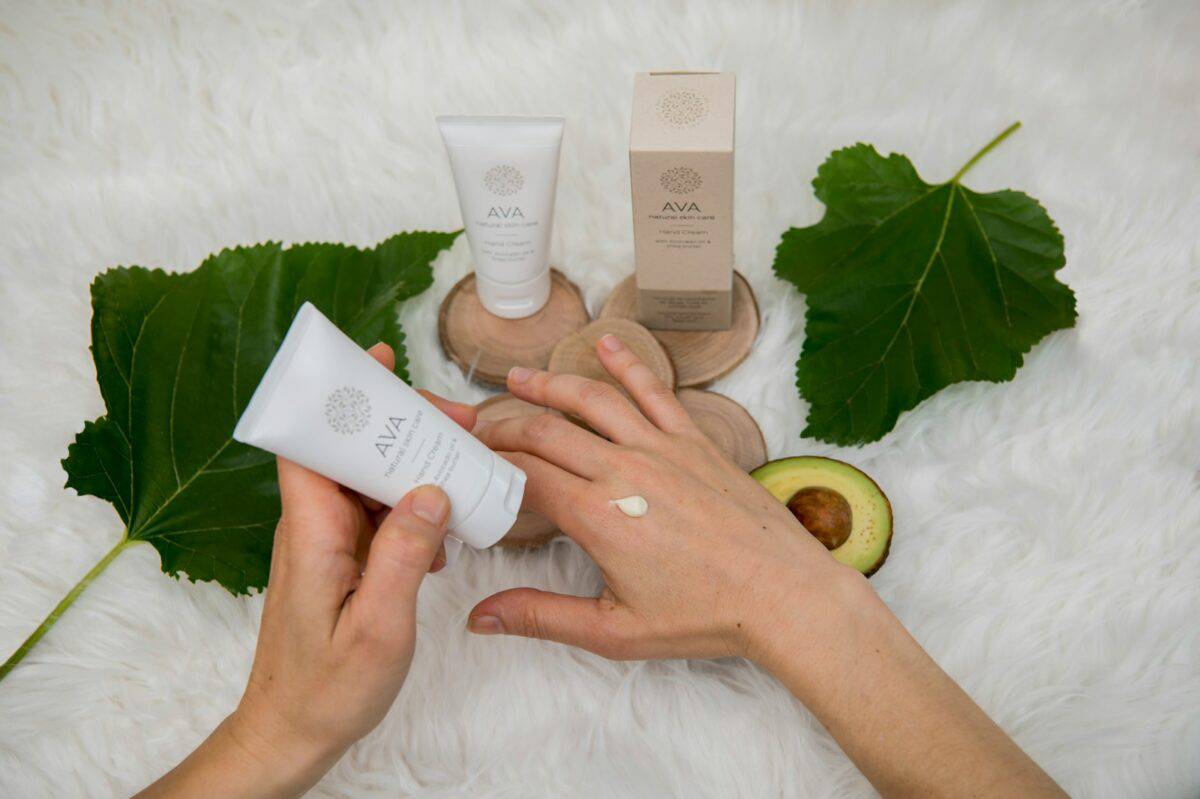
As technology improves and more countries adopt bans, cruelty-free beauty will likely become the global standard. Companies will continue to find ethical ways to develop safe and effective products. The movement shows that beauty and compassion can go hand in hand.
Conclusion
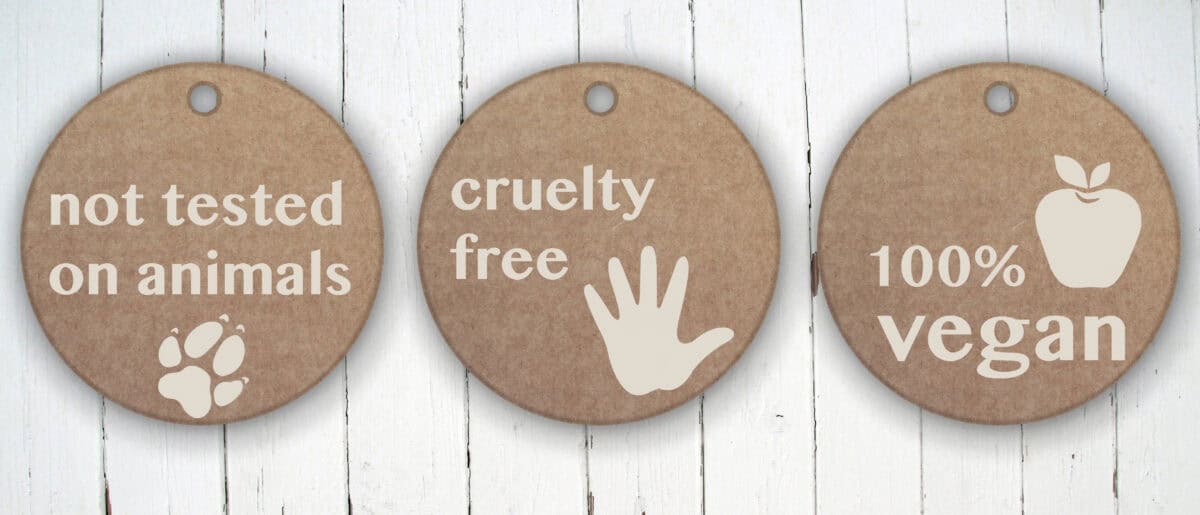
The ban on animal testing in cosmetics is a victory for both animals and consumers. It has led to better testing methods, ethical beauty products, and a shift in how the industry operates. While challenges remain, the progress made so far is promising. The future of cosmetics is cruelty-free, and that is something to celebrate.

- Essential Grooming Tips to Keep Your Pup’s Coat Healthy! - July 30, 2026
- 17 “Forever Puppy” Dog Breeds With Baby Personalities - July 29, 2026
- How Each Zodiac Sign Would Fare as an Animal in the Jungle - July 29, 2026