


In the animal kingdom, survival often hinges on the keen senses that various species develop to navigate their environment. While humans predominantly rely on sight and hearing, many animals depend significantly on their sense of smell to interact with the world. This extraordinary ability allows them to find food, locate mates, and detect dangers. In this article, we explore ten fascinating animals that rely heavily on their sense of smell, delving into how they use this vital sense to thrive in their respective habitats.
Canids Masters of Scent Detection

Members of the Canidae family, including wolves, foxes, and domestic dogs, are renowned for their exceptional olfactory skills. Canids possess up to 300 million scent receptors in their noses, compared to a mere 6 million in humans. This heightened sense of smell enables them to track prey, identify territory markers, and recognize pack members. Domestic dogs, in particular, have been trained to assist humans in various capacities, from search and rescue missions to detecting illnesses such as cancer and diabetes.
Bears Sniffing Out Food Over Miles

Bears boast an extraordinary sense of smell, which far surpasses that of bloodhounds. This attribute is crucial for their survival, as they use it to detect carcasses from miles away and locate berries and plants even beneath a blanket of snow. During the salmon run, bears rely on their olfactory talents to locate fish hidden below the water’s surface. Their ability to smell rivals that of any other terrestrial animal, making them formidable foragers and hunters.
Moles Navigating Underground Labyrinths
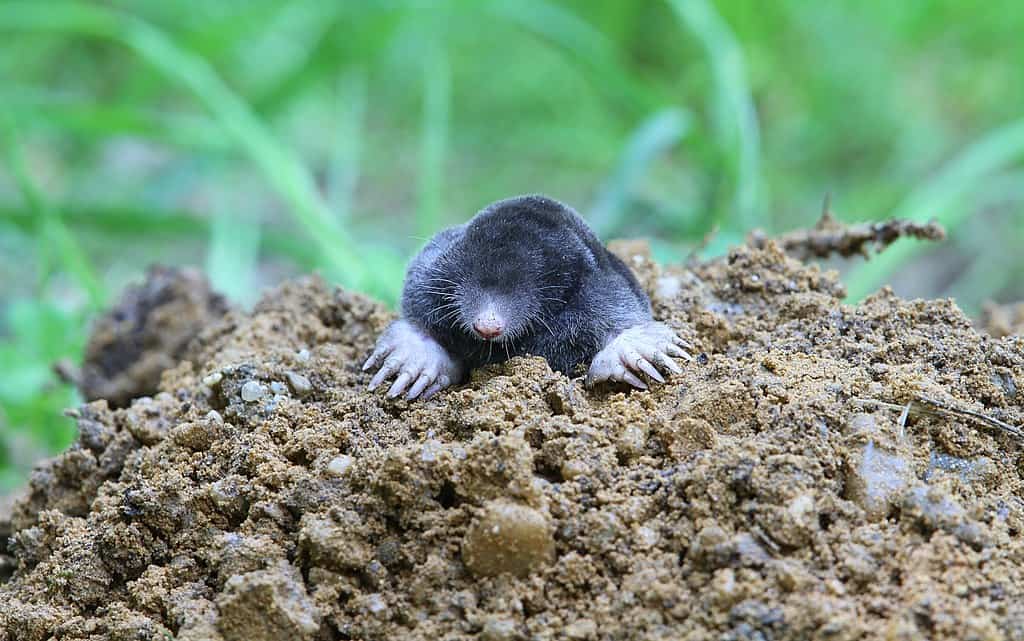
Living in darkness beneath the soil, moles rely heavily on their sense of smell to navigate and hunt for food. Their sensitive noses help them detect the movement of insects and worms within the earth. By creating complex tunnel networks, moles use their olfactory system to map their subterranean world, enabling them to find food efficiently and avoid predators.
Elephant’s Social Bonds Through Scent

Elephants possess a highly developed olfactory sense that plays a crucial role in maintaining their complex social structures. They can detect the scent of water from miles away and use their trunks to recognize the individual scent profiles of other elephants. These scent cues help elephants identify family members, mediate social interactions, and signal mating readiness. The ability to recognize kin through smell is vital for maintaining their intricate social networks.
Sharks Detecting Prey in the Ocean

In the vast ocean, sharks are the ultimate hunters, largely due to their exceptional sense of smell. Sharks can detect a single drop of blood in an Olympic-sized swimming pool, a skill that helps them locate injured or weak prey over great distances. This acute olfactory ability is complemented by their other senses, making sharks efficient at finding food in a seemingly endless expanse of water.
Snakes Tasting the Air for Information

Snakes rely on their forked tongues and Jacobson’s organ to “taste” the air, a process akin to smelling. By flicking their tongues, they collect scent particles and analyze them to track prey, identify predators, and find mates. This unique method of olfaction allows snakes to decipher complex environmental cues, aiding their survival in diverse habitats.
Ants Following Chemical Trails

Ants use their sense of smell to communicate and organize intricate colony activities through the use of pheromones. These chemical signals guide ants along established trails, help them identify nest members, and alert them to dangers. The complex social structures of ants are maintained through these olfactory cues, facilitating cooperation and efficiency within their communities.
Vultures Scavenging with Superior Smell
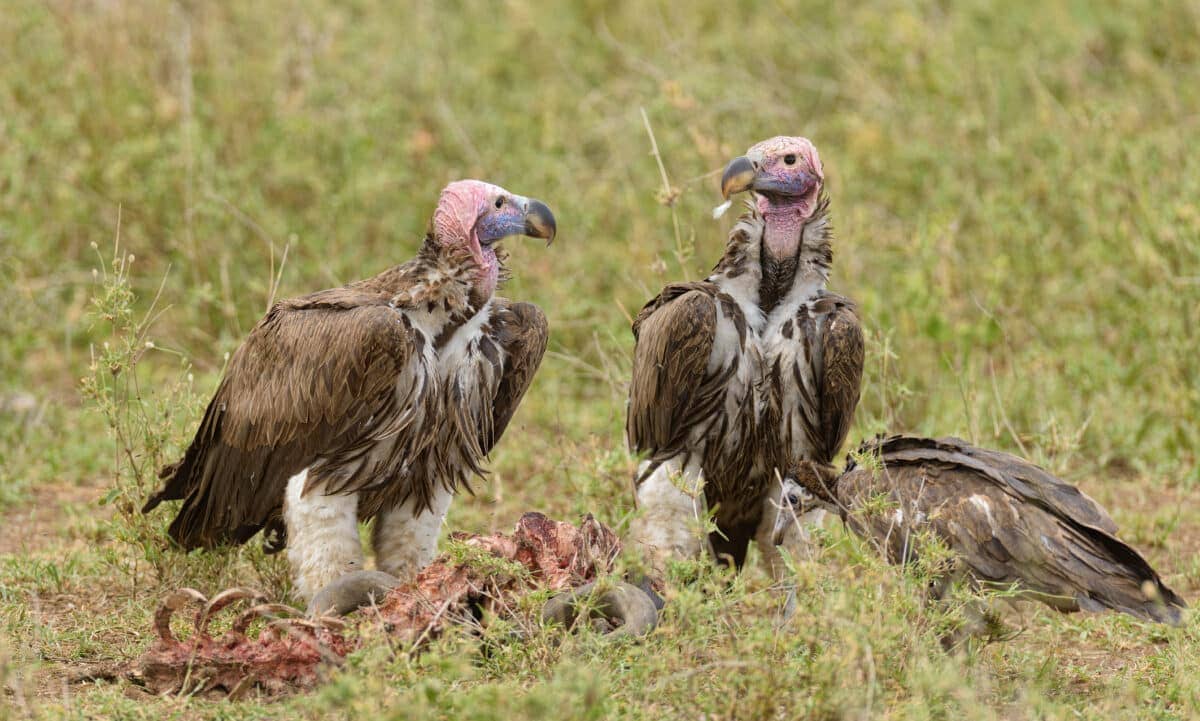
Vultures are scavengers that rely on their keen sense of smell to locate carrion from high in the sky. Their ability to detect the scent of decaying flesh enables them to find food even in densely forested areas where visibility is limited. Vultures play an essential role in the ecosystem by disposing of dead animals, thus preventing the spread of disease.
Salmon Homing in on Birth Streams

Salmon are famous for their incredible migrations, returning to their natal streams to spawn. They achieve this precision in part by following the unique chemical scent of their homestream. This olfactory GPS guides salmon over thousands of miles, ensuring that they can complete their life cycle by reproducing in the very place they were born.
Bats Echolocation Allies in Smell

While bats are well-known for their use of echolocation, their sense of smell is equally important for survival. Bats use olfactory cues to find food, such as ripe fruit and nectar, and to recognize individual colony members. This multifaceted reliance on smell complements their auditory navigation, helping them maintain complex social structures and efficiently locate sustenance.
Conclusion

In summary, the sense of smell is a pivotal tool for many animals, enabling them to find food, connect with others, and navigate their environments. From the vast oceans to underground burrows, each species has evolved unique olfactory capabilities that suit their ecological niches. Understanding these fascinating adaptations not only enriches our knowledge of the animal kingdom but also underscores the intricate connections between organisms and their habitats. Through their noses, these creatures demonstrate the diverse ways in which life on Earth has adapted to the challenges of survival.

As a little kid, I fell in love with nature, wildlife, and animals. Living in the USA, South Africa, Italy, China and Germany gave me the opportunity to discover the world's Wildlife. My favorite animals are Mountain Gorillas, Siberian Tigers, and Great White Sharks.
I'm a certified PADI Open Water Diver, went to Everest Base Camp and Trekked Gorillas in Uganda. I hold a Master of Science in Economics and Finance.
Please send any feedback to feedback@animalsaroundtheglobe.com
- 10 Most Unique Reptiles You will See in the US - July 21, 2026
- 3 Dangerous Invasive Species the USA Must Eradicate - July 21, 2026
- 10 Things That Calm Cats And 4 That Make Them Nervous - July 21, 2026