

Choosing the right toys for your pet is more than just a fun shopping spree; it’s an integral part of ensuring their happiness and overall well-being. Pets, much like humans, need stimulation and engagement to lead fulfilling lives. With an overwhelming variety of pet toys available on the market, making the perfect selection can feel daunting. This guide will walk you through the essentials of choosing toys tailored to your pet’s needs, ensuring they remain happy, healthy, and entertained.
Consider Your Pet’s Size

When selecting toys, consider the size of your pet. A toy too small can pose a choking hazard, especially for larger animals, while an oversized toy might not appeal to a small pet. Ensure toys are appropriately sized to be safe and enjoyable. For instance, cats might enjoy small, feathered toys they can bat around, while a large dog might favor a robust chew toy.
Understand Your Pet’s Personality

Your pet’s personality is a decisive factor in choosing the right toys. Some pets are energetic and love interactive play, such as fetch or tug-of-war games, while others may prefer a quiet puzzle toy that challenges their mind. Observe your pet’s play style to choose toys that will genuinely engage them.
Prioritize Safety

Safety should always be a priority when choosing toys for your pet. Avoid toys with small, detachable parts that could easily be swallowed or toxic materials that could harm them if ingested. Opt for reputable brands that adhere to safety guidelines, and routinely inspect toys for wear and tear.
Choose Age-Appropriate Toys
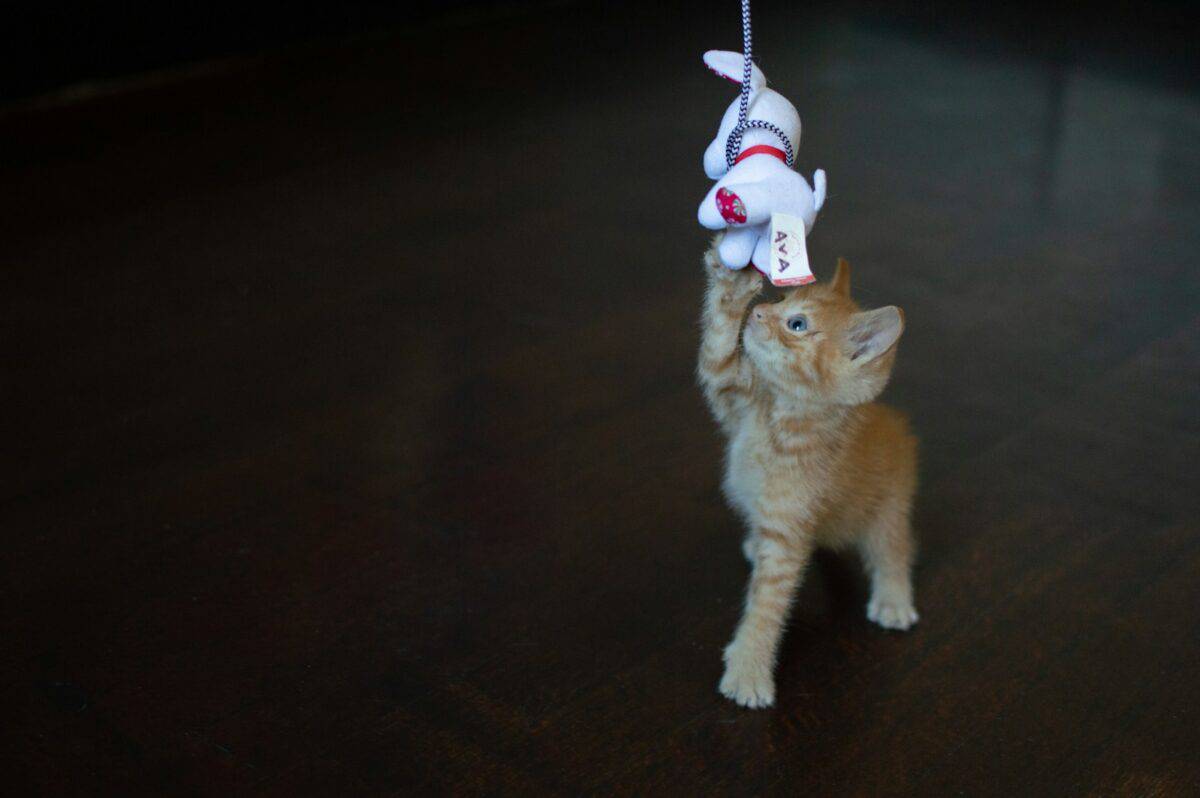
Just as children have toys designed for different developmental stages, pets need age-appropriate toys. Puppies and kittens require softer toys that are gentle on their developing teeth, while mature pets might need more durable toys to withstand more vigorous play.
Evaluate Material Durability

The durability of a toy is directly related to your pet’s tendencies. Strong chewers like many dogs need toys made from tough, durable materials such as rubber or nylon. For pets that enjoy batting or tossing toys, softer materials might be more suitable. Selecting the right material ensures the toy lasts and remains safe for your pet.
Consider Interactive Toys for Mental Stimulation

Interactive toys can provide mental stimulation and help prevent boredom, which can lead to destructive behavior. Puzzle toys that dispense treats or toys that move unpredictably can keep your pet engaged and mentally active. These are particularly beneficial for intelligent pets like Border Collies and Siamese cats.
Pay Attention to Texture
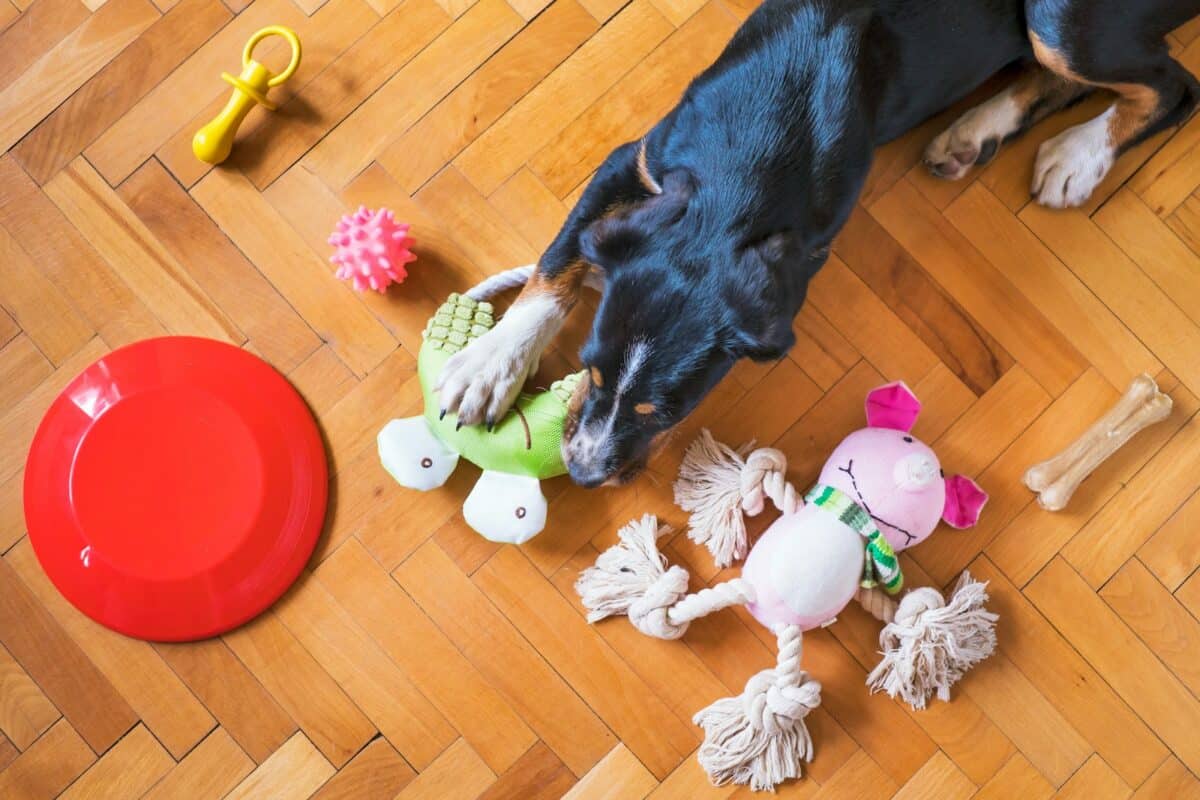
The texture of a toy can significantly impact your pet’s interest. Some pets are drawn to toys with varied textures that provide a sensory experience, such as those with ridges or different fabrics. Experiment with different toys to see which textures your pet finds most appealing.
Swap Out Toys to Maintain Interest

Just like humans, pets can get bored with the same toys. To maintain their interest, regularly rotate the toys available to them. A toy that is reintroduced after being absent for a while might regain its novelty and captivate your pet’s attention anew.
Ensure Toys are Easy to Clean

Pets’ toys can quickly become a breeding ground for bacteria, especially those that involve treats or saliva. Choose toys that are easy to clean, whether they are machine washable or have a simple design that wipes clean. Regularly cleaning toys help maintain your pet’s health and hygiene.
Look for Multi-Purpose Toys

Some toys serve multiple functions, like those that are great for both fetch and chew, or that can be filled with treats to double as a puzzle game. Multi-purpose toys can offer more value and varied engagement for your pet, keeping them entertained for longer periods.
Consider Your Budget

While it’s tempting to splurge on the latest pet gadgets, there is an abundance of affordable yet high-quality toys available. Prioritize the features that are most important for your pet—such as safety and engagement—without stretching your budget.
Listen to Expert Recommendations

Finally, don’t hesitate to consult pet experts, such as veterinarians or animal behaviorists, for toy recommendations. They can provide insight into what type of toys might be most beneficial for your pet’s breed, age, and personality.
In conclusion, choosing the best toys for your pet involves considering their unique needs and preferences. By taking into account factors such as size, age, personality, and safety, you can provide toys that are not only enjoyable but also contribute positively to their development and well-being. Remember, a good toy provides more than just entertainment—it strengthens your bond with your pet and enriches their quality of life.

- 10 Amazing Facts About Penguins - July 24, 2026
- 8 Ways to Create a Wildlife-Friendly Backyard Oasis for Local Critters - July 24, 2026
- How to Keep Your Pet Safe from Household Hazards - July 24, 2026
Leave a comment
You must be logged in to post a comment.