


The animal kingdom is home to a myriad of fascinating creatures, each uniquely adapted to survive and thrive in their respective environments. Among them, some are renowned for their ability to remain hidden, turning their camouflage and stealth into powerful tools for both survival and predation. These elusive predators captivate our imagination with their blend of mystery, skill, and innovation in hunting techniques. From the deepest oceans to the densest jungles, this article delves into the top ten most elusive predators, shedding light on their secretive lifestyles and extraordinary adaptations.
The Art of Stealthy Predation
Predators are essential components of the ecosystem, functioning as the balance keepers by managing prey populations. Many have evolved to become masters of stealth, utilizing various techniques to approach their prey unnoticed. These adaptations can include specialized camouflage, nocturnal habits, and the development of acute senses.
The Mystique of the Snow Leopard

The snow leopard, known as the “ghost of the mountains,” inhabits the rugged terrains of Central and South Asia. Its pale, smoky-gray fur with black rosettes allows it to blend seamlessly with the rocky environment. Primarily solitary, this predator often hunts at dusk or dawn, utilizing its incredible agility to ambush unsuspecting Himalayan blue sheep or mountain goats.
The Silent Flight of the Barn Owl

Recognizable yet ghostly, the barn owl possesses exceptional hunting skills thanks to its silent flight. Its specialized wing feathers muffle sound, allowing it to swoop down on prey undetected. The owl’s acute hearing, capable of detecting a rodent’s movement under snow, further enhances its stealthy hunting prowess.
The Camouflaged Cunning of the Octopus

In the ocean’s depths, the octopus stands out with its remarkable versatility and intelligence. Its ability to change skin texture and color instantaneously makes it an elusive predator, adept at ambushing prey. Some species even mimic the appearance of other marine creatures, an uncanny deception that confuses predators and prey alike.
The Ambush Tactics of the Jaguar

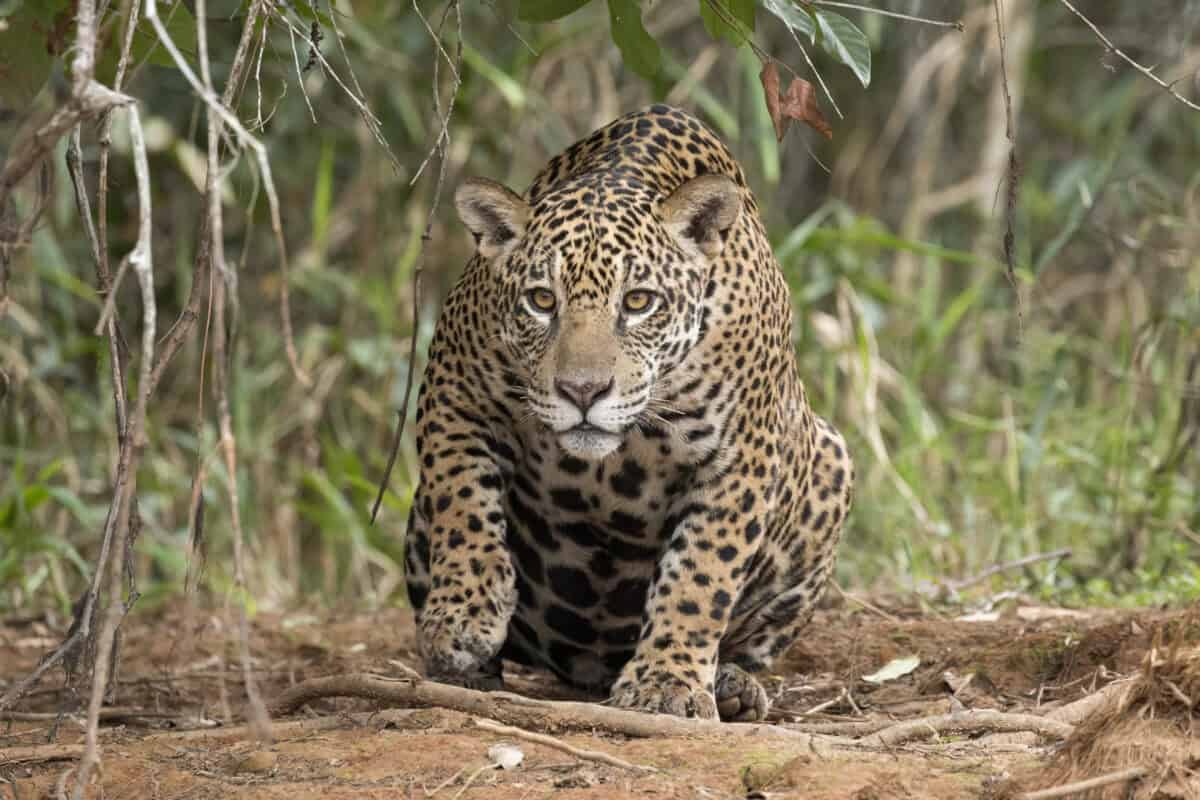
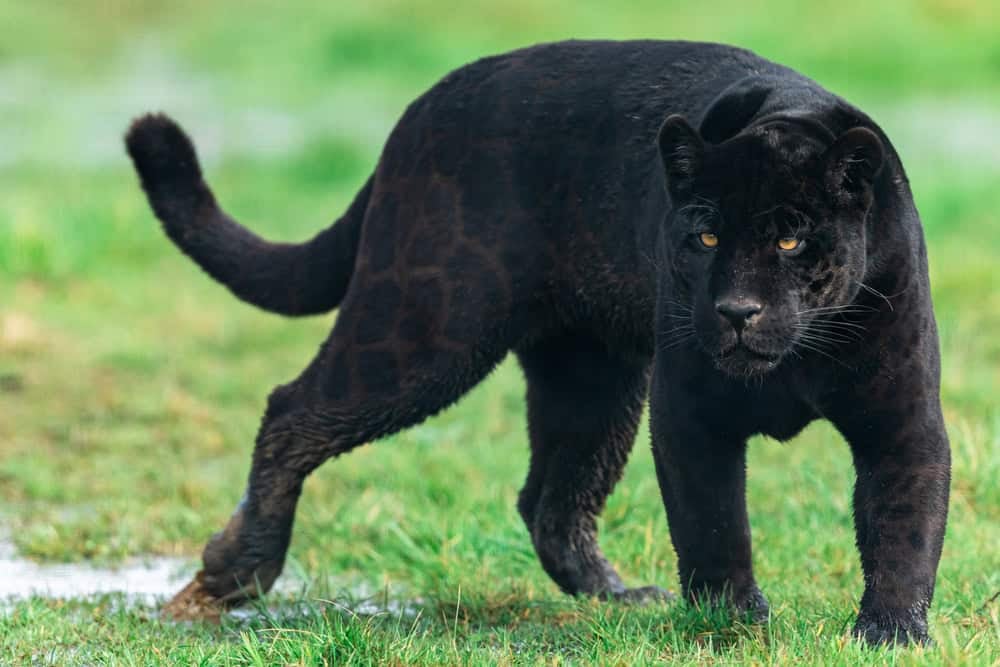
In the dense rainforests of the Americas, the jaguar is a master of ambush. Its golden coat with black spots camouflages it within the dappled light of the forest floor. Jaguars often stalk their prey silently, preferring to kill with a powerful bite to the skull, and they’re known for their ability to swim, adding aquatic environments to their hunting grounds.
The Lurking Strategy of the Crocodile

Possessing ancient, reptilian stealth, the crocodile is a formidable predator that excels in ambush predation. By remaining motionless in water with only its eyes and nostrils above the surface, it can surprise its prey in a deadly rush. Their patience and explosive power make them top predators in their wetland domains.
The Chameleon’s Deceptive Disguise

The chameleon takes camouflage to a new level with its ability to change skin color for both communication and concealment. While its slow movement helps it remain undetected by prey, the chameleon’s quick, darting tongue is highly effective for capturing insects. Its independently moving eyes provide a 360-degree view, ensuring it doesn’t miss a trick.
The Phantasmal Hunt of the Fossa
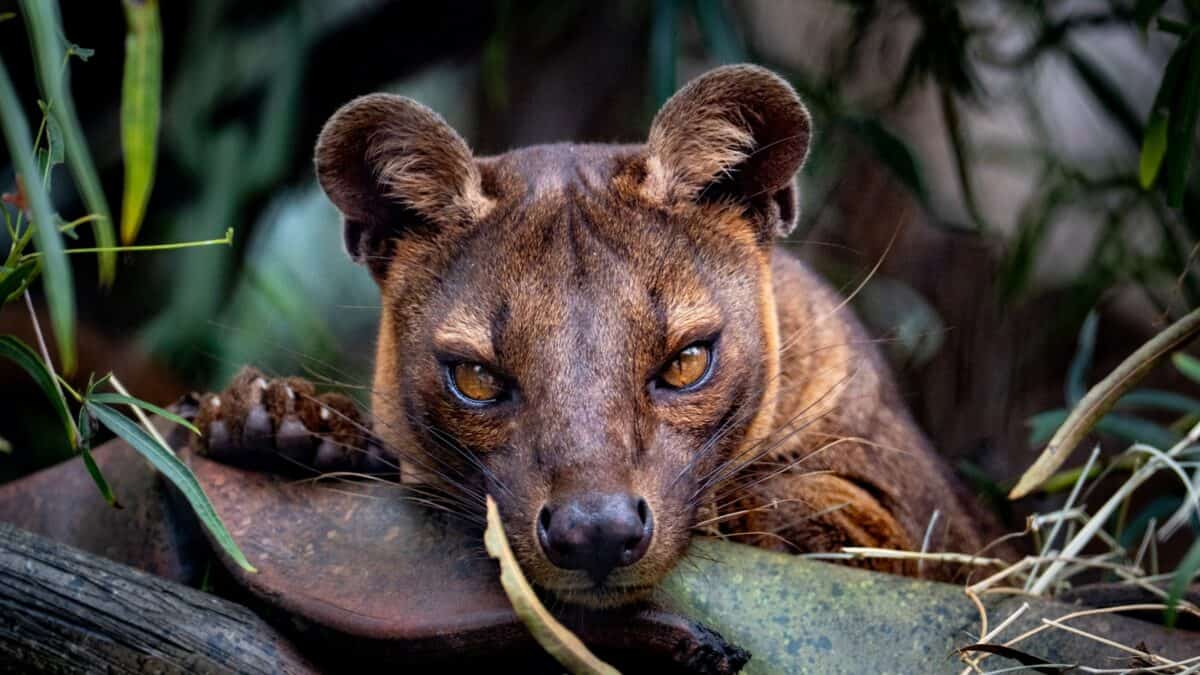
Madagascar’s fossa is a relative of the mongoose and a top predator on the island. It has a cat-like appearance with a long, agile body that helps it navigate trees in search of lemurs. The fossa’s nocturnal habits, combined with its silent movements, make it one of the island’s most elusive hunters.
The Subtlety of the Praying Mantis

Not all skilled predators are large; the praying mantis proves that even small hunters can be formidable. With patience as its ally, the mantis waits motionless, camouflaged amidst greenery, until unsuspecting prey ventures within reach. Its raptorial front legs strike with ruthless precision and speed, effectively capturing unwary insects.
The Elusive Strategy of the Leopard Seal
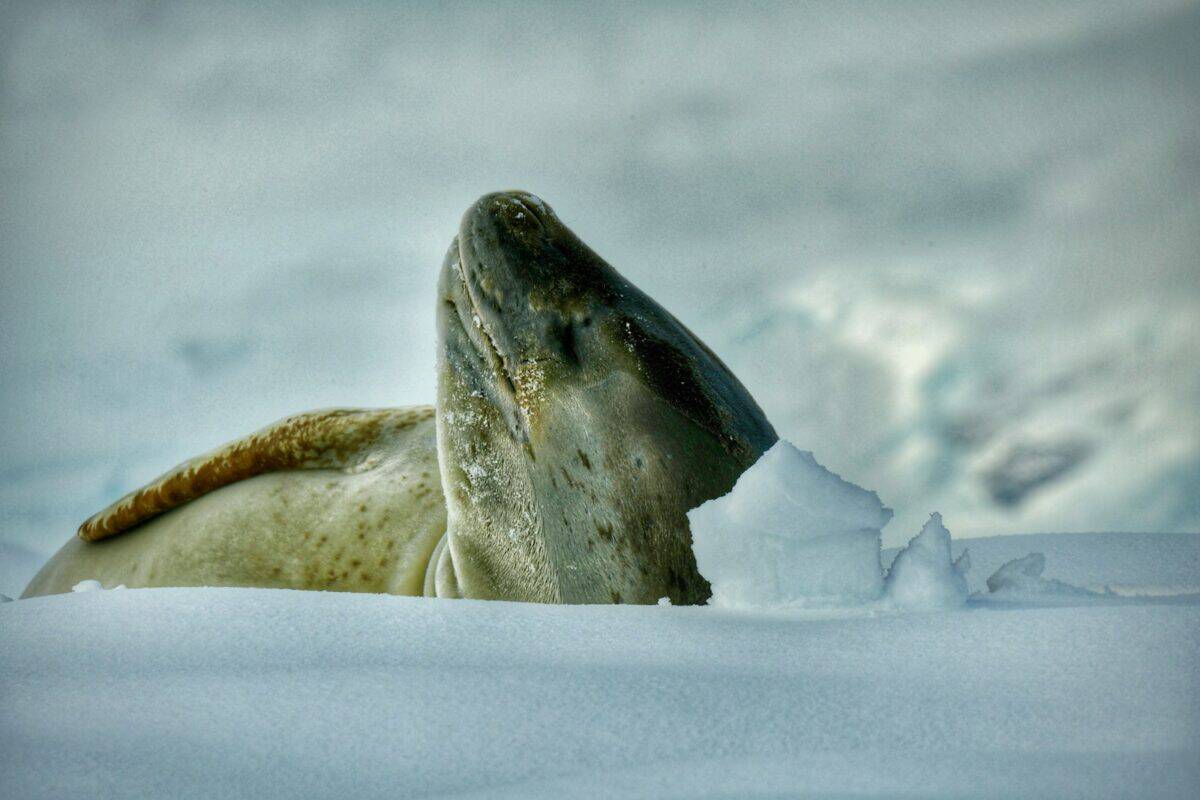
Patrolling the icy waters of the Antarctic, the leopard seal preys on various creatures, including penguins and fish. Its sleek, hydrodynamic body grants it the speedy pursuit of prey underwater, while its deceptive stealth near ice flows allows for ambush hunting. This adaptability ensures it remains a potent predator in a challenging environment.
The Cunning of the Red Fox

Renowned for its cleverness and adaptability, the red fox presents a study in urban stealth. Capable of thriving in diverse environments from the countryside to cities, it utilizes agility and opportunism as hunting strategies. Its keen senses and ability to silently prowl make it a versatile hunter of rodents and small game.
Conclusion: Nature’s Hidden Predators
The predators featured above illustrate a remarkable array of strategies and adaptations that ensure their place at the top of the food chain while maintaining an elusive presence in the wild. By employing everything from camouflage to cunning behavioral traits, these predators embody the intricate balance between hunter and prey. Understanding their roles within ecosystems offers insight into the delicate webs of life that sustain biological diversity across the globe.

As a little kid, I fell in love with nature, wildlife, and animals. Living in the USA, South Africa, Italy, China and Germany gave me the opportunity to discover the world's Wildlife. My favorite animals are Mountain Gorillas, Siberian Tigers, and Great White Sharks.
I'm a certified PADI Open Water Diver, went to Everest Base Camp and Trekked Gorillas in Uganda. I hold a Master of Science in Economics and Finance.
Please send any feedback to feedback@animalsaroundtheglobe.com
- 10 Most Unique Reptiles You will See in the US - July 21, 2026
- 3 Dangerous Invasive Species the USA Must Eradicate - July 21, 2026
- 10 Things That Calm Cats And 4 That Make Them Nervous - July 21, 2026