

Climate change is a widely discussed topic, but the conversation is often framed as a battle between those who accept the science and those who deny it entirely. In reality, the discussion is far more complex. Many people labeled as “climate change deniers” do not reject climate science outright but instead question specific claims, policies, or proposed solutions. Understanding these distinctions is key to having a productive and informed conversation.
The Difference Between Skepticism and Denial
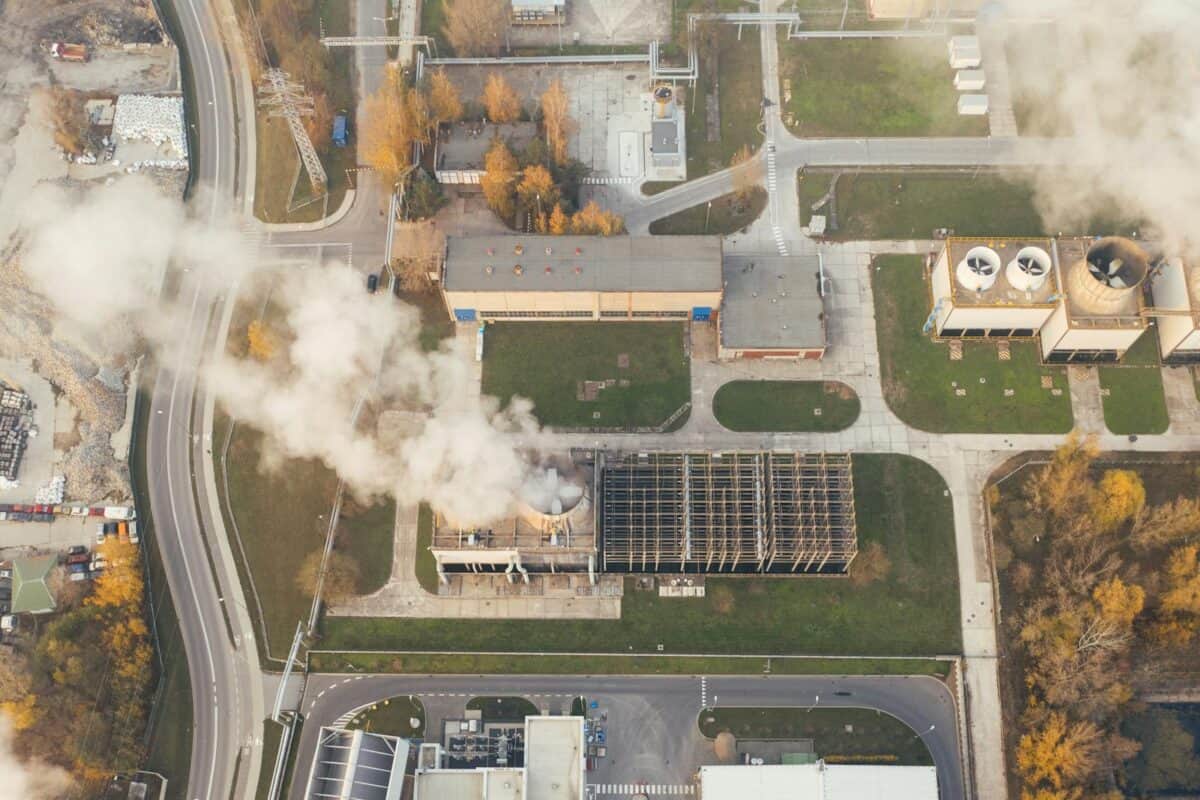
Not everyone who questions aspects of climate science is a denier. Skepticism is a natural part of the scientific process, and many critics raise concerns about climate models, data accuracy, or policy effectiveness. This is different from outright denial, which rejects overwhelming scientific evidence.
Scientific Consensus on Climate Change

The vast majority of climate scientists agree that human activity is contributing to global warming. Studies consistently show that greenhouse gas emissions from fossil fuels are driving temperature increases. While debate exists around the specifics, the general consensus remains strong.
Misconceptions About Climate Models
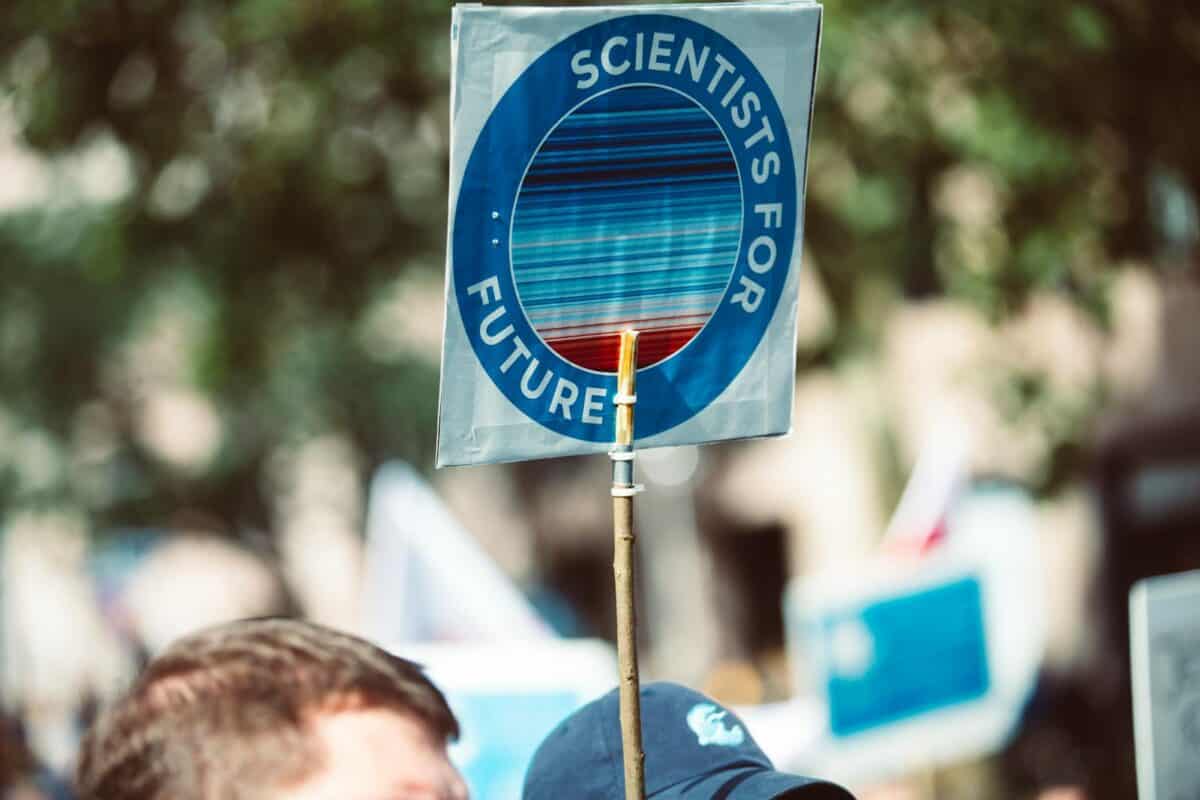
Some critics argue that climate models are unreliable, but these models have accurately predicted many climate trends. While no model is perfect, they are based on solid scientific principles and continually refined with new data.
The Role of Natural Climate Variability

Earth’s climate has changed naturally for millions of years, but this does not mean human activity is not playing a role now. The current rate of warming is far beyond natural fluctuations, and evidence links it to industrial emissions and deforestation.
The Influence of Media and Politics

Public opinion on climate change is often shaped by political and media narratives. Some outlets exaggerate the crisis, while others downplay it. This polarization makes it harder to have rational discussions about solutions and policies.
Economic Concerns and Climate Policies

Some people resist climate action not because they deny science but because they worry about economic impacts. Shifting to renewable energy and reducing emissions requires investment and policy changes, which can create uncertainty in industries that rely on fossil fuels.
The Role of Renewable Energy

Renewable energy is often presented as the ultimate solution, but it comes with challenges. Wind and solar power require infrastructure changes, storage solutions, and raw materials. A balanced energy transition must consider these factors while reducing emissions.
Addressing Climate Solutions Fairly
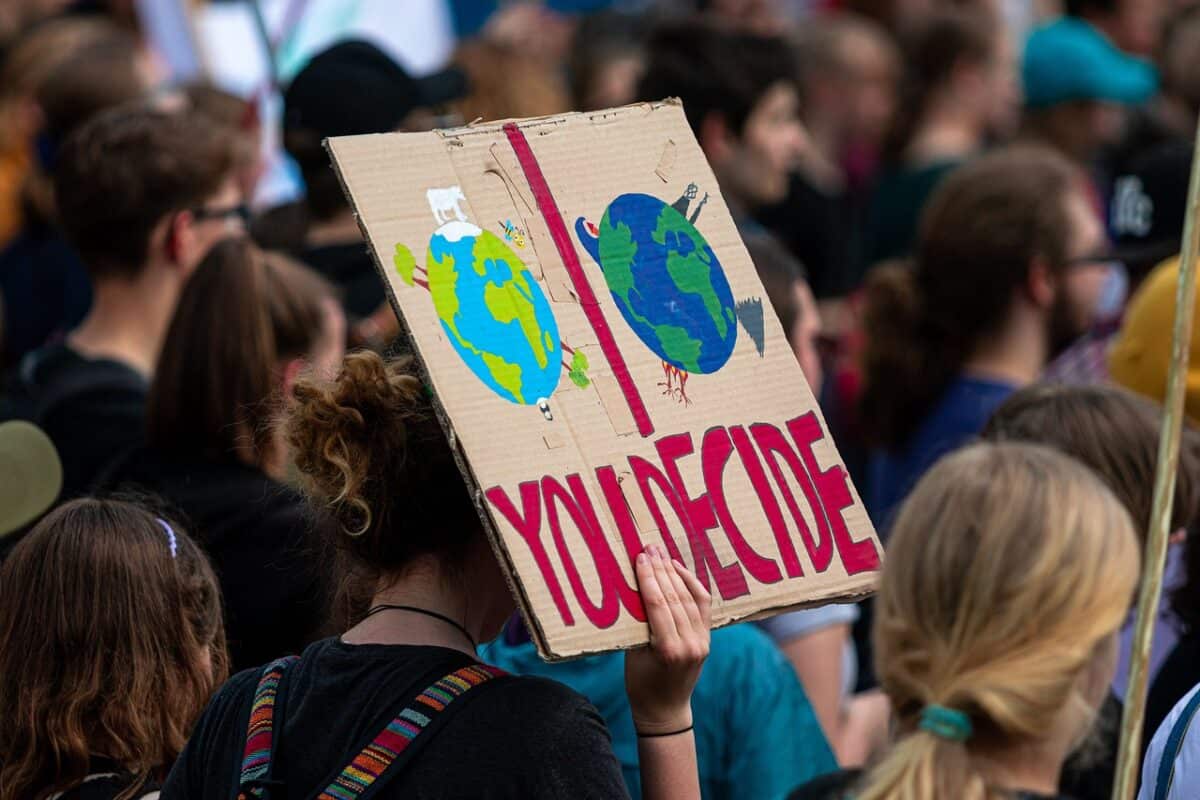
Some critics argue that climate policies disproportionately impact lower-income communities and developing countries. Solutions must be fair and practical, ensuring that all nations and economic classes can adapt without severe hardship.
Encouraging Constructive Dialogue

Labeling people as “deniers” often shuts down discussion. It is more productive to address concerns with evidence and engage in meaningful conversations. Finding common ground on practical solutions can lead to better policies and broader public support.
Conclusion

The debate over climate change is not as simple as believers versus deniers. Many people who question certain aspects of climate science or policy are not rejecting reality but seeking clarity, fairness, or practical solutions. Constructive dialogue, backed by scientific evidence and realistic policies, is the best path forward in addressing this global challenge.

- The Perfect Pet for Each Zodiac Sign - July 7, 2026
- The Wild Animal That Embodies Your Zodiac Sign’s Spirit - July 6, 2026
- 7 Steps to Planting Admirably Beautiful Bluebonnets - July 6, 2026