

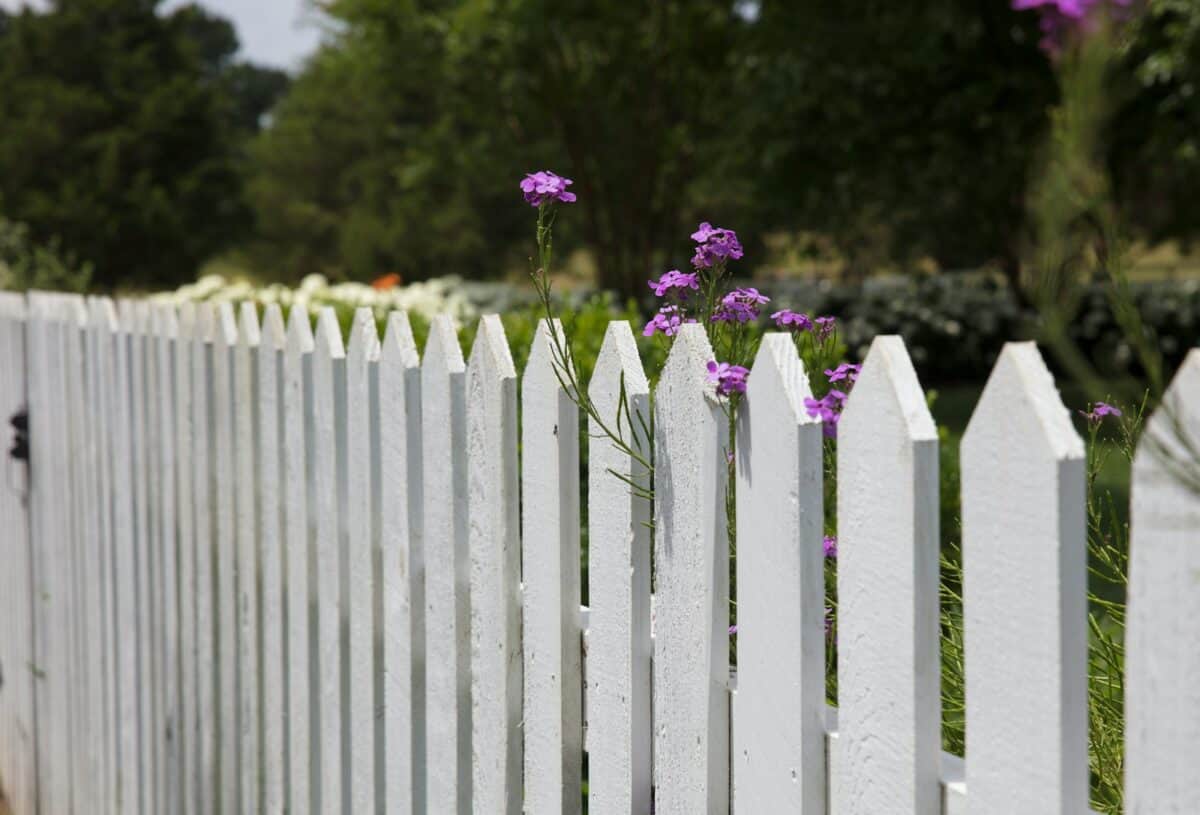
Pollinators are essential to our ecosystem, playing a critical role in the reproduction of many plants, including those that make up a substantial portion of our diet. Unfortunately, their populations have been declining due to habitat loss, pesticide exposure, and climate change. By transforming your garden into a sanctuary for these vital creatures, you can contribute to their conservation efforts and enjoy the delightful presence of buzzing bees, fluttering butterflies, and other pollinators. This guide will walk you through practical steps to create a haven for pollinators in your garden.
Understand the Role of Pollinators
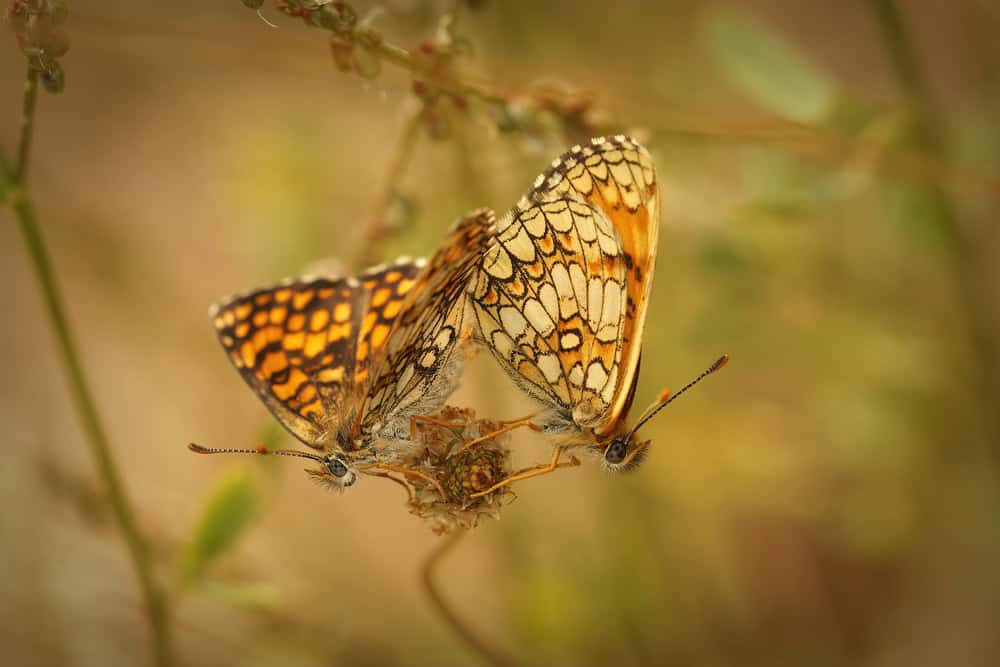
Pollinators, such as bees, butterflies, moths, birds, and bats, are responsible for transferring pollen from one flower to another, thereby facilitating plant reproduction. This process is crucial not only for the survival of many plants but also for the production of fruits and seeds that sustain other wildlife. Understanding their role emphasizes why it’s essential to support their habitats.
Choose Native Flowers
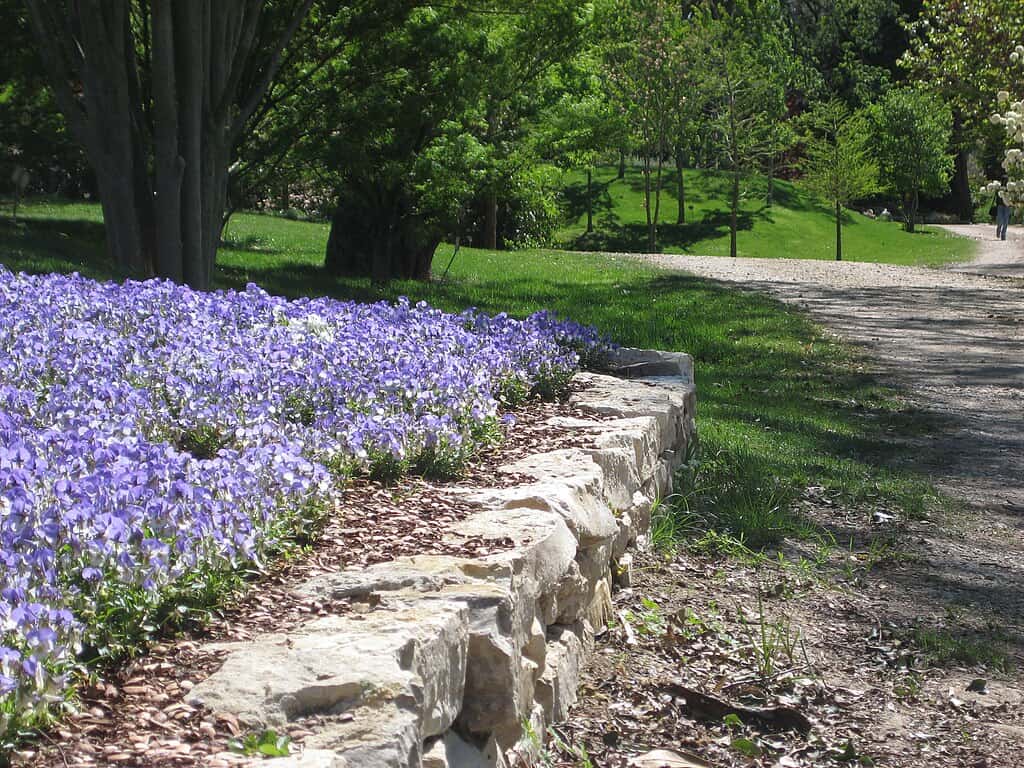
Native plants are adapted to the local soil and climate conditions, making them an ideal choice for creating a pollinator-friendly garden. They provide the nectar and pollen that native pollinators rely on. When selecting plants, aim for a variety of species that offer blooms from early spring through late fall to ensure a continuous food source.
Create a Diverse Plant Layout

Diverse plantings support a wide range of pollinators. By including plants of different shapes, colors, and bloom times, you attract a broader variety of bees and butterflies. Arrange them in clusters to make it easier for pollinators to access multiple flowers in one visit.
Provide Shelter

Pollinators need more than food; they also need shelter to rest, nest, and overwinter. Incorporate features like trees, shrubs, and dead wood in your garden. You can also install bee hotels or leave undisturbed patches of bare soil for ground-nesting bees.
Avoid Pesticides

Pesticides can be detrimental to pollinators, even those labeled as natural or organic. Avoid using them entirely or choose non-chemical alternatives for pest control. Consider IPM (Integrated Pest Management) strategies that emphasize preventative steps and use chemicals only as a last resort.
Provide Water Sources

Like all animals, pollinators need water to thrive. You can help by adding shallow dishes with water or birdbaths to your garden. Add small stones or sticks to the water sources to give pollinators a place to land and drink safely.
Incorporate a Variety of Colors

Pollinators are attracted to different colors. For example, bees are drawn to blue and violet, while hummingbirds prefer red and orange. By incorporating a variety of vibrant colors in the garden, you can cater to the preferences of different pollinators.
Create Habitat Borders

Consider planting hedges or installing fences around your garden to create a sheltered area. These borders can protect weaker pollinators from wind and provide additional nesting sites.
Include Host Plants for Butterflies
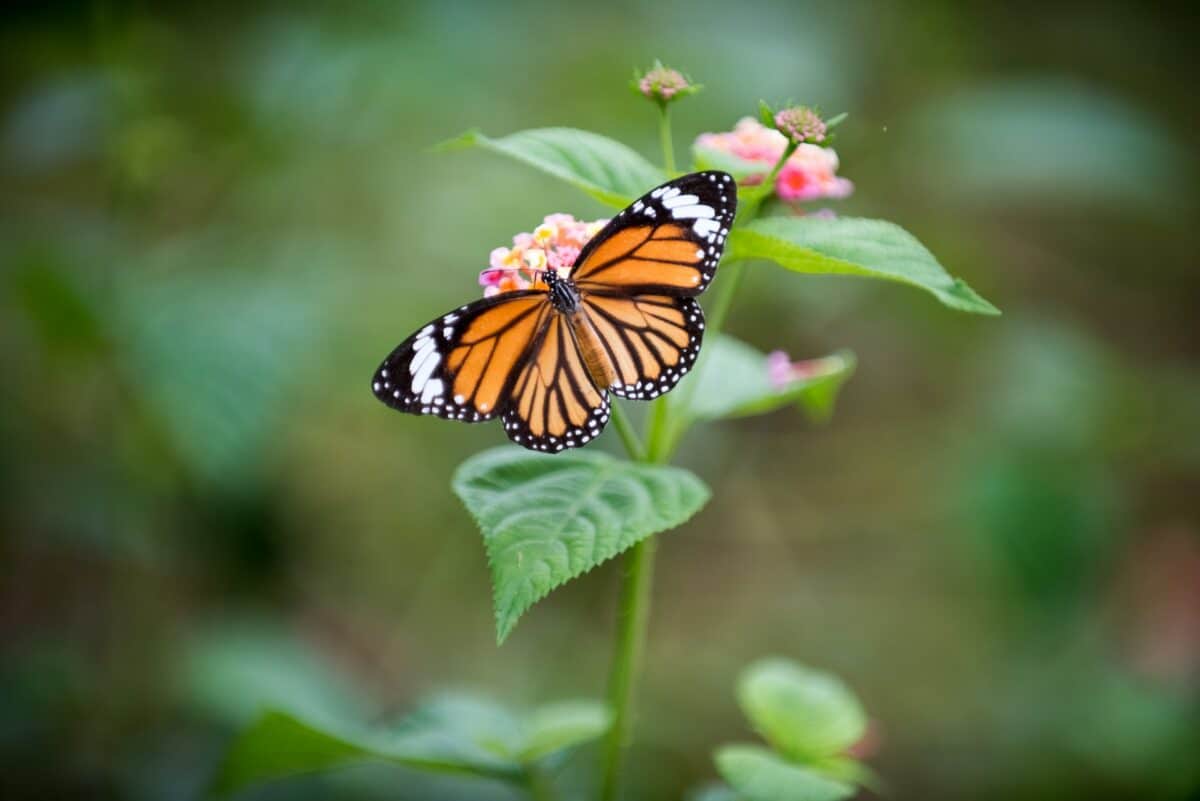
Butterflies need specific host plants to lay their eggs and for caterpillars to feed on. Research which butterflies are native to your area and plant their preferred host plants, such as milkweed for monarchs, to support their complete lifecycle.
Practice Sustainable Gardening
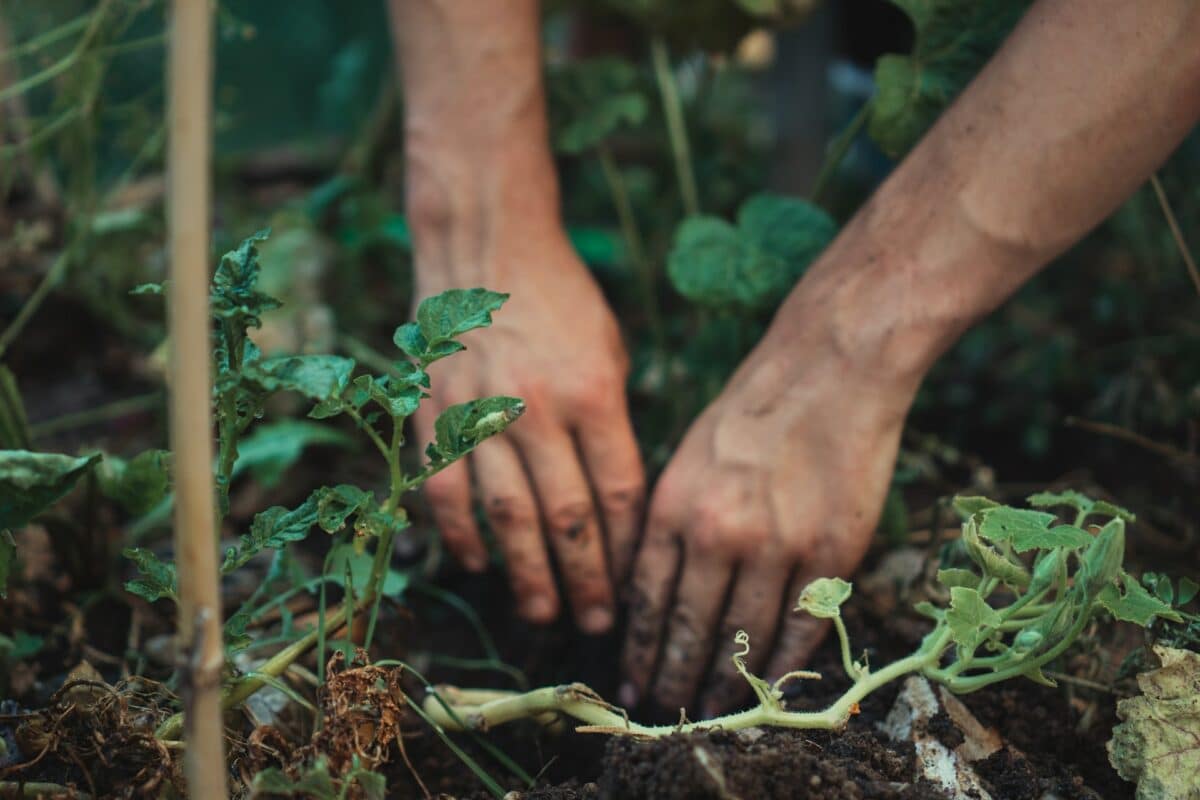
Sustainable gardening practices, such as composting, rainwater harvesting, and using organic fertilizers, improve the health of your garden and its suitability for pollinators. These methods also reduce the environmental footprint of your gardening activities.
Engage with the Community

Transforming your neighborhood into a pollinator-friendly haven can have amplified benefits. Share your experiences, plant swaps, and knowledge with your community to promote collective action. Consider starting a local initiative or joining existing networks dedicated to pollinator conservation.
Monitor and Adapt

Keep an eye on which pollinators visit your garden and the plants they prefer. This awareness allows you to make informed adjustments to your garden layout and plant selection, ensuring ongoing support for a diverse pollinator community.
Conclusion

Creating a haven for pollinators in your garden is a rewarding endeavor that benefits both the environment and your local ecosystem. By planting a variety of native flowers, providing essential resources like water and shelter, and avoiding harmful chemicals, you become a steward of the land, enhancing biodiversity and ensuring the survival of these vital species. Each small effort counts and, together, we can create a patchwork of pollinator-friendly spaces across our communities.

As a little kid, I fell in love with nature, wildlife, and animals. Living in the USA, South Africa, Italy, China and Germany gave me the opportunity to discover the world's Wildlife. My favorite animals are Mountain Gorillas, Siberian Tigers, and Great White Sharks.
I'm a certified PADI Open Water Diver, went to Everest Base Camp and Trekked Gorillas in Uganda. I hold a Master of Science in Economics and Finance.
Please send any feedback to feedback@animalsaroundtheglobe.com
- 10 Most Unique Reptiles You will See in the US - July 21, 2026
- 3 Dangerous Invasive Species the USA Must Eradicate - July 21, 2026
- 10 Things That Calm Cats And 4 That Make Them Nervous - July 21, 2026