


When it comes to the sense of hearing, humans might consider themselves quite adept, but there is a fascinating world of auditory perception beyond our grasp. Many animals have evolved to hear frequencies and sounds that are completely imperceptible to us. This heightened sense allows them to navigate their environments, communicate, and survive in ways we can only imagine. In this article, we will delve into the extraordinary world of animal hearing, exploring ten remarkable creatures with auditory abilities that far surpass our own.
The Mighty Elephant Low-Frequency Listening

Elephants are known for their grandeur, but their auditory abilities are equally impressive. These majestic creatures can hear sounds at frequencies as low as 14 to 16 Hz, which are below the range of human hearing. This ability allows elephants to communicate over long distances using infrasound, vibrations that can travel through the ground and air. This is crucial for maintaining social bonds and warning each other of potential dangers.
Bats and Their Sonar Vision
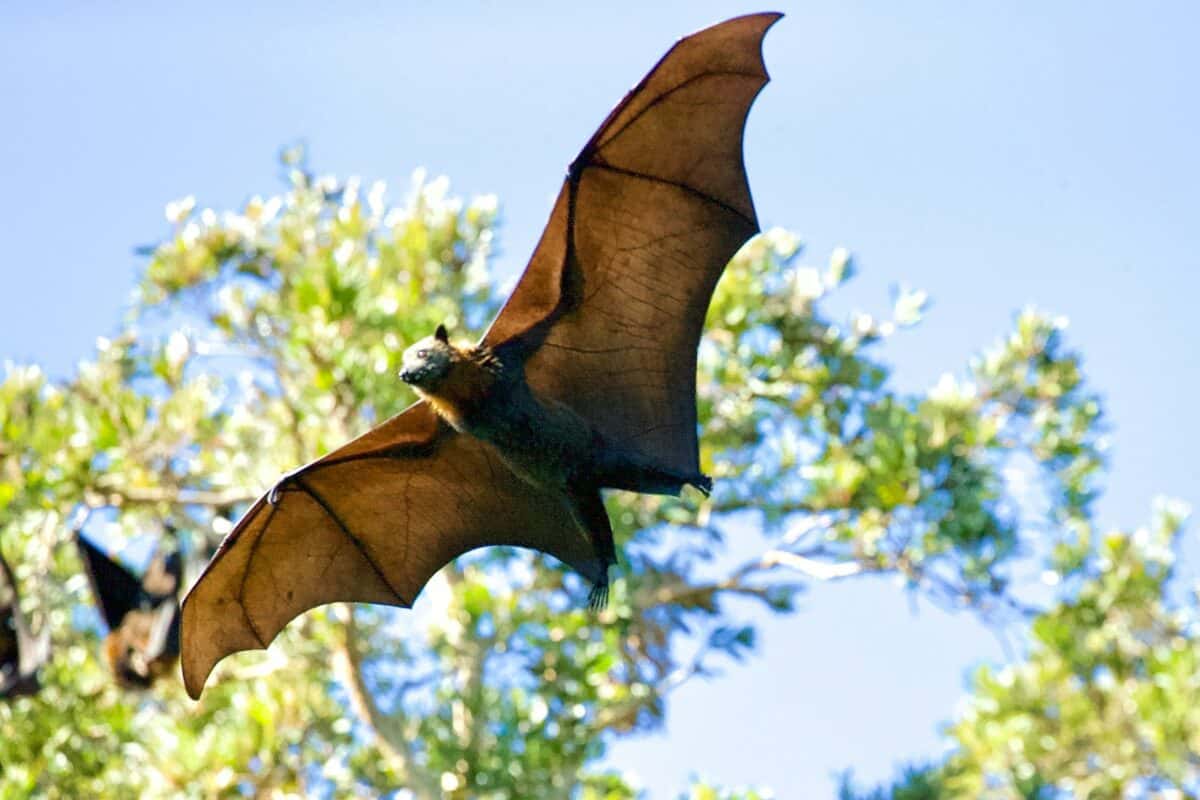
Bats are perhaps the most famous example of creatures with extraordinary hearing. They use echolocation to navigate and hunt in complete darkness. Their ability to emit high-pitched sounds and interpret the returning echoes allows them to detect obstacles and prey with remarkable precision. Bats can hear ultrasonic frequencies ranging from 20 kHz to 200 kHz, well beyond human capability.
Dolphins The Masters of Echolocation

Dolphins are social marine animals with a sophisticated sense of hearing. They employ echolocation, similar to bats, which enables them to detect objects and determine their size, shape, and distance underwater. Dolphins produce sounds in frequencies ranging from 40 kHz to 150 kHz, far exceeding the human auditory range. This ability is instrumental for hunting and communication in the vast ocean.
The Keen-Eared Owl

Owls are superb nighttime hunters, thanks in part to their exceptional hearing. They can detect the slightest rustling of prey in the dark due to their ability to hear sounds in an enhanced range above human capabilities. Owls have asymmetrical ear placement on their heads, aiding sound localization and allowing them to pinpoint the exact location of their prey even without visual cues.
Dogs Beyond Human Hearing

It’s no surprise that dogs, with their acute hearing, are widely used in search and rescue missions. Dogs can hear higher frequencies than humans, between 40 Hz and 60 kHz. This enables them to pick up on sounds that are completely inaudible to us, which is why they often react to things we can’t perceive. Their sensitivity to sound is a crucial part of their adaptation to both hunting and domesticated living.
Owning the Night The Moth’s Predicament

While moths may not seem like creatures equipped with advanced hearing, their ability to detect ultrasonic frequencies makes them vital in evading predators, particularly bats. Moths can hear sounds up to 300 kHz, allowing them to react quickly and avoid echolocating bats, a primary threat. This adaptation highlights the evolutionary arms race between predators and prey in the natural world.
The Subsonic Sensing of Whales

Many species of whales possess an extraordinary capacity to hear low-frequency sounds, such as the blue whale, which can communicate across entire oceans using these subsonic vibrations. These sound waves travel vast distances underwater, aiding in navigation, foraging, and social interactions. Whales’ reliance on sound is akin to a map and a language that spans thousands of miles.
Cats Evolved Eavesdroppers

Domestic cats have auditory abilities tuned to detect small, fast-moving prey. They can detect frequencies from 48 Hz up to 85 kHz. This heightened sense of hearing helps them discern the tiniest rustle of a rodent, giving cats an advantage in hunting. Their ear structures move independently, which enhances their ability to localize sound.
The Cricket’s High-Frequency World
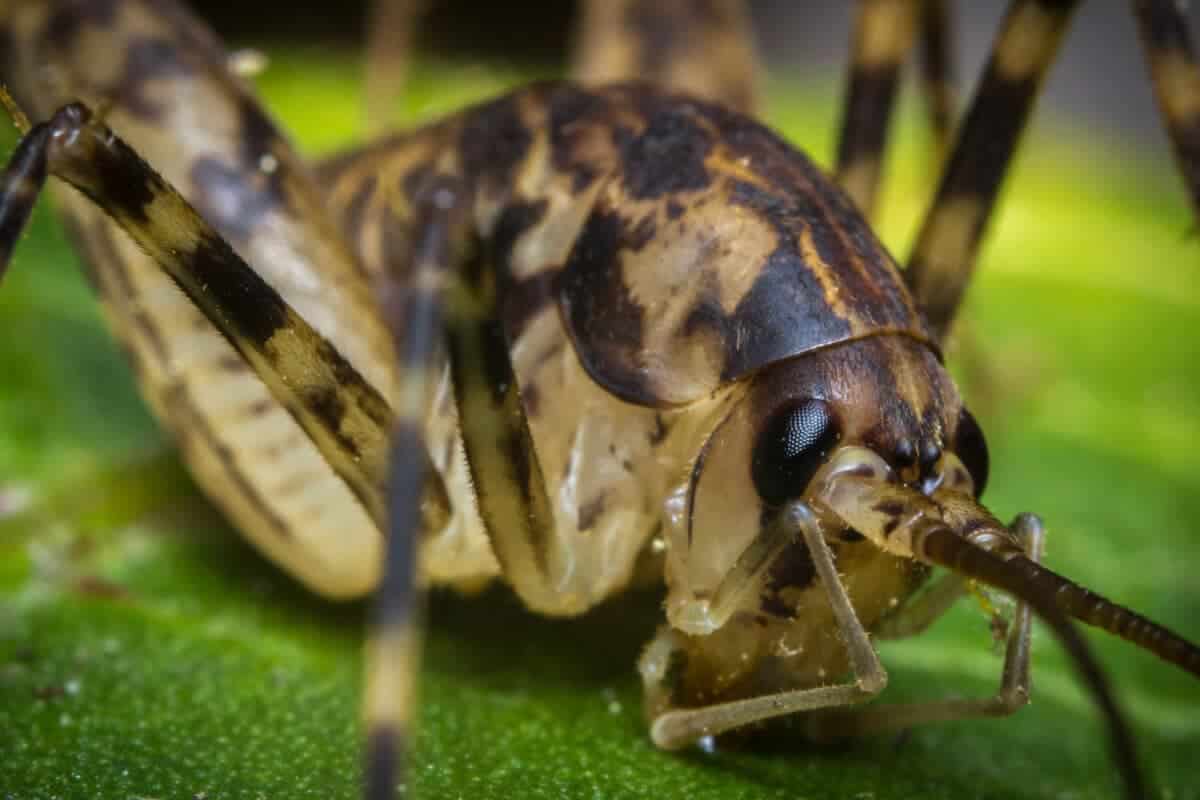
Crickets are more than just background noise in a summer evening’s soundscape; they have an impressive ability to perceive sound. While primarily known for their loud chirping, male crickets produce these sounds to attract females, who can hear these high frequencies that many other animals cannot. This selective hearing plays a vital role in mating rituals and ensuring the continuation of their species.
Frogs Calling Across the Ecosystem

Frogs use their hearing to communicate and attract mates, often in bustling, noisy environments. They can hear both in the air and underwater, with some species perceiving sound vibrations up to 100 kHz. This capacity allows frogs to thrive in various habitats, from rainforests to ponds, and plays a crucial role in their survival and reproduction.
Conclusion: The Unseen Symphony of Nature

The world of animal hearing offers a fascinating glimpse into the diverse adaptations of the natural world. These ten animals exemplify the myriad ways creatures have evolved to interpret and exploit sound for survival. While humans may never experience these auditory wonders, understanding them enriches our appreciation of wildlife and their unique adaptations. The study of animal hearing not only reveals the complexities of natural ecosystems but also inspires advancements in our own auditory technology. Let these remarkable listeners remind us of the intricate symphony of life that plays out, often unheard, all around us.

As a little kid, I fell in love with nature, wildlife, and animals. Living in the USA, South Africa, Italy, China and Germany gave me the opportunity to discover the world's Wildlife. My favorite animals are Mountain Gorillas, Siberian Tigers, and Great White Sharks.
I'm a certified PADI Open Water Diver, went to Everest Base Camp and Trekked Gorillas in Uganda. I hold a Master of Science in Economics and Finance.
Please send any feedback to feedback@animalsaroundtheglobe.com
- 10 Times Nature Disrupted Major Events - July 26, 2026
- 11 Sharks So Strange You’d Think They’re Mythical - July 26, 2026
- 12 Dog Breeds That Hate Being Alone - July 26, 2026