

Surviving in cold environments is no small feat. Just as humans bundle up in layers of clothing to brave plunging temperatures, some animals have developed extraordinary adaptations to endure extreme cold. From the way they look to how they behave, these magnificent creatures offer insights into the wonders of evolution. Join us as we explore the fascinating worlds of the seven most unusual animals that thrive in freezing temperatures.
Emperor Penguin Masters of Ice

Emperor penguins are the only penguin species that breed during the frigid Antarctic winter. Their thick layer of fat and densely packed feathers provide essential insulation. Additionally, they huddle together to conserve heat, with each penguin taking turns on the outside of the group where it’s coldest. This cooperative behavior is a spectacular survival strategy.
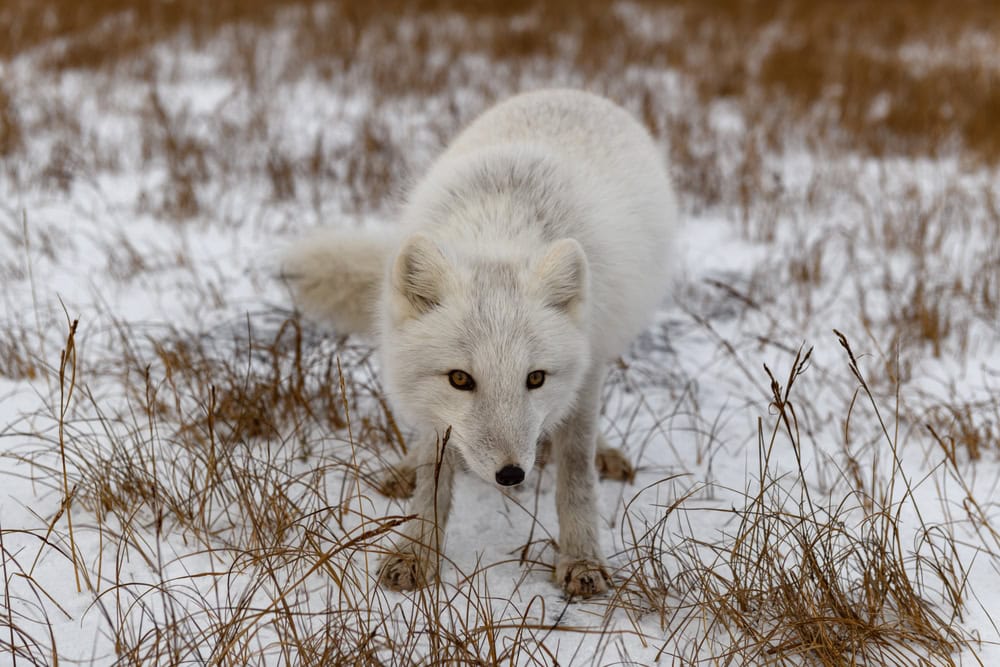
Arctic Fox The Frozen Wilderness Survivor

The Arctic fox, with its iconic white winter coat, is perfectly adapted to life in a snow-covered landscape. This dense fur not only provides warmth but also aids in camouflage against the snow. Interestingly, the fox’s coat changes color with the seasons, turning brown or grey in the summer to blend into the tundra.
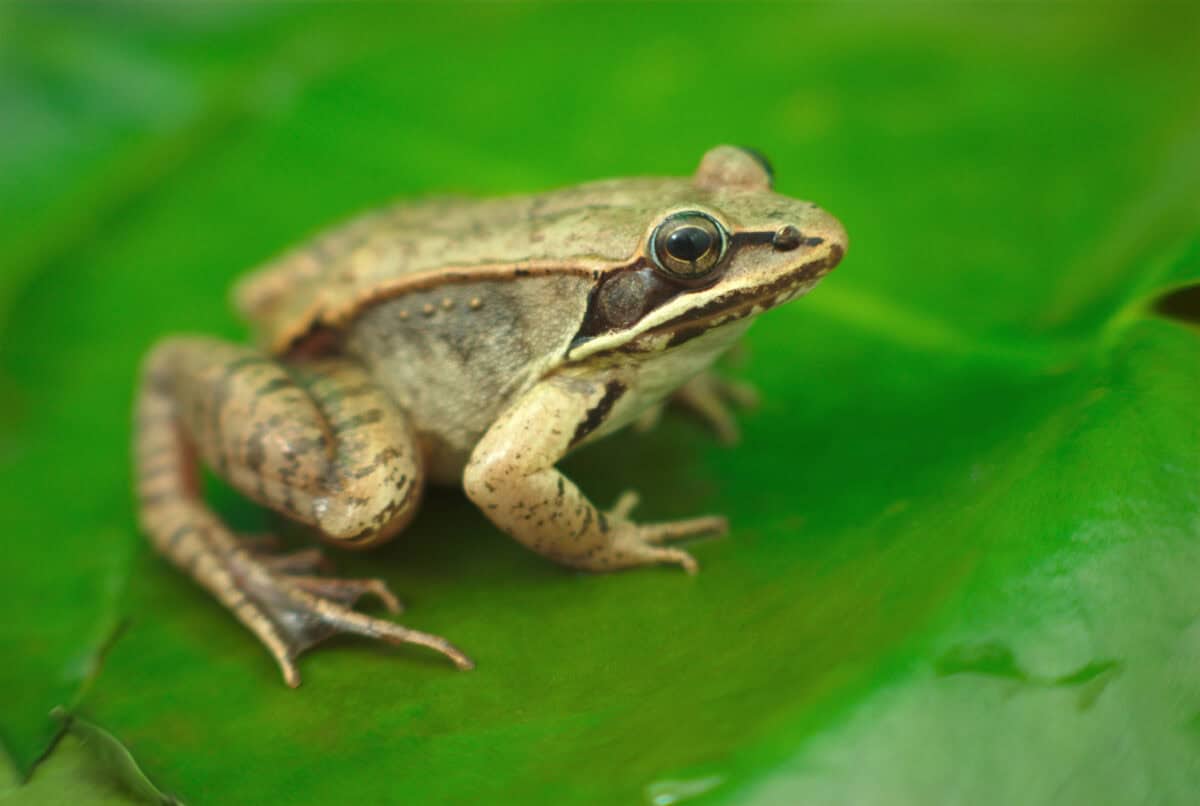
Wood Frog The Ice Covered Amphibian
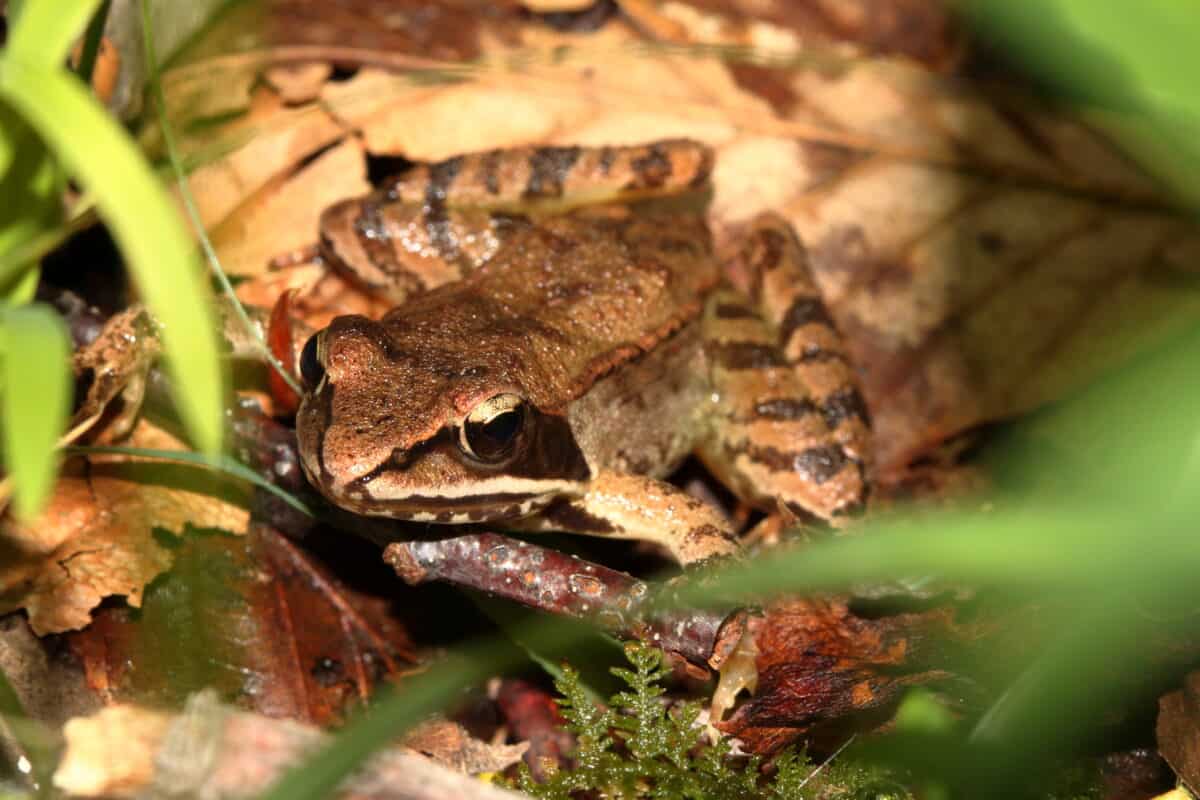
The wood frog has a fascinating adaptation that allows it to survive being frozen solid. During winter, this amphibian’s heart stops, and up to 70% of its body freezes. As temperatures warm, it thaws and returns to normal activities, a process made possible by special proteins and sugars in its body that prevent ice crystals from damaging tissues.
Polar Bear The Arctic Giant
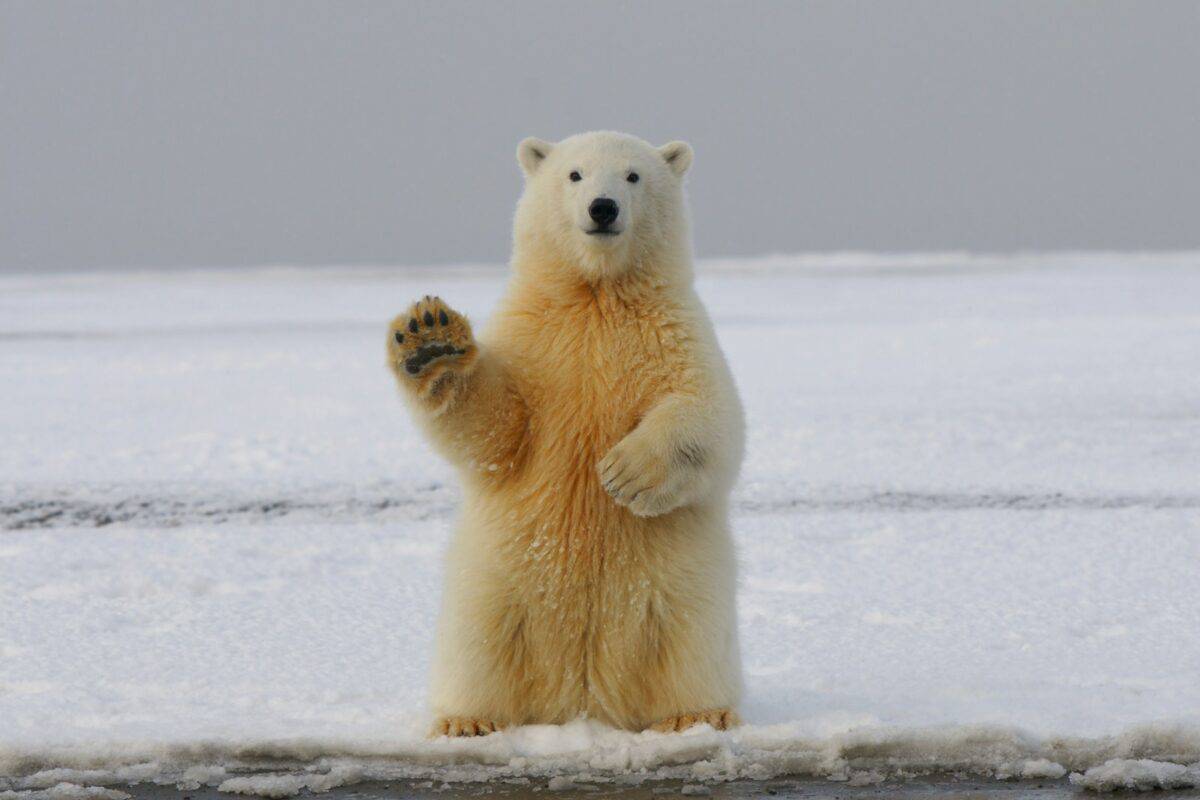
Polar bears are incredibly well-equipped to withstand the harsh Arctic environment. Their black skin, beneath a thick layer of translucent fur, absorbs heat from the sun. Under their skin, a layer of blubber provides additional insulation against the cold. These apex predators are exceptional swimmers, using this ability to hunt for seals on ice fields.
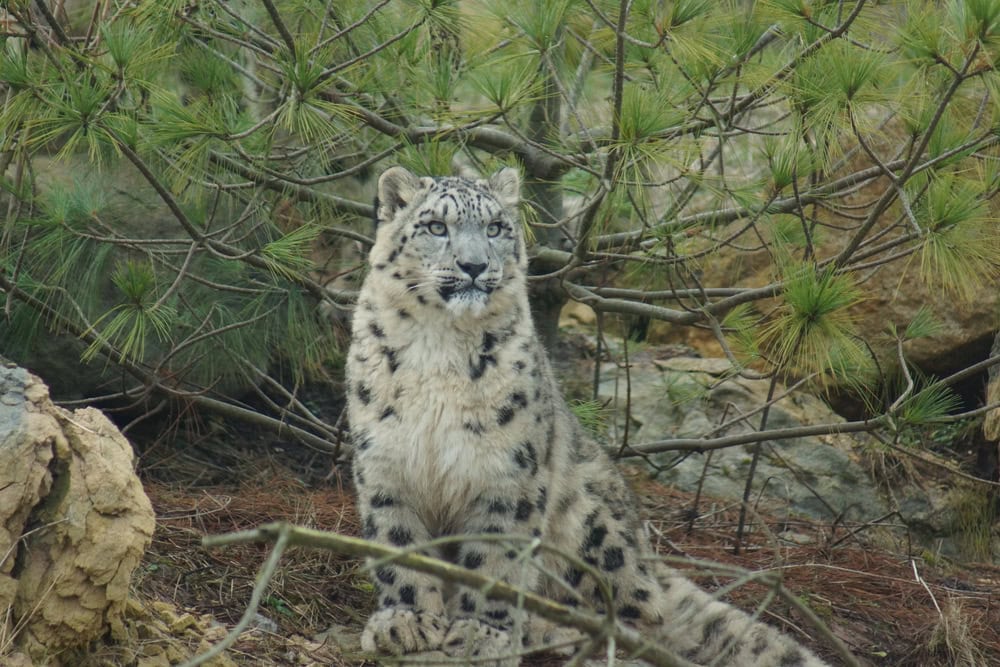
Snow Leopard The Mountain Phantom

Known as the “ghost of the mountains,” snow leopards inhabit the cold, rugged areas of Central and South Asia. Their thick fur and wide feet allow them to move quietly and gracefully on snowy terrain. Their long tail provides balance and acts as a wrap for extra warmth while resting.
Tardigrade The Indestructible Microbe
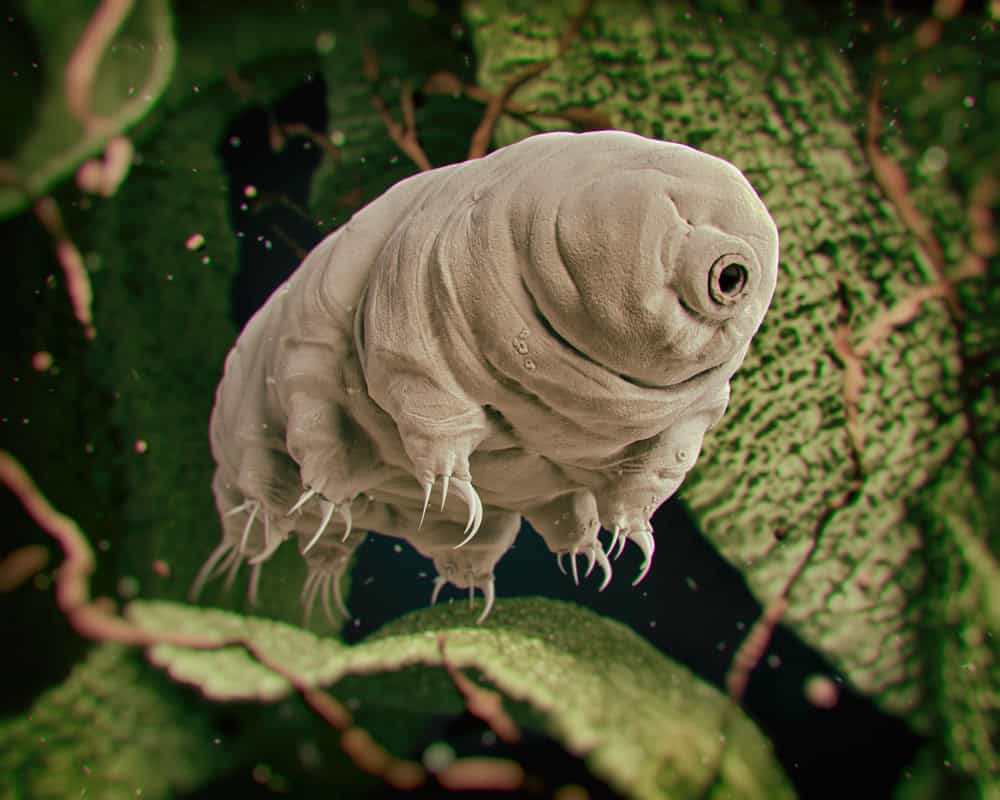
Tardigrades, or water bears, are microscopic creatures renowned for their resilience. They can survive extreme environments, including freezing temperatures. When conditions become unlivable, they enter a state called cryptobiosis, suspending their biological processes. Remarkably, they can endure this state for years before rehydrating and resuming normal activities when conditions improve.
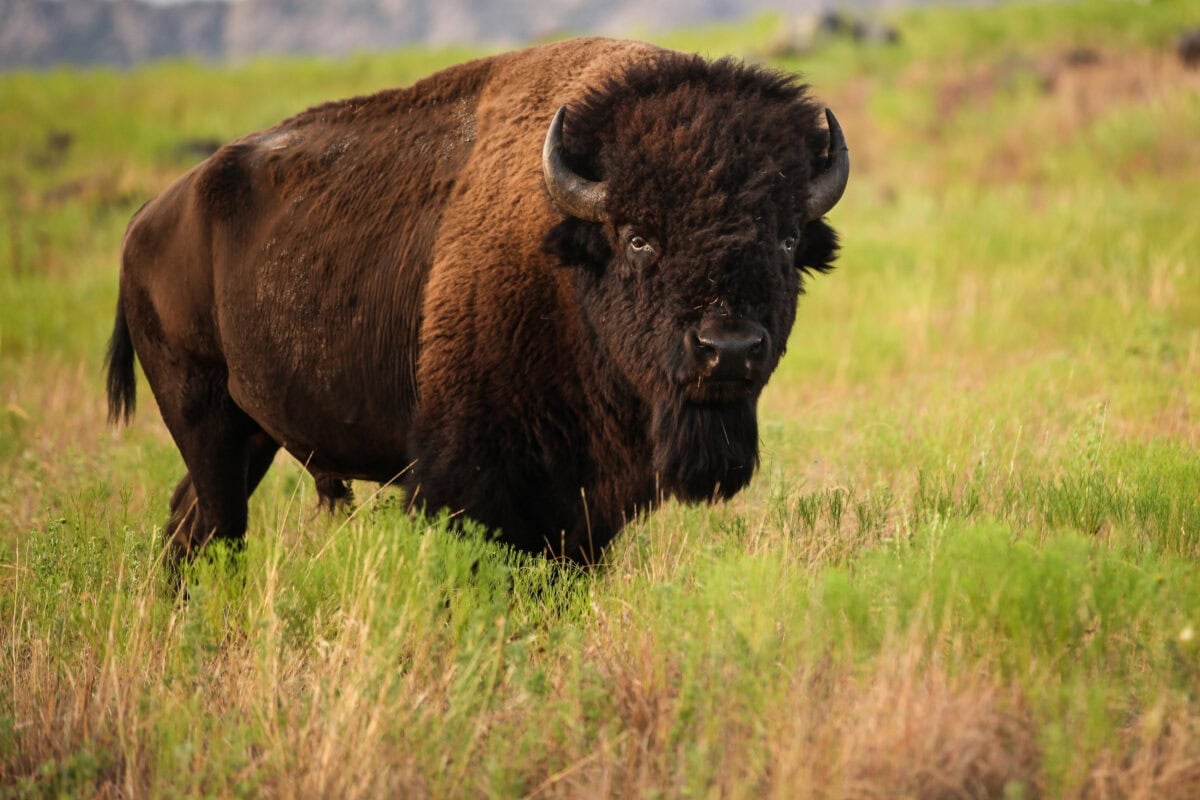
Bison The Great Plains Wanderers

American bison are remarkably well-suited to the cold environments of the North American plains. Their thick, shaggy coats provide superb insulation. Unlike other grazing animals, bison have the unique ability to find food in the snow, using their massive heads to plow through it to reach the grasses underneath.
Adaptations Nature Ingenious Solutions
These animals exhibit a range of physiological and behavioral adaptations that enable them to survive in frigid climates. From specialized body structures to unique behavioral patterns, each species showcases evolution’s creativity in tackling environmental challenges.
Behavioral Strategies Teamwork and Solitude

While some of these animals rely on communal strategies like huddling, others depend on solitary adaptations. These behavioral choices are directly influenced by their environment and the specific challenges they face.
The Role of Camouflage
Several of these cold-weather survivors use camouflage not only for hunting but also to protect themselves from predators. The Arctic fox’s seasonal coat colors are a prime example of how effective this adaptation can be in ensuring survival.
Impact of Climate Change

As global temperatures rise, many of these animals face declining habitats and food sources. Studying their adaptations can provide critical insights into how they might cope—or struggle—in a changing climate.
The Fascination with Extreme Survivors

Understanding these remarkable animals ignites our curiosity about nature’s extremities. It challenges us to appreciate the complex balance of ecosystems and the intricate strategies life employs to persist against all odds.
Conclusion
In conclusion, the phenomenal adaptations of these seven animals illustrate nature’s ingenuity in overcoming harsh climates. By studying their survival strategies, we gain a deeper appreciation of the natural world and insights into resilience and adaptation amid changing environments. As we continue to explore and protect these creatures, we honor their role in our planet’s diverse tapestry of life.

As a little kid, I fell in love with nature, wildlife, and animals. Living in the USA, South Africa, Italy, China and Germany gave me the opportunity to discover the world's Wildlife. My favorite animals are Mountain Gorillas, Siberian Tigers, and Great White Sharks.
I'm a certified PADI Open Water Diver, went to Everest Base Camp and Trekked Gorillas in Uganda. I hold a Master of Science in Economics and Finance.
Please send any feedback to feedback@animalsaroundtheglobe.com
- 11 Most Endangered Insects Buzzing in America Today - July 22, 2026
- 10 Most Frequently Googled Animal Birth Facts - July 22, 2026
- 10 Incredible Migration Journeys in the Animal Kingdom - July 22, 2026