

Wildfires, once considered solely as destructive natural disasters, have become increasingly frequent and intense due to climate change. These fires significantly shape ecosystems and influence animal behavior, particularly migration patterns and habitat dynamics. As we delve into the intricate relationship between wildfires and wildlife, it becomes clear how these flames affect the animal kingdom in destructive and constructive ways.
The Natural Role of Wildfires in Ecosystems
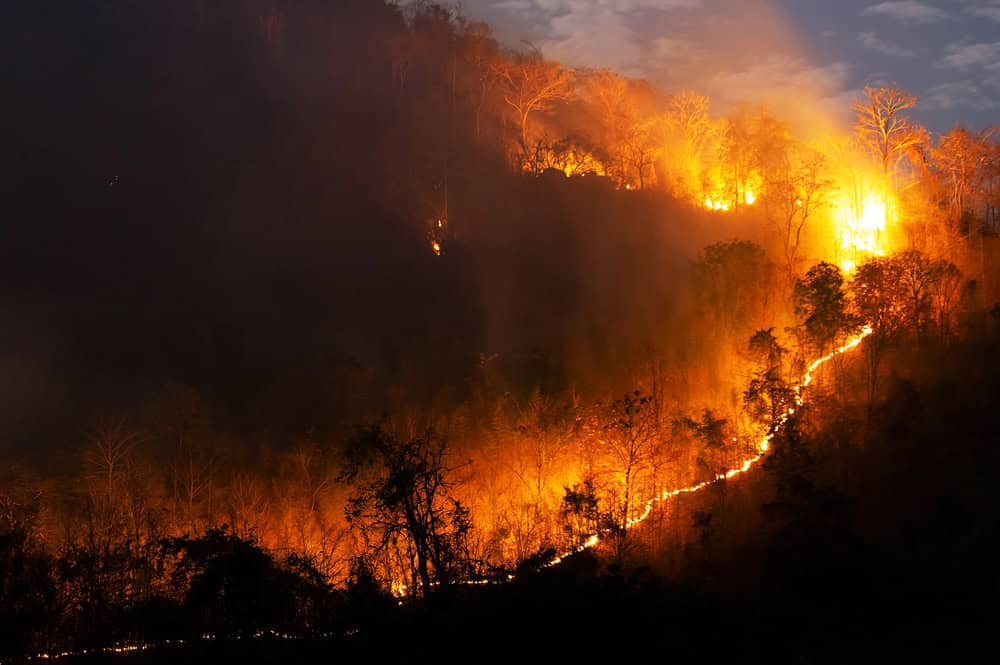
Wildfires are not exclusively modern phenomena; they have historically played a pivotal role in maintaining the health of many ecosystems. Fires can help clear out dead vegetation, open up spaces for new growth, and release nutrients back into the soil. This natural cycle promotes plant diversity, creating a variety of habitats for fauna. Some species have even adapted to thrive in fire-prone environments, showcasing nature’s resilience and adaptability.
Immediate Impacts on Animals During a Wildfire
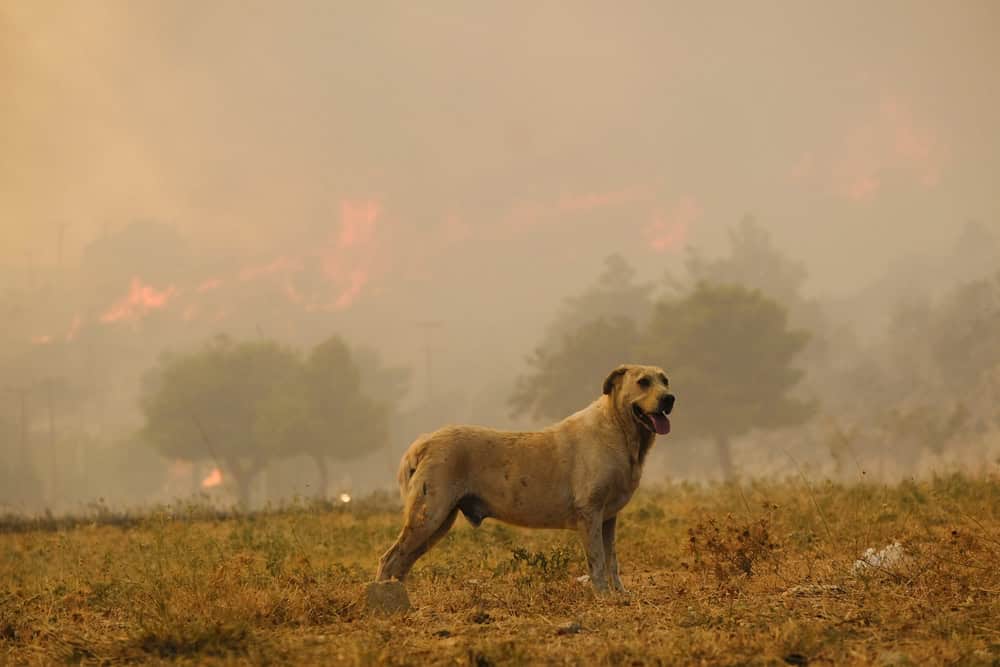
When a wildfire breaks out, the immediate concern is the survival of the local wildlife. Animals respond to the threat of fire by fleeing the affected areas. During such migrations, many species face challenges such as disorientation and increased vulnerability to predators. Some animals, however, have adapted to these emergencies with evolved behaviors, such as burrowing underground or taking flight long before the fire reaches them.
Long-Term Habitat Alterations

Post-wildfire landscapes often undergo significant transformations, altering the types of habitats available. While these changes can initially seem devastating, they often lead to a mosaic of new habitats, promoting biodiversity. Open spaces can attract different species that prefer less dense vegetation, while fresh plant growth post-fire draws herbivores, effectively changing the distribution of animal populations.
The Chain Reaction of Food Web Changes
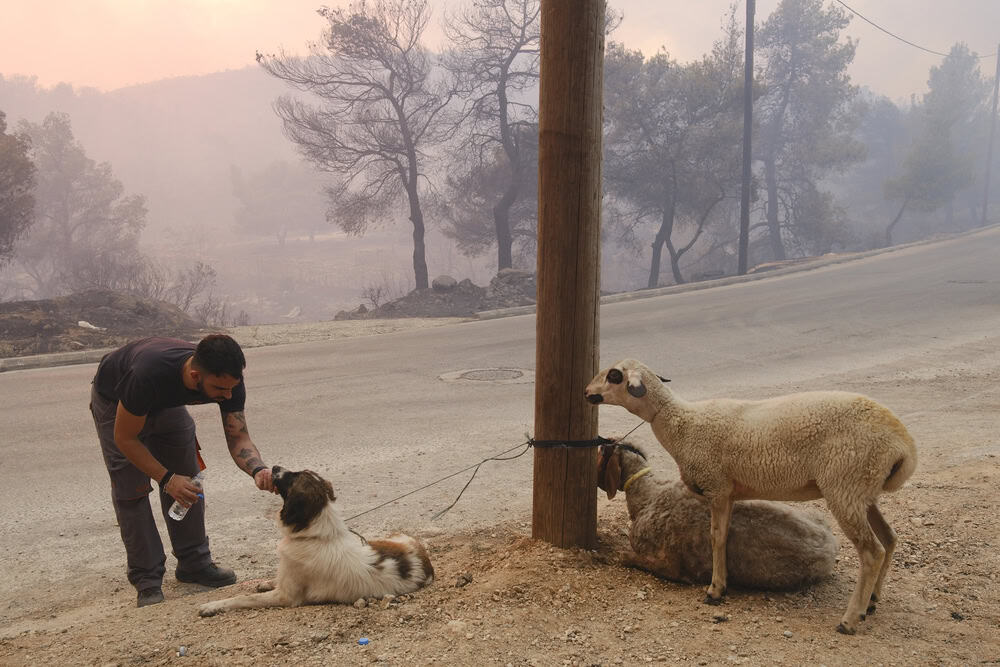
Changes in plant life due to wildfires can ripple up the food chain, impacting herbivores and their predators. As plant species composition shifts, so does the availability of food for animals reliant on specific flora. Subsequently, these shifts can lead to changes in predator-prey dynamics, necessitating further adaptations or migrations for survival.
Adaptive Behaviors and Evolution
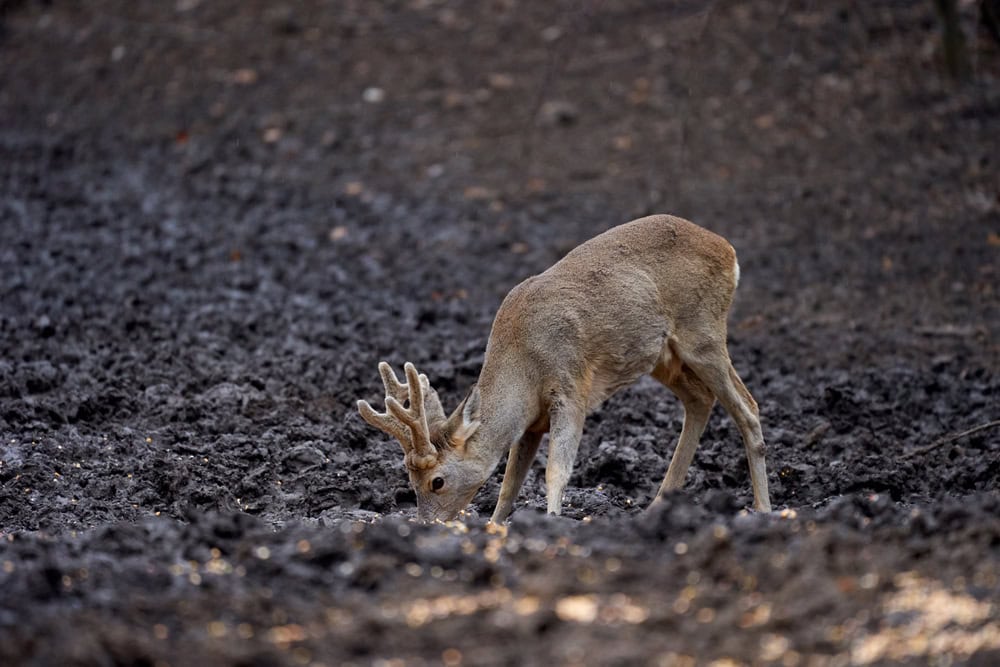
In response to recurring wildfires, many animal species have developed adaptive behaviors and physical traits that enhance their survival odds. Birds, for example, may develop longer migration routes, while some small mammals can improve their burrowing capabilities. These adaptations are crucial for thriving in frequently disturbed environments.
The Role of Wildlife Corridors
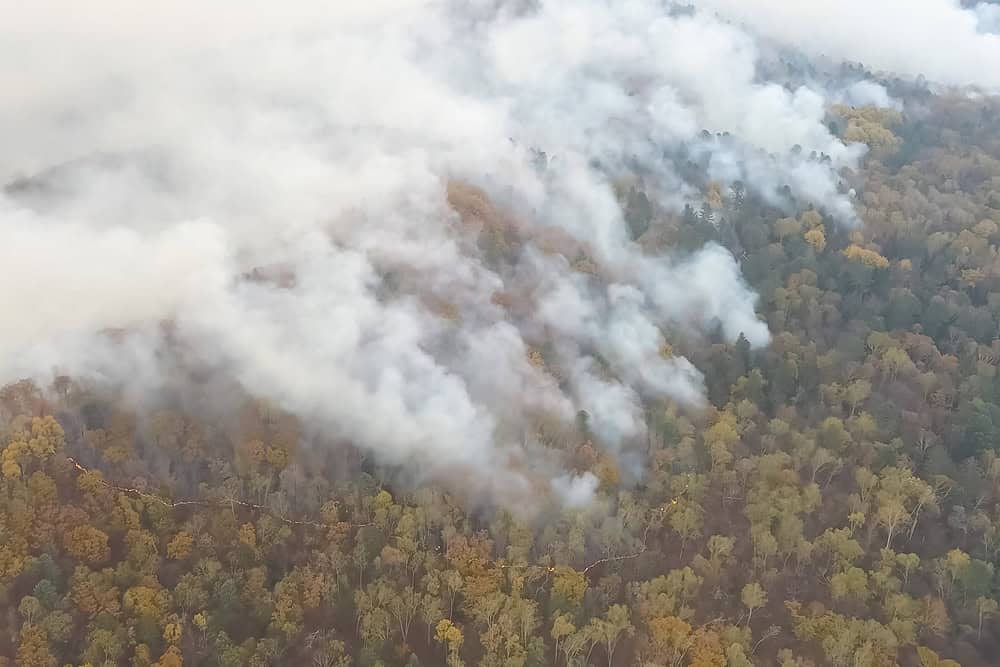
Wildlife corridors become essential in regions prone to wildfires, as they offer pathways for safe passage during migrations. These corridors help maintain biodiversity by connecting fragmented habitats, allowing animals to move freely and find new homes when their original habitats become uninhabitable post-fire.
Climate Change: Intensifying Wildfire Impact

With climate change contributing to more frequent and severe wildfires, the impact on animal migration and habitats is exacerbated. Rising temperatures and prolonged dry spells increase the likelihood of fires, leading to larger areas being affected and more profound habitat transformations over shorter periods.
Recovery and Regeneration of Habitats
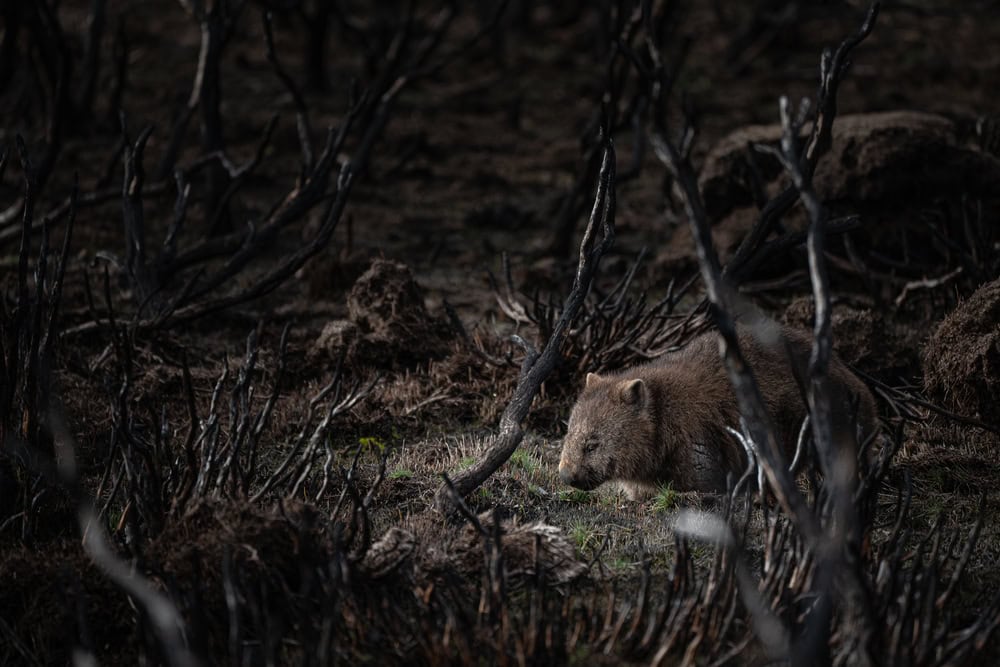
The natural world has an impressive capacity to recover from wildfires. In many ecosystems, regeneration begins almost immediately after a fire. Some plant species are pyrophytic, meaning they require fire to germinate seeds. This regeneration attracts wildlife back into the area, promoting the re-establishment of the ecosystem.
Case Studies: Wildlife Recovery Post-Wildfire

Examining specific case studies showcases how different species and ecosystems respond to wildfires. For instance, the regrowth following the Yellowstone fires of 1988 provides a model for understanding both destruction and renewal, highlighting the resilience of forests and the wildlife that call them home.
Human Intervention in Wildfire Management

Humans play a significant role in wildfire management through controlled burns, firebreak creation, and post-fire restoration efforts. These interventions aim to reduce the severity of uncontrolled wildfires while assisting in habitat restoration, thus benefiting both human and wildlife populations.
Supporting Wildlife Through Conservation Efforts

Conservation efforts focus on protecting critical habitats and corridors, conducting research to understand the needs of affected species, and involving communities in wildlife protection initiatives. These measures are pivotal in mitigating the adverse impacts of wildfires and ensuring the survival of future generations of wildlife.
Conclusion: Embracing a Balance Between Fire and Wildlife
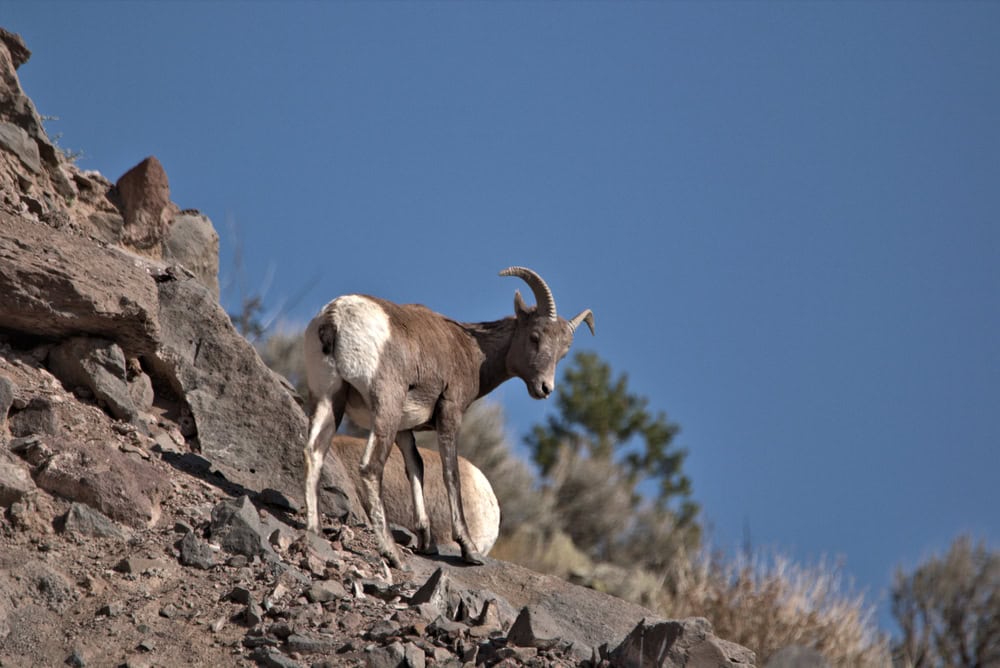
While wildfires pose a significant threat to wildlife and their habitats, they also play a crucial role in the natural cycle of many ecosystems. By understanding and respecting this intricate balance, we can better manage wildfires’ effects and support resilient ecosystems. As we continue to confront the challenges presented by climate change, embracing sustainable fire management and conservation practices will be essential in safeguarding our planet’s diverse animal life.

- The Myth Behind the Chinese Zodiac - August 5, 2026
- The Most Venomous Animal Ever Found in a U.S. Backyard - August 5, 2026
- The Jellyfish That Controls Its Prey - August 5, 2026