

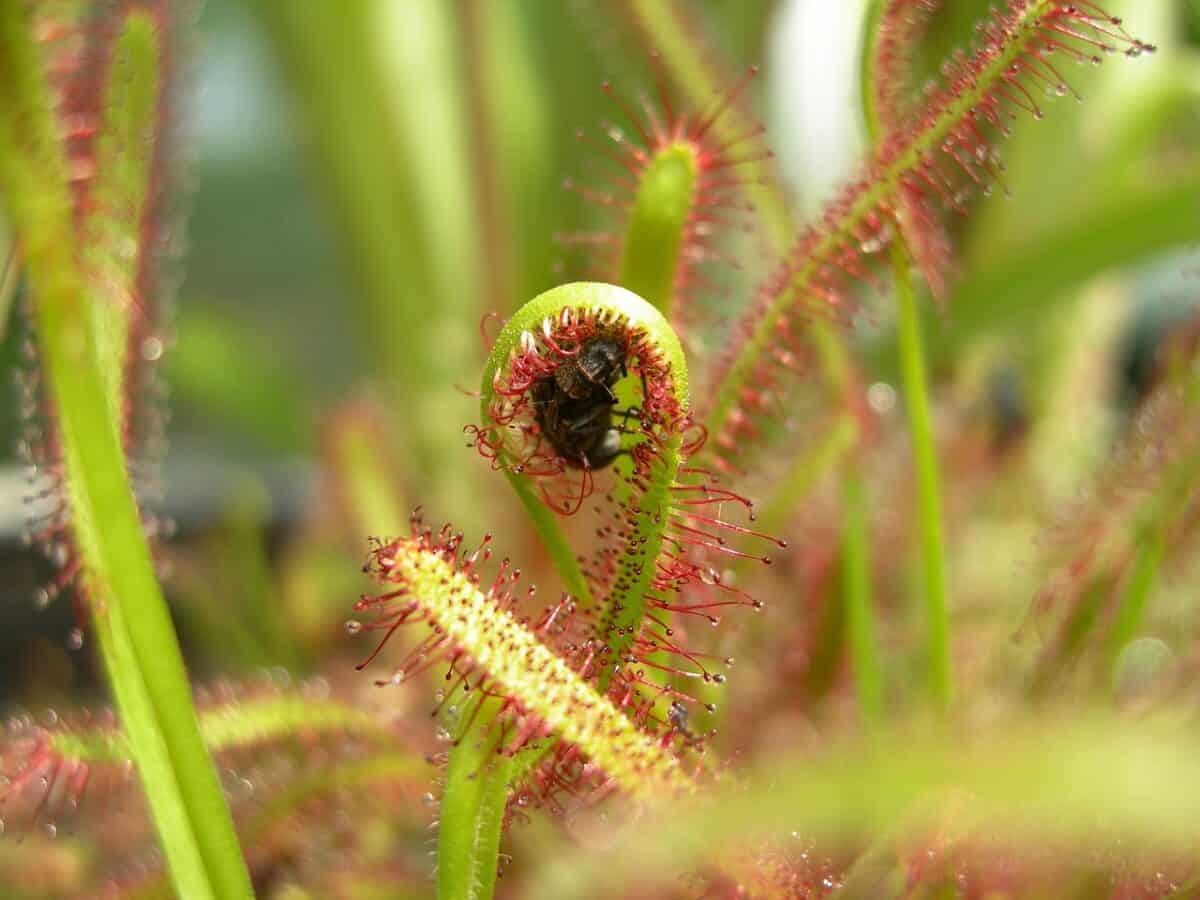
In the lush and mysterious realms of the natural world, the lines between predator and prey can blur in unexpected ways. Plants are usually seen as static, passive entities in the food chain, relying on photosynthesis to sustain themselves. However, some have adapted to a more sinister diet — one that includes unsuspecting insects. Carnivorous plants have fascinated scientists and nature enthusiasts alike for their unique adaptations. Yet, among these verdant hunters, one species has recently shocked the world by indulging in prey much larger than the average bug.
The World of Carnivorous Plants

Carnivorous plants have evolved in nutrient-poor environments, which led them to develop unique mechanisms to trap and digest insects, compensating for the lack of essential nutrients in their surroundings. This remarkable adaptation has placed them in a niche part of the plant kingdom, where they thrive in environments where most other plants would starve.
How do Carnivorous Plants Capture Prey?
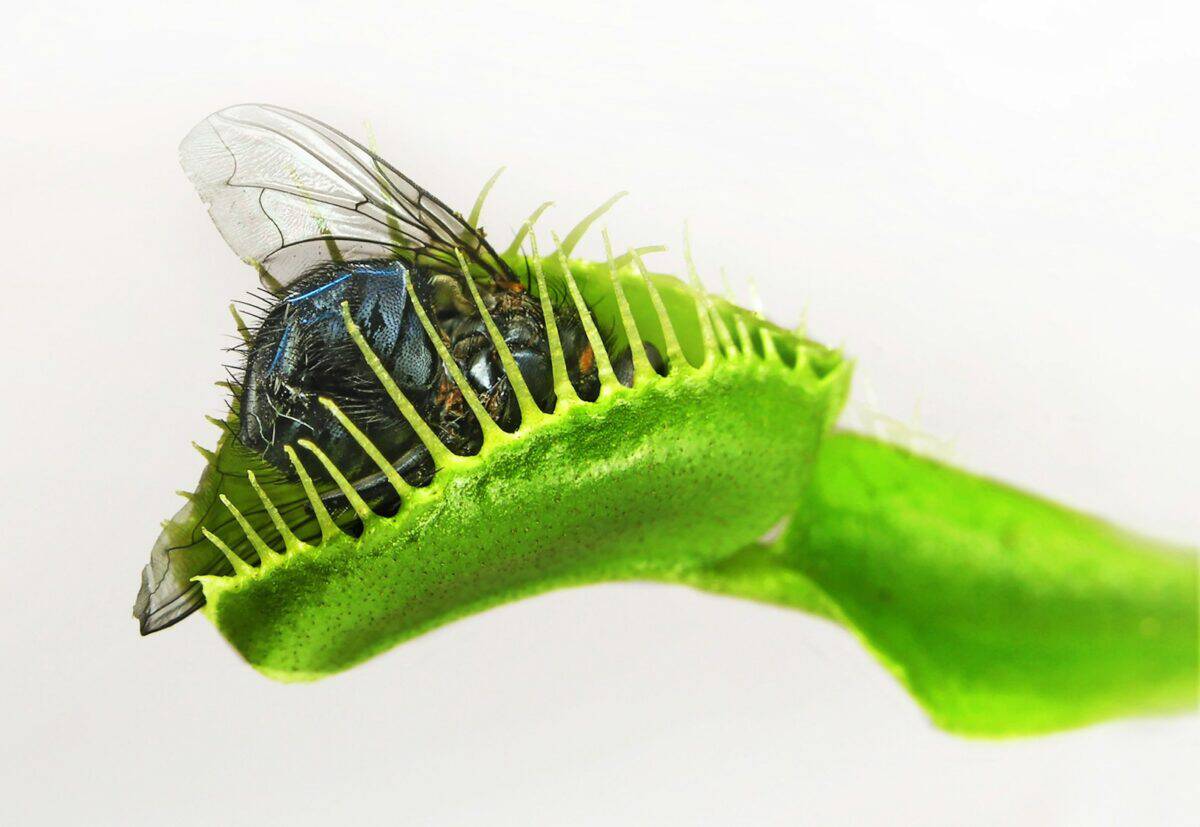
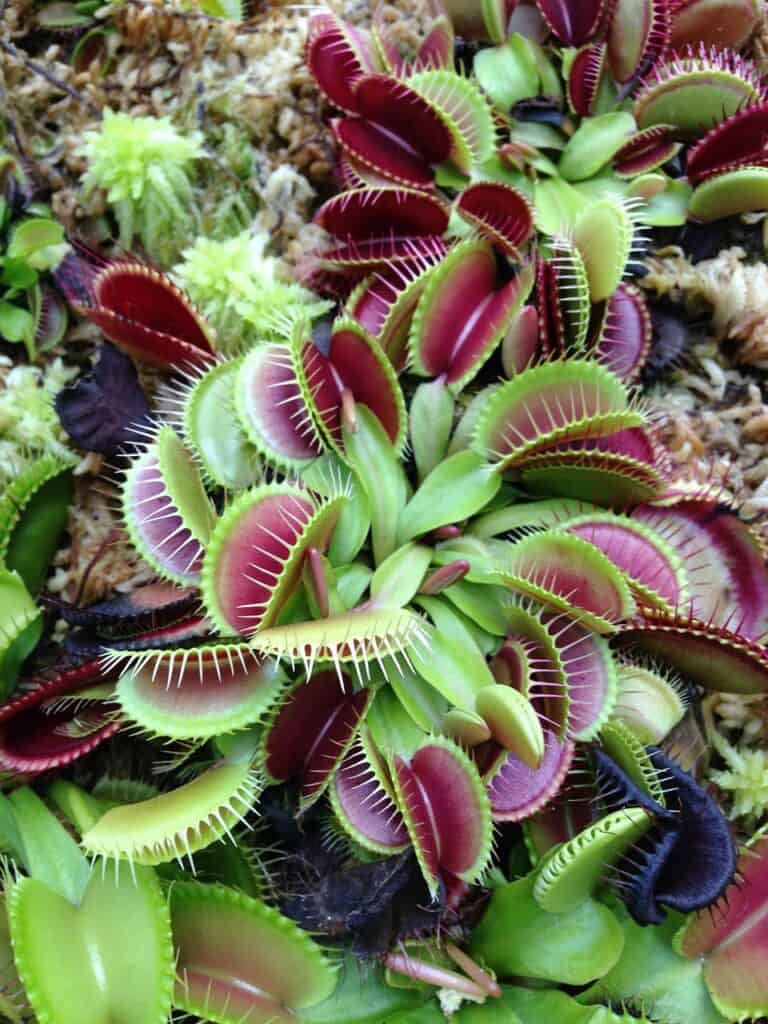
Carnivorous plants use a variety of trapping mechanisms to ensnare their prey. These include pitfall traps, which lure insects into a closed chamber, and snap traps, which close quickly upon touch. The most known examples, like the Venus Flytrap, use sensitive hair-like structures to detect movement, prompting a rapid closure of their trap.
The Usual Menu: Insects
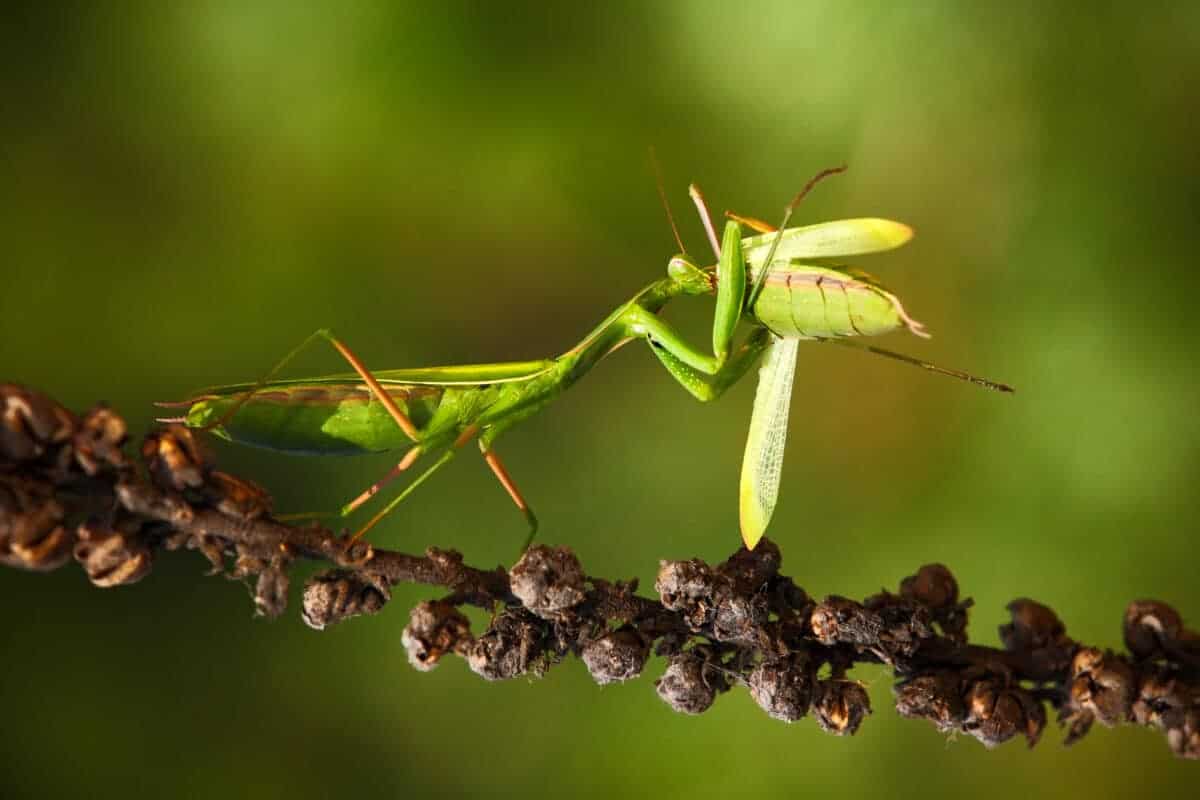
Typically, these plants feed on insects and other small arthropods. This menu provides the necessary nutrients that are scarce in their native habitats, such as nitrogen and phosphorus. The digestion of these small creatures is facilitated by specialized enzymes that break down their bodies into absorbable forms for the plant.
An Unusual Appetite: Expanded Diet
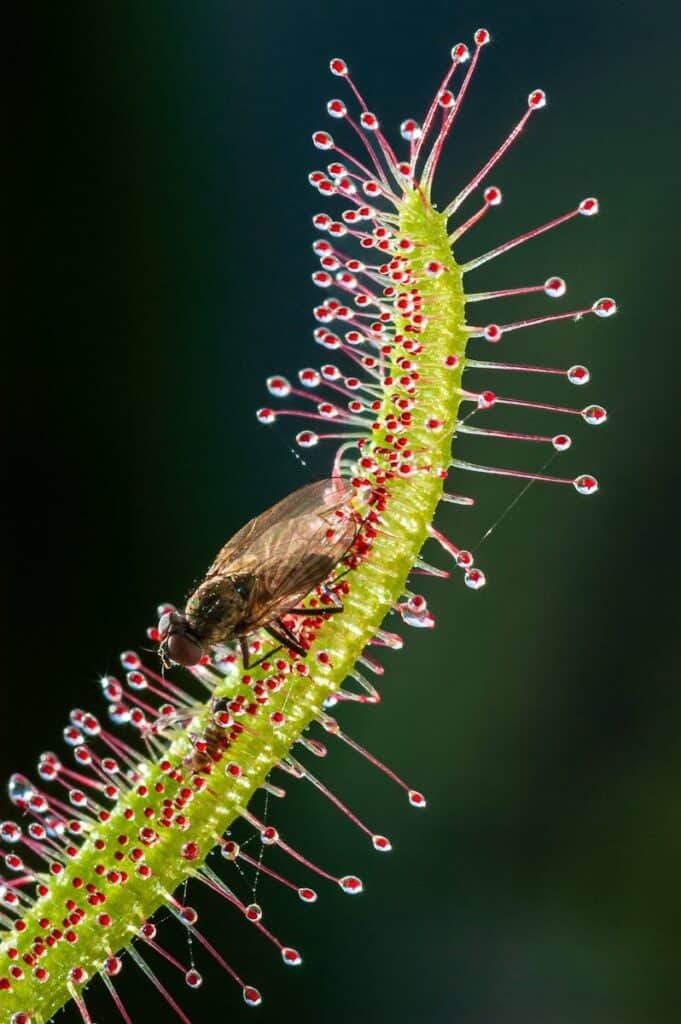
Recently, a particular carnivorous plant species made waves in the scientific community after it was observed feasting on prey significantly larger than its usual fare. This discovery sheds light on the broader dietary capacities of these unique plants and raises questions about their evolutionary adaptations.
Astonishing Discovery: The Incident
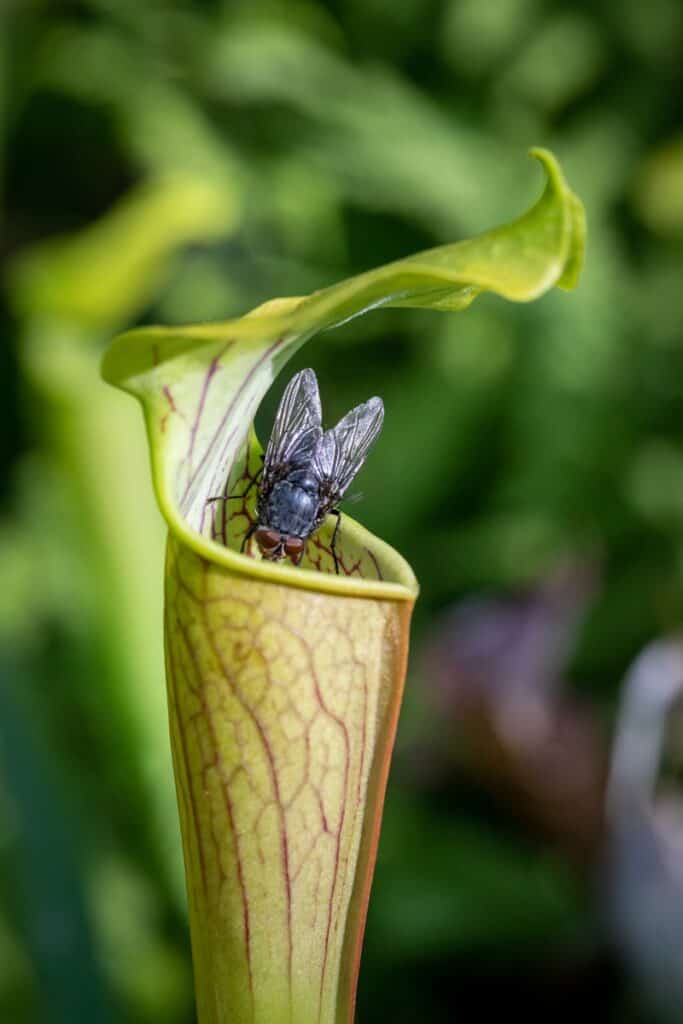
In a striking instance, a large mammalian prey was found within the trap of a tropical pitcher plant (Nepenthes species). This unprecedented event was caught during a field study, where researchers were stunned to find evidence of a shrew, significantly larger than the plant’s usual insect prey, being digested.
Species Spotlight: Tropical Pitcher Plants

Nepenthes, or tropical pitcher plants, are renowned for their large, vase-like pitfall traps filled with digestive enzymes. They are predominantly found in Southeast Asia and are known for their ability to trap insects effortlessly. However, their impressive trap size allows for larger prey than the average insect.
The Role of Larger Prey
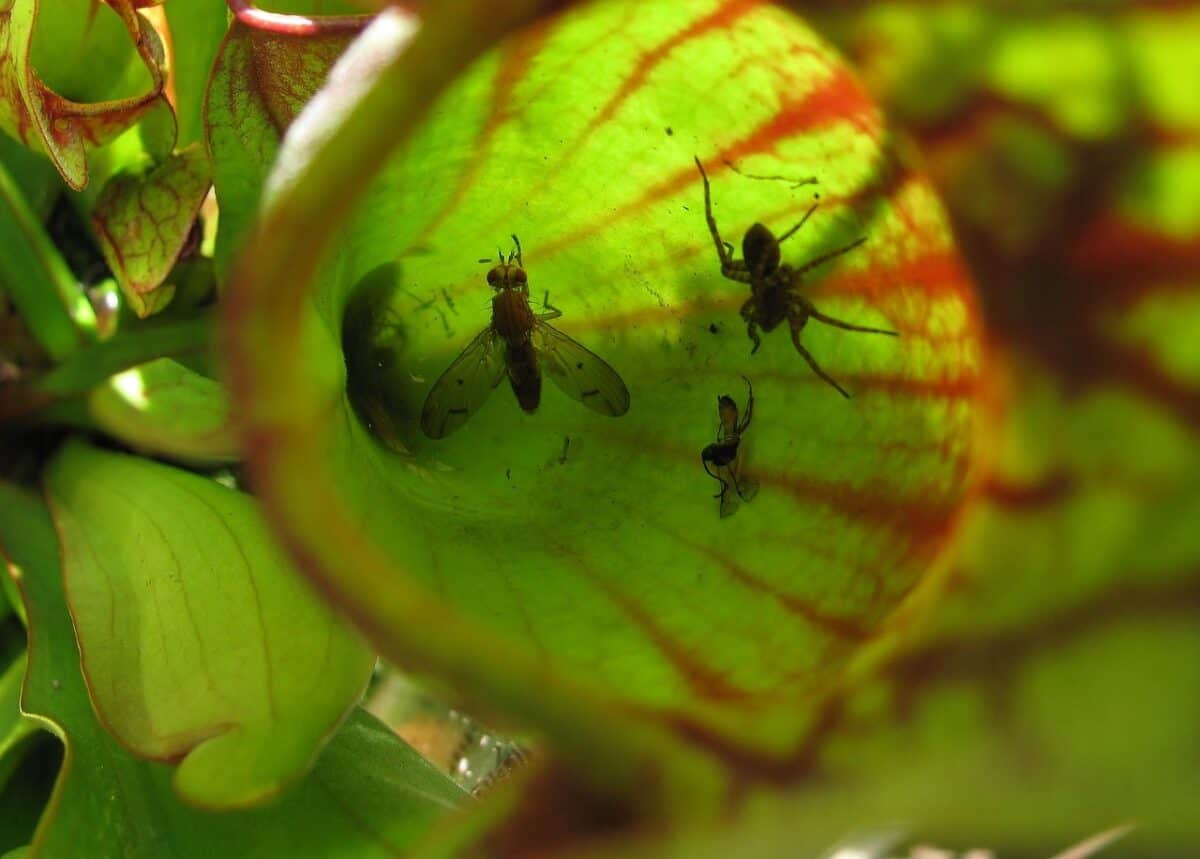
While a larger prey item like a shrew might seem bizarre for a plant to digest, it could result from an accidental slip rather than a deliberate hunting strategy. Nonetheless, the nutrients gained from such an atypical meal would be exponentially beneficial for the plant’s growth and survival in nutrient-poor soil.
Implications for Conservation and Study

The revelation that carnivorous plants can consume larger prey could impact their conservation and cultivation. Understanding their comprehensive dietary needs could assist in preserving these plants in their natural habitats and offer insights into their propagation and protection in botanical gardens.
Challenges in the Wild
Although carnivorous plants are adept hunters of the insect world, they face immense threats from habitat destruction, climate change, and poaching for the horticulture industry. Protecting their native environments is crucial for their continued survival and adaptation.
Diverse Adaptations: More Than Just a Diet
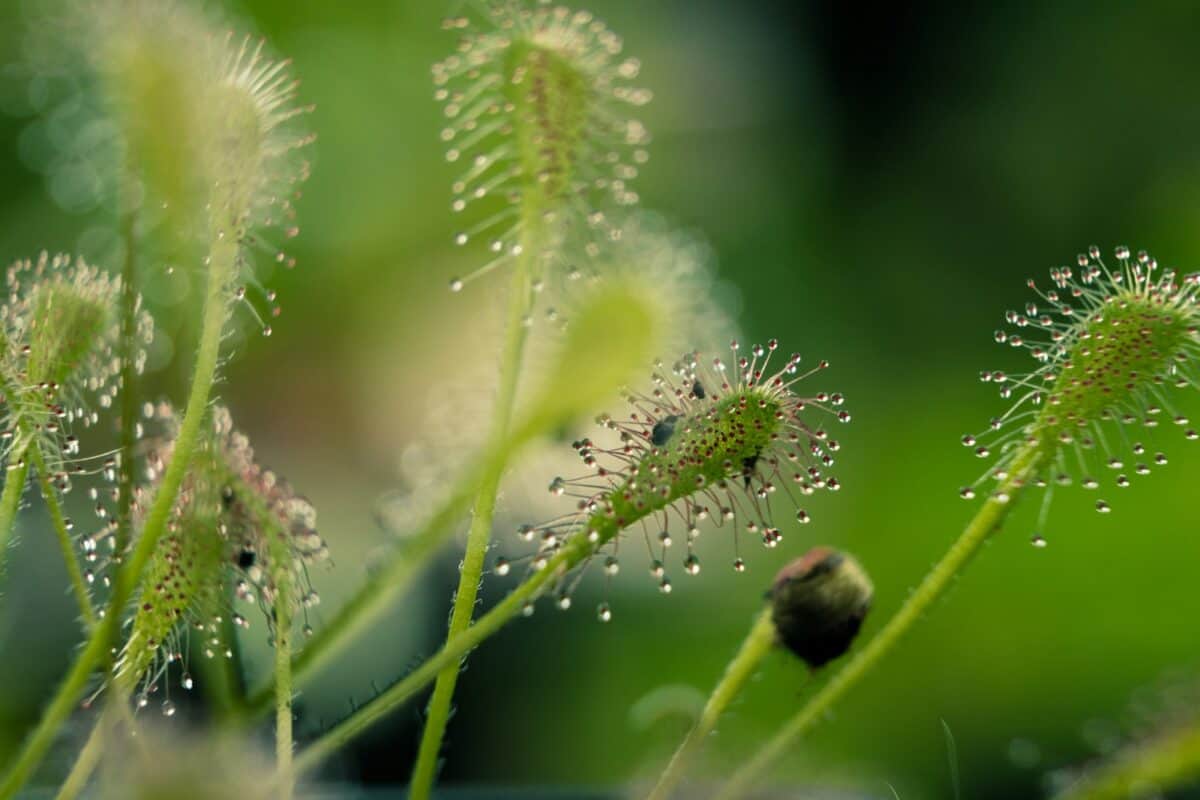
Beyond their dietary habits, carnivorous plants offer a window into the evolutionary innovations organisms can develop in response to environmental pressures. From their vibrant colors and nectar traps to symbiotic relationships with animals, they demonstrate remarkable adaptation strategies.
Human Fascination and Ecological Importance
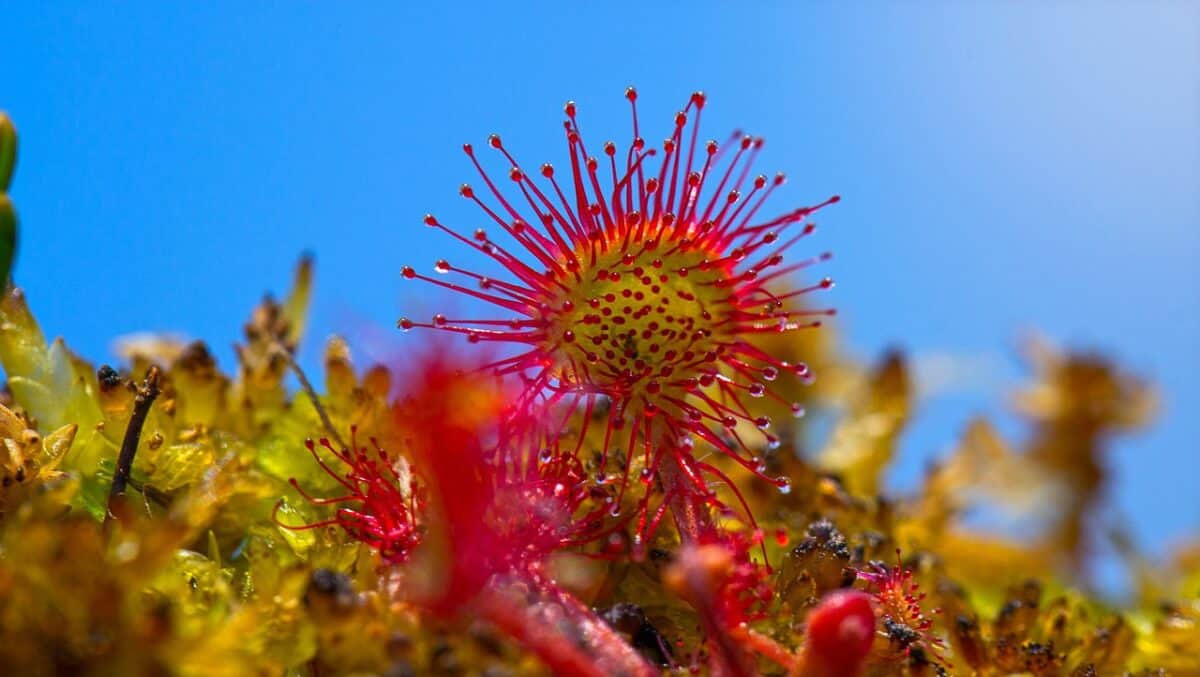
Carnivorous plants have captivated human imagination for centuries, often depicted in literature and media as mysterious predators. Ecologically, they play an essential role in controlling insect populations and offer a unique insight into nature’s balance.
The discovery of carnivorous plants consuming larger prey challenges our understanding of the natural world and the intricate web of ecological interactions. As research continues, these extraordinary plants remind us of the complexity and wonder inherent in nature, constantly pushing the boundaries of what we know about life on Earth. Revisiting and protecting these marvels can only enrich our collective knowledge and appreciation for the diversity of life.

- Beginner’s Guide to Spotting Jaguars in the Wild - August 10, 2026
- How Birds Use the Stars to Navigate Across Continents - August 10, 2026
- What Happens When Lizards Lose Their Tails? - August 10, 2026