

In the world of incredible animal feats, few can compare to the astonishing abilities of some of nature’s smallest creatures. Among them, jumping spiders stand out with their incredible capacity to leap vast distances compared to their size. Despite their diminutive stature, these arachnids command respect with their impressive jumping prowess. In this article, we’ll delve into how these tiny marvels execute such extraordinary jumps, examining their unique adaptations and the fascinating biology behind their leaps.
Understanding the Jumping Spider

Jumping spiders belong to the family Salticidae, which boasts over 6,000 species worldwide. Known for their vibrant colors and intricate patterns, these spiders are more than just a pretty face—they are highly skilled predators. Their ability to jump is a key factor in their predatory success, allowing them to pounce on unsuspecting prey with remarkable precision.
A Leap Beyond Expectations
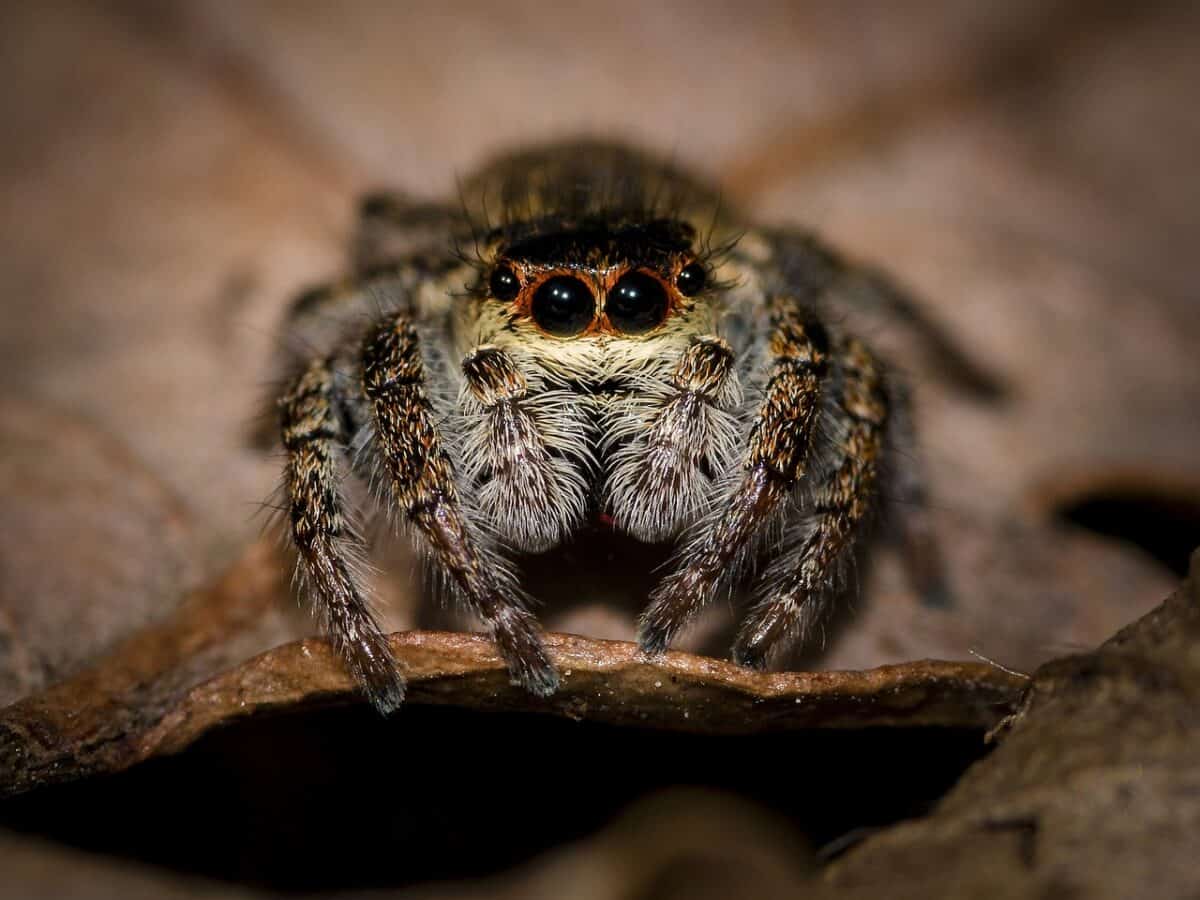
Jumping spiders typically range from just 1 to 22 millimeters in length, yet they can leap up to 50 times their body length. To put this into perspective, this would be like an average human jumping over 100 meters in a single bound! This extraordinary ability helps them navigate their environment efficiently, whether for hunting or avoiding threats.
The Mechanics of the Jump

Unlike insects that use muscle contraction to power their jumps, jumping spiders have evolved a unique hydraulic system. Before a jump, spiders contract muscles in their abdomen, increasing the pressure of the hemolymph (their equivalent of blood) in their legs. This rapid change in pressure extends their legs, propelling them forward at great speed.
Why Jumping Matters for Survival

The ability to leap great distances is crucial for these spiders’ survival. Jumping allows them to ambush prey from a safe distance, reducing the risk of their own injury. Additionally, this capability helps them evade predators and traverse complex landscapes that might otherwise slow their progress.
The Key to Precision
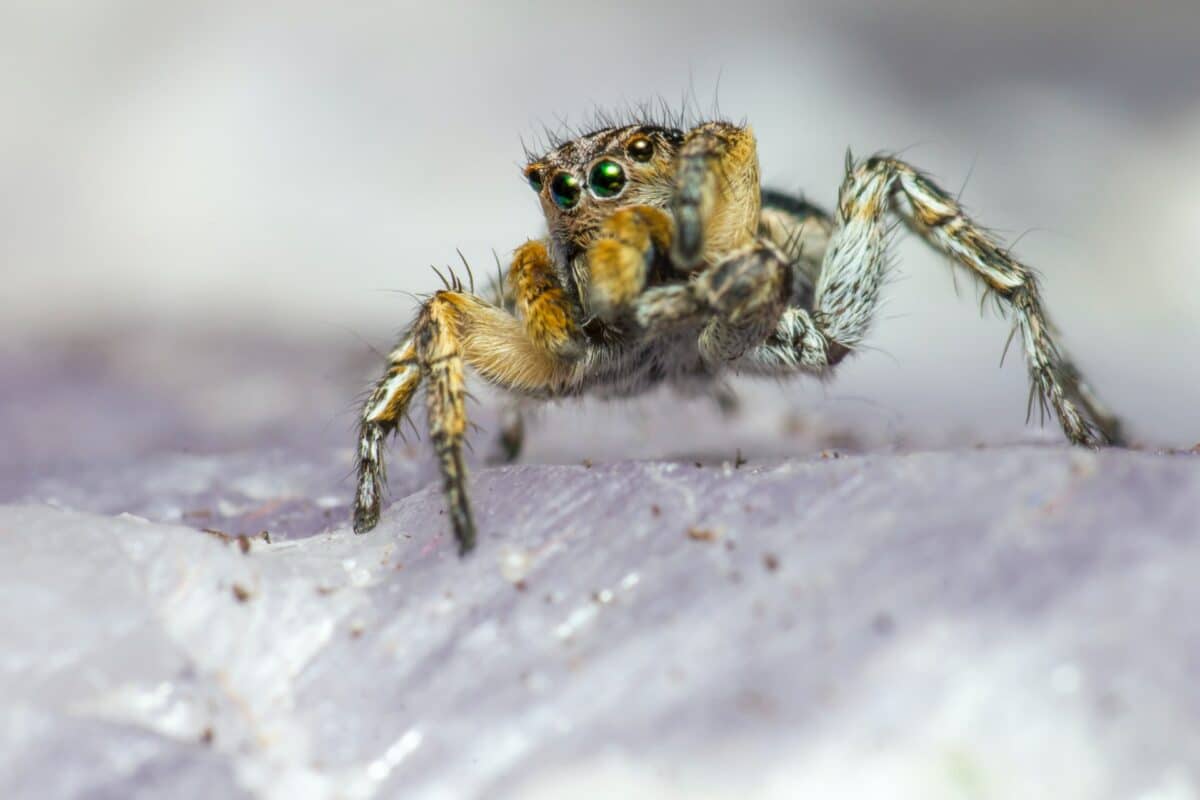
Remarkably, jumping spiders possess excellent vision, which is vital for their jumping accuracy. They have four pairs of eyes, with the anterior median eyes providing high resolution and the ability to discern depth, helping them judge distances accurately when they leap towards their target.
Predatory Tactics of Jumping Spiders

Equipped with their spectacular jumping ability and acute vision, jumping spiders employ sophisticated hunting tactics. They approach their prey with stealth, ensuring they get close enough to launch a successful attack. This strategic approach minimizes energy expenditure and maximizes their hunting efficiency.
Other Forms of Locomotion

While jumping is a signature move, these spiders also exhibit other forms of locomotion. They can walk or run on various surfaces, and some are even capable of creating silk draglines as safety mechanisms, allowing them to stabilize their leaps or retreat quickly when necessary.
Adaptations for Jumping

Jumping spiders have evolved a variety of adaptations to support their leaping lifestyle. Their robust and flexible legs are ideally suited to withstand the forces exerted during takeoff and landing. Additionally, specialized hairs on their legs provide traction and stability during movement.
Insights into Engineered Systems

The biomechanics of jumping spiders have inspired researchers in fields such as robotics and biomimetics. By understanding how these spiders achieve their leaps, scientists can develop more efficient and agile robotic systems, potentially enhancing technologies used in exploration, rescue missions, and even sports science.
Conservation and Habitat
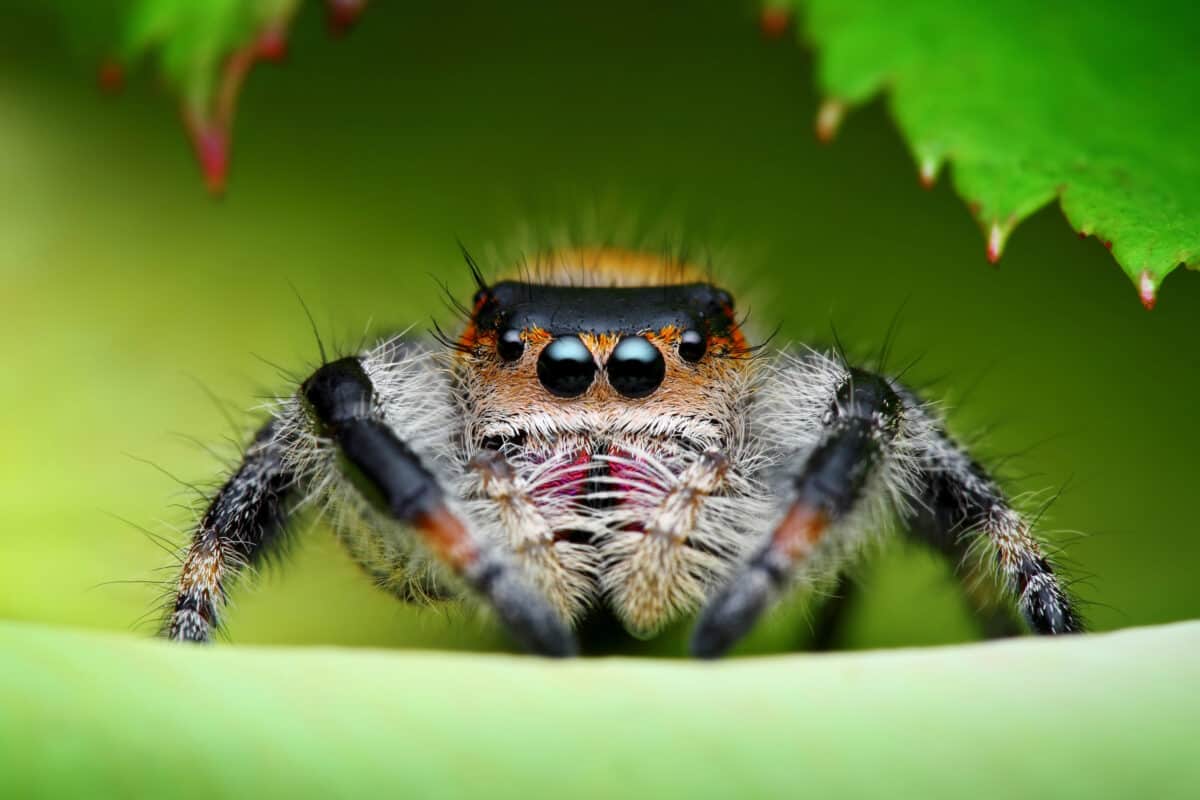
Jumping spiders are found across a wide variety of habitats, from forests and grasslands to urban environments. Their adaptability is a testament to their evolutionary success. However, like many creatures, their habitats face threats from urbanization and environmental changes, highlighting the importance of conservation efforts to protect these incredible animals.
Observing Jumping Spiders at Home

For the curious nature enthusiast, observing jumping spiders in their natural habitat can be a rewarding experience. These spiders are often harmless to humans and can usually be found in gardens, parks, and even indoors where they hunt for pest insects. Watching their agile movements provides insight into their behavior and ecology.
Nature’s Tiny Titans

The jumping spider’s ability to leap 50 times its body length is a striking reminder of the wonders of nature and the ingenuity of evolution. These small but mighty creatures showcase a remarkable combination of physical and sensory adaptations that enable them to thrive across diverse environments. As we continue to study and learn from them, jumping spiders not only enrich our understanding of ecology and physics but also inspire innovation across multiple fields. Whether you encounter these arachnids in the wild or in your own backyard, their impressive leaps are a testament to nature’s boundless creativity and adaptability.

- 10 Ancient Ruins Hidden Deep Inside Dangerous Landscapes - August 12, 2026
- 15 Dog Breeds That Are Surprisingly Good with Cats (and 5 to Avoid) - August 12, 2026
- Why Some Dog Breeds Form Unbreakable Bonds with Their Human Families - August 12, 2026