

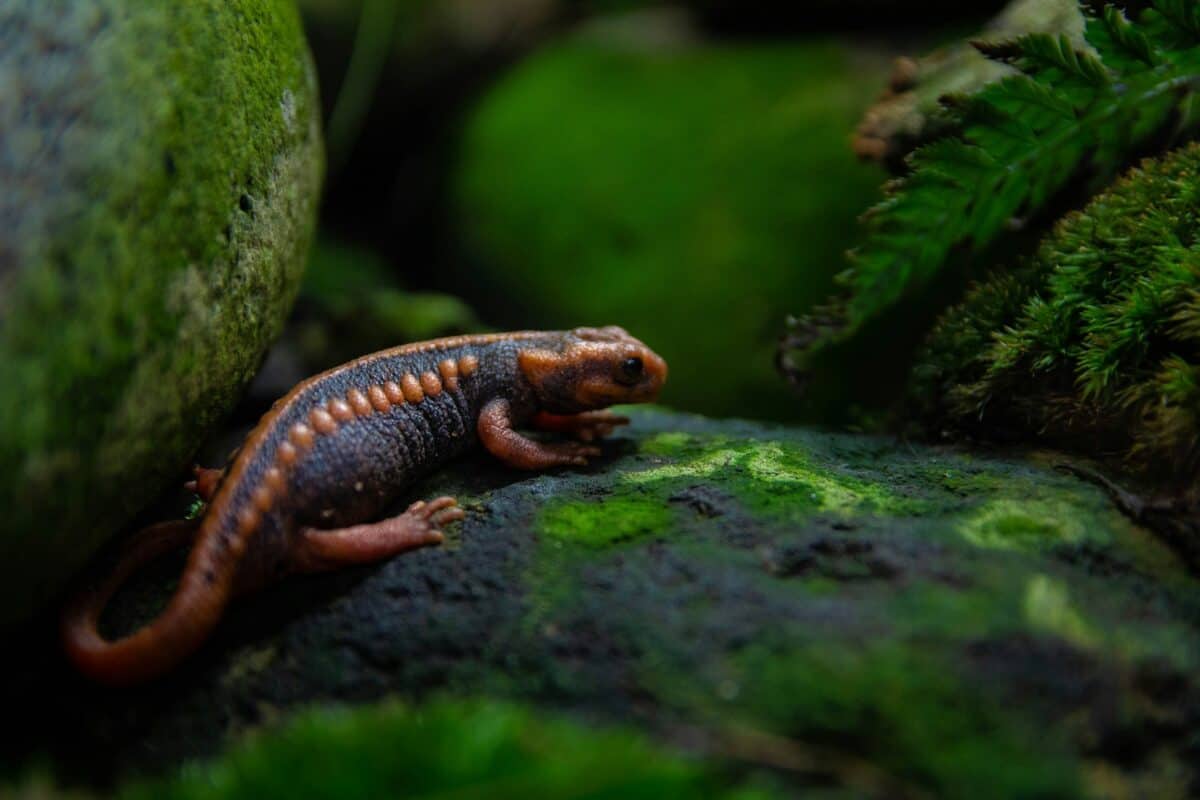
Nature is full of wonders, and one of the most fascinating abilities found in the animal kingdom is regeneration—the remarkable process by which some creatures can regrow lost or damaged body parts with ease. From lizards that regrow their tails to starfish that can regenerate entire arms, these animals showcase extraordinary adaptations that have intrigued scientists for centuries. In this article, we’ll explore twelve animals that have mastered the art of regeneration. Prepare to be amazed!
12. Axolotl: The Mexican Walking Fish

Often called the “Mexican walking fish,” the axolotl is not actually a fish, but a type of salamander that boasts incredible regenerative abilities. Native to lakes near Mexico City, axolotls can regenerate limbs, tails, spinal cords, hearts, and even parts of their brains. This ability makes them a focus of scientific research as experts explore regeneration for medical advancements. Plus, these charismatic creatures remain in their larval form throughout their lives, a trait known as neoteny.
11. Starfish: The Stellar Regenerator
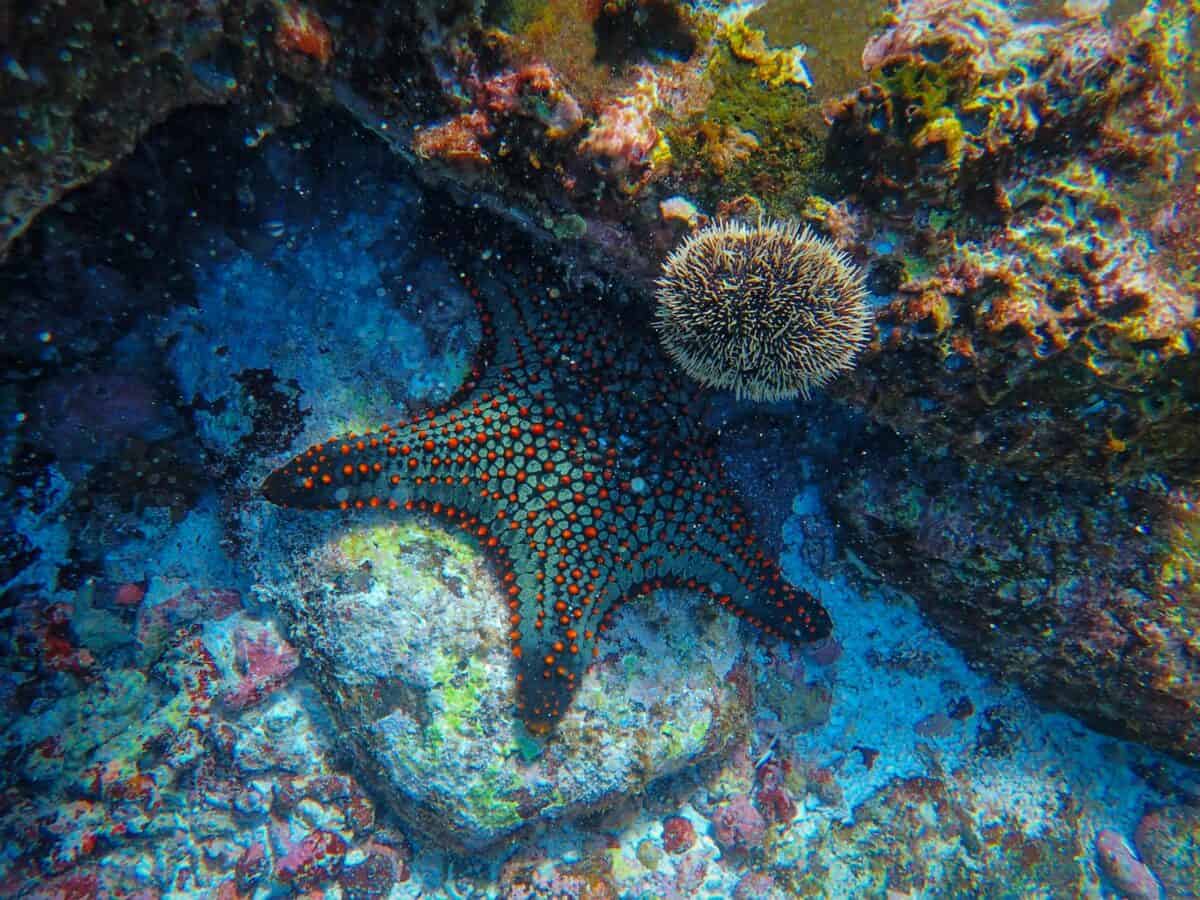
Starfish, or sea stars, are masters of regeneration. They possess the fascinating ability to regrow lost arms and, in some cases, their entire body from just a single arm fragment. This is possible because their central disc can grow the missing parts, provided it includes a portion of the original central ring of nerves. This remarkable survival strategy aids their recovery from injury and predation.
10. Green Iguana: The Tail-Toting Lizard

The green iguana is a common sight in the rainforests of Central and South America, and these reptiles are well-known for their ability to regrow tails. When threatened, iguanas can detach their tails as a defense mechanism to escape predators—a process known as autotomy. The detached tail distracts predators, giving the iguana a chance to flee. Over time, the iguana can regrow its tail, although it may differ slightly from the original.
9. Planarian: The Immortal Flatworm

Planarians are small, simple flatworms with an extraordinary ability to regenerate. Cut a planarian into several pieces, and each piece can regrow into a complete organism! These worms possess a type of stem cell called neoblasts, which enable them to rebuild any part of their body, including their central nervous system. This regeneration prowess has made planarians a valuable model for studying basic biological processes.
8. Sea Cucumber: The Eviscerating Echinoderm
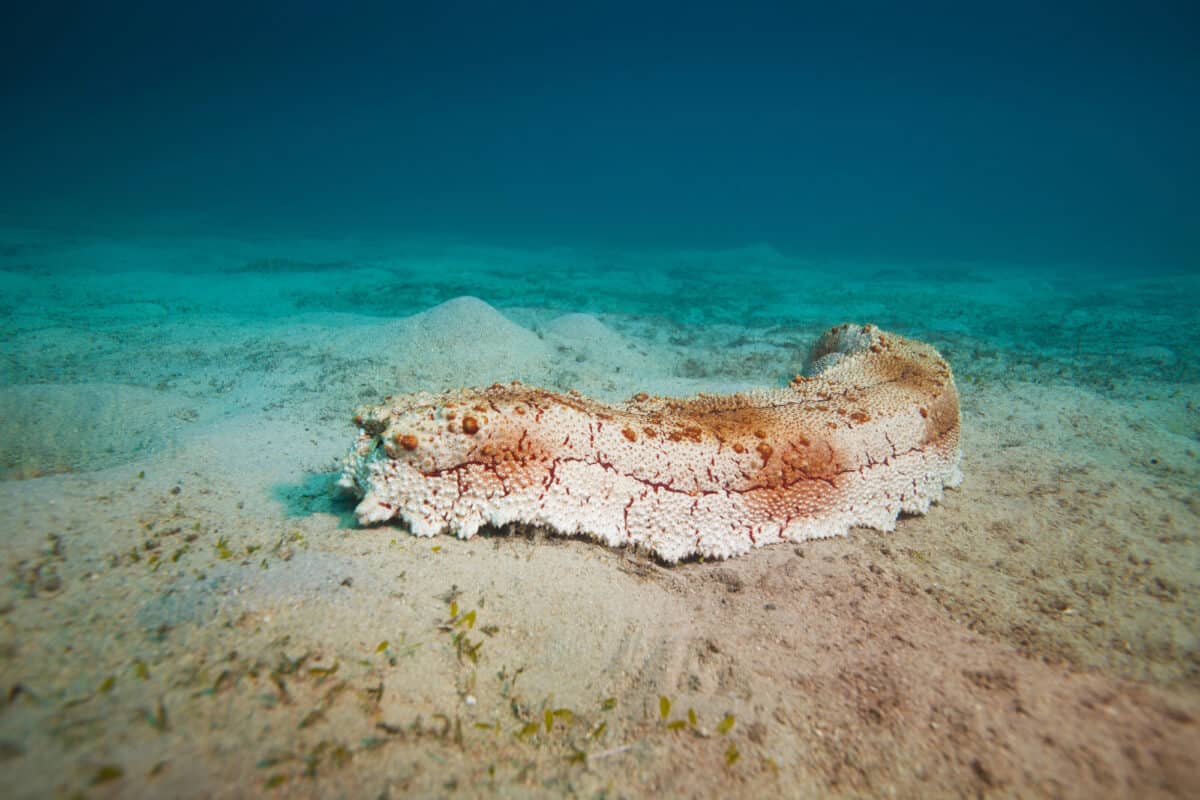
Sea cucumbers have an unusual and dramatic defense mechanism: when threatened, they can expel their internal organs to deter predators. Remarkably, they are able to regenerate these organs over several weeks or months. This ability not only confers survival benefits but also highlights the resilience and adaptability of marine life.
7. Octopus: The Eight-Armed Wonder

Octopuses are known for their intelligence, but they also possess a handy regenerative ability. If an octopus loses an arm, it can regrow it completely, including the muscles, nerves, and the specialized structures that make up the sucker. This adaptability is vital for survival in the wild, where confrontations with predators and environmental hazards are common.
6. Salamander: The Amphibious Regenerator
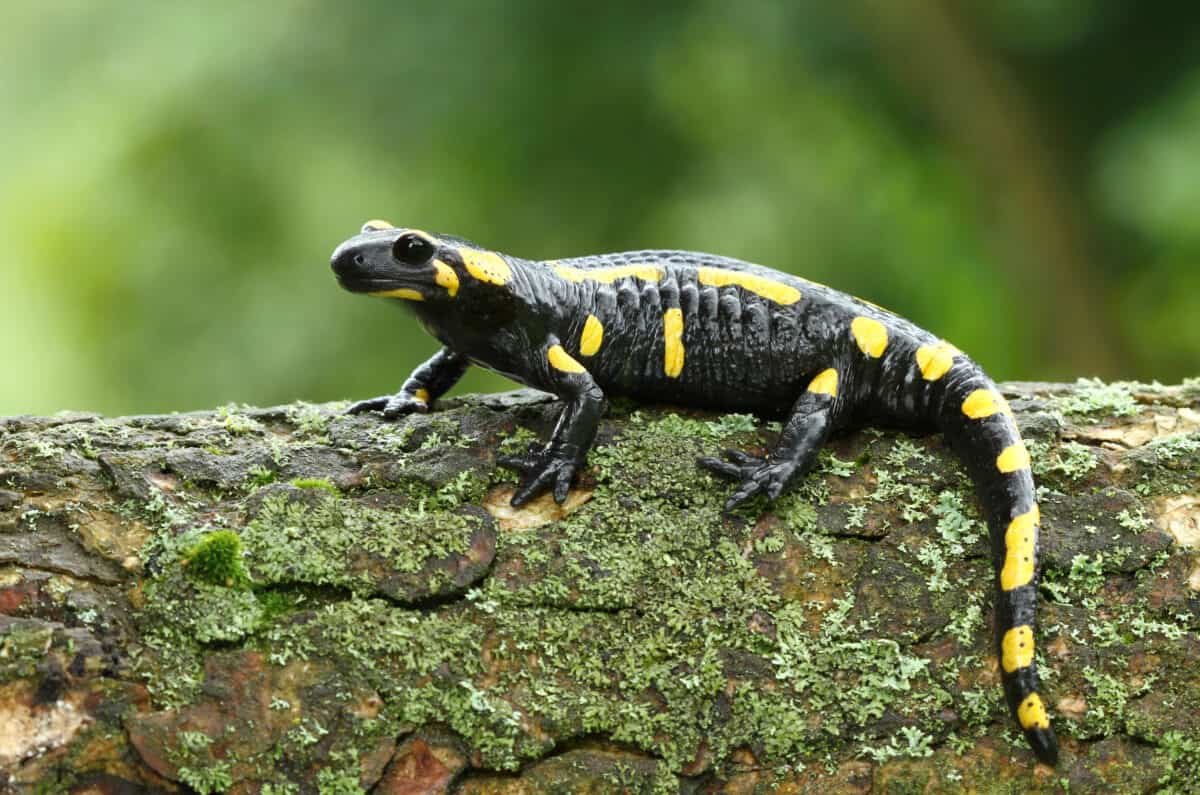
Salamanders are famed for their regenerative prowess. These amphibians can regenerate limbs, tail, skin, jaws, and even parts of their heart and eyes. This ability stems from the presence of unique cells at the injury site, which revert to a primitive state and multiply to rebuild the missing structures. Research into salamander regeneration offers promising avenues for regenerative medicine.
5. Crayfish: The Claw-Redo Champion
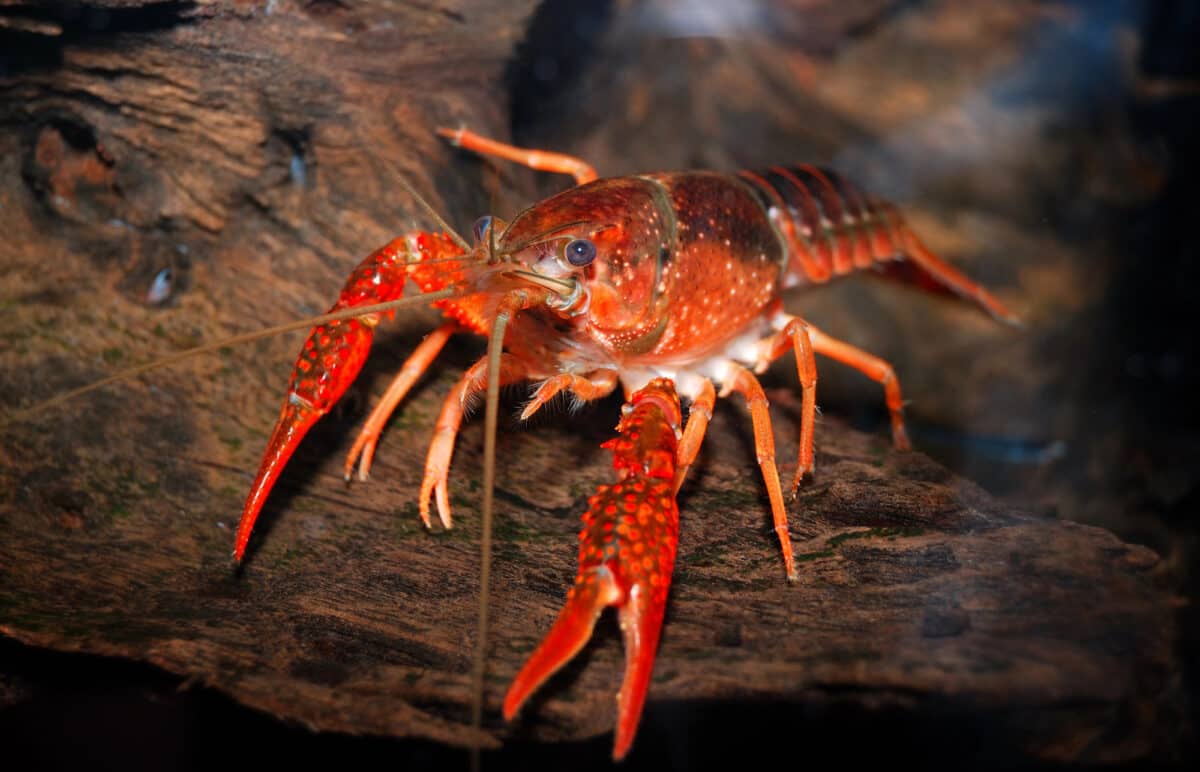
Crayfish are freshwater crustaceans capable of regenerating lost claws and other appendages. This ability is crucial for their survival, as claws play an essential role in feeding, defense, and reproduction. The regeneration process occurs through multiple molting cycles and highlights the crayfish’s incredible adaptability to injury.
4. Deer: The Antler Alchemist

Deer are unique among mammals for their regenerative capabilities associated with antlers. Every year, male deer shed their antlers and regrow them, undergoing one of the fastest tissue regeneration processes known in the animal kingdom. Studying antler regeneration provides insight into tissue growth and regeneration potential in vertebrates.
3. Gecko: The Quick-Release Tail
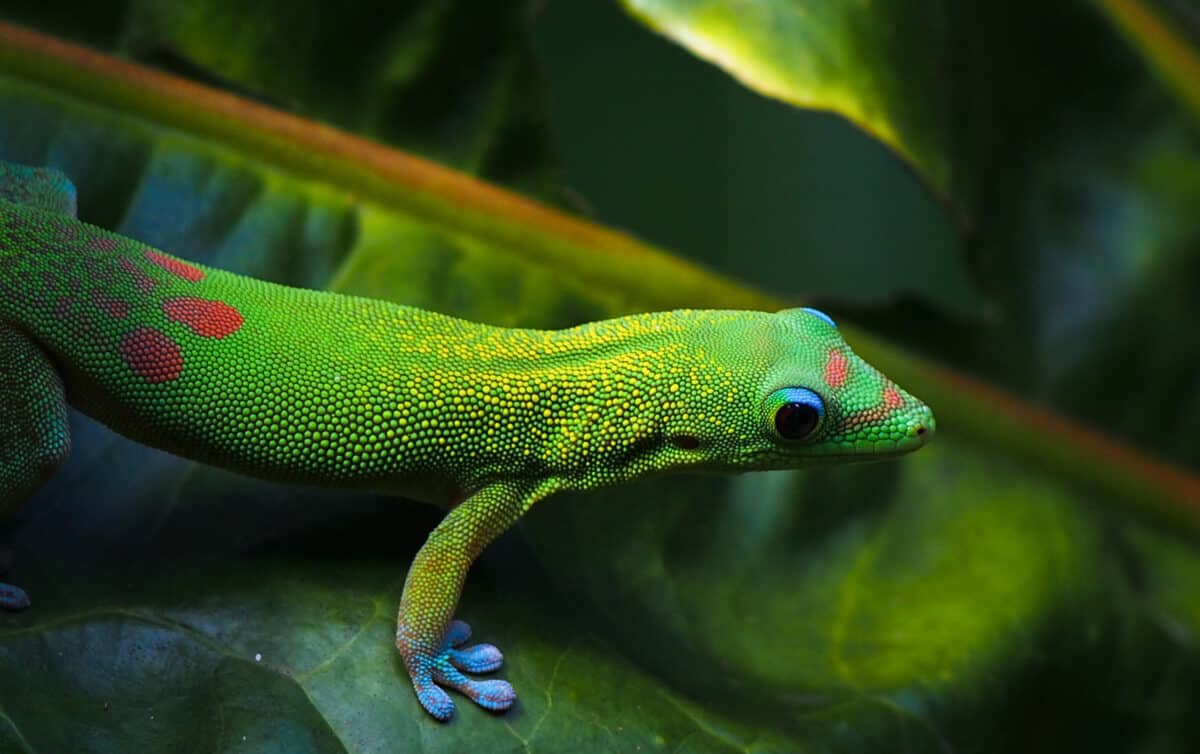
Geckos are well-known for their ability to drop and subsequently regrow their tails, an effective tactic against predators. The tail detachment occurs at specific fracture planes, minimizing blood loss and injury. The regrowth involves an energy-intensive process that results in a tail that’s structurally simpler but functional.
2. Newt: The Limb and Lens Wizard
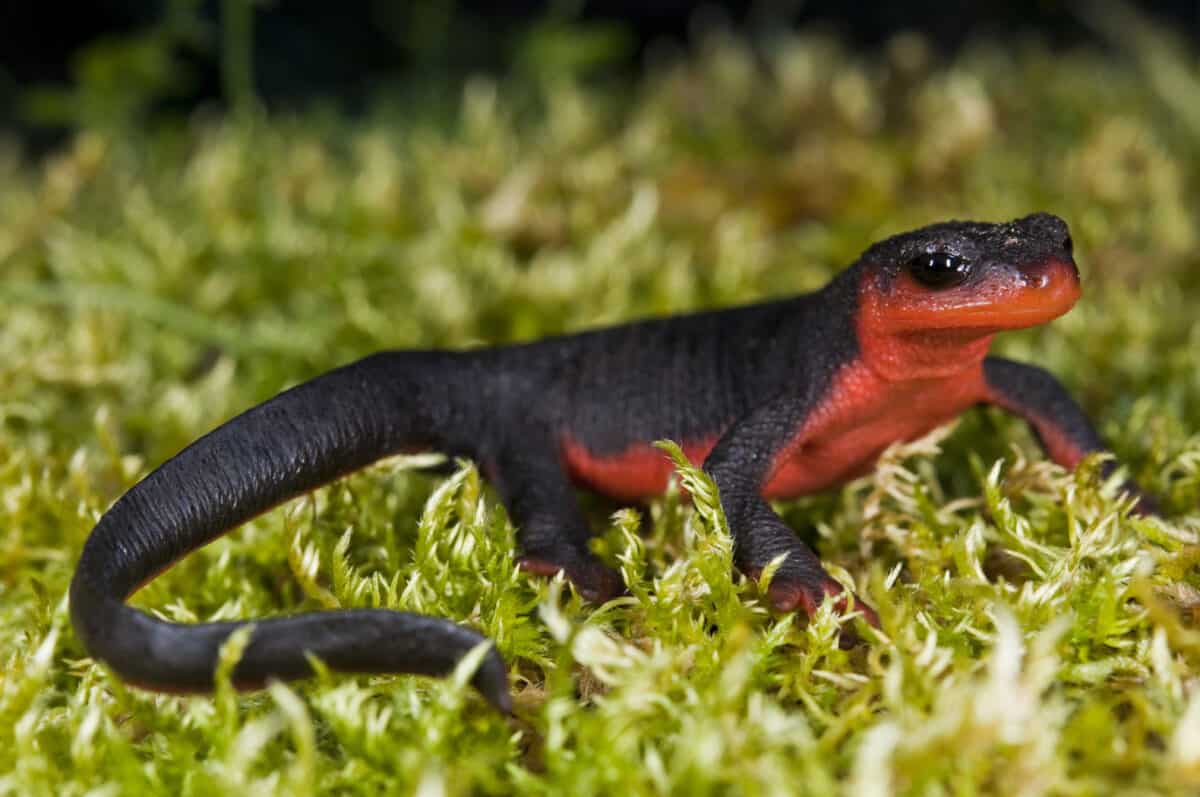
Newts, a type of small salamander, can regenerate not only lost limbs and tails but also parts of their eyes—specifically the lens and retina. This ability makes them a focus of eye regeneration research. Understanding how newts regenerate eye structures could have significant implications for treating human eye injuries and diseases.
1. Sea Squirt: The Chordate Miracle

Sea squirts, or tunicates, are marine invertebrates capable of regenerating various body parts, including siphons and some visceral organs. One particularly fascinating feature is that in situations of extreme stress, certain sea squirt species can regenerate their entire body from a fragment of their tunic. Studying their regenerative abilities gives us insights into the evolution of regeneration mechanisms in chordates.
In conclusion, the ability to regenerate lost or damaged body parts is one of the most astonishing adaptations in the natural world. These twelve animals illustrate not only the marvels of evolution but also the potential for scientific advancement in understanding and harnessing regeneration. As researchers continue to explore the mechanisms behind these abilities, their findings could one day revolutionize medical treatments, offering hope for regenerating human tissues and organs.

- The Role of Bears in Keeping Forests Healthy - July 10, 2026
- How Tiger Cubs Learn to Hunt From Their Mothers - July 10, 2026
- Wildlife That Thrives in the Carolinas Year-Round - July 10, 2026
Leave a comment
You must be logged in to post a comment.