
The oceans are a magnificent, frustratingly fragile ecosystem that covers over 70% of the Earth’s surface. However, these vibrant underwater worlds are facing an existential threat due to climate change, pollution, and overfishing. As natural coral reefs struggle, scientists and conservationists are turning to innovative solutions to protect and revive these essential marine habitats. One such solution is the creation of artificial coral reefs. But can these man-made structures truly save our dying oceans?
Understanding Coral Reefs

Coral reefs are often referred to as the “rainforests of the sea” because of their incredible biodiversity. Comprising less than 1% of the ocean floor, these ecosystems support around 25% of all marine life. Corals, tiny marine animals related to jellyfish, build reefs by secreting calcium carbonate to form protective shells around themselves. Over thousands of years, these deposits grow into the massive underwater structures known as coral reefs.
The Crisis Facing Coral Reefs

Human activities have been taking a toll on coral reefs for decades. Rising sea temperatures lead to coral bleaching, a phenomenon in which stressed corals expel the symbiotic algae living within them, turning the corals white and often leading to their death. Pollution from agriculture and industry as well as harmful fishing practices, have further compounded the problem, resulting in the loss of significant portions of coral reef ecosystems worldwide.
The Role of Coral Reefs in Marine Ecosystems

Coral reefs provide a habitat for countless marine species, playing a crucial role in oceanic biodiversity. They also offer numerous benefits to humans, such as supporting fishing industries, protecting coastlines from erosion, and offering potential sources of new pharmaceuticals.
The Birth of Artificial Reefs

Artificial reefs are man-made structures designed to promote marine life. They can be composed of various materials such as steel, concrete, and even intentionally sunken ships. The concept isn’t new; since the mid-20th century, artificial reefs have been used to enhance fish habitats and increase biodiversity. However, only recently have efforts expanded to create reefs that mimic the complex structures of natural coral reefs.
Materials Used in Artificial Reefs

Constructing artificial reefs involves choosing materials that are durable, environmentally friendly, and conducive to marine life colonization. Concrete is frequently used due to its stability and longevity. Some innovative projects incorporate eco-friendly materials, like 3D-printed biodegradable structures that mimic the natural forms of coral branches, inviting organisms to settle and grow.
Success Stories and Case Studies

Several successful projects demonstrate the potential of artificial reefs. In the Bahamas, the world’s largest 3D-printed reef, installed in 2018, has shown significant coral growth and marine life attraction. Similar projects in the Gulf of Thailand and the Great Barrier Reef are witnessing positive ecological impacts, indicating that artificial reefs can effectively restore marine biodiversity.
Challenges and Criticisms
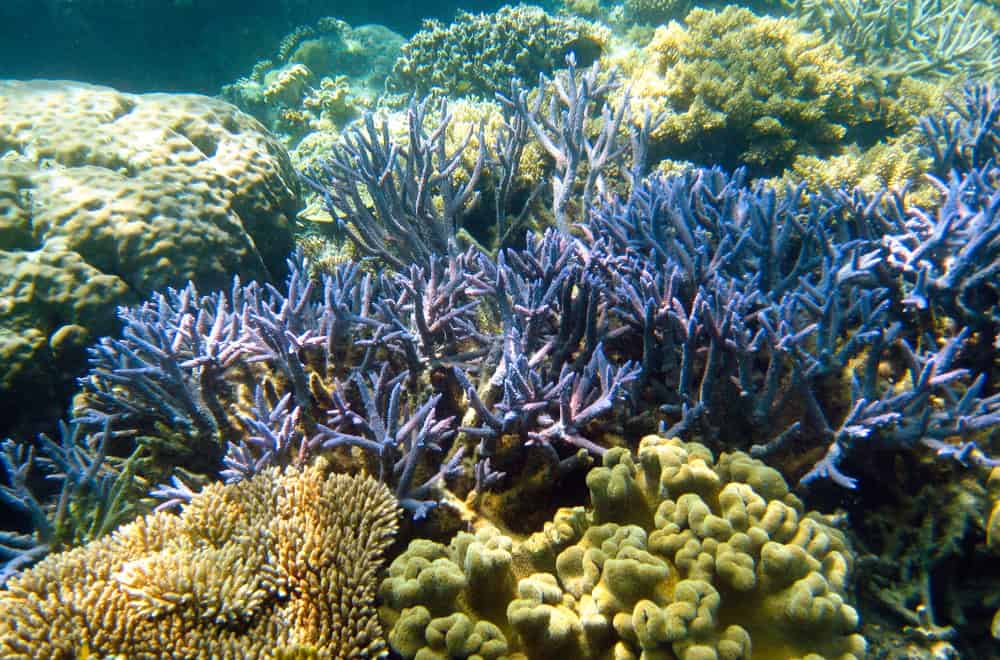
While artificial reefs hold promise, they are not without challenges and controversies. Critics argue they may not entirely replicate the biodiversity of natural reefs and could even distract from efforts to protect existing natural habitats. Additionally, poorly planned projects risk becoming toxic dumping grounds rather than thriving ecosystems.
Ecological and Economic Benefits

Done correctly, artificial reefs can benefit both ecology and local economies. By supporting fish populations, these structures boost fisheries. They also attract tourists, divers, and snorkelers, who contribute to local economies. Moreover, artificial reefs can protect shorelines from erosion, reducing the impact of storms and sea-level rise.
The Role of Technology in Reef Construction
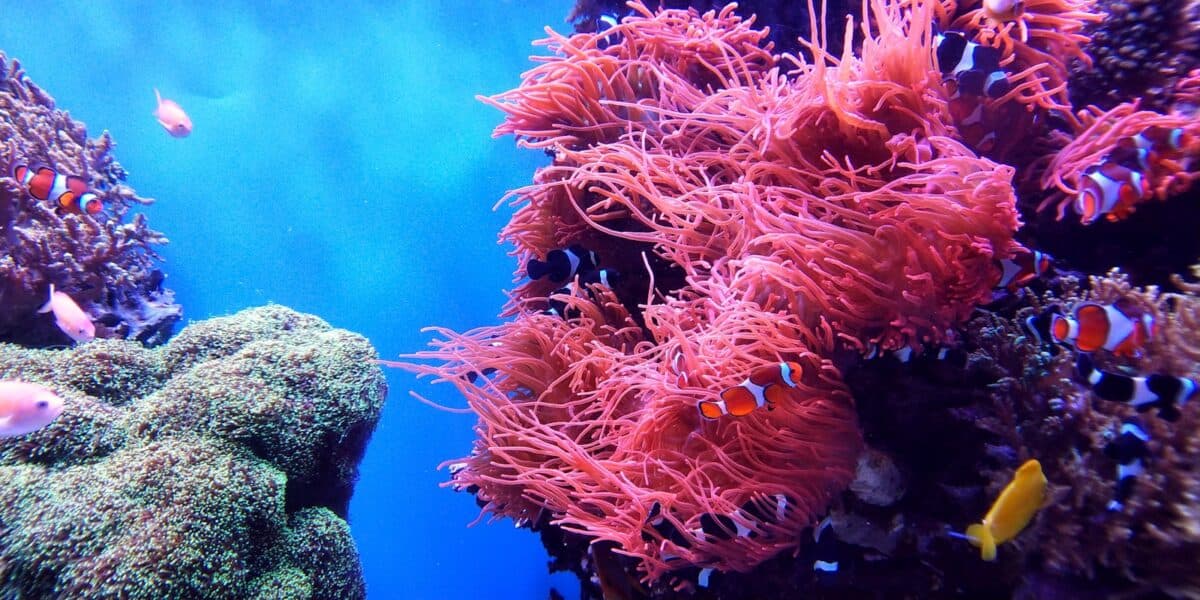
Advanced technologies, including 3D printing and AI, are revolutionizing the field of artificial reef construction. 3D printing allows for precise designs that resemble natural coral structures, while AI can monitor and predict environmental changes to aid in reef management. These technologies offer hope for creating more effective and sustainable marine habitats.
Community Involvement and Conservation Efforts
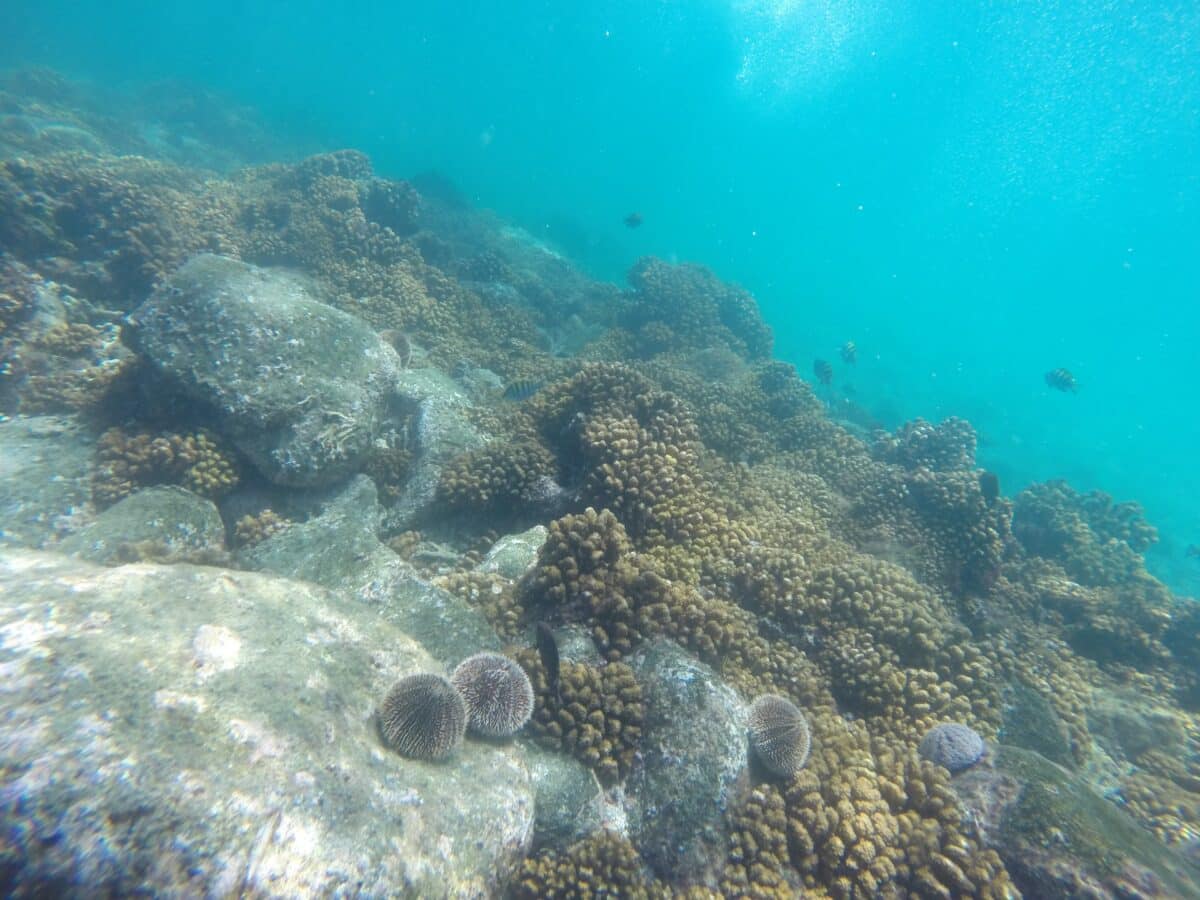
Community engagement is vital for the success of artificial reef programs. Education and participation can enhance local stewardship of these marine initiatives. Conservation organizations often partner with local communities to train residents in reef maintenance and monitoring, creating jobs and fostering personal investments in marine protection.
Future Prospects for Artificial Reefs
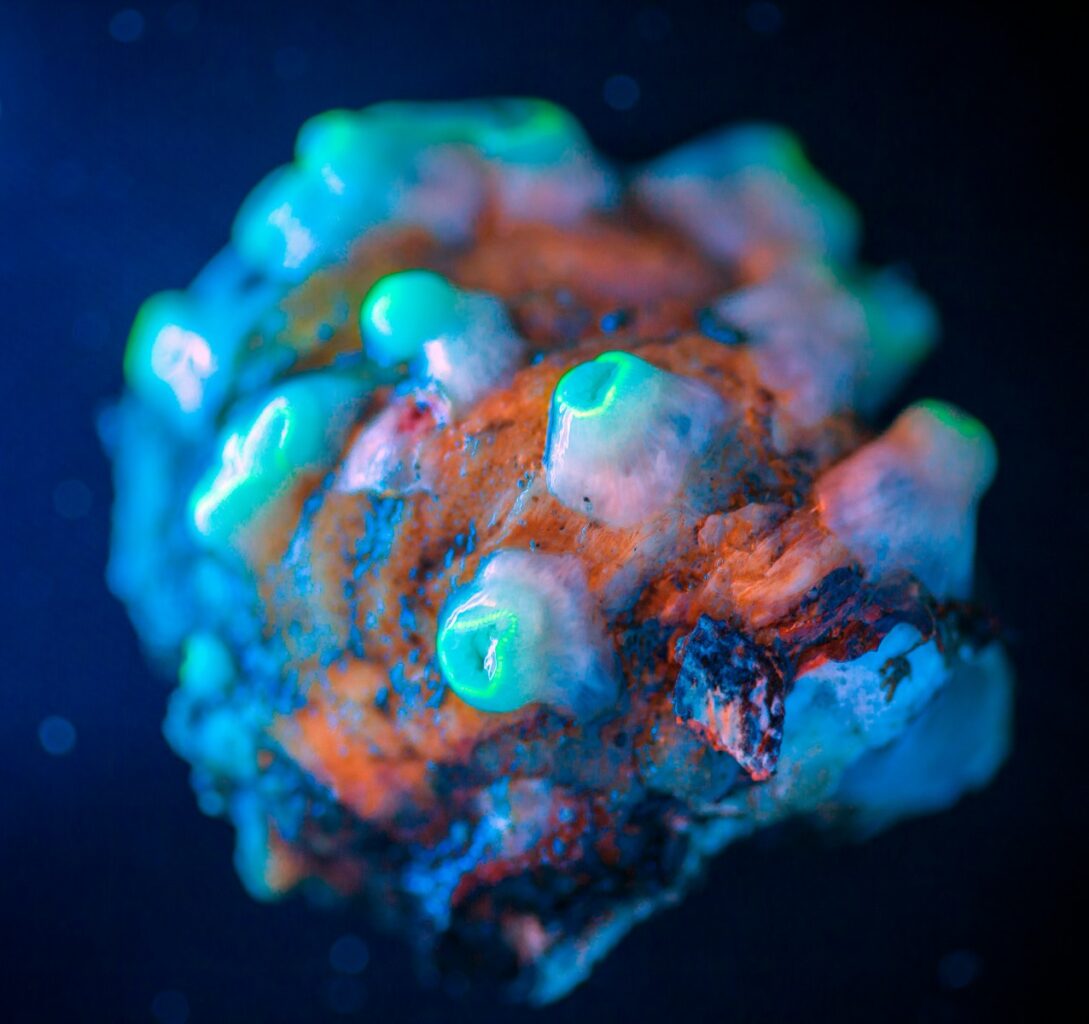
Looking ahead, the continued development and refinement of artificial reefs have the potential to complement natural conservation efforts. By incorporating lessons learned from past successes and failures, researchers and practitioners aim to create more efficient and resilient artificial reefs that can withstand the mounting pressures on ocean ecosystems.
A Tool But Not a Panacea

While artificial coral reefs show significant promise in addressing some of the challenges faced by our oceans, they should not be seen as a cure-all solution. Efforts must continue to reduce carbon emissions, prevent pollution, and regulate damaging fishing practices. Artificial reefs are a powerful tool in the broader arsenal needed to safeguard our oceans’ future, offering a glimmer of hope in the race against time to preserve these vital ecosystems.

- The Most Powerful Earthquake Ever Felt in the U.S. - July 19, 2026
- How Rhinoceros Males Compete for Mating Rights in the Wild - July 18, 2026
- 13 Spider Species Thriving in Changing Environments - July 18, 2026